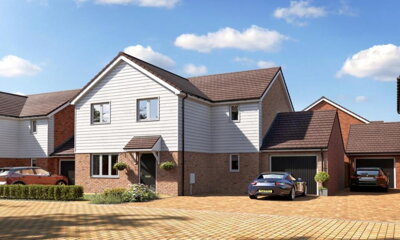
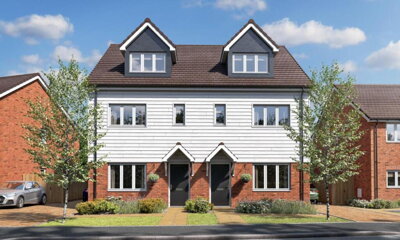
Browse 4 homes new builds in Hadlow, Tonbridge and Malling from local developer agents.
The larger property sector typically features multiple bathrooms, substantial reception space, and private gardens or off-street parking. Four bedroom houses in Hadlow span detached, semi-detached, and occasionally terraced configurations, with styles ranging from period properties to modern executive homes.
£699k
13
0
104
Source: home.co.uk
Showing 13 results for 4 Bedroom Houses new builds in Hadlow, Tonbridge and Malling. The median asking price is £699,000.
Source: home.co.uk
Detached
7 listings
Avg £1.07M
Semi-Detached
6 listings
Avg £580,833
Source: home.co.uk
Source: home.co.uk
The Hertfordshire property market presents a varied landscape of housing types and price points to suit different budgets and preferences. Detached properties command the highest prices, with the average currently sitting at £864,499 according to recent market data. Semi-detached homes offer more accessible entry points at an average of £585,966, while terraced properties average £447,420 and flats start from around £282,332. This spread means Hertfordshire accommodates first-time buyers seeking apartments, growing families needing more space, and those seeking substantial family homes with multiple bedrooms and private gardens.
Market conditions in Hertfordshire have shown resilience despite broader national trends. Over the past twelve months, average prices in the county declined by approximately 2%, falling from £539,600 to £530,000. However, this masks significant variation between sub-markets, with East Hertfordshire experiencing a 6.2% price increase to an average of £460,000. Newly built properties have performed particularly strongly, with prices rising 12% over the year to reach an average of £596,000. Developers including David Wilson Homes, Taylor Wimpey, and Croudace Homes continue to bring new developments to market, with options ranging from £406,000 for a three-bedroom home up to £735,000 for premium five-bedroom properties in locations such as Hertford, Hemel Hempstead, and Berkhamsted.
Sales volumes have adjusted alongside price movements, with approximately 12,700 transactions completed over the past twelve months, representing a 12.5% reduction from the previous year. Of these sales, newly built properties accounted for around 370 transactions, or 2.9% of the total market. This combination of modest price adjustment and reduced transaction volumes suggests a market that is recalibrating after the volatility of recent years, creating opportunities for buyers who are prepared to act decisively on properties that meet their requirements.

Hertfordshire is home to a population of approximately 1,236,191 people across 482,900 households, making it one of England's most densely populated counties outside London. The county boasts a polycentric settlement pattern, with thriving communities ranging from historic market towns like Hertford, St Albans, and Bishop's Stortford to purpose-built new towns including Stevenage, Hemel Hempstead, and Welwyn Garden City. Each settlement offers its own distinct character while sharing the county's reputation for excellent quality of life, strong local services, and vibrant community spirit that attracts buyers year after year.
The urban areas of Hertfordshire accommodate approximately 89% of the population despite covering only about a third of the county's total area. This concentration leaves extensive countryside accessible to residents, from the rolling hills of the Chilterns to the river valleys of the Lea and Stort. The housing stock reflects this variety, with terraced properties accounting for 32.9% of sales, semi-detached homes at 24.2%, flats at 24.1%, and detached properties comprising 18.8%. This mix of property types means buyers can find everything from compact apartments in town centres to substantial detached homes on generous plots depending on their budget and lifestyle preferences.
Local amenities are well-developed throughout the county, with popular destinations including St Albans with its Roman cathedral and vibrant city centre, Watford with its shopping centres and entertainment venues, and Broxbourne with its riverside attractions and nature reserves. The county also benefits from strong cultural offerings, from the Abbey Theatre in St Albans to the Gordon Craig Theatre in Stevenage, alongside numerous museums, galleries, and historical sites that enrich life for residents across the area.

Education provision across Hertfordshire is extensive and highly regarded, making the county a prime choice for families considering a property purchase. The local education landscape includes a mix of community schools, academy converters, and independent establishments, with Ofsted-rated outstanding and good schools distributed throughout major towns and villages. Parents researching properties will find primary schools catering to children from reception through Year 6, secondary schools offering GCSE and A-Level programmes, and further education colleges providing vocational and academic pathways for older students.
Several Hertfordshire towns have developed particular reputations for educational excellence. St Albans hosts several highly performing secondary schools that regularly appear in county rankings, while Hitchin and Letchworth in the north of the county benefit from strong grammar school provision. Parents seeking grammar school places for their children should note that Hertfordshire operates a selective testing system, and properties within catchment areas of successful grammar schools often command premium values. The proximity of Hertfordshire to London means some families also consider independent schools in the capital for secondary education, with commuting times from towns like St Albans, Radlett, and Potters Bar making this a practical option.
When buying property in Hertfordshire, prospective parents should research specific school catchments, as admission policies often prioritise children living within defined geographic areas. Property values in popular catchment zones can command premiums of 5-15% compared to similar properties outside preferred school areas. Websites such as Gov.uk provide Ofsted inspection reports, and local authority admission guides outline boundary maps for each school. Many families find it worthwhile to narrow their property search to specific postcodes before making an offer, particularly in towns like St Albans, where competition for places at popular schools is intense.
Transport connectivity stands as one of Hertfordshire's greatest advantages for property buyers, with the county benefiting from exceptional road and rail infrastructure. The motorway network serves as the backbone of road transport, with the M1 running through the western side of the county providing access to London and the North, the A1(M) connecting the east to Newcastle and Edinburgh, the M25 encircling Greater London and passing through Hertfordshire towns including Watford, Borehamwood, and Waltham Cross, and the A10 linking the county to Cambridge and the East. This comprehensive network places Hertfordshire residents within easy reach of major employment centres, airports including Luton and Stansted, and international connections via the Channel ports.
Rail services from Hertfordshire stations provide frequent connections to London and regional destinations. Towns including St Albans, Watford, Hitchin, Stevenage, and Bishop's Stortford offer direct services to London terminals, with journey times ranging from approximately 20 minutes from towns closest to the capital to around 45 minutes from more northerly locations. Great Northern, Thameslink, West Midlands Trains, and Greater Anglia operate services throughout the county, providing options for commuters at various price points. Thameslink services via St Albans and Radlett connect directly to London Bridge, London St Pancras, and other major terminals, making these towns particularly popular with City workers.
Bus services connect smaller communities to railway stations and town centres, while cycling infrastructure has improved in recent years with dedicated routes linking residential areas to employment zones and transport hubs. For those who drive, the A414 corridor running through Hatfield and Hertford can experience congestion during peak hours, and the A10 around Cheshunt is known to flood during periods of heavy rainfall. Prospective buyers should factor in typical commute times during the hours they will actually be travelling, as rush-hour conditions can significantly extend journey times compared to off-peak driving.
Hertfordshire encompasses diverse communities from market towns to new towns. Investigate local property prices, schools, transport links, and neighbourhood character to identify areas that match your priorities. Our property search allows you to compare listings across the county and understand what your budget purchases in different locations. Consider factors such as flood risk in river valleys, subsidence history on clay soils, and school catchment boundaries when narrowing your search.
Before arranging viewings, obtain a mortgage agreement in principle from a lender. This demonstrates your financial credibility to estate agents and sellers, strengthening your position when making an offer. Factors including your deposit size, income, and credit history will determine your borrowing capacity in the current market. With average property prices at £530,000, most buyers will need substantial deposits and careful financial planning to secure their preferred Hertfordshire property.
Visit properties that match your criteria, paying attention to the property's condition, potential issues, and how it compares to others in the area. For properties in Hertfordshire, consider foundation concerns in areas built on clay soil, flood risk in river valleys, and the implications of conservation area status on future modifications. Take photographs and notes during viewings to help compare properties after visiting multiple homes across different towns and price ranges.
A professional survey is essential for identifying structural issues before purchase. In Hertfordshire, surveys typically cost between £400 and £1,000 depending on property value and size, with the average around £499. Our RICS-qualified surveyors will assess the property's condition, flagging concerns such as subsidence risk on London Clay soils, damp problems common in older properties, roof defects, and outdated electrics that are frequent issues in the local housing stock.
Your conveyancing solicitor will handle the legal aspects of your purchase, including searches investigating flood risk, local authority plans, and any environmental concerns specific to Hertfordshire. They will liaise with the seller's solicitor, handle contract negotiations, and manage the transfer of funds through to completion. Budget around £500 to £1,500 for solicitor fees plus disbursements for local searches including drainage, water, and environmental reports.
Once all searches are satisfactory and financing is confirmed, you will exchange contracts and pay your deposit. Completion typically follows within weeks, at which point you will receive the keys to your new Hertfordshire home and can begin moving in. Ensure your buildings insurance is arranged from the completion date and that you have budgeted for moving costs, immediate repairs, and any furnishings or appliances for your new property.
Property buyers in Hertfordshire should be aware of several area-specific factors that can affect their purchase. Subsidence risk is particularly relevant in parts of the county built on London Clay, including St Albans, Hatfield, Potters Bar, and Cheshunt. This shrink-swell clay soil contracts during dry periods and expands when wet, potentially causing movement that damages property foundations. The British Geological Survey has warned that millions of homes in the coming decades could face subsidence due to climate change, with London and the South East being most at risk from shrink-swell ground movement. Signs of subsidence include cracking in walls or brickwork, sloping floors, and sticking doors or windows. A RICS Level 2 Survey will assess foundation condition and identify any signs of movement that require further investigation or remediation.
Flood risk varies considerably across different parts of Hertfordshire and should be factored into property decisions. The River Lea corridor passes through Hertford, Ware, and Stanstead Abbotts, while the River Stort affects Bishop's Stortford. Surface water flooding has been recorded in multiple towns including Stevenage, Bishop's Stortford, Hertford, and areas of Watford. Stevenage is particularly vulnerable, with regular flooding at the junction of London Road and Hertford Road near Broadwater, and also Old Mill Road and the junction between Shephall Way and Hydean Way. Groundwater flooding has been documented in villages including Kimpton, Lilley Bottom, and Flamstead, while sewer flooding incidents have been particularly noted in postcodes SG14 3 and SG12 8. Properties near rivers or in known flood pockets should be carefully evaluated, and buyers should request information about historical flooding incidents before committing to purchase.
The age and construction of Hertfordshire properties influence their maintenance requirements and potential issues. Victorian and Edwardian properties in towns like St Albans and Hitchin often feature traditional construction methods with shallow foundations that can be vulnerable on clay soils. Properties in newer developments may have different considerations, including service charges for communal areas, leasehold arrangements, and the quality of construction from specific housebuilding periods. In Hemel Hempstead, historic chalk mines were discovered beneath properties and were subsequently stabilised in 2015, though buyers in this area should still investigate whether any remaining mining risk assessments apply to their specific property. Understanding the local geology and construction history helps buyers anticipate maintenance needs and budget accordingly for their new home.
The average property price in Hertfordshire currently stands at £530,000, with a median price of £450,000. Prices have declined by approximately 2% over the past twelve months, falling from £539,600 to the current average. Detached properties average £864,499, semi-detached homes around £585,966, terraced properties at £447,420, and flats starting from £282,332. The East Hertfordshire sub-market has shown stronger performance with prices rising 6.2% to reach £460,000 on average, making towns like Bishop's Stortford, Sawbridgeworth, and Hertford attractive to buyers seeking areas with upward price momentum.
Council tax bands in Hertfordshire vary by property value and location, ranging from Band A for the least expensive properties up to Band H for the highest value homes. The applicable council tax depends on which of Hertfordshire's ten district and borough councils serves your property, including St Albans City and District Council, East Hertfordshire District Council, Broxbourne Borough Council, Three Rivers District Council, Watford Borough Council, and others. You can verify the specific band for any property through the Valuation Office Agency website using the property address. Band D properties in Hertfordshire typically pay around £1,800 to £2,200 annually depending on the local authority, with variations reflecting different service provision levels across the county.
Hertfordshire offers excellent educational provision across all levels, with primary and secondary schools throughout the county. St Albans is particularly noted for its high-performing schools including St Albans School, Verulam School, and Sandringham School, which regularly achieve strong examination results and appear in county rankings. Hitchin and Letchworth benefit from grammar school options including Hitchin Girls School and Hitchin Boys School, which select students based on the 11-plus examination. Towns including Watford, Stevenage, Hemel Hempstead, and Bishop's Stortford have good selections of Ofsted-rated outstanding and good schools. Researching specific school catchments is essential, as admission policies typically prioritise children living within defined geographic areas and property values in popular catchment zones often command premiums of 5-15%.
Hertfordshire benefits from excellent transport connectivity through both road and rail networks. The M1, A1(M), M25, and A10 motorways serve the county, providing access to London, Cambridge, Oxford, and the North. Rail connections from stations including St Albans, Watford, Hitchin, Stevenage, and Bishop's Stortford offer direct services to London terminals operated by Great Northern, Thameslink, West Midlands Trains, and Greater Anglia. Journey times range from approximately 20 minutes from St Albans to London St Pancras to around 45 minutes from more northerly locations like Stevenage. Bus services connect smaller communities to railway stations and town centres throughout the county, while the improved cycling infrastructure provides sustainable commuting options for shorter journeys.
Hertfordshire has historically demonstrated strong property investment credentials due to its proximity to London, excellent transport links, and consistently high demand for housing. The county's diverse economy, quality schools, and attractive living environment support rental demand across all property types. While prices have shown modest decline of 2% over the past year, the fundamentals of the local market remain solid with 12,700 annual transactions providing liquidity for investors. Newly built properties have performed particularly well with 12% price growth, suggesting continued appetite for quality homes. Investment returns will vary by location and property type, with commuter hotspots and areas with strong schools typically commanding premium values. East Hertfordshire's 6.2% price growth demonstrates that sub-markets within the county can outperform the broader average.
Stamp Duty Land Tax rates for standard purchases in England are 0% on the first £250,000 of property value, 5% on the portion from £250,001 to £925,000, 10% on the portion from £925,001 to £1.5 million, and 12% on any amount above £1.5 million. First-time buyers benefit from increased thresholds, paying 0% on the first £425,000 with relief tapering to zero for properties above £625,000. For a typical Hertfordshire property at the county average of £530,000, a standard buyer would pay £14,000 in stamp duty, while a first-time buyer would pay £5,250. Properties priced above £1.5 million, which are common for detached homes in premium areas like St Albans, Radlett, and Berkhamsted, attract the highest rate of 12% on the portion exceeding this threshold.
Several area-specific risks warrant consideration when purchasing in Hertfordshire. Properties in St Albans, Hatfield, Potters Bar, and Cheshunt face elevated subsidence risk due to London Clay soils, which expand and contract with moisture changes. This risk is particularly acute during prolonged dry spells or periods of hot weather when clay soils lose moisture. Flood risk affects areas along the River Lea, River Stort, and River Bulbourne, with surface water flooding also recorded in multiple towns including Stevenage where regular flooding occurs at specific junctions. Groundwater flooding has been documented in villages including Kimpton and Flamstead. Properties in conservation areas may face restrictions on modifications, and leasehold properties may have ground rent and service charge implications. A thorough RICS Level 2 Survey will identify any existing issues and help you make an informed decision before committing to purchase.
From 4.5% APR
Compare mortgage deals from leading lenders
From £499
Professional legal services for your property purchase
From £400
Professional property survey with defect identification
From £60
Energy performance certificate for your property
Budgeting for property purchase in Hertfordshire requires careful consideration of stamp duty and additional costs beyond the purchase price. The current SDLT thresholds apply 0% tax on the first £250,000 of residential property value, 5% on amounts between £250,001 and £925,000, 10% on values from £925,001 to £1.5 million, and 12% on any amount exceeding £1.5 million. For a property at the Hertfordshire average price of £530,000, a standard buyer without first-time buyer status would calculate SDLT as 5% of £280,000, resulting in a tax liability of £14,000. First-time buyers benefit from more generous thresholds, with 0% applying to the first £425,000 and 5% on the next £105,000, bringing their SDLT bill to £5,250.
Beyond stamp duty, buyers should budget for solicitor fees typically ranging from £500 to £1,500 for conveyancing, plus disbursements for local authority searches, drainage and water searches, and environmental reports. Survey costs for a RICS Level 2 Survey in Hertfordshire average around £499, with typical ranges between £400 and £1,000 depending on property size and value. Larger or higher-value properties command higher survey fees, as do older properties built before 1950 where additional investigation may be required due to potential construction issues common in period properties. Properties on clay soils in areas like St Albans and Hatfield may warrant the additional cost of a Level 2 Survey to identify any subsidence-related defects before purchase.
Mortgage arrangement fees, valuation fees, and broker charges may also apply depending on your chosen lender and mortgage product, typically ranging from £0 to £2,000 depending on the deal selected. Land Registry fees for registering your ownership transfer are calculated based on property value and typically range from £20 to £455. Buildings insurance must be in place from completion, with annual premiums in Hertfordshire typically ranging from £200 for a flat to £600 or more for a detached house. You should also consider moving costs, potential immediate renovations, and purchases such as furniture or appliances for your new home when planning your overall budget for moving to Hertfordshire.
Properties New Builds In London

Properties New Builds In Plymouth

Properties New Builds In Liverpool

Properties New Builds In Glasgow

Properties New Builds In Sheffield

Properties New Builds In Edinburgh

Properties New Builds In Coventry

Properties New Builds In Bradford

Properties New Builds In Manchester

Properties New Builds In Birmingham

Properties New Builds In Bristol

Properties New Builds In Oxford

Properties New Builds In Leicester

Properties New Builds In Newcastle

Properties New Builds In Leeds

Properties New Builds In Southampton

Properties New Builds In Cardiff

Properties New Builds In Nottingham

Properties New Builds In Norwich

Properties New Builds In Brighton

Properties New Builds In Derby

Properties New Builds In Portsmouth

Properties New Builds In Northampton

Properties New Builds In Milton Keynes

Properties New Builds In Bournemouth

Properties New Builds In Bolton

Properties New Builds In Swansea

Properties New Builds In Swindon

Properties New Builds In Peterborough

Properties New Builds In Wolverhampton

Enter your details to see if this property is within your budget.
Loans, cards, car finance
Estimated property budget
Borrowing + deposit
You could borrow between
Typical borrowing
Monthly repayment
Est. at 4.5%
Loan-to-value
This is an estimate only. Your actual budget may vary depending on interest rates, credit history, and personal circumstances. For an accurate affordability assessment, speak to one of our free mortgage advisors.
This calculator provides estimates for illustrative purposes only and does not constitute financial advice. Your home may be repossessed if you do not keep up repayments on your mortgage. Estimates based on 4.5% interest rate, repayment mortgage. Actual rates depend on your circumstances.
Homemove is a trading name of HM Haus Group Ltd (Company No. 13873779, registered in England & Wales). Homemove Mortgages Ltd (Company No. 15947693) is an Appointed Representative of TMG Direct Limited, trading as TMG Mortgage Network, which is authorised and regulated by the Financial Conduct Authority (FRN 786245). Homemove Mortgages Ltd is entered on the FCA Register as an Appointed Representative (FRN 1022429). You can check registrations at NewRegister or by calling 0800 111 6768.

We use cookies to show you personalised content and improve your experience of our website. Find out more in our Privacy policy and Cookie policy.