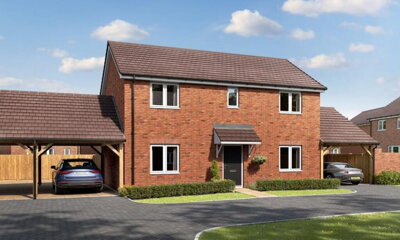
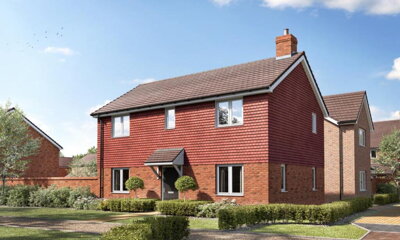
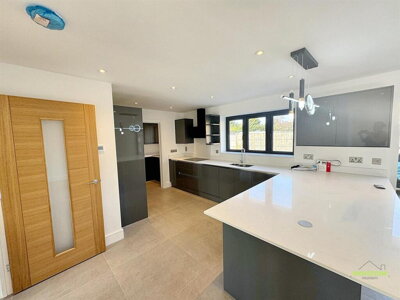
Browse 3 homes new builds in Hadlow, Tonbridge and Malling from local developer agents.
Three bedroom properties represent a significant portion of the Hadlow housing market, offering space for families with multiple reception rooms and gardens in many cases. Browse detached, semi-detached, and terraced options ranging across new residential developments.
£450k
7
0
103
Source: home.co.uk
Showing 7 results for 3 Bedroom Houses new builds in Hadlow, Tonbridge and Malling. The median asking price is £450,000.
Source: home.co.uk
Detached
4 listings
Avg £506,250
Semi-Detached
3 listings
Avg £428,333
Source: home.co.uk
Source: home.co.uk
The Hertfordshire property market offers remarkable variety, with prices ranging significantly across property types. Detached homes command an average of £864,499, while semi-detached properties average £585,966 and terraced homes sit at £447,420. Flats provide the most accessible entry point at an average of £282,332, making them popular among first-time buyers and professionals seeking commuter-friendly locations. This pricing structure means Hertfordshire caters to various budgets and lifestyles, from compact city apartments to expansive family residences.
Market activity has shown resilience despite broader economic headwinds, with 12,700 property sales recorded in the twelve months to December 2025. Sales volumes decreased by 12.5% compared to the previous year, reflecting national trends, yet demand remains robust in desirable areas. The sales mix reveals interesting patterns: terraced properties account for 32.9% of transactions, semi-detached homes for 24.2%, flats for 24.1%, and detached houses for 18.8%. Newly built properties have performed particularly well, with average prices increasing by 12% to £596,000 over the same period. Major developers including Taylor Wimpey, David Wilson Homes, and Croudace Homes Ltd maintain active developments across the county, offering contemporary 2 to 5-bedroom homes in locations such as Hertford, Hemel Hempstead, and Kings Langley.
Looking at specific localities, East Hertfordshire demonstrates stronger price growth with average prices rising 6.2% to £460,000 in December 2025. Towns like Bishop's Stortford, Ware, and Hertford benefit from excellent transport connections and strong local economies. Whether you are considering a modern new-build development or a character-filled older property, understanding these local market dynamics helps you identify areas where your budget stretches furthest while meeting your lifestyle priorities.

Hertfordshire is home to approximately 1,236,191 residents across 482,900 households, making it one of England's most densely populated yet characterful counties. The county blends thriving urban centres with picturesque villages, with 89% of the population residing in urban areas that occupy roughly a third of the land. This unique settlement pattern means residents enjoy excellent amenities and employment opportunities while maintaining easy access to countryside, parks, and green spaces. The Lea Valley, Chiltern Hills, and rolling farmland define the landscape, providing endless recreational opportunities for walking, cycling, and outdoor activities.
Historic market towns form the cultural heart of Hertfordshire, each offering distinct character and charm. St Albans impresses visitors with its Roman Verulamium heritage, magnificent cathedral, and vibrant city centre packed with independent shops and restaurants. Hitchin beckons with cobbled streets, artisan cafes, and one of the most thriving Saturday markets in the region. Bishop's Stortford showcases elegant Georgian architecture along the River Stort, while Berkhamsted offers a genteel atmosphere complemented by excellent schools and strong community spirit. These towns combine heritage character with modern conveniences, creating neighbourhoods where residents feel genuinely rooted.
The county's economic vitality stems from its strategic location between London, Cambridge, and Oxford, supported by excellent road and rail infrastructure. Major employers operate across sectors including pharmaceuticals, technology, creative industries, and logistics. Towns like Stevenage feature growing technology hubs, while Welwyn Garden City and Hemel Hempstead host headquarters of national and international companies. This economic diversity sustains property values and attracts professionals seeking careers close to home without compromising on London accessibility. Cultural attractions including the Hatfield House estate, Roman theatre at Verulamium, and numerous galleries and museums enrich daily life, while regular farmers markets, food festivals, and community events foster a strong sense of local identity.
Hertfordshire boasts an exceptional educational landscape that makes it a prime location for families seeking quality schooling. The county features a selective grammar school system, with prestigious institutions including St Albans School, Dame Alice Harpur School, and Watford Grammar School for Boys attracting pupils from across the region. Admission to these schools typically requires passing the Hertfordshire 11+ entrance examination, and catchment areas can significantly influence property prices in nearby neighbourhoods. Parents researching schools should verify current catchment boundaries and admission criteria, as these can change annually and vary between primary and secondary phases.
Beyond grammar schools, Hertfordshire offers an impressive array of primary and secondary schools, many achieving outstanding Ofsted ratings. Bishop's Stortford emerges as a particularly strong area for primary education, with multiple schools receiving Excellent ratings for overall effectiveness, achievement of pupils, and quality of teaching. Similarly, Berkhamsted and Harpenden feature highly regarded primary schools alongside their celebrated secondary options, making these towns perennial favourites among families. Parents should note that school performance can vary between adjacent streets, so researching specific institutions rather than relying on area generalisations proves essential when choosing where to buy.
The county also provides excellent further and higher education opportunities. Campuses operate in major towns, offering vocational courses and university-level qualifications. For older students, the proximity to world-class universities in London and Cambridge adds further educational options within reasonable commuting distance. Families prioritising education will find Hertfordshire's school landscape competitive but rewarding, with clear benefits to buying within strong catchment areas, even if this requires adjusting other property preferences.
Hertfordshire offers exceptional transport connectivity that explains its enduring popularity among London commuters. The county sits at the intersection of several major motorways, including the M1 providing direct access to London and the north, the A1(M) linking to Peterborough and the north-east, the M25 encircling Greater London, and the A10 connecting to Cambridge and the Norfolk coast. This road network enables residents to reach central London within 30-45 minutes by car, while major employment hubs like Milton Keynes, Luton Airport, and Stansted Airport remain readily accessible. Commuters valuing flexibility and occasional office attendance find Hertfordshire's motorway access invaluable.
Rail services complement the road network with fast, frequent connections to the capital. Towns across the county benefit from regular services operated by Great Northern, Greater Anglia, and West Midlands Trains. St Albans, Radlett, and Elstree benefit from Thameslink services providing direct access to London St Pancras International in approximately 20 minutes. Hemel Hempstead connects to London Euston, while Bishop's Stortford and Stansted Mountfitchet offer direct trains to Liverpool Street. These rail connections make Hertfordshire particularly attractive to professionals working in finance, technology, or creative industries in central London without the expense and commitment of city centre living.
Local public transport within Hertfordshire includes bus services connecting towns and villages, though car ownership remains common given the county's geographic spread. Cycling infrastructure has improved in recent years, with dedicated routes developing between major population centres. For international travel, Luton Airport and Stansted Airport provide easy access to European destinations, while Heathrow and Gatwick are reachable via the M25 and M23 respectively. This comprehensive transport network ensures Hertfordshire residents enjoy genuine connectivity without the premium property prices charged for equivalent London accessibility.
Consider what matters most to you in a location, whether that is school catchment areas, commuting times, green spaces, or local amenities. Obtain a mortgage agreement in principle from a lender to understand your true budget before beginning property searches. Our platform allows you to browse listings across all Hertfordshire towns and compare prices by property type to identify areas matching your financial parameters.
Hertfordshire features numerous local and national estate agents operating across towns like St Albans, Watford, Hemel Hempstead, and Bishop's Stortford. Registering with multiple agents ensures you receive early notification of new listings before they appear on property portals. Local agents often possess off-market properties and intimate knowledge of specific neighbourhoods, making their expertise valuable when searching in competitive areas.
Schedule viewings for properties matching your criteria, taking notes on condition, layout, and any potential concerns. Pay particular attention to signs of subsidence given Hertfordshire's London Clay geology, particularly in areas like St Albans, Hatfield, and Potters Bar. Ask about flood risk history and any remediation work undertaken, especially for properties in the Lea Valley corridor. Viewings in different seasons can reveal different characteristics, such as flooding after heavy rain or damp in older properties.
Once you find a suitable property, submit an offer through the selling agent, ideally conditional on survey and mortgage. In Hertfordshire's competitive market, being prepared to negotiate on price and terms strengthens your position. Discuss whether the property has been subject to previous offers and any scope for flexibility on fixtures and fittings. Your mortgage agreement in principle demonstrates seriousness to sellers and can accelerate negotiations.
Instruct a RICS Level 2 Survey to assess the property's condition and identify any defects before committing to purchase. Given that the average cost of a Level 2 Survey in Hertfordshire is £498.95, with prices typically ranging from £400 to £1,000 depending on property size and value, this investment proves essential for protecting your purchase. Pay particular attention to survey findings regarding subsidence risk, given the prevalence of shrink-swell clay across the county, and damp or roof condition in older properties.
Work with your solicitor to finalise contracts, transfer funds, and complete registration with HM Land Registry. On completion day, you receive the keys to your new Hertfordshire home. We recommend arranging building insurance from the moment contracts are exchanged and planning your move carefully, particularly if relocating from Greater London where traffic patterns and local services may differ significantly.
Buying property in Hertfordshire requires awareness of specific local factors that can significantly impact your investment. The county's geology presents particular challenges, with extensive areas built on London Clay prone to shrink-swell subsidence. Properties in St Albans, Hatfield, Potters Bar, and Cheshunt require careful inspection for signs of foundation movement, including cracks in walls, sticking doors or windows, and uneven floors. The British Geological Survey has warned that millions of homes in coming decades could face subsidence issues, with London and the South East most at risk from ground movement due to clay shrinkage during increasingly dry, hot summers.
Flood risk varies considerably across Hertfordshire and should factor prominently in your property decision. Primary fluvial flood risk concentrates along the River Lea, River Stort, River Bulbourne, and River Beane corridors, affecting towns including Hertford, Ware, Stanstead Abbotts, Bishop's Stortford, and Hemel Hempstead. Surface water flooding has affected multiple towns including Bishop's Stortford, Hertford, Much Hadham, Walkern, and Buntingford. Groundwater flooding presents risks in areas such as Kimpton, Lilley Bottom, and Flamstead. The A414 around Hatfield and Hertford, plus the A10 near Cheshunt, can also experience road flooding during heavy rainfall. Request flood history from sellers and verify whether previous incidents appear in the property's searches.
When purchasing flats or leasehold properties, scrutinise service charges, ground rent terms, and building management arrangements carefully. Leasehold properties constitute approximately 24% of sales volume in Hertfordshire, and terms can vary significantly. Verify that major maintenance works have been budgeted for adequately and review the building's insurance arrangements. Freehold properties offer greater security and are more common for houses, but always confirm tenure before proceeding. Properties in conservation areas may carry planning restrictions affecting alterations or extensions, so review local authority records if considering any changes to the property.
Specific areas warrant additional attention due to local conditions. Stevenage has experienced regular flooding at the junction of London Road and Hertford Road near Broadwater, as well as at Old Mill Road and the junction between Shephall Way and Hydean Way. West Watford and Oxhey in St Albans also face surface water flooding risks. In the Hertsmere area, Borehamwood, Radlett, and Potters Bar all face risks from river, groundwater, surface water, and sewers, with Aldenham and Hilfield Reservoirs located near residential areas. Properties in postcodes SG14 3 and SG12 8 have recorded sewer flooding incidents, likely due to underlying geology. Always request a property-specific flood risk assessment and drainage search before purchasing in these areas.
Understanding the full costs of buying property in Hertfordshire helps you budget accurately and avoid financial surprises during your purchase. The primary additional cost beyond the property price is Stamp Duty Land Tax, which applies to all purchases above £250,000. For a typical Hertfordshire property priced at the median of £450,000, a home buyer without first-time buyer status would pay approximately £10,000 in stamp duty. This calculation works by applying 5% to the portion between £250,001 and £450,000, totalling £10,000. First-time buyers benefit from more generous thresholds, paying nothing on the first £425,000, making them exempt from stamp duty on most properties at or below this median price point.
Beyond stamp duty, buyers should budget for solicitor conveyancing fees, which typically start from £499 for standard transactions in Hertfordshire but can increase for leasehold properties, newly built homes, or transactions involving complications. Survey costs represent another essential budget item, with RICS Level 2 Surveys in Hertfordshire averaging £498.95 and typically ranging from £400 to £1,000 depending on property size and value. Properties priced above £500,000 generally incur higher survey fees averaging £586, while larger homes with five or more bedrooms can reach approximately £559. Pre-1900 properties may attract a 20-40% survey premium due to their construction complexity and potential for hidden defects.
Additional purchase costs include mortgage arrangement fees ranging from free to approximately £2,000 depending on the lender and product chosen, valuation fees typically between £150 and £500, and searches including local authority, drainage, and environmental searches costing around £250-£400. Buildings insurance must be arranged from the point of contract exchange, often costing £200-£500 annually for a standard Hertfordshire home. Removing all these costs from your savings leaves you with the deposit amount required for your mortgage. Speaking with a mortgage broker before beginning your property search can clarify your true budget and identify the most suitable products for your circumstances.
The average property price in Hertfordshire stands at £530,000 as of December 2025, with a median price of £450,000. Prices vary significantly by property type: detached homes average £864,499, semi-detached properties £585,966, terraced homes £447,420, and flats £282,332. The market has experienced a modest 2% decline over the past twelve months, making this an opportune time for buyers seeking to enter the Hertfordshire market before potential future price stabilisation.
Council tax bands in Hertfordshire range from A to H, depending on the property's assessed value. The specific band varies by property and local authority, as Hertfordshire contains ten district councils including St Albans City and District Council, East Hertfordshire District Council, and Welwyn Hatfield Borough Council. Properties in towns like Bishop's Stortford, St Albans, and Watford tend to attract higher bands due to elevated property values, while villages and smaller settlements may feature lower bands. You can verify the specific council tax band for any property through the Valuation Office Agency website using the property address.
Hertfordshire features an excellent selection of schools, including highly selective grammar schools such as St Albans School, Dame Alice Harpur School, and Watford Grammar School for Boys and Girls. For primary education, Bishop's Stortford and Berkhamsted particularly stand out, with multiple schools receiving outstanding Ofsted ratings. When buying in Hertfordshire, research specific school catchments carefully, as admission criteria and boundaries can significantly impact which schools your children can access. Grammar school admission requires passing the Hertfordshire 11+ examination, which typically takes place in Year 6.
Hertfordshire offers excellent public transport connectivity, with rail services from multiple towns providing direct access to London. St Albans, Radlett, and Elstree benefit from Thameslink services reaching London St Pancras in approximately 20 minutes, while Bishop's Stortford connects to Liverpool Street. The M1, M25, A1(M), and A10 motorways provide comprehensive road access to London, Cambridge, Oxford, and major airports including Luton and Stansted. Bus services operate throughout the county, though car ownership remains common for residents needing flexibility across the geographically spread towns and villages.
Hertfordshire remains an attractive investment location due to its proximity to London, excellent transport infrastructure, and strong local economy. Property values have shown resilience over time, with East Hertfordshire experiencing 6.2% annual growth as of December 2025, demonstrating continued demand in well-connected areas. The county's diverse economy, quality schools, and desirable lifestyle continue attracting buyers from London and beyond. However, investors should consider local market conditions, potential subsidence risks on clay soils, and flood history in specific areas when evaluating individual properties.
Stamp Duty Land Tax rates for standard buyers start at 0% on the first £250,000 of property value, rising to 5% on the portion between £250,001 and £925,000, then 10% up to £1.5 million, and 12% on any value exceeding £1.5 million. First-time buyers benefit from increased relief, paying 0% on the first £425,000 with no relief above £625,000. For a typical Hertfordshire property at the median price of £450,000, a first-time buyer would pay no stamp duty, while a home mover would pay approximately £10,000. Always verify your specific liability with HMRC or a solicitor, as calculations depend on your circumstances and whether you own other properties.
Flood risk in Hertfordshire concentrates primarily along river corridors including the River Lea affecting Hertford and Ware, the River Stort impacting Bishop's Stortford and Stanstead Abbotts, and the River Bulbourne near Hemel Hempstead. Surface water flooding has particularly affected Bishop's Stortford, Hertford, Much Hadham, Buntingford, and areas of Stevenage. Groundwater flooding presents risks in villages around Kimpton and Flamstead. Towns like Cheshunt in the Lea Valley face mixed ground conditions including alluvial deposits and London Clay, creating varied subsidence and flood risks. Always request a property-specific flood risk assessment before purchasing.
Historic mining activity affects certain areas of Hertfordshire, most notably with chalk mines discovered beneath properties in Hemel Hempstead. These mines were stabilised in 2015, but properties in affected areas may require ongoing monitoring. The London Clay geology underlying much of the county presents more prevalent risks through shrink-swell subsidence rather than historic mining, particularly in areas like St Albans, Hatfield, and Potters Bar. Sewer flooding has been recorded in specific postcodes including SG14 3 and SG12 8, likely due to underlying geology. A thorough property survey can identify any specific ground stability concerns, and your solicitor should include relevant mining, geological, and drainage searches in their conveyancing enquiries.
From 4.5%
Compare mortgage rates from leading lenders to find the best deal for your Hertfordshire home purchase
From £499
Expert solicitors handling your property purchase from offer to completion
From £400
Comprehensive property survey identifying defects before you commit
From £80
Energy performance certificate required for all property sales
Properties New Builds In London

Properties New Builds In Plymouth

Properties New Builds In Liverpool

Properties New Builds In Glasgow

Properties New Builds In Sheffield

Properties New Builds In Edinburgh

Properties New Builds In Coventry

Properties New Builds In Bradford

Properties New Builds In Manchester

Properties New Builds In Birmingham

Properties New Builds In Bristol

Properties New Builds In Oxford

Properties New Builds In Leicester

Properties New Builds In Newcastle

Properties New Builds In Leeds

Properties New Builds In Southampton

Properties New Builds In Cardiff

Properties New Builds In Nottingham

Properties New Builds In Norwich

Properties New Builds In Brighton

Properties New Builds In Derby

Properties New Builds In Portsmouth

Properties New Builds In Northampton

Properties New Builds In Milton Keynes

Properties New Builds In Bournemouth

Properties New Builds In Bolton

Properties New Builds In Swansea

Properties New Builds In Swindon

Properties New Builds In Peterborough

Properties New Builds In Wolverhampton

Enter your details to see if this property is within your budget.
Loans, cards, car finance
Estimated property budget
Borrowing + deposit
You could borrow between
Typical borrowing
Monthly repayment
Est. at 4.5%
Loan-to-value
This is an estimate only. Your actual budget may vary depending on interest rates, credit history, and personal circumstances. For an accurate affordability assessment, speak to one of our free mortgage advisors.
This calculator provides estimates for illustrative purposes only and does not constitute financial advice. Your home may be repossessed if you do not keep up repayments on your mortgage. Estimates based on 4.5% interest rate, repayment mortgage. Actual rates depend on your circumstances.
Homemove is a trading name of HM Haus Group Ltd (Company No. 13873779, registered in England & Wales). Homemove Mortgages Ltd (Company No. 15947693) is an Appointed Representative of TMG Direct Limited, trading as TMG Mortgage Network, which is authorised and regulated by the Financial Conduct Authority (FRN 786245). Homemove Mortgages Ltd is entered on the FCA Register as an Appointed Representative (FRN 1022429). You can check registrations at NewRegister or by calling 0800 111 6768.

We use cookies to show you personalised content and improve your experience of our website. Find out more in our Privacy policy and Cookie policy.