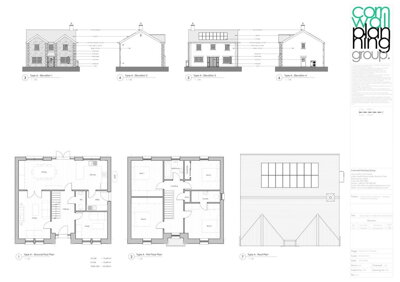
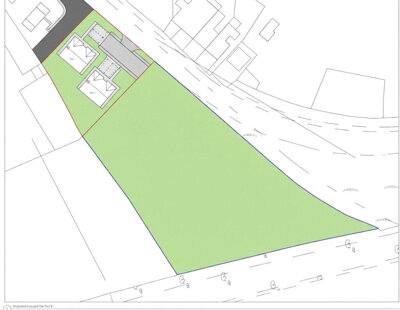
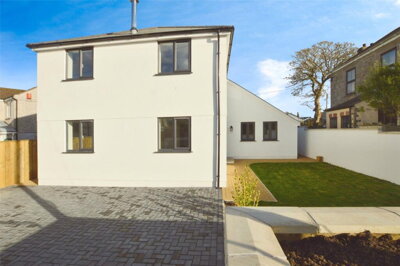
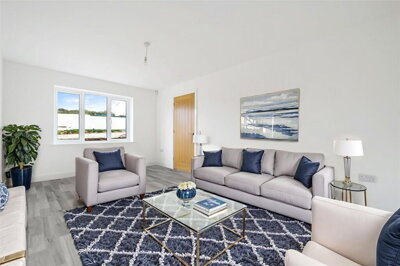
Browse 4 homes new builds in Gwinear-Gwithian from local developer agents.
The larger property sector typically features multiple bathrooms, substantial reception space, and private gardens or off-street parking. Four bedroom houses in Gwinear Gwithian span detached, semi-detached, and occasionally terraced configurations, with styles ranging from period properties to modern executive homes.
The Gwinear-Gwithian property market presents compelling opportunities for buyers at various price points. Detached properties in sought-after locations such as Gwithian Towans command prices around £525,000, reflecting the premium placed on coastal living with direct access to beaches and sea views. The broader market averages around £342,000, positioning the area competitively within Cornwall's property landscape. Our listings include traditional Cornish cottages with granite features, charming terraced homes in village centres, and spacious detached houses set within generous garden plots.
The Gwinear-Gwithian Neighbourhood Development Plan (2016-2030) outlines housing requirements for the parish, with policies supporting approximately 310 new dwellings over the plan period. While no major active new-build developments were identified within the parish postcode area, opportunities for new homes exist within settlement boundaries of the main villages. Housing development is generally permitted in Gwinear, Gwithian, Connor Downs, Carnhell Green, Reawla, and Wall, provided proposals meet design and character criteria. This managed approach to growth helps preserve the area's distinctive character while allowing the community to accommodate new residents seeking to call this beautiful corner of Cornwall home.
The parish has seen substantial growth in affordable housing provision, particularly in Connor Downs, which has expanded significantly in recent years. The growth of the West Cornwall Retail Park on the parish edge has contributed to increased traffic through Connor Downs, reflecting the area's growing connectivity and economic activity. For buyers considering new-build properties, the neighbourhood development plan identifies potential for approximately 144 new residences within settlement boundaries on medium-density sites, though these may not yet be actively marketed. Properties within the settlement boundaries of the main villages offer the best opportunities for those seeking to purchase new-build homes in Gwinear-Gwithian.
Understanding local property values requires appreciation of the diverse housing stock found across the parish. At Gwithian Towans, chalet-style homes developed from early 1900s constructions represent a unique segment of the market, often featuring timber construction and specific maintenance requirements related to their coastal location. Traditional stone cottages in Gwinear village, many with heritage protections, appeal to buyers seeking character properties in the designated Conservation Area. Meanwhile, modern family homes in developments around Connor Downs offer contemporary living with good access to local amenities and transport connections.

Life in Gwinear-Gwithian centres on the beautiful natural environment that defines this west Cornwall parish. The population has grown from 3,261 in the 2011 census to 3,668 in 2021, reflecting the area's growing appeal to those seeking a better quality of life away from larger urban centres. The parish economy historically relied on farming, with agriculture remaining an important industry today, alongside tourism that brings visitors to the stunning coastline and countryside. The area around Gwithian Beach and Godrevy is particularly popular, attracting surfers, walkers, and holidaymakers who appreciate the dramatic cliffs, golden sands, and excellent wildlife watching opportunities.
The built environment reflects centuries of Cornish building traditions, with notable heritage assets including the Grade I listed St Gwinear Church dating from the 13th and 14th centuries, its granite tower a landmark visible across the surrounding countryside. Numerous Grade II and Grade II* listed buildings dot the parish, including historic farmhouses such as Lanyon Farm and Polkinghorne Farm from the 17th century, traditional crosses, and chapels. Godrevy Lighthouse, a distinctive Grade II* listed structure, stands guard over the coastline and adds to the area's maritime heritage. Gwinear village itself is designated as a Conservation Area, where planning controls help maintain the architectural character and historic interest that make the parish so appealing to residents and visitors alike.
Our inspectors frequently encounter the diverse property types that reflect Gwinear-Gwithian's rich architectural heritage when conducting surveys in the area. Traditional cottages in the conservation village often feature solid granite walls, sometimes rendered, with traditional slate roofs that require regular maintenance in Cornwall's coastal climate. The properties at Gwithian Towans present their own unique characteristics, with chalet-style homes built from the early 1900s that may feature timber construction and specific requirements for coastal environments. We always advise buyers to understand the construction type and age of any property they are considering, as these factors significantly influence maintenance needs and renovation possibilities.
The area features a range of local amenities including shops, pubs, and community facilities that serve both residents and the significant tourist population during peak seasons. Several caravan and camping sites in the parish cater to holidaymakers, contributing to the local economy and creating a vibrant seasonal atmosphere. The proximity to the West Cornwall Retail Park provides additional shopping conveniences, while the surrounding countryside offers extensive footpaths and bridleways for exploration. The Red River, which flows through the area, bears testament to the parish's mining heritage, having historically received effluent from local mines that gave the watercourse its distinctive colour.
Families considering a move to Gwinear-Gwithian will find educational facilities serving the local community within and near the parish boundaries. Primary education is available through schools in the surrounding area, with the Gwinear-Gwithian Neighbourhood Development Plan recognising the importance of supporting educational facilities for residents of all ages. The plan aims to increase the quality and quantity of community services, which includes ensuring adequate school provision to accommodate both existing and new residents. Many families in the parish benefit from smaller class sizes and strong community connections that characterise education in rural Cornwall.
Secondary education options in the broader West Cornwall area include schools with sixth form provision, preparing students for further education and university pathways. The proximity to Hayle and Camborne provides access to additional educational resources and training opportunities, supporting families who require comprehensive schooling options. When purchasing property in Gwinear-Gwithian, parents should research specific catchment areas and school performance data through Ofsted reports to identify the most suitable options for their children's education. The growing population of the parish demonstrates the area's suitability for family life, with community facilities and educational provision continuing to develop in line with housing growth outlined in the neighbourhood plan.
Our team understands that educational provision is a key consideration for families house hunting in Gwinear-Gwithian. We recommend visiting potential schools and speaking with local parents to gain genuine insight into the educational experience available. The rural character of the parish means that some families may need to travel to nearby towns for certain educational stages, particularly sixth form provision. However, many parents find that the quality of life benefits of living in this beautiful coastal parish, with its excellent beaches, countryside, and community atmosphere, more than compensate for any additional travel requirements. The neighbourhood development plan's commitment to maintaining and improving local services, including educational facilities, provides assurance that the community is actively planning for future needs.
Transport connections from Gwinear-Gwithian link this coastal parish to the wider Cornwall road network and public transport systems. The A30 trunk road passes near the parish, providing the main arterial route across Cornwall and connecting Gwinear-Gwithian to Truro, Exeter, and the rest of the UK via the national motorway network. Local bus services operate routes connecting villages within the parish to larger towns including Camborne, Hayle, and Redruth, where additional rail connections become available. The West Cornwall Retail Park growth on the parish edge has led to increased traffic through Connor Downs, reflecting the area's growing connectivity and economic activity.
Rail travel from nearby Camborne, Redruth, and St Erth stations offers connections to the mainline rail network, with services to Truro, Plymouth, Exeter St Davids, and London Paddington available. The proximity of St Ives to the parish means residents can also access the scenic St Ives Bay Line for coastal rail journeys, one of the most picturesque train routes in Britain. For air travel, Newquay Cornwall Airport provides domestic and limited international flights, connecting Cornwall to the rest of the UK and beyond. Cycling infrastructure in the area continues to develop, with quiet country lanes and coastal paths offering enjoyable routes for recreational cycling and commuting alike, while the dramatic Cornish landscape provides some challenging terrain for more adventurous cyclists.
We always advise buyers to consider their transport requirements carefully when evaluating properties in Gwinear-Gwithian. While the parish maintains its rural character and some journeys will inevitably require car travel, the public transport options available are adequate for daily commuting and occasional travel without a vehicle. Those working in nearby towns like Camborne, Hayle, or Truro will find the road connections particularly useful, with the A30 providing efficient access to employment centres across Cornwall. The scenic St Ives Bay Line offers an enjoyable alternative for those commuting to St Ives or simply wanting to explore the coast without a car.
Explore Gwinear-Gwithian thoroughly before committing to a purchase. Visit at different times of year, speak to residents, and understand local amenities, traffic patterns, and community atmosphere. The area includes diverse neighbourhoods from coastal Gwithian Towans with its chalet-style properties and beach access, to rural farmsteads surrounded by working farmland, each with distinct characteristics. We recommend spending time in both the villages and coastal areas to understand which environment suits your lifestyle best.
Arrange financing before property viewings to understand your budget and demonstrate serious intent to sellers. Contact mortgage brokers to discuss your options, as current rates make borrowing attractive for buyers in this area. Having an agreement in principle in place puts you in a strong position when you find the right property, particularly in what can be a competitive local market where traditional Cornish cottages and coastal homes attract multiple interested buyers.
Book viewings through Homemove to see homes for sale in Gwinear-Gwithian. Our listings cover properties across all price ranges and types, from charming granite cottages in the conservation area to modern homes near local amenities. View multiple properties to compare options thoroughly. Pay attention to construction materials and condition during viewings, as properties in this area range from historic stone buildings to more recent constructions, each with their own maintenance requirements.
Once you have found your property, arrange a RICS Level 2 Survey before committing. Given Cornwall's mining history and the age of many properties in the parish, a thorough survey is essential to identify any structural issues, mining hazards, or defects that may not be visible during viewings. Our team works with qualified surveyors who understand local construction methods and common defects found in Cornish properties, from granite-walled cottages to chalets at Gwithian Towans.
Choose a conveyancing solicitor to handle the legal aspects of your purchase. They will conduct searches, handle contracts, and coordinate with the Land Registry to transfer ownership. Given Gwinear-Gwithian's mining heritage, we recommend instructing a solicitor experienced with Cornish property transactions who will ensure appropriate mining searches are conducted as part of the conveyancing process.
Once all searches are satisfactory and financing is confirmed, your solicitor will exchange contracts and set a completion date. On completion day, the remaining funds are transferred and you receive the keys to your new Gwinear-Gwithian home. Our team can recommend local services to help you settle in, from tradespeople familiar with traditional Cornish properties to insurance providers who understand the specific risks associated with properties in this part of Cornwall.
Property buyers in Gwinear-Gwithian should be aware of several area-specific considerations that can significantly impact their purchase. The parish contains numerous listed buildings including the Grade I listed St Gwinear Church and many Grade II and II* structures, meaning any property within the Conservation Area or adjoining heritage assets may be subject to additional planning controls. Purchasing a listed property brings responsibilities including requirements for listed building consent for alterations and obligations to maintain the property using appropriate materials and traditional methods. These considerations can affect renovation plans and ongoing maintenance costs, so buyers should factor these into their decision-making process.
Cornwall's mining history presents unique considerations for property buyers in Gwinear-Gwithian. The parish had several working mines in the 1840s that closed by the 1880s, leaving a legacy of potential ground instability. Historic mining features can lead to collapse, subsidence, or gassing risks that standard surveys may not fully identify. Our inspectors always recommend commissioning thorough ground condition assessments and mining search reports when purchasing properties in areas with historical mining activity, as undocumented mining features can pose serious risks to property foundations. At Gwithian Sands, wave erosion has even revealed buried mining carts in the intertidal zone, demonstrating the visible legacy of the area's mining past.
Coastal erosion affects some areas of Cornwall's coastline, and while existing developments at Gwithian Beach are not currently at significant risk, the wider dune system is subject to long-term erosion pressures that buyers should understand when considering properties in coastal locations. The National Coastal Erosion Risk Map shows areas at risk until 2105, and the Gwithian Beach and Red River area uses a managed realignment approach to help the extensive dune system respond to rising sea levels. Properties very close to the coastline may be affected by coastal processes over time, and we advise buyers to check the long-term flood and erosion risk for specific locations using GOV.UK services before committing to a purchase.
Building materials in Gwinear-Gwithian properties vary significantly with age and location. Traditional properties may feature granite stone walls, often rendered, with slate roofs characteristic of Cornish building traditions. Properties at Gwithian Towans include chalet-style homes developed from early 1900s constructions, which may have specific maintenance requirements related to their coastal location and timber construction. Modern construction in the area typically uses render, brick, and slate consistent with broader Cornish building practices. Understanding the construction type and age of a property helps buyers anticipate maintenance needs and renovation possibilities, particularly for older properties where solid wall construction may affect insulation performance and energy costs. We always recommend a thorough survey that accounts for the specific construction methods used in properties across this parish.
The average house price in Gwinear-Gwithian is around £342,000 based on recent market data for the area. Detached properties in premium coastal locations such as Gwithian Towans command higher prices, with recent sales around £525,000 for homes with sea views and beach access. Semi-detached and terraced properties in the village centres offer more accessible price points, typically ranging from £200,000 to £350,000 depending on condition, size, and location. The property market benefits from the area's diverse housing stock, ranging from historic granite cottages in the Gwinear Conservation Area to modern family homes in Connor Downs, catering to various buyer budgets and preferences.
Properties in Gwinear-Gwithian fall under Cornwall Council's jurisdiction for council tax purposes. Council tax bands range from A to H based on property valuation, with band A properties typically being the lowest valued and H the highest. Most terraced properties and smaller cottages in the parish fall into bands A to C, while larger detached homes and properties with sea views in locations such as Gwithian Towans may be in higher bands D to F. Prospective buyers should check specific properties against Cornwall Council's valuation list to confirm exact banding and associated annual charges.
Gwinear-Gwithian is served by local primary schools within and near the parish boundary, with secondary education available at schools in the surrounding West Cornwall area including options with sixth form provision. Families should research individual school performance through Ofsted reports and consider catchment area boundaries when house hunting, as these can significantly affect which schools children can access. The proximity to larger towns like Hayle and Camborne provides additional schooling options beyond what is available within the immediate parish. The neighbourhood development plan includes provisions for maintaining and improving local education provision to serve both existing and new residents as the community continues to grow.
Gwinear-Gwithian has local bus services connecting villages within the parish to larger towns including Camborne, Hayle, and Redruth. Rail connections are available from nearby Camborne, Redruth, and St Erth stations, offering services to Truro, Plymouth, Exeter St Davids, and London Paddington. The proximity of St Ives to the parish means residents can also access the scenic St Ives Bay Line for coastal rail journeys, one of Britain's most picturesque railway routes. While the area maintains a rural character with some dependency on car travel for certain journeys, public transport options are adequate for daily commuting and occasional travel without a vehicle, particularly for those working in nearby towns or studying in Truro.
Gwinear-Gwithian offers several factors that may appeal to property investors. The parish has seen population growth from 3,261 in 2011 to 3,668 in 2021, indicating sustained demand for housing in the area. The strong tourism sector centred on Gwithian Beach and Godrevy, supported by local caravan and camping sites, creates potential for holiday let income, subject to planning permissions and relevant regulations. The neighbourhood development plan supports controlled housing growth of approximately 310 dwellings that may maintain property values as the community develops. However, investors should consider factors including mining-related ground risks that require appropriate surveys, conservation area restrictions affecting certain properties, and the seasonal nature of tourism income when evaluating investment potential in this part of west Cornwall.
Stamp duty rates in England apply uniformly across Gwinear-Gwithian as Cornwall is not a devolved tax jurisdiction. Standard rates are 0% on the first £250,000 of property value, 5% on £250,001 to £925,000, 10% on £925,001 to £1.5 million, and 12% on amounts exceeding £1.5 million. First-time buyers benefit from relief on the first £425,000 with 5% applying between £425,001 and £625,000. For a typical Gwinear-Gwithian property around £342,000, standard buyers would pay no stamp duty on the first £250,000 and 5% on £92,000, equalling £4,600. First-time buyers purchasing properties under £625,000 pay no stamp duty on the first £425,000, meaning most properties in Gwinear-Gwithian would incur no stamp duty liability for first-time buyers.
Gwinear parish had several working mines in the 1840s that closed by the 1880s, and mining hazards remain a significant consideration for property buyers in this part of Cornwall. Historic mining features can lead to collapse, subsidence, or gassing risks that standard property surveys may not fully identify. We strongly recommend commissioning a mining search report as part of the conveyancing process, which will reveal any historical mining activity that may affect the property. At Gwithian Sands, wave erosion has exposed buried mining carts, demonstrating the visible presence of mining heritage along the coastline. Properties in areas with documented mining activity should be subject to thorough ground condition assessments before purchase is completed.
Flood risk in Gwinear-Gwithian varies by location, with coastal areas and valley zones presenting the greatest potential for surface flooding or rising groundwater. The Gwinear-Gwithian Neighbourhood Development Plan requires that proposed housing sites should not be in areas at risk from flooding and should not increase flood risk elsewhere. Existing developments at Gwithian Beach are not currently at significant flood or erosion risk, though the wider dune system is subject to long-term erosion pressures. The parish does experience coastal erosion like much of Cornwall's coastline, with many sand dunes experiencing net erosion due to rising sea levels. Buyers should check specific property postcodes using GOV.UK flood risk services before committing to purchase.
From 4.5%
Competitive mortgage rates for Gwinear-Gwithian buyers
From £499
Expert property solicitors familiar with Cornish transactions
From £350
Professional surveys for Gwinear-Gwithian properties
From £60
Energy performance certificates for Cornish properties
Understanding the full costs of buying property in Gwinear-Gwithian helps buyers budget accurately for their Cornish purchase. Beyond the property price, additional costs include stamp duty land tax, solicitor fees, survey costs, and various searches. For a property priced at the area average of around £342,000, standard buyers pay stamp duty of £4,600, calculated at 0% on the first £250,000 and 5% on the remaining £92,000. First-time buyers purchasing properties under £625,000 pay no stamp duty on the first £425,000, meaning most properties in Gwinear-Gwithian would incur no stamp duty liability for first-time buyers.
Conveyancing costs for property purchases in Gwinear-Gwithian typically range from £499 to £1,500 depending on the complexity of the transaction and whether the property is freehold or leasehold. Additional legal costs include local authority searches, drainage and water searches, and Land Registry fees, typically adding £250 to £500 to the overall legal bill. A RICS Level 2 Survey for a standard property costs from £350, while more comprehensive RICS Level 3 Structural Surveys may be required for older properties or those with potential defects. Given Gwinear-Gwithian's mining history, we recommend budgeting for a mining search report which provides information on historical mining activity that may affect the property.
Our team can recommend conveyancing solicitors who understand the specific considerations involved in Cornish property transactions, including the mining heritage that affects many properties in west Cornwall. Mining search reports are particularly important in this area, as the parish had several working mines in the 1840s that closed by the 1880s. Properties in areas with documented mining activity may require specialist ground condition assessments before mortgage lenders will approve financing. We advise all buyers to factor these potential additional costs into their budget when calculating the total expense of purchasing a property in Gwinear-Gwithian. Mortgage arrangement fees, typically 0-2% of the loan amount, should also be included when budgeting for your Cornish home purchase.
Properties New Builds In London

Properties New Builds In Plymouth

Properties New Builds In Liverpool

Properties New Builds In Glasgow

Properties New Builds In Sheffield

Properties New Builds In Edinburgh

Properties New Builds In Coventry

Properties New Builds In Bradford

Properties New Builds In Manchester

Properties New Builds In Birmingham

Properties New Builds In Bristol

Properties New Builds In Oxford

Properties New Builds In Leicester

Properties New Builds In Newcastle

Properties New Builds In Leeds

Properties New Builds In Southampton

Properties New Builds In Cardiff

Properties New Builds In Nottingham

Properties New Builds In Norwich

Properties New Builds In Brighton

Properties New Builds In Derby

Properties New Builds In Portsmouth

Properties New Builds In Northampton

Properties New Builds In Milton Keynes

Properties New Builds In Bournemouth

Properties New Builds In Bolton

Properties New Builds In Swansea

Properties New Builds In Swindon

Properties New Builds In Peterborough

Properties New Builds In Wolverhampton

Enter your details to see if this property is within your budget.
Loans, cards, car finance
Estimated property budget
Borrowing + deposit
You could borrow between
Typical borrowing
Monthly repayment
Est. at 4.5%
Loan-to-value
This is an estimate only. Your actual budget may vary depending on interest rates, credit history, and personal circumstances. For an accurate affordability assessment, speak to one of our free mortgage advisors.
This calculator provides estimates for illustrative purposes only and does not constitute financial advice. Your home may be repossessed if you do not keep up repayments on your mortgage. Estimates based on 4.5% interest rate, repayment mortgage. Actual rates depend on your circumstances.
Homemove is a trading name of HM Haus Group Ltd (Company No. 13873779, registered in England & Wales). Homemove Mortgages Ltd (Company No. 15947693) is an Appointed Representative of TMG Direct Limited, trading as TMG Mortgage Network, which is authorised and regulated by the Financial Conduct Authority (FRN 786245). Homemove Mortgages Ltd is entered on the FCA Register as an Appointed Representative (FRN 1022429). You can check registrations at NewRegister or by calling 0800 111 6768.

We use cookies to show you personalised content and improve your experience of our website. Find out more in our Privacy policy and Cookie policy.