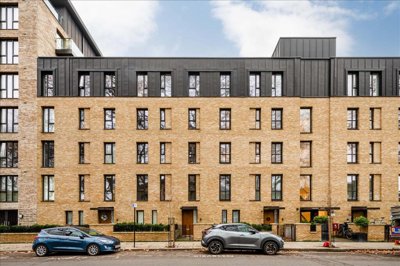
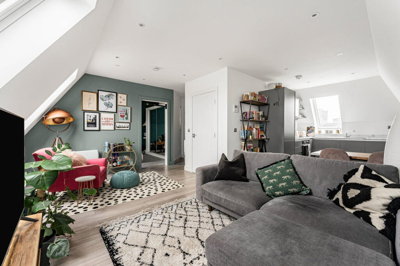
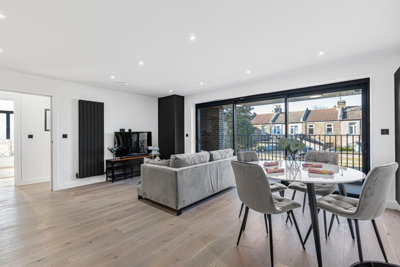
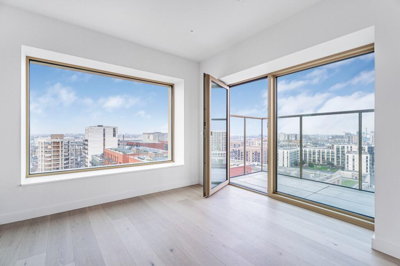
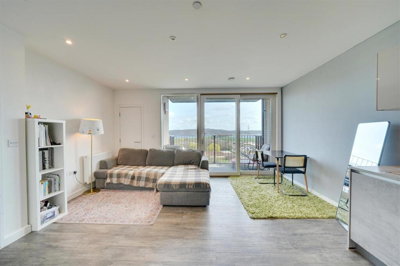
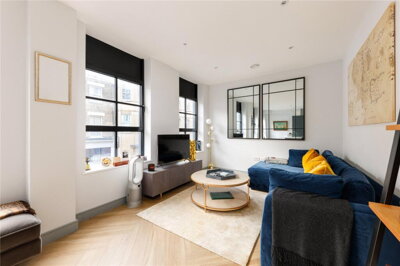
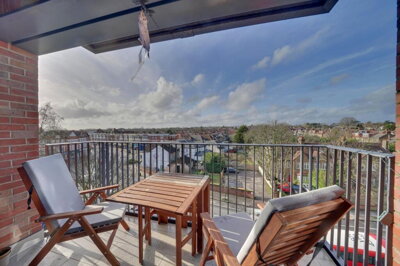
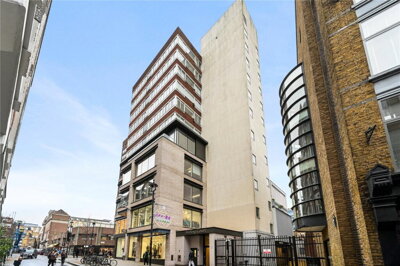
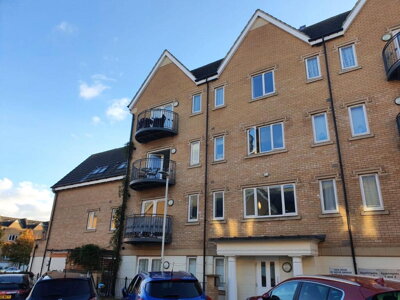
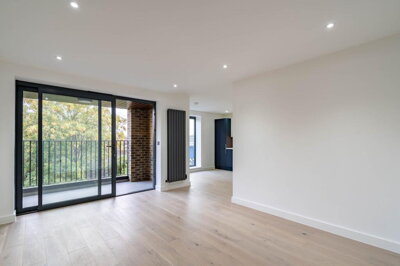
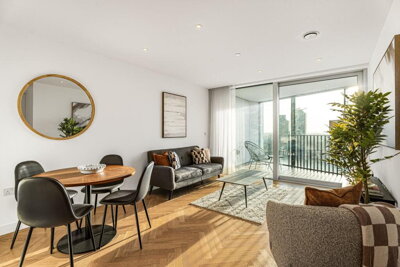
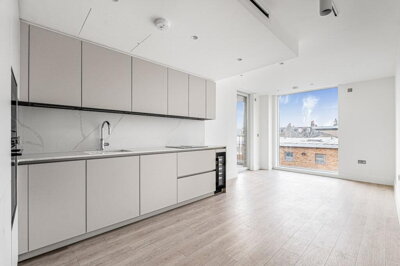
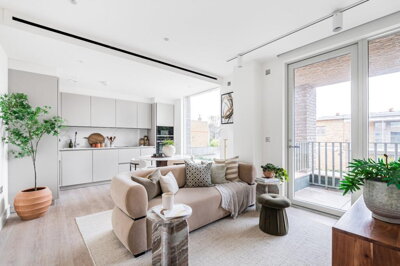
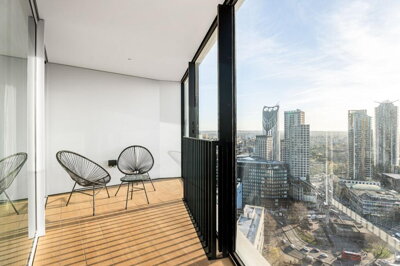
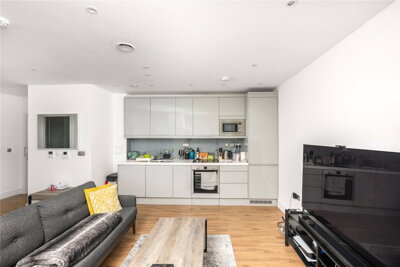
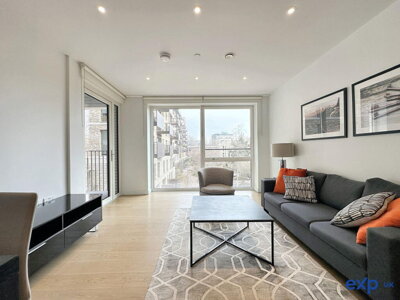
Browse 713 homes new builds in Greater London from local developer agents.
One bed apartments provide a separate bedroom alongside distinct living space, bathroom, and kitchen areas. Properties in Greater London are available in various building types including new apartment complexes and contemporary developments.
The Greater London property market demonstrates remarkable resilience despite recent price adjustments, with the average property price standing at £656,403 according to our market data. We feature properties across all price points, from affordable starter flats in Zone 4 to luxurious penthouses in Marylebone commanding prices from £1,750,000 to £15,500,000 at developments like 100 George Street. The market has experienced an 8% reduction from the 2023 peak of £735,414, creating opportunities for buyers who previously found London prices prohibitive. This correction, combined with interest rate stability, has drawn renewed buyer interest across all boroughs.
Property types in London reflect the capital's rich architectural heritage and modern development activity. Flats dominate the market, accounting for 51.9% of all sales, with terraced properties at 28.5%, semi-detached houses at 15.1%, and detached properties representing just 4.4% of transactions. New build activity continues to transform areas like Nine Elms, Stratford, and Leyton, with major developments including the 750-home Coronation Square scheme by Taylor Wimpey London and the 681-property Postmark London development. Shared ownership opportunities at developments like Zone Oval Village and City Angel Shared Ownership in Islington provide more accessible routes onto the London property ladder, with shares available from £115,000 for a 25% stake in properties valued between £460,000 and £475,000.

Greater London offers an extraordinarily diverse range of neighbourhoods, each providing a distinct lifestyle experience shaped by local history, architecture, and community spirit. The population density of 4,761 people per square kilometre reflects the urban intensity that defines London living, yet pockets of relative tranquility exist throughout the boroughs. Areas like Highgate Village in North London Zone 3 offer village atmospheres with period townhouses, while the riverside developments around Battersea and Bermondsey provide contemporary living with green space and water views. The capital's 33 boroughs range from the royal grandeur of Westminster to the creative buzz of Hackney, ensuring that whatever your priorities, a neighbourhood exists that matches your lifestyle aspirations.
The architectural character of London varies dramatically between districts, with Victorian and Edwardian terraces forming the backbone of many residential areas in North and South London. These properties, built using traditional solid wall construction techniques, often feature period details like original fireplaces, cornicing, and sash windows that appeal to buyers seeking character. The 1930s semi-detached houses found in suburban areas like Wandsworth and Wembley offer different advantages, including larger gardens and more modern layouts compared to their Victorian predecessors. Many London residents enjoy proximity to the capital's renowned parks and green spaces, with Hyde Park, Richmond Park, and Hampstead Heath providing essential lungs within the urban fabric.
Demographically, London is a city of remarkable diversity, attracting residents from across the UK and more than 200 other nations. This cosmopolitan character shapes everything from local restaurants and cultural venues to community events and neighbourhood traditions. The finance industry remains London's most significant economic driver, centred on the City and Canary Wharf business districts, though technology, creative industries, and professional services provide substantial employment across the capital. This economic diversity supports the property market by maintaining consistent demand across different neighbourhoods and price points.
Education options in Greater London rank among the finest in the world, making the capital a particularly attractive location for families. The boroughs contain hundreds of primary and secondary schools, ranging from Outstanding Ofsted-rated establishments to selective grammar schools that consistently produce exceptional examination results. Areas like Barnet, Kingston upon Thames, and Bromley are particularly renowned for their educational provision, with multiple schools achieving Outstanding ratings across primary and secondary phases. The London Borough of Sutton demonstrates strong grammar school provision, while areas like Bexley maintain traditions of academic excellence that attract families willing to travel for schooling.
Higher and further education opportunities within Greater London are unparalleled, with institutions including University College London, the London School of Economics, Imperial College London, and King's College London drawing students from across the globe. The proximity to these world-class universities influences property values in surrounding neighbourhoods, particularly in areas like Bloomsbury, South Kensington, and Greenwich. For families considering longer-term educational investment, purchasing property within catchment areas of high-performing schools can provide both lifestyle benefits and financial advantages, as properties near Outstanding schools frequently command premium values and maintain strong demand.
Transport connectivity defines the Greater London property market more than almost any other factor, with property values strongly correlated to proximity to Underground stations, National Rail services, and major bus routes. The Transport for London network spans 270 stations across 11 zones, providing comprehensive connectivity throughout the capital and into parts of the surrounding counties. Zones 1 and 2 command the highest property premiums, with areas like Notting Hill, King's Cross, and Canary Wharf offering premium access to employment centres, amenities, and cultural attractions. The Elizabeth line, now fully operational, has transformed connectivity for areas like Hanwell and Stratford, reducing journey times and increasing the attractiveness of previously underserved neighbourhoods.
Rail connections from Greater London extend to destinations across the UK, with major termini including King's Cross, Victoria, Liverpool Street, and Paddington providing frequent services to regional cities. Commuters to Birmingham, Manchester, and other northern destinations increasingly choose to live in outer London areas where property prices remain more accessible while still benefiting from convenient access to major rail hubs. The M25 orbital motorway and radial routes including the M1, M4, and A1 provide access for car owners, though traffic congestion charges and parking restrictions in central areas encourage reliance on public transport. Cycling infrastructure continues to expand, with Cycle Superhighways connecting residential areas to employment centres and providing viable alternatives to public transport for shorter journeys.
Before viewing properties in Greater London's competitive market, secure a mortgage agreement in principle to demonstrate your buying capability to sellers and estate agents. We work with lenders offering deals across all boroughs who can provide pre-approvals based on your financial circumstances. Having this in place before you start viewing properties gives you a significant advantage in fast-moving areas where desirable homes can receive multiple offers within days of listing.
Greater London spans 33 diverse boroughs with prices ranging from £250,000 for flats in outer zones to several million for premium properties in central areas. We recommend considering commute times, school catchment areas, and local amenities when narrowing your search, balancing space requirements against transport connectivity. Each borough has its own character and price dynamics, so spending time researching specific postcodes within your target areas will help you identify the best value available.
Our platform aggregates listings from hundreds of local estate agents across Greater London, allowing you to create personalised alerts for your preferred areas and property types. Registering with individual agency agents in your target neighbourhoods can also provide access to properties before they appear on major portals. Building relationships with local agents often gives you first sight of new instructions, particularly for properties in sought-after areas like Highgate, Wandsworth, or Islington.
London property viewings can be competitive, with desirable homes receiving multiple offers quickly. We advise viewing properties promptly upon listing and preparing questions about lease terms, service charges, and planned maintenance. Take thorough notes and photographs to compare properties later, as the sheer volume of viewings in London can make it easy to confuse details between different homes. Pay particular attention to the condition of communal areas and the management company history for leasehold properties.
Given the prevalence of Victorian and Edwardian properties in Greater London with their solid wall construction and aging features, a RICS Level 2 Home Survey provides essential condition assessment. We recommend surveys for London properties typically costing between £400 and £1,000 depending on property size and value. The survey report offers valuable negotiation leverage if defects are identified, and in a market where properties often sell for close to asking price, even minor issues uncovered during survey can justify price reductions or requests for seller contributions.
London property transactions require experienced conveyancing solicitors familiar with the complexities of leasehold properties, management companies, and potential section 20 notices for major works. Your solicitor will conduct searches, handle lease extension negotiations if applicable, and guide you through the completion process. We can connect you with conveyancing specialists who understand the specific challenges of London transactions, including the additional searches required for flood risk areas and conservation zones.
Property buyers in Greater London face unique considerations stemming from the capital's geological conditions and housing stock characteristics. London Clay underlies a significant proportion of the region, creating shrink-swell risks that can affect property foundations, particularly for older properties with shallow foundations in areas like North London. Properties in South East London face elevated subsidence risks, though the hazard extends across all postcode areas. Before purchasing, we strongly recommend obtaining a full structural survey for any Victorian or Edwardian property, paying particular attention to signs of movement, cracking, or evidence of previous underpinning work that may indicate historic foundation problems.
Leasehold ownership dominates the London flat market, requiring buyers to understand ground rent obligations, service charges, and potential cladding remediation costs that can significantly impact running costs. Service charges in new developments often range from £2,000 to £5,000 annually, while historic buildings may carry substantial maintenance liabilities for roof repairs, external decorations, or lift replacements. Properties in conservation areas may be subject to planning restrictions affecting permitted development rights, exterior alterations, and even window replacements. We always recommend reviewing the lease terms, management company accounts, and any planned major works before committing to a purchase in Greater London.
Flood risk in London extends beyond the obvious proximity to the River Thames, with clay soils throughout the region holding water and potentially contributing to damp issues in properties lacking modern damp proof courses. Properties in areas like Nine Elms and the Isle of Dogs warrant particular attention given their riverside locations, though surface water flooding can affect properties across all boroughs. Reviewing flood risk assessments and understanding the property's history of flooding or damp will help you make an informed purchase decision and budget appropriately for any necessary remediation work.

Understanding the full cost of purchasing property in Greater London requires careful budgeting beyond the advertised property price. Stamp Duty Land Tax represents the most significant additional cost for buyers, with standard rates of 0% up to £250,000, 5% between £250,001 and £925,000, 10% up to £1.5 million, and 12% on any value above that threshold. For a terraced property at the London average price of £748,301, a standard buyer would pay approximately £24,915 in stamp duty, while a first-time buyer would pay £11,166 after claiming relief on the portion up to £425,000. These costs are payable on completion and must be factored into your overall budget alongside deposit and mortgage arrangement fees.
Additional buying costs in London typically include mortgage arrangement fees ranging from £0 to £2,000 depending on lender and product, valuation fees typically between £300 and £1,500 for London properties, and survey costs for a RICS Level 2 Home Survey ranging from £400 to £1,000 depending on property size and value. Conveyancing fees in London usually start from £499 for standard transactions but can reach £1,500 or more for leasehold properties requiring management company searches or lease extension negotiations. Search fees, land registry fees, and teleport fees typically add another £300 to £500 to the legal costs. We recommend budgeting for removals, potential redecorations, and immediate repairs identified during survey work when calculating your total moving costs.
The average property price in Greater London currently stands at £656,403 according to our market data, though prices vary significantly across boroughs and property types. Flats average £521,830, terraced properties £748,301, and semi-detached houses £764,655. Detached properties in Central London can exceed £1,376,110 on average, while East London offers more accessible prices around £529,664 for similar properties. Prices have reduced approximately 8% from the 2023 peak of £735,414, creating improved buying opportunities across the market.
Council tax bands in Greater London vary by borough and property value, ranging from Band A for the lowest-valued properties to Band H for the most expensive homes. Most London properties fall within Bands B through E, with inner boroughs like Westminster and Kensington and Chelsea containing higher proportions of Band F through H properties due to elevated property values. We recommend contacting the relevant London borough council for specific banding information, as charges differ between authorities and can affect your ongoing running costs significantly.
Greater London offers exceptional educational provision, with boroughs like Barnet, Kingston upon Thames, Bromley, and Sutton particularly renowned for school quality. These areas contain multiple primary and secondary schools rated Outstanding by Ofsted, along with selective grammar schools that consistently achieve strong academic results. Highgate and Hampstead in North London also offer premium educational options, while South Kensington provides proximity to exceptional secondary schools. We always recommend researching specific school catchment areas and admission criteria when choosing your neighbourhood, as school performance can significantly impact both your quality of life and long-term property values.
Greater London possesses one of the world's most comprehensive public transport networks, with 270 Underground stations across 11 zones, extensive National Rail services, and a comprehensive bus network. The recently completed Elizabeth line has further enhanced connectivity, reducing journey times between areas like Stratford and Paddington to approximately 25 minutes. Transport connectivity strongly influences property values, with premium prices commanded in Zone 1 and 2 locations and areas benefiting from Crossrail connections seeing increased demand from buyers prioritising commuting convenience.
Greater London has historically demonstrated strong capital growth potential despite periodic market corrections, with the 2024-25 period showing prices 8% below the 2023 peak but 1.4% above the previous year in asking prices. The capital's global appeal, employment opportunities, and supply constraints continue to support demand across all market segments. Rental yields vary significantly between areas, with inner London typically offering lower yields but stronger capital growth prospects, while outer boroughs may provide higher rental returns. The diverse tenant base, including young professionals, families, and international renters, helps maintain rental demand throughout market cycles.
Stamp Duty Land Tax for standard buyers in England starts at 0% for properties up to £250,000, then 5% for the portion between £250,001 and £925,000, 10% up to £1.5 million, and 12% above that threshold. First-time buyers benefit from relief on properties up to £625,000, paying 0% on the first £425,000 and 5% on the remainder up to £625,000. For example, a first-time buyer purchasing a flat at the London average price of £521,830 would pay approximately £4,841 in stamp duty after applying first-time buyer relief.
From 3.89%
Compare mortgage deals from leading lenders
From £499
Expert property solicitors familiar with London transactions
From £400
Detailed condition report for any London property
From £60
Energy performance certificate for your new home
Properties New Builds In London

Properties New Builds In Plymouth

Properties New Builds In Liverpool

Properties New Builds In Glasgow

Properties New Builds In Sheffield

Properties New Builds In Edinburgh

Properties New Builds In Coventry

Properties New Builds In Bradford

Properties New Builds In Manchester

Properties New Builds In Birmingham

Properties New Builds In Bristol

Properties New Builds In Oxford

Properties New Builds In Leicester

Properties New Builds In Newcastle

Properties New Builds In Leeds

Properties New Builds In Southampton

Properties New Builds In Cardiff

Properties New Builds In Nottingham

Properties New Builds In Norwich

Properties New Builds In Brighton

Properties New Builds In Derby

Properties New Builds In Portsmouth

Properties New Builds In Northampton

Properties New Builds In Milton Keynes

Properties New Builds In Bournemouth

Properties New Builds In Bolton

Properties New Builds In Swansea

Properties New Builds In Swindon

Properties New Builds In Peterborough

Properties New Builds In Wolverhampton

Enter your details to see if this property is within your budget.
Loans, cards, car finance
Estimated property budget
Borrowing + deposit
You could borrow between
Typical borrowing
Monthly repayment
Est. at 4.5%
Loan-to-value
This is an estimate only. Your actual budget may vary depending on interest rates, credit history, and personal circumstances. For an accurate affordability assessment, speak to one of our free mortgage advisors.
This calculator provides estimates for illustrative purposes only and does not constitute financial advice. Your home may be repossessed if you do not keep up repayments on your mortgage. Estimates based on 4.5% interest rate, repayment mortgage. Actual rates depend on your circumstances.
Homemove is a trading name of HM Haus Group Ltd (Company No. 13873779, registered in England & Wales). Homemove Mortgages Ltd (Company No. 15947693) is an Appointed Representative of TMG Direct Limited, trading as TMG Mortgage Network, which is authorised and regulated by the Financial Conduct Authority (FRN 786245). Homemove Mortgages Ltd is entered on the FCA Register as an Appointed Representative (FRN 1022429). You can check registrations at NewRegister or by calling 0800 111 6768.

We use cookies to show you personalised content and improve your experience of our website. Find out more in our Privacy policy and Cookie policy.