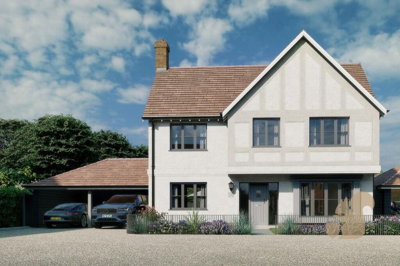
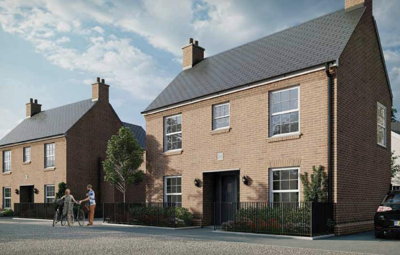
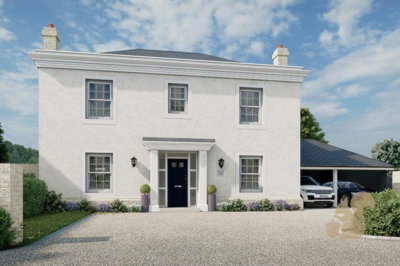
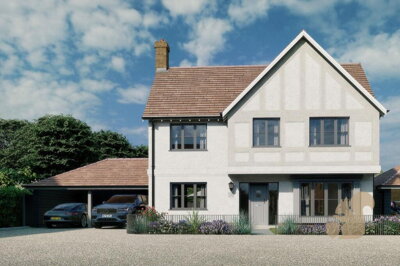
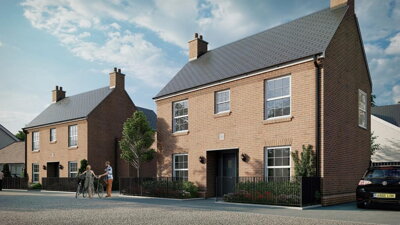
Browse 8 homes new builds in Great Henny from local developer agents.
The larger property sector typically features multiple bathrooms, substantial reception space, and private gardens or off-street parking. Four bedroom houses in Great Henny span detached, semi-detached, and occasionally terraced configurations, with styles ranging from period properties to modern executive homes.
The Great Henny property market reflects its status as a desirable rural Essex village where properties rarely come to market, making each opportunity genuinely special. Current data shows an average property price of £617,500, with detached properties commanding premium prices averaging £665,000 and semi-detached homes averaging £435,000. This market has demonstrated remarkable resilience and growth, with prices increasing by 10% over the past twelve months despite the village recording only 2 property sales during this period. The limited transaction volume speaks to the rarity of properties becoming available in this sought-after location, where owners tend to remain for extended periods once settled.
Property types in Great Henny predominantly consist of traditional detached and semi-detached homes befitting its rural character and agricultural heritage. The village features a selection of period properties including farmhouses, cottages, and converted agricultural buildings, many of which are listed buildings reflecting centuries of continuous habitation. No new-build developments were found within the Great Henny postcode area, meaning buyers purchasing here acquire homes with genuine character, solid construction, and the patina of age that only time can provide. Those seeking modern specifications may wish to broaden their search to nearby villages, though the authenticity of Great Henny's housing stock remains a significant draw for buyers prioritising charm and heritage over contemporary finishes.

Life in Great Henny offers an authentic taste of English village living within the beautiful Essex countryside that has captivated residents and visitors for centuries. With a population of just 144 people, the village maintains an intimate community atmosphere where neighbours know one another and local events bring the community together throughout the year. The rural economy centres on agriculture, with farms surrounding the village and contributing to the picturesque landscape of fields, hedgerows, and woodland that define the area. This peaceful setting provides an exceptional quality of life for those seeking escape from urban bustle while retaining access to essential services and amenities in nearby towns.
The wider Braintree district offers additional recreational and cultural opportunities within easy reach of Great Henny, including countryside walks, historic pubs serving local produce, and community facilities in neighbouring villages. Residents appreciate the strong sense of place and heritage, with the village's listed buildings serving as tangible connections to its agricultural past. The London Clay geology underlying the area has historically provided fertile farmland, though buyers should note that this geological feature also carries implications for property foundations and potential subsidence risk that warrant professional inspection during the purchase process. Daily life in Great Henny suits those who value privacy, space, and the rhythms of rural existence over the conveniences of urban density.

Great Henny benefits from its position between several thriving market towns, providing residents with practical options for commuting, shopping, and accessing services. The village sits approximately 5 miles from Sudbury, which offers a mainline railway station with services to London Liverpool Street, making the capital accessible for those who need to commute for work. The journey time to London typically takes around 80-90 minutes by train, positioning Great Henny as a viable option for remote workers or those with flexible commuting arrangements who wish to enjoy countryside living while maintaining urban employment connections. Braintree, the administrative centre for the district, lies approximately 12 miles away and provides comprehensive shopping, healthcare, and recreational facilities.
Road connections serve the village through country lanes connecting to the A131 and the A120, providing routes to Chelmsford and the wider Essex road network. Bus services operate between local villages, though frequencies reflect the rural nature of the area and prospective residents should consider private transport as essential for daily life in Great Henny. The village sits roughly 20 minutes from the A12 at Marks Tey, giving access to Colchester and Chelmsford for those requiring additional commuting flexibility. The absence of motorway noise and traffic congestion contributes significantly to the village's peaceful character, with residents typically enjoying generous off-road parking characteristic of rural properties. Cycling infrastructure varies across the local road network, with quieter country lanes popular among recreational cyclists, though no dedicated cycling superhighways serve the immediate area.
Families considering Great Henny as their home will find educational options available within the surrounding Essex villages and towns, though they should carefully verify current Ofsted ratings and catchment area boundaries when making property decisions. Primary education is typically provided through village schools in nearby communities such as Great Maplestead, which lies approximately 3 miles from Great Henny and offers a small primary school serving the local rural population. Several primary schools in Sudbury, located 5 miles away, provide additional options including schools that have achieved Good or Outstanding Ofsted ratings in recent inspections. These smaller rural schools often benefit from close community ties and individual attention for pupils, though facilities may be more limited than those found in larger town schools.
Secondary education options in the region include Stour Valley Community School in Clare, and Chantry Community Academy in Sudbury, with several establishments offering strong academic programmes and sixth form provision for older students. Families should note that transport arrangements to secondary schools may require consideration, as the rural nature of Great Henny means secondary-aged children may travel considerable distances to attend their allocated school. The nearest secondary schools are typically located in Sudbury or Braintree, both requiring bus transport arrangements that parents should factor into their house-hunting considerations. Independent schools in Essex and Suffolk provide alternative educational pathways for those pursuing non-state options, with several well-regarded establishments within reasonable driving distance. Early planning for educational requirements forms an essential part of any house-hunting process in rural locations, as school choices can significantly influence long-term family satisfaction with a property purchase.
Purchasing a property in Great Henny requires careful attention to specific local factors that differ from those affecting buyers in urban areas, and professional surveys prove particularly valuable in this rural context. The underlying London Clay geology presents a moderate to high risk of subsidence and heave, particularly affecting older properties with traditional shallow foundations, and any survey should specifically assess foundation condition, signs of cracking, and drainage provision around the property footprint. Our inspectors have encountered numerous properties in similar Essex villages where clay-induced movement has caused structural distress, making geological risk assessment essential for any purchase in this area. Surface water flooding risk affects certain areas of the village, particularly low-lying land near minor watercourses, and buyers should verify flood risk assessments for specific properties and consider whether insurance implications might arise from the property's flood history or location.
The village contains several listed buildings including St Mary's Church and various farmhouses and cottages, meaning prospective buyers may encounter properties subject to listed building consent requirements for alterations or improvements. These designations preserve architectural heritage but require additional consideration during the purchase process, potentially affecting renovation budgets and future property use plans. Traditional construction methods including solid wall build, timber framing, and period features require specialist knowledge to assess properly, and a RICS Level 2 or Level 3 Survey provides essential documentation of property condition that accounts for these age-related characteristics. Electrical and plumbing systems in older rural properties frequently require updating to meet modern standards, and surveyors should specifically comment on the condition and compliance of these essential building services when inspecting properties in Great Henny. Many properties in the village also feature original timber windows, outbuildings, and boundary walls that require ongoing maintenance and may present hidden defects not visible during standard viewings.
Properties in Great Henny, given their predominantly older construction and rural setting, commonly exhibit issues that buyers should understand before committing to a purchase. Damp problems feature frequently in traditional buildings, with rising damp, penetrating damp, and condensation all capable of affecting properties that lack modern damp-proofing measures or have suffered from delayed maintenance. Our surveyors regularly identify damp issues in period properties across rural Essex, where traditional construction techniques and the age of buildings make moisture penetration more likely than in modern properties. The age of many village properties means that roof structures and coverings frequently require attention, with missing tiles, deteriorated leadwork, and aging felt underlays representing common defects identified during property surveys. Given the prevalence of London Clay in the area, roof conditions become particularly important as water from leaking roofs can saturate the ground and exacerbate subsidence risk.
Timber defects including woodworm and rot in floor joists, roof timbers, and window frames occur more frequently in older properties where traditional softwood construction and period building techniques were employed. Outdated electrical wiring and consumer units present both practical and safety concerns in older village properties, with many homes still operating on fuse box arrangements that predate modern safety standards. Drainage systems serving rural properties may connect to private septic tanks or cesspits rather than mains sewerage, requiring specific understanding of maintenance responsibilities and potential upgrade costs. Foundation movement related to the shrink-swell behaviour of London Clay represents a genuine structural concern in the area, and properties showing signs of differential settlement, cracking, or previous underpinning works warrant particularly thorough investigation before purchase. A comprehensive RICS Level 2 Survey provides detailed assessment of all these common issues, offering buyers the information needed to negotiate appropriately with sellers or plan necessary remediation works following their purchase.
Before visiting properties, spend time in Great Henny at different times of day and week to understand the local community, noise levels, and whether rural village life suits your lifestyle requirements. Visit local amenities in nearby towns and speak with residents to gain authentic insight into daily living in the area. Consider attending village events or visiting the local pub to experience the community atmosphere firsthand.
Contact mortgage lenders or brokers to obtain an Agreement in Principle before viewing properties. This demonstrates your serious intent to sellers and helps you understand your realistic budget, which averages around £617,500 in Great Henny for the current property market. Given the higher average property values in this rural village, ensure your mortgage arrangement reflects the premium nature of the local market.
View multiple properties in Great Henny to compare construction quality, character, and condition. Given the limited transaction volume, properties become available infrequently, so viewing promptly when listings appear and maintaining flexibility on timing proves advantageous. Ask vendors about the property's history, any previous structural works, and the age of key systems like heating and electrical wiring.
Once your offer is accepted, instruct a RICS Level 2 Survey to assess the property condition thoroughly. This proves especially important given the London Clay geology and prevalence of older properties in the village, with surveys typically costing between £400-900 depending on property size. For listed buildings or properties with extensive period features, consider a Level 3 Building Survey for more comprehensive assessment.
Appoint a conveyancing solicitor with experience in rural Essex properties to handle legal work including local authority searches, title verification, and coordination with your mortgage lender. Rural properties sometimes involve additional complexities such as private drainage or unusual access arrangements that require specialist attention during the conveyancing process.
After satisfactory survey results and completed legal searches, coordinate with your solicitor and estate agent to exchange contracts and set a completion date. The rural nature of Great Henny means property chains are less common than in urban areas, potentially simplifying the transaction process. Allow extra time for any searches specific to the Braintree district and factor in seasonal considerations that might affect rural property transactions.
The average property price in Great Henny stands at £617,500, with detached properties averaging £665,000 and semi-detached homes at approximately £435,000. The market has shown strong performance with a 10% increase in prices over the past twelve months, though transaction volumes remain low with only 2 sales recorded recently. This limited supply and strong demand reflect the village's desirability as a rural Essex location, and buyers should expect competitive conditions when properties become available on the market.
Properties in Great Henny fall under Braintree District Council, which sets council tax bands based on property valuation. Specific band information varies by individual property and can be verified through the Valuation Office Agency website using the property address. Rural properties in Essex typically span bands B through F depending on their assessed value, and prospective buyers should obtain this information during the conveyancing process as part of their due diligence.
Primary education in the Great Henny area is served by village schools in nearby communities including Great Maplestead approximately 3 miles away, and primary schools in Sudbury which is around 5 miles from the village. Several of these schools have achieved Good or Outstanding Ofsted ratings in recent inspections. Secondary options include schools in Sudbury and Braintree, with transport arrangements requiring consideration given the rural location. Parents should verify current catchment area boundaries and admission policies, as these can change and directly affect school placement eligibility for their children.
Great Henny is a rural village where private transport is essential for daily life, though public transport options exist for commuting and access to larger towns. Sudbury railway station, approximately 5 miles away, provides mainline services to London Liverpool Street in around 80-90 minutes. Local bus services connect surrounding villages including links to Sudbury and Halstead, though frequencies reflect the rural nature of the area with services typically running hourly or less on weekdays. The village position between Sudbury and Braintree provides reasonable access to comprehensive facilities in both towns.
Great Henny offers potential for property investment given its rural Essex location, limited housing supply, and demonstrated price growth of 10% recently. The village appeals to buyers seeking countryside living with community atmosphere, and properties rarely come to market, suggesting strong underlying demand. However, transaction volumes remain very low, which could affect liquidity for investors seeking quick resales. Those considering buy-to-let should carefully assess rental demand in the context of the village's small population of 144 residents and the essential requirement for tenants to have private transport.
Stamp Duty Land Tax rates from April 2024 apply 0% on the first £250,000 of residential property purchases, 5% on the portion between £250,001 and £925,000, and 10% on the portion between £925,001 and £1.5 million, with 12% above £1.5 million. First-time buyers enjoy relief on the first £425,000 with 5% applied between £425,001 and £625,000. For a typical Great Henny property at the £617,500 average price, standard buyers would pay approximately £18,375 in stamp duty, while first-time buyers would pay £9,625 assuming they meet all eligibility criteria.
The London Clay geology underlying Great Henny creates moderate to high subsidence risk, particularly for older properties with traditional foundations, and this should be assessed during any survey. River and sea flooding risk is very low given the village's inland location, though surface water flooding affects certain low-lying areas near minor watercourses and requires property-specific investigation. No mining history applies to Great Henny as the village sits outside former mining districts. Properties should be assessed individually for their specific environmental risk profile, with particular attention to foundation type, drainage provision, and any signs of historic movement.
Understanding the full costs of purchasing property in Great Henny extends beyond the sale price to encompass stamp duty, survey fees, legal costs, and ongoing financial commitments that together represent a significant additional investment. The current Stamp Duty Land Tax thresholds applying from April 2024 set the zero-rate band at £250,000 for standard buyers, rising to £425,000 for first-time buyers claiming relief, with progressive rates thereafter. For a property at the Great Henny average price of £617,500, a standard buyer would incur approximately £18,375 in stamp duty, while qualifying first-time buyers would pay £9,625, representing an important budget consideration when calculating total acquisition costs.
Professional fees form a necessary component of any property purchase, with RICS Level 2 Surveys typically ranging from £400 to £900 depending on property size and value, and more comprehensive Level 3 Building Surveys required for larger or older properties including the many period homes in Great Henny. Conveyancing costs through a solicitor typically start from £499 for straightforward transactions, though rural properties with additional complexities such as private drainage, unusual access arrangements, or listed building status may incur higher fees. Mortgage arrangement fees vary by lender and product, often ranging from zero to £2,000, and should be factored into the overall cost comparison when selecting a mortgage product. Land Registry fees, local authority search fees, and moving costs complete the typical purchase budget, with total additional costs commonly ranging from £3,000 to £8,000 depending on property value and individual circumstances. Given the premium nature of Great Henny properties, buyers should ensure they have sufficient funds available beyond their mortgage deposit to cover these additional acquisition costs.
From 3.84%
Get competitive mortgage rates for your Great Henny property purchase
From £499
Expert legal support for your property transaction in rural Essex
From £400
Comprehensive property survey tailored to Great Henny's housing stock
From £60
Energy performance certificate for your new property
Properties New Builds In London

Properties New Builds In Plymouth

Properties New Builds In Liverpool

Properties New Builds In Glasgow

Properties New Builds In Sheffield

Properties New Builds In Edinburgh

Properties New Builds In Coventry

Properties New Builds In Bradford

Properties New Builds In Manchester

Properties New Builds In Birmingham

Properties New Builds In Bristol

Properties New Builds In Oxford

Properties New Builds In Leicester

Properties New Builds In Newcastle

Properties New Builds In Leeds

Properties New Builds In Southampton

Properties New Builds In Cardiff

Properties New Builds In Nottingham

Properties New Builds In Norwich

Properties New Builds In Brighton

Properties New Builds In Derby

Properties New Builds In Portsmouth

Properties New Builds In Northampton

Properties New Builds In Milton Keynes

Properties New Builds In Bournemouth

Properties New Builds In Bolton

Properties New Builds In Swansea

Properties New Builds In Swindon

Properties New Builds In Peterborough

Properties New Builds In Wolverhampton

Enter your details to see if this property is within your budget.
Loans, cards, car finance
Estimated property budget
Borrowing + deposit
You could borrow between
Typical borrowing
Monthly repayment
Est. at 4.5%
Loan-to-value
This is an estimate only. Your actual budget may vary depending on interest rates, credit history, and personal circumstances. For an accurate affordability assessment, speak to one of our free mortgage advisors.
This calculator provides estimates for illustrative purposes only and does not constitute financial advice. Your home may be repossessed if you do not keep up repayments on your mortgage. Estimates based on 4.5% interest rate, repayment mortgage. Actual rates depend on your circumstances.
Homemove is a trading name of HM Haus Group Ltd (Company No. 13873779, registered in England & Wales). Homemove Mortgages Ltd (Company No. 15947693) is an Appointed Representative of TMG Direct Limited, trading as TMG Mortgage Network, which is authorised and regulated by the Financial Conduct Authority (FRN 786245). Homemove Mortgages Ltd is entered on the FCA Register as an Appointed Representative (FRN 1022429). You can check registrations at NewRegister or by calling 0800 111 6768.

We use cookies to show you personalised content and improve your experience of our website. Find out more in our Privacy policy and Cookie policy.