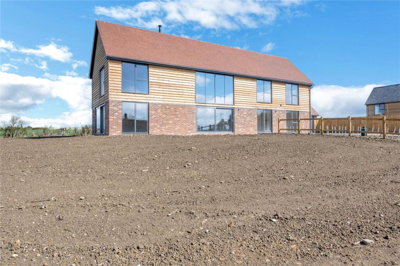
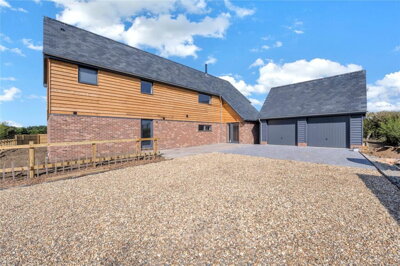
Browse 2 homes new builds in Great Bricett from local developer agents.
The Great Bricett property market offers detached, semi-detached, and terraced houses spanning various price ranges and neighbourhoods. Each listing includes detailed property information, photographs, and direct contact with the marketing agent.
The Great Bricett property market has experienced notable price adjustments over the past year, with house prices falling by approximately 19.6% according to Land Registry data. This correction follows a peak of £540,000 in 2023 and reflects broader national market trends, though it also presents opportunities for buyers who may previously have found the area beyond their budget. Terraced properties in Great Bricett currently average £186,500 and have shown particular resilience, with prices increasing by 5.4% in 2025 compared to the previous year. Semi-detached homes sold for an average of £200,000 across recent transactions, while detached properties with their generous proportions continue to attract premiums, commanding median prices of £392,000.
New build opportunities in the area include Wixfield Park on the village edge, offering residential park homes and bungalows priced from £169,950 to £219,500. This Quickmove Properties development provides an alternative route to homeownership in the village, combining modern construction with the character of rural Suffolk. Marshmoor Park on nearby Wallow Lane also features within the IP7 postcode area, with park homes available from approximately £185,000. For buyers seeking newly constructed brick-and-mortar properties, Woodland Valley in the village heart offered a three-bedroom bungalow option, demonstrating the variety of housing stock available in this sought-after location.
Looking at transaction volumes, there were 134 total sales recorded in Great Bricett over the past year. Detached properties saw a 27.4% decrease in 2024 compared to 2023, reflecting broader market corrections at the higher end of the market. Semi-detached homes showed a 17.5% decrease in 2025 compared to 2024, while terraced properties demonstrated resilience with a 5.4% increase in 2025, suggesting strong demand for more affordable housing options in the village. These trends indicate a market that is stabilising after significant adjustment, potentially creating attractive entry points for new buyers.

Life in Great Bricett offers a quintessentially English village experience, where community spirit thrives alongside a rich agricultural heritage that has shaped the parish for centuries. The village name itself derives from its historical significance, with records dating back to 1112 when the area formed part of the holdings of the Abbey of St Edmund. Historically, the parish supported pasture land for rearing pigs, horses, and dairy cattle, alongside cultivation of barley, wheat, rye, oats, peas, and vetches. Today, this agricultural legacy continues through working farms surrounding the village, providing residents with fresh local produce and a tangible connection to Suffolk's rural economy.
Great Bricett's population of approximately 1,249 residents (rising to 1,580 when including RAF Wattisham housing) creates a tight-knit community where neighbours know each other by name. The village centre features several notable establishments including The Red Lion Inn, Red Lion Cottage, and Tudor Cottage, all Grade II listed buildings that contribute to the area's distinctive character. The proximity to RAF Wattisham has historically influenced local development, bringing additional services and employment opportunities to the parish. Following the airbase's establishment in 1939, modern housing expanded significantly, with married quarters and affordable housing units added over subsequent decades, creating the balanced community mix of period and contemporary properties seen today.
The village does not have a designated conservation area, but the clustering of historic properties around the church and village centre means planning restrictions may still apply in certain locations. Residents enjoy access to local amenities including the historic village school, The Red Lion Inn for dining and community gatherings, and proximity to surrounding towns for larger shopping requirements. The surrounding countryside offers extensive walking opportunities through farmland and along country lanes, with the wider Mid Suffolk area known for its attractive villages, historic churches, and the natural beauty of Constable Country attracting visitors throughout the year.

Understanding the construction methods used in Great Bricett properties helps buyers appreciate the character and potential maintenance considerations of homes in this Suffolk village. The historic properties here reflect centuries of building tradition, with timber-framed and plastered construction being particularly characteristic of the older housing stock. Great Bricett Hall, the Grade I listed 13th-century manor house, exemplifies this traditional approach with its timber-framed and plastered structure and hipped plaintiled roof. These older buildings were constructed using weak lime mortars and rubble infill, techniques that created characterful but draught-prone homes requiring ongoing maintenance.
Plain tiles and pantiles (including some black glazed varieties) feature prominently on historic roofs throughout the village, reflecting traditional Suffolk building practices. The arrival of the railway in Suffolk brought increased availability of bricks, gradually replacing traditional materials in newer construction. Later developments in the village, including RAF Wattisham married quarters and the affordable housing units built in 2006 after demolition of Three Releet Farm buildings, would have used more conventional modern methods with brick or concrete block construction and concrete roof tiles.
The local geology beneath Great Bricett consists primarily of boulder clay or clay loam overlying chalk layers, with boreholes in nearby Great Bradley revealing that a river once cut away the chalk with sand and gravel deposited in the valley before boulder clay was laid down during an ice age. This clay-rich geology presents specific considerations for property owners, as clay soils are susceptible to shrink-swell movement where soil volume changes with moisture content. The British Geological Survey projects a significant increase in subsidence risk across Britain due to climate change, with properties on shrinkable clay soil particularly vulnerable. Shallow foundations, common in older buildings, combined with mature trees near properties can exacerbate these movement issues.
Our inspectors frequently identify specific defect patterns when surveying properties in Great Bricett, reflecting both the age of the housing stock and local geological conditions. Damp and moisture problems rank among the most common issues found, particularly rising damp in older properties without adequate damp-proofing, penetrating damp through aging brickwork or poorly maintained gutters, and condensation resulting from poor ventilation in period homes. The timber-framed construction used in many historic properties makes thorough damp assessment essential, as moisture penetration can compromise structural timbers over time.
Roof defects and damage also feature regularly in our survey reports for Great Bricett properties. Missing or broken tiles, leaks, sagging areas, and deteriorating mortar are common due to age and weathering. We often note that heavier modern concrete tiles have been used to replace original clay tiles on older properties, which can cause roof spread as the increased weight stresses rafters and wall plates not designed for such loads. Our team checks carefully for signs of previous repairs, altered rooflines, and the condition of flashings around chimneys and dormers.
Subsidence and structural movement represent significant considerations for Great Bricett buyers given the local boulder clay geology. The shrink-swell behaviour of clay soils means that properties with trees nearby, particularly those with shallow foundations common in older construction, may show signs of movement or cracking. During dry periods, clay shrinkage can cause foundations to settle unevenly, leading to cracks in walls and distortion of door and window frames. We examine all properties for crack patterns, sticking doors and windows, and any evidence of previous underpinning or repair work. Properties in the village should be checked for adequate drainage away from foundations and the condition of any retaining structures.
Families considering a move to Great Bricett will find educational options within reasonable reach, though the village itself operates on a smaller scale with limited local schooling. The historic village school, a Victorian building that has served generations of local children, forms part of Great Bricett's educational heritage. For secondary education, pupils typically travel to nearby towns including Ipswich, Needham Market, or Hadleigh, where a selection of comprehensive schools and grammar options serve the wider area. The presence of RAF Wattisham within the parish boundary has historically influenced local educational provision, with service families benefiting from connections to school communities that understand the needs of military families.
Parents are advised to research current catchment areas and admission arrangements through Suffolk County Council, as these can change annually and significantly impact which schools pupils can access. Several well-regarded primary schools operate in surrounding villages, providing convenient options for families with younger children. For secondary-aged pupils, the commute to nearby towns is manageable by car, with school transport services operating from outlying villages. Sixth form and further education provision is available in Ipswich, Stowmarket, and Colchester, ensuring older students have clear pathways to continued education and vocational training opportunities.
The village's proximity to RAF Wattisham means some families may have access to additional educational support through service-related provisions. Parents should verify current school performance data and Ofsted ratings when considering properties, as these factors can influence both educational outcomes and property values. The limited schooling provision within the village itself means that family buyers should factor transport arrangements into their property search, particularly for those without private vehicles. Properties within walking or cycling distance of village amenities and transport links may prove more practical for families with school-age children.
Great Bricett enjoys a strategic position within Suffolk, offering residents practical transport connections while maintaining its rural character. The village sits within the IP7 postcode area, providing access to the broader road network that connects Suffolk to Cambridge, Colchester, and London. The A14 trunk road passes through the region, offering relatively straightforward access to the port of Felixstowe and the A12 corridor heading toward London. For commuters working in Ipswich, the journey takes approximately 25-30 minutes by car, making Great Bricett a viable option for those who split their working week between home and office.
Public transport options reflect the village's rural nature, with bus services connecting Great Bricett to neighbouring towns and villages. The nearest railway stations are located in Needham Market and Ipswich, offering regular services to London Liverpool Street via Colchester, with journey times of approximately 75-90 minutes to the capital. Manningtree station, slightly further afield, provides access to Cambridge and Stansted Airport, expanding travel options for residents who fly regularly. Cycling infrastructure in the surrounding countryside varies, with quiet country lanes popular with recreational cyclists though longer-distance commuting by bike requires careful route planning and significant time investment.
Flood risk in the surrounding area has received attention following significant events such as Storm Babet in October 2023, when nearby Needham Market and Wickham Market experienced considerable flooding due to intense rainfall overwhelming natural flow routes and drainage infrastructure. While Great Bricett itself sits inland from major rivers like the Orwell and Gipping, surface water drainage should be considered when evaluating properties, particularly those in lower-lying positions or with large hard-standing areas. Properties with effective drainage systems, well-maintained gutters, and appropriate land gradients away from buildings generally present lower surface water flooding risk.
Spend time exploring Great Bricett at different times of day and week. Visit local amenities, speak with residents about village life, and understand the property types available in your price range. The village's proximity to RAF Wattisham may be relevant if you have connections to the armed forces. Take time to understand the local geography including the clay soil conditions that affect older properties and the significance of listed buildings in the village centre.
Before viewing properties, obtain a mortgage agreement in principle from a lender. This demonstrates your buying capacity to sellers and estate agents, giving you a competitive edge when making offers. Include Great Bricett properties within your search criteria and consider speaking with a mortgage broker who understands the Suffolk property market. Given the village's average price of £191,000, many buyers may find they are below the stamp duty threshold, potentially freeing up funds for other costs.
Work with estate agents listing Great Bricett homes to arrange viewings of properties matching your requirements. Take notes on property condition, garden space, and any signs of maintenance issues. Great Bricett's mix of period properties and modern homes will require different considerations, from timber condition in historic buildings to the tenure arrangements of park home developments. Pay attention to the condition of roofs, foundations near trees, and the age of electrical and plumbing systems during viewings.
Once your offer is accepted, book a RICS Level 2 survey before proceeding. Given Great Bricett's heritage properties and clay soil geology, this survey will identify any structural concerns, damp issues, or roof defects that may require attention. Our inspectors are experienced with the construction methods common in Suffolk, including timber-framed buildings and the signs of clay shrinkage movement. The survey cost typically ranges from £384 for properties under £200,000 up to £586 for homes above £500,000.
Appoint a conveyancing solicitor to handle the legal transfer of ownership. Your solicitor will conduct local searches, check planning permissions, and ensure the property's title is clear before you commit to completion. Local searches in Mid Suffolk will reveal any planning conditions, rights of way, or environmental factors affecting the property. For listed buildings, the solicitor should confirm any listed building consents for previous alterations.
After satisfactory survey results and contract negotiations, you will exchange contracts and pay your deposit. Completion typically follows within 2-4 weeks, when you will receive the keys and take ownership of your new Great Bricett home. Arrange buildings insurance from completion and notify utility companies of your move. Take time to explore the village and introduce yourself to neighbours, embracing the community spirit that makes Great Bricett distinctive.
Purchasing property in Great Bricett requires careful consideration of local factors that differ from urban buying decisions. The village's geological setting on boulder clay soils means buyers should pay particular attention to signs of subsidence or ground movement. Trees and vegetation close to properties can exacerbate clay shrinkage during dry periods, potentially affecting foundations of older buildings. A thorough RICS Level 2 survey is strongly recommended for any property in the area, with particular focus on foundations, walls, and any existing crack repairs. The presence of timber-framed construction in historic properties also warrants specialist inspection for potential woodworm or dry rot issues.
Great Bricett's six listed buildings demonstrate the area's architectural heritage, and buyers considering period properties should understand the implications of listed status. Grade I and Grade II listed buildings require listed building consent for alterations and must be maintained to preserve their character. The village does not appear to have a designated conservation area, but the clustering of historic properties around the church and village centre means planning restrictions may still apply in certain locations. Newer developments, including park home sites like Wixfield Park, operate under different tenure arrangements, so prospective buyers should clarify whether properties are freehold or leasehold before committing.
Flood risk, while not severe in Great Bricett itself, should be considered as part of a comprehensive property assessment. Surface water drainage around properties should be evaluated, particularly for homes in lower-lying positions or those with large impermeable surfaces. Our team checks the condition of drainage systems, gutters, and downpipes during surveys, as blocked or inadequate drainage can lead to water ingress and damp problems over time. Properties with positive drainage characteristics, including well-graded gardens sloping away from buildings and modern drainage systems, generally present lower risk of water-related issues.
The average house price in Great Bricett over the past year was £191,000 according to recent Land Registry data. This represents a decrease of approximately 19.6% compared to the previous year, following a market peak of £540,000 in 2023. Terraced properties average around £186,500, semi-detached homes sell for approximately £200,000, and detached properties command higher prices with median values of £392,000 based on recent sales data. The 134 sales recorded over the past year indicate active market participation despite the price corrections seen across the village.
Properties in Great Bricett fall under Mid Suffolk District Council for council tax purposes. Bands range from A through H, with band values based on property valuation as of April 1991. Newer properties and larger homes typically occupy higher bands, with the affordable housing units built in 2006 likely falling into moderate bands given their size. Prospective buyers should check the specific band for any property they are considering, as council tax forms part of the ongoing cost of homeownership in the village.
Great Bricett itself has limited schooling provision, with the historic village school serving younger children within the parish. Secondary school pupils typically attend schools in nearby towns such as Hadleigh, Ipswich, or Needham Market, with school transport arrangements available from outlying villages. Suffolk County Council publishes catchment area information and school performance data on their website, allowing parents to research options before committing to a property purchase. Families should verify current admission arrangements and consider the practical implications of school transport when evaluating properties at different locations within the village.
Public transport connections in Great Bricett reflect its rural village status, with bus services providing links to neighbouring towns and villages within the IP7 postcode area. The nearest railway stations are in Needham Market and Ipswich, offering regular services to London Liverpool Street with journey times of approximately 75-90 minutes. For commuting by car, the A14 provides access to Cambridge, Felixstowe, and connections to the A12 and M25 toward London. Manningtree station, reachable within approximately 30 minutes by car, provides access to Cambridge and Stansted Airport for residents who travel frequently by air.
Great Bricett offers several factors that may appeal to property investors considering longer-term horizons. House prices have corrected significantly from their 2023 peak, potentially creating buying opportunities at more accessible price points. The village's setting in Constable Country attracts visitors and may support holiday let opportunities in the wider Mid Suffolk area. The limited new development approved in the area, with plans for 51 homes at Great Bricett Business Park refused in June 2022 due to design and infrastructure concerns, suggests supply constraints that could support values as demand returns. However, investors should carefully assess rental demand from the local population and employment factors before committing.
Stamp duty Land Tax rates from April 2025 are 0% on properties up to £250,000, 5% between £250,001 and £925,000, 10% between £925,001 and £1.5 million, and 12% above £1.5 million. First-time buyers receive relief on properties up to £625,000, paying 0% up to £425,000 and 5% between £425,001 and £625,000. Given Great Bricett's average price of £191,000, many properties fall entirely within the zero-rate threshold, making this an attractive consideration for first-time buyers seeking to minimise upfront purchase costs.
Great Bricett itself sits inland from major rivers like the Orwell and Gipping, reducing the risk of fluvial flooding compared to riverside locations. However, surface water flooding should be considered, particularly following Storm Babet in October 2023 when nearby Needham Market and Wickham Market experienced significant flooding from intense rainfall. Properties with effective drainage systems, gardens sloping away from buildings, and no history of flooding incidents generally present lower risk. Our surveyors check drainage characteristics and the condition of gutters and downpipes as standard during property assessments in the area.
Great Bricett has six listed buildings including the Grade I listed Church of St Mary and St Lawrence and Great Bricett Hall, a 13th-century timber-framed manor house. Grade II listed properties include The Red Lion Inn, Red Lion Cottage, Tudor Cottage, and St Peters Court. Buyers considering listed properties should understand that any alterations require listed building consent and that maintenance obligations may be more stringent than for non-listed homes. Specialist surveys for listed buildings may require additional expertise in heritage construction methods and conservation-sensitive assessment.
Understanding the full cost of purchasing property in Great Bricett extends beyond the advertised sale price. Stamp duty Land Tax represents a significant consideration, though the village's average property price of £191,000 works favourably for buyers. Most properties in Great Bricett fall within the zero-rate band up to £250,000, meaning standard purchasers would pay no stamp duty on properties at or below this threshold. First-time buyers benefit from even more generous relief, with no stamp duty payable on purchases up to £425,000 and reduced rates applying between £425,001 and £625,000.
Beyond stamp duty, buyers should budget for solicitor fees typically ranging from £499 to £1,500 depending on complexity and property value. A RICS Level 2 survey costs approximately £350 to £450 for properties in the Great Bricett price range, though larger or more complex homes may incur higher fees. Survey costs scale with property value, with homes under £200,000 averaging around £384 and those above £500,000 averaging £586. For a terraced property at £186,500 or a detached home at £392,000, survey fees would fall within these respective ranges.
Mortgage arrangement fees, valuation fees, and land registry registration costs add further expenses of approximately £1,000 to £2,000 depending on lender and property value. Buildings insurance should be arranged from the point of completion, while removal costs vary based on distance and volume of belongings. Setting aside 2-3% of the purchase price for these additional costs ensures a smooth transaction without unexpected financial pressures. For a property at the village average of £191,000, this would represent approximately £3,800 to £5,700 in additional purchase costs beyond the sale price and stamp duty.
Properties New Builds In London

Properties New Builds In Plymouth

Properties New Builds In Liverpool

Properties New Builds In Glasgow

Properties New Builds In Sheffield

Properties New Builds In Edinburgh

Properties New Builds In Coventry

Properties New Builds In Bradford

Properties New Builds In Manchester

Properties New Builds In Birmingham

Properties New Builds In Bristol

Properties New Builds In Oxford

Properties New Builds In Leicester

Properties New Builds In Newcastle

Properties New Builds In Leeds

Properties New Builds In Southampton

Properties New Builds In Cardiff

Properties New Builds In Nottingham

Properties New Builds In Norwich

Properties New Builds In Brighton

Properties New Builds In Derby

Properties New Builds In Portsmouth

Properties New Builds In Northampton

Properties New Builds In Milton Keynes

Properties New Builds In Bournemouth

Properties New Builds In Bolton

Properties New Builds In Swansea

Properties New Builds In Swindon

Properties New Builds In Peterborough

Properties New Builds In Wolverhampton

Enter your details to see if this property is within your budget.
Loans, cards, car finance
Estimated property budget
Borrowing + deposit
You could borrow between
Typical borrowing
Monthly repayment
Est. at 4.5%
Loan-to-value
This is an estimate only. Your actual budget may vary depending on interest rates, credit history, and personal circumstances. For an accurate affordability assessment, speak to one of our free mortgage advisors.
This calculator provides estimates for illustrative purposes only and does not constitute financial advice. Your home may be repossessed if you do not keep up repayments on your mortgage. Estimates based on 4.5% interest rate, repayment mortgage. Actual rates depend on your circumstances.
Homemove is a trading name of HM Haus Group Ltd (Company No. 13873779, registered in England & Wales). Homemove Mortgages Ltd (Company No. 15947693) is an Appointed Representative of TMG Direct Limited, trading as TMG Mortgage Network, which is authorised and regulated by the Financial Conduct Authority (FRN 786245). Homemove Mortgages Ltd is entered on the FCA Register as an Appointed Representative (FRN 1022429). You can check registrations at NewRegister or by calling 0800 111 6768.

We use cookies to show you personalised content and improve your experience of our website. Find out more in our Privacy policy and Cookie policy.