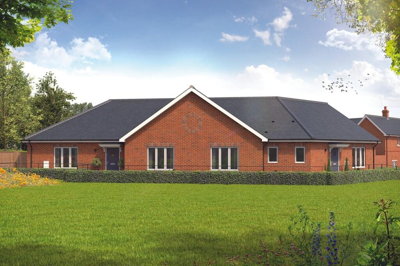
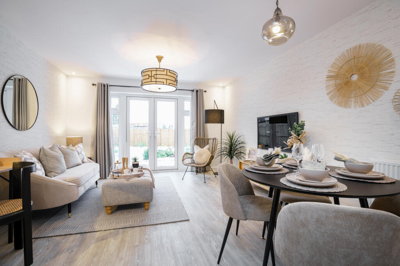
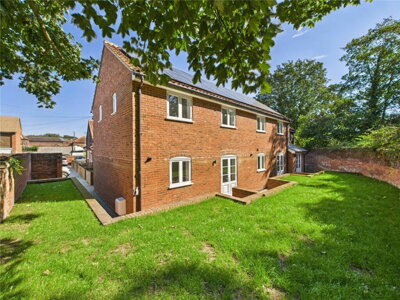
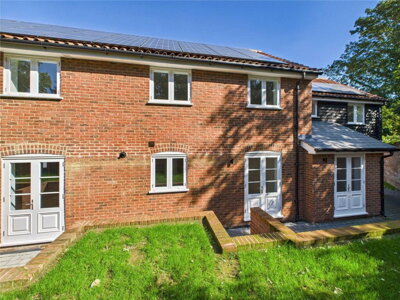
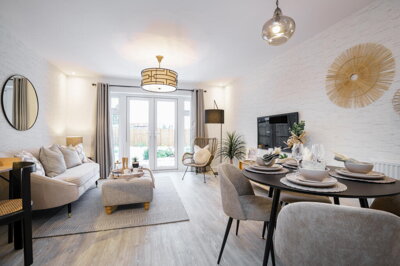
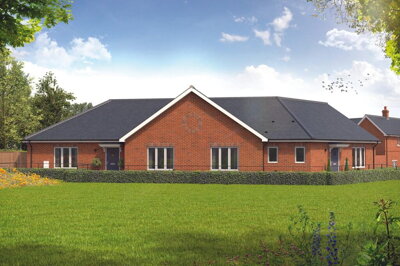
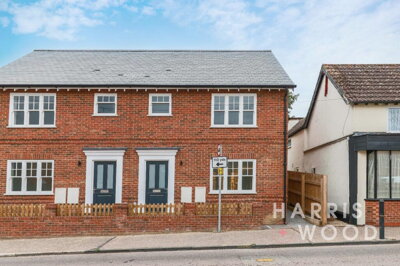
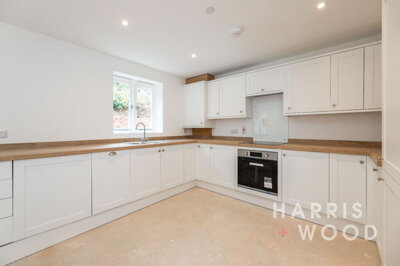
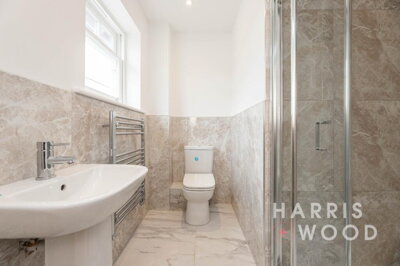
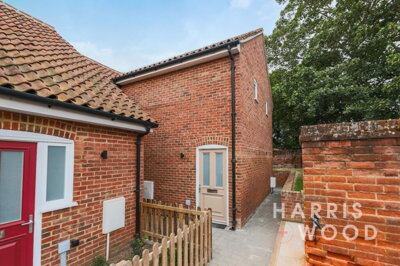
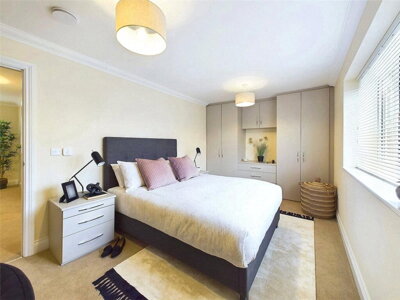
Browse 12 homes new builds in Great Braxted from local developer agents.
The 2 bed house market features detached, semi-detached, and terraced properties with two separate bedrooms plus living spaces. Properties in Great Braxted range across contemporary developments, with pricing varying across different neighbourhoods.
£625,000
Average Property Price
+4.2%
12-Month Price Change
15
Annual Sales
700-800
Population
The Great Braxted property market reflects the village's status as a premium rural Essex location. Detached properties command the highest prices, averaging £700,000, which accounts for the majority of sales in this predominantly detached housing stock. The market has demonstrated consistent resilience, with prices rising 4.2% over the past twelve months, indicating sustained demand from buyers recognising the value of this rural village position. Semi-detached homes average around £450,000, offering more accessible entry points to the local market, while terraced properties typically sell for approximately £350,000.
The housing stock in Great Braxted shows a clear emphasis on spacious family living, with 60-70% of properties being detached and a further 20-25% being semi-detached. Terraced properties and flats represent only a small portion of available housing at 5-10% combined, making this market particularly attractive to those seeking space and privacy. A significant number of homes date from before 1919, particularly within the Conservation Area surrounding St Peter's Church and the historic village core, offering characterful period features that modern developments often cannot replicate. Properties from subsequent periods including inter-war and post-war eras add further variety to the available stock.
While new build activity specifically within the Great Braxted postcode area (CM8 3) remains limited, the surrounding Maldon District occasionally sees new developments that attract similar buyers to the area. The relatively low transaction volume of 15 sales annually reflects the village's intimate scale and the quality-focused nature of its property market, where each sale represents a meaningful transition in this close community.
Properties in Great Braxted showcase the traditional building techniques that have shaped rural Essex for generations. Traditional red brick construction is the dominant material throughout the village, often featuring rendered sections or timber cladding that add visual interest to period facades. Roofs throughout Great Braxted typically use clay or concrete tiles, reflecting the vernacular building practices of the region. The combination of solid brick walls, pitched roofs, and traditional detailing creates the distinctive architectural character that makes this village so visually appealing.
The age of properties in Great Braxted varies considerably, with distinct construction periods evident throughout the village. Pre-1919 properties within the Conservation Area were built using solid wall construction with lime mortar rather than modern cement, meaning walls can breathe differently than contemporary cavity insulated systems. These older buildings often feature timber structural elements including beams and floor joists that require careful inspection. Inter-war properties from 1919-1945 introduced cavity wall construction to some extent, while post-war homes from 1945-1980 followed standard mid-twentieth century building practices. More recent construction post-1980 brings modern cavity wall insulation and contemporary materials into the mix.
Understanding construction methods helps buyers appreciate the maintenance requirements and potential issues associated with different property types in Great Braxted. Solid wall properties dating from before 1919 lack cavity insulation, resulting in different thermal performance compared to modern homes and potentially higher heating costs. Properties with original timber frames require vigilance for timber defects, while those with clay tiled roofs may need periodic repointing and tile replacement. Our local knowledge of these construction methods ensures you understand exactly what to expect from properties throughout Great Braxted.
Given the prevalence of older properties and the underlying London Clay geology, certain defect categories require careful attention when considering property purchases in Great Braxted. Subsidence represents one of the most significant concerns for property buyers in this area. The London Clay underlying the village exhibits high plasticity, meaning it contracts during dry spells and expands when wet. Properties with shallow foundations, large trees nearby, or inadequate drainage systems face particular vulnerability to ground movement that can manifest as cracking to walls, sticking doors or windows, and visible signs of structural stress. A thorough survey can identify these issues before you commit to purchase.
Damp issues commonly affect period properties throughout Great Braxted, requiring careful assessment during any property evaluation. Rising damp occurs when moisture travels up through solid walls where damp-proof courses have failed or were never installed, particularly in properties predating modern building regulations. Penetrating damp results from water ingress through roofs, defective lead flashings, or degraded render, and the rural setting of Great Braxted means properties exposed to prevailing weather patterns from the north and east require close inspection. Condensation arises from inadequate ventilation combined with modern living patterns, a common issue in older properties that have been insulated without proper ventilation provision.
Timber defects pose another category of concern for properties in Great Braxted, particularly those with significant heritage elements. Woodworm infestations can affect structural timbers and joinery throughout period properties, while wet rot requires ongoing moisture presence to develop and may indicate damp issues that need addressing. Dry rot, although less common, can spread through apparently dry timber and cause significant damage if moisture issues arise. Electrical systems in properties built before the 1980s frequently require upgrading to meet current standards and accommodate modern appliance loads. Original fuse boxes, rubber-insulated wiring, and dated socket placements often require complete rewire. Plumbing systems in older properties may feature lead pipes or early copper installations that have corroded over decades of use.
Life in Great Braxted offers an authentic taste of rural Essex living with the practical benefits of excellent transport connections nearby. The village centres around St Peter's Church, a historic landmark that anchors the Conservation Area and provides a focal point for community activities. Residents enjoy walking routes through farmland and countryside, with the nearby River Blackwater offering scenic walks and connection to wider public rights of way networks. The village maintains a peaceful, unspoiled character that has attracted families and professionals seeking respite from urban life while remaining within practical commuting distance of major centres.
The local economy in Great Braxted reflects its rural nature, with agriculture and small local businesses forming the traditional economic backbone. However, the village's proximity to the A12 trunk road has made it increasingly attractive to commuters who work in Chelmsford, Colchester, Ipswich, and even London. Many residents benefit from the balance of working from home or travelling to offices in nearby towns, supported by reliable broadband services that have expanded in recent years. The village pub and local amenities in surrounding villages provide essential conveniences without the need to travel to larger towns for everyday requirements.
The demographic profile of Great Braxted shows a balanced community with families, couples, and individuals drawn to the quality of life the village offers. The combination of period properties, spacious plots, and the designated Conservation Area status ensures the village maintains its architectural heritage and scenic appeal. Community spirit remains strong, with local events and traditions fostering connections between residents who have chosen this special corner of Essex as their home.

Great Braxted presents a compelling case for property buyers seeking a balanced lifestyle in rural Essex. The village has demonstrated consistent property price growth of 4.2% over the past twelve months, reflecting sustained demand from buyers who recognise the value of this accessible yet tranquil location. The Conservation Area designation provides confidence that the village's distinctive character and architectural heritage will be preserved, protecting your investment against inappropriate development that might diminish the area's appeal. This regulatory protection ensures the village maintains the qualities that make it attractive to discerning buyers.
Transport connectivity from Great Braxted compares favourably with more remote rural locations, making the village practical for those who need to commute or access urban amenities regularly. The nearby A12 trunk road connects Great Braxted to Chelmsford and Colchester, while Witham railway station provides direct services to London Liverpool Street in approximately 40-50 minutes. For buyers seeking countryside living without complete isolation, this balance of rural charm and practical connectivity makes Great Braxted an attractive proposition that justifies premium pricing compared to less well-connected Essex villages.
The housing stock in Great Braxted predominantly consists of spacious detached family homes on generous plots, contrasting sharply with the terraced housing and apartments that dominate many urban markets. Buyers seeking space both inside and outside their properties will find Great Braxted delivers on this requirement, with many homes featuring large gardens, off-street parking, and rooms that accommodate modern family living requirements. The prevalence of period properties means many homes offer original features including fireplaces, cornicing, and sash windows that add character and distinguish these properties from newer alternatives.
Families considering a move to Great Braxted will find a selection of educational options within the surrounding area of Maldon District. The village itself is served by primary schools in nearby villages and towns, with several primary schools rated Good or Outstanding by Ofsted within a reasonable driving distance. Parents should research current catchment areas and admissions policies, as these can change annually and significantly impact school placements. The village's position within Essex means families have access to the county's comprehensive education system, with schools following the standard national curriculum and offering various extracurricular activities.
Secondary education options in the wider area include well-regarded schools in Witham, Maldon, and surrounding towns, with some offering sixth form provision for older students. Grammar school options are available in Essex for academically selective students, with nearby Chelmsford offering several highly performing grammar schools accessible by public transport or car. For families requiring childcare or early years education, several nurseries and pre-schools operate in the surrounding villages, providing flexible care options for working parents. Transport arrangements for school-aged children typically involve school buses or private transportation, which buyers should factor into their relocation planning.
Further and higher education opportunities are readily accessible in nearby Chelmsford, which hosts the University of Essex campus alongside further education colleges offering vocational courses and A-levels. The University of Essex also maintains campuses in Colchester, providing additional options for older children pursuing higher education. Many families appreciate the balance of rural village life for primary years with accessible secondary and further education options within reasonable commuting distance, making Great Braxted an attractive long-term investment for families at various stages of their educational journey.
Transport connectivity ranks among Great Braxted's strongest assets, despite its peaceful rural setting. The A12 trunk road passes nearby, providing direct access to Chelmsford to the south and Colchester to the north, with connections to the M25 motorway network via the A12 for travel towards London. This road infrastructure makes Great Braxted particularly attractive to commuters who work in London or the wider southeast but prefer the tranquility of countryside living. Driving times to Chelmsford city centre typically take around 20-25 minutes, while Colchester can be reached in approximately 30-35 minutes.
Rail services from nearby Witham station offer direct connections to London Liverpool Street, with journey times of approximately 40-50 minutes depending on the service. Witham station is accessible by car or bus from Great Braxted and provides regular train services throughout the day. Alternative rail options include in Chelmsford and Hatfield Peverel, which offer additional flexibility for commuters. Bus services connect Great Braxted with surrounding villages and towns, though schedules may be limited compared to urban routes, making car ownership or careful route planning essential for those relying primarily on public transport.
Cycling infrastructure in the area has improved in recent years, with National Cycle Network routes and local paths providing options for leisure and short-distance travel. For international travel, Stansted Airport is accessible within approximately 45 minutes by car, offering European and international flight connections. London Southend Airport provides additional options for domestic and European travel. The combination of road, rail, and air connectivity makes Great Braxted an excellent base for professionals, frequent travellers, and families with connections across the UK and beyond.
Before viewing properties in Great Braxted, obtain a mortgage agreement in principle from a lender to understand your budget. With average prices around £625,000, ensure your mortgage capacity, deposit, and additional purchase costs are clearly established. Factor in the rural nature of the village when considering transport needs and any necessary adjustments to your lifestyle. Consider booking a RICS Level 2 Survey as part of your budget planning, with local costs typically ranging from £450 to £800 depending on property size.
Great Braxted's property market moves at its own pace with limited annual transactions. Register your interest with estate agents operating in the Maldon area who handle village properties. They can alert you to new listings before they appear publicly and provide insights into specific properties and the local market conditions affecting sales. Building relationships with agents who understand Great Braxted's unique market dynamics gives you an advantage in this tight-knit community.
Schedule viewings of properties matching your criteria, paying attention to the construction age and potential issues common in older properties. Many homes in Great Braxted date from before 1919 and may show signs of age-related wear. Consider the proximity to the River Blackwater for flood risk and the Conservation Area restrictions that may affect any future plans for the property. Take time to explore the village at different times of day to understand traffic patterns, noise levels, and community atmosphere.
Given the prevalence of older properties and the London Clay geology in Great Braxted, a RICS Level 2 Survey is strongly recommended before committing to purchase. The survey will identify defects including potential subsidence from clay soils, damp issues, roof condition, and outdated electrical or plumbing systems common in period properties. Survey costs in the area typically range from £450 to £800 depending on property size and value, representing a worthwhile investment that can save thousands in unexpected repair costs.
Once your offer is accepted, instruct a conveyancing solicitor to handle the legal aspects of your purchase. They will conduct searches including local authority checks through Maldon District Council, environmental searches for flood risk and land stability, and handle the transfer of ownership. For Conservation Area and listed properties in Great Braxted, additional considerations may apply regarding permitted development rights and any restrictions on alterations.
After satisfactory searches and surveys, you will exchange contracts and pay your deposit. Completion typically follows within weeks, at which point you receive the keys to your new home in Great Braxted. Arrange buildings insurance from exchange of contracts and notify utility providers of your move. Budget for stamp duty costs of approximately £18,750 on a £625,000 property, and ensure your solicitor provides a detailed completion statement before funds are transferred.
Purchasing a property in Great Braxted requires attention to several area-specific considerations that reflect the village's unique character and geology. The London Clay underlying the village creates a moderate to high shrink-swell risk, meaning foundations may be affected by soil moisture changes. This is particularly relevant for properties with large trees nearby, inadequate foundations, or those showing signs of cracking. A thorough RICS Level 2 Survey can identify potential subsidence issues and provide recommendations for remediation or further investigation by a structural engineer.
Flood risk represents another important consideration, as Great Braxted lies near the River Blackwater. Properties in close proximity to the river or in low-lying areas may face fluvial flood risk during periods of heavy rainfall or tidal surges. Surface water flooding can also occur across rural areas during exceptional weather events. Buyers should review flood risk assessments, check the Environment Agency's flood maps for the specific property location, and consider whether flood resilience measures are in place. Buildings insurance costs may be higher for properties in flood risk areas, and this should be factored into your budget.
Great Braxted's Conservation Area designation provides protection for the village's special architectural and historic character, but it also imposes restrictions on alterations and extensions. Before purchasing, understand what works require Conservation Area consent or listed building consent from Maldon District Council. These requirements can affect plans for loft conversions, extensions, or even external alterations like replacement windows. The village's period properties, particularly those dating from before 1919, may also have solid walls without cavity insulation, resulting in higher heating costs and different maintenance requirements compared to modern construction.
Properties in Great Braxted commonly feature traditional construction materials including red brick, render, and clay or concrete tiled roofs. These traditional building materials are generally durable but require ongoing maintenance including repointing, render repairs, and periodic tile replacement. Older properties with solid walls need different treatment than modern cavity-insulated equivalents, and buyers should understand the implications for energy efficiency, maintenance costs, and any planned improvements. Specialist contractors experienced with period properties may command premium rates compared to general builders, and this should be reflected in renovation budgets.
The average property price in Great Braxted stands at £625,000 as of February 2026, based on recent transaction data from Land Registry via Plumplot. Detached properties average around £700,000, semi-detached homes around £450,000, terraced properties approximately £350,000, and flats around £250,000. Property prices have increased by 4.2% over the past twelve months, indicating a healthy and growing market in this sought-after rural village location. With only 15 property sales annually, the limited transaction volume reflects the village's intimate scale rather than weak demand.
Properties in Great Braxted fall under Maldon District Council's jurisdiction for council tax purposes. Bands range from A through H depending on the property's assessed value, with most period properties and family homes typically falling within bands C to E. Properties in the Conservation Area dating from before 1919 frequently fall into band D or E due to their size and historical character. Prospective buyers should check the specific council tax band for any property they are considering, as bands can be verified through the Valuation Office Agency website or your solicitor during conveyancing.
Great Braxted itself has limited school facilities, with families relying on primary schools in surrounding villages and towns. Several primary schools within the wider Maldon and Witham areas have received Good or Outstanding Ofsted ratings, including schools accessible within a short drive. Secondary education options include schools in Witham and Maldon, with grammar school options accessible in Chelmsford for academically selective students. Families should verify current catchment areas and admissions policies, as these can significantly impact school placement decisions and change annually.
Great Braxted offers good connectivity despite its rural setting. The A12 trunk road provides direct access to Chelmsford and Colchester by car, with driving times of approximately 20-25 and 30-35 minutes respectively. Witham railway station, approximately 5-6 miles away, offers direct train services to London Liverpool Street in around 40-50 minutes, making commuting practical for professionals. Bus services connect the village with surrounding areas, though car ownership is advisable for full flexibility given the rural nature of the village.
Great Braxted offers solid investment fundamentals for buyers seeking long-term value. The village has seen consistent price growth of 4.2% over twelve months, driven by demand from commuters seeking rural lifestyles with good transport links. The Conservation Area status and limited development land help preserve property values by maintaining the village's character. Rental demand exists from professionals working in nearby towns who appreciate the countryside setting, making both family homes and period cottages attractive rental prospects. The village's proximity to the A12 and rail connections at Witham ensure continued appeal to buyers prioritising accessibility.
Stamp Duty Land Tax rates from April 2025 start at 0% on the first £250,000 of residential property purchases, rising to 5% on amounts between £250,001 and £925,000. For the average Great Braxted property priced at £625,000, this would result in approximately £18,750 in stamp duty after the nil-rate threshold. First-time buyers may qualify for relief on the first £425,000, reducing the effective stamp duty to around £10,000 on an average-priced Great Braxted home. Always verify current thresholds with HM Revenue and Customs or your solicitor, as rates can change with government policy.
Older properties in Great Braxted, particularly those dating from before 1919, require careful inspection for common defects. The London Clay geology creates subsidence risk, especially for properties with shallow foundations or nearby trees that extract moisture from the soil. Damp issues including rising, penetrating, and condensation dampness frequently affect period properties with solid walls that lack modern damp-proof courses. Roof condition requires particular attention as older tiles may have deteriorated, and lead flashings around chimneys often need renewal. Outdated electrical wiring in properties pre-1980s and timber defects including woodworm or rot are also prevalent. A comprehensive RICS Level 2 Survey is essential for identifying these issues before purchase.
From 3.5%
Compare mortgage rates from leading lenders for your Great Braxted purchase
From £499
Expert legal services for your Great Braxted property purchase
From £450
Comprehensive survey recommended for properties in Great Braxted
From £85
Energy performance certificate for your Great Braxted property
Understanding the full costs of purchasing property in Great Braxted helps you budget accurately for your move. Beyond the property price, buyers should account for Stamp Duty Land Tax, solicitor fees, survey costs, and various other expenses. For a property at the current average price of £625,000, the stamp duty bill alone would be approximately £18,750 for standard buyers purchasing with a mortgage. This represents a significant sum that must be factored into your financial planning well before completion day.
First-time buyers purchasing properties up to £625,000 benefit from relief that raises the nil-rate threshold to £425,000, reducing the stamp duty to approximately £10,000 on an average-priced Great Braxted home. However, no relief applies above £625,000, so this relief provides limited benefit for higher-value properties. Moving to the next price bands, properties between £925,001 and £1.5 million incur 10% stamp duty on the portion above £925,000, while those exceeding £1.5 million pay 12% above that threshold. These higher rates are relevant for the premium detached properties in Great Braxted that command prices around £700,000.
Additional buying costs include mortgage arrangement fees (often 0-1% of the loan amount), valuation fees, RICS Level 2 Survey costs ranging from £450 to £800 depending on property size, and conveyancing fees typically starting from £499 for basic legal work. Searches including local authority, environmental, and drainage checks usually total around £250-£400. Land Registry fees, teleport fees, and removals costs add further expenses. Buyers purchasing period properties in the Conservation Area should also budget for potential specialist surveys and be aware that certain improvements may require consents that add time and cost to renovation projects.

Properties New Builds In London

Properties New Builds In Plymouth

Properties New Builds In Liverpool

Properties New Builds In Glasgow

Properties New Builds In Sheffield

Properties New Builds In Edinburgh

Properties New Builds In Coventry

Properties New Builds In Bradford

Properties New Builds In Manchester

Properties New Builds In Birmingham

Properties New Builds In Bristol

Properties New Builds In Oxford

Properties New Builds In Leicester

Properties New Builds In Newcastle

Properties New Builds In Leeds

Properties New Builds In Southampton

Properties New Builds In Cardiff

Properties New Builds In Nottingham

Properties New Builds In Norwich

Properties New Builds In Brighton

Properties New Builds In Derby

Properties New Builds In Portsmouth

Properties New Builds In Northampton

Properties New Builds In Milton Keynes

Properties New Builds In Bournemouth

Properties New Builds In Bolton

Properties New Builds In Swansea

Properties New Builds In Swindon

Properties New Builds In Peterborough

Properties New Builds In Wolverhampton

Enter your details to see if this property is within your budget.
Loans, cards, car finance
Estimated property budget
Borrowing + deposit
You could borrow between
Typical borrowing
Monthly repayment
Est. at 4.5%
Loan-to-value
This is an estimate only. Your actual budget may vary depending on interest rates, credit history, and personal circumstances. For an accurate affordability assessment, speak to one of our free mortgage advisors.
This calculator provides estimates for illustrative purposes only and does not constitute financial advice. Your home may be repossessed if you do not keep up repayments on your mortgage. Estimates based on 4.5% interest rate, repayment mortgage. Actual rates depend on your circumstances.
Homemove is a trading name of HM Haus Group Ltd (Company No. 13873779, registered in England & Wales). Homemove Mortgages Ltd (Company No. 15947693) is an Appointed Representative of TMG Direct Limited, trading as TMG Mortgage Network, which is authorised and regulated by the Financial Conduct Authority (FRN 786245). Homemove Mortgages Ltd is entered on the FCA Register as an Appointed Representative (FRN 1022429). You can check registrations at NewRegister or by calling 0800 111 6768.

We use cookies to show you personalised content and improve your experience of our website. Find out more in our Privacy policy and Cookie policy.