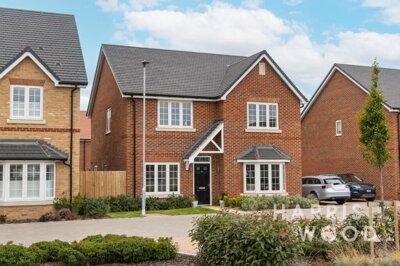
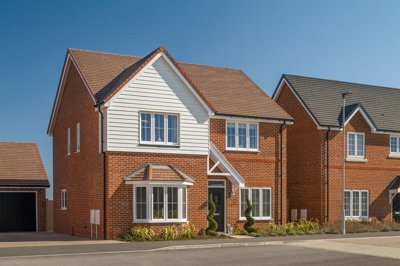
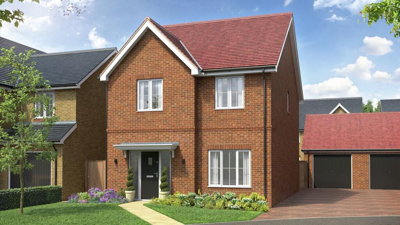
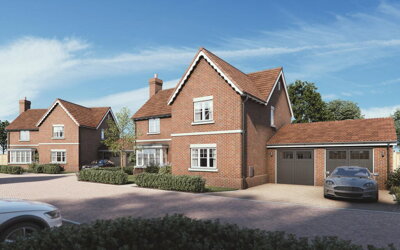
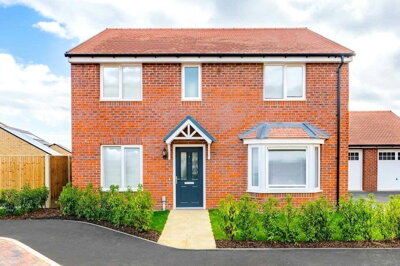
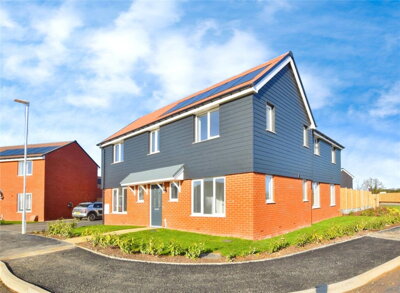
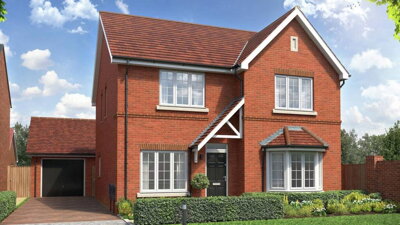
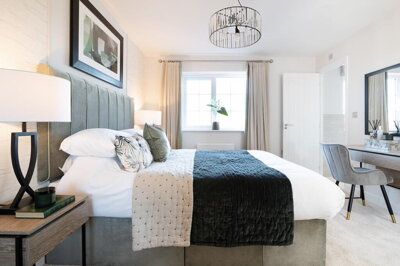
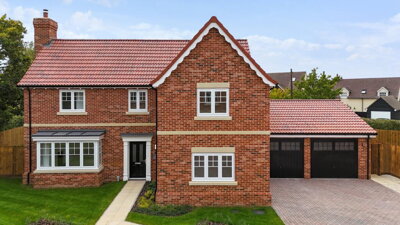
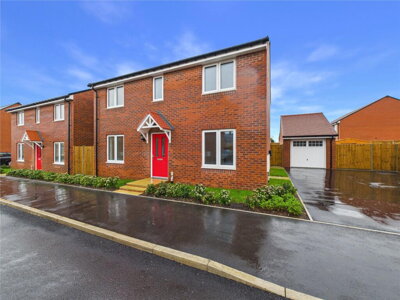
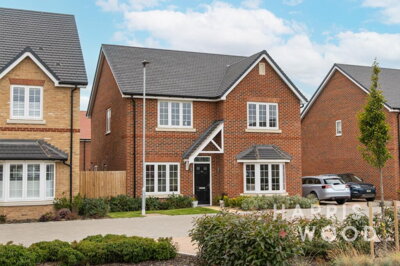
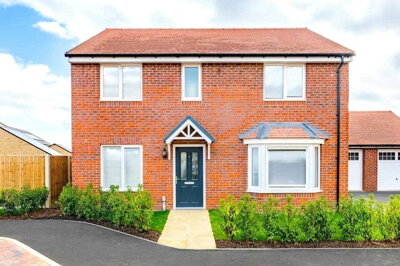
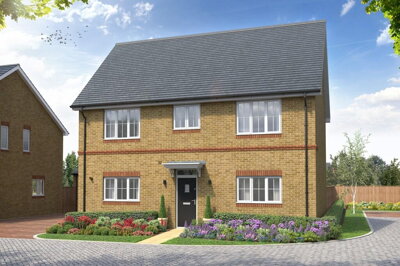
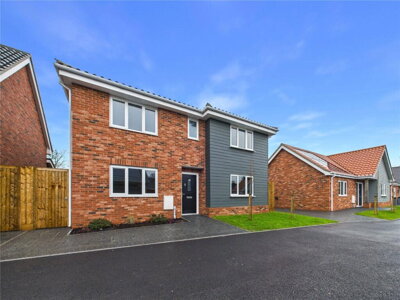
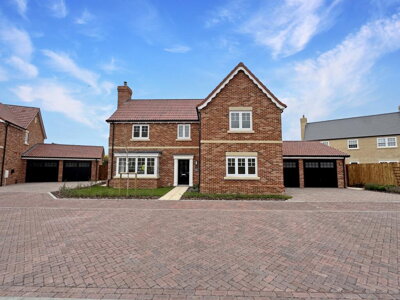
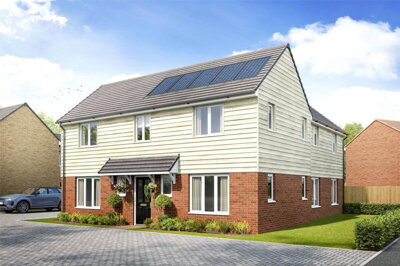
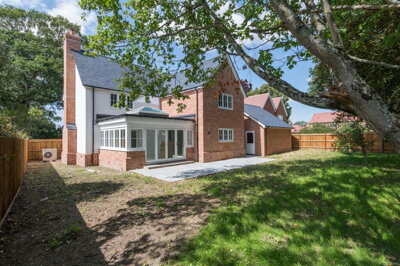
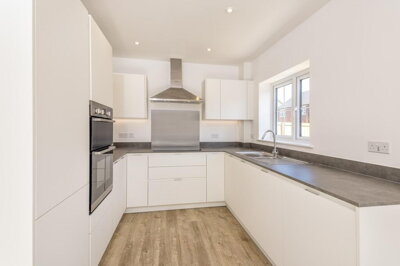
Browse 20 homes new builds in Great Bentley from local developer agents.
The larger property sector typically features multiple bathrooms, substantial reception space, and private gardens or off-street parking. Four bedroom houses in Great Bentley span detached, semi-detached, and occasionally terraced configurations, with styles ranging from period properties to modern executive homes.
The Great Bentley property market has shown resilience despite national economic headwinds, with average sold prices sitting at £422,547 over the past 12 months. This represents a modest 3% decline from the 2023 peak of £435,644, suggesting a market that has corrected modestly rather than collapsed. Detached properties command the highest prices at an average of £483,182, reflecting the desirability of family homes with gardens in this semi-rural location. Semi-detached properties average £312,404, while terraced homes offer the most accessible entry point at around £280,000.
Several new build developments are actively adding to the housing supply within the village. Taylor Wimpey's Hartford Green development on Windsor Road (CO7 8TH) is now 80% sold, with remaining homes priced between £345,000 and £585,000 and featuring solar panels and EV charging infrastructure as standard. Cala Homes' Ufford Chase Phase 2 on Cinderpath Way (CO7 8NQ) offers 89 properties including two-bedroom bungalows and larger family homes ranging from £394,950 to £529,950, located less than 500 metres from the train station. Hills Residential's Admirals Green development brings additional 2-4 bedroom homes to the village, including the 5-bedroom detached "The Bentley" plot. A proposed second phase from Taylor Wimpey on Weeley Road (CO7 8PE) would add a further 70 homes including 30% affordable housing, subject to planning approval.
The housing stock in Great Bentley reflects its historical development, with properties ranging from pre-1919 Victorian homes built during the railway expansion era through to 1960s housing estates constructed on either side of the village green. Around 978 homes existed in 2013, with 295 built between 2013-2024 and a further 244 expected by 2028, indicating significant recent growth. This mix of period properties with character and modern new builds gives buyers considerable choice depending on their priorities for space, character, and energy efficiency.

Great Bentley nestles comfortably on the Tendring Peninsula, a region characterised by rolling countryside, tidal creeks, and the distinctive Essex building traditions that have shaped its villages for centuries. The village centre revolves around one of the largest village greens in the country, spanning some 43 acres, where residents gather for community events and enjoy the open space that defines rural Essex living. The Conservation Area, established in 1969 and expanded in 1982, protects the historic core around the green, encompassing 15 listed buildings of architectural and historical interest including the magnificent Grade I listed Parish Church of St Mary.
The local building traditions draw on materials native to the Tendring Peninsula, including puddingstone (ferricrete), flint, and red brick. St Mary's Church features impressive walls of puddingstone, small stones, and Cementstone, with quoins and doorways of Barnack stone. Ferricrete forms from iron-rich groundwaters cementing sands, gravels, and conglomerates, making it a distinctive local material. Great Bentley Hall, a Grade II listed building dating from the C17/C18, is timber-framed with a red brick face, exemplifying the vernacular construction methods that characterise the village's historic properties.
Community life in Great Bentley centres on local amenities and events that bring residents together throughout the year. The village school, pubs, post office, doctor's surgery, and small retail shops serve daily needs, while the trading estate on Plough Road provides local employment at the business centre. For major shopping or entertainment, Colchester and Clacton-on-Sea are within easy reach via the A133, offering comprehensive retail, dining, and leisure facilities while allowing residents to return to the peace of village life. The village's historical development from a Domesday Book settlement of 20 households to a thriving commuter community reflects its enduring appeal across the centuries.

Education provision in Great Bentley centres on Great Bentley Primary School, which serves families with children from reception through to Year 6. The school is a focal point of village life, and its presence contributes significantly to the village's appeal for families considering a move to the area. Parents should research specific catchment areas, as these can significantly influence which schools children may be eligible to attend, and school performance data can change over time, potentially affecting property values in specific streets or developments.
For secondary education, students typically travel to nearby towns including Colchester, where several secondary schools and grammar schools serve the wider area. Colchester Grammar School and Colchester Royal Grammar School are among the established options, while non-selective schools such as Colchester Academy and St Helena School provide alternatives. The frequent train service from Great Bentley station to Colchester makes daily travel feasible for older students, with typical journey times of around 15 minutes.
Post-16 education options include Colchester Institute, which offers a comprehensive range of A-levels and vocational courses accessible via the frequent train services from Great Bentley station. The village's historical development around its medieval green and Victorian-era expansion following the railway's arrival in 1866 means older properties may hold character and space that appeals to families seeking larger homes than typically found in urban areas. The community atmosphere fostered by the school, village amenities, and annual events creates an environment where children can grow up with strong local connections while benefiting from good educational opportunities in the wider Colchester area.
Great Bentley railway station provides the village's most significant transport asset, with regular services connecting residents to major employment centres throughout Essex and beyond. The station offers direct services to Colchester, where commuters can connect to services heading toward London Liverpool Street, with journey times to the capital typically taking around one hour. This commuting capability has been a major factor in transforming Great Bentley from a purely agricultural settlement into a sought-after residential location over the past 150 years. The village's proximity to the station, particularly for residents of newer developments like Ufford Chase on Cinderpath Way, makes car-free commuting a realistic option for many workers.
For those who drive, the A133 provides connections toward Clacton-on-Sea and links to the A12, offering routes to Chelmsford and beyond. The Plough Road Business Centre near the station provides local employment opportunities for those working locally or seeking to reduce their commute entirely. Bus services operated by Essex County Council connect Great Bentley with surrounding villages and towns, though frequencies are limited compared to urban routes, making private vehicle ownership practically necessary for many residents without rail access.
Cyclists should note that rural roads in the Tendring Peninsula can be narrow and busy with agricultural traffic, requiring appropriate caution. The village's position on the Tendring Peninsula does mean that some destinations, particularly toward London Stansted Airport, involve longer journey times than might be expected, so commuters should factor this into their property search criteria. Transport considerations should be weighed alongside property prices and local amenities when deciding which area of Great Bentley best suits your circumstances, whether prioritising proximity to the station for commuting or choosing a quieter location further from the railway line.
Before viewing any properties, obtain a mortgage agreement in principle from a lender to understand your true budget. Great Bentley offers properties ranging from terraced homes around £280,000 to detached family homes exceeding £480,000, so knowing your ceiling helps focus your search effectively. Factor in additional costs including solicitor fees, stamp duty, and survey costs when setting your overall budget.
Spend time in Great Bentley at different times of day and week to understand the community atmosphere. Visit the village green, check commute times from the station, and explore local amenities like the primary school and shops. New developments like Hartford Green on Windsor Road and Ufford Chase on Cinderpath Way offer modern homes with parking and gardens, while village centre properties provide historic character. For period properties, consider the implications of the local clay geology on foundations.
Once you have found properties that match your criteria, arrange viewings through Homemove or directly with estate agents. For older properties, ask about recent renovations, the condition of the roof, and any history of damp or structural issues. For new builds, ask about standard specifications, snagging processes, and management company arrangements. Properties in Conservation Areas may have planning restrictions worth discussing with the vendor.
Before completing your purchase, arrange a RICS Level 2 Home Survey to assess the property's condition thoroughly. Given Great Bentley's Thames Group clay geology and the prevalence of older properties including Victorian-era homes and 1960s housing, surveys typically cost between £375 and £500 locally and can reveal issues with subsidence, damp, or outdated electrics that might not be apparent during viewings.
Your conveyancing solicitor will handle searches, contracts, and Land Registry transfers. Local solicitors familiar with Tendring district can efficiently handle matters including drainage searches, local authority enquiries, and any Conservation Area or Listed Building considerations that may affect your property. Searches will also reveal any planning conditions or environmental factors relevant to your purchase.
Once all surveys, searches, and negotiations are complete, you will exchange contracts and pay your deposit. Completion typically follows within days or weeks, after which you will receive your keys and can begin moving into your new Great Bentley home. At this stage, you should arrange buildings insurance and notify utility companies of your moving date.
Properties in Great Bentley present several area-specific considerations that buyers should investigate before committing to a purchase. The local geology consists of Thames Group clay, silt, and sand, with superficial deposits of Cover Sand clay, silt, and sand, which creates a notable shrink-swell hazard that can affect property foundations over time, particularly for older buildings with shallower foundations. Signs of subsidence include cracking in walls, doors that do not close properly, and uneven floors. A thorough RICS Level 2 survey is strongly recommended for any property in the village, especially those built before 1980, to identify potential issues with the foundations and ground conditions.
Given that Great Bentley sits within a designated Conservation Area and contains 11 designated heritage assets including 15 listed buildings, certain properties may be subject to planning restrictions that limit permitted development rights. These restrictions can affect plans for extensions, loft conversions, or significant external alterations. The Grade I listed Parish Church of St Mary and Grade II listed Great Bentley Hall exemplify the heritage assets that contribute to the village's character. Buyers should contact Tendring District Council to confirm whether any planning constraints apply to a specific property and factor any associated costs or limitations into their decision.
Flood risk in Great Bentley is generally low, with no active flood warnings or alerts at the time of writing, though the parish extends southward toward Flag Creek, a tidal creek connecting with the River Colne. Long-term coastal erosion poses a risk to parts of the Tendring Peninsula, with a 50% chance of properties being impacted without intervention measures over time. Properties built with traditional Essex materials including puddingstone, flint, and red brick may require specialist maintenance knowledge, and buyers should factor this into ongoing maintenance budgets. The mix of Victorian-era properties with solid-walled construction and post-war housing from the 1960s means that issues such as rising damp, ageing roof coverings, and outdated electrics are common in the older housing stock.
For new build properties on managed estates like Hartford Green or Ufford Chase, prospective buyers should carefully review leasehold terms, ground rent arrangements, and service charge estimates for communal areas. The Ufford Chase development on Cinderpath Way, located less than 500 metres from the station, offers modern specifications including parking and gardens, while the Admirals Green development by Hills Residential provides additional options for buyers seeking new-build convenience. Always review the specification carefully and consider commissioning a snagging inspection for newly completed properties to identify any defects that need addressing by the developer.
The average property price in Great Bentley over the past 12 months was £422,547, according to recent market data. Zoopla reports a slightly lower average sold price of £412,481 for the same period. Detached properties average £483,182, semi-detached homes around £312,404, and terraced properties approximately £280,000. Prices have shown a modest 3% decline from the 2023 peak of £435,644, suggesting a stable market offering good value for buyers compared to larger Essex towns. New build properties at developments like Hartford Green on Windsor Road (from £345,000 to £585,000) and Ufford Chase on Cinderpath Way (from £394,950 to £529,950) are priced at a premium reflecting their modern specifications and proximity to the station.
Properties in Great Bentley fall under Tendring District Council for local services, with council tax bands ranging from A through to H depending on property value and size. The majority of residential properties in the village typically fall within bands A to D, which attract lower annual charges than higher-banded properties. You can check the specific band for any property through the Valuation Office Agency website using the property address, and prospective buyers should factor this cost into their overall budget alongside mortgage payments and utility bills. Council tax payments in Great Bentley contribute to local services including refuse collection, street lighting, and community facilities.
Great Bentley Primary School serves the village and surrounding areas for primary education, with children typically progressing to secondary schools in Colchester or nearby towns. Colchester offers several well-regarded secondary schools and grammar schools, accessible via the train service from Great Bentley station in around 15 minutes. For the most current school performance data and catchment area information, parents should consult the Ofsted website and contact schools directly, as admissions policies and local school performance can change and may significantly influence property values in specific streets or developments. The village's Victorian-era housing stock and 1960s estates offer family-sized homes within good reach of local education provision.
Great Bentley railway station provides the village's primary public transport link, offering direct services to Colchester and connections to London Liverpool Street, with typical journey times to the capital around one hour. The station is particularly convenient for residents of newer developments like Ufford Chase on Cinderpath Way, located less than 500 metres away. Bus services operated by Essex County Council connect the village with surrounding communities, though frequencies are limited compared to urban routes. For daily commuting, the train service is generally reliable and well-used by residents working in Colchester, Chelmsford, or London, making Great Bentley an attractive option for commuters who prefer to avoid the costs and stress of driving.
Great Bentley offers several factors that appeal to property investors, including its commuter village status with regular train services to London, proximity to Colchester, and ongoing new development activity that may support property values. The village's Conservation Area designation helps protect property values by maintaining the area's character, while the limited supply of new housing stock locally means demand for quality homes remains steady. However, buyers should note the long-term coastal erosion risk affecting parts of the Tendring Peninsula and the local shrink-swell clay geology that can affect certain properties, and should factor these considerations into any investment decision. The mix of period properties requiring maintenance and modern new builds offers different investment profiles depending on whether you prioritise character or low-maintenance living.
For standard purchases, stamp duty land tax applies at 0% on the first £250,000 of property value, 5% on the portion between £250,001 and £925,000, and 10% on values between £925,001 and £1.5 million. First-time buyers may qualify for relief on the first £425,000, with 5% charged between £425,001 and £625,000, though no relief applies above £625,000. Given that most Great Bentley properties fall below £500,000, many buyers will find their stamp duty liability falls within the lower brackets. For a typical Great Bentley property at the village average of £422,547, a standard buyer would pay £8,627 in stamp duty, while a first-time buyer would pay £0 due to the relief threshold.
The main risks for property buyers in Great Bentley relate to the local geology and housing stock age. The Thames Group clay geology creates a notable shrink-swell hazard that can lead to subsidence in properties with shallow foundations, particularly during periods of drought or heavy rainfall. Older properties dating from the Victorian era and 1960s housing estates may suffer from issues including damp (rising or penetrating), ageing roof coverings, outdated electrics, and in properties built before 1969, lead pipework. Properties containing asbestos (used in buildings before 1999) may require specialist removal during renovations. The village's position on the Tendring Peninsula means long-term coastal erosion risk should be considered, though current flood risk from rivers, the sea, and groundwater is generally low. A thorough RICS Level 2 survey before purchase is strongly recommended to identify any issues specific to the property you are considering.
Great Bentley's Conservation Area, established in 1969 and expanded in 1982, imposes planning restrictions on certain properties within its boundaries. These restrictions can limit permitted development rights, affecting plans for extensions, loft conversions, dormer windows, or significant external alterations. The Conservation Area encompasses the historic core around the 43-acre village green and includes 15 listed buildings of architectural and historical interest. Any works to listed buildings require listed building consent from Tendring District Council. For new build properties on managed estates like Hartford Green and Ufford Chase, buyers should review the terms of any lease, ground rent arrangements, and service charges for communal areas. Proposed developments such as the Taylor Wimpey Phase 2 on Weeley Road may affect the character of the village if approved.
From 4.5%
Expert mortgage advice from trusted lenders
From £499
Specialist solicitors for your property purchase
From £375
Professional survey to identify property defects
From £85
Energy performance certificate for your new home
Understanding the full costs of buying a property in Great Bentley helps you budget accurately and avoid financial surprises during the purchase process. Stamp duty land tax represents the most significant government cost, with standard rates applying 0% on the first £250,000, 5% between £250,001 and £925,000, 10% up to £1.5 million, and 12% above that threshold. First-time buyers benefit from enhanced thresholds, paying 0% on the first £425,000 and 5% between £425,001 and £625,000, though this relief phases out completely for purchases above £625,000.
For a typical Great Bentley property at the village average of £422,547, a standard buyer would pay £8,627 in stamp duty, while a first-time buyer would pay £0 due to the relief threshold. Beyond stamp duty, buyers should budget for solicitor conveyancing costs typically starting from £499 for standard transactions, plus local searches, Land Registry fees, and mortgage arrangement fees that vary by lender. Survey costs for a RICS Level 2 Home Survey typically range from £375 locally, rising to around £500 for larger properties or those requiring more detailed inspection.
Factor in moving costs, potential immediate repairs or renovations, and ongoing costs such as council tax, buildings insurance, and service charges on flats or managed estates to arrive at a complete picture of your new home costs. For new build properties on developments like Ufford Chase or Hartford Green, buyers should budget for any estate management charges and ground rent as outlined in the lease documentation. Period properties may require additional investment in updating electrics, plumbing, or insulation to bring them up to modern standards, so a thorough survey before purchase is essential for budgeting accurately.
Properties New Builds In London

Properties New Builds In Plymouth

Properties New Builds In Liverpool

Properties New Builds In Glasgow

Properties New Builds In Sheffield

Properties New Builds In Edinburgh

Properties New Builds In Coventry

Properties New Builds In Bradford

Properties New Builds In Manchester

Properties New Builds In Birmingham

Properties New Builds In Bristol

Properties New Builds In Oxford

Properties New Builds In Leicester

Properties New Builds In Newcastle

Properties New Builds In Leeds

Properties New Builds In Southampton

Properties New Builds In Cardiff

Properties New Builds In Nottingham

Properties New Builds In Norwich

Properties New Builds In Brighton

Properties New Builds In Derby

Properties New Builds In Portsmouth

Properties New Builds In Northampton

Properties New Builds In Milton Keynes

Properties New Builds In Bournemouth

Properties New Builds In Bolton

Properties New Builds In Swansea

Properties New Builds In Swindon

Properties New Builds In Peterborough

Properties New Builds In Wolverhampton

Enter your details to see if this property is within your budget.
Loans, cards, car finance
Estimated property budget
Borrowing + deposit
You could borrow between
Typical borrowing
Monthly repayment
Est. at 4.5%
Loan-to-value
This is an estimate only. Your actual budget may vary depending on interest rates, credit history, and personal circumstances. For an accurate affordability assessment, speak to one of our free mortgage advisors.
This calculator provides estimates for illustrative purposes only and does not constitute financial advice. Your home may be repossessed if you do not keep up repayments on your mortgage. Estimates based on 4.5% interest rate, repayment mortgage. Actual rates depend on your circumstances.
Homemove is a trading name of HM Haus Group Ltd (Company No. 13873779, registered in England & Wales). Homemove Mortgages Ltd (Company No. 15947693) is an Appointed Representative of TMG Direct Limited, trading as TMG Mortgage Network, which is authorised and regulated by the Financial Conduct Authority (FRN 786245). Homemove Mortgages Ltd is entered on the FCA Register as an Appointed Representative (FRN 1022429). You can check registrations at NewRegister or by calling 0800 111 6768.

We use cookies to show you personalised content and improve your experience of our website. Find out more in our Privacy policy and Cookie policy.