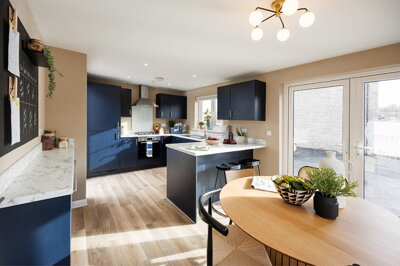
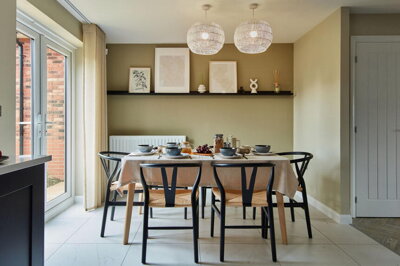
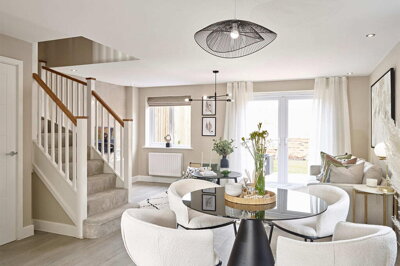
Browse 3 homes new builds in Great and Little Preston from local developer agents.
Three bedroom properties represent a significant portion of the Great And Little Preston housing market, offering space for families with multiple reception rooms and gardens in many cases. Browse detached, semi-detached, and terraced options ranging across new residential developments.
The property market in Great and Little Preston has shown distinct character across both villages over the past year, presenting opportunities for buyers at various price points. Great Preston currently averages £221,848 according to recent Rightmove data, with prices having settled 12% down from the previous year and sitting 4% below the 2022 peak of £231,090. Little Preston has followed a different trajectory, with average prices of £217,000 representing a 12% increase year-on-year, though still 24% below the 2019 peak of £283,998. This divergence suggests that buyers may find different value propositions depending on which village better suits their needs and budget.
Property types available across the parish cater to different requirements and price ranges. In Great Preston, semi-detached properties average £206,292, terraced homes come in at £164,929, and larger detached houses reach around £368,125. Little Preston offers semi-detached properties at approximately £254,000 and terraced homes around £180,000. The limited availability of detached properties in Little Preston reflects the smaller scale of that village, where development has remained more constrained over the years. Our data shows 14 confirmed sales in Great Preston during 2025 with a median sale price of £265,000, indicating active market participation despite broader national uncertainties.
New build activity within the parish has been limited in recent years, with planning applications primarily focusing on extensions and alterations to existing properties rather than new housing estates. This means buyers seeking character properties will find a good selection of period homes, while those wanting brand-new construction may need to consider neighbouring areas marketed as North Leeds. The scarcity of new-build stock within the parish itself helps preserve the established character that existing residents value, though it also means competition for quality period properties can be more intense when they come to market.

Life in Great and Little Preston centres around the strong sense of community that defines rural West Yorkshire villages, with residents enjoying a pace of life that contrasts sharply with nearby Leeds while remaining within easy reach of the city. The two villages that make up the civil parish each have their own distinct character, though both share the limestone construction heritage that gives the area its distinctive appearance. The oldest parts of Great Preston around Preston Corner feature historic houses and boundary walls built from locally quarried limestone, a building material that has shaped the architectural identity of the area for centuries.
The population of approximately 1,985 people creates a village atmosphere where neighbours often know one another, local events bring communities together, and children can play safely in the surrounding countryside. Historically, the area's economy was shaped by coal mining, with several collieries operating in the vicinity and leaving their mark on the landscape and local heritage. Today, the villages function largely as residential communities, with residents commuting to Leeds and surrounding towns for work while enjoying the benefits of countryside living. The predominantly house-based housing stock reflects the family-oriented nature of the community, with relatively few flats or apartments compared to urban areas.
The local geography includes magnesian limestone geology, which has influenced both construction practices and the appearance of the landscape. Walking routes through the parish and surrounding countryside provide recreational opportunities for residents, while the proximity to Leeds means urban amenities including shopping centres, restaurants, and cultural venues remain easily accessible. The absence of major through-roads helps maintain the peaceful character of the villages while still providing connections to the wider road network for those travelling by car.
Understanding the construction materials used in local properties helps buyers appreciate the character of homes in Great and Little Preston and anticipate maintenance requirements. The historic properties in the area, particularly those near Preston Corner in Great Preston, were typically built using locally quarried limestone, which gives the village its characteristic golden-grey appearance. This natural building material has proven durable over centuries, though properties built from stone require ongoing attention to pointing and mortar condition to prevent water ingress that can accelerate weathering.
Little Preston Hall stands as the finest example of traditional construction in the parish, a Grade II listed building dating from the early 18th century and constructed from squared magnesian limestone. The associated barn and stables to the north of the Hall, also Grade II listed, demonstrate the use of brick with stone slate roofs that was common for agricultural buildings of the period. These heritage structures remind buyers of the long architectural history underlying the modern village, and any buyer considering a period property should investigate its listed status, as this affects what works require planning permission or listed building consent.
More modern housing found along roads such as White House Lane typically features brick construction with tiled or slate roofs, reflecting building practices from the mid to late 20th century. These properties often appeal to buyers seeking lower maintenance requirements compared to older stone buildings, though they may lack the character and solid construction that defined pre-war building methods. The mix of construction ages and styles across the parish means that survey requirements can vary significantly depending on the property type, with older limestone homes benefiting from thorough inspection by surveyors familiar with traditional West Yorkshire building techniques.
Families considering a move to Great and Little Preston will find a selection of educational options available within reasonable travelling distance, though the villages themselves are served by nearby schools in surrounding areas. The primary school catchment for the parish typically includes establishments in nearby towns and villages that serve the wider rural community, with parents advised to check current catchment boundaries and admission policies when considering specific properties. Secondary education options in the area include schools with strong academic reputations, and many families also explore grammar school provision available across West Yorkshire.
The historic Little Preston Hall, a Grade II listed building dating from the early 18th century, stands as a reminder of the long educational and social heritage of the area, though it now serves as residential accommodation rather than an educational institution. The presence of period properties throughout the parish means that some local schools may have historical connections to notable figures from the village's past. Parents should research individual school performance data and Ofsted ratings to identify the best options for their children, bearing in mind that school admissions can be competitive in popular areas and catchment boundaries can affect eligibility.
For secondary education and beyond, students typically travel to schools in Leeds or nearby towns, with good transport connections making this practical for families. Several secondary schools in the wider area offer sixth form provision, providing educational pathways through to university entrance or vocational qualifications. The proximity to Leeds also opens access to the city's extensive further and higher education institutions, including universities and colleges offering a wide range of undergraduate and postgraduate courses. Families moving to the area with older children should factor school travel times and transport arrangements into their property search, particularly if specific schools are a priority requirement.
Commuting from Great and Little Preston benefits from the villages' position between Leeds and the wider Yorkshire region, offering multiple transport options for residents working in the city or beyond. The road network provides straightforward access to Leeds city centre, with the M1 motorway accessible for those travelling further afield to Sheffield, Wakefield, or connecting to the national motorway network. Local bus services connect the villages to nearby towns and into Leeds, though frequencies may be less frequent than urban routes, making car ownership advantageous for many residents.
For rail commuters, the nearby railway stations provide connections to Leeds and other major Northern cities, though Great and Little Preston itself does not have its own station. The broader Leeds area offers excellent rail connectivity, with Leeds Station providing regular services to London, Edinburgh, Manchester, and numerous other destinations. Residents typically travel by car or bus to the nearest stations, with journey times varying depending on the specific station and time of day. Planning ahead for commuting requirements is advisable when considering specific property locations within the parish.
Cyclists and walkers will appreciate the rural lanes and countryside routes available around the villages, though the undulating West Yorkshire landscape means some routes can be challenging. The proximity to Leeds also means that active travel options into the city are feasible for committed cyclists, though they require more time than motorised transport. Parking within the villages is generally straightforward compared to urban areas, with most properties offering off-street parking or garage facilities. This contrast with urban living can be particularly valuable for households with multiple vehicles or those who regularly host visitors.

Before viewing properties, get a mortgage agreement in principle from a lender to understand your budget. Great and Little Preston prices range from around £165,000 for terraced homes to over £368,000 for detached properties, so knowing your ceiling helps narrow your search effectively. Consider registering with multiple estate agents who cover the area, as some properties may be marketed exclusively with specific agents.
Browse listings on Homemove and contact local estate agents to arrange viewings of properties that match your requirements. With limited new-build activity in the parish, most homes are existing properties where viewing provides essential insight into condition and character. Take time to explore both villages as they offer different atmospheres and price points, with Great Preston providing more variety and Little Preston offering a smaller community feel.
Once you find a property you want to buy, arrange a RICS Level 2 Survey to assess its condition thoroughly. Given the age of some properties in the area, including limestone-built homes from the 18th century, a professional survey can identify any structural or maintenance issues before you commit. Our surveyors understand local construction methods and can spot issues common to properties built with traditional West Yorkshire building materials.
Choose a conveyancing solicitor to handle the legal aspects of your purchase. They will conduct searches, review contracts, and manage the transfer of ownership on your behalf. Solicitors with local knowledge can be particularly helpful for understanding any specific issues affecting properties in the area, including mining searches for properties in former colliery areas.
Once all searches are satisfactory and financing is confirmed, you will exchange contracts and pay your deposit. Completion typically follows within a few weeks, when you will receive the keys to your new home in Great and Little Preston. Our team can guide you through each stage of this process, connecting you with trusted local professionals who understand the Great and Little Preston property market.
Properties in Great and Little Preston require some specific considerations due to their age, construction materials, and rural location. The historic limestone construction found in older properties throughout the villages, particularly around Preston Corner in Great Preston, gives homes their distinctive character but may require ongoing maintenance and specialist repair knowledge. Buyers should look carefully at the condition of stonework, pointing, and any signs of movement or weathering that might indicate the need for future maintenance investment.
The presence of listed buildings in the parish, including Little Preston Hall and associated barns and stables, means that some properties may have listed status that affects what works require planning permission or listed building consent. Any buyer considering a period property should investigate its listed status before committing, as this can impact future renovation plans and mortgage availability. Conservation area restrictions do not appear to apply within the parish, but this should be verified for any specific property during the conveyancing process. The lack of a conservation area means fewer constraints on external alterations, though listed building status can still apply to individual properties regardless.
The mining heritage of the area, with several former collieries in the vicinity, is an important consideration for buyers. Properties in former mining areas may be built on ground affected by past mining activity, and a mining search should be included in your conveyancing process. The clay soils associated with some parts of West Yorkshire can pose shrink-swell risks for foundations, making professional surveys particularly valuable for identifying any ground movement that might affect a property's structural integrity. Our surveyors are experienced in identifying the tell-tale signs of subsidence or movement that can affect properties built on variable ground conditions.
Average house prices in Great and Little Preston currently range from around £217,000 in Little Preston to approximately £221,848 in Great Preston according to recent market data. Property types vary significantly in price, with terraced homes starting around £165,000, semi-detached properties ranging from £206,000 to £254,000, and detached houses reaching approximately £368,125. The market has shown different trends in each village, with Great Preston prices down 12% year-on-year while Little Preston prices have risen 12%, offering different opportunities depending on which village suits your requirements. The divergence between the two villages reflects their different scales and the varying demand for properties within each community.
Properties in Great and Little Preston fall under Leeds City Council jurisdiction, which handles all local authority services and council tax collection for the parish. Council tax bands in the area range across all bands from A through to H, depending on the property's valuation, with Band D properties typically falling in the middle range according to the council's annual budget setting. Prospective buyers can check the Valuation Office Agency website to confirm the specific band for any property they are considering purchasing, and Leeds City Council's website provides details of current council tax rates for each band. The exact amount payable will depend on the band assigned to the property and any applicable discounts or exemptions.
Great and Little Preston are served by primary schools in surrounding villages and towns, with secondary education available at schools in the wider Leeds area including several with strong academic reputations. The best school for your child will depend on your specific location within the parish, current catchment boundaries, and whether you are considering academy or voluntary-controlled options. Parents should research individual school Ofsted ratings and performance data, and check current admission arrangements, as policies can change and catchment areas may affect eligibility for popular schools. The proximity to Leeds also provides access to grammar school options across West Yorkshire for families pursuing that educational route.
Public transport options in Great and Little Preston include local bus services connecting the villages to nearby towns and Leeds city centre, though service frequencies are less regular than those found on urban routes. The villages do not have their own railway stations, so residents needing rail travel typically access nearby stations by car or bus, with journey times varying depending on the specific station and time of day. Leeds city centre is reachable by public transport, though journey times are longer than by car, making private vehicle ownership advantageous for many households. Residents without vehicles should consider the transport implications carefully when choosing a specific property location within the parish, particularly if commuting to work is a regular requirement.
Great and Little Preston offers several factors that may appeal to property investors, including proximity to Leeds city centre, relatively affordable entry prices compared to the city itself, and a stable village community with ongoing demand from buyers seeking rural lifestyles within commuting distance of major employment centres. The limited new-build supply within the parish helps protect the value of existing stock, while the mix of period properties and more modern homes provides options for different investment strategies. However, investors should consider factors including rental demand in the wider area, potential void periods, and maintenance costs for older properties when calculating potential returns. The local economy benefits from proximity to Leeds, which provides significant employment opportunities that support housing demand in surrounding villages.
Stamp Duty Land Tax on a property purchase in Great and Little Preston follows standard England rates, with the amount calculated based on the purchase price and whether you qualify as a first-time buyer. For residential purchases, you pay nothing on the first £250,000, then 5% on the portion between £250,001 and £925,000. First-time buyers purchasing property in Great and Little Preston can benefit from relief that raises the zero-rate threshold to £425,000, with 5% applying between £425,001 and £625,000. Properties priced above £925,000 do not qualify for first-time buyer relief, and your solicitor will calculate the exact amount due based on your purchase price and circumstances at the time of completion.
Understanding the full costs of buying a property in Great and Little Preston helps you budget accurately for your purchase. Beyond the property price itself, buyers need to account for Stamp Duty Land Tax, solicitor fees, survey costs, and moving expenses. For a typical property in Great Preston priced around the £221,848 average, standard SDLT rates would apply, with no duty on the first £250,000, meaning first-time buyers and those purchasing below that threshold benefit from reduced costs compared to higher-value properties.
First-time buyers purchasing property in Great and Little Preston can benefit from relief that raises the zero-rate threshold to £425,000, with 5% applying between £425,001 and £625,000. This relief is valuable for buyers of terraced homes and semi-detached properties in the village, many of which fall within the relief thresholds. However, properties priced above £625,000 do not qualify for first-time buyer relief, so those purchasing detached properties or larger family homes will pay standard rates. The different price points across the two villages mean that more properties in Little Preston may qualify for first-time buyer relief compared to the higher-priced detached homes more commonly found in Great Preston.
Survey costs represent an important investment when purchasing in Great and Little Preston, particularly given the age of many properties in the area. A RICS Level 2 Survey typically costs between £416 and £639 nationally, with the exact price depending on property size and value. For a property with historic construction such as the limestone-built homes found in the village, a thorough survey provides essential information about condition and any potential issues. Solicitor fees for conveyancing typically start from around £499 for standard transactions, though complex purchases or those involving listed buildings may cost more. Additional costs to budget for include removal expenses, mortgage arrangement fees, and any remedial works identified during survey inspections.
From 4.5%
Get competitive mortgage rates tailored to your purchase from trusted lenders
From £499
Expert legal services to handle your property transfer smoothly
From £350
Thorough condition survey by qualified RICS surveyors familiar with local properties
From £85
Energy performance certificate to understand your home's efficiency
Properties New Builds In London

Properties New Builds In Plymouth

Properties New Builds In Liverpool

Properties New Builds In Glasgow

Properties New Builds In Sheffield

Properties New Builds In Edinburgh

Properties New Builds In Coventry

Properties New Builds In Bradford

Properties New Builds In Manchester

Properties New Builds In Birmingham

Properties New Builds In Bristol

Properties New Builds In Oxford

Properties New Builds In Leicester

Properties New Builds In Newcastle

Properties New Builds In Leeds

Properties New Builds In Southampton

Properties New Builds In Cardiff

Properties New Builds In Nottingham

Properties New Builds In Norwich

Properties New Builds In Brighton

Properties New Builds In Derby

Properties New Builds In Portsmouth

Properties New Builds In Northampton

Properties New Builds In Milton Keynes

Properties New Builds In Bournemouth

Properties New Builds In Bolton

Properties New Builds In Swansea

Properties New Builds In Swindon

Properties New Builds In Peterborough

Properties New Builds In Wolverhampton

Enter your details to see if this property is within your budget.
Loans, cards, car finance
Estimated property budget
Borrowing + deposit
You could borrow between
Typical borrowing
Monthly repayment
Est. at 4.5%
Loan-to-value
This is an estimate only. Your actual budget may vary depending on interest rates, credit history, and personal circumstances. For an accurate affordability assessment, speak to one of our free mortgage advisors.
This calculator provides estimates for illustrative purposes only and does not constitute financial advice. Your home may be repossessed if you do not keep up repayments on your mortgage. Estimates based on 4.5% interest rate, repayment mortgage. Actual rates depend on your circumstances.
Homemove is a trading name of HM Haus Group Ltd (Company No. 13873779, registered in England & Wales). Homemove Mortgages Ltd (Company No. 15947693) is an Appointed Representative of TMG Direct Limited, trading as TMG Mortgage Network, which is authorised and regulated by the Financial Conduct Authority (FRN 786245). Homemove Mortgages Ltd is entered on the FCA Register as an Appointed Representative (FRN 1022429). You can check registrations at NewRegister or by calling 0800 111 6768.

We use cookies to show you personalised content and improve your experience of our website. Find out more in our Privacy policy and Cookie policy.