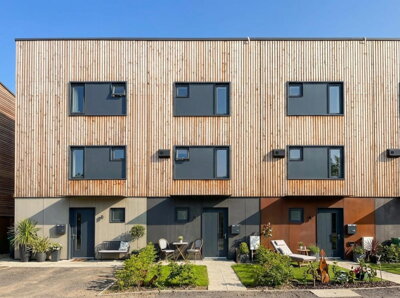
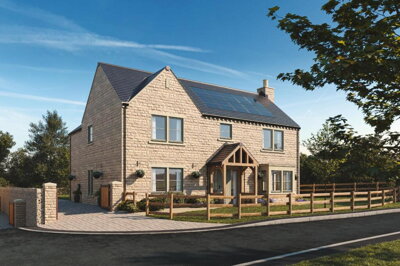
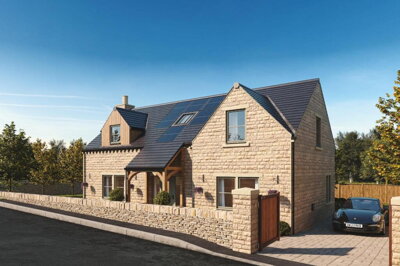
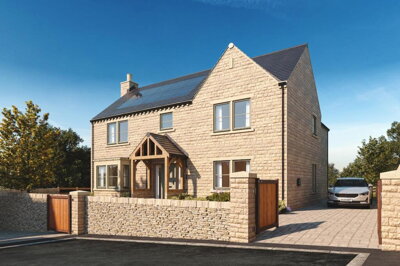
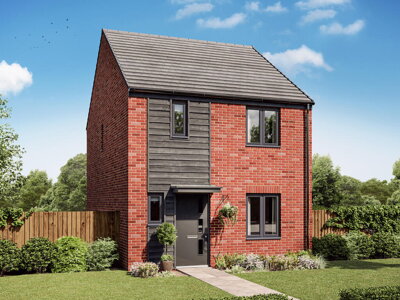
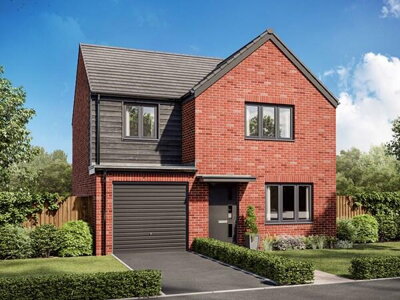
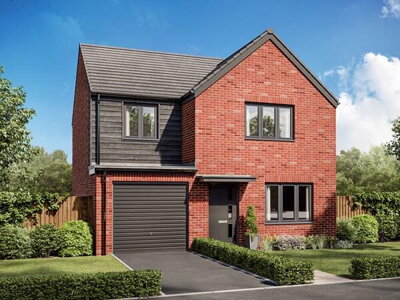
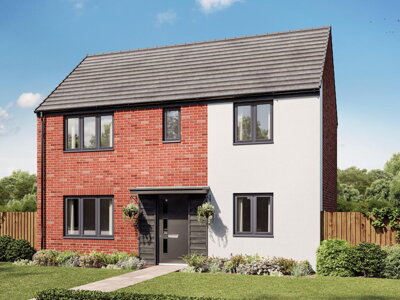
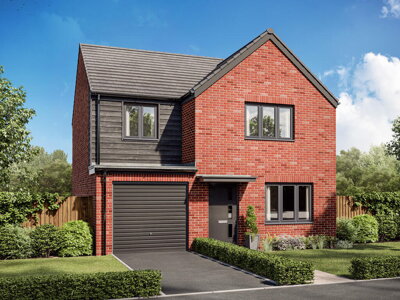
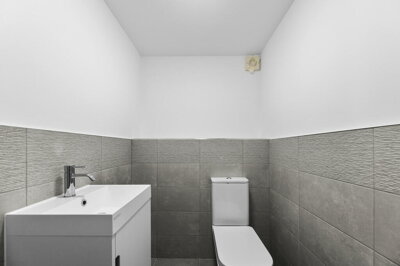
Browse 10 homes new builds in Gildersome, Leeds from local developer agents.
The Gildersome property market offers detached, semi-detached, and terraced houses spanning various price ranges and neighbourhoods. Each listing includes detailed property information, photographs, and direct contact with the marketing agent.
£250k
13
0
132
Source: home.co.uk
Showing 13 results for Houses new builds in Gildersome, Leeds. The median asking price is £250,000.
Source: home.co.uk
Semi-Detached
6 listings
Avg £253,833
Detached
4 listings
Avg £462,500
Terraced
3 listings
Avg £184,667
Source: home.co.uk
Source: home.co.uk
The property market in Eilean nan Caorach operates quite differently from conventional UK residential areas, reflecting the island's exceptional nature and extremely limited residential stock. With only a single known residential property currently identified on the island (a beautifully refurbished worker's stone cottage), the concept of a "typical" property market simply does not apply here. This scarcity makes any future properties that might become available particularly noteworthy, as they represent vanishingly rare opportunities to own a piece of Scottish island heritage. Prospective buyers should understand that island properties rarely come to market, and when they do, they attract significant interest from buyers seeking the unique lifestyle that only remote Scottish islands can offer.
For buyers seeking broader context, the Western Isles region demonstrates remarkably affordable property values compared to much of the UK, with the Comhairle Nan Eilean Siar council area recording an average property price of £164,732 over the last year, representing a 3% increase on the previous year. Detached properties in the wider region average around £182,321, while semi-detached homes command approximately £141,687 and terraced properties average £122,657. The ONS provisional data for the Na h-Eileanan Siar area shows a December 2025 average of £139,000, with detached properties averaging £174,000, semi-detached £117,000, terraced £89,000, and flats and maisonettes available from around £70,000. These figures underscore the comparative value offered by properties in Scotland's island communities, where the price of admission is measured not just in monetary terms but in the willingness to embrace island life.

Life on Eilean nan Caorach offers an existence defined by dramatic natural beauty, profound quiet, and a deep sense of connection to Scotland's ancient landscape. The island's limestone-rich geology creates distinctive topography and supports unique plant life that thrives on these alkaline soils, a botanical rarity in Scotland where acidic heaths and moors predominate. Walking the island reveals an unexpected richness of wildflowers and grasses that would not look out of place in much sunnier climates, a consequence of the limestone parent rock that buffers the soil against acidity. The refurbished worker's stone cottage that represents the island's primary residential offering showcases traditional Scottish construction techniques, with thick stone walls built from locally quarried limestone that have weathered centuries of Atlantic storms and harsh Highland winters.
The island's history as a centre of quicklime production during the eighteenth and nineteenth centuries has left an indelible mark on its character, with the remains of industrial kilns serving as tangible reminders of a time when the island played a significant role in the regional economy. Quicklime was a vital commodity for agricultural improvement across the Highlands, and Eilean nan Caorach's location made it a convenient source for mainland estates. Grazing and agriculture have long supplemented the island's economy, with sheep historically giving the island its "Sheep Island" epithet. Today, the primary economic activity centres on tourism, with the island's self-catering accommodation offering visitors an authentic experience of remote Scottish island life that stands in stark contrast to more developed Hebridean destinations.

Education provision on Eilean nan Caorach itself is necessarily limited given the island's tiny population, with no formal school facilities located on the island. Children residing on Eilean nan Caorach would typically access education through the school network on the neighbouring island of Lismore, which offers primary education facilities serving the local island community. The small primary school on Lismore provides education for children from across the surrounding area, maintaining the strong tradition of island-based schooling that has sustained Scotland's remote communities for generations. Parents should note that ferry connections between Lismore and the mainland, as well as onward travel to schools, will form part of the daily routine for school-age children.
For secondary education, students from Eilean nan Caorach and Lismore typically travel to mainland Argyll and Bute, with Oban serving as the nearest major population centre with comprehensive secondary schooling options. Oban High School provides education for the wider region, and Argyll and Bute Council maintains a network of well-regarded primary and secondary schools throughout the area. Some families choose to board during the week to facilitate access to mainstream secondary education, a pattern common across Scotland's island communities where geography necessitates creative solutions to educational access. Parents considering a move to Eilean nan Caorach should engage with Argyll and Bute Council's education department to understand current arrangements, transport provision, and any alternative provision that might be available for their family's specific circumstances.
Access to Eilean nan Caorach is fundamentally determined by its island location, with transport arrangements reflecting the practical realities of life in Scotland's remote coastal communities. The island lies less than one mile across the Lynn of Lorn from the Scottish mainland, a narrow stretch of water that separates it from the picturesque coastal area near Oban and the surrounding Argyll countryside. Ferries operate between Oban and Lismore, with the crossing to Lismore's north end providing the most practical approach to reaching Eilean nan Caorach, after which smaller water transport or simply walking may be required to complete the journey. The ferry crossing from Oban to Lismore takes approximately 45 minutes to one hour depending on the vessel operating the route.
The nearest major transport hub is Oban, known as the "Gateway to the Isles," offering regular ferry connections to the Outer Hebrides, including Barra, South Uist, and the Isle of Mull. Oban railway station provides access to the West Highland Line, offering scenic rail connections to Glasgow and beyond through some of Scotland's most spectacular mountain and coastal scenery. This West Highland Line is considered one of the world's most beautiful railway journeys, passing through Glen Coe and along the banks of Loch Linnhe before reaching Oban. For residents of Eilean nan Caorach, planning around ferry timetables and weather conditions becomes a fundamental aspect of daily life, with the island's isolation requiring a flexible approach to travel and supply logistics.
The traditional stone cottages found on Eilean nan Caorach represent a building heritage that stretches back centuries, constructed using techniques perfected over generations by Highland masons who understood intimately the properties of local materials. The island's rich limestone deposits provided ideal building material, with stone quarried directly from the island and used for everything from foundation walls to the distinctive stone slates that traditionally capped Highland roofs. This limestone construction creates buildings of remarkable durability, with many Highland stone cottages still standing after more than two hundred years despite facing some of Britain's most challenging weather conditions.
Understanding traditional Scottish construction is essential for anyone considering property purchase on Eilean nan Caorach, as the building methods differ substantially from modern construction. Stone walls were typically constructed as solid masonry, often two feet or more in thickness, without the cavity or insulation that characterises contemporary buildings. These thick walls provide excellent thermal mass, absorbing heat during the day and releasing it slowly during cooler nights, but they require different approaches to insulation and moisture management than modern homeowners might expect. Our inspectors frequently encounter issues with traditional stone properties that relate directly to these construction methods, including penetrating damp through exposed wall heads, moisture penetration through failed external rendering, and the effects of missing or deteriorated pointing on mortar-bonded stonework.
The island's quicklime production history raises specific considerations for potential property buyers, as the industrial activity of extracting and burning limestone may have affected ground conditions in ways that a standard survey should investigate. Historical quarrying and mining can leave underground voids that affect surface stability, and quicklime kilns require substantial foundations that may still influence ground conditions today. Any structural survey on Eilean nan Caorach should include careful assessment of foundations and ground stability, with particular attention to areas near the former industrial site. The single known residential property, a refurbished worker's stone cottage, has been brought up to modern standards but prospective buyers should still commission thorough structural assessment.
Eilean nan Caorach's position as a small island in the Lynn of Lorn places it directly in the path of Atlantic weather systems that sweep across the west coast of Scotland throughout the year. The prevailing westerly winds bring moisture-laden air from the Atlantic, resulting in annual rainfall that can exceed 2,000mm on exposed western slopes, though the rain shadow effect of surrounding hills provides some shelter to eastern-facing areas. Winter storms can generate significant wave action even in the relatively sheltered waters of the Lynn of Lorn, and the island's low-lying areas may be affected by tidal flooding during exceptional weather events. Any property assessment should include evaluation of the building's position relative to potential flood levels, including consideration of wave splash and spray that can exceed pure tidal levels during storm conditions.
Coastal erosion is an ongoing process on all exposed Scottish islands, and Eilean nan Caorach's limestone geology, while providing excellent building material, is relatively susceptible to erosion compared to more resistant rock types. The exposed limestone cliffs on the island's western shore show clear signs of ongoing erosion, with regular rockfall contributing to the island's slowly changing coastline. Properties positioned near the island's edges should be assessed for their proximity to potentially unstable ground, and any structures should be evaluated for signs of movement that might indicate coastal erosion affecting the immediate vicinity. Our surveyors pay particular attention to these environmental factors when inspecting coastal properties, as the consequences of ground instability or flooding can be severe and costly to address.
Buildings insurance for island properties reflects these coastal risks, and prospective buyers should obtain insurance quotes before finalising any purchase on Eilean nan Caorach. Premiums may be higher than equivalent mainland properties due to the increased risk profile, and some insurers may decline to provide cover for properties in particularly exposed locations. The availability of buildings insurance can itself be an indicator of a property's risk profile, and any reluctance from insurers to provide cover, or significantly elevated premiums, should be investigated carefully before proceeding with a purchase. Engaging with insurers early in the purchase process allows buyers to budget accurately for ongoing ownership costs and identify any potential issues that might affect insurability.
Before committing to a property purchase on Eilean nan Caorach, spend extended time visiting the island in different seasons to understand the realities of remote living, including weather patterns, isolation during winter months, and the practicalities of supply chains and emergency services access. Consider the emotional and practical aspects of island isolation, including the reduced access to healthcare, retail, and social amenities that mainland residents take for granted.
Work with a local estate agent familiar with Argyll and Bute and the Western Isles property market to identify comparable sales and understand pricing context, recognising that island properties may have unique valuation considerations. The scarcity of island properties means that traditional comparable sales analysis may be limited, and prices may reflect individual buyer motivations rather than purely market-based factors.
Properties on Eilean nan Caorach, particularly older stone cottages, require thorough structural assessment from a qualified RICS surveyor experienced with traditional Scottish construction and coastal properties. Our inspectors understand the specific challenges of island properties, including access logistics, coastal exposure issues, and the particular construction methods used in traditional Highland buildings.
If financing your purchase, obtain a mortgage agreement in principle before proceeding, as island properties may have specific lending considerations. Some lenders have restrictions on lending for island properties or properties with unusual access arrangements, and identifying these constraints early prevents delays during the transaction.
Use a solicitor experienced with Scottish property transactions and island properties to handle the legal aspects of your purchase efficiently. Scottish conveyancing has specific requirements that differ from the rest of the UK, and solicitors familiar with island transactions understand the additional considerations including crofting rights, common grazings, and any unusual tenures that may apply.
Finalise your purchase with guidance from local professionals who understand the unique considerations of island property ownership, including utility connections, insurance arrangements, and maintenance logistics. Budget for the additional costs of island living, including ferry travel, specialist suppliers, and the potential need for contractor visits from the mainland.
Purchasing property on a remote Scottish island like Eilean nan Caorach requires careful consideration of factors that differ substantially from conventional mainland property purchases. The island's limestone geology and history of quicklime extraction raise important questions about ground stability that any survey should investigate thoroughly. Potential buyers should seek a RICS Level 2 or Level 3 Survey that specifically addresses the property's foundations, any potential for subsidence related to historical mining or quarrying activity, and the overall structural integrity of traditional stone construction in a coastal environment. Our surveyors are experienced in assessing these specific issues, having inspected numerous traditional stone properties across the Highlands and Islands.
Coastal flooding and erosion represent genuine considerations for any island property, and buyers should research tidal patterns, storm surge risks, and the property's elevation above current and projected sea levels. The island's exposure to Atlantic weather systems means that extreme events can generate wave conditions significantly beyond normal tidal ranges, and properties should be assessed for their ability to withstand such events. Buildings insurance premiums for island properties may reflect these coastal risks, and buyers should obtain quotes before finalising their purchase. The age and construction of typical island properties, often pre-1919 stone cottages, means that issues such as penetrating damp, roof condition, traditional glazing, and outdated electrical and plumbing systems are common concerns that thorough surveys should address comprehensively.
Specific house price data for Eilean nan Caorach itself is not available due to the island's extremely limited residential property stock, with only a single known residential property currently identified. For broader context, the Comhairle Nan Eilean Siar (Western Isles) area recorded an average property price of £164,732 over the last year, representing a 3% increase on the previous year. The ONS provisional data shows the Na h-Eileanan Siar area averaging £139,000 in December 2025, while the wider Highlands and Islands region averaged approximately £216,000 with a 0.7% annual increase. Any future properties on Eilean nan Caorach would likely reflect the unique character and scarcity of island living opportunities in this spectacular location, with prices determined more by individual buyer motivation than comparative market analysis.
Properties in Eilean nan Caorach fall under Argyll and Bute Council's jurisdiction for council tax purposes. Scottish council tax bands range from A to H, determined by the assessed value of the property as of April 1991. The island's traditional stone cottages would typically fall into lower council tax bands given their age, traditional construction, and modest scale, though the unique character of island properties means individual assessments can vary. Prospective buyers should verify the specific band with Argyll and Bute Council or through the Scottish Assessors Association portal, as older stone properties on the island may have been assessed under unique circumstances given their traditional construction and island location.
Eilean nan Caorach itself has no school facilities, but the neighbouring island of Lismore operates a primary school serving the local community. The small Lismore primary school provides education for children from across the surrounding area, maintaining the tradition of island-based schooling that has served Scotland's remote communities for generations. For secondary education, students typically access schools in Oban on the Scottish mainland, which offers comprehensive schooling options including Oban High School. Argyll and Bute Council provides transport assistance for island children accessing mainland education, though parents should factor ferry crossings into daily routines. Families considering a move should contact Argyll and Bute Council's education department directly to confirm current arrangements and any boarding provisions available.
Eilean nan Caorach is accessed primarily via the island of Lismore, with ferry services operating from Oban to Lismore. The crossing takes approximately 45 minutes to one hour depending on the vessel, with services operating multiple times daily though with reduced frequency during winter months. From Lismore's north end, Eilean nan Caorach lies less than a mile away across the Lynn of Lorn, with the final approach likely requiring small boat or on foot depending on tidal conditions. Oban serves as the main transport hub with railway station connections to Glasgow and beyond via the spectacular West Highland Line, plus ferry services to multiple Hebridean islands. Living on Eilean nan Caorach requires flexibility around ferry timetables and weather conditions that may occasionally affect services, sometimes for extended periods during winter storms.
Property investment on Eilean nan Caorach presents a unique proposition that differs significantly from conventional buy-to-let investments. The island's extremely limited property supply and extraordinary character make any available properties highly unusual opportunities that appeal to a specific market of buyers seeking authentic Scottish island experiences rather than rental income. The primary investment appeal lies in the lifestyle market, with the island's self-catering cottage demonstrating demand for authentic island accommodation experiences among visitors seeking escape from modern life. Capital appreciation in Scotland's island communities tends to track broader regional trends rather than rapid growth seen in urban areas, but the rarity of island properties and growing interest in remote working lifestyles suggest sustained demand for exceptional opportunities like those Eilean nan Caorach might offer.
Stamp Duty Land Tax (SDLT) for properties in Scotland operates under the Scottish Land and Buildings Transaction Tax (LBTT) system, which differs from rest-of-UK SDLT. As of 2024-25, first-time buyers in Scotland pay 0% on properties up to £175,000, then 5% on the portion from £175,000 to £250,000, with standard rates applying above that threshold. Non-first-time buyers pay 0% up to £145,000, 2% from £145,000 to £250,000, 5% from £250,000 to £325,000, 10% from £325,000 to £750,000, and 12% above £750,000. Given the Western Isles area's average property prices around £139,000 to £164,732, many island properties would attract minimal or no LBTT, though this depends on the specific purchase price and buyer status.
In the broader landscape of Scottish property, Eilean nan Caorach represents something genuinely rare: an opportunity to own land on a small island with documented history, unique geology, and a sense of place that simply cannot be replicated on the mainland. The island's position at the north end of Lismore places it within easy reach of mainland amenities while maintaining the essential character of island isolation that draws people to remote Scottish communities. For those who dream of waking to views across the Lynn of Lorn, of living within sight of the same waters that have shaped Highland life for centuries, Eilean nan Caorach offers a doorway to that life that very few properties ever open.
The practical realities of island ownership extend beyond romantic notions of remote living, and prospective buyers should approach any purchase with clear eyes about both the advantages and challenges of their decision. Supply chains that would be trivial on the mainland become logistical exercises requiring planning and patience, whether arranging grocery deliveries, scheduling contractor visits, or simply getting to medical appointments. The community that exists on Eilean nan Caorach is minimal by definition, given the island's tiny population, and new residents should be prepared to create their own social connections rather than joining an established neighbourhood. These challenges are not reasons to avoid island living, but they are factors that distinguish it from conventional property purchase and should be considered carefully.
Our inspectors have assessed properties across the Highlands and Islands, and we understand the specific considerations that affect island properties of this type. When evaluating any future property on Eilean nan Caorach, we pay particular attention to structural considerations including foundation conditions, wall construction and condition, roof covering and structure, and the property's exposure to coastal weather. The island's industrial past, including quicklime production, requires assessment of potential ground stability issues that a standard survey might overlook without specific local knowledge. We bring this experience to every inspection, ensuring that buyers have the information they need to make informed decisions about their island purchase.
From £400
A detailed inspection of the property's condition, ideal for traditional stone cottages and island properties.
From £600
A comprehensive structural survey for older properties, including detailed assessment of traditional construction and coastal exposure.
From £80
Energy Performance Certificate required for all property sales, assessing the building's energy efficiency.
From £499
Professional legal services for your property purchase, including Scottish property law expertise.
From 4.5%
Competitive mortgage rates for your island property purchase, with specialist advice for unique properties.
Understanding the full costs of purchasing property on Eilean nan Caorach requires consideration of several factors beyond the property price itself. The Scottish Land and Buildings Transaction Tax (LBTT) replaces UK Stamp Duty north of the border, with rates that may result in lower costs for property purchases compared to England and Northern Ireland. First-time buyers purchasing residential property in Scotland benefit from an increased nil rate band of £175,000, compared to the £425,000 threshold available to first-time buyers elsewhere in the UK, potentially making a meaningful difference to overall purchase costs for properties in the typical price range for island properties. Given average Western Isles prices around £139,000 to £164,732, many island property purchases would attract minimal or no LBTT.
Additional costs to budget for include solicitor fees for conveyancing, typically ranging from £500 to £1,500 depending on complexity and property value, plus land registry fees and any search fees specific to island and coastal property. Survey costs may be higher for island properties due to the additional logistics of accessing remote locations, with RICS Level 2 Survey costs likely ranging from £400 to £1,000 depending on property size and access arrangements. Buildings and contents insurance premiums may be higher for island properties due to coastal flooding and storm exposure risks, and prospective buyers should obtain insurance quotes before finalising their purchase. Factor in ferry travel costs for any necessary visits, contractor consultations, and the practical expenses of managing a remote property that may require mainland resources for maintenance and repairs.
Properties New Builds In London

Properties New Builds In Plymouth

Properties New Builds In Liverpool

Properties New Builds In Glasgow

Properties New Builds In Sheffield

Properties New Builds In Edinburgh

Properties New Builds In Coventry

Properties New Builds In Bradford

Properties New Builds In Manchester

Properties New Builds In Birmingham

Properties New Builds In Bristol

Properties New Builds In Oxford

Properties New Builds In Leicester

Properties New Builds In Newcastle

Properties New Builds In Leeds

Properties New Builds In Southampton

Properties New Builds In Cardiff

Properties New Builds In Nottingham

Properties New Builds In Norwich

Properties New Builds In Brighton

Properties New Builds In Derby

Properties New Builds In Portsmouth

Properties New Builds In Northampton

Properties New Builds In Milton Keynes

Properties New Builds In Bournemouth

Properties New Builds In Bolton

Properties New Builds In Swansea

Properties New Builds In Swindon

Properties New Builds In Peterborough

Properties New Builds In Wolverhampton

Enter your details to see if this property is within your budget.
Loans, cards, car finance
Estimated property budget
Borrowing + deposit
You could borrow between
Typical borrowing
Monthly repayment
Est. at 4.5%
Loan-to-value
This is an estimate only. Your actual budget may vary depending on interest rates, credit history, and personal circumstances. For an accurate affordability assessment, speak to one of our free mortgage advisors.
This calculator provides estimates for illustrative purposes only and does not constitute financial advice. Your home may be repossessed if you do not keep up repayments on your mortgage. Estimates based on 4.5% interest rate, repayment mortgage. Actual rates depend on your circumstances.
Homemove is a trading name of HM Haus Group Ltd (Company No. 13873779, registered in England & Wales). Homemove Mortgages Ltd (Company No. 15947693) is an Appointed Representative of TMG Direct Limited, trading as TMG Mortgage Network, which is authorised and regulated by the Financial Conduct Authority (FRN 786245). Homemove Mortgages Ltd is entered on the FCA Register as an Appointed Representative (FRN 1022429). You can check registrations at NewRegister or by calling 0800 111 6768.

We use cookies to show you personalised content and improve your experience of our website. Find out more in our Privacy policy and Cookie policy.