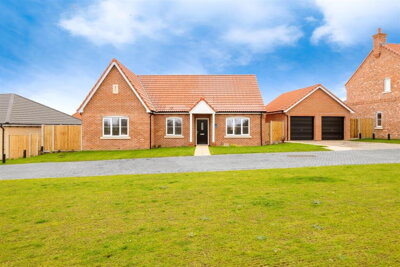
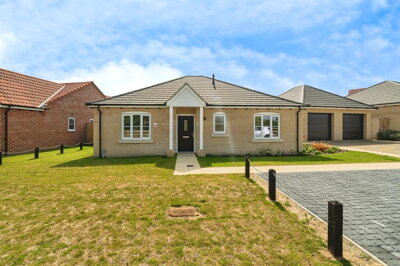
Browse 2 homes new builds in Frostenden, East Suffolk from local developer agents.
Three bedroom properties represent a significant portion of the Frostenden housing market, offering space for families with multiple reception rooms and gardens in many cases. Browse detached, semi-detached, and terraced options ranging across new residential developments.
£0k
0
0
0
Source: home.co.uk
Showing 0 results for 3 Bedroom Houses new builds in Frostenden, East Suffolk.
The property market in Frostenden reflects the character of a small, desirable rural village where demand often outstrips supply. Average prices in the village have been recorded between £255,000 and £377,500 depending on the data source and specific locality, with detached properties commanding the highest values at approximately £372,871 on average in the Frostenden Corner area. Semi-detached homes in the village typically sell for around £256,717, while terraced properties offer more accessible entry points at approximately £197,560. These figures demonstrate the premium placed on detached countryside living in this part of Suffolk, where buyers seek space, privacy, and connection to the natural landscape.
Recent price trends show some volatility in the local market, with overall prices reported as 47% down on the previous year, though this figure may be influenced by limited transaction volumes in such a small village where individual sales can significantly skew percentage changes. The Frostenden Corner locality shows a more moderate 4% decline year-on-year, while certain addresses like Kiln Road have actually seen prices rise 11% above their 2015 peak. The wider Suffolk county experienced a 1% increase in average property values over the last twelve months, suggesting underlying stability in the regional market even as individual villages see fluctuations driven by available stock and buyer demand.
Property availability in Frostenden tends to be limited at any given time, with the small village typically seeing only a handful of properties coming to market each year. This scarcity creates competitive conditions when homes do appear, and buyers often need to act quickly when a suitable property becomes available. Working with local estate agents who understand the village intimately can prove invaluable, as some properties may sell off-market before ever appearing on popular property portals. The seasonal nature of rural property sales means that spring and summer often bring increased activity, though well-presented properties can attract interest at any time of year.

Life in Frostenden embodies the appeal of rural Suffolk living, where the changing seasons paint the surrounding farmland in different hues and village life revolves around community spirit and outdoor pursuits. This small parish offers residents a genuine escape from urban congestion and noise, with winding country lanes perfect for cycling and walking, bordered by hedgerows alive with birdsong in spring and summer. The village forms part of a cluster of similar parishes in the Waveney Valley, creating a network of communities that share local facilities, events, and traditions. Frostenden's location in East Suffolk places it within easy reach of the stunning coastline at Southwold, Dunwich, and Walberswick, renowned for their beaches, marshes, and the famous Adnams brewery.
The broader Waveney district offers residents access to a range of local amenities despite the rural setting. The nearby market town of Beccles, just a short drive away, provides a selection of independent shops, cafes, restaurants, and a weekly market selling local produce. The town also hosts community events throughout the year, including the famous Beccles Big Weekend and regular farmers markets. For larger shopping trips or cultural outings, Norwich lies within reasonable driving distance, offering major retail centres, theatres, museums, and the historic Norwich Cathedral and Castle. The combination of village tranquility and access to diverse amenities makes Frostenden an attractive proposition for those seeking a balanced lifestyle in one of England's most scenic counties.
The Suffolk Heritage Coast, stretching east from Frostenden, offers some of the most unspoiled coastline in England with designated Areas of Outstanding Natural Beauty and Sites of Special Scientific Interest. Residents can enjoy walking the coastal footpaths, birdwatching at Minsmere nature reserve, or simply spending afternoons on the pebble beaches that characterise this stretch of shoreline. The proximity to the Norfolk Broads provides additional recreational opportunities, with boat hire, sailing schools, and riverside pubs accessible for day trips. This extraordinary natural environment on the doorstep represents a significant factor in the enduring appeal of village locations like Frostenden.

Families considering a move to Frostenden will find a selection of educational options within the surrounding area, with primary schools serving the immediate village community and secondary education available in nearby market towns. Primary education is typically provided through village schools in the local cluster, with pupils often traveling to nearby parishes for Key Stage 2 provision. The nearest primary schools are generally located within a few miles, serving the scattered population of the rural Waveney Valley. These smaller village schools often benefit from close community ties, dedicated teaching staff, and excellent relationships with parents and pupils.
Secondary education in the area is primarily accessed through schools in Beccles, which hosts several options including the well-regarded Sir John Leman High School and other local academy providers. For those seeking grammar school provision, the nearby town of Lowestoft offers selective education options, with tests typically taken during Year 6 for entry into Year 7. Parents should note that catchment areas can be competitive in popular rural areas, and early research into school admissions policies and transportation arrangements is advisable when purchasing property in Frostenden. Sixth form provision is available in the nearby towns, with further education colleges in Lowestoft and Norwich expanding options for older students pursuing vocational or academic pathways.
Transport arrangements for school children in rural areas require careful consideration, as school bus services may operate on limited routes and timetables. Many families find that driving children to school becomes part of the daily routine, particularly for secondary education where local schools may be several miles from Frostenden. Some parents choose to base their property search around school catchment areas, prioritising proximity to primary schools or ensuring reasonable access to secondary options. Private school alternatives exist in the wider area for families seeking educational provision outside the state system, with independent schools in Norwich and Bury St Edmunds serving the broader region.
Transport connections from Frostenden reflect its rural village status, with most residents relying on private vehicles for daily commuting and essential journeys. The village sits within easy reach of the A12 trunk road, which runs through Suffolk connecting the county to Ipswich and London to the south and Norwich to the north. The nearest railway stations are located in nearby market towns, with services to Norwich and London's Liverpool Street available from stations like Diss or Saxmundham. These rail connections provide access to employment in the city and the convenience of longer-distance travel for business or leisure purposes.
Bus services operate in the area, though frequency is limited as typical for rural Suffolk, making car ownership effectively essential for most residents. For commuters working in the local towns of Beccles, Lowestoft, or Great Yarmouth, driving is the most practical option, with journey times typically ranging from 15 to 30 minutes depending on destination and traffic conditions. Cyclists benefit from quiet country lanes, though the flat East Suffolk landscape does offer reasonable conditions for cycling enthusiasts. The proximity of Frostenden to the coast also provides opportunities for recreational travel, with the Suffolk Heritage Coast road offering scenic routes to popular destinations. Norwich, with its broader employment base and international airport, is approximately 30 miles from the village, making occasional city visits straightforward by car.
For those working in Norwich, the commute from Frostenden typically takes around 45 minutes to an hour by car, using the A146 and A47 trunk roads that connect the Waveney Valley to the city. Train services from nearby stations can provide an alternative for commuters willing to drive to the station, with direct trains from Diss to Norwich taking approximately 20 minutes. The village's position roughly equidistant between Norwich and Lowestoft provides flexibility for employment choices, with both cities offering diverse job markets across sectors including healthcare, education, manufacturing, and services. Many residents of rural Suffolk villages work partially from home where broadband connectivity permits, reducing the frequency of commuting journeys.
Properties in villages like Frostenden typically reflect the traditional building methods used throughout rural East Anglia, with construction styles that evolved over centuries to suit local materials and climate conditions. The predominant building materials in this part of Suffolk include red brick, often in Flemish bond or similar traditional patterns, combined with timber framing for structural support and roof construction. Many older cottages and farmhouses in the area feature rendered exteriors, thatched or pegged tile roofs, and characteristic chimneys built from local brick. These period properties, often dating from the 18th or 19th century, represent a significant portion of the village housing stock and carry their own particular maintenance requirements and charm.
Timber-frame construction, particularly prevalent in properties built before the mid-20th century, requires specific understanding from surveyors and buyers alike. The structural timbers in these older properties may show signs of movement, past woodworm treatment, or historic repairs that a trained eye will identify during inspection. Solid brick walls, common in Victorian and Edwardian properties, lack the cavity found in modern construction and may be more susceptible to penetrating damp, especially where pointing has deteriorated or render has failed. Flint is occasionally found in boundary walls and older outbuildings across the Suffolk Heritage Coast area, reflecting the local geology and historical building practices of East Anglia.
The underlying geology of much of Suffolk includes areas of London Clay and other clay deposits, presenting potential shrink-swell risks to property foundations during periods of extreme weather or drought. Properties in the Waveney Valley may show evidence of past ground movement, with cracks in plaster, doors that stick, or subsidence claims documented in property history files. Buyers should carefully review any historic structural reports, insurance claims, or underpinning documentation when purchasing older properties in the area. A thorough RICS Level 2 Survey provides essential inspection of foundation conditions, wall ties, and structural elements that may be affected by local ground conditions.
The age of much of the housing stock in rural Suffolk villages means that buyers frequently encounter defects associated with traditional construction methods that differ significantly from modern building standards. Damp represents one of the most common issues identified in surveys of period properties, whether arising from rising damp where original damp-proof courses have failed, penetrating damp through solid walls, or condensation resulting from inadequate ventilation. Properties with timber floors, solid walls, and period features often require careful management of moisture levels, and buyers should budget for potential remedial works identified during survey.
Roofing defects frequently feature in surveys of older Suffolk properties, with issues ranging from slipped or broken tiles to more significant concerns about the condition of roof timbers, valleys, and flashings. The pitch and coverage of roofs on traditional properties may not meet modern standards, and the presence of thatch on some older buildings requires specialist inspection and insurance considerations. Electrical systems in period properties often require upgrading to meet current regulations, with fuse boards, wiring, and socket placement frequently falling short of what buyers would expect in a modern home. A comprehensive electrical inspection is advisable for any property where the wiring appears to be original or significantly dated.
Drainage arrangements deserve particular attention when purchasing in rural Suffolk, as properties in villages like Frostenden frequently rely on private drainage systems rather than mains sewerage. Septic tanks, treatment plants, and cess pits all require regular maintenance and must comply with current Environment Agency regulations regarding discharge. The cost of replacing a failed private drainage system can be substantial, often running to several thousand pounds, making this a critical area for pre-purchase investigation. Our survey team regularly identifies drainage defects during inspections of properties in the NR34 postcode area and the surrounding villages of East Suffolk.
Purchasing a property in rural Suffolk requires attention to specific considerations that may not apply in urban settings. Properties in villages like Frostenden are often older, potentially dating from various periods of construction with traditional building methods that differ from modern standards. Buyers should investigate the property age, construction type, and any history of renovation or extension work. Given the potential presence of clay soils in parts of Suffolk, ground conditions and any history of subsidence or structural movement should be carefully examined. A thorough RICS Level 2 Survey can provide invaluable and identify any defects requiring attention or negotiation before completion.
Rural properties frequently have private drainage systems rather than connection to mains sewerage, and this represents a significant consideration when purchasing in Frostenden. Prospective buyers should verify the condition and compliance of septic tanks or treatment plants with current regulations, as replacement costs can be substantial. Similarly, off-mains water supply arrangements should be confirmed, along with any shared responsibilities for private water sources. Broadband connectivity, while improving across Suffolk, can still be variable in some rural locations, so researching actual download and upload speeds rather than relying on postcode estimates is advisable. Properties with land, outbuildings, or access to countryside will also carry additional maintenance responsibilities and potential Agricultural Holdings Act considerations that should be understood before purchase.
Planning restrictions in rural Suffolk villages may include conservation area designations, listed building protections, or conditions attached to previous planning permissions that affect how properties can be altered or extended. Anyone considering renovations should obtain planning history documentation from East Suffolk Council and check whether permitted development rights remain intact. The age and character of traditional Suffolk properties often means that buyers fall in love with features that also require ongoing maintenance, from sash windows and original fireplaces to exposed beams and period staircases. Budgeting for the maintenance of period features is an important consideration that first-time buyers of rural properties sometimes overlook.
Before committing to a purchase, spend time exploring Frostenden and the surrounding villages to understand the local lifestyle, amenities, and property market. Obtain a mortgage agreement in principle from a lender to establish your realistic budget, factoring in additional costs such as stamp duty, solicitor fees, and survey costs. Drive the country lanes at different times of day, visit the local pub if one exists, and speak to residents about what village life is really like before making your decision.
Use Homemove to browse all available properties for sale in Frostenden and set up instant alerts for new listings. Work with local estate agents who know the village intimately and can advise on properties as they come to market, including off-market opportunities that may not appear online. Consider both online portals and direct approaches to local agents, as the limited supply of properties in small villages means that being first to hear about new listings can make the difference between securing a property and missing out.
Visit properties that meet your criteria, ideally at different times of day and in various weather conditions to assess the property thoroughly. Enquire about specific factors relevant to rural Suffolk properties such as broadband speeds, drainage arrangements, and any planning restrictions that might affect your intended use. Ask vendors about the age of the boiler, any recent works undertaken, and whether there have been any issues with flooding, subsidence, or disputes with neighbours over boundaries or access.
Commission a RICS Level 2 Survey (Homebuyer Report) for properties that are older or have been recently altered. Given the age of many properties in rural Suffolk villages, a professional survey can identify issues with damp, roofing, electrics, or structural concerns before you commit to purchase. The cost of a survey is modest compared to the property value and can provide leverage in price negotiations or alert you to serious defects that might make a property unsuitable.
Choose a conveyancing solicitor with experience in rural property transactions to handle the legal aspects of your purchase. Your solicitor will conduct searches, handle land registry requirements, and manage the transfer of funds through to completion. For properties in rural Suffolk, searches should include drainage and water authority enquiries, environmental agency flood risk data, and any planning history relevant to the property and its boundaries.
Once all searches are satisfactory and finance is confirmed, you will exchange contracts and pay your deposit. On completion day, you will receive the keys to your new Frostenden home and can begin enjoying the peaceful Suffolk countryside lifestyle you have been envisioning. Allow time before and after the move to settle in, meet neighbours, and explore the local area at a leisurely pace.
Average house prices in Frostenden have been recorded between £255,000 and £377,500 depending on the data source and specific location within the village. Detached properties in the Frostenden Corner area average around £372,871, while semi-detached homes typically sell for approximately £256,717 and terraced properties around £197,560. Price trends have shown some volatility due to low transaction volumes in this small village, with overall prices varying significantly between different roads and localities. The wider Suffolk county saw a 1% increase in average property values over the last twelve months, suggesting relative stability in the regional market even as village-specific figures fluctuate based on available stock.
Properties in Frostenden fall under the Waveney District Council authority for council tax purposes, with the authority having merged into East Suffolk Council following local government reorganisation. Specific council tax bands vary by individual property depending on its valuation, but properties in rural Suffolk villages typically span a range of bands from A through to F. You can check the specific band for any property through the Valuation Office Agency website or request this information from the seller or estate agent during the conveyancing process. Council tax rates in East Suffolk are generally competitive compared to metropolitan areas, providing an additional financial benefit to rural living.
The surrounding area offers several educational options for families, with primary schools located in nearby villages and the market town of Beccles providing Key Stages 1 and 2 education. Sir John Leman High School in Beccles serves secondary education needs, while grammar school provision is available through schools in Lowestoft following the 11-plus selection process. For sixth form education, students typically travel to schools or colleges in Beccles, Lowestoft, or Norwich, with transport arrangements requiring advance planning for families living in Frostenden. The quality of individual schools varies, so checking recent Ofsted reports and league table performance is advisable before purchasing, and prospective buyers should verify current catchment areas as these can change annually.
Public transport connections from Frostenden are limited, reflecting its status as a small rural village where car ownership is effectively essential for daily life. Bus services operate in the area but with frequencies typically suited to occasional rather than daily commuting use, and journey times to larger towns can be lengthy compared to driving. The nearest railway stations are located in nearby market towns, offering services to Norwich and connections to London Liverpool Street, with the journey from Diss to London taking approximately 90 minutes. Most residents rely on private vehicles for daily commuting, with the A12 trunk road providing road connections to larger towns and cities to the south and Norwich to the north.
Frostenden offers potential for property investment, particularly given the consistent appeal of rural Suffolk living and the limited supply of properties in small villages. Values can fluctuate more dramatically than in larger towns due to low transaction volumes, creating both opportunities and risks for investors who may find less expensive properties during periods of reduced demand. The proximity to the Suffolk Heritage Coast, Norfolk Broads, and popular destinations like Southwold supports demand for holiday lets and rural retreats, with some properties potentially generating income through short-term rental arrangements. However, prospective investors should carefully consider rental demand, property management requirements, and any planning restrictions on holiday lets before purchasing, as well as the additional costs of maintaining a property from a distance.
Stamp Duty Land Tax rates for 2024-25 are 0% on the first £250,000 of residential property value, 5% on £250,001 to £925,000, 10% on £925,001 to £1.5 million, and 12% on any value above £1.5 million. First-time buyers benefit from relief on the first £425,000 (0% rate), with 5% applying between £425,001 and £625,000. Given that Frostenden properties typically sell for £255,000 to £400,000, most purchases would attract minimal or no stamp duty, with first-time buyers likely paying nothing on properties within the £425,000 threshold. Using a stamp duty calculator specific to your circumstances is advisable, as reliefs and rates may change and individual situations vary.
Older properties in Frostenden and the surrounding Suffolk villages may exhibit common issues associated with traditional construction methods used historically in East Anglia. These can include damp affecting solid-walled properties, aging roof structures requiring repair or replacement, outdated electrical systems, and potential issues with period features such as timber frames or flint construction. A RICS Level 2 Survey is strongly recommended for any property over 50 years old, and additional specialist surveys may be advisable for listed buildings or properties with unusual construction. Always investigate drainage arrangements, as rural properties frequently use private systems rather than mains sewerage, and verify the condition and compliance of any septic tank or treatment plant before completing your purchase.
Flood risk in Frostenden requires specific investigation for each property, as the village's rural location near watercourses and the broader Waveney Valley means that some areas may be susceptible to surface water flooding or proximity to smaller rivers and drainage channels. While the village is not located on the coast itself, the low-lying nature of parts of East Suffolk means that groundwater levels and local drainage patterns should be considered when assessing any property. Your solicitor should conduct appropriate drainage and environmental searches during conveyancing, and a thorough property survey will include observation of any signs of past flooding or water damage. Properties in higher positions within the village may offer lower flood risk, though individual circumstances vary and professional advice is recommended.
Car ownership is effectively essential for residents of Frostenden, as the village's rural location means that daily activities including shopping, school runs, and commuting require private vehicle transport. The limited bus services in the area are designed for occasional journeys rather than regular commuting, and the nearest mainline railway stations are several miles away in nearby market towns. Cycling is popular for recreational purposes on the quiet country lanes, and the flat East Suffolk landscape provides reasonable conditions for cyclists, but cycling to work or school on a daily basis would not be practical for most residents. The cost of car ownership should therefore be factored into any budgeting calculations when considering a move to rural Suffolk.
Competitive mortgage rates for Frostenden buyers
From 4.5%
Expert solicitors for your Frostenden property purchase
From £499
Professional survey for your Frostenden property
From £350
Energy performance certificate for Frostenden homes
From £60
Understanding the additional costs of purchasing property in Frostenden is essential for budgeting effectively and avoiding surprises during the transaction. Stamp Duty Land Tax represents the most significant government levy, though the good news for buyers is that most properties in Frostenden fall below the thresholds where substantial duty applies. With average property prices ranging from £255,000 to £377,500, many buyers purchasing at typical price points will either pay nothing or a relatively modest amount. First-time buyers benefit from increased thresholds, with relief applying up to £425,000, meaning the majority of Frostenden properties would attract zero stamp duty for eligible purchasers.
Beyond stamp duty, the total cost of buying includes solicitor conveyancing fees typically ranging from £500 to £1,500 depending on complexity and property value. Survey costs should be factored in, with a RICS Level 2 Survey (Homebuyer Report) generally available from around £350 depending on property size and complexity. Mortgage arrangement fees vary by lender but can range from zero to over £2,000, while valuation fees add further costs if required by your lender. Land Registry fees, local authority search fees, and miscellaneous costs for telegraphic transfers and title investigations typically total several hundred pounds.
Building insurance must be in place from completion day, and removals costs should not be overlooked when planning your move to Frostenden. Properties with land, outbuildings, or agricultural holdings may carry additional insurance requirements and ongoing maintenance costs that should be budgeted for. Setting aside a contingency of around 5% of the purchase price for these additional costs will ensure a comfortable financial buffer throughout the buying process. Our recommended conveyancing solicitors have experience with rural Suffolk properties and can provide detailed cost estimates tailored to your specific transaction.
Properties New Builds In London

Properties New Builds In Plymouth

Properties New Builds In Liverpool

Properties New Builds In Glasgow

Properties New Builds In Sheffield

Properties New Builds In Edinburgh

Properties New Builds In Coventry

Properties New Builds In Bradford

Properties New Builds In Manchester

Properties New Builds In Birmingham

Properties New Builds In Bristol

Properties New Builds In Oxford

Properties New Builds In Leicester

Properties New Builds In Newcastle

Properties New Builds In Leeds

Properties New Builds In Southampton

Properties New Builds In Cardiff

Properties New Builds In Nottingham

Properties New Builds In Norwich

Properties New Builds In Brighton

Properties New Builds In Derby

Properties New Builds In Portsmouth

Properties New Builds In Northampton

Properties New Builds In Milton Keynes

Properties New Builds In Bournemouth

Properties New Builds In Bolton

Properties New Builds In Swansea

Properties New Builds In Swindon

Properties New Builds In Peterborough

Properties New Builds In Wolverhampton

Enter your details to see if this property is within your budget.
Loans, cards, car finance
Estimated property budget
Borrowing + deposit
You could borrow between
Typical borrowing
Monthly repayment
Est. at 4.5%
Loan-to-value
This is an estimate only. Your actual budget may vary depending on interest rates, credit history, and personal circumstances. For an accurate affordability assessment, speak to one of our free mortgage advisors.
This calculator provides estimates for illustrative purposes only and does not constitute financial advice. Your home may be repossessed if you do not keep up repayments on your mortgage. Estimates based on 4.5% interest rate, repayment mortgage. Actual rates depend on your circumstances.
Homemove is a trading name of HM Haus Group Ltd (Company No. 13873779, registered in England & Wales). Homemove Mortgages Ltd (Company No. 15947693) is an Appointed Representative of TMG Direct Limited, trading as TMG Mortgage Network, which is authorised and regulated by the Financial Conduct Authority (FRN 786245). Homemove Mortgages Ltd is entered on the FCA Register as an Appointed Representative (FRN 1022429). You can check registrations at NewRegister or by calling 0800 111 6768.

We use cookies to show you personalised content and improve your experience of our website. Find out more in our Privacy policy and Cookie policy.