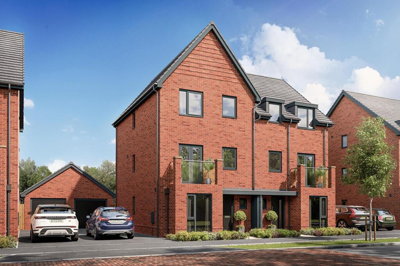
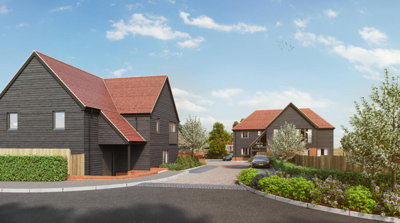
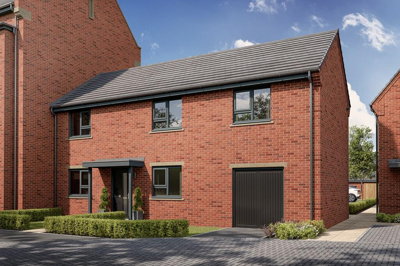
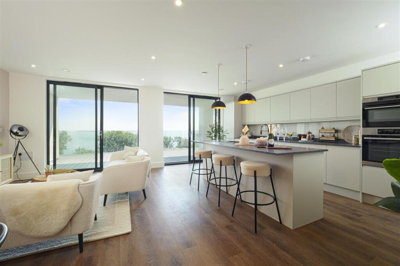
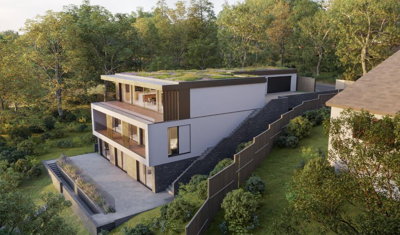
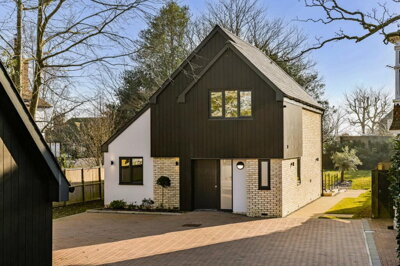
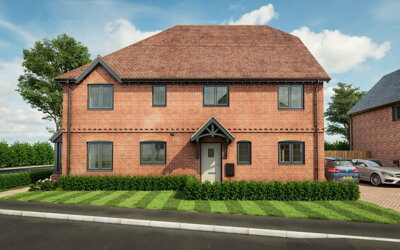
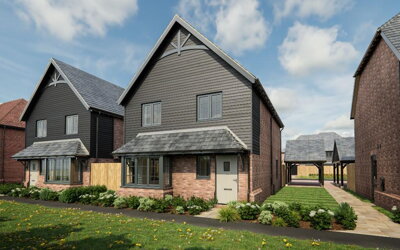
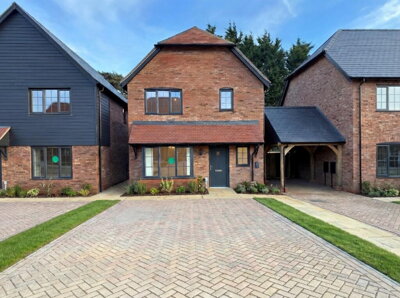
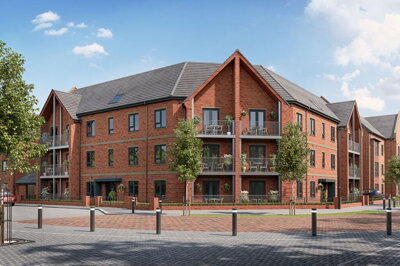
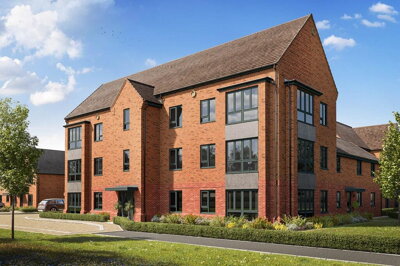
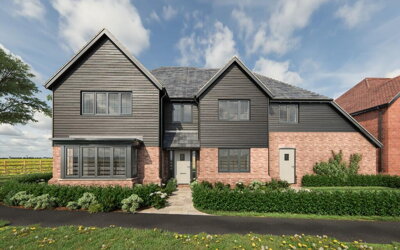
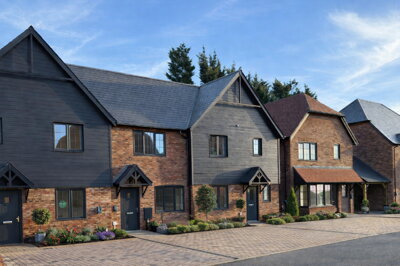
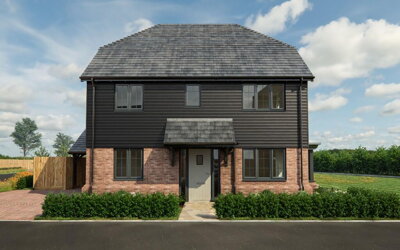
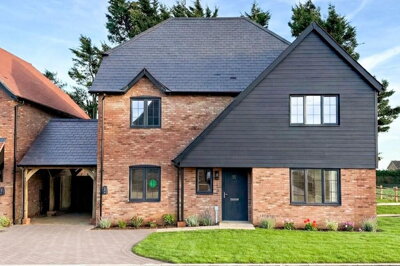
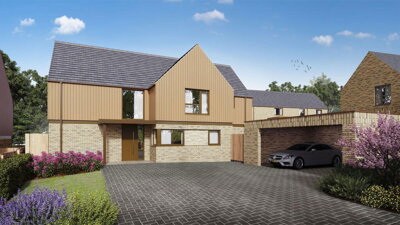
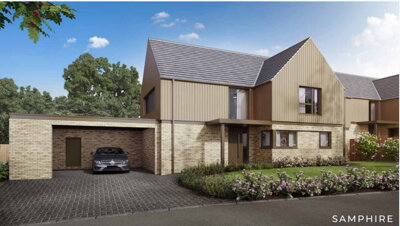
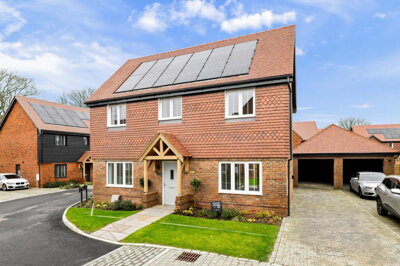
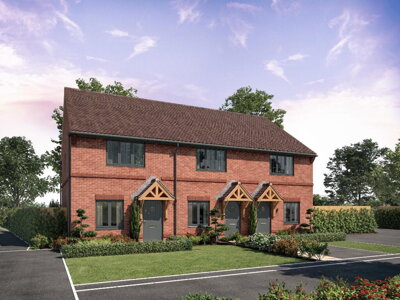
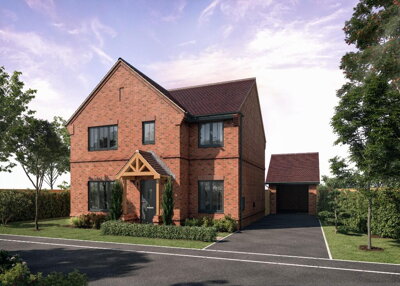
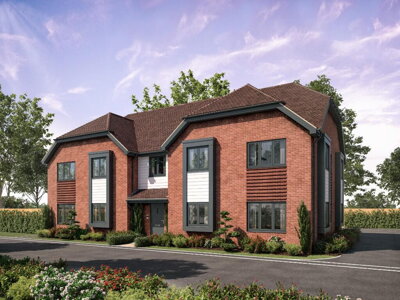
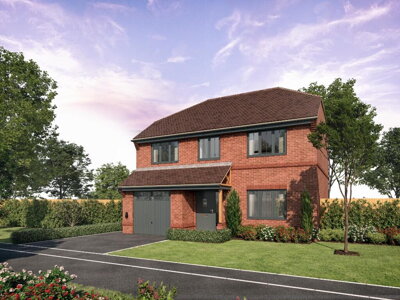
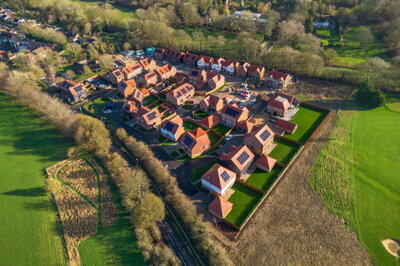
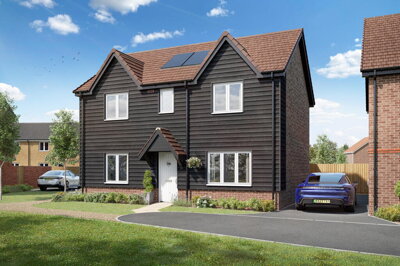
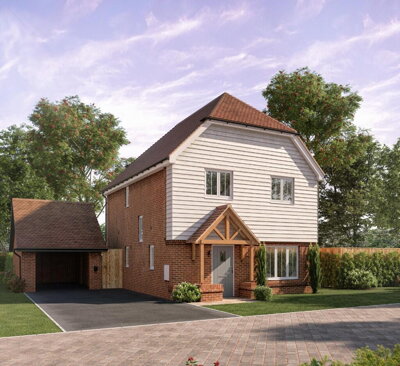
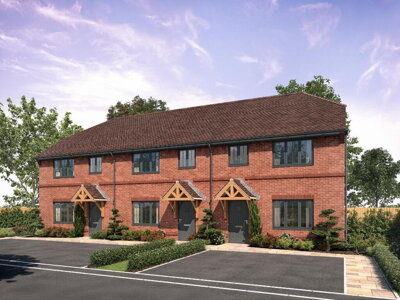
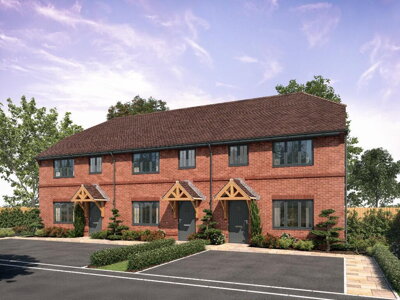
Browse 97 homes new builds in Folkestone and Hythe from local developer agents.
The property market in Brinton reflects the broader trends of North Norfolk, where demand from buyers seeking countryside living has remained strong despite national economic uncertainties. Recent sales data for properties on The Street in Brinton shows prices ranging from around £297,500 for traditional village cottages to £695,000 achieved in August 2024 for larger period properties with more substantial grounds. The North Norfolk market has historically demonstrated resilience, with properties in good condition and desirable locations maintaining their value well over time.
Property types in Brinton and the surrounding Melton Constable area predominantly consist of detached and semi-detached houses, with a good selection of period cottages dating from the 18th and 19th centuries. Many properties in the village feature characteristic Norfolk construction including flint and brick elevations, thatched or pantile roofs, and generous gardens that are highly prized by buyers. The absence of significant new build development in the immediate area means that homes for sale tend to be existing period properties, appealing to those who appreciate character homes with original features.
The village's position within the NR24 postcode contributes to its appeal among buyers who work remotely or have flexible commuting arrangements. Properties here tend to attract interest from London and Cambridge buyers looking for weekend retreats or permanent relocations to the countryside. This demand pattern has supported values in the area, particularly for properties with good garden sizes and those offering views across open farmland. Estate agents serving the Holt and North Norfolk market report consistent inquiry levels for village properties, with particular interest in homes that offer period character combined with modernised interiors.

Life in Brinton offers a genuine taste of traditional Norfolk village living, where the rhythm of the seasons shapes daily life and community connections run deep. The village maintains an unhurried atmosphere with lovely walks through the surrounding countryside, ancient lanes bordered by hedgerows, and the kind of scenic beauty that draws visitors from across the UK to North Norfolk each year. Local amenities in nearby villages and market towns mean residents enjoy the best of both worlds: peaceful village life with practical access to shops, schools, and services.
The North Norfolk coast lies within easy reach, offering outstanding natural beauty, seal-watching trips, birdwatching at reserves like Cley Marshes, and charming seaside villages with galleries, cafes, and sailing facilities. The area is renowned for its quality local food scene, with farm shops, artisan bakeries, and acclaimed pubs serving locally sourced produce. Cultural attractions include the North Norfolk Railway, grand country houses like Holkham Hall and Blickling Estate, and regular farmers markets in market towns throughout the region.
Community life in Brinton centres around the village church and local pub when available, with seasonal events bringing residents together throughout the year. The surrounding villages host their own social calendars, from summer fetes to harvest festivals, creating a network of community connections across the area. For newcomers, integrating into village life often happens naturally through these events and by supporting local businesses. Many residents find that the slower pace of life in North Norfolk villages creates space for hobbies, gardening, and enjoying the natural environment in ways that city living rarely allows.

Families considering a move to Brinton will find a selection of primary schools in the surrounding villages and market towns, with schools in nearby villages such as Holt and Langham serving the local community. The closest primary school options are typically within a short drive, making daily school runs manageable despite the rural setting. Primary education in North Norfolk generally maintains good standards, with village schools offering the benefits of smaller class sizes and strong community involvement that parents often find appealing.
For secondary education, families commonly travel to Holt, where Gresham's School provides an independent option alongside state secondary schools in the wider area. The market town of Fakenham also offers secondary school options, with good public transport links from surrounding villages helping families manage the logistics of secondary education. Sixth form provision is available in Holt and Fakenham, while Norwich provides comprehensive further education options including the University of East Anglia for those pursuing higher education locally.
School transport arrangements are an important consideration for families moving to Brinton, as the rural setting means school buses serve many of the surrounding villages and towns. Planning these routes before committing to a purchase helps avoid logistical surprises and ensures that education options are accessible without excessive daily travel times. Many families find that the trade-off of longer school runs is well worth it for the quality of life that village living provides.

Transport connections from Brinton reflect its rural Norfolk location, with the village situated away from major trunk roads but accessible to the key routes serving North Norfolk. The A148 coast road runs through the area, connecting King's Lynn to Cromer and providing routes to the wider road network including the A47 trunk road serving Norwich and Peterborough. The village is approximately 30 miles from Norwich, making occasional city visits feasible for work, shopping, or entertainment, though most daily needs are met locally.
Public transport options are limited in this rural area, with bus services connecting to market towns like Holt, Fakenham, and Dereham on a reduced timetable compared to urban areas. The nearest railway stations are in Norwich and King's Lynn, offering connections to London Liverpool Street and Cambridge respectively. For those working in Norwich, the journey takes approximately 45 minutes by car outside peak times, though this extends during busy periods on the A47. Many residents of North Norfolk villages embrace the rural transport reality, using local shops and services where possible and planning longer journeys in advance.
Broadband and mobile connectivity are practical considerations for modern rural living. While full fibre rollout continues across Norfolk, speeds in some areas may fall below urban standards, so checking availability at specific properties is advisable before purchase. Mobile coverage varies across the village, with some networks performing better than others in rural locations. Many residents who work from home find that these limitations are manageable with proper planning, and property improvements like signal boosters can help where needed.

Contact mortgage brokers to arrange an agreement in principle before beginning your property search. Having mortgage finance confirmed strengthens your position when making offers and demonstrates to sellers that you are a serious buyer. North Norfolk properties often attract competitive interest, so being financially prepared gives you an advantage. Several mortgage brokers familiar with the local market can advise on products suitable for period properties, including those with non-standard construction that some lenders view differently.
Spend time exploring Brinton and the wider North Norfolk area before committing to a purchase. Visit local pubs, shops, and community facilities to understand what daily life would be like. Consider factors like commute times, healthcare access, and the availability of broadband services in this rural location. Speaking with existing residents provides invaluable insight into village life that cannot be gained from property portals or estate agent descriptions alone.
Use Homemove to browse available properties in Brinton and arrange viewings through listed estate agents. View multiple properties to compare options, and do not hesitate to revisit promising homes at different times of day to assess the atmosphere and local traffic patterns. Photography and listings may not fully convey the character of a period property, so physically walking through homes allows you to assess features like ceiling heights, room proportions, and the quality of original details.
Once you find your perfect Brinton property, submit an offer through the selling agent with evidence of your mortgage agreement in principle. Be prepared to negotiate on price and terms, understanding that period properties may require condition adjustments. Your solicitor should be on standby to handle contracts quickly once terms are agreed. In a competitive market, offers at asking price with quick completions often succeed over lower bids with extended timelines.
Before completing your purchase, book a RICS Level 2 Survey to assess the condition of the property. Given that most Brinton properties are period homes, a thorough survey by a qualified surveyor can identify issues with roofs, foundations, and original construction that may not be apparent during viewings. Our inspectors at Homemove have extensive experience examining Norfolk period properties and understand the common defect patterns found in flint construction, thatched roofs, and older timber-framed buildings.
Your solicitor will handle conveyancing, local authority searches, and the legal transfer of ownership. On completion day, keys are released and you become the proud owner of a home in one of Norfolk's most attractive villages, ready to begin your new life in this beautiful part of England. Registering with local services, introducing yourself to neighbours, and joining community groups all help to establish yourself quickly in village life.
Buying a property in a North Norfolk village like Brinton requires attention to specific considerations that differ from urban property purchases. Period properties are the norm here, and buyers should assess the condition of original features such as thatched roofs, flint walls, and period windows that require ongoing maintenance. The age of properties means that electrical systems, plumbing, and insulation may need updating, and a thorough survey can reveal the true extent of any work required.
Flood risk should be considered, though Brinton itself sits inland from the North Norfolk coast. However, some rural properties may have drainage challenges or sit near watercourses that require attention. Conservation area status may apply to parts of the village, affecting what alterations owners can make to properties, and planning restrictions in this picturesque area can be more stringent than in urban locations. Always check with North Norfolk District Council regarding any planning considerations before purchasing.
For properties with land, gardens, or outbuildings, understanding the full extent of ownership and maintenance responsibilities is essential. Freehold properties predominate in rural Norfolk, but checking the tenure and any service charges is still important. Properties with large gardens or paddocks may have different maintenance requirements and costs to consider. Energy performance certificates will show the typical energy efficiency challenges of period properties, and many buyers factor in the cost of improvements when assessing value.
Specialist features like thatched roofs require particular attention during the survey process. Thatch has a limited lifespan compared to modern roofing materials, and replacement costs can be significant. Our inspectors are experienced in assessing thatch condition, looking for signs of wear, water penetration, and pest activity that can compromise the covering. Properties with recently re-thatched roofs will have higher costs already accounted for, while those with older thatch may require budgeting for future replacement within the next decade or so.

Specific averaged house price data for Brinton itself is not published in major property portals due to the village's small size, but recent sales on The Street in Brinton show prices ranging from approximately £297,500 for traditional cottages to £695,000 achieved in August 2024 for larger period properties. Properties in North Norfolk villages have generally shown stable values with demand from buyers seeking countryside living supporting the market. For accurate current values, speaking directly with local estate agents serving the Melton Constable and Holt areas will provide the most relevant pricing information for properties you are considering.
Properties in Brinton fall under North Norfolk District Council for council tax purposes. Most period cottages and smaller houses in the village typically fall into bands A through D, with larger detached properties and farmhouses potentially in higher bands. Council tax in North Norfolk remains competitive compared to urban areas, and Band D properties currently pay around £1,800 to £1,900 per year. You can check specific bandings on the Valuation Office Agency website using a property address.
Primary education near Brinton is served by village schools in surrounding communities and larger primaries in Holt and Fakenham. Schools in North Norfolk are generally well-regarded, with small class sizes providing individual attention. For secondary education, families often consider schools in Holt and Fakenham, with independent options including Gresham's School in Holt. Visiting local schools and checking recent Ofsted reports should form part of your research if school quality is a priority for your family move.
Brinton and the surrounding North Norfolk countryside have limited public transport options typical of rural England. Bus services connect the village to nearby market towns on reduced timetables, and the nearest railway stations are in Norwich and King's Lynn, both approximately 30 miles away. Daily commuting by public transport would be challenging, so most residents rely on private vehicles. If you currently commute to work, factor this into your planning and consider whether hybrid working arrangements could accommodate a rural location.
North Norfolk property has historically proven a sound investment, with the enduring appeal of rural living, coastal access, and the quality of life in villages like Brinton attracting consistent buyer interest. Properties with character, good gardens, and proximity to the coast tend to hold their value well. The limited supply of homes in small villages also supports prices, as demand from buyers seeking this lifestyle exceeds available properties. However, as with any property purchase, you should consider your own circumstances and long-term plans rather than viewing it purely as an investment vehicle.
Stamp Duty Land Tax applies to all property purchases in England, with current thresholds starting at £250,000 for standard buyers where no tax is due on the first portion. For first-time buyers, the relief extends to £425,000 with 5% due on amounts between £425,000 and £625,000. Most properties in Brinton will fall within the 5% bracket for residential purchases. Your solicitor will handle SDLT calculation and submission, and Homemove's conveyancing partners can advise on the exact costs for your specific purchase price and circumstances.
Given that most properties in Brinton are period homes, a thorough RICS Level 2 Survey is essential to assess construction quality and identify potential issues. Our inspectors pay particular attention to roof condition, especially for thatched properties which require specialist knowledge to evaluate properly. Flint and brick walls should be checked for cracking or bulging, and any signs of damp or timber decay should be investigated. Original windows, electrics, and plumbing in older properties often need updating to modern standards, and a good surveyor will flag these issues clearly so you can budget for any necessary works.
North Norfolk villages like Brinton typically contain several listed buildings, reflecting the historic nature of the settlement and its traditional Norfolk architecture. Properties with listed status offer significant character but come with restrictions on alterations and maintenance requirements that differ from standard properties. If you are considering a listed building purchase, our surveyors can advise on the specific implications and what specialist reports might be needed. English Heritage and North Norfolk District Council both maintain records of listed properties in the area.
The main risks when buying period properties in North Norfolk relate to the age and construction methods of traditional buildings. Flint construction, while characteristic of the area, can present challenges with regards to mortar deterioration and structural movement over time. Thatched roofs require specialist maintenance and replacement budgeting. Electrical and plumbing systems in older properties frequently need complete rewiring or repiping. Damp penetration through solid walls, rather than cavity walls, is common in period properties and requires understanding of proper ventilation and potential remediation costs.
From 4.5%
Expert mortgage advice for Brinton properties including specialist lending for period homes
From £499
Solicitors experienced in North Norfolk property transactions including period properties and rural titles
From £350
Thorough condition surveys for Brinton properties by qualified local surveyors
From £80
Energy performance certificates for properties in the NR24 area
Understanding the full costs of purchasing property in Brinton helps you budget accurately and avoid surprises during the transaction. Beyond the property price, the main upfront cost is Stamp Duty Land Tax, which follows national thresholds regardless of location. For a typical Brinton property priced around £400,000, a standard buyer would pay £7,500 in SDLT, while a first-time buyer would pay £1,250 assuming they meet the relief criteria. These costs are due within 14 days of completion and your solicitor will typically handle payment on your behalf.
Solicitor conveyancing fees for rural property purchases typically start from around £499 for standard transactions, though costs can increase for properties with more complex titles, listed building status, or additional searches. Local searches from North Norfolk District Council and drainage searches from the local water authority form part of the standard searches, with costs typically ranging from £200 to £400 depending on the property and location. Search results for rural properties may highlight items specific to the Norfolk landscape, including rights of way, agricultural land considerations, and any conservation area designations.
Additional costs to budget for include mortgage arrangement fees which can range from zero to £2,000 depending on the deal chosen, valuation fees typically £200 to £500, and the RICS Level 2 Survey starting from £350 for standard properties. Buildings insurance must be in place from completion day, and you may need to consider removal costs, new furniture or fittings, and any immediate renovation works. Altogether, buyers typically budget an additional 3% to 5% of the property price to cover these purchase costs.
When calculating your total budget, remember that period properties may require ongoing investment in maintenance and upgrades. Roof work, window restoration, and energy efficiency improvements represent common costs that buyers should anticipate. Setting aside a contingency fund equivalent to around 10% of the purchase price for unforeseen works is a prudent approach when buying older properties in North Norfolk villages.

Properties New Builds In London

Properties New Builds In Plymouth

Properties New Builds In Liverpool

Properties New Builds In Glasgow

Properties New Builds In Sheffield

Properties New Builds In Edinburgh

Properties New Builds In Coventry

Properties New Builds In Bradford

Properties New Builds In Manchester

Properties New Builds In Birmingham

Properties New Builds In Bristol

Properties New Builds In Oxford

Properties New Builds In Leicester

Properties New Builds In Newcastle

Properties New Builds In Leeds

Properties New Builds In Southampton

Properties New Builds In Cardiff

Properties New Builds In Nottingham

Properties New Builds In Norwich

Properties New Builds In Brighton

Properties New Builds In Derby

Properties New Builds In Portsmouth

Properties New Builds In Northampton

Properties New Builds In Milton Keynes

Properties New Builds In Bournemouth

Properties New Builds In Bolton

Properties New Builds In Swansea

Properties New Builds In Swindon

Properties New Builds In Peterborough

Properties New Builds In Wolverhampton

Enter your details to see if this property is within your budget.
Loans, cards, car finance
Estimated property budget
Borrowing + deposit
You could borrow between
Typical borrowing
Monthly repayment
Est. at 4.5%
Loan-to-value
This is an estimate only. Your actual budget may vary depending on interest rates, credit history, and personal circumstances. For an accurate affordability assessment, speak to one of our free mortgage advisors.
This calculator provides estimates for illustrative purposes only and does not constitute financial advice. Your home may be repossessed if you do not keep up repayments on your mortgage. Estimates based on 4.5% interest rate, repayment mortgage. Actual rates depend on your circumstances.
Homemove is a trading name of HM Haus Group Ltd (Company No. 13873779, registered in England & Wales). Homemove Mortgages Ltd (Company No. 15947693) is an Appointed Representative of TMG Direct Limited, trading as TMG Mortgage Network, which is authorised and regulated by the Financial Conduct Authority (FRN 786245). Homemove Mortgages Ltd is entered on the FCA Register as an Appointed Representative (FRN 1022429). You can check registrations at NewRegister or by calling 0800 111 6768.

We use cookies to show you personalised content and improve your experience of our website. Find out more in our Privacy policy and Cookie policy.