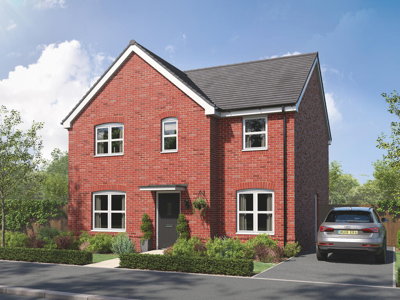
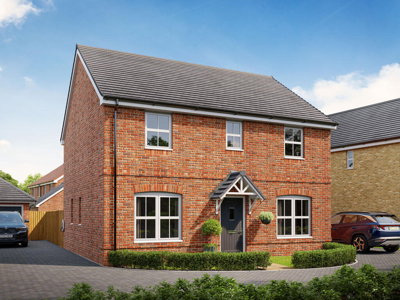
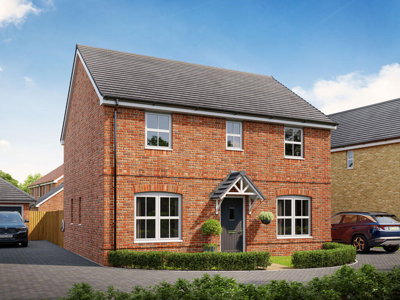
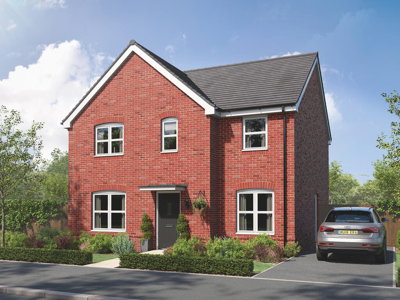
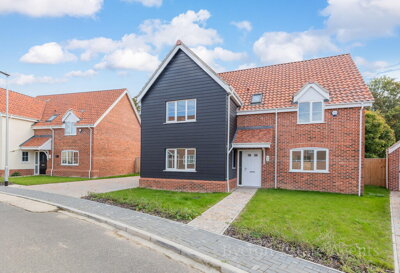
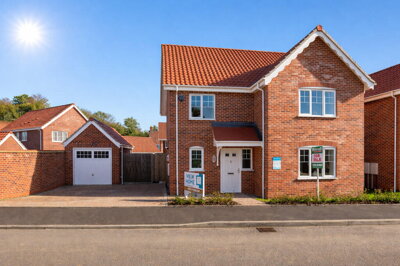
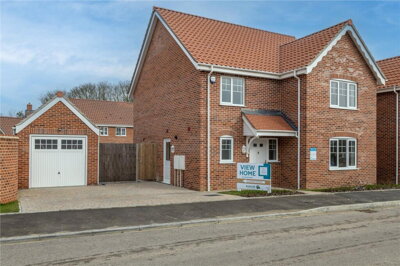
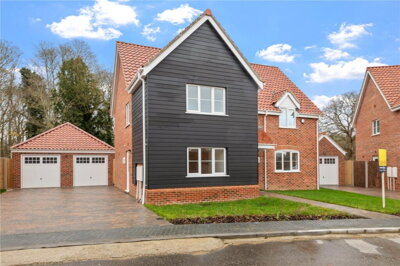
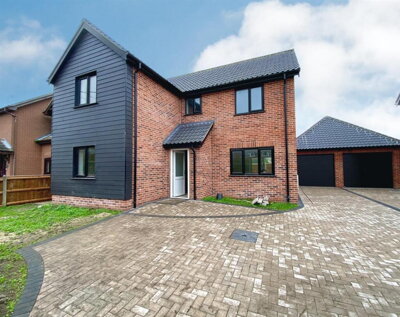
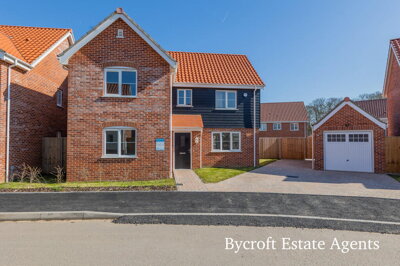
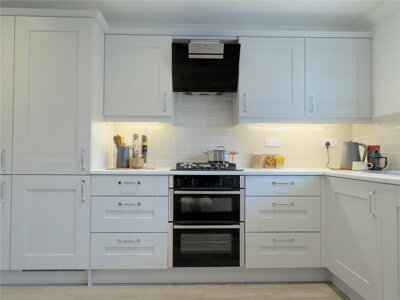
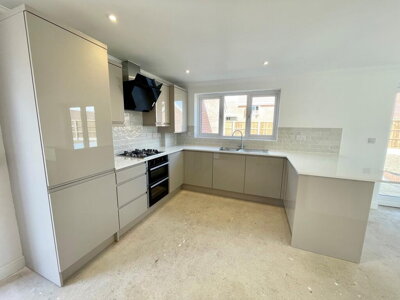
Browse 12 homes new builds in Flixton from local developer agents.
The larger property sector typically features multiple bathrooms, substantial reception space, and private gardens or off-street parking. Four bedroom houses in Flixton span detached, semi-detached, and occasionally terraced configurations, with styles ranging from period properties to modern executive homes.
The Flixton property market reflects its status as a small rural village with limited but steady transaction activity. Our listings data shows 6 properties have changed hands in the past twelve months, a figure that underscores the village's tight-knit residential character and the relative scarcity of available homes. The overall average price of £324,995 positions Flixton competitively within the East Suffolk market, offering buyers access to more generous space and character than comparable properties might command in larger towns.
Detached properties command the highest values in Flixton, with an average price of £391,667, reflecting the premium placed on privacy, garden space, and the rural setting that families often seek. Semi-detached homes average £275,000, while terraced properties start from approximately £200,000, making the village accessible to first-time buyers looking to enter the Suffolk property market. The village's housing stock predominantly consists of older, characterful properties built using traditional East Anglian construction methods, with solid brick walls often combined with flint or render finishes that reflect the regional vernacular.
New build activity in the village itself is minimal, with most new developments located in nearby towns such as Bungay or Halesworth, meaning buyers in Flixton are typically purchasing character properties with established gardens and mature surroundings. This scarcity of new supply helps maintain property values over time, as demand consistently outstrips the limited availability of homes in the village. The underlying Crag formations and sandy soils of East Suffolk create specific conditions for property foundations that our inspectors regularly assess during surveys.

Life in Flixton revolves around the rhythms of rural Suffolk, with the River Waveney serving as both a geographical landmark and a focal point for outdoor activities. The river supports local wildlife, fishing opportunities, and scenic walks along its banks, while the surrounding farmland creates an expansive landscape that defines the village's character. The community is small but cohesive, with local events and gatherings centred around the village's heritage assets including Flixton Hall and the nearby Flixton Airfield Museum, which attracts visitors interested in the area's wartime history.
The village sits within easy reach of the market towns of Bungay and Halesworth, both of which offer essential amenities including supermarkets, independent shops, GP surgeries, and pubs serving locally sourced food. Halesworth provides a weekly market and a railway station with connections to Norwich and London Liverpool Street via Ipswich, while Bungay offers a broader range of independent retailers and dining options. For everyday essentials, residents typically travel the short distance to these nearby towns, though the sense of community within Flixton itself remains strong, with neighbours knowing one another and local bonds running deep in this traditionally English village setting.
Employment opportunities in the village are limited given its rural nature, with most residents commuting to surrounding towns for work. Agriculture remains a feature of the local economy, alongside small-scale local services and businesses that serve the village community. For those working in Norwich or Ipswich, the village offers a peaceful base with manageable commute times, particularly for those with flexible working arrangements or hybrid working patterns. The proximity to the A144 and A143 provides reasonable road access to employment centres without the intrusion of heavy through-traffic that affects more main-road villages.

Families considering a move to Flixton will find educational options available in the surrounding area, with primary schools serving the village and surrounding hamlets. The nearest primary schools are located in nearby villages and market towns, with several rated Good by Ofsted in recent inspections. Parents should research specific catchment areas, as admission policies in rural Suffolk can prioritise proximity to the school, making property selection particularly important for families with school-age children.
Secondary education is provided at schools in Bungay and Halesworth, both of which offer comprehensive curricula and sixth form provision for students continuing their education post-16. The nearby town of Beccles also hosts secondary options, expanding the choices available to Flixton families. For those seeking specialist or independent education, a broader selection exists in Norwich, approximately 20 miles distant, though this would necessitate a longer daily commute for students. Transport links to these schools are generally provided via school bus services, though these should be confirmed with the relevant local authority before finalising a property purchase.
When viewing properties in Flixton, families should factor school catchment boundaries into their decision-making process. The limited property inventory means that homes within desired school catchments can be competitive, and early engagement with Suffolk County Council's admissions team can clarify current boundary positions. Properties on the village's outer edges may fall into different catchment areas depending on the specific school's admissions policy, so verification for each individual property is essential before committing to a purchase.
Flixton benefits from its position near the A144, a B-road that connects the village to the market towns of Bungay and Halesworth within a short drive. The A143 provides broader access to Diss and the A140, which runs north-south through Norfolk, while the journey to Norwich takes approximately 35 minutes by car under normal traffic conditions. For commuters working in the city, the car remains the primary mode of transport, though the village's rural location means planning for essential journeys is advisable.
Halesworth railway station, approximately 5 miles from Flixton, offers direct services to Norwich with journey times of around 35 minutes. From Norwich, passengers can connect to London Liverpool Street, with the fastest trains completing the journey in approximately 90 minutes. This rail connectivity makes Flixton viable for those who work in Norwich or need occasional access to the capital, provided they can accommodate the drive to the station. Bus services in rural Suffolk are limited, so residents without private vehicles should factor this into their decision-making when considering Flixton as a place to live.
For those commuting by car, the route to Norwich typically follows the A144 before joining the A143 southwards, passing through attractive Suffolk countryside. The road conditions are generally good, though some sections are narrow and single-track in places, requiring confident handling from larger vehicles. Parking at Halesworth station is available for those combining rail travel with car use, though spaces can fill quickly during peak periods, particularly on weekday mornings.
Spend time exploring Flixton and neighbouring villages to understand the local property market, community atmosphere, and proximity to amenities you need. Visit at different times of day and week to get a genuine feel for village life. Take particular note of the River Waveney flood zones, which can affect specific properties near the river.
Obtain a mortgage agreement in principle before viewing properties. With average prices around £324,995, speak to a broker who understands the East Anglia market to secure the best available rates and understand your borrowing capacity. Factor in additional costs including stamp duty, survey fees, and legal costs when setting your budget.
Work with local estate agents familiar with the Flixton area to arrange viewings. Given the limited inventory of approximately 6 homes, be prepared to move quickly when a suitable property becomes available. Make multiple visits to properties at different times to assess noise, lighting, and any changes in the surrounding area.
Book a RICS Level 2 Survey for properties built before 1980, which make up a significant portion of Flixton's housing stock. Our inspectors are experienced in assessing traditional East Anglian construction methods including solid brick, flint, and render finishes common in the village. Survey costs in the wider Suffolk area typically range from £400 to £900 depending on property size and value.
Choose a conveyancing solicitor with experience in Suffolk property transactions to handle legal work, searches, and contracts. We recommend requesting local searches covering flood risk near the River Waveney, drainage conditions, and any planning constraints associated with listed buildings or conservation areas in the village.
Once surveys are satisfactory and legal queries are resolved, your solicitor will exchange contracts and set a completion date. Ensure buildings insurance is in place from exchange, particularly for older properties with potential maintenance needs identified during your survey.
Properties in Flixton are predominantly older constructions, often built using traditional methods that reflect the rural character of East Suffolk. Many homes feature solid brick walls, sometimes combined with flint or render, and timber roof structures covered with tiles or slates. When viewing properties, pay particular attention to the condition of roofs, as older properties frequently require maintenance or partial replacement. Look for signs of damp, which can manifest as staining, musty odours, or peeling paint, particularly in properties without modern damp-proof courses.
Flood risk is an important consideration given Flixton's proximity to the River Waveney. Properties in lower-lying areas near the river may face increased flood risk, and buyers should review Environment Agency flood maps and request information about any previous flooding incidents. Surface water flooding can also occur in low-lying rural locations after heavy rainfall. Given the presence of clay soils in the wider Suffolk region, subsidence risk from shrink-swell activity during periods of extreme weather should be assessed, particularly for properties with trees or large shrubs close to the foundations.
Flixton Hall and potentially other properties in the village are listed buildings, which means any alterations or extensions require consent from the local planning authority and adherence to strict conservation guidelines. If you are considering a listed property or one within a conservation area, factor in the additional costs and constraints this imposes. For all properties, confirm whether they are freehold or leasehold, as leasehold arrangements can affect future saleability and incur ground rent and service charge obligations.
Electrical wiring in older Flixton properties may be outdated and require upgrading to meet current standards. Heating systems are another common area of concern, with many period homes still relying on older boiler systems that may be inefficient by modern standards. When we conduct surveys in the village, we routinely check for these issues alongside structural concerns, providing buyers with a complete picture of any work required after purchase.
The average house price in Flixton is currently £324,995 based on recent sales data. Detached properties average £391,667, semi-detached homes around £275,000, and terraced properties start from approximately £200,000. Prices have increased by around 2% over the past twelve months, reflecting steady demand for rural properties in the East Suffolk area. With only 6 properties sold in the past year, the village offers a limited but active market for prospective buyers seeking village living in this part of Suffolk.
Properties in Flixton fall under East Suffolk Council, which took over from Waveney District Council following the 2019 local government reorganisation. Council tax bands for the area range from A to H depending on property value and size, with most village homes typically falling into bands A through D. Specific band information is available on the East Suffolk Council website or through the Land Registry records for individual properties, which potential buyers can access before making an offer.
Flixton itself does not have its own primary or secondary school, but primary schools in nearby villages and market towns serve the local area. Schools in Bungay and Halesworth provide secondary education options, with several facilities rated Good by Ofsted. Parents should verify current school performance data and catchment area boundaries directly with the schools or Suffolk County Council, as admissions policies can change and proximity to schools often influences eligibility for places.
Public transport options in Flixton are limited, reflecting its rural village status. Halesworth railway station is approximately 5 miles away, providing connections to Norwich with journey times of around 35 minutes, and onward links to London Liverpool Street. Bus services connecting Flixton to nearby towns are infrequent, so private vehicle ownership is effectively essential for most residents. The village's position near the A144 and A143 provides reasonable road access to surrounding towns and villages for those with cars.
Flixton offers potential for buyers seeking long-term rural lifestyle investment rather than high rental yields. The East Suffolk property market has shown steady appreciation, with prices increasing 2% year-on-year. Limited new build supply in the village itself maintains the value of existing stock, while proximity to growing local economies in Norwich and Ipswich supports demand from commuters seeking village living. Properties near the River Waveney with flood risk should be evaluated carefully for investment potential, as insurance costs may affect future returns.
Stamp duty Land Tax for residential purchases follows standard UK thresholds: 0% on the first £250,000, 5% on £250,001 to £925,000, 10% on £925,001 to £1.5 million, and 12% above £1.5 million. First-time buyers benefit from relief on the first £425,000, with 5% payable between £425,001 and £625,000. Given Flixton's average price of £324,995, most buyers would pay no SDLT, while first-time buyers purchasing at the average price would incur no stamp duty liability at all.
Flixton's location adjacent to the River Waveney means properties near the river may face elevated fluvial flood risk, particularly in low-lying areas. Surface water flooding can also occur after heavy rainfall given the local topography and drainage patterns. Buyers should check Environment Agency flood maps, review any flood history for the specific property, and consider the cost of flood insurance premiums. Properties with higher flood risk may require additional precautions or resilience measures, which should be reflected in the purchase price or negotiated accordingly.
Flixton Hall is a significant listed building in the village, reflecting its historical heritage and importance to the local community. Other properties in the village may have listed status or fall within a conservation area designation, which would be confirmed during the conveyancing process. Listed buildings require special consideration during purchase, as any renovation, extension, or significant alteration requires Listed Building Consent from East Suffolk Council. Specialist surveys such as RICS Level 3 Building Surveys are often recommended for historic properties, and buyers should budget for potentially higher maintenance costs compared to modern properties.
Properties in Flixton predominantly feature traditional East Anglian construction methods, including solid brick walls with flint or render finishes, timber-framed structures, and pitched roofs with tile or slate coverings. The underlying geology of the area, featuring superficial sand and gravel deposits over Crag formations, creates specific foundation conditions that our surveyors assess during property inspections. Properties built before 1980 make up the majority of the village's housing stock, and this age profile means buyers should budget for potential maintenance including roof repairs, damp treatment, and heating system upgrades.
Buying a property in Flixton involves several costs beyond the purchase price. Stamp duty Land Tax is calculated on a tiered basis, with 0% charged on the first £250,000 of residential property purchases. For the average Flixton property at £324,995, a buyer purchasing with a mortgage would pay stamp duty on the portion above £250,000, which equates to £3,749 at the standard 5% rate. First-time buyers purchasing properties up to £425,000 may qualify for relief that increases the zero-rate threshold, potentially eliminating SDLT entirely for homes at or below the average village price.
Survey costs should be budgeted at £400 to £900 for a RICS Level 2 Survey, with the exact amount depending on property size, value, and the specific surveyor instructed. Given the age of many properties in Flixton, a thorough survey is money well spent to identify any structural issues, damp, or roof defects before you commit to purchase. Solicitors' fees for conveyancing typically range from £500 to £1,500 plus disbursements, which include local searches, land registry fees, and bank transfer charges. Searches specific to the Flixton area should include flood risk checks given the proximity to the River Waveney.
Mortgage arrangement fees vary by lender but typically range from £0 to £2,000, and these costs should be factored into your overall budget when calculating the true cost of buying your new home in Flixton. Additional costs to consider include valuation fees charged by your mortgage lender, which are separate from your own survey, and removals costs which will vary depending on the distance of your move. We recommend setting aside an additional 10% of your budget to cover these associated costs and any unexpected issues that arise during the purchase process.
Properties New Builds In London

Properties New Builds In Plymouth

Properties New Builds In Liverpool

Properties New Builds In Glasgow

Properties New Builds In Sheffield

Properties New Builds In Edinburgh

Properties New Builds In Coventry

Properties New Builds In Bradford

Properties New Builds In Manchester

Properties New Builds In Birmingham

Properties New Builds In Bristol

Properties New Builds In Oxford

Properties New Builds In Leicester

Properties New Builds In Newcastle

Properties New Builds In Leeds

Properties New Builds In Southampton

Properties New Builds In Cardiff

Properties New Builds In Nottingham

Properties New Builds In Norwich

Properties New Builds In Brighton

Properties New Builds In Derby

Properties New Builds In Portsmouth

Properties New Builds In Northampton

Properties New Builds In Milton Keynes

Properties New Builds In Bournemouth

Properties New Builds In Bolton

Properties New Builds In Swansea

Properties New Builds In Swindon

Properties New Builds In Peterborough

Properties New Builds In Wolverhampton

Enter your details to see if this property is within your budget.
Loans, cards, car finance
Estimated property budget
Borrowing + deposit
You could borrow between
Typical borrowing
Monthly repayment
Est. at 4.5%
Loan-to-value
This is an estimate only. Your actual budget may vary depending on interest rates, credit history, and personal circumstances. For an accurate affordability assessment, speak to one of our free mortgage advisors.
This calculator provides estimates for illustrative purposes only and does not constitute financial advice. Your home may be repossessed if you do not keep up repayments on your mortgage. Estimates based on 4.5% interest rate, repayment mortgage. Actual rates depend on your circumstances.
Homemove is a trading name of HM Haus Group Ltd (Company No. 13873779, registered in England & Wales). Homemove Mortgages Ltd (Company No. 15947693) is an Appointed Representative of TMG Direct Limited, trading as TMG Mortgage Network, which is authorised and regulated by the Financial Conduct Authority (FRN 786245). Homemove Mortgages Ltd is entered on the FCA Register as an Appointed Representative (FRN 1022429). You can check registrations at NewRegister or by calling 0800 111 6768.

We use cookies to show you personalised content and improve your experience of our website. Find out more in our Privacy policy and Cookie policy.