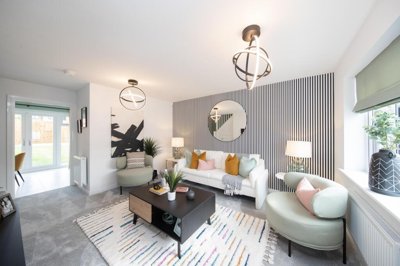
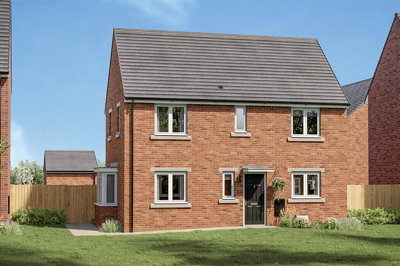
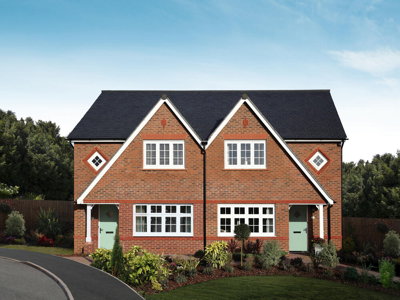
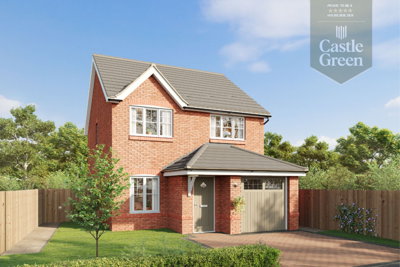
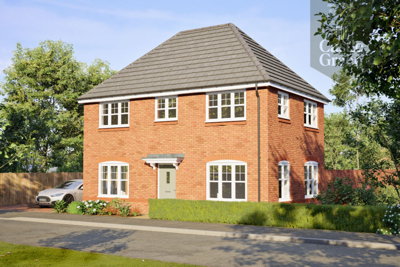
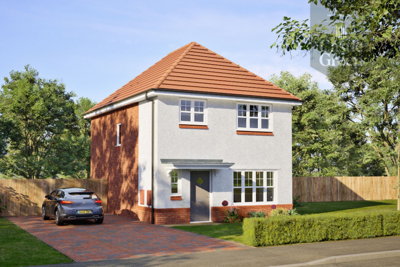
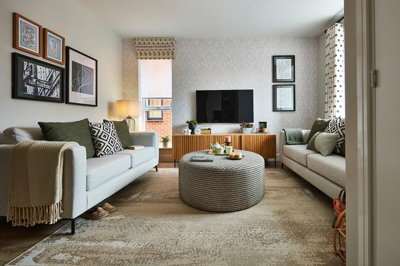
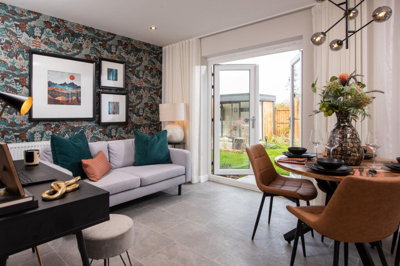
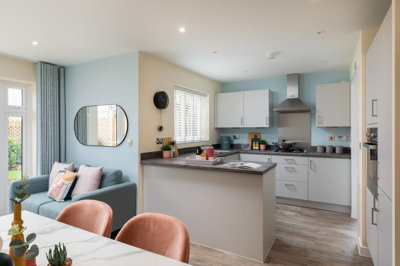
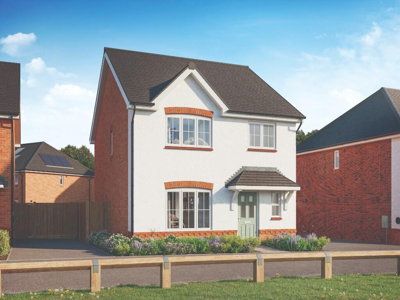
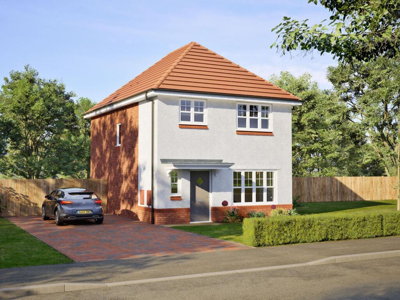
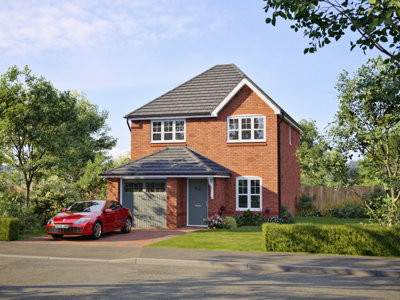
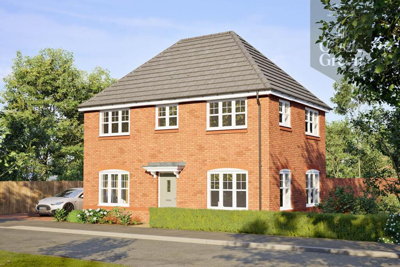
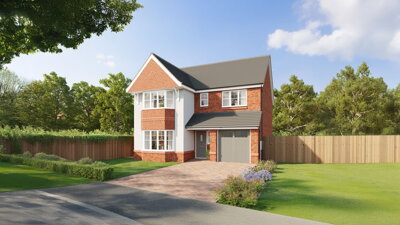
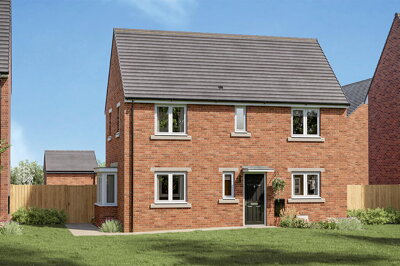
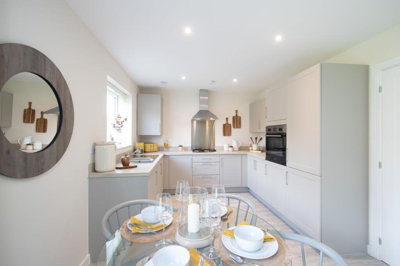
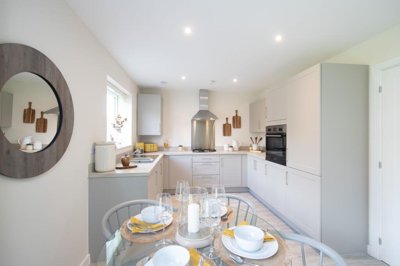
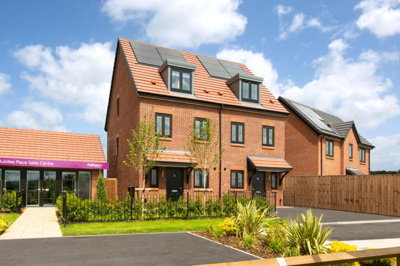
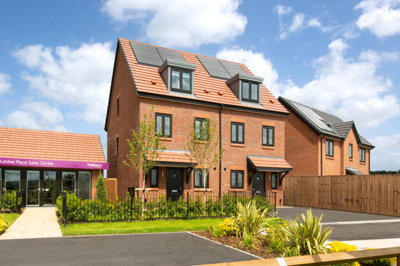
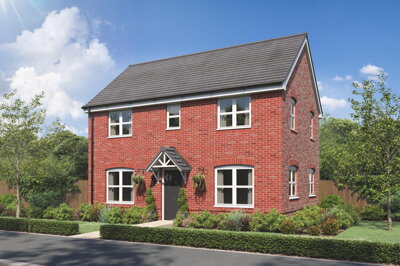
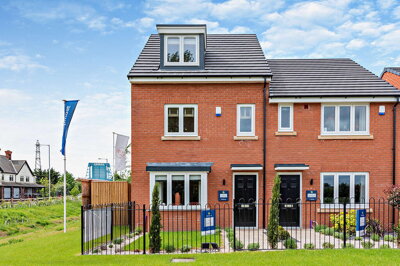
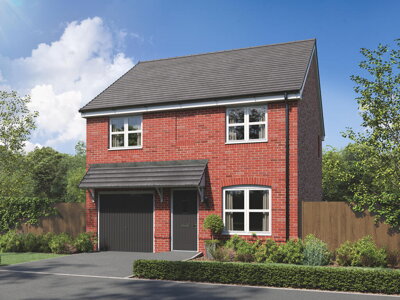
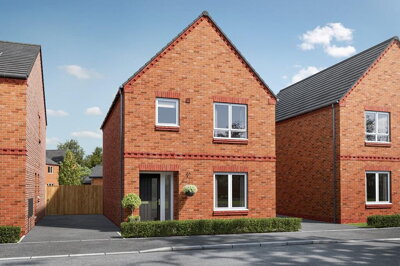
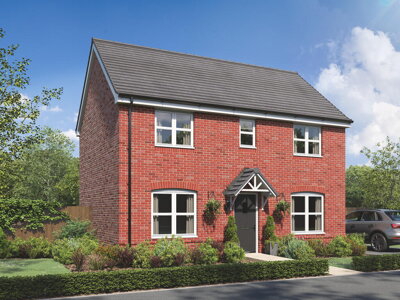
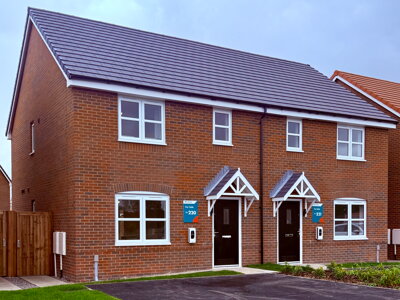
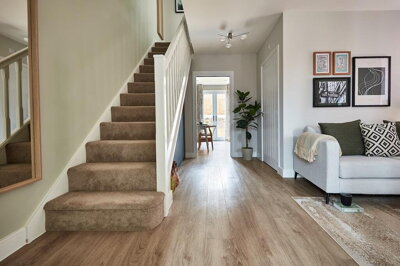
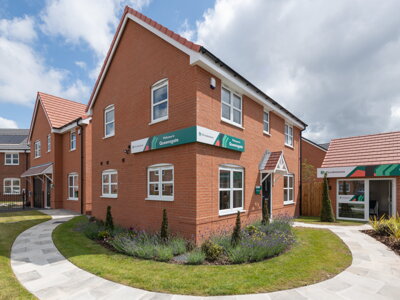
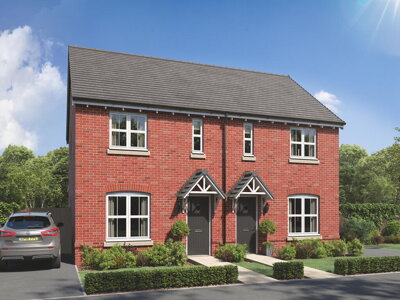
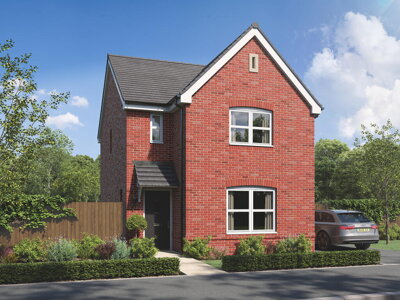
Browse 61 homes new builds in Flintshire, Cymru / Wales from local developer agents.
Three bedroom properties represent a significant portion of the Flintshire housing market, offering space for families with multiple reception rooms and gardens in many cases. Browse detached, semi-detached, and terraced options ranging across new residential developments.
£250k
303
29
92
Source: home.co.uk
Showing 303 results for 3 Bedroom Houses new builds in Flintshire, Cymru / Wales. 29 new listings added this week. The median asking price is £249,900.
Source: home.co.uk
Semi-Detached
140 listings
Avg £218,748
Detached
134 listings
Avg £313,039
Terraced
29 listings
Avg £202,463
Source: home.co.uk
Source: home.co.uk
The Flintshire property market demonstrates steady growth and resilience, with the overall average house price reaching £214,000 in December 2025, representing a 0.5% increase over the previous twelve months. Rightmove data shows the overall average sold price stands at £237,697 over the last year, which is 3% up on the previous year and 3% up on the 2022 peak. This consistent performance reflects strong buyer demand and the area's enduring appeal as a place to live and invest. OnTheMarket reports a slightly higher average of £259,000 as of February 2026, with a notable 9.0% rise over the preceding twelve months, indicating accelerating market activity and growing confidence among buyers and sellers alike.
Property prices in Flintshire vary considerably by type, providing options across multiple budget ranges. Detached properties command an average price of £308,000, reflecting the premium associated with larger family homes with private gardens. Semi-detached homes average £191,000 and have shown the strongest price growth at 1.5% annually, making them an attractive option for families seeking space without premium costs. Terraced properties average £156,000, while flats and maisonettes remain the most affordable option at approximately £106,000. The market saw 1,568 property sales in the twelve months to February 2026, though broader county data indicates sales volumes have dropped by around 14.9% compared to previous periods, meaning buyers may find less competition than in previous years.
The housing stock in Flintshire reflects its diverse history, with properties ranging from charming pre-1919 terraces in historic town centres to contemporary new-build developments. Many Victorian and Edwardian properties in towns like Mold and Flint feature traditional construction with solid walls, original sash windows, and period fireplaces that require careful maintenance. Modern developments have expanded the market with new-build homes offering energy-efficient designs, open-plan layouts, and developer warranties. First-time buyers often gravitate toward terraced properties and apartments, while families frequently prioritise semi-detached and detached homes in established residential areas with good school catchment access.

Flintshire offers a distinctive quality of life that combines Welsh cultural identity with practical access to major urban centres. The county encompasses diverse landscapes including the limestone hills of Halkyn Mountain, the fertile coastal plain along the Dee Estuary, and the picturesque Clwydian Range designated as an Area of Outstanding Natural Beauty. Historic market towns such as Mold serve as local hubs for shopping, dining, and community events, while smaller villages maintain their own character through traditional pubs, local shops, and community facilities. The area's geology reflects its industrial heritage, with Carboniferous Limestone prominent in elevated areas and Coal Measures deposits in eastern districts, though modern Flintshire has largely moved beyond its mining past.
The local economy provides diverse employment opportunities that reduce reliance on any single sector. Airbus operates a major facility in Broughton, employing thousands in aerospace manufacturing and engineering roles. The retail sector, public services including healthcare and education, and tourism also contribute significantly to employment. Average private rents in Flintshire reached £770 per month in January 2026, representing a 4.3% increase from the previous year, which indicates strong rental demand and makes buy-to-let investments potentially attractive. Many residents commute to Chester for work, taking advantage of the excellent transport links while enjoying lower property prices than across the border in England. The proximity to Liverpool and Manchester airport expands options for both domestic and international travel.
The county's communities each offer distinct character for different lifestyles. Mold provides a bustling town centre with independent shops along the High Street, regular markets, and the acclaimed Theatre Clwyd. Flint focuses around its historic castle and waterfront, offering more affordable housing options. Holywell sits at the foot of the St. Werburgh's Chapel pilgrimage route and provides excellent access to the coast. Connah's Quay serves as the largest town with extensive local amenities, while smaller villages like Caerwys, Holywell, and Bettisfield offer village life with traditional pubs and community spirit. Greenfield Valley Heritage Park offers a reminder of the area's industrial past, now transformed into an attractive heritage attraction with walking trails connecting historic sites.
Flintshire maintains a strong network of primary and secondary schools serving communities throughout the county. Parents researching properties will find a mix of community schools and faith schools, with several institutions consistently receiving positive assessments from education regulators. Secondary education options include schools with sixth forms providing pathways to higher education and vocational qualifications, while further education colleges in the region offer specialized courses for school leavers and adult learners. The county's proximity to Chester also provides access to additional educational institutions for families willing to travel for specific programs or extracurricular activities that may not be available locally.
Secondary schools in Flintshire include the highly-regarded Alun School in Mold, which serves as a significant draw for families purchasing properties in the surrounding area. St. Richard Gwyn Catholic High School in Flint provides faith-based education, while Holywell High School serves the town's catchment area. Many Flintshire secondary schools have sixth forms offering A-level courses, though some students choose to travel to Chester's grammar schools or further education colleges for specialist subjects. The availability of Welsh-medium secondary education varies across the county, with Glan Afan Comprehensive School and others offering Welsh-language streams for families seeking bilingual education.
Welsh-medium education continues to expand throughout Flintshire, with Ysgol Croes Atti in Holywell, Ysgol Castell Alun in Mold, and Ysgol Llanallgo in the area providing primary education through the medium of Welsh. Parents seeking Welsh-language education for their children should verify current provision and catchment arrangements, as Welsh-medium schools may have specific admission criteria. The Welsh Government supports Welsh-language education as part of its broader language planning objectives, which may influence future school provision and catchment arrangements across the county.
When purchasing property in Flintshire, understanding school catchment areas becomes essential for families with children. School admission policies typically prioritize children living within designated catchment zones, though applications outside these areas may be considered depending on capacity. Properties near highly-rated schools often command premiums and tend to be in strong demand among families, making proximity to good schools both a lifestyle consideration and a factor affecting long-term property values. Prospective buyers should verify current school performance data and admission policies, as these can change and may directly impact the suitability of a particular property for family buyers. Researching school websites and performance reports alongside Ofsted assessments provides the most complete picture for informed decision-making.
Transport connectivity ranks among Flintshire's strongest attributes, with excellent road and rail links connecting residents to major employment centres across North West England and beyond. The A55 expressway runs through the county, providing fast access to Chester, Liverpool, and the wider motorway network linking to Manchester, Birmingham, and beyond. The A494 provides direct access to Mold and the Dee Valley, while the A548 connects coastal communities along the Dee Estuary. These major routes interchange at various points, creating a comprehensive road network that serves both local journeys and longer-distance travel efficiently.
Rail services operate from several stations throughout Flintshire, offering convenient connections for commuters. Flint railway station provides regular services to Chester and Liverpool Lime Street via the Merseyrail network, while Shotton offers interchange between the Wales and West England and Merseyrail services. Holywell station connects to the Bidston line, and Buckley station serves the northern parts of the county. Chester railway station serves as a major hub with Virgin Trains services to London Euston, CrossCountry services to Birmingham and the South West, and Northern services to Manchester and Liverpool. Direct trains from Chester reach London in approximately two hours, making day commuting to the capital feasible for some residents.
Local bus services provided by Arriva Wales and other operators connect towns and villages throughout Flintshire, though service frequencies vary significantly depending on the route. Rural routes serving smaller communities typically operate less frequently, often with limited evening and weekend services, while routes connecting major towns like Mold, Flint, and Holywell with Chester operate more regularly throughout the day. Transport for Wales has invested in improving services across North Wales, with plans for enhanced connectivity between communities. Daily commuting to Chester remains popular, with many residents benefiting from the approximately thirty-minute journey time by train or car during off-peak hours, though peak-time congestion can extend travel times considerably.
Parking availability requires careful consideration when evaluating properties in different parts of Flintshire. Town centre properties in Mold and Flint often benefit from proximity to shops and amenities but may offer limited parking, with some terraced properties lacking off-street parking altogether. Suburban streets near town centres sometimes feature permit parking schemes that restrict non-residents. Newer developments typically incorporate allocated parking spaces, while rural properties generally offer generous off-street parking and garaging. Cycling infrastructure has improved in recent years, with designated routes connecting some communities, though the hilly terrain in certain areas, particularly around Halkyn Mountain and the Clwydian Range, may limit cycling suitability for some commuters.
Explore our listings to understand available properties, price ranges, and neighbourhood characteristics across Flintshire's towns and villages. Consider factors like commute times, school catchments, and local amenities when identifying areas that match your priorities. Set up property alerts to receive notifications when new listings matching your criteria enter the market.
Contact lenders or mortgage brokers to obtain an Agreement in Principle before viewing properties. This demonstrates your financial credibility to sellers and estate agents, strengthening your position when making offers in what can be a competitive market. Flintshire's average property prices of around £214,000 mean many buyers can access competitive mortgage deals with smaller deposits than required in neighbouring English counties.
Schedule viewings of shortlisted properties, ideally at different times of day to assess traffic, noise levels, and community atmosphere. Take notes and photographs to help compare properties objectively after initial enthusiasm fades. Consider viewing properties in various conditions, including those requiring some renovation, as these may offer value in Flintshire's diverse housing stock.
Once your offer is accepted, instruct a RICS Level 2 Survey to assess the property's condition and identify any defects requiring attention. Given Flintshire's mix of older properties and mining heritage, a thorough survey is particularly valuable for identifying structural concerns, damp issues common in traditional properties, and any signs of ground movement that may require specialist investigation.
Choose a solicitor experienced in Welsh property transactions to handle legal work including searches, contracts, and registration. Local knowledge of Flintshire-specific issues like mining records, flood risk assessments for properties near the River Dee, and conservation area requirements proves valuable during the conveyancing process. Request a detailed quote covering all anticipated costs before instructing.
Once all legal requirements are satisfied and financing confirmed, exchange contracts with the seller to commit to the purchase. Completion typically follows within days or weeks, after which you receive keys and take ownership of your new Flintshire home. Ensure buildings insurance is arranged from the completion date and that you have made arrangements for utility transfers and mail redirection.
Several area-specific factors merit careful attention when purchasing property in Flintshire. The county's industrial heritage means certain areas may have historical mining activity underground, which can affect ground stability and require specialist investigation through a mining search. Properties in former mining areas should receive thorough structural surveys to assess foundation conditions and identify any signs of movement or subsidence. The diverse geology including areas with clay deposits means properties may be susceptible to shrink-swell behaviour, particularly affecting foundations and requiring appropriate insurance considerations.
Our inspectors frequently encounter damp issues in Flintshire's traditional properties, particularly those built before the 1970s with solid walls and limited modern insulation. Rising damp affects many period properties where original lime mortar has been replaced with cement, trapping moisture within the walls. Penetrating damp appears in properties where pointing, render, or roofing materials have deteriorated, while condensation issues commonly affect properties with poor ventilation, particularly after installation of replacement windows that reduce natural air movement. A comprehensive survey will assess all forms of damp and recommend appropriate remediation.
Flood risk represents another important consideration across parts of Flintshire. Properties near the River Dee require careful assessment of flood risk, and insurance arrangements should be confirmed before committing to purchase. Coastal areas around the Dee Estuary face tidal flooding potential, while surface water flooding can affect urban areas during periods of heavy rainfall. Buyers should review Environment Agency flood maps and request information about any previous flooding incidents. Properties within Flintshire's conservation areas, particularly those in historic town centres like Mold, Flint, and Holywell, face additional planning controls affecting permitted developments and alterations. These restrictions preserve character but limit certain changes homeowners might otherwise make.
Building materials throughout Flintshire reflect the region's history and geology. Traditional properties may feature local limestone, traditional brick, or rendered walls with slate roofing, while older homes sometimes contain materials like asbestos used in construction before the year 2000. Modern developments typically use contemporary cavity wall construction with various external finishes. When viewing properties, look for signs of damp, particularly in older homes with solid walls and limited insulation, and check the condition of roofing on properties of all ages. Service charges and ground rent provisions affect leasehold properties and should be reviewed carefully before purchase. Our team recommends requesting copies of any buildings insurance claims, maintenance schedules for shared areas, and details of sinking fund contributions when considering leasehold properties.
The average house price in Flintshire was £214,000 as of December 2025 according to ONS and Land Registry data, showing a 0.5% annual increase. Other property portals report slightly higher figures, with Rightmove citing £237,697 and OnTheMarket at £259,000 as of February 2026, representing a 9.0% rise over the last 12 months according to OnTheMarket. Property prices vary significantly by type, with detached homes averaging £308,000, semi-detached at £191,000, terraced properties at £156,000, and flats at approximately £106,000. The semi-detached sector has shown the strongest price growth at 1.5% annually, making these popular choices for families seeking value and space.
Flintshire County Council sets council tax bands for all properties within the county. Bands range from A through H and are based on property valuations, with band A representing the lowest value properties and band H the highest. Prospective buyers can check current council tax bands through the Flintshire County Council website or request this information during the conveyancing process. Band A properties face lower annual charges than band H homes, though actual amounts depend on the specific band assigned. The council publishes annual band charges showing the exact amount payable for each band, and properties can be reassessed if you believe the band is incorrect.
Flintshire offers a range of primary and secondary schools serving communities throughout the county, including highly-regarded options like Alun School in Mold for secondary education and numerous Welsh-medium primary schools. The best school for your family depends on specific requirements, catchment areas, and individual circumstances. Parents should research current Ofsted ratings, examination results, and admission policies for schools in areas they are considering. Secondary options include schools with sixth forms, while further education colleges provide vocational and academic pathways beyond GCSE level. School performance data changes annually, so verifying current information through official sources before purchasing property is essential for families prioritising educational access.
Flintshire benefits from good transport connectivity despite being a predominantly rural county. The A55 expressway runs through the area providing road access to Chester and the North Wales coast, with direct connections to the M56 motorway linking to Manchester. Rail services operate from Flint, Shotton, Holywell, and Buckley stations, connecting to Chester where onward services reach Liverpool, Manchester, and London. Local bus services link towns and villages throughout the county, though frequencies vary by route and time of day. Liverpool John Lennon Airport and Manchester Airport are both accessible within approximately an hour's drive, making international travel highly convenient for Flintshire residents.
Flintshire presents several attractive features for property investors. The average house price of around £214,000 offers accessibility compared to neighbouring regions in England, while consistent price growth indicates a stable market with ongoing demand. Strong rental demand is evidenced by average rents of £770 per month, up 4.3% annually, suggesting solid rental yields are achievable for buy-to-let investors. Employment opportunities in aerospace manufacturing through Airbus at Broughton, proximity to Chester, and ongoing demand from buyers seeking value create conditions supportive of both capital growth and rental yields. Property sales volumes have decreased by around 14.9% compared to previous periods, which may create opportunities for investors prepared to act in a less competitive market.
Welsh Land Transaction Tax applies to property purchases in Wales and uses different thresholds from Stamp Duty Land Tax in England. As of 2024-25, residential property purchases pay 0% on the first £225,000, 6% on £225,000 to £400,000, 7.5% on £400,000 to £750,000, 10% on £750,000 to £1.5 million, and 12% above £1.5 million. For a typical Flintshire property at the average price of £214,000, no Land Transaction Tax would be payable, making property purchase more affordable than in comparable English areas. First-time buyers may qualify for relief paying 0% on the first £225,000 and 5% on the remainder up to £425,000, provided the purchase price does not exceed £500,000. Always verify current thresholds with HMRC or a qualified adviser as these can change.
Older properties in Flintshire may present common issues requiring attention during purchase. Signs of damp affect many traditional properties with solid walls and limited ventilation, particularly those in towns like Mold, Flint, and Holywell where Victorian and Edwardian housing stock is prevalent. Roof conditions should be assessed, especially on properties with original slate roofing where individual slates may have deteriorated or become displaced. Properties in areas with historical mining activity, particularly in eastern districts where Coal Measures deposits exist, may require specialist surveys to assess ground stability and foundation conditions. Electrical and plumbing systems in older homes frequently require updating to meet current standards, with rewiring often needed for properties that have not been modernised for several decades. A RICS Level 2 Survey provides comprehensive assessment of property condition and helps identify issues requiring negotiation with sellers or budgeting for remediation after purchase.
New-build properties are available throughout Flintshire, with major developers including Redrow offering homes with schemes such as Help to Buy Wales and Part Exchange options. Development sites appear regularly across the county, often featuring contemporary designs with energy-efficient specifications, open-plan living spaces, and developer warranties covering structural defects. New-build properties typically command premiums over equivalent older properties, though buyers benefit from modern construction standards, reduced maintenance requirements, and the assurance of a warranty protecting against defects. Properties in new developments may also benefit from improved broadband connectivity and contemporary parking standards compared to some older housing estates. Checking current listings regularly helps identify new development opportunities, as sites often sell quickly upon launch.
From 3.84%
Expert mortgage advice tailored to your Flintshire property purchase. Compare rates from leading lenders.
From £499
Specialist conveyancing solicitors with local knowledge of Flintshire property transactions.
From £400
Thorough property surveys identifying defects in Flintshire homes. Includes detailed reporting.
From £80
Energy Performance Certificate required for all Flintshire property sales.
Understanding the full costs of purchasing property in Flintshire helps buyers budget accurately and avoid unexpected expenses. Welsh Land Transaction Tax replaced Stamp Duty Land Tax in Wales and applies to residential property purchases. The standard residential rates charge 0% on purchases up to £225,000, 6% between £225,000 and £400,000, 7.5% between £400,000 and £750,000, 10% between £750,000 and £1.5 million, and 12% on amounts exceeding £1.5 million. For a typical Flintshire property at the average price of £214,000, no Land Transaction Tax would be payable, though buyers should note that higher value purchases incur significantly more in tax.
First-time buyers purchasing residential property in Wales benefit from increased thresholds, paying 0% on the first £225,000 and 5% on the portion between £225,000 and £425,000, provided the purchase price does not exceed £500,000 and the buyer meets eligibility criteria. This relief reduces purchase costs substantially for qualifying buyers. Beyond tax considerations, buyers should budget for solicitor fees typically ranging from £500 to £1,500 depending on complexity, search fees of approximately £200 to £400, mortgage arrangement fees of £0 to £1,000 depending on the lender, survey costs of £400 to £1,000 or more, and removal expenses. Buildings insurance must be arranged from completion, and mortgage valuation fees may apply depending on the lender.
Additional costs to factor into your budget include land registry fees for registering the transfer of ownership, typically around £150 to £300 depending on the property price. Electronic money transfer fees charged by solicitors for handling large transactions usually amount to £30 to £50. If the property is leasehold, ground rent and service charge arrangements should be reviewed, and Notice of Transfer fees may be payable to the freeholder. Setting aside 3-5% of the property price for additional purchase costs beyond the deposit ensures adequate financial preparation for your Flintshire home purchase. Our team can provide a detailed breakdown of anticipated costs based on your specific circumstances and property type.
Properties New Builds In London

Properties New Builds In Plymouth

Properties New Builds In Liverpool

Properties New Builds In Glasgow

Properties New Builds In Sheffield

Properties New Builds In Edinburgh

Properties New Builds In Coventry

Properties New Builds In Bradford

Properties New Builds In Manchester

Properties New Builds In Birmingham

Properties New Builds In Bristol

Properties New Builds In Oxford

Properties New Builds In Leicester

Properties New Builds In Newcastle

Properties New Builds In Leeds

Properties New Builds In Southampton

Properties New Builds In Cardiff

Properties New Builds In Nottingham

Properties New Builds In Norwich

Properties New Builds In Brighton

Properties New Builds In Derby

Properties New Builds In Portsmouth

Properties New Builds In Northampton

Properties New Builds In Milton Keynes

Properties New Builds In Bournemouth

Properties New Builds In Bolton

Properties New Builds In Swansea

Properties New Builds In Swindon

Properties New Builds In Peterborough

Properties New Builds In Wolverhampton

Enter your details to see if this property is within your budget.
Loans, cards, car finance
Estimated property budget
Borrowing + deposit
You could borrow between
Typical borrowing
Monthly repayment
Est. at 4.5%
Loan-to-value
This is an estimate only. Your actual budget may vary depending on interest rates, credit history, and personal circumstances. For an accurate affordability assessment, speak to one of our free mortgage advisors.
This calculator provides estimates for illustrative purposes only and does not constitute financial advice. Your home may be repossessed if you do not keep up repayments on your mortgage. Estimates based on 4.5% interest rate, repayment mortgage. Actual rates depend on your circumstances.
Homemove is a trading name of HM Haus Group Ltd (Company No. 13873779, registered in England & Wales). Homemove Mortgages Ltd (Company No. 15947693) is an Appointed Representative of TMG Direct Limited, trading as TMG Mortgage Network, which is authorised and regulated by the Financial Conduct Authority (FRN 786245). Homemove Mortgages Ltd is entered on the FCA Register as an Appointed Representative (FRN 1022429). You can check registrations at NewRegister or by calling 0800 111 6768.

We use cookies to show you personalised content and improve your experience of our website. Find out more in our Privacy policy and Cookie policy.