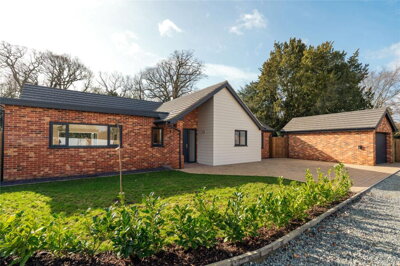
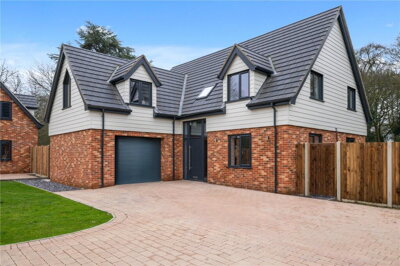
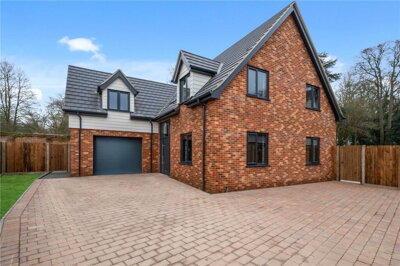
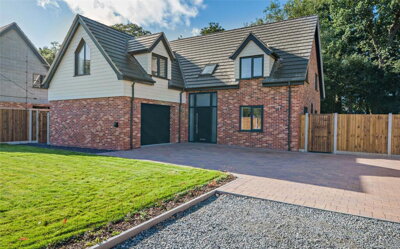
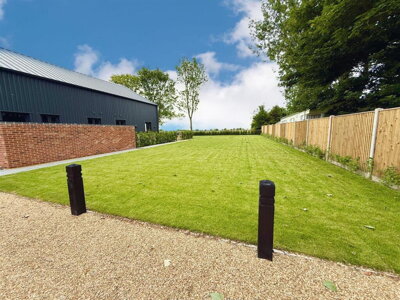
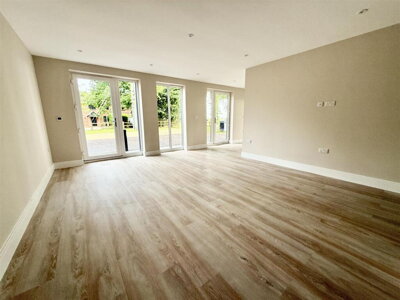
Browse 6 homes new builds in Fleggburgh, Great Yarmouth from local developer agents.
£345k
10
1
120
Source: home.co.uk
Source: home.co.uk
Detached
4 listings
Avg £598,750
Semi-Detached
2 listings
Avg £360,000
Detached Bungalow
1 listings
Avg £300,000
End of Terrace
1 listings
Avg £240,000
Park Home
1 listings
Avg £100,000
Terraced
1 listings
Avg £190,000
Source: home.co.uk
Source: home.co.uk
The Hartington Upper Quarter property market presents a diverse range of property types to suit different buyer requirements and budgets. Sales data from the past year reveals that detached properties dominate the market, commanding an average price of £552,143 in Hartington Town Quarter, with terraced properties averaging £305,833 and semi-detached homes reaching £323,125. The broader Hartington area shows similar patterns, with detached properties averaging £750,000 and semi-detached properties around £470,000. This variety means that whether you are a first-time buyer seeking a modest cottage or someone looking for a substantial country estate, you will find suitable options within this parish.
Recent market activity shows that prices in Hartington Town Quarter have experienced a correction of approximately 12% compared to the previous year and stand 20% below the 2023 peak of £508,676. Similar trends are evident across the wider Hartington area, where sold prices are 13% down year-on-year and 17% below the 2022 peak of £617,765. Over the past decade, approximately 228 properties have changed hands in the combined Hartington and Taddington area, indicating steady but measured transaction volumes in this desirable location. For buyers, this market adjustment may present opportunities to secure properties at more realistic valuations compared to the peak years.
New build activity in Hartington includes developments such as Peakland Grange on Stonewell Lane, which offers modern terraced houses priced from £211,250 for a two-bedroom property up to £237,250 for a three-bedroom home. At the premium end of the market, a newly constructed five-bedroom detached home in Hartington is listed at £1,750,000, providing discerning buyers with contemporary accommodation within a traditional setting. The mix of historic properties and select new developments ensures that the Hartington Upper Quarter property market caters to varied tastes and requirements.

Understanding the local building traditions is essential when evaluating properties in Hartington Upper Quarter, where the housing stock predominantly dates from the 18th and 19th centuries. Early buildings in the area were constructed using timber or limestone rubble with thatched roofs, reflecting the resources readily available in the limestone uplands of the Peak District. From the 1600s onwards, local limestone and gritstone became the dominant building materials, with thatch gradually replaced by stone slate as roofing technology evolved. This transition in materials is visible throughout the village, with older thatched cottages alongside later properties featuring stone slate or Staffordshire Blue clay tiles.
Cottages in Hartington Upper Quarter typically feature pebbledashed stone walls with painted stone dressings, gritstone quoins at corners, and slate roofs that require specific maintenance approaches. Barns and agricultural outbuildings across the parish showcase limestone walls with gritstone dressings, quoins, and stone slate roofing that has stood for generations. St Giles' Church, dating from the 13th century and constructed from sandstone, limestone, and gritstone with lead roofs, represents the finest example of local building traditions in the area. These traditional construction methods create properties of significant character but require ongoing maintenance using appropriate techniques and materials.
The traditional lime-based mortars used in historic properties allow buildings to breathe and move naturally with seasonal temperature and moisture changes. Modern cement-based mortars and renders can cause significant damage to historic structures by trapping moisture within the walls, leading to deterioration of stonework and timber elements. Prospective buyers should investigate what maintenance has been carried out on any period property, as inappropriate modern materials may indicate deeper issues requiring remediation. Buildings insurance for historic properties may require specialist providers who understand the unique characteristics of traditional construction.
Hartington Upper Quarter sits within the limestone uplands of the Peak District, an area of outstanding natural beauty that draws visitors from across the country throughout the year. The parish encompasses traditional stone cottages, elegant Georgian properties, and working farms that have shaped the landscape for centuries. Buildings in the village centre predominantly date from the 18th and 19th centuries, constructed from locally quarried limestone and gritstone that give the settlement its distinctive warm, honey-coloured appearance. The gradual evolution of building materials from early timber and thatch to limestone construction and later stone slate and Staffordshire Blue tiles tells the story of local building traditions spanning several centuries.
The village centre, centred around the historic Market Place, offers a range of local amenities including a post office, village shop, and traditional public houses where residents gather for community events and seasonal celebrations. St Giles' Church, dating from the 13th century and constructed from sandstone, limestone, and gritstone with lead roofs, stands as the area's long history and architectural heritage. The parish contains 39 listed buildings on the National Heritage List for England, including one Grade II* building and 38 Grade II structures. These protected properties include historic houses, cottages, farmhouses, hotels, a bridge, mileposts, and a war memorial, ensuring that the architectural character of Hartington Upper Quarter remains preserved for future generations.
Life in Hartington Upper Quarter revolves around outdoor pursuits and appreciation of the natural environment. The surrounding moorland and countryside offer extensive walking, cycling, and riding opportunities, with trails catering to all abilities from gentle riverside walks to challenging high-level routes across the Peaks. The River Dove flows through the valley below the village, providing scenic picnic spots and fishing opportunities. Community life is further enriched by local events, seasonal festivals, and the warm hospitality that characterises Derbyshire villages. The population of around 1,250 residents across approximately 175 dwellings creates an intimate community atmosphere while maintaining excellent connections to larger towns and cities when required.

Families considering a move to Hartington Upper Quarter will find educational options within reasonable travelling distance of the village. Primary education is served by local village schools in the surrounding area, with many small rural primaries providing excellent early years education in a nurturing environment. These schools benefit from smaller class sizes that allow teachers to provide individual attention and support for each child. St Giles' Church of England Primary School in Hartington itself serves the local community, providing education for children from Reception through to Year 6. For families seeking faith-based education, nearby towns offer both primary and secondary schools with religious affiliations, providing additional choice for parents with specific educational values.
Secondary education options in the surrounding area include schools in Bakewell, Buxton, and Chapel-en-le-Frith, all of which serve the Hartington Upper Quarter catchment area. The total journey time from Hartington to these schools will typically involve travel on country roads, so families should factor in transportation arrangements when considering secondary school options. Schools in these market towns offer comprehensive curricula, a range of extracurricular activities, and strong pastoral care systems. For families seeking grammar school provision, selective schools in nearby towns provide pathways for academically gifted students, with competitive entry processes that attract motivated learners from across the region. Parents are advised to check current catchment areas and admission policies, as these can change and may influence school allocation for their children.
Post-16 education opportunities are available at secondary school sixth forms and further education colleges in surrounding towns, offering A-level programmes, vocational qualifications, and apprenticeships. Young people from Hartington Upper Quarter can access a broad range of academic and vocational pathways without necessarily having to travel to major urban centres. For families prioritising educational provision, viewing the current school performance data, Ofsted reports, and admission arrangements should form an essential part of the property search process, ensuring that children can access suitable schooling from the new home.
Transport connections from Hartington Upper Quarter provide reasonable accessibility to the surrounding region despite its rural location within the Peak District National Park. The village sits within easy reach of major road routes, with the A515 providing connections to Derby, Staffordshire, and the wider motorway network via the A50 and M6 corridor. Travel to Chesterfield, Sheffield, and Manchester is achievable by car, though journey times reflect the winding country roads that characterise the Peak District approach routes. The distance to Sheffield city centre is approximately 25 miles, while Manchester can be reached in around 45 minutes to an hour depending on traffic conditions. For residents who need to commute to major employment centres, planning journeys during off-peak hours can significantly reduce travel times.
Public transport options include bus services connecting Hartington with nearby towns and villages, providing essential links for those without access to private vehicles. The 442 bus service operates routes connecting Hartington with Bakewell, providing access to this historic market town and its facilities. The nearest railway stations are located in Buxton, which offers direct connections to Manchester and Sheffield via the Hope Valley line, and further stations in Derby and Chesterfield providing access to the national rail network. Buxton station is approximately 12 miles from Hartington, requiring a drive or connecting bus to reach. For regular commuters, the availability of parking at railway stations and the timing of bus services are practical considerations when evaluating transport options from a potential new home in Hartington Upper Quarter.
Local road conditions throughout Hartington Upper Quarter and the surrounding Peak District are generally well maintained, though visitors and residents should be prepared for single-track lanes, sharp bends, and occasional livestock on roads in more rural sections. Road maintenance within the National Park is coordinated by Derbyshire County Council, with ongoing investment in keeping these scenic routes accessible throughout the year. The minor roads connecting to surrounding villages can be narrow in places, and winter conditions may require additional travel time due to potential ice and snow on elevated routes. For cycling enthusiasts, the Peak District offers excellent routes ranging from flat canal paths to challenging hill climbs, with Hartington serving as a popular starting point for both recreational and serious cyclists exploring the region.
Begin by exploring current listings on Homemove and understanding price trends in Hartington Upper Quarter. The current market shows properties averaging around £366,808, with prices having corrected 12% from recent peaks. Understanding local property types, from limestone cottages to detached country houses, helps you focus your search effectively. Take time to explore different neighbourhoods within the parish and understand which areas offer the character and amenities that matter most to you and your household.
Once you have identified properties of interest, schedule viewings with the listed estate agents. Viewing properties at different times of day and in various weather conditions gives you a complete picture of how a property and its surroundings feel throughout the year. Pay attention to the condition of external stonework, roof coverings, and boundary walls during viewings, as these elements are particularly important for traditional Peak District properties. Take photographs and notes to help compare properties after your visits.
Before making an offer, secure a mortgage agreement in principle from a lender. This demonstrates to sellers that you have financing in place and strengthens your position when negotiating on what is often a competitive property in desirable Peak District locations. Speak to a mortgage broker who understands the rural property market, as some lenders have specific criteria for properties in National Parks or with non-standard construction. Having your finances organised before you bid gives you a significant advantage in negotiations.
Before completing your purchase, arrange for a RICS Level 2 or Level 3 survey to assess the condition of the property. Given the age of many properties in Hartington Upper Quarter, with buildings dating from the 18th and 19th centuries, a thorough survey is particularly important to identify any structural or maintenance issues. Our team can connect you with qualified surveyors who understand traditional limestone construction and the specific challenges of maintaining period properties in the Peak District.
Appoint a solicitor experienced in Peak District property transactions to handle the legal aspects of your purchase. They will conduct searches, review contracts, and coordinate with the Land Registry to ensure a smooth transfer of ownership. Searches should include the Derbyshire County Council records, Peak District National Park planning authority checks, and potentially environmental searches given the rural location. A solicitor familiar with National Park properties can advise on any planning restrictions that may affect your use or future development plans for the property.
Once all searches are satisfactory and financing is confirmed, you will exchange contracts and pay your deposit. Completion typically follows within days or weeks, after which you will receive the keys to your new home in Hartington Upper Quarter. Ensure you have arranged buildings insurance from the completion date, as this is typically a condition of mortgage offers. Factor in time for setting up utility accounts, redirecting mail, and familiarising yourself with local services and amenities in your new community.
Purchasing property in Hartington Upper Quarter requires careful consideration of several factors specific to this historic Peak District location. Properties within the Peak District National Park are subject to planning restrictions designed to preserve the natural beauty and character of the area. These restrictions may limit extensions, alterations, and changes of use, so prospective buyers should familiarise themselves with National Park planning policies before committing to a purchase. Consulting with Derbyshire Dales District Council and the Peak District National Park Authority provides clarity on what may be permitted. Any plans for extending or altering a property should be discussed with the planning authority before purchase, as consents can be difficult to obtain for certain types of work.
The age of much of the housing stock in Hartington Upper Quarter means that many properties will have features requiring ongoing maintenance and repair. Traditional construction methods using limestone, gritstone, and traditional lime-based mortars require specific knowledge to maintain properly. Buyers should investigate the condition of roofs, walls, and foundations, paying particular attention to any signs of settlement or water penetration. Properties with thatch or stone slate roofs may require specialist tradespeople for repairs, which can affect future maintenance costs. A thorough building survey will identify any areas of concern, but buyers should also ask vendors about recent maintenance work and any known issues with the property.
Flood risk should be investigated for any property in the valley areas, even though specific flood data for Hartington Upper Quarter was not identified in available research. Properties near watercourses or in low-lying areas warrant additional investigation, including reviewing the Environment Agency flood maps and considering the potential impact of climate change on future flood risk. Buildings insurance costs can be higher in areas with perceived flood risk, so factoring these ongoing costs into your budget is sensible planning. The River Dove runs through the valley below Hartington, and properties in close proximity to watercourses should be subject to careful investigation before purchase.
Many properties in Hartington Upper Quarter will be freehold houses, though any flats or properties on private estates may have leasehold or share-of-freehold arrangements that require careful review. Service charges, ground rent, and the terms of any lease should be examined by your solicitor to ensure they are reasonable and that the lease length remaining is sufficient. For cottages and houses, boundary responsibilities and any shared access arrangements should be clearly established before purchase. The age of properties means that shared boundaries, rights of way, and access arrangements may not always be well documented, so thorough legal enquiries are essential.
The average asking price for properties near Hartington Upper Quarter is approximately £366,808, according to current market data. In Hartington Town Quarter specifically, the average house price over the past year was £405,972, with detached properties averaging £552,143, terraced properties £305,833, and semi-detached properties £323,125. Recent market trends show prices have decreased by around 12% from the previous year and 20% from the 2023 peak of £508,676, presenting potential buying opportunities in this Peak District location. The broader Hartington area shows an overall average sold price of £511,667, with detached properties averaging £750,000, indicating the premium commanded by larger family homes in this sought-after area.
Properties in Hartington Upper Quarter fall within the Derbyshire Dales district council area, which covers the Peak District National Park portion of Derbyshire. Council tax bands range from A to H depending on the property value, with most traditional cottages and period properties typically falling in bands B to D. A typical two-bedroom limestone cottage in the village would likely fall within bands A to C, while larger detached family homes could be in bands E to G. Prospective buyers should check specific properties on the Valuation Office Agency website to confirm the exact band before purchase, as this affects annual running costs and can range from around £1,400 to over £3,000 per year depending on the band.
Primary education is provided through local village schools in the surrounding area, with St Giles' Church of England Primary School serving the immediate Hartington community. These schools offer excellent small-class education with individual attention for each child. Secondary schools in nearby towns including Bakewell, Buxton, and Chapel-en-le-Frith serve the Hartington Upper Quarter catchment area. Parents should verify current admission arrangements, check recent Ofsted reports, and confirm catchment area boundaries, as these can influence school allocations for families moving to the area. Schools in nearby market towns typically offer good GCSE and A-level results, with strong extracurricular programmes in sports and the arts.
Hartington Upper Quarter is served by local bus routes including the 442 service connecting to Bakewell, providing essential access for those without vehicles. The nearest railway stations are in Buxton, offering connections to Manchester and Sheffield via the Hope Valley line, with further stations in Derby and Chesterfield providing access to the national rail network. For commuters to major cities, planning ahead and checking timetables is recommended given the rural nature of public transport in the Peak District. The drive to Buxton station takes approximately 25 minutes, making rail commuting feasible for those working in Greater Manchester or South Yorkshire.
Hartington Upper Quarter benefits from its location within the Peak District National Park, which inherently limits supply of new housing while maintaining strong demand from buyers seeking rural character and natural beauty. Property values have shown resilience over time, though recent price corrections of 12-13% reflect broader market conditions. The combination of limited supply, strong demand from buyers seeking village and rural properties, and the enduring appeal of the Peak District suggests that property in this area can make a sound investment for both lifestyle buyers and those seeking holiday let opportunities. National Park restrictions on development help protect property values by maintaining the character and environment that makes the area desirable.
For standard purchases in England, stamp duty land tax is charged at 0% on the first £250,000 of the purchase price, 5% on the portion from £250,001 to £925,000, 10% on £925,001 to £1,500,000, and 12% above £1,500,000. First-time buyers benefit from relief on the first £425,000, with 5% charged between £425,001 and £625,000. For a typical property in Hartington Upper Quarter averaging £366,808, most buyers would pay no stamp duty under current thresholds, though higher-value properties will attract charges at the appropriate rates. A £750,000 detached property would attract stamp duty of £23,750 for a non-first-time buyer, while a £1,750,000 premium home would incur £123,750 in stamp duty.
From 4.5%
Find competitive mortgage rates for your Hartington Upper Quarter purchase
From £499
Expert solicitors for your Peak District property transaction
From £350
Condition report suitable for most properties
From £600
Comprehensive building survey for period properties
Understanding the full costs of purchasing property in Hartington Upper Quarter helps you budget accurately and avoid unexpected expenses. Beyond the property price, buyers should budget for stamp duty land tax, solicitor fees, survey costs, and moving expenses. For a property priced at the current average of £366,808, most buyers would not pay any stamp duty under the standard threshold, though this depends on whether you qualify as a first-time buyer and your existing property portfolio. Higher-priced properties in this area, particularly the substantial detached homes and country estates, will attract stamp duty charges that need to be factored into your financial planning. Use our stamp duty calculator to estimate your specific liability based on property price and buyer status.
Solicitors and conveyancers in Derbyshire typically charge between £499 and £1,500 for handling a residential purchase, with costs varying based on the complexity of the transaction and property value. Given that many properties in Hartington Upper Quarter are historic buildings, additional searches related to flooding, mining history, and National Park planning may be required, which can add to overall legal costs. Disbursements such as Land Registry fees, search fees, and bankruptcy checks are typically charged separately and can add several hundred pounds to the total. For properties in the Peak District, environmental searches may also be advisable given the rural location and proximity to watercourses.
Property surveys are essential when purchasing in Hartington Upper Quarter, particularly for older properties with traditional construction. A RICS Level 2 HomeBuyer Report costs from around £350 and provides a condition assessment suitable for most modern properties. For the historic cottages and period houses that characterise this village, a RICS Level 3 Building Survey from £600 is recommended, as this provides a thorough inspection of the structure, identifies defects, and offers guidance on repairs and maintenance. Given the limestone construction and age of many local properties, this investment in a comprehensive survey can save significant money and stress in the long term by identifying issues before completion.
Additional costs to budget for include mortgage arrangement fees, which vary by lender but typically range from nothing to around £2,000, moving costs, and potential immediate repairs or renovations. Buildings insurance should be arranged from the point of completion, and contents insurance is also advisable. For buyers purchasing with a mortgage, valuation fees may be required by the lender, though these are often incorporated into the overall deal rather than charged separately. First-time buyers should also factor in Land Transaction Tax if purchasing in Wales, though this does not apply in Derbyshire.
Properties New Builds In London

Properties New Builds In Plymouth

Properties New Builds In Liverpool

Properties New Builds In Glasgow

Properties New Builds In Sheffield

Properties New Builds In Edinburgh

Properties New Builds In Coventry

Properties New Builds In Bradford

Properties New Builds In Manchester

Properties New Builds In Birmingham

Properties New Builds In Bristol

Properties New Builds In Oxford

Properties New Builds In Leicester

Properties New Builds In Newcastle

Properties New Builds In Leeds

Properties New Builds In Southampton

Properties New Builds In Cardiff

Properties New Builds In Nottingham

Properties New Builds In Norwich

Properties New Builds In Brighton

Properties New Builds In Derby

Properties New Builds In Portsmouth

Properties New Builds In Northampton

Properties New Builds In Milton Keynes

Properties New Builds In Bournemouth

Properties New Builds In Bolton

Properties New Builds In Swansea

Properties New Builds In Swindon

Properties New Builds In Peterborough

Properties New Builds In Wolverhampton

Enter your details to see if this property is within your budget.
Loans, cards, car finance
Estimated property budget
Borrowing + deposit
You could borrow between
Typical borrowing
Monthly repayment
Est. at 4.5%
Loan-to-value
This is an estimate only. Your actual budget may vary depending on interest rates, credit history, and personal circumstances. For an accurate affordability assessment, speak to one of our free mortgage advisors.
This calculator provides estimates for illustrative purposes only and does not constitute financial advice. Your home may be repossessed if you do not keep up repayments on your mortgage. Estimates based on 4.5% interest rate, repayment mortgage. Actual rates depend on your circumstances.
Homemove is a trading name of HM Haus Group Ltd (Company No. 13873779, registered in England & Wales). Homemove Mortgages Ltd (Company No. 15947693) is an Appointed Representative of TMG Direct Limited, trading as TMG Mortgage Network, which is authorised and regulated by the Financial Conduct Authority (FRN 786245). Homemove Mortgages Ltd is entered on the FCA Register as an Appointed Representative (FRN 1022429). You can check registrations at NewRegister or by calling 0800 111 6768.

We use cookies to show you personalised content and improve your experience of our website. Find out more in our Privacy policy and Cookie policy.