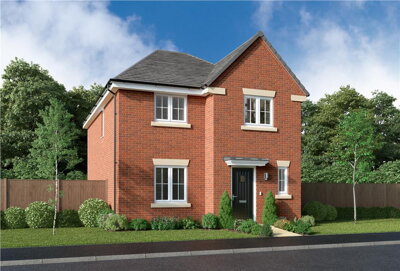
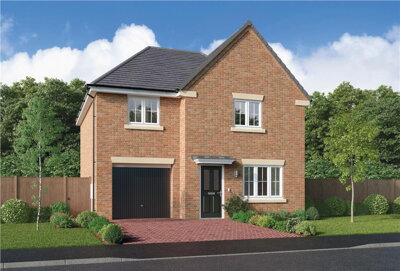
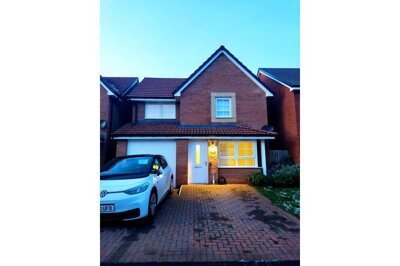
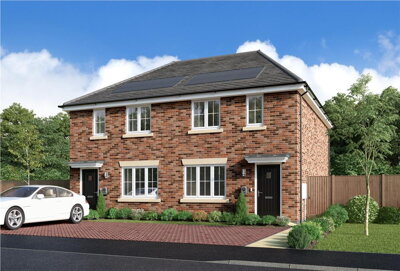
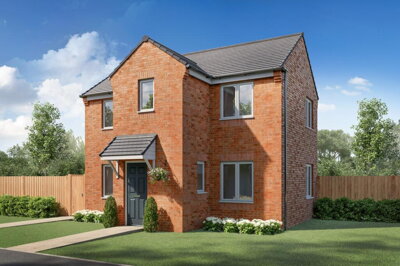
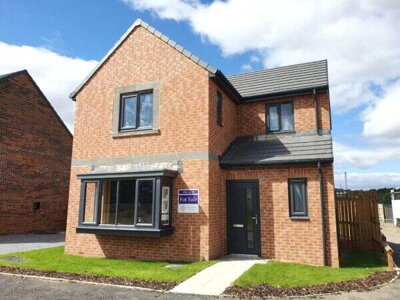
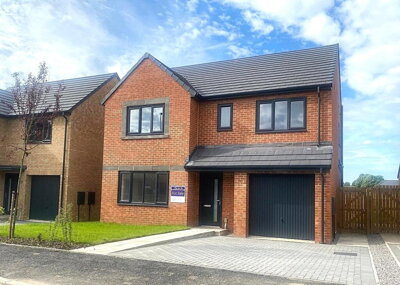
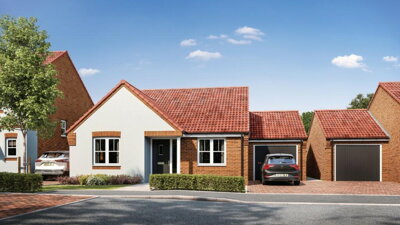
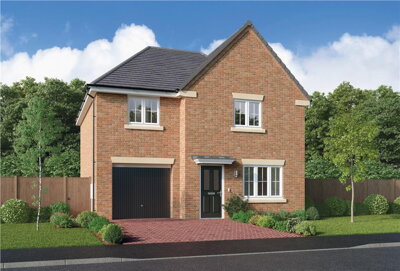
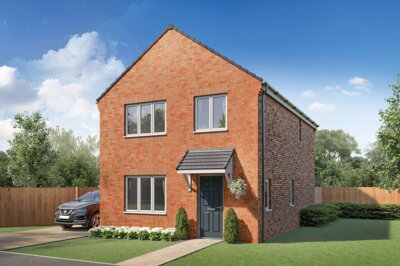
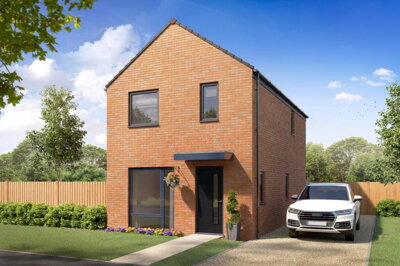
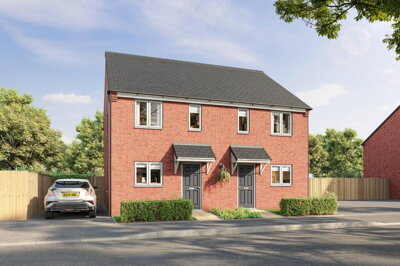
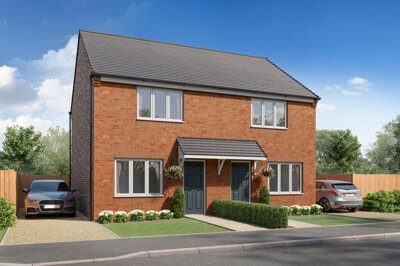
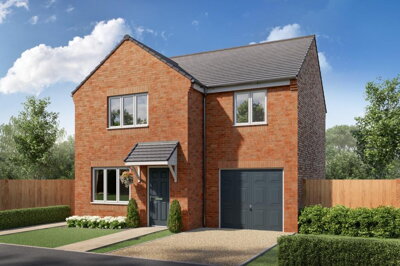
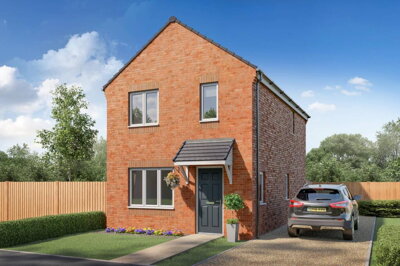
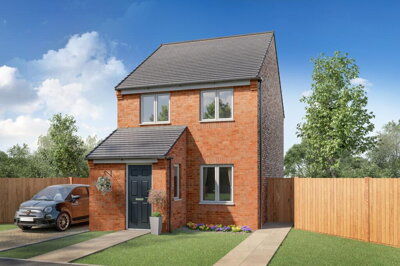
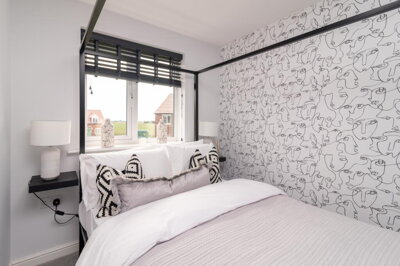
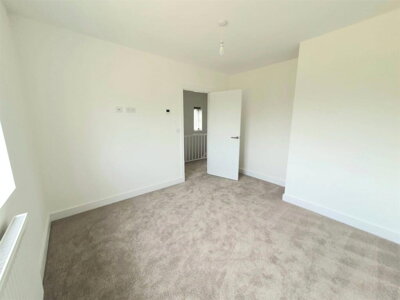
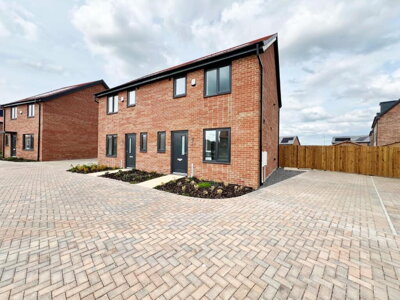
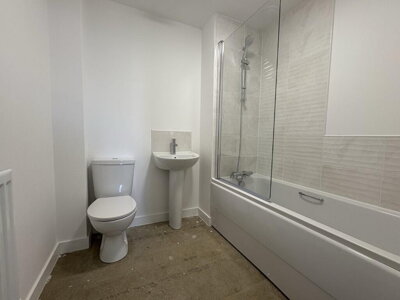
Browse 21 homes new builds in Ferryhill, County Durham from local developer agents.
£125k
62
1
136
Source: home.co.uk
Source: home.co.uk
Terraced
23 listings
Avg £67,226
Detached
14 listings
Avg £227,348
Semi-Detached
9 listings
Avg £131,204
Detached Bungalow
6 listings
Avg £180,975
End of Terrace
3 listings
Avg £105,000
Semi-Detached Bungalow
3 listings
Avg £123,300
Bungalow
1 listings
Avg £154,950
House
1 listings
Avg £105,000
Terraced Bungalow
1 listings
Avg £67,000
detached
1 listings
Avg £224,999
Source: home.co.uk
Source: home.co.uk
The Ambleston property market reflects the character of this small rural community, with just 2 property sales recorded in the last 12 months. This limited transaction volume is typical of village markets across rural Pembrokeshire, where properties change hands infrequently but attract committed buyers seeking the authentic village lifestyle. Our data shows that detached properties command prices around £317,500 on average, while semi-detached homes offer more accessible entry at approximately £225,000. The market has experienced a 10% price decrease over the past year, presenting potential opportunities for buyers who are ready to act in this quieter corner of the Welsh property landscape.
Properties in Ambleston predominantly feature traditional construction methods, with many homes built using local Pembrokeshire stone and topped with natural slate roofs. This building heritage gives the village its distinctive appearance, with whitewashed cottages and robust stone farmhouses standing alongside more modern developments. No active new-build developments exist within the immediate Ambleston postcode area, as new housing construction in rural Pembrokeshire typically consists of individual plots rather than larger estate developments. This scarcity of new supply helps maintain the character of the village and ensures that period properties remain highly prized by buyers seeking authentic Welsh character.
The recent 10% price adjustment in Ambleston reflects broader trends affecting rural property markets across Wales, where buyer demand has softened following the post-pandemic surge. For those with secure finances and a genuine desire to live in rural Pembrokeshire, this shift creates more realistic pricing than the inflation-driven increases seen in previous years. Properties that came to market during the peak of demand have recalibrated to reflect what buyers are willing and able to pay in the current economic climate.
Given the village's small population of 339 residents and limited turnover, buyers should understand that finding the right property may require patience. Properties in Ambleston rarely appear on the open market, and when they do, they tend to attract interest from buyers specifically seeking village life in rural Pembrokeshire. Setting up alerts with local estate agents and being ready to move quickly when suitable properties become available will improve your chances of securing a home in this sought-after village community.

Life in Ambleston revolves around the rhythms of rural Wales, with the village offering a genuine sense of community that is increasingly rare in modern Britain. The village's historic core centres around St Mary's Church, a listed building that has stood the community for centuries. The local economy draws primarily from agriculture, with family farms dotting the surrounding countryside, while tourism contributes significantly to the wider area as visitors explore the Pembrokeshire Coast National Park. Small local businesses and farms provide employment, though many residents commute to larger towns such as Haverfordwest or Fishguard for more diverse career opportunities.
The landscape around Ambleston is shaped by the underlying geology of Ordovician and Silurian sedimentary rocks, including shales, sandstones, and limestones. Glacial deposits have left boulder clay in certain areas, creating the rich agricultural soils that make this part of Pembrokeshire productive farmland. The village sits inland but remains within easy reach of the dramatic coastline that makes Pembrokeshire famous, with sandy beaches and rugged cliff paths accessible within a short drive. This combination of accessible countryside, coastal beauty, and strong community bonds makes Ambleston particularly appealing to families and retirees seeking an escape from urban life.
Community life in Ambleston is supported by a network of local events, village hall activities, and informal gatherings that bring residents together throughout the year. The village hall hosts various functions, from seasonal celebrations to community meetings, providing a focal point for village social life. New residents are typically welcomed into the community, and the small population means that newcomers can quickly establish connections with long-standing residents. This integration process happens naturally in villages like Ambleston, where the sense of belonging comes from participation in daily life rather than formal welcome schemes.
The wider area surrounding Ambleston offers excellent opportunities for outdoor pursuits, with walking, cycling, and horse riding popular among residents and visitors alike. The Preseli Hills, famous for their bluestones used in the construction of Stonehenge, lie to the northeast and provide stunning moorland walking with panoramic views across Pembrokeshire. The coastline, including the sheltered harbour at Goodwick and the beaches around Fishguard and Strumble Head, is within easy reach for day trips and weekend excursions. This access to both countryside and coast gives Ambleston residents the best of rural and coastal Wales within a short distance of home.

Families considering a move to Ambleston will find educational provision centred around smaller rural schools in the surrounding area, with larger secondary schools located in nearby towns. The village's tiny population of 339 residents means that primary education is typically accessed through village schools in neighbouring communities, where class sizes remain small and individual attention for children is excellent. Pembrokeshire has a network of primary schools serving rural communities, and Ambleston falls within the catchment area for these established educational facilities. Parents should research specific school catchments and admission arrangements with Pembrokeshire County Council to ensure alignment with their preferences.
Secondary education options include comprehensive schools in the market towns of Haverfordwest and Fishguard, both within reasonable commuting distance from Ambleston. These towns offer a broader range of educational choices including sixth form provision and further education colleges. For families prioritising academic excellence, researching individual school performance data and Ofsted ratings will help identify the best fit for children's needs. The journey to secondary school involves a bus service across the rural roads, which is standard for village communities in Pembrokeshire. Many families find that the quality of rural schooling and smaller class sizes more than compensate for the travel arrangements required.
Primary schools serving the Ambleston area typically include those in nearby villages, which may be within a few miles of the village itself. These schools often have strong relationships with their local communities and benefit from dedicated teaching staff who know their pupils well. The intimate scale of rural primary education means that children receive focused attention and have opportunities to participate in activities that might not be available in larger urban schools. Parents are encouraged to visit potential schools, meet the headteachers, and observe lessons before making decisions about catchment schools.
Beyond state education, Pembrokeshire offers options for families seeking alternative educational approaches. Independent schools in the wider county provide alternatives for those who wish to explore different curricula or educational philosophies. For families moving from other areas, contacting Pembrokeshire County Council's education department directly will provide the most current information on school capacities, admission policies, and any waitlists that may affect your application. Starting this research early in your property search will ensure that school considerations inform rather than complicate your house purchase.
Getting around Ambleston and the surrounding Pembrokeshire countryside requires access to a car, as is typical for rural Welsh villages. The local road network consists of country lanes connecting Ambleston to nearby villages and the main roads leading to market towns. The A487 trunk road runs through the region, providing access to the county town of Haverfordwest approximately 15 miles away and the port town of Fishguard around 10 miles in the opposite direction. These journeys take between 30 and 40 minutes by car, reflecting the winding nature of rural Pembrokeshire roads. For commuting purposes, this distance is manageable but does mean that daily travel to larger employment centres requires commitment.
Public transport options are limited, with rural bus services operating on reduced timetables that reflect the dispersed population. The nearest railway stations are located in Fishguard and Haverfordwest, offering connections to the broader Welsh rail network. Fishguard provides services connecting to Cardiff and beyond, while the broader Pembrokeshire line offers scenic coastal rail travel. For residents who work in the county town or need to access wider services, the combination of car ownership and occasional public transport use is standard. Cycling is popular for leisure and short local journeys, though the hilly terrain and country roads require appropriate fitness and caution when sharing with larger vehicles.
The A487 trunk road is the main arterial route connecting Ambleston to the wider region, passing through several villages before reaching larger towns. This road can become busy during peak tourist season, when visitors travel to the Pembrokeshire Coast National Park. Planning journeys outside of these peak times can significantly reduce travel times. For those working in Haverfordwest, the route via the A487 and then connecting roads provides access to the town's retail, healthcare, and employment facilities. Fishguard, being closer, offers ferry services to Rosslare in Ireland, making it a useful connection point for those with international travel requirements.
Many Ambleston residents find that remote working has transformed the feasibility of village living for those with office-based or digital jobs. The telecommunications infrastructure in rural Pembrokeshire has improved significantly, with most properties now having access to broadband services suitable for video calls and cloud-based work. This shift means that buyers no longer need to choose between career opportunities and village life, provided their employer supports flexible working arrangements. The peaceful environment and beautiful surroundings provide an attractive backdrop for those who can combine their work with the benefits of rural living.
Properties in Ambleston require careful inspection given their traditional construction and age. The presence of listed buildings in the village means that some properties may be subject to listed building consent requirements, restricting what alterations or improvements owners can undertake. Before purchasing, establish whether your target property carries listed status and understand the implications for future plans. The combination of local stone construction, traditional slate roofing, and solid wall insulation means that properties may require more maintenance than modern equivalents, but this is often offset by the character and durability these materials provide.
The underlying geology of the area presents specific considerations for property buyers. Boulder clay soils can cause shrink-swell movement, particularly during periods of extreme wet or dry weather, and this may affect foundations of nearby trees or poor drainage. A thorough survey will check for signs of subsidence or ground movement. Additionally, Pembrokeshire is identified as an area where radon gas levels can exceed national averages in some properties, so testing for radon should be considered, particularly for properties with basements or limited ventilation. These factors are manageable with appropriate mitigation but should be understood before committing to a purchase.
Given that many Ambleston properties are over 50 years old, common defects that buyers should be aware of include damp issues affecting solid wall constructions, deterioration of slate roofs requiring individual slate replacement or re-pointing of leadwork, and outdated electrical wiring that may not meet current standards. Timber elements, including roof structures and floor joists, can be susceptible to wet rot, dry rot, and woodworm infestation if moisture has penetrated the building fabric over time. Plumbing systems in older properties may also require updating to modern specifications, particularly where lead or galvanized steel pipes remain in use.
Our inspectors frequently identify that properties built before the 1970s often lack the thermal insulation standards expected in modern homes. Solid walls without cavity insulation can result in higher heating costs and potential condensation issues during colder months. When evaluating a property in Ambleston, consider both the character appeal of traditional construction and the practical implications for ongoing maintenance and utility bills. A RICS Level 2 Survey will provide a detailed assessment of the property condition, highlighting any urgent repairs or areas requiring future attention.
When purchasing property in Ambleston, several environmental factors deserve attention beyond the standard property condition assessment. The village's location in rural Pembrokeshire means that certain area-specific environmental considerations apply that buyers in more urban locations would not encounter. Understanding these factors helps ensure that your purchase decision is fully informed and that you are prepared for any mitigation measures or insurance implications that may arise.
Radon gas represents the most significant environmental consideration for property buyers in parts of Pembrokeshire. This naturally occurring radioactive gas is released from uranium in underlying rocks and can accumulate in buildings, particularly those with limited ventilation or below-ground spaces. Natural Resources Wales provides mapping that indicates which parts of Pembrokeshire may have higher radon readings. Testing for radon is relatively straightforward and inexpensive, with mitigation measures such as increased ventilation or radon sumps readily available for affected properties. Any survey conducted on an Ambleston property should note whether radon testing has been carried out and what results were found.
The clay-rich soils underlying parts of the Ambleston area create potential for ground movement that can affect property foundations. During prolonged dry spells or periods of heavy rainfall, clay soils expand and contract, which may cause subsidence or heave damage to buildings, particularly those with shallow foundations or trees nearby drawing moisture from the soil. Signs of such movement include cracking to walls, doors or windows sticking, and uneven floors. A thorough structural survey will assess whether any existing movement has occurred and whether the property foundations are adequate for the local ground conditions.
Flood risk for Ambleston properties primarily relates to surface water and local watercourses rather than river or coastal flooding, given the village's inland position. However, climate change has increased the intensity of rainfall events, meaning that drainage systems can occasionally be overwhelmed, leading to temporary standing water in low-lying areas. Checking with Natural Resources Wales flood maps and reviewing any local drainage records will provide clarity on specific flood risk for your intended property. Standard buildings insurance is generally available for properties in the Ambleston area, though premiums may vary depending on the specific location and any previous flood history.
Start by exploring current listings in Ambleston and comparing prices against the village average of £279,950. Understanding local market conditions, including the recent 10% price adjustment, helps you identify fair value when properties come to market. Given that only 2 sales have occurred in the past year, patience is essential, and setting up alerts with local estate agents will ensure you do not miss new listings when they appear.
Arrange viewings of properties that match your requirements and spend time exploring the village at different times of day. Speak with local residents about the community, check out nearby amenities, and get a feel for what daily life in Ambleston would be like. Visiting at weekends and weekday evenings gives a fuller picture of village life, including traffic levels and the availability of local services.
Speak with a mortgage broker or lender to secure an agreement in principle before making an offer. This strengthens your position as a buyer in a market where competition for village properties can emerge quickly. Having your finances arranged demonstrates to sellers that you are a serious buyer capable of proceeding without delay, which is particularly important when purchasing period properties that may require additional surveys or investigations.
Arrange a homebuyer survey for any property you intend to purchase. Given that many Ambleston properties are likely over 50 years old with traditional stone construction and slate roofs, a thorough survey is essential to identify any structural issues, potential defects, or maintenance requirements. The survey cost, typically between £400 and £800 depending on property size, is a worthwhile investment that can reveal issues hidden beneath the surface and provide negotiating leverage if significant problems are found.
Choose a solicitor experienced in rural Welsh property transactions to handle the legal aspects of your purchase. They will conduct searches, handle contracts, and guide you through the completion process. Local knowledge is valuable for understanding any quirks in title deeds or easements that may affect the property, and experience with period properties helps anticipate potential complications that can arise with older constructions.
Once all searches are satisfactory and financing is confirmed, you will exchange contracts and set a completion date. Your solicitor will arrange the transfer of funds and registration of your ownership with HM Land Registry. At this point, keys are handed over and you become the official owner of your Ambleston home, ready to begin your new life in rural Pembrokeshire.
The average house price in Ambleston is currently £279,950, according to recent market data. Detached properties average £317,500 while semi-detached homes are priced around £225,000. The market has experienced a 10% price decrease over the past 12 months, which has created more accessible entry points for buyers looking to purchase in this rural Pembrokeshire village. With only 2 sales recorded in the last year, properties in Ambleston come to market infrequently, so readiness to act when the right property appears is important for serious buyers.
Properties in Ambleston fall under Pembrokeshire County Council's jurisdiction for council tax purposes. Specific bandings depend on the property's assessed value, with typical homes in rural Pembrokeshire villages ranging from bands A through D. Band A properties are valued up to £44,000 while band D covers properties valued between £88,001 and £120,000. You can verify the exact council tax band for any specific property through the Valuation Office Agency website or by checking the property details when listed. Council tax for the Ambleston area contributes to local services including education, road maintenance, and refuse collection provided by Pembrokeshire County Council.
Ambleston itself is a very small village without its own school, so primary education is accessed through schools in neighbouring communities within Pembrokeshire. Secondary education is provided at comprehensive schools in Haverfordwest and Fishguard, both accessible by bus from Ambleston. Parents should contact Pembrokeshire County Council's education department for the most current information on catchment areas, admissions policies, and school performance data for specific academic years. The rural primary schools serving Ambleston typically have small class sizes, often with mixed-age groups, which many parents find beneficial for their children's learning environment.
Public transport connectivity in Ambleston reflects its rural location, with limited bus services operating on reduced timetables. The nearest railway stations are in Fishguard and Haverfordwest, offering connections to the broader Welsh rail network. Daily commuting to work typically requires car ownership, with Haverfordwest approximately 15 miles away and Fishguard around 10 miles. The A487 trunk road provides the main route connecting the village to these towns and the wider Pembrokeshire road network. Some residents combine car travel with train services for longer journeys to Cardiff or London, using the train stations for occasional rather than daily travel.
Ambleston appeals to buyers seeking the authentic Welsh village lifestyle rather than those prioritising rental yields or rapid capital growth. Property values have shown a 10% adjustment recently, which may present opportunities for longer-term investors who believe in the enduring appeal of rural Pembrokeshire. The lack of new-build development in the area helps protect the character and exclusivity of period properties. The village's small population means rental demand may be limited, so investment decisions should consider the local market dynamics and personal objectives. Any rental activity in the village would likely be short-term holiday lets serving the tourism market rather than long-term residential tenancy, given the proximity to the Pembrokeshire Coast National Park.
Stamp Duty Land Tax applies to property purchases in England and Wales, including Ambleston. Standard rates start at 0% on the first £250,000 of purchase price, then 5% on the portion between £250,001 and £925,000. For a typical Ambleston property at the village average of £279,950, you would pay no stamp duty on the first £250,000 and 5% on the remaining £29,950, totalling approximately £1,498. First-time buyers purchasing properties up to £625,000 may qualify for relief on the first £425,000, effectively reducing or eliminating their SDLT liability.
Yes, Ambleston contains listed buildings including St Mary's Church, and other properties in the village may carry listed status. If a property is listed, any significant alterations, extensions, or even some maintenance works will require listed building consent from Pembrokeshire County Council. This adds complexity to renovation projects but also protects the character of historic properties. Buyers considering a listed property should factor in potential costs for specialist restoration work using appropriate materials and techniques, and should verify the extent of listed status before proceeding with a purchase.
The main risks associated with older properties in Ambleston include structural issues related to traditional construction methods, potential ground movement due to clay soils, and the presence of outdated services such as electrical wiring and plumbing. Properties with solid walls may have higher heating costs and could be more susceptible to damp if ventilation is poor. A comprehensive survey by a qualified RICS surveyor will identify any existing defects and help you understand the true condition of the property before purchase. Additionally, radon testing is advisable given that Pembrokeshire has areas where radon levels can exceed national averages.
From £400
A detailed survey of the property condition, essential for traditional stone and slate-roofed homes in Ambleston
From £550
A comprehensive building survey recommended for older or complex properties, including listed buildings
From £80
Energy Performance Certificate required for all property sales
From 3.5% APR
Competitive mortgage rates for Ambleston property purchases
From £499
Expert legal services for your property purchase in Pembrokeshire
Beyond the property purchase price, buyers need to budget for additional costs including Stamp Duty Land Tax, legal fees, survey costs, and moving expenses. For a property priced at the Ambleston average of £279,950, Stamp Duty Land Tax at standard rates would be approximately £1,498, calculated as 0% on the first £250,000 plus 5% on the remaining £29,950. First-time buyers purchasing residential property up to £625,000 pay no SDLT on the first £425,000, which means a first-time buyer purchasing at this price point would pay nothing in Stamp Duty, provided the property is their sole residence and they have not previously claimed this relief.
Solicitor conveyancing fees for purchasing in Pembrokeshire typically range from £500 to £1,500 depending on the complexity of the transaction and whether the property is freehold or leasehold. Additional legal costs include search fees, which cover local authority searches, drainage and water searches, and environmental searches relevant to the local geology. A RICS Level 2 Survey costs between £400 and £800 for a property in this region, depending on size and value. Given that many Ambleston properties are traditional constructions over 50 years old, this survey is money well spent to identify any structural concerns before commitment. Removal costs, mortgage arrangement fees, and buildings insurance should also be factored into your overall budget when purchasing in this rural Pembrokeshire village.
When calculating your total budget, remember that properties in Ambleston may require maintenance or upgrades that go beyond the purchase price. Older stone properties may need re-pointing, roof repairs, or damp remediation, while outdated heating systems may need replacement within a few years of purchase. Setting aside a contingency fund of around 10-15% of the purchase price for unexpected works is prudent for anyone buying a period property in rural Pembrokeshire. This approach ensures that you can maintain your new home to the standard you require without financial strain.
Properties New Builds In London

Properties New Builds In Plymouth

Properties New Builds In Liverpool

Properties New Builds In Glasgow

Properties New Builds In Sheffield

Properties New Builds In Edinburgh

Properties New Builds In Coventry

Properties New Builds In Bradford

Properties New Builds In Manchester

Properties New Builds In Birmingham

Properties New Builds In Bristol

Properties New Builds In Oxford

Properties New Builds In Leicester

Properties New Builds In Newcastle

Properties New Builds In Leeds

Properties New Builds In Southampton

Properties New Builds In Cardiff

Properties New Builds In Nottingham

Properties New Builds In Norwich

Properties New Builds In Brighton

Properties New Builds In Derby

Properties New Builds In Portsmouth

Properties New Builds In Northampton

Properties New Builds In Milton Keynes

Properties New Builds In Bournemouth

Properties New Builds In Bolton

Properties New Builds In Swansea

Properties New Builds In Swindon

Properties New Builds In Peterborough

Properties New Builds In Wolverhampton

Enter your details to see if this property is within your budget.
Loans, cards, car finance
Estimated property budget
Borrowing + deposit
You could borrow between
Typical borrowing
Monthly repayment
Est. at 4.5%
Loan-to-value
This is an estimate only. Your actual budget may vary depending on interest rates, credit history, and personal circumstances. For an accurate affordability assessment, speak to one of our free mortgage advisors.
This calculator provides estimates for illustrative purposes only and does not constitute financial advice. Your home may be repossessed if you do not keep up repayments on your mortgage. Estimates based on 4.5% interest rate, repayment mortgage. Actual rates depend on your circumstances.
Homemove is a trading name of HM Haus Group Ltd (Company No. 13873779, registered in England & Wales). Homemove Mortgages Ltd (Company No. 15947693) is an Appointed Representative of TMG Direct Limited, trading as TMG Mortgage Network, which is authorised and regulated by the Financial Conduct Authority (FRN 786245). Homemove Mortgages Ltd is entered on the FCA Register as an Appointed Representative (FRN 1022429). You can check registrations at NewRegister or by calling 0800 111 6768.

We use cookies to show you personalised content and improve your experience of our website. Find out more in our Privacy policy and Cookie policy.