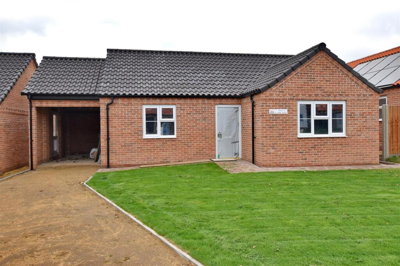
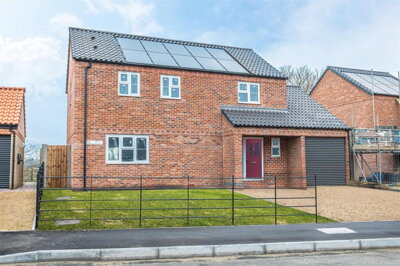
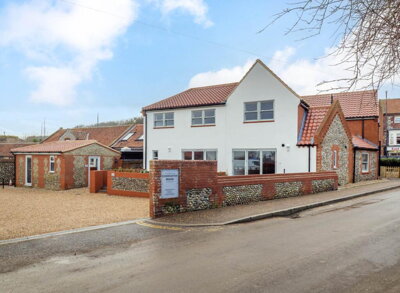
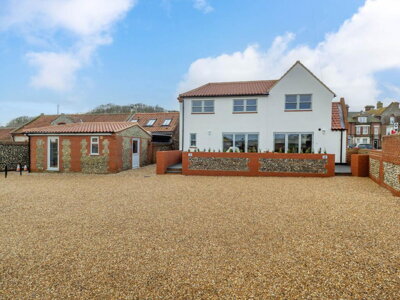
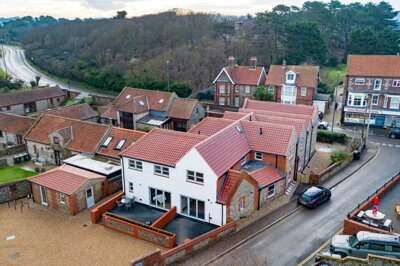
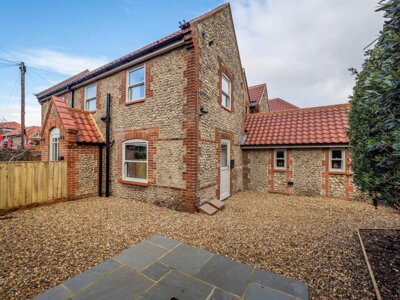
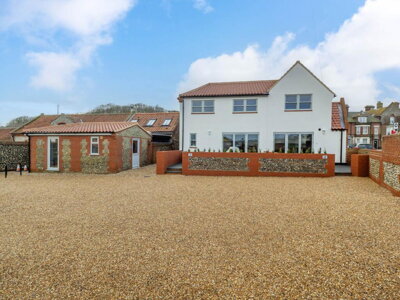
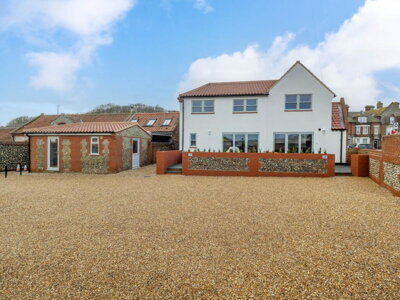
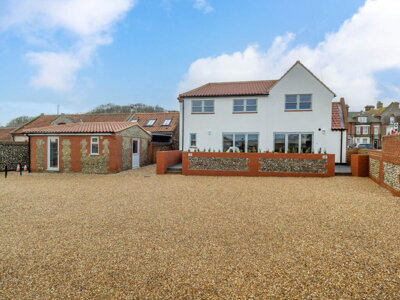
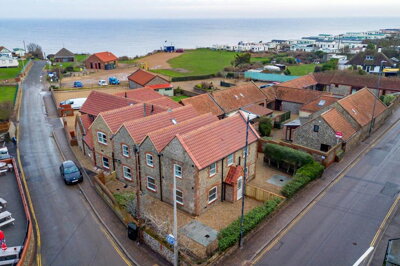
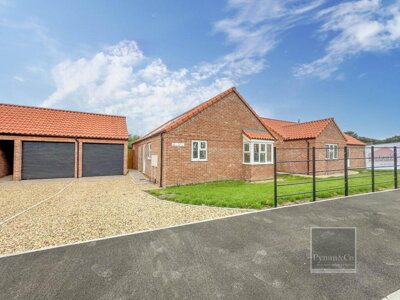
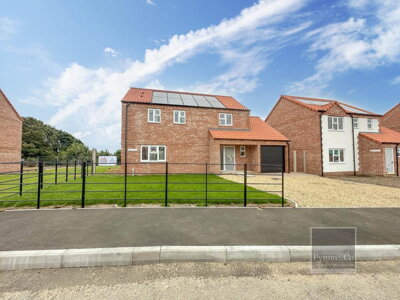
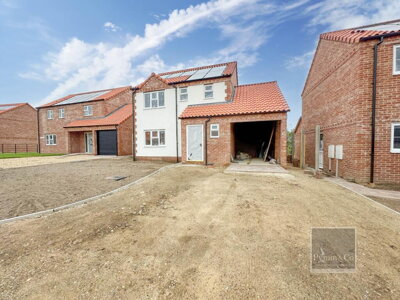
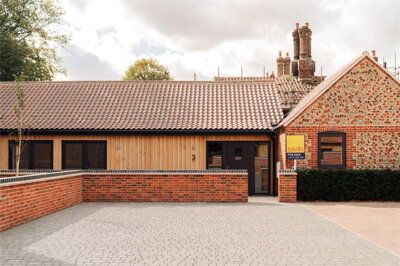
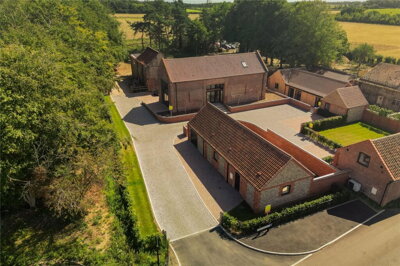
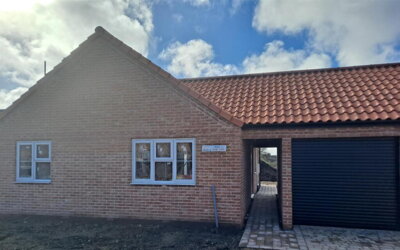
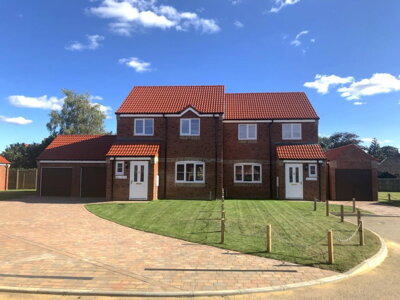
Browse 18 homes new builds in Felbrigg, North Norfolk from local developer agents.
£583k
4
0
67
Source: home.co.uk
Source: home.co.uk
Semi-Detached
2 listings
Avg £425,000
Barn Conversion
1 listings
Avg £930,000
Detached
1 listings
Avg £615,000
Source: home.co.uk
Source: home.co.uk
375 residents
Population (2021 Census)
32 properties
Listed Buildings
£321,000 (5 Mill Green)
Notable Sale (2024)
£750,000 - £805,000
Premium Properties
Adopted November 2024
Neighbourhood Plan
The Edwardstone property market reflects its status as a small but prestigious Suffolk village. Our records indicate at least three property sales recorded in the village over the past twelve months, demonstrating continued activity despite the limited supply typical of rural communities. The most recent transaction at 5 Mill Green sold for £321,000 in December 2024, while larger detached properties command significant premiums, with The Oaks achieving £805,000 in December 2023 and Mulberry Barn selling for £750,000 in August 2024. These figures illustrate the premium placed on Edwardstone's village character and proximity to Sudbury. The scarcity of available properties means that homes coming to market often attract multiple enquiries from buyers drawn to the village's unique character.
For buyers interested in new construction, a notable opportunity exists with a 0.38-acre building plot south of Poplar House at Mill Green. Babergh District Council granted full planning permission (Reference DC/23/02128) for four three-bedroom semi-detached houses, each approximately 110 square metres, along with ten parking spaces. The plot carries a guide price of £260,000 to £280,000 and is being offered via livestream auction. This development represents a rare chance to acquire a newly constructed home in the village, with completion anticipated following the March 2026 auction. Prospective buyers should note that another planning appeal for two dwellings at Land West of Mill Green was dismissed in September 2025, highlighting the community's commitment to managed development. The contrast between these outcomes demonstrates how Edwardstone's Neighbourhood Plan actively shapes what gets built in the village.
Understanding supply and demand dynamics helps buyers position themselves strategically in this market. The 2019 Babergh District Council housing needs assessment identified that 2 and 3-bedroom properties were most sought after by existing households wishing to remain in the area. This demand, combined with limited new development, suggests that well-presented family homes in the village will continue to attract strong interest. Buyers should be prepared to act decisively when suitable properties appear, as the small pool of potential buyers means competition can be intense for the most desirable homes.
Edwardstone embodies the quintessential English village experience, offering residents a peaceful lifestyle surrounded by Suffolk's rolling countryside. The village's historic core centres around Mill Green, a traditional village green that provides a focal point for community gatherings. The presence of 32 listed buildings throughout the settlement creates an exceptionally preserved streetscape, with properties ranging from medieval timber-framed cottages to Georgian farmhouses. This architectural heritage contributes to Edwardstone's unmistakable character and explains why the village has attracted residents for over a millennium. The village appeared in the Domesday Book of 1086 with 32 households, a figure that mirrors the number of listed buildings today, creating a fascinating historical symmetry.
The community spirit in Edwardstone is evidenced by the successful adoption of its Neighbourhood Plan in November 2024, which was developed with input from residents to guide future development. Local amenities within the village include traditional public houses and parish church, while the nearby market town of Sudbury provides access to supermarkets, healthcare facilities, and weekly markets. The village falls within Babergh District, and the recent Neighbourhood Plan includes policies designed to protect the village's rural character while allowing limited development to meet local housing needs. For residents, this means living in a community that actively shapes its own future rather than being subject to unplanned development pressure.
Daily life in Edwardstone revolves around the rhythm of village activities and easy access to nearby towns. The proximity to Sudbury, approximately 5 miles distant, means residents benefit from a full range of town amenities while enjoying the peace and character of rural village living. Local events, parish meetings, and village traditions create genuine community connections that larger settlements cannot replicate. For those working from home or commuting to London via Sudbury's railway station, Edwardstone offers an enviable combination of countryside living and practical connectivity.
Properties in Edwardstone predominantly feature traditional Suffolk building methods that reflect the village's historic character. As a rural Suffolk village with numerous listed buildings, Edwardstone's housing stock includes timber-framed structures with rendered or brick infill panels, a construction approach common throughout East Anglia. These older properties often incorporate red brick chimneys, pegged tile roofs, and sash windows with traditional glazing bars. Understanding these construction methods helps buyers appreciate both the character and potential maintenance requirements of period properties in the village.
The local geology in this part of Suffolk typically comprises a mix of chalk, clay, and sand deposits, which influence foundation design and drainage characteristics. Properties built on clay subsoil may be susceptible to shrink-swell movement, where ground conditions contract during dry spells and expand when wet. This is particularly relevant for older properties with shallow foundations or those with mature trees nearby, as root systems can exacerbate moisture fluctuations in the soil. A RICS Level 2 survey can identify any signs of subsidence or structural movement that might affect a property you are considering purchasing.
Drainage arrangements in Edwardstone differ from urban properties, with many homes relying on individual drainage systems rather than mains sewerage. Septic tanks, cesspits, or private treatment plants serve properties throughout the village, and maintenance responsibilities fall entirely to the property owner. Before purchasing, prospective buyers should investigate the condition and capacity of any private drainage system, as replacement costs can be substantial. The November 2024 Neighbourhood Plan includes policies relating to sustainable drainage, which may affect future requirements for properties upgrading their systems.
Given the prevalence of older, historic properties in Edwardstone, buyers should be aware of common defects found in period homes. Dampness ranks among the most frequently encountered issues, arising from inadequate ventilation, leaking roofs, defective weatherproofing, or failed damp-proof courses. Properties with solid walls rather than cavity walls are particularly susceptible to penetrating and rising damp, especially if original breathability has been compromised by inappropriate modern finishes. Timber-framed buildings require particular attention to ensure that any previous renovation work respected the traditional construction approach.
Roof condition warrants careful inspection across Edwardstone's older properties. Traditional pegged tile and slate roofs have finite lifespans, and original coverings may be approaching the end of their serviceable life. Flat roof sections on extensions or outbuildings typically require more frequent replacement than pitched roofs. Any missing, slipped, or damaged tiles should be noted, as water ingress through the roof structure can cause extensive damage to rafters, ceiling timbers, and internal finishes. Properties with original thatched roofs represent specialist properties where surveyors with relevant expertise should be consulted.
Timber defects, including woodworm and fungal decay, merit particular attention in Edwardstone's older properties. Deathwatch beetle, common in historic oak timbers, and wood-boring furniture beetle affecting softer timbers can compromise structural integrity if left untreated. Wet rot and dry rot both require sustained moisture conditions to establish, so any timber showing signs of decay should prompt investigation into the underlying moisture source. The village's rural setting means properties may also have outbuildings, barns, or agricultural structures where timber defects are more likely due to less rigorous maintenance. Engaging a qualified surveyor to assess structural condition provides essential reassurance when purchasing a period property in Edwardstone.
Families considering a move to Edwardstone will find a selection of educational establishments within reasonable travelling distance. The village is served by primary schools in surrounding villages, with several rated Good or Outstanding by Ofsted in nearby settlements. Primary schools in the surrounding Babergh area serve families from Edwardstone, with the nearest typically located within 3 to 5 miles in villages like Groton, Little Waldingfield, or Chadacre. These smaller rural schools often benefit from strong community relationships and individual attention for pupils.
Secondary education options include schools in Sudbury, which offers a choice of secondary schools catering to different academic and vocational pathways. Parents should research specific catchment areas, as school admissions in Suffolk operate on defined geographic zones that may influence property selection. The travel distances from Edwardstone to secondary schools mean that families typically factor transport arrangements into their decision-making, with school bus services available for some routes. Understanding catchment boundaries before purchasing helps avoid disappointment when applying for secondary school places.
For families requiring specialised education or those considering independent schooling, the surrounding Suffolk area offers several independent schools within driving distance. Sixth form and further education provision is available at colleges in Sudbury and Colchester, with bus services connecting surrounding villages to these educational centres. Given Edwardstone's small population, families with school-age children often appreciate the village's safe, traffic-free environment for younger children while relying on transportation links for secondary education. The Babergh area has historically maintained strong educational standards, and prospective buyers should verify current Ofsted ratings and admissions criteria directly with Suffolk County Council.

Edwardstone enjoys connectivity to the wider region through a network of country roads that link the village to nearby market towns. The A1071 provides direct access to Sudbury, approximately 5 miles distant, where residents can access mainline railway services connecting to London Liverpool Street via the Gainsborough Line. This rail connection makes Edwardstone viable for commuters who work in the capital but prefer rural living, with journey times to London typically around 90 minutes. The village sits roughly equidistant between Sudbury and Hadleigh, both of which provide local employment and services for residents.
Bus services operate along routes connecting Edwardstone to surrounding villages and towns, providing essential access for those without private vehicles. The Suffolk public transport network, while designed primarily for village-to-town journeys, enables residents to access supermarkets, healthcare appointments, and other essential services without car ownership. Service frequency reflects the rural setting, so residents should check current timetables rather than assuming regular availability. For daily commuting to work, private vehicle ownership remains practically essential for most Edwardstone residents, though cycling provides a healthy option for shorter journeys during favourable weather.
For international travel, Stansted Airport is approximately 60 miles distant, while the port of Harwich provides ferry connections to the continent. Drivers benefit from proximity to the A14 trunk road, which provides east-west connectivity across Suffolk and links to the national motorway network. The A14 connects to Felixstowe port and provides routes towards Cambridge and the midlands beyond. Parking in the village is generally uncomplicated due to low traffic volumes, unlike in larger settlements, and most properties include off-street parking or garages that accommodate residents' vehicles without the stress common in urban areas.
Explore available properties in Edwardstone through Homemove and attend viewings to understand what the village offers. Given limited stock, acting quickly on new listings is advisable. Register with local estate agents who operate in the Babergh area and ask to be notified of properties coming to market before public advertising.
Contact lenders or brokers to secure a mortgage agreement in principle before making offers. This strengthens your position with sellers in a competitive market where properties with genuine character command significant interest. Having your finances arranged demonstrates to sellers that you are a serious, capable buyer.
Once you find your ideal Edwardstone home, arrange a viewing. For older properties with listed building status, consider a RICS Level 2 survey to identify any structural or maintenance issues. The survey provides detailed information about construction, condition, and any defects that might affect your decision or negotiating position.
Submit your offer through the estate agent, presenting your mortgage agreement and any relevant details about your position as a buyer. In Edwardstone's intimate market, relationship-building with agents matters. Properties may attract interest from multiple buyers, so presenting a strong, well-documented offer improves your chances of success.
Choose a conveyancing solicitor to handle the legal aspects of your purchase. They will conduct searches with Babergh District Council and handle title transfer. For listed properties, your solicitor should also review any existing consents or restrictions that affect what you can do with the property after purchase.
Once surveys are satisfactory and legal work is complete, exchange contracts and set a completion date. On completion, you receive keys and officially become an Edwardstone resident. The process from offer acceptance to completion typically takes 8 to 12 weeks, though this can vary depending on survey findings, mortgage arrangements, and chain complexity.
Edwardstone's exceptional heritage, with 32 listed buildings in the village, means that many properties may carry Listed Building status, imposing significant obligations on owners. If you are purchasing a listed property, you will need Listed Building Consent from Babergh District Council for any alterations or extensions, and works must respect the building's historic character. Maintenance costs for older properties can exceed those for modern homes, so factoring in potential renovation expenses is essential when evaluating purchase prices. The premium you pay for a character property should account for these ongoing responsibilities.
The November 2024 Neighbourhood Plan means prospective buyers should review its policies, as these affect what development is permitted in the village. Flood risk appears minimal based on available records, but any buyer should conduct appropriate searches given climate change considerations. Properties in Edwardstone typically use individual drainage systems rather than mains sewerage, which requires maintenance responsibility. The rural setting means some properties may have limited mobile phone signal or broadband speeds, so investigating connectivity before purchase is advisable if you work from home. For properties with agricultural land or outbuildings, clarify boundaries and any rights of way with your solicitor during conveyancing.
When viewing properties in Edwardstone, pay particular attention to the condition of roofs, timber work, and drainage systems. Older properties may show signs of past maintenance that either met or fell short of expected standards. Check whether previous owners made improvements that preserve the historic character or whether alterations compromised the building's integrity. For properties with timber framing, look for signs of movement, insect activity, or fungal decay in accessible areas. A professional survey provides detailed assessment that goes beyond what is visible during a typical viewing.
Understanding the total costs of purchasing property in Edwardstone requires careful budgeting beyond the purchase price. Stamp Duty Land Tax for 2024-25 applies at 0% on the first £250,000, 5% on the portion between £250,000 and £925,000, 10% on £925,000 to £1.5 million, and 12% above £1.5 million. Given Edwardstone's property prices typically fall between £300,000 and £800,000, most buyers pay SDLT at 5% on the amount exceeding £250,000. First-time buyers purchasing properties up to £625,000 pay no SDLT on the first £425,000, with 5% applying only between £425,000 and £625,000. This represents a meaningful saving for first-time buyers purchasing at typical Edwardstone price points.
Additional purchasing costs include solicitor fees typically ranging from £500 to £1,500 for conveyancing, depending on complexity and whether the property is leasehold or listed. Listed properties often require additional legal work to review historic consents and restrictions, which can increase costs towards the upper end of this range. Survey costs vary based on property type and value, with a RICS Level 2 survey averaging around £455 nationally and potentially higher for Edwardstone's older properties due to their construction complexity and the need for assessors experienced with historic buildings. For a property at 5 Mill Green sold for £321,000, survey costs would likely fall in the £400 to £500 range, while premium properties like The Oaks or Mulberry Barn would command higher fees.
Searches with Babergh District Council, drainage searches, and environmental reports typically total £300 to £500. For rural properties like those in Edwardstone, additional drainage inspections or borehole reports may be advisable given the prevalence of private water and waste systems. Removal costs depend on distance and volume of belongings, while buildings insurance must be arranged from exchange of contracts. Budgeting for these costs alongside your deposit and mortgage ensures a smooth purchase without financial surprises. Most buyers find that total additional costs amount to approximately 2% to 3% of the purchase price when all fees, taxes, and moving costs are included.
While comprehensive average price data for Edwardstone is not publicly available, recent sales provide useful benchmarks. A three-bedroom property at 5 Mill Green sold for £321,000 in December 2024, while larger detached homes have achieved between £750,000 and £805,000. Edwardstone property prices reflect the village's prestigious heritage status and limited supply, positioning it in the upper range for the Babergh district. Buyers should expect to pay a premium for period properties with historic character compared to newer homes in surrounding towns. The rarity of available properties means that each sale provides valuable comparables for the village market.
Properties in Edwardstone fall under Babergh District Council's jurisdiction for council tax purposes. Specific banding depends on the property's valuation, but Edwardstone's older housing stock includes properties across various bands. Contacting Babergh District Council directly or checking the Valuation Office Agency website provides current banding for specific addresses. As a guide, period cottages and smaller homes typically fall in bands A through D, while larger detached period properties may be in higher bands E or F. The village's heritage properties often carry higher valuations due to their character and location, which influences their council tax banding.
Edwardstone is served by primary schools in nearby villages and towns, with several Good-rated options within 5 miles including schools in Groton, Little Waldingfield, and Chadacre that serve the local catchment area. Sudbury offers secondary school choices including both grammar and comprehensive options, with schools catering to different academic and vocational pathways. Suffolk County Council's school admissions portal provides current catchment area information and Ofsted ratings for all schools in the Babergh district. Given the village's small size, families often factor school location into property selection, particularly regarding transport arrangements for secondary education. School bus services operate for some routes, though private transport may be required depending on specific circumstances.
Bus services connect Edwardstone to surrounding villages and towns including Sudbury, enabling access to railway services on the Gainsborough Line. Sudbury station provides regular trains to London Liverpool Street, making commuting feasible for those working in the capital with journey times around 90 minutes. However, public transport frequency reflects the rural setting, so residents without private vehicles should check specific bus timetables before purchasing. The village's low traffic volumes make cycling a viable option for shorter journeys to nearby towns during favourable weather. For daily commuting to work, most residents rely on private vehicles due to limited public transport availability outside peak hours.
Edwardstone offers compelling investment characteristics given its rarity value and heritage status. The village's 32 listed buildings and Neighbourhood Plan protection ensure limited development, which tends to support long-term property values. Rental demand exists from professionals seeking rural living within commuting distance of Sudbury or London. However, the small market and high transaction costs relative to property value make buy-to-let investments here best suited to those prioritising long-term capital preservation over high rental yields. Any renovation plans must respect Listed Building requirements, which can affect both the scope and cost of improvements. Buyers investing in Edwardstone should view the village as a long-term holding rather than a quick-turnover opportunity.
Stamp Duty Land Tax applies to all property purchases in England, including Edwardstone. For properties purchased at the current market rates in this village, most buyers pay SDLT on the portion between £250,000 and £925,000 at 5%. A buyer purchasing at the recent 5 Mill Green price of £321,000 would pay SDLT of £3,550, calculated as 5% on the £71,000 above the £250,000 threshold. First-time buyers may benefit from relief on purchases up to £625,000, paying 5% only on the amount between £425,000 and £625,000. Properties above £925,000 incur higher rates of 10% on that portion. Your solicitor typically handles SDLT submission within 14 days of completion, and HM Revenue and Customs provides current threshold information on their website.
Listed properties in Edwardstone require careful assessment before purchase due to the obligations they impose on owners. You will need Listed Building Consent from Babergh District Council for any alterations, extensions, or significant repairs, and works must preserve the building's historic character using appropriate materials and techniques. Check whether previous owners obtained necessary consents for any works already undertaken, as unauthorised work can create legal and financial complications. Maintenance costs for historic properties typically exceed those for modern equivalents, so obtaining a thorough building survey from a surveyor experienced with listed buildings is essential. Factor in potential costs for sympathetic repairs and upgrades when evaluating whether the purchase price reflects these ongoing responsibilities.
Properties New Builds In London

Properties New Builds In Plymouth

Properties New Builds In Liverpool

Properties New Builds In Glasgow

Properties New Builds In Sheffield

Properties New Builds In Edinburgh

Properties New Builds In Coventry

Properties New Builds In Bradford

Properties New Builds In Manchester

Properties New Builds In Birmingham

Properties New Builds In Bristol

Properties New Builds In Oxford

Properties New Builds In Leicester

Properties New Builds In Newcastle

Properties New Builds In Leeds

Properties New Builds In Southampton

Properties New Builds In Cardiff

Properties New Builds In Nottingham

Properties New Builds In Norwich

Properties New Builds In Brighton

Properties New Builds In Derby

Properties New Builds In Portsmouth

Properties New Builds In Northampton

Properties New Builds In Milton Keynes

Properties New Builds In Bournemouth

Properties New Builds In Bolton

Properties New Builds In Swansea

Properties New Builds In Swindon

Properties New Builds In Peterborough

Properties New Builds In Wolverhampton

Enter your details to see if this property is within your budget.
Loans, cards, car finance
Estimated property budget
Borrowing + deposit
You could borrow between
Typical borrowing
Monthly repayment
Est. at 4.5%
Loan-to-value
This is an estimate only. Your actual budget may vary depending on interest rates, credit history, and personal circumstances. For an accurate affordability assessment, speak to one of our free mortgage advisors.
This calculator provides estimates for illustrative purposes only and does not constitute financial advice. Your home may be repossessed if you do not keep up repayments on your mortgage. Estimates based on 4.5% interest rate, repayment mortgage. Actual rates depend on your circumstances.
Homemove is a trading name of HM Haus Group Ltd (Company No. 13873779, registered in England & Wales). Homemove Mortgages Ltd (Company No. 15947693) is an Appointed Representative of TMG Direct Limited, trading as TMG Mortgage Network, which is authorised and regulated by the Financial Conduct Authority (FRN 786245). Homemove Mortgages Ltd is entered on the FCA Register as an Appointed Representative (FRN 1022429). You can check registrations at NewRegister or by calling 0800 111 6768.

We use cookies to show you personalised content and improve your experience of our website. Find out more in our Privacy policy and Cookie policy.