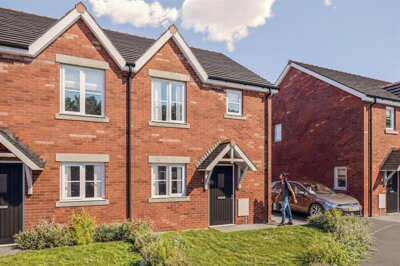
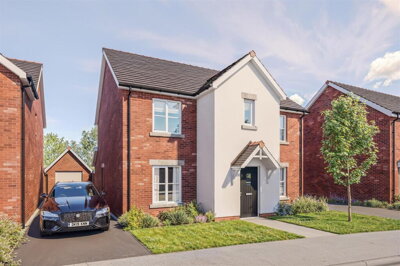
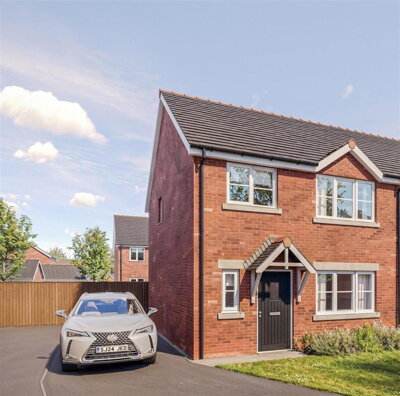
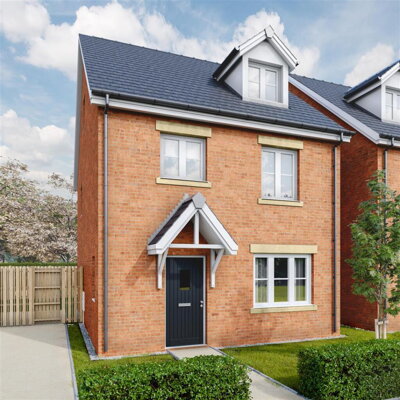
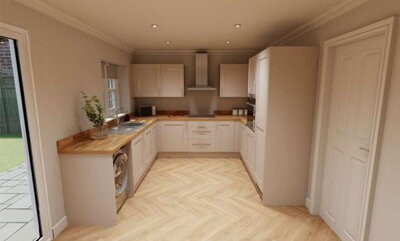
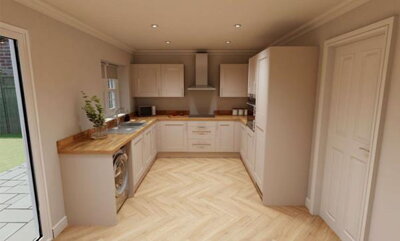
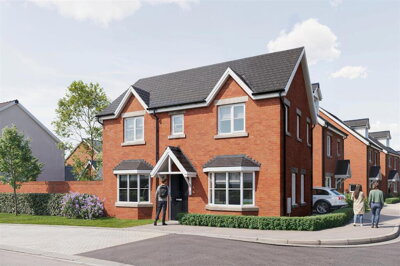
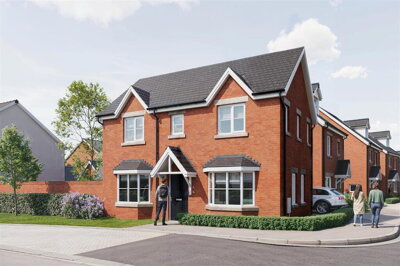
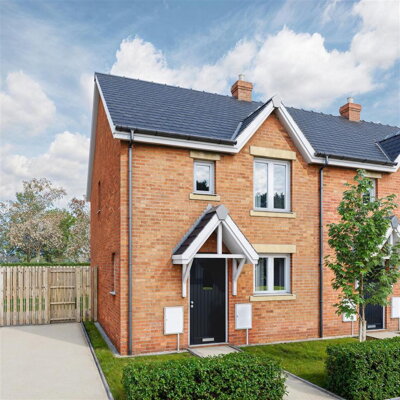
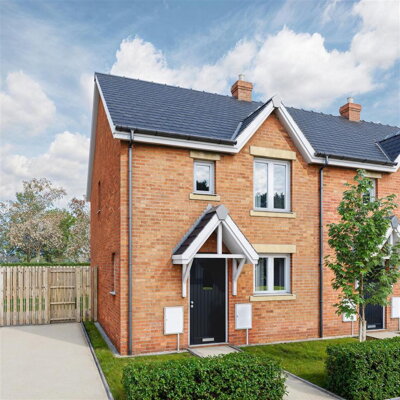
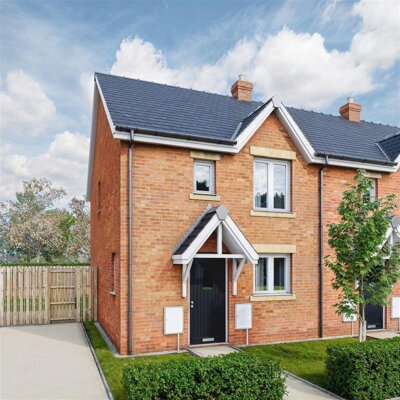
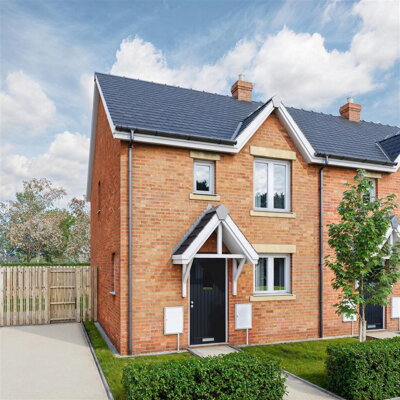
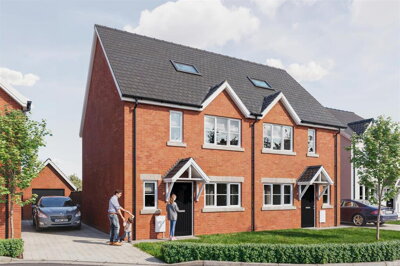
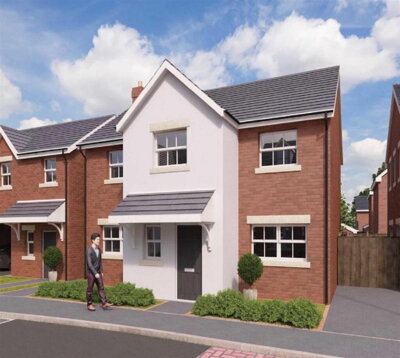
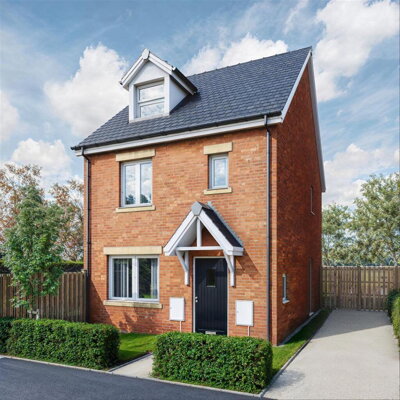
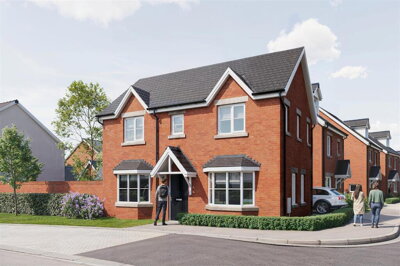
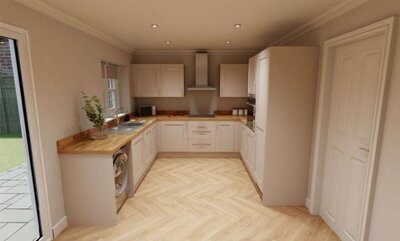
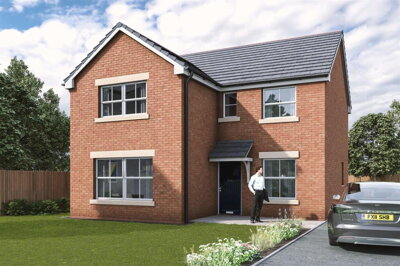
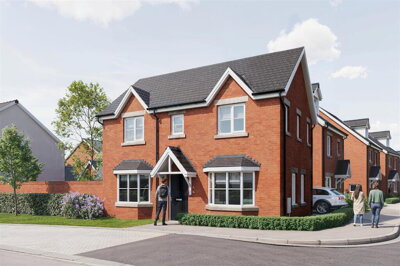
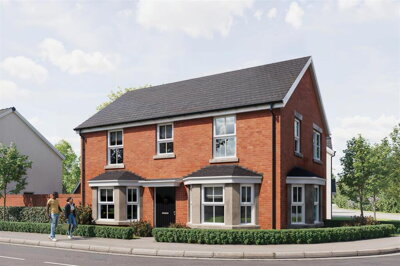
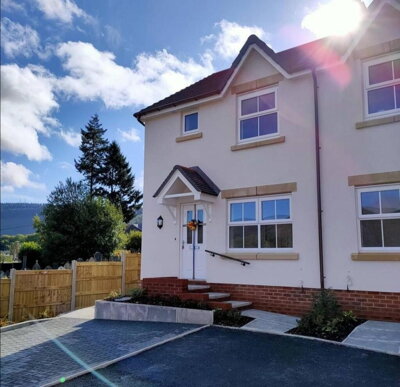
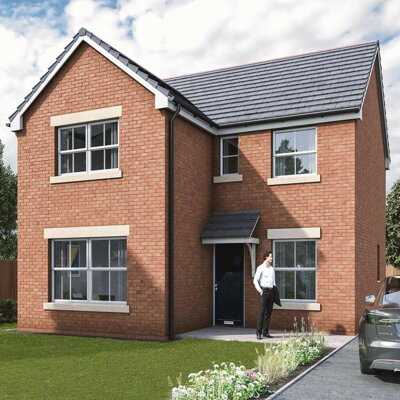
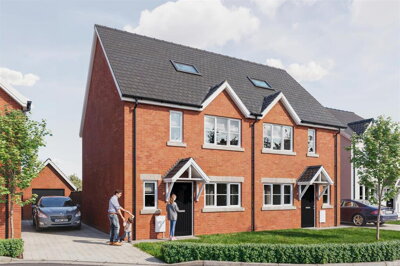
Browse 23 homes new builds in Esclusham, Wrexham from local developer agents.
£285k
29
1
146
Source: home.co.uk
Source: home.co.uk
Detached
12 listings
Avg £450,792
Semi-Detached
9 listings
Avg £262,778
Terraced
3 listings
Avg £115,000
Barn Conversion
1 listings
Avg £525,000
Cottage
1 listings
Avg £525,000
End of Terrace
1 listings
Avg £138,000
Maisonette
1 listings
Avg £85,000
Not Specified
1 listings
Avg £230,000
Source: home.co.uk
Source: home.co.uk
The Westwick property market reflects the broader North Norfolk trend of predominantly detached and semi-detached housing, with prices varying considerably across property types. Detached properties in the wider North Norfolk district command an average of £402,000, while semi-detached homes average around £268,000 and terraced properties sit at approximately £225,000. Flats and maisonettes in the region average £153,000, though village locations like Westwick typically see fewer apartment options and a higher proportion of houses with gardens. Recent sales data on Norwich Road in Westwick shows properties averaging around £199,333, indicating that entry-level homes within the village itself can offer more accessible price points than the broader district average.
The North Norfolk property market has experienced a slight softening over the past year, with average house prices falling 3.6% compared to December 2024 and a further 1.2% decline as of February 2026. Properties are currently sitting approximately 7% below the 2022 peak of £385,845, creating potential opportunities for buyers who missed the previous market high. The district recorded 1,252 property sales in the twelve months leading to February 2026, demonstrating continued buyer interest in North Norfolk despite the short-term price adjustments. When examining the most recent transaction data, detached properties in North Norfolk averaged £451,687, with semi-detached homes at £295,546 and terraced properties at £277,195.
New build activity within the immediate NR10 5 postcode surrounding Westwick remains limited, meaning buyers seeking modern specifications may need to consider properties in nearby towns or accept that village homes tend toward traditional construction and character features. This lack of new supply in the village itself contributes to the enduring appeal of existing properties, particularly those that have been sympathetically updated while retaining their original features. Buyers should be prepared for competition when well-presented village properties come to market, as demand from those seeking the rural lifestyle Westwick offers typically outstrips supply.

Westwick embodies the quintessential Norfolk village character, with traditional architecture featuring local red brick, flint, and render that reflects centuries of building heritage in this part of East Anglia. The village sits on the chalk bedrock typical of Norfolk, overlain with glacial deposits of sand, gravel, and boulder clay that have shaped the local landscape over millennia. Properties in Westwick often benefit from generous plots and mature gardens, characteristic of rural village locations where space is more plentiful than in urban settings. The area retains much of its historic charm, with period cottages and former farm buildings converted into desirable homes that appeal to those seeking authenticity over modernity.
Daily life in Westwick revolves around community and the surrounding countryside, with residents enjoying access to extensive walking routes, cycling paths, and the natural beauty of North Norfolk. The village location provides a sense of tranquility while remaining connected to larger centres for work, shopping, and leisure activities. The broader North Norfolk economy draws from agriculture, tourism, and local services, creating a balanced community where traditional trades coexist with contemporary homeworking. Weekend markets in nearby towns offer local produce and artisan goods, while the proximity to the Norfolk Broads and coastal areas provides ample recreation opportunities for residents of this rural parish.
The geology of the area plays a significant role in the character of local properties. The chalk bedrock that underlies much of Norfolk has historically provided excellent building material, while the glacial boulder clay deposits create the productive agricultural land that defines the surrounding countryside. These same clay deposits can create shrink-swell soil conditions in some areas, which may affect foundations of older properties, particularly those built before modern building regulations. Understanding the local geology helps buyers appreciate why properties in the area were constructed using particular methods and materials, and why certain maintenance considerations apply to traditional village homes.
Families considering a move to Westwick will find educational options available in the surrounding area, with primary schools serving the village and wider catchment. The local primary schools in nearby towns provide education for children from Reception through to Year 6, with the broader North Norfolk area offering a mix of community schools and those with religious affiliations. Parents should research individual school performance data and Ofsted ratings to identify the best options for their children, as school quality can vary across the district. The village location means younger children may require transport arrangements for primary education, making school catchment areas an important consideration when house hunting.
Secondary education in the area is typically accessed through schools in nearby towns such as North Walsham, where students can progress through Key Stage 3 and GCSE programmes. North Walsham High School serves as a significant secondary option for families in the surrounding villages, providing comprehensive education through to sixth form. Sixth form provision and further education colleges are available in Norwich and other larger settlements, providing clear pathways for older students seeking A-levels or vocational qualifications. The proximity to Norwich means that families have access to the University of East Anglia and various further education institutions as children progress into higher education.
When purchasing property in Westwick, buyers with school-age children should confirm catchment boundaries and any specific admissions criteria that apply to their preferred educational establishments. The bus routes connecting Westwick to schools in surrounding towns provide options for families without daily private transport, though journey times and schedules should be factored into family planning. For families prioritising educational options, arranging property viewings around school start and finish times can provide useful insight into the practical realities of the daily commute.
Transport connections from Westwick serve both local needs and longer-distance commuting, with road infrastructure providing the primary means of access for most residents. The village sits within reasonable distance of the A140 and A47 roads, connecting Westwick to Norwich city centre and the wider Norfolk road network. Norwich itself offers connections to the rest of the UK via the M11 motorway heading south and the A14 providing access to Cambridge and the Midlands. For air travel, Norwich Airport offers domestic flights and some European connections, while London Stansted can be reached in approximately two hours by car for international travel.
Public transport options from Westwick include bus services connecting the village to nearby towns including North Walsham, where rail services provide access to Norwich and the East Anglian rail network. Norwich railway station offers regular services to London Liverpool Street, with journey times of around two hours, making day commuting to the capital feasible for those working hybrid schedules. Local bus services provide access to market towns for weekly shopping and amenities, though private transport remains advantageous for residents without access to a car. Cyclists benefit from Norfolk's growing network of cycle routes, including traffic-free paths connecting villages to nearby towns and popular destinations including the Norfolk Broads and coastal areas.
The A47 trunk road provides particularly important connections for Westwick residents, linking Norwich to Great Yarmouth and offering routes toward King's Lynn and the Midlands beyond. The A140 runs north to south through the region, connecting North Walsham to Norwich and Ipswich to the south. For commuters working in Norwich, the journey time by car typically ranges from 30 to 45 minutes depending on traffic conditions, though rush hour delays on the outer ring road should be anticipated during weekday morning and evening peaks.
Start by exploring current listings in Westwick and the surrounding NR10 area. Understand the price ranges for different property types in the village, noting that recent sales on Norwich Road have averaged around £199,333. Consider whether you need quick access to Norwich or prefer complete rural seclusion within the village itself. The North Norfolk market has seen prices fall approximately 7% from the 2022 peak, creating potential negotiating opportunities for buyers who act decisively on well-priced properties.
Obtain a mortgage agreement in principle before viewing properties, as this demonstrates your seriousness to sellers and helps you understand your budget. In the current market, with prices having corrected from the 2022 peak of £385,845, there may be room for negotiation on asking prices. Speak to a mortgage broker about the best deals available for your circumstances. Having your financing confirmed before making an offer puts you in a strong position when competing against other potential buyers.
Visit homes that match your criteria and pay attention to construction materials typical of Norfolk properties, including brick, flint, and render finishes. Consider whether any properties fall within flood risk zones, particularly those near low-lying ground or watercourses. Take photographs and notes during viewings to help compare properties later. When viewing traditional village properties, pay particular attention to the condition of original features such as timber windows, thatched roofs where applicable, and solid wall construction that may require different maintenance approaches than modern cavity wall properties.
Once you have had an offer accepted, arrange a Level 2 Survey to assess the property condition thoroughly. Given the age of many Norfolk properties, expect the survey to highlight issues such as damp, roof condition, timber defects, and the condition of outdated electrical systems. Properties on clay soils may require assessment for potential shrink-swell issues affecting foundations. A thorough survey can identify problems that might cost thousands of pounds to remedy, providing valuable ammunition for price negotiations or highlighting properties that should be avoided entirely.
Choose a conveyancing solicitor to handle the legal aspects of your purchase. They will conduct searches on the property including local authority checks, environmental searches, and drainage investigations. Your solicitor will also investigate the title deeds and any planning permissions or restrictions that affect the property. For village properties, searches often reveal details about rights of way, boundaries, and any historical alterations that have been made to traditional buildings.
Once all searches are satisfactory and your mortgage is finalised, you will exchange contracts and pay your deposit. Completion typically follows within weeks, at which point you will receive the keys to your new Westwick home. Arrange buildings insurance to start from the date of exchange to protect your investment. Before moving day, notify utility companies of your moving date and arrange for accounts to be transferred to your name at the new property.
Purchasing a property in Westwick requires attention to specific local factors that could affect your investment and quality of life. The geological conditions in Norfolk mean that some properties may be built on shrink-swell clay soils, which can cause foundation movement if vegetation or drainage changes affect moisture levels. A thorough survey will identify any signs of subsidence or heave that might require remediation or influence your negotiation. Properties with mature trees nearby deserve particular attention, as vegetation on clay soils can draw moisture from the ground during dry periods, potentially affecting foundations. The chalk bedrock underlying much of the area is generally stable, but the interaction between glacial deposits and existing structures should be assessed on a property-by-property basis.
Flood risk assessment is advisable for any property in low-lying areas or near watercourses, even though Westwick is inland and not directly affected by coastal erosion. Surface water flooding can occur during periods of heavy rainfall, particularly in areas with poor drainage or that sit in natural drainage channels. The local authority planning department can provide information on historical flood events and any flood defence measures in place. Unlike coastal areas of North Norfolk that face erosion risks from the sea, Westwick's inland position provides protection from tidal flooding, though the broader drainage patterns of the Norfolk countryside should still be considered.
Given the traditional nature of many village properties, buyers should also investigate the condition of older plumbing, electrical systems, and any original timber windows or doors that may require updating for energy efficiency. Properties built before the 1970s may still contain original electrical wiring that would need complete replacement to meet modern standards. Similarly, heating systems in older village homes may rely on older boilers or solid fuel arrangements that could benefit from modernisation. Understanding these potential costs before purchase helps ensure the overall budget remains realistic once all property expenses are accounted for.
Conservation considerations and planning restrictions may apply to certain properties in the village, particularly those of historical significance or located in areas of special character. Older properties built with flint, brick, and render may require specific materials for any repairs or alterations to maintain their appearance and comply with planning conditions. Freehold versus leasehold tenure is typically straightforward for houses in rural villages, though anyone purchasing a property with shared amenities should carefully review the terms of any management company or lease arrangements. Understanding service charges and any future planned expenditure for communal areas helps avoid unexpected costs after purchase.
Specific average price data for Westwick itself is limited, but the broader North Norfolk district shows an average price of £289,000 as of December 2025, with the more recent February 2026 data showing an overall average of £356,942 across all property types sold. Recent sales on Norwich Road in Westwick (NR10) indicate average prices around £199,333 for properties in the village itself. Detached properties in North Norfolk average £402,000, while semi-detached homes are around £268,000 and terraced properties average £225,000. Prices have softened by approximately 7% from the 2022 peak of £385,845, creating potential buying opportunities in the village for those who missed the previous market high.
Properties in Westwick fall under North Norfolk District Council, which sets council tax bands based on property valuation bands A through H. The specific band for your property will be shown on the listing details and can be confirmed through the Valuation Office Agency. Band D is typically the median council tax band, though individual properties vary based on their assessed value. Prospective buyers should factor annual council tax costs into their budgeting alongside mortgage payments and other purchase costs. Council tax rates in North Norfolk are generally competitive compared to urban areas, though the precise amount depends on the assessed value of your specific property.
The best schools near Westwick are located in nearby towns and villages, with primary schools serving the local catchment areas within reasonable travelling distance. Parents should research individual school Ofsted reports and performance data to identify the most suitable options for their children. Secondary schools in North Walsham and surrounding towns provide Key Stage 3 and GCSE education, with North Walsham High School serving as a significant option for families from surrounding villages. Sixth form and further education are available in Norwich, with the University of East Anglia and City College Norwich providing higher education pathways. School catchment areas should be verified before purchasing, as they determine which schools your children would be eligible to attend based on your new address.
Westwick has limited public transport options, with bus services providing the primary connection to nearby towns including North Walsham and surrounding villages. Rail services are accessed in nearby towns, with Norwich station offering regular trains to London Liverpool Street in approximately two hours. Norwich also provides connections to Cambridge, Birmingham, and the wider UK rail network via the East Anglian rail services. Residents without private transport should consider these limitations when purchasing in the village, as daily reliance on private vehicles is common for rural living. For commuters working in Norwich, the car journey typically takes 30 to 45 minutes depending on traffic conditions.
Westwick and North Norfolk offer steady appeal for property investment, supported by the enduring popularity of the area for retirees, remote workers, and those seeking holiday homes. The 1,252 property sales in North Norfolk over the past twelve months demonstrate active market demand despite the recent price corrections. Prices having softened from the 2022 peak may present buying opportunities, though capital growth expectations should remain realistic given the steady rather than rapid appreciation typical of rural Norfolk markets. Rental demand exists from those seeking village lifestyles without committing to purchase, making buy-to-let a possibility for investors willing to manage a rural property. The tourism economy of North Norfolk, driven by the coastline and Norfolk Broads, creates seasonal demand for holiday lets that some property investors have successfully leveraged.
Stamp duty rates for 2024-25 apply zero percent on the first £250,000 of residential property value, five percent on the portion between £250,001 and £925,000, ten percent up to £1.5 million, and twelve percent above that threshold. First-time buyers benefit from relief on the first £425,000 with five percent applying between £425,001 and £625,000. For a typical Westwick property priced around £250,000 to £350,000, a standard buyer would pay no stamp duty on the first £250,000 with five percent on the remaining amount. First-time buyers may pay no stamp duty at all on properties within the relief threshold. Your solicitor will handle SDLT calculation and submission as part of the conveyancing process.
Traditional properties in Westwick, many of which feature brick, flint, and render construction typical of Norfolk, require careful assessment of their condition and maintenance history. The clay soils present in parts of Norfolk can create shrink-swell risks for foundations, particularly during dry periods when vegetation draws moisture from the ground. Older properties may contain outdated electrical wiring, plumbing, and heating systems that require modernisation to meet current standards and provide adequate energy efficiency. A thorough RICS Level 2 Survey will identify these issues before you commit to purchase, allowing you to factor remediation costs into your budget or negotiate the purchase price accordingly.
Understanding the full costs of purchasing property in Westwick helps you budget accurately and avoid financial surprises during the transaction process. Stamp duty land tax represents a significant cost, with standard rates charging nothing on the first £250,000, five percent between £250,001 and £925,000, ten percent up to £1.5 million, and twelve percent on any value exceeding that threshold. For a village property priced at £300,000, a standard buyer would pay £2,500 in stamp duty on the portion above £250,000. First-time buyers enjoy increased thresholds of £425,000 and five percent between that and £625,000, potentially eliminating stamp duty costs entirely on properties within that range.
Beyond stamp duty, buyers should budget for solicitor fees averaging £800 to £1,500 for conveyancing on a standard Westwick property, including local authority searches, title registration, and mortgage handling. A RICS Level 2 Survey typically costs between £400 and £800 depending on property size and complexity, with larger detached village homes commanding higher fees than terraced properties or flats. An Energy Performance Certificate is required before marketing and costs approximately £80 to £120 for a standard residential property. Surveyors serving rural Norfolk locations may charge slightly more due to travel costs and the complexity of assessing older traditional properties. Mortgage arrangement fees, typically 0.5 to 1.5 percent of the loan amount, should also be factored in when comparing mortgage offers.
Additional costs include mortgage valuation fees, which lenders charge to confirm the property provides adequate security for the loan, often ranging from £200 to £500 depending on property value. Buildings insurance must be in place from the point of exchange, typically costing £200 to £500 annually for a standard village property. Land registry fees for registering your ownership are modest, usually under £200, while bank transfer charges and SDLT submissions are typically handled by your solicitor as part of their service. For a typical £275,000 Westwick property purchase, total additional costs beyond the deposit and mortgage could amount to approximately £4,000 to £6,000 when solicitor fees, stamp duty, survey costs, and associated charges are combined. Getting a mortgage agreement in principle before searching for property is strongly recommended, as this clarifies your budget and demonstrates your seriousness to sellers in the competitive rural market.
From 4.5%
Get competitive mortgage rates from local and national lenders
From £499
Expert conveyancing solicitors to handle your property purchase
From £400
Comprehensive condition survey by qualified RICS inspectors
From £80
Energy Performance Certificate for your Westwick property
Properties New Builds In London

Properties New Builds In Plymouth

Properties New Builds In Liverpool

Properties New Builds In Glasgow

Properties New Builds In Sheffield

Properties New Builds In Edinburgh

Properties New Builds In Coventry

Properties New Builds In Bradford

Properties New Builds In Manchester

Properties New Builds In Birmingham

Properties New Builds In Bristol

Properties New Builds In Oxford

Properties New Builds In Leicester

Properties New Builds In Newcastle

Properties New Builds In Leeds

Properties New Builds In Southampton

Properties New Builds In Cardiff

Properties New Builds In Nottingham

Properties New Builds In Norwich

Properties New Builds In Brighton

Properties New Builds In Derby

Properties New Builds In Portsmouth

Properties New Builds In Northampton

Properties New Builds In Milton Keynes

Properties New Builds In Bournemouth

Properties New Builds In Bolton

Properties New Builds In Swansea

Properties New Builds In Swindon

Properties New Builds In Peterborough

Properties New Builds In Wolverhampton

Enter your details to see if this property is within your budget.
Loans, cards, car finance
Estimated property budget
Borrowing + deposit
You could borrow between
Typical borrowing
Monthly repayment
Est. at 4.5%
Loan-to-value
This is an estimate only. Your actual budget may vary depending on interest rates, credit history, and personal circumstances. For an accurate affordability assessment, speak to one of our free mortgage advisors.
This calculator provides estimates for illustrative purposes only and does not constitute financial advice. Your home may be repossessed if you do not keep up repayments on your mortgage. Estimates based on 4.5% interest rate, repayment mortgage. Actual rates depend on your circumstances.
Homemove is a trading name of HM Haus Group Ltd (Company No. 13873779, registered in England & Wales). Homemove Mortgages Ltd (Company No. 15947693) is an Appointed Representative of TMG Direct Limited, trading as TMG Mortgage Network, which is authorised and regulated by the Financial Conduct Authority (FRN 786245). Homemove Mortgages Ltd is entered on the FCA Register as an Appointed Representative (FRN 1022429). You can check registrations at NewRegister or by calling 0800 111 6768.

We use cookies to show you personalised content and improve your experience of our website. Find out more in our Privacy policy and Cookie policy.