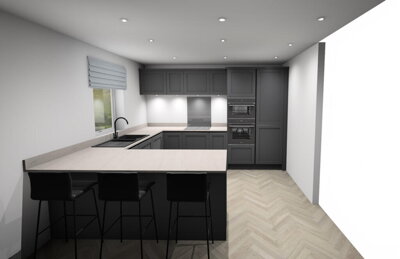
Browse 1 home new builds in Embleton, Cumberland from local developer agents.
The Embleton property market offers detached, semi-detached, and terraced houses spanning various price ranges and neighbourhoods. Each listing includes detailed property information, photographs, and direct contact with the marketing agent.
£460k
6
0
205
Source: home.co.uk
Showing 6 results for Houses new builds in Embleton, Cumberland. The median asking price is £460,000.
Source: home.co.uk
Detached
3 listings
Avg £550,000
Semi-Detached
2 listings
Avg £320,000
Terraced
1 listings
Avg £395,000
Source: home.co.uk
Source: home.co.uk
The Embleton property market presents a diverse range of housing options to suit different budgets and lifestyles. Detached properties command the highest prices, with the average sitting at around £450,000, reflecting the desirability of spacious family homes with generous gardens in this coastal setting. Semi-detached homes offer excellent value at approximately £280,000, while terraced properties start from around £220,000, making them accessible options for first-time buyers looking to establish themselves in this attractive area.
The housing stock in Embleton reflects its rich heritage, with approximately 40% of properties being detached homes, 30% semi-detached, 20% terraced, and 10% flats. Property ages vary considerably, with around 35% of homes dating from the pre-1919 period featuring traditional stone construction and solid walls. The remaining stock spans the interwar years, post-war period, and more recent developments, providing buyers with choices across all architectural styles and eras.
One significant development bringing new homes to the area is Embleton Hall Gardens, an Ascent Homes development on NE66 3XZ offering 3, 4, and 5 bedroom detached and semi-detached properties priced from £299,950 to £550,000. This scheme provides opportunities for buyers seeking brand-new accommodation with modern construction standards, including improved insulation and contemporary layouts, while still enjoying the village's distinctive character.
Property price trends in Embleton have demonstrated steady growth, with the 3.5% increase over the past twelve months outperforming some neighbouring areas. This consistent appreciation makes Embleton an attractive proposition for both homeowners and investors, particularly given the strong tourism demand for holiday lets in the Northumberland Coast Area of Outstanding Natural Beauty. The combination of coastal lifestyle appeal and relative value compared to metropolitan areas continues to draw buyers from across the UK.

Source: Land Registry, February 2026
Embleton is a small but vibrant community with a population of approximately 750 residents across around 350 households according to the 2021 Census. The village maintains a strong sense of community spirit, with local events, traditional pubs, and independent shops contributing to its welcoming atmosphere. The local economy benefits from tourism generated by the nearby Northumberland Coast Area of Outstanding Natural Beauty, with many visitors drawn to the area for walking, golfing, and exploring historic sites.
The character of Embleton is defined by its vernacular architecture featuring local sandstone, traditional brick, and slate roofing materials that blend harmoniously with the surrounding countryside. The village centre retains much of its historic appearance, with the Conservation Area protecting significant buildings and street scenes for future generations. On clear days, residents enjoy panoramic views across farmland to the Cheviot Hills and the North Sea coastline.
Daily amenities in Embleton include a village shop, a traditional pub serving food, and a church providing a focal point for community activities. For broader shopping and services, residents typically travel to Alnwick, approximately 8 miles inland, which offers supermarkets, independent retailers, healthcare facilities, and a cinema. The presence of holiday lets and second homes in the area creates a dynamic atmosphere, particularly during the summer months when the population swells with visitors.
Key employers in the local economy include hospitality businesses serving the tourism trade, agricultural enterprises across the surrounding farmland, and small independent shops serving both residents and visitors. The proximity to major attractions like Dunstanburgh Castle, which sees thousands of visitors annually, underpins the local holiday let market and creates opportunities for residents to generate additional income through short-term rentals. This economic diversity helps sustain the village's viability as a residential community throughout the year.

Families considering a move to Embleton will find a selection of educational options within reasonable driving distance. The village itself has a primary school serving the immediate community, with additional primary schools available in surrounding villages. For secondary education, pupils typically travel to schools in the Alnwick area or further afield to destinations like Amble or Berwick-upon-Tweed, with school transport arrangements supporting these commutes.
The wider Northumberland area hosts several well-regarded secondary schools and sixth form colleges, with the county maintaining a selective education system through grammar schools in towns such as Alnwick and Berwick. Parents are advised to research current Ofsted ratings and admission policies, as catchment areas can significantly influence school placement decisions. For families seeking independent education, schools in Newcastle upon Tyne provide options, though this requires a longer daily commute.
Early years childcare facilities are available in the village and surrounding areas, with registered childminders providing flexible care arrangements for working parents. The Northumberland College campus in Alnwick offers further education and vocational training courses for older students and adults seeking to develop new skills or change career direction. Families should factor school transport arrangements and commute times into their property search, particularly if considering properties further from the village centre where primary school access may require driving rather than walking.
Transport connections from Embleton centre on the road network, with the A1 trunk road providing access to Newcastle upon Tyne to the south and Edinburgh to the north. The journey to Newcastle takes approximately one hour by car, making day trips and weekend visits to the city practical for shopping, culture, and entertainment. The scenic coastal road through Craster and Seahouses offers an alternative route to the south, popular with tourists and locals alike.
Rail services are accessed at stations in Alnwick, Berwick-upon-Tweed, and Newcastle, with regular connections to major cities including Edinburgh, Newcastle, Durham, and London Kings Cross via the East Coast Main Line. The nearest station at Alnwick provides direct services to Newcastle in around 35 minutes, supporting commuters who work in the city but choose to live in the more affordable and peaceful coastal village setting.
Local bus services operate along the coastal route, connecting Embleton with nearby villages and towns including Alnwick, Craster, and the popular seaside destinations of Bamburgh and Seahouses. For daily commuting needs, car ownership remains advantageous given the rural location, though the increasing availability of remote working opportunities has made village life more practical for many professionals who only need to travel to offices occasionally. The X18 bus service provides a useful link for those without cars, though frequency can be limited on evenings and weekends.
Understanding the local geology is important for property buyers in Embleton, as ground conditions can affect foundation design, drainage, and long-term structural performance. The village sits on bedrock primarily composed of Carboniferous Limestone and Sandstone, with superficial deposits of glacial till (boulder clay) and localised sand and gravel across the surrounding area. These geological factors influence the stability of building foundations and the behaviour of soils during wet and dry conditions.
The shrink-swell risk associated with clay soils in Embleton is generally low to moderate across the immediate village area, according to British Geological Survey data. However, pockets of higher risk may exist where significant clay deposits are present, particularly in lower-lying areas near the Embleton Burn valley. Properties with large trees or hedgerows close to buildings may be more susceptible to ground movement during prolonged dry spells, as tree roots extract moisture from clay soils causing them to shrink.
Drainage characteristics in Embleton vary depending on local topography and soil composition. Areas with sandy and gravelly superficial deposits typically drain well, while clay-rich soils may experience slower surface water runoff. During heavy rainfall, low-lying areas and properties near watercourses are susceptible to surface water flooding, a consideration that buyers should factor into their property search. A specialist drainage and ground investigation can provide detailed assessment for properties of concern.
Properties in Embleton showcase the distinctive construction techniques used across the Northumberland coast over the past two centuries. Traditional stone cottages and farmhouses built before 1919 typically feature solid stone walls constructed from locally quarried sandstone, with lime mortar bedding that allows the structure to breathe. These solid wall constructions are typically 400-600mm thick and offer excellent thermal mass, though they generally perform less well thermally than modern cavity wall constructions without additional insulation.
Properties built during the interwar period (1919-1945) often employ cavity wall construction, though with narrower cavities than modern standards. These homes frequently feature traditional brickwork with slate or clay tile roofs, representing a transitional period in building technology. Post-war properties (1945-1980) increasingly incorporate concrete-based construction methods, with some using brick cladding over concrete blockwork. Understanding these construction variations helps buyers appreciate why older stone properties require different maintenance approaches compared to post-war homes.
The coastal exposure experienced by properties in Embleton accelerates weathering of external surfaces, roofing materials, and metal fixings. Salt-laden winds and wetting-drying cycles affect render, paintwork, and wooden joinery more rapidly than inland locations. Lead flashing, which was widely used on traditional roofs, is particularly vulnerable to corrosion in coastal environments and may require replacement with alternative materials such as code-compliant lead substitutes or powder-coated steel. Prospective buyers should examine the condition of all external joinery, claddings, and roof coverings carefully when viewing properties.
Spend time exploring Embleton at different times of day and week to understand the community atmosphere, traffic patterns, and local amenities. Visit the village centre, walk to the beach, and speak with residents to gauge what daily life is really like here. The coastal location means weather conditions can significantly affect living experience, so consider visiting during different seasons if possible.
Before viewing properties, obtain a mortgage agreement in principle from a lender to confirm your budget and demonstrate seriousness to sellers. Our mortgage comparison service helps you find competitive rates and specialist advisors familiar with the local property market. Given that Embleton properties range from £180,000 for flats to £550,000 for new builds, understanding your borrowing capacity early helps narrow your search effectively.
Work with estate agents listed on Homemove to arrange viewings of properties matching your requirements. For older stone properties, consider attending open viewings to see multiple homes efficiently and compare condition across different construction periods. Take notes and photographs during viewings to help distinguish between properties later.
Given that over 70% of properties in Embleton are over 50 years old, a RICS Level 2 Survey is strongly recommended for most purchases. Our survey service connects you with qualified local surveyors who understand the common issues affecting coastal properties, including damp, timber defects, and roof condition. For listed buildings or period properties with complex structural features, a RICS Level 3 Building Survey may be more appropriate.
Appoint a conveyancing solicitor to handle the legal aspects of your purchase, including searches, contracts, and registration. Our conveyancing comparison service helps you find experienced property lawyers familiar with Northumberland local authority requirements. Conveyancing for properties in the Conservation Area may require additional searches regarding planning restrictions and listed building status.
Once all legal work is finalized and both parties are satisfied, your solicitor will exchange contracts and set a completion date. On completion day, the remaining funds are transferred and you receive the keys to your new Embleton home. We recommend arranging buildings insurance to commence from the completion date.
Purchasing property in Embleton requires attention to several area-specific considerations that may not be apparent during a casual viewing. The coastal location means properties are exposed to prevailing winds and salt air, which can accelerate wear on external surfaces, roofing materials, and metalwork. Prospective buyers should examine roof conditions carefully, looking for missing or slipped slates, corroded lead flashing, and any signs of water ingress that might indicate more serious underlying problems.
Damp issues are particularly common in older stone properties throughout Embleton, affecting properties with solid walls and traditional construction. Look for signs of rising damp at ground floor levels, penetrating damp on external walls exposed to wind and rain, and condensation issues in poorly ventilated areas. A thorough RICS Level 2 Survey will identify the extent of any damp problems and recommend appropriate remedial measures. Pay particular attention to walls behind furniture and in north-facing rooms where drying is slower.
Flood risk should be assessed carefully given Embleton's proximity to the North Sea and the presence of the Embleton Burn watercourse. Properties in low-lying areas or those near the burn may face surface water flooding during heavy rainfall, while coastal properties could be susceptible to tidal flooding during severe weather events. Review the Environment Agency flood maps and ask the vendor about any historical flooding incidents before proceeding. Properties with a history of flooding may have experienced timber rot or moisture damage to floor structures that requires remediation.
If you are considering a listed building or a property within the Embleton Conservation Area, be aware that planning restrictions apply to alterations, extensions, and external changes. These properties often require specialist surveys and listed building consent for modifications, which can add complexity and cost to renovation projects. Factor these considerations into your budget and timeline when evaluating older properties. Outbuilding conversions, window replacements, and external rendering all require specific consents within the Conservation Area.
Electrical and heating systems in older properties frequently require upgrading to meet current regulations and provide modern comfort levels. Wiring installed before the 1970s may use rubber or fabric insulation that has deteriorated, creating potential fire hazards. A competent electrician should inspect older electrical installations before purchase, and buyers should budget for re-wiring if necessary. Similarly, older heating systems based on solid fuel or outdated boilers may be inefficient and costly to operate.
The average house price in Embleton is approximately £340,000 as of February 2026, according to Land Registry data. Detached properties average around £450,000, semi-detached homes cost approximately £280,000, terraced properties start from £220,000, and flats average £180,000. House prices have increased by 3.5% over the past 12 months, indicating a stable and growing market in this coastal village location. Recent sales data indicates approximately 45 property transactions in the area over the past year.
Properties in Embleton fall under Northumberland Council (Unitary Authority). Council tax bands range from A to H depending on property value and type, with most traditional cottages and smaller homes in the A to C band range, while larger detached properties and modern homes may be in higher bands. You can check the specific band for any property through the Valuation Office Agency website or your solicitor during the conveyancing process. Budget approximately £1,400 to £2,200 annually for council tax depending on the property band.
Embleton has a local primary school serving the immediate community, with additional primary schools in surrounding villages such as Longhoughton and Swarland. Secondary education options in the wider area include The Duchess's Community High School in Alnwick and other schools in Berwick-upon-Tweed. Northumberland also has grammar schools, with Alnwick Academy and Berwick Academy among the selective options. Always verify current Ofsted ratings and admission criteria directly with schools, as catchment area boundaries can affect placement decisions for families moving into the area.
Embleton is primarily accessed by road, with the A1 providing connections to Newcastle upon Tyne (approximately 1 hour) and Edinburgh (approximately 1.5 hours). Local bus services run along the coastal route connecting Embleton with Alnwick, Craster, and the seaside towns of Bamburgh and Seahouses. The nearest railway stations are in Alnwick and Berwick-upon-Tweed, offering East Coast Main Line services to major cities including direct trains to Newcastle and Edinburgh. The X18 bus provides a regular service linking coastal villages with Alnwick town centre.
Embleton offers several investment considerations, including strong tourism demand for holiday lets given its proximity to attractions like Dunstanburgh Castle and Embleton Beach. The presence of second homes in the village creates rental income opportunities, though you should research local planning regulations regarding holiday let licenses and short-term rentals. The 3.5% annual price growth demonstrates consistent demand, and properties in the Northumberland Coast Area of Outstanding Natural Beauty tend to retain their value well over the longer term. Holiday let yields in the area typically range from 5% to 8% gross annually for well-presented properties.
For standard purchases, stamp duty rates start at 0% on the first £250,000 of the purchase price, then 5% on the portion between £250,001 and £925,000. First-time buyers benefit from relief on the first £425,000 (0% rate), with 5% applying between £425,001 and £625,000. Properties priced above £625,000 do not qualify for first-time buyer relief. Your solicitor will calculate the exact SDLT liability and ensure correct submission to HMRC within 14 days of completion.
Given that over 70% of properties in Embleton are over 50 years old, common defects include damp in stone walls (rising, penetrating, and condensation-related), roof deterioration affecting slates and flashing, timber rot and woodworm in structural elements, and outdated electrical systems that may not meet current regulations. Coastal exposure accelerates weathering, so pay particular attention to the condition of external render, joinery, and metal fixings. A RICS Level 2 Survey typically costs £450 to £650 for a 3-bedroom property and will identify these issues before you commit to purchase.
Yes, Embleton faces several flood risk factors due to its coastal and watercourse location. The Embleton Burn poses a localised fluvial flood risk, while low-lying areas and properties near minor watercourses can experience surface water flooding during heavy rainfall. Coastal properties are susceptible to tidal and wave overtopping during severe weather conditions. Check Environment Agency flood maps and consider this when evaluating properties, particularly those on lower ground or very close to the sea. Properties within flood zone 3 or 2 require careful consideration of insurance availability and remediation costs.
Embleton Hall Gardens, developed by Ascent Homes on NE66 3XZ, represents the primary new build opportunity in the village. This development offers 3, 4, and 5 bedroom detached and semi-detached homes priced from £299,950 to £550,000. New builds benefit from modern construction standards including improved insulation, contemporary layouts, and warranties (typically 10-year structural warranties). Energy efficiency ratings for new properties are generally substantially higher than equivalent older homes, resulting in lower running costs.
Compared to neighbouring villages like Craster, Bamburgh, and Seahouses, Embleton offers relatively accessible pricing while providing similar coastal lifestyle benefits. Craster is known for its fishing harbour and seafood, while Bamburgh features a dramatic castle and is generally more expensive for property. Seahouses offers more extensive amenities as a larger town. Embleton strikes a balance between village character and accessibility, with the A1 providing good transport links that some neighbouring villages lack. The 3.5% annual price growth in Embleton is comparable to the wider Northumberland coast market.
From 4.5% APR
Compare competitive mortgage deals from leading lenders
From £499
Expert property solicitors for your Embleton purchase
From £450
Comprehensive survey for homes in Embleton
From £80
Energy performance certificate for your new home
Understanding the total costs of buying property in Embleton is essential for budgeting accurately. Beyond the purchase price, buyers should budget for stamp duty (SDLT), solicitor fees, survey costs, and moving expenses. As of 2024-25, standard SDLT rates apply 0% on the first £250,000 of residential property purchases, 5% on the portion from £250,001 to £925,000, 10% from £925,001 to £1.5 million, and 12% on amounts exceeding £1.5 million.
First-time buyers purchasing properties up to £425,000 pay no SDLT at all, with 5% applying between £425,001 and £625,000. Properties priced above £625,000 do not qualify for first-time buyer relief. For a typical Embleton property at the current average price of £340,000, a first-time buyer would pay no SDLT while a home mover would pay £4,500 in stamp duty on the £90,000 portion above the £250,000 threshold.
Additional purchase costs include solicitor fees (typically £800 to £1,500 plus disbursements for conveyancing), a RICS Level 2 Survey for properties over 50 years old (approximately £450 to £650 for a 3-bedroom home), and Land Registry fees for registering ownership. Moving costs vary based on distance and volume, but should be factored into your overall budget. We recommend obtaining quotes from our approved service providers before committing to any purchase. Budget an additional 2-3% of the purchase price for fees and moving costs to ensure you have sufficient funds available.
Properties New Builds In London

Properties New Builds In Plymouth

Properties New Builds In Liverpool

Properties New Builds In Glasgow

Properties New Builds In Sheffield

Properties New Builds In Edinburgh

Properties New Builds In Coventry

Properties New Builds In Bradford

Properties New Builds In Manchester

Properties New Builds In Birmingham

Properties New Builds In Bristol

Properties New Builds In Oxford

Properties New Builds In Leicester

Properties New Builds In Newcastle

Properties New Builds In Leeds

Properties New Builds In Southampton

Properties New Builds In Cardiff

Properties New Builds In Nottingham

Properties New Builds In Norwich

Properties New Builds In Brighton

Properties New Builds In Derby

Properties New Builds In Portsmouth

Properties New Builds In Northampton

Properties New Builds In Milton Keynes

Properties New Builds In Bournemouth

Properties New Builds In Bolton

Properties New Builds In Swansea

Properties New Builds In Swindon

Properties New Builds In Peterborough

Properties New Builds In Wolverhampton

Enter your details to see if this property is within your budget.
Loans, cards, car finance
Estimated property budget
Borrowing + deposit
You could borrow between
Typical borrowing
Monthly repayment
Est. at 4.5%
Loan-to-value
This is an estimate only. Your actual budget may vary depending on interest rates, credit history, and personal circumstances. For an accurate affordability assessment, speak to one of our free mortgage advisors.
This calculator provides estimates for illustrative purposes only and does not constitute financial advice. Your home may be repossessed if you do not keep up repayments on your mortgage. Estimates based on 4.5% interest rate, repayment mortgage. Actual rates depend on your circumstances.
Homemove is a trading name of HM Haus Group Ltd (Company No. 13873779, registered in England & Wales). Homemove Mortgages Ltd (Company No. 15947693) is an Appointed Representative of TMG Direct Limited, trading as TMG Mortgage Network, which is authorised and regulated by the Financial Conduct Authority (FRN 786245). Homemove Mortgages Ltd is entered on the FCA Register as an Appointed Representative (FRN 1022429). You can check registrations at NewRegister or by calling 0800 111 6768.

We use cookies to show you personalised content and improve your experience of our website. Find out more in our Privacy policy and Cookie policy.