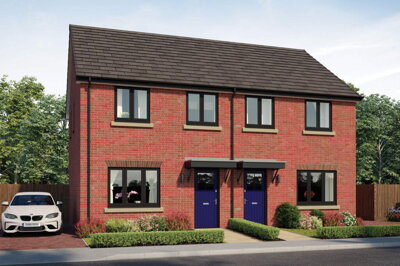
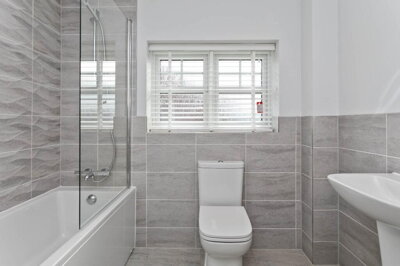
Browse 2 homes new builds in Elswick, Fylde from local developer agents.
The 2 bed house market features detached, semi-detached, and terraced properties with two separate bedrooms plus living spaces. Properties in Elswick range across contemporary developments, with pricing varying across different neighbourhoods.
£236k
2
0
206
Source: home.co.uk
Showing 2 results for 2 Bedroom Houses new builds in Elswick, Fylde. The median asking price is £236,250.
Source: home.co.uk
Semi-Detached
1 listings
Avg £365,000
Terraced
1 listings
Avg £107,500
Source: home.co.uk
Source: home.co.uk
The Gillamoor property market reflects the scarcity and desirability of homes in this designated Conservation Area. Our data shows that Main Street properties have achieved an average sold price of £455,167, while the broader YO62 postcode district has seen properties on Gillamoor Road average around £207,000 over the past year. The variation in prices across the village reflects the mix of property types available, from compact stone cottages to substantial detached farmhouses with land attached. Individual sales records indicate a healthy mix of detached, semi-detached, and terraced properties, catering to different buyer requirements and budgets.
Rightmove currently lists 28 properties for sale in Gillamoor over the past year, providing a reasonable selection for such a small village. The market has experienced some fluctuation, with house prices on Gillamoor Road showing a 43% decrease over the last year compared to the previous year, though this figure relates to a specific road rather than the entire village. No new-build developments have been verified within the village itself, meaning buyers purchasing in Gillamoor can expect traditional construction with original features. Properties here typically feature sandstone or limestone walls with red clay pantile roofs, thick stone lintels, and timber sash windows that contribute to the village's distinctive character.
The absence of new-build activity in Gillamoor itself is characteristic of many villages within the North York Moors National Park, where planning restrictions limit development opportunities. This scarcity of supply helps support property values over time, as demand from buyers seeking authentic period homes in protected landscapes consistently outstrips available stock. For buyers, this means acting decisively when a suitable property becomes available, and ensuring your finances are organized well in advance of making an offer.

Gillamoor is a village that wears its history proudly, having been documented in the Domesday Book of 1086 and continuously inhabited for over nine centuries. The village is centred around its Conservation Area, which was formally designated on 8th November 1995 to protect its distinctive character. Eight Grade II listed buildings dot the parish, including the Royal Oak pub, St Aidan's Church, and various historic farm buildings that showcase traditional Yorkshire architecture. The prevailing building materials of local sandstone and limestone with red clay pantile or slate roofs create a cohesive visual identity that has remained largely unchanged for generations. This heritage designation means any alterations to properties require careful consideration and often Conservation Area consent.
The economy of Gillamoor revolves primarily around agriculture, with two main farming families contributing significantly to local activity. Tourism also plays a role, as the village sits on the edge of the North York Moors National Park, attracting visitors who explore the moors and surrounding countryside. The village school has served generations of local families, while the mid-17th-century Royal Oak Inn provides the social heartbeat of the community. Despite its small size, residents enjoy a strong sense of community that is increasingly rare in modern Britain, with neighbours knowing one another and participating in village events throughout the year.
St Aidan's Church, rebuilt in 1802, stands as a landmark within the village and reflects the long-standing religious heritage of the parish. The Methodist Chapel, along with various farm buildings throughout the parish, adds to the architectural diversity of the area. Walking through Gillamoor, visitors and prospective residents will notice the characteristic thick stone lintels above windows and doors, a practical feature of local construction that has endured for centuries. The village pub serves as more than just a place for refreshments - it is the venue for community gatherings, celebrations, and the informal exchanges that bind rural communities together.

Understanding the traditional construction methods used in Gillamoor properties is essential for any prospective buyer, as these buildings require different maintenance considerations than modern construction. The predominant building materials in the village are locally sourced sandstone and limestone, typically finished with red clay pantile roofs that give the village its characteristic warm, earthy appearance. Some properties, including the old Methodist Chapel, Church, and village school, feature slate roofing which was historically reserved for more substantial or institutional buildings.
Windows in Gillamoor properties are commonly of timber construction with vertical and horizontal sashes, though many homeowners have upgraded to uPVC double glazing over the years. This mix of original and replacement windows affects both the aesthetic character of individual properties and their thermal performance. The thick stone lintels above windows and doors are a distinctive local feature that buyers should inspect carefully for signs of cracking or movement, as structural settlement can occur over time in traditional buildings.
Properties in Gillamoor date predominantly from the 17th, 18th, and 19th centuries, meaning they were constructed before modern building regulations. Walls in these older buildings were typically built without damp-proof courses, making them susceptible to rising damp if ground levels have been raised over the years. Roof structures in period properties may include original timber beams and purlins that should be checked for signs of woodworm, rot, or previous modifications. Our inspectors pay particular attention to these traditional construction elements when assessing properties in villages like Gillamoor, where the age of the housing stock means potential defects are more commonly encountered.
Families considering a move to Gillamoor will find a small but dedicated village school that has served the local community for generations. The village school provides primary education for young children, with the historic building forming part of the Conservation Area's architectural heritage. For secondary education, pupils typically travel to nearby market towns, with Kirkbymoorside offering secondary school options within reasonable daily commuting distance. The rural setting means education in Gillamoor maintains strong community ties, with smaller class sizes and more individual attention than often found in larger towns and cities.
Parents should research current catchment areas and admission policies, as these can change and may affect school placement decisions. Ofsted inspection reports for local schools should be consulted to ensure the chosen school meets expected standards. For families requiring additional educational support or specialist provision, the nearby town of York offers a wider range of options, including grammar schools and independent schools. The North York Moors area also offers opportunities for outdoor education and activities that complement formal schooling, providing children with a unique connection to the natural environment.
The proximity of Gillamoor to the North York Moors National Park offers educational benefits that urban schools cannot easily replicate. Children growing up in the village have immediate access to moorland landscapes, ancient woodlands, and diverse wildlife habitats, providing a natural outdoor classroom for geography, biology, and environmental studies. Weekend and holiday activities in the area include guided walks, nature trails, and visits to historic sites, enriching the educational experience beyond what textbooks can offer. Many families relocating from urban areas find this connection to the natural world a significant factor in their decision to move to villages like Gillamoor.
Gillamoor's rural location means that private transport is essential for most daily activities, with the village situated off the main road network that connects to Kirkbymoorside and the A170. The nearest railway stations are located in nearby towns, providing connections to York, Leeds, and the broader rail network for longer journeys. For commuters working in regional centres, the drive to York takes approximately 45 minutes to an hour, making Gillamoor potentially viable for those who can work from home several days per week or have flexible working arrangements. The scenic routes through the North York Moors are enjoyable for drivers but require careful planning during winter months when rural roads may be affected by adverse weather conditions.
Bus services connect Gillamoor to nearby villages and market towns, providing an alternative to car ownership for some journeys. However, the frequency of services is limited compared to urban areas, so residents should verify current timetables before relying on public transport for regular commuting. Cycling is popular in the area, with the North York Moors offering challenging but rewarding routes for experienced cyclists. The village's position on the edge of the National Park makes it an excellent base for exploring the surrounding countryside on foot or by bike, with numerous public footpaths and bridleways providing access to stunning landscapes.
The A170 provides the main arterial route connecting Gillamoor to the wider road network, linking to the market towns of Kirkbymoorside and Helmsley. From Kirkbymoorside, drivers can access the A169 towards Whitby or continue to the A1(M) for journeys further afield. For air travel, Leeds Bradford Airport and Newcastle Airport are both within reasonable driving distance, offering domestic and international flights. The village's position within the Limestone Hills Character Area means that some roads may be narrow and winding, requiring confident driving skills, particularly for larger vehicles or during periods of low visibility.
Spend time in Gillamoor before committing to a purchase, exploring the village, meeting locals, and understanding what daily life is like throughout different seasons. Visit the Royal Oak Inn, walk the surrounding countryside along public footpaths, and speak to residents to gain authentic insights into living in this small community. Consider visiting at different times of year to experience how the village changes through the seasons.
Before viewing properties, obtain a mortgage agreement in principle from a lender to confirm your budget and demonstrate your seriousness to sellers. This step is particularly important in a village market where properties may attract multiple interested buyers. Having your finances organized before making an offer gives you a competitive edge in a location where properties change hands quickly once listed.
Work with local estate agents familiar with the Gillamoor area to arrange viewings of suitable properties. Pay attention to the condition of traditional stone buildings, the age and condition of roofs, and any signs of damp or structural movement that are common in older properties. Given the Conservation Area designation and National Park location, understanding what alterations may be possible is also important.
Once you have identified a property, instruct a RICS Level 2 Survey to assess its condition thoroughly. The national average cost for this survey is approximately £455, typically ranging between £416 and £639. Given the age of properties in Gillamoor, a thorough survey is essential to identify any potential issues with traditional construction methods, including the condition of stone walls, timber windows, and roof structures.
Choose a conveyancing solicitor to handle the legal aspects of your purchase, including searches, contracts, and registration of the title. Local knowledge of North Yorkshire property transactions can be valuable in navigating the process smoothly. Your solicitor should be familiar with any local planning constraints that may affect the property.
Once all searches are satisfactory and contracts are signed, proceed to exchange and then completion, when you will receive the keys to your new Gillamoor home. Plan your move carefully, as removal companies familiar with rural North Yorkshire locations may need to be booked well in advance.
Properties in Gillamoor are predominantly traditional stone buildings dating from the 17th, 18th, and 19th centuries, which means buyers should pay particular attention to the condition of walls, roofs, and foundations. The characteristic sandstone and limestone construction with red clay pantile roofs requires ongoing maintenance, and potential buyers should budget for regular upkeep of these historic features. Thick stone lintels above windows and doors are a distinctive local feature, but these should be checked for signs of cracking or movement that could indicate structural issues. Timber sash windows add to the period character, though many properties have been upgraded to uPVC, which may affect both the appearance and value of the property.
As a Conservation Area, Gillamoor has restrictions on alterations and extensions that buyers should understand before purchasing. Planning consent may be required for significant changes, and the North York Moors National Park Authority has additional controls that affect properties on the village edge. The National Park Authority oversees 42 designated Conservation Areas within its boundary, many of which are subject to stricter planning controls including Article 4 Directions that further limit permitted development rights. Flood risk data specific to Gillamoor is not publicly available, but the Environment Agency's online service should be consulted for individual properties.
The presence of clay soils in the Limestone Hills Character Area means that some properties may be susceptible to ground movement, particularly during periods of drought or heavy rainfall. Subsidence and heave can affect buildings on clay soils, so look for signs of cracking to walls and doors or windows that no longer close properly. A thorough RICS Level 2 Survey will identify any potential concerns with the property structure and condition, including those related to the local geology. Buyers should also be aware that some older properties may have been constructed with materials containing asbestos, particularly those renovated during the mid-20th century.
Properties on Main Street in Gillamoor have achieved an average sold price of £455,167 according to recent Land Registry data, while the broader YO62 postcode area has seen properties on nearby roads average around £207,000. The variation reflects the different property types available, from compact period cottages to substantial detached farmhouses. With only 28 properties typically on the market at any time, prices can fluctuate based on individual property quality and the specific characteristics of each sale.
Council tax bands in Gillamoor are set by Ryedale District Council, with most traditional stone properties falling into bands B through D. Properties are assessed individually based on their value as of April 1991, so you should check the specific band for any property you are considering purchasing. Rural properties with larger land holdings may have higher valuations. Contacting Ryedale District Council directly or using the Valuation Office Agency website will provide current band information for any specific property.
Gillamoor has a small village primary school that serves the local community, with secondary education provided by schools in nearby Kirkbymoorside and the surrounding area. Parents should research current admission arrangements and catchment areas, as these can affect school placement. Ofsted inspection reports for all local schools should be consulted to assess educational standards. For grammar school access, families may need to consider schools in York or other regional centres, which would involve a longer daily commute. The village setting also offers excellent opportunities for outdoor education through direct access to the North York Moors National Park.
Gillamoor has limited public transport options, with bus services connecting the village to nearby towns and market towns but with less frequency than urban areas. The nearest railway stations are located in nearby towns, providing access to the broader rail network with connections to York, Leeds, and other major cities. Most residents rely on private cars for daily activities, shopping, and commuting. Prospective buyers should consider whether a rural lifestyle without regular public transport access suits their needs and circumstances. The village's position on the edge of the North York Moors means scenic drives are part of daily life, with the A170 providing connections to Kirkbymoorside and Helmsley.
Gillamoor offers a unique investment proposition as a Conservation Area on the edge of the North York Moors National Park, where property supply is severely limited. The village's historic properties and protected status mean that development opportunities are restricted, which can support long-term property values. The tourism appeal of the area, combined with growing demand for rural properties following recent changes in working patterns, suggests continued interest from buyers. However, the small market size and limited rental potential should be considered, as capital growth may be slower than in more active property markets. Properties within the National Park boundary may also appreciate differently from those outside due to planning restrictions on supply.
Stamp duty rates for 2024-25 are 0% on the first £250,000 of property value, 5% on £250,001 to £925,000, 10% on £925,001 to £1.5 million, and 12% above £1.5 million. First-time buyers benefit from relief on the first £425,000, with 5% charged between £425,001 and £625,000. Most properties in Gillamoor will fall below the £625,000 threshold, potentially qualifying first-time buyers for reduced stamp duty costs. Using the HMRC stamp duty calculator will provide the exact amount for your specific purchase.
As a designated Conservation Area established on 8th November 1995, Gillamoor has specific planning controls that affect what owners can do with their properties. Properties may require Conservation Area consent for certain alterations, and the North York Moors National Park Authority has additional oversight for properties within the National Park boundary. The National Park contains 42 designated Conservation Areas, many subject to Article 4 Directions that further restrict permitted development rights. Prospective buyers should consult with the National Park Authority planning department before committing to a purchase if they have plans for alterations or extensions.
Gillamoor is situated within the Limestone Hills Character Area, which means the underlying geology is predominantly limestone with associated clay-rich soils. Clay soils are susceptible to shrink-swell movement in response to moisture changes, which can cause structural movement in buildings over time. Signs of this type of movement include cracking to walls, particularly around openings, and doors or windows that stick or no longer close properly. While specific shrink-swell risk data for individual properties is not publicly available, a thorough RICS Level 2 Survey will assess the condition of the structure and identify any signs of movement that may be related to ground conditions.
Understanding the full cost of purchasing property in Gillamoor is essential for budgeting effectively, as stamp duty Land Tax represents only part of the total expenditure involved in completing your purchase. For properties priced at the village average of around £455,167, a standard buyer would pay stamp duty of approximately £10,258, calculated at 5% on the portion above £250,000. First-time buyers purchasing properties below £625,000 would qualify for relief on the first £425,000, potentially reducing their stamp duty liability to zero. Consulting the HMRC stamp duty calculator before making an offer ensures you have accurate figures based on your specific circumstances.
Additional buying costs include solicitor fees, which typically start from around £499 for conveyancing on a standard transaction, plus disbursements for searches and registration fees. A RICS Level 2 Survey, priced nationally between £416 and £639, is money well spent given the age and traditional construction of Gillamoor properties. An Energy Performance Certificate is legally required and typically costs from £60. Mortgage arrangement fees, valuation fees, and insurance should also be factored into your budget, bringing the total additional costs to approximately 2-5% of the property price. Getting quotes from multiple solicitors and surveyors before proceeding will help you manage these costs effectively.
Beyond the immediate purchase costs, buyers should budget for ongoing maintenance of traditional stone properties. The sandstone and limestone walls common in Gillamoor require repointing every few decades, and roof maintenance on pantile or slate coverings should be carried out regularly to prevent water ingress. Properties without modern damp-proof courses may require attention to rising damp, and timber windows will need painting or maintenance every few years. Setting aside a maintenance fund equivalent to around 1% of the property value annually is a sensible approach for owners of period properties in rural North Yorkshire.
Properties New Builds In London

Properties New Builds In Plymouth

Properties New Builds In Liverpool

Properties New Builds In Glasgow

Properties New Builds In Sheffield

Properties New Builds In Edinburgh

Properties New Builds In Coventry

Properties New Builds In Bradford

Properties New Builds In Manchester

Properties New Builds In Birmingham

Properties New Builds In Bristol

Properties New Builds In Oxford

Properties New Builds In Leicester

Properties New Builds In Newcastle

Properties New Builds In Leeds

Properties New Builds In Southampton

Properties New Builds In Cardiff

Properties New Builds In Nottingham

Properties New Builds In Norwich

Properties New Builds In Brighton

Properties New Builds In Derby

Properties New Builds In Portsmouth

Properties New Builds In Northampton

Properties New Builds In Milton Keynes

Properties New Builds In Bournemouth

Properties New Builds In Bolton

Properties New Builds In Swansea

Properties New Builds In Swindon

Properties New Builds In Peterborough

Properties New Builds In Wolverhampton

Enter your details to see if this property is within your budget.
Loans, cards, car finance
Estimated property budget
Borrowing + deposit
You could borrow between
Typical borrowing
Monthly repayment
Est. at 4.5%
Loan-to-value
This is an estimate only. Your actual budget may vary depending on interest rates, credit history, and personal circumstances. For an accurate affordability assessment, speak to one of our free mortgage advisors.
This calculator provides estimates for illustrative purposes only and does not constitute financial advice. Your home may be repossessed if you do not keep up repayments on your mortgage. Estimates based on 4.5% interest rate, repayment mortgage. Actual rates depend on your circumstances.
Homemove is a trading name of HM Haus Group Ltd (Company No. 13873779, registered in England & Wales). Homemove Mortgages Ltd (Company No. 15947693) is an Appointed Representative of TMG Direct Limited, trading as TMG Mortgage Network, which is authorised and regulated by the Financial Conduct Authority (FRN 786245). Homemove Mortgages Ltd is entered on the FCA Register as an Appointed Representative (FRN 1022429). You can check registrations at NewRegister or by calling 0800 111 6768.

We use cookies to show you personalised content and improve your experience of our website. Find out more in our Privacy policy and Cookie policy.