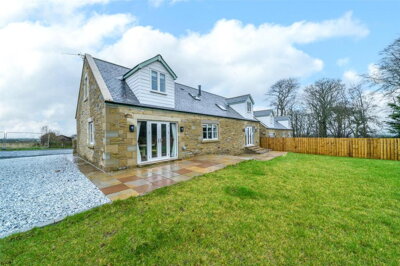
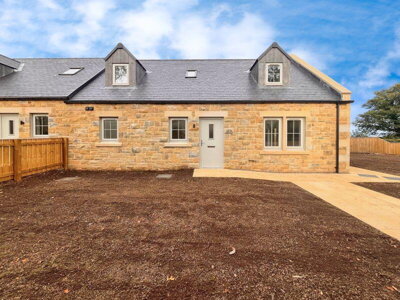
Browse 2 homes new builds in Eglingham, Northumberland from local developer agents.
Three bedroom properties represent a significant portion of the Eglingham housing market, offering space for families with multiple reception rooms and gardens in many cases. Browse detached, semi-detached, and terraced options ranging across new residential developments.
£215k
1
0
68
Source: home.co.uk
Showing 1 results for 3 Bedroom Houses new builds in Eglingham, Northumberland. The median asking price is £215,000.
Source: home.co.uk
Terraced
1 listings
Avg £215,000
Source: home.co.uk
Source: home.co.uk
The Eglingham property market reflects the character of the village itself, offering a limited but select range of traditional homes built primarily from local sandstone. Detached properties command prices between £450,000 and £600,000 or more, reflecting the generous plot sizes, period features, and sought-after rural locations. Semi-detached homes provide more accessible entry points, typically ranging from £250,000 to £350,000, making them attractive options for families seeking village life without the premium attached to the largest detached residences. The village sits atop Carboniferous bedrock comprising sandstones, mudstones, and limestones, with glacial till deposits common across the superficial geology, and these geological conditions have shaped the traditional building methods found throughout the area.
Our data indicates that terraced properties and flats are exceptionally rare in Eglingham itself, with the housing stock dominated by older detached and semi-detached houses dating from the pre-1919 period. The local sandstone, typically a warm brown or grey colour, has been used extensively in construction throughout the village, while roofing traditionally features slate from regional quarries and traditional clay tiles. Properties built before 1919 frequently have solid walls without cavity insulation, single-glazed windows, and older heating systems that may require upgrading. The wider NE66 postcode area recorded 34 property sales over the past year, a figure that demonstrates the limited turnover typical of small rural villages where properties change hands infrequently.
There are no active new-build developments within the Eglingham postcode, meaning buyers seeking modern specifications would need to look toward nearby towns such as Alnwick for newly constructed homes. The Conservation Area designation has deliberately restricted significant new development within the village, preserving its historic character but limiting supply. This scarcity factor contributes to the resilience of property values in Eglingham, where the combination of limited stock and consistent demand from buyers seeking authentic rural living creates a market with strong long-term fundamentals. Buyers should note that any new construction or significant alterations within the Conservation Area require planning consent from Northumberland County Council.

Eglingham sits within the Eglingham civil parish, which had a population of 396 according to the 2011 Census, offering an authentic rural living experience away from the pressures of larger towns and cities. The village is centered around St Maurice's Church, a Grade I listed building dating from medieval times, which anchors the historic core and provides a focal point for community life. The churchyard contains ancient gravestones and the building itself features medieval stonework and architectural details that reflect centuries of local history. Eglingham Hall, a Grade II* listed country house, stands as another significant landmark, exemplifying the architectural heritage that defines this corner of Northumberland.
The surrounding landscape consists of working farmland, gentle hills, and the characteristic drystone walls that define much of inland Northumberland, creating an environment that feels timeless and unspoiled. The local economy revolves primarily around agriculture, with farming operations throughout the parish providing employment and maintaining the traditional landscape. Many Eglingham residents commute to larger settlements including Alnwick, Morpeth, or even Newcastle upon Tyne for work, taking advantage of the relatively straightforward road connections while enjoying the quality of life that village living provides. Tourism contributes significantly to the wider Northumberland economy, with visitors drawn to the county's castles, coastline, and protected landscapes, creating hospitality employment in nearby towns.
The village benefits from proximity to the River Breamish to the west and River Aln to the south, though Eglingham itself sits above the immediate flood plains of these watercourses. Surface water flooding can occur in rural areas during periods of heavy rainfall due to local topography and drainage patterns, so prospective buyers should discuss any specific flood history with current residents or request relevant drainage information during conveyancing. The combination of rural tranquility, historic architecture, and practical connectivity makes Eglingham particularly appealing to families, remote workers, and those seeking a peaceful retirement location.

Families considering a move to Eglingham will find primary education options available in nearby villages and towns, with the village itself historically served by smaller rural schools that formed a central part of community life. The nearest primary schools are typically located in surrounding villages, with several rated Good or Outstanding by Ofsted across the wider locality. Longhoughton Primary School and schools in Denwick provide local primary options for Eglingham families, with transport arrangements supporting children from the village. Parents should verify current catchment boundaries with Northumberland County Council, as these can be subject to change and may affect which school children from specific addresses would be allocated.
Secondary education is provided at schools in the market towns of Northumberland, with school transport arrangements supporting families choosing to live rurally while accessing quality secondary provision. The Duchess's Community High School in Alnwick serves as the nearest secondary school, offering a range of GCSE and A-level courses with a strong reputation in the local area. Parents should note that school transport from Eglingham to Alnwick secondary schools involves a journey of approximately 8-10 miles, and families dependent on school buses should factor transport times into their daily routines. Several other secondary options exist within reasonable driving distance, giving families some choice in educational provision.
For families requiring further and higher education, colleges and universities are accessible in Newcastle upon Tyne, approximately 35 miles to the southeast, with regular train services from Alnwick connecting students to higher education opportunities. The journey from Alnwick to Newcastle by train takes approximately 30-40 minutes, making day travel feasible for students attending university or college courses. Transport times and routes will be an important consideration for those dependent on school buses or private transport to reach secondary schools.
Eglingham enjoys strategic positioning within Northumberland, with the A1 trunk road providing straightforward access to major cities including Newcastle upon Tyne to the east and Edinburgh to the north. The village sits approximately 10 miles south of Alnwick, making the historic market town readily accessible for daily amenities, shopping, and access to services. For those working in Newcastle, the journey by car typically takes around 45 minutes to an hour along the A1, making regular commuting feasible while enjoying the benefits of rural living. The A697 provides an alternative route through the county's rural heartland, connecting Eglingham to Morpeth and the wider county network.
The nearest railway stations are located in Alnwick and Berwick-upon-Tweed, offering connections on the East Coast Main Line with services to Edinburgh, Newcastle, and London King's Cross. Alnwick station provides regular train services, with journey times to Newcastle taking approximately 30-40 minutes by rail. For commuters working in Newcastle, driving to Alnwick station and continuing by train provides a practical option, combining the flexibility of car travel for the initial leg with the reliability of rail for the longer distance. Berwick-upon-Tweed station, approximately 35 miles north, offers additional connectivity with faster services to Edinburgh for those working in Scotland.
Local bus services connect Eglingham with surrounding villages and the market town of Alnwick, providing essential access for those without private vehicles. The X18 service provides a regular connection between Alnwick and surrounding rural communities, though passengers should check current timetables as rural bus services can be less frequent than urban equivalents. Parking within the village is generally straightforward compared to urban areas, with most properties offering off-street parking or garage accommodation. Cyclists will find both challenging routes through the Northumberland countryside and more leisurely options along country lanes, with the National Cycle Network providing connections to the wider region.
Before committing to a purchase in Eglingham, spend time exploring the village at different times of day and week to understand the community atmosphere. Visit local amenities, speak with residents about what it is like to live there, and research the specific conservation area restrictions that apply to properties in this designated area. Understanding the local property market, recent sales prices, and the particular characteristics of homes here will help you make an informed decision. Eglingham's Conservation Area status means any exterior alterations require planning consent, so understanding these restrictions before purchase is essential.
Arrange a mortgage agreement in principle before beginning property viewings, as this strengthens your position when making offers on homes in this competitive rural market. Eglingham properties, particularly traditional stone houses with historic features, can attract interest from multiple buyers, so having your financing in place demonstrates serious intent. Contact local and national lenders to compare rates and ensure you understand the full costs involved in purchasing a property in Northumberland. With typical property prices ranging from £250,000 to £600,000, securing appropriate mortgage financing is a critical first step in the purchase process.
Search for available homes using Homemove and arrange viewings through the listed estate agents. Pay particular attention to the construction materials and condition of traditional stone properties, noting features such as slate roofs, solid walls, and period details that require specific maintenance knowledge. A second viewing at a different time of day, and ideally in varied weather conditions, can reveal aspects of a property that a single visit might miss. Many Eglingham properties will have solid stone walls without cavity insulation, single-glazed windows, and older heating systems that may require upgrading.
Given the age of properties in Eglingham, with many dating from the pre-1919 period and numerous listed buildings in the village, a thorough RICS Level 2 Survey is essential before proceeding to purchase. Surveyors working in this area will be experienced in assessing traditional construction methods and identifying defects common to older stone-built properties, including penetrating damp, slate roof deterioration, and timber defects. For listed buildings or particularly historic properties, consider whether a more detailed RICS Level 3 Building Survey might be appropriate given the specialist repair and maintenance requirements these properties often involve.
Once your offer is accepted, instruct a conveyancing solicitor with experience in rural Northumberland properties to handle the legal work. Your solicitor will conduct local authority, drainage, and environmental searches, including checks for any past mining activity in the wider region and flood risk assessments for the specific location. They will also advise on any planning restrictions affecting the property, particularly relevant for homes within the Eglingham Conservation Area where alterations require consent. Given the rural nature of the village, searches should include drainage and water supply arrangements, as some properties may rely on private water sources or septic tanks rather than mains services.
Properties in Eglingham require careful inspection due to their traditional construction and age, with sandstone walls, slate roofs, and timber structures all demanding specialist knowledge to assess correctly. The local sandstone, typically a warm brown or grey colour, is generally durable but can be susceptible to weathering and deterioration of pointing over time. Look for signs of penetrating damp, particularly in older stone properties where the mortar between stones (known as pointing) may have eroded, allowing moisture to penetrate the porous sandstone. Roof conditions deserve close attention, as slipped or broken slates are common issues in properties of this age and can lead to internal damage if left unaddressed.
The presence of glacial till deposits in the superficial geology means properties may be susceptible to ground movement, with potential for subsidence or heave particularly where trees are located near buildings. When viewing properties, note the proximity of mature trees to the structure, as these can cause ground movement through moisture extraction in clay soils during dry periods. While Northumberland has a history of coal mining in some areas, Eglingham itself is not in a major mining district, though your solicitor should still obtain a Coal Authority report as part of the standard searches to confirm no historical mining activity affects the property. Surface water flooding can also occur during heavy rainfall, so check the property's drainage arrangements and ask about any previous flooding incidents.
Request information about the property's drainage, as rural locations sometimes rely on private systems such as septic tanks rather than mains sewerage. Electrical and plumbing systems in older homes frequently require updating to meet current standards, and you should budget accordingly for these potential works when calculating your total purchase and renovation costs. Properties built or renovated before 2000 may contain asbestos-containing materials (ACMs), which should be professionally assessed and managed appropriately during any renovation work. Our inspectors are experienced in identifying these potential issues during surveys and can provide detailed guidance on any remedial work required.
Our data shows average property prices in Eglingham and the surrounding NE66 postcode area typically range from £350,000 to £400,000. Detached properties command higher prices, generally between £450,000 and £600,000 or more, while semi-detached homes offer more accessible options from £250,000 to £350,000. The limited number of sales in this small village means prices can vary considerably depending on the specific property, its condition, and whether it has historic or listed status. Eglingham's position within a Conservation Area, combined with its limited supply of available homes, helps maintain property values even during periods of broader market adjustment.
Properties in Eglingham fall under Northumberland County Council administration, with council tax bands ranging from A to E depending on the property's assessed value. Most traditional stone-built homes in the village would typically fall within bands B through D, though specific bands depend on the property's rateable value. You can check the specific band for any property through the Valuation Office Agency website or by contacting Northumberland County Council directly, as bands affect ongoing annual costs for homeowners. Council tax in Northumberland for 2024/25 places Band D properties at approximately £2,000 per year, though actual amounts vary by band.
Eglingham village does not have its own primary school, with children typically attending schools in surrounding villages such as Longhoughton or Denwick. Several local primary schools have achieved Good or Outstanding Ofsted ratings, though parents should verify current classifications as these can be updated. The nearest secondary schools are located in Alnwick, with several options available including The Duchess's Community High School, which serves a wide catchment area including rural communities like Eglingham. Families should verify current catchment areas and admission policies with Northumberland County Council, as these can change and may influence which school a child would attend from any given address.
Eglingham is served by local bus routes connecting the village to Alnwick and surrounding communities, though services are less frequent than in urban areas and passengers should check current timetables. The nearest railway stations are in Alnwick and Berwick-upon-Tweed, both offering East Coast Main Line services to major cities including Edinburgh, Newcastle, and London King's Cross. Alnwick station provides regular connections to Newcastle with journey times of approximately 30-40 minutes. For commuters working in Newcastle, driving to Alnwick station and continuing by train provides a practical option, with the overall journey taking approximately one hour from Eglingham under normal traffic conditions.
Eglingham offers particular appeal for buyers seeking a tranquil rural lifestyle within a historic Conservation Area, rather than as a high-yield investment opportunity. Property values benefit from the scarcity of available homes and the desirability of traditional Northumberland stone properties, providing solid long-term prospects in a market with limited supply. The village's heritage status, combined with its proximity to Alnwick and good road connections to Newcastle and Edinburgh, helps maintain demand from buyers seeking authentic rural living without complete remoteness. Rental yields in rural Northumberland villages like Eglingham tend to be modest, with most properties purchased for owner occupation rather than investment purposes.
Stamp Duty Land Tax applies to all purchases above £250,000 at the standard rate, with buyers paying 5% on the portion between £250,001 and £925,000. For a typical Eglingham property priced between £350,000 and £400,000, this means stamp duty of approximately £5,000 to £7,500 for standard buyers. First-time buyers purchasing properties up to £625,000 qualify for relief, paying no stamp duty on the first £425,000 and 5% on amounts between £425,001 and £625,000. A first-time buyer purchasing a property at £350,000 would pay no stamp duty under current first-time buyer relief, provided all eligibility criteria are met.
Properties in Eglingham are predominantly pre-1919 traditional construction, which brings specific considerations including potential damp penetration, roof defects, and timber deterioration in floor joists and roof structures. The glacial till deposits underlying parts of the area create shrink-swell risk for properties on clay soils, particularly where trees are present near buildings. Given that the village is a Conservation Area and many properties are Listed Buildings, buyers should understand the planning restrictions and listed building consent requirements that apply to alterations and improvements. A thorough RICS Level 2 Survey is essential for any property purchase in Eglingham, with a RICS Level 3 Building Survey recommended for listed buildings and properties showing signs of structural movement.
From £400
Essential for older properties in this rural area, identifying defects common to traditional construction. Our inspectors understand the specific issues affecting stone-built homes in Eglingham.
From £600
Comprehensive structural survey recommended for listed buildings and period properties showing signs of movement or deterioration.
From £499
Expert property solicitors handling rural Northumberland transactions, including Conservation Area and listed building considerations.
From 3.9%
Competitive mortgage rates for rural property purchases in Northumberland, with brokers experienced in traditional property finance.
Purchasing a property in Eglingham involves several costs beyond the purchase price itself, with stamp duty land tax forming a significant consideration for most buyers. For properties purchased at the typical village price range of £350,000 to £400,000, standard buyers would expect to pay approximately £5,000 to £7,500 in stamp duty at current rates. First-time buyers purchasing properties up to £625,000 qualify for relief, potentially reducing or eliminating this cost entirely, though eligibility criteria must be carefully checked to ensure all conditions are satisfied.
RICS Level 2 Surveys in the Eglingham area typically range from £400 to £900 or more, depending on the property size, age, and complexity. Given the village's traditional construction and high proportion of older properties, budgeting for a thorough survey is particularly important. Semi-detached properties in the £250,000 to £350,000 range would typically attract survey fees at the lower end of this spectrum, while larger detached properties commanding £450,000 to £600,000 would be at the higher end. For listed buildings or properties with complex structural issues, a more detailed RICS Level 3 Building Survey may be necessary, which would increase costs accordingly.
Conveyancing costs in Northumberland usually start from around £499 for straightforward purchases, though complexities such as listed building status, conservation area restrictions, or any historical mining activity in the area may increase legal fees. Additional costs to factor in include Land Registry fees, local authority and drainage searches, and removal expenses, bringing total buying costs to approximately 2 to 5 percent of the property purchase price depending on individual circumstances. Budgeting around £10,000 to £15,000 for additional costs on a £350,000 property purchase would provide adequate contingency for these expenses.
Properties New Builds In London

Properties New Builds In Plymouth

Properties New Builds In Liverpool

Properties New Builds In Glasgow

Properties New Builds In Sheffield

Properties New Builds In Edinburgh

Properties New Builds In Coventry

Properties New Builds In Bradford

Properties New Builds In Manchester

Properties New Builds In Birmingham

Properties New Builds In Bristol

Properties New Builds In Oxford

Properties New Builds In Leicester

Properties New Builds In Newcastle

Properties New Builds In Leeds

Properties New Builds In Southampton

Properties New Builds In Cardiff

Properties New Builds In Nottingham

Properties New Builds In Norwich

Properties New Builds In Brighton

Properties New Builds In Derby

Properties New Builds In Portsmouth

Properties New Builds In Northampton

Properties New Builds In Milton Keynes

Properties New Builds In Bournemouth

Properties New Builds In Bolton

Properties New Builds In Swansea

Properties New Builds In Swindon

Properties New Builds In Peterborough

Properties New Builds In Wolverhampton

Enter your details to see if this property is within your budget.
Loans, cards, car finance
Estimated property budget
Borrowing + deposit
You could borrow between
Typical borrowing
Monthly repayment
Est. at 4.5%
Loan-to-value
This is an estimate only. Your actual budget may vary depending on interest rates, credit history, and personal circumstances. For an accurate affordability assessment, speak to one of our free mortgage advisors.
This calculator provides estimates for illustrative purposes only and does not constitute financial advice. Your home may be repossessed if you do not keep up repayments on your mortgage. Estimates based on 4.5% interest rate, repayment mortgage. Actual rates depend on your circumstances.
Homemove is a trading name of HM Haus Group Ltd (Company No. 13873779, registered in England & Wales). Homemove Mortgages Ltd (Company No. 15947693) is an Appointed Representative of TMG Direct Limited, trading as TMG Mortgage Network, which is authorised and regulated by the Financial Conduct Authority (FRN 786245). Homemove Mortgages Ltd is entered on the FCA Register as an Appointed Representative (FRN 1022429). You can check registrations at NewRegister or by calling 0800 111 6768.

We use cookies to show you personalised content and improve your experience of our website. Find out more in our Privacy policy and Cookie policy.