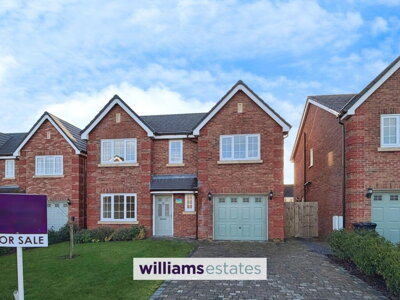
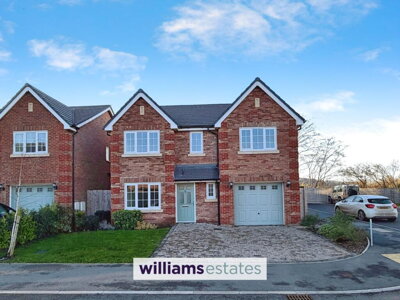
Browse 2 homes new builds in Efenechtyd, Denbighshire from local developer agents.
£365k
5
1
45
Source: home.co.uk
Source: home.co.uk
Detached
3 listings
Avg £465,000
Detached Bungalow
2 listings
Avg £357,500
Source: home.co.uk
Source: home.co.uk
The Combrook property market reflects its status as a premium rural Warwickshire location, with recent transaction data showing an average sold price of £400,000 over the past year. For properties within the CV35 9HP postcode specifically, current valuations average £531,185 as of September 2025, demonstrating the ongoing appeal of this sought-after village. Individual sales illustrate the range available: a semi-detached property at 41 Combrook Road sold for £400,000 in late September 2025, while a substantial detached house at 25 School Lane achieved £732,500 in February 2024. The upper end of the market features impressive period properties, with a six-bedroom detached house recently listed at £3,750,000.
Long-term price trends in the CV35 9HP postcode reveal a 26.2% increase over the past decade, indicating steady capital growth for property owners. However, recent market activity shows some correction, with prices in the postcode area sitting 41% below the 2021 peak of £676,667. The wider Combrook market has experienced more significant adjustment, with sold prices 68% below the 2016 peak of £1,250,000. These fluctuations reflect broader national market trends rather than any weakness in the village's fundamental appeal. The CV35 9HP postcode has recorded 51 property transactions since 1995, involving 32 unique properties, demonstrating consistent demand despite the small scale of the market.
New build activity in Combrook remains extremely limited, with no active development sites identified within the village itself. An exclusive development of just five properties by Kendrick Homes completed near Compton Fields in late 2020 represents one of the few recent additions to the housing stock. This scarcity of new homes contributes to the village's character and ensures that period properties, many dating from the Victorian era or earlier, form the backbone of the housing market. Buyers should expect to find character-rich properties constructed from traditional materials including limestone, white stone rubble with Hornton dressings, and in some cases, original thatched roofs.

Life in Combrook centres on the village's remarkable architectural heritage and its connection to the nearby Compton Verney estate. Until 1929, the Lord of the Manor controlled residence in what was a traditional estate village, a legacy that shaped the distinctive character of the settlement. The village contains several notable buildings designed by Victorian architect John Gibson, including neo-Elizabethan estate houses and ornamental features such as horse drinking troughs. Combrook House, a Grade II listed building with probable 17th-century origins and 16th-century roots as a school, stands as testament to the village's distinguished past. The Church of St. Mary and St. Margaret, with its medieval origins, 1866 nave, and surviving medieval cross in the churchyard, provides the spiritual heart of the community.
The village occupies undulating Warwickshire countryside, bounded to the south by the River Dene which adds to the rural charm and provides local walking opportunities. With approximately 65 houses forming the core settlement, Combrook maintains an intimate scale that fosters genuine community spirit. The Index of Multiple Deprivation ranking of 19,918 out of 32,844 in England indicates that residents enjoy a relatively prosperous environment compared to many parts of the country. This affluence reflects both the quality of housing and the socio-economic profile of those who choose village life in this corner of Warwickshire. The village shop and pub, common features of comparable settlements, serve as focal points for social interaction and community events.
The location within the Leamington Spa Travel to Work Area provides economic context, connecting residents to employment opportunities in the spa town and surrounding areas while maintaining the tranquility of rural living. Annual events and village traditions, where they exist, typically centre on the church and community hall, providing entertainment and social cohesion for residents of all ages. The proximity to larger market towns including Stratford-upon-Avon, Warwick, and Royal Leamington Spa means that residents need not sacrifice access to cultural attractions, shopping, healthcare, and entertainment. Families are drawn to the village for its safe environment, strong community bonds, and the educational opportunities available in nearby towns.

Education provision for Combrook families operates through a network of local schools in surrounding villages and towns. The village's small scale means that primary education is typically accessed in nearby communities, with several good schools within a reasonable driving distance in the Stratford-on-Avon district. Parents moving to Combrook should research current catchment areas and admission arrangements, as these can change annually and vary depending on the specific location within the CV35 postcode area. The historic primary school building mentioned in historical references has since closed, but modern primary provision exists in neighbouring villages, many of which maintain strong academic standards and good Ofsted ratings.
Secondary education in the area centres on schools in Stratford-upon-Avon and Warwick, both of which offer comprehensive secondary education alongside selective grammar school options. Families should consider transportation arrangements when selecting a secondary school, as journey times from Combrook to these towns range from 15 to 30 minutes by car depending on traffic conditions and the specific school selected. Sixth form provision is available at schools in Stratford-upon-Avon and Warwick, offering A-level courses across a wide range of subjects. For those seeking vocational qualifications, further education colleges in Warwickshire provide apprenticeships and technical courses that complement academic pathways.
Early years and nursery education may be available through village networks, community groups, or childminders operating in the surrounding area. Parents are advised to register interest with providers well in advance of any planned move, as demand for early years places can exceed supply in rural communities. Independent schools in Warwickshire and the Cotswolds provide alternative educational pathways for families seeking private education, with several well-regarded options within 20 miles of Combrook. The quality of local education, combined with the village's safe environment and strong community values, makes Combrook an attractive location for families at all stages of parenthood.
Combrook benefits from its position within Warwickshire that balances rural tranquility with practical connectivity to major urban centres. The village sits within the CV35 postcode area, placing it within reasonable reach of Stratford-upon-Avon approximately 8 miles to the north, Warwick around 10 miles to the north-east, and Leamington Spa approximately 12 miles to the east. The A46 trunk road passes nearby, providing direct access to Coventry and Birmingham to the north, while the A429 connects Combrook to the wider road network heading south towards Oxford. These connections make car travel the most practical option for most commuters and daily travel needs.
Public transport options from Combrook are limited, reflecting the village's small scale and rural nature. Bus services connecting Combrook to nearby towns operate on a reduced timetable compared to urban routes, making access to railways and other destinations dependent on private vehicle use or careful planning. The railway stations at Stratford-upon-Avon, Warwick Parkway, and Leamington Spa provide access to national rail services, with journey times to Birmingham Moor Street or Birmingham New Street taking approximately 30 to 45 minutes from the nearest stations. London Marylebone is reachable via Coventry or Banbury in around 90 minutes to two hours, positioning Combrook within reasonable reach of the capital for business or leisure travel.
Cycling infrastructure in the surrounding Warwickshire countryside offers opportunities for recreational travel and shorter commutes, though the undulating terrain and rural road network require appropriate fitness and caution. Many residents embrace the opportunity to work from home, reducing the frequency of daily commuting and making the village's poor public transport less of an obstacle. For those requiring regular office attendance, the location's connectivity to major road networks and railway stations provides viable options, albeit with the need for a car as a primary transport mode. Parking in the village is typically straightforward given the low traffic volumes, representing a significant advantage over urban living.
Combrook's housing stock spans several centuries of English building tradition, from medieval origins through Victorian estate construction to occasional modern additions. Understanding local construction types helps buyers appreciate the character of properties while anticipating maintenance requirements. The village's Grade II listed buildings, including Combrook House which features coursed limestone walls with mullioned windows, represent some of the oldest surviving structures. Victorian neo-Elizabethan estate houses designed by John Gibson add architectural variety, while the surviving thatched properties showcase traditional rural craftsmanship. We always advise buyers to research the construction history of any property before purchase, as each era brought different building techniques and potential defect patterns.
The white stone rubble with Hornton dressings seen in the village's parish church also appears in some residential properties, particularly those connected to the estate village heritage. This local stone responds differently to weathering than other materials, requiring specific maintenance approaches that knowledgeable local builders understand. Hornton beds, a distinctive ironstone found in the area, appear in numerous period properties and can be susceptible to freeze-thaw damage if not properly maintained. Our team has encountered several Combrook properties where original stonework required repointing using appropriate lime mortar rather than modern cement, which can trap moisture and accelerate deterioration in traditional structures.
Thatched roofs remain a defining feature of some Combrook properties, offering exceptional character and traditional insulation properties alongside specialist maintenance needs. Properties with original thatch require specialist contractors for repairs and often face higher insurance premiums due to perceived fire risk. We recommend arranging a detailed survey that specifically addresses thatch condition, including an assessment of the underlying timber structure for any signs of rot or beetle infestation. The age of thatch and its remaining useful life should factor significantly into any purchase decision and subsequent budgeting for eventual re-roofing. Replacing a thatched roof with appropriate materials can cost significantly more than a standard roof replacement, making condition assessment essential for accurate budgeting.
Before scheduling viewings, explore current listings on Homemove and familiarise yourself with the village's distinctive housing stock. Combrook properties range from traditional cottages to substantial period houses, with prices from around £400,000 for typical homes to over £1 million for larger detached properties. Understanding the local market before viewing helps you identify value and negotiate effectively. Given the village's small scale, properties appear infrequently, so monitoring listings consistently and building relationships with local agents who understand the Combrook market provides a meaningful advantage.
Contact lenders or use Homemove's mortgage comparison tools to obtain an agreement in principle before scheduling viewings. This demonstrates your financial credibility to estate agents and sellers, essential in a competitive rural market where properties may attract multiple interested buyers. Current mortgage rates vary, so comparison shopping can save thousands over the life of your loan. We recommend having your mortgage arrangement confirmed before making an offer, as sellers in this price range typically expect buyers to demonstrate immediate financial capability.
Visit properties in person to assess their condition, location within the village, and proximity to amenities. Pay particular attention to the age of properties, construction materials, and any signs of maintenance needs. Combrook's listed buildings and period properties may have specific requirements regarding alterations and permitted development rights. We suggest viewing properties at different times of day to assess lighting, noise levels from any nearby roads, and the general atmosphere of the surrounding area.
Before completing your purchase, arrange a homebuyer report or RICS Level 2 survey to identify any structural issues or repair needs. Given the age of many Combrook properties, professional surveys are particularly valuable. Typical costs range from £350 to £600 depending on property size, and the report can provide leverage in price negotiations or highlight conditions that require attention. For older or listed properties, we may recommend a more detailed RICS Level 3 building survey that provides comprehensive analysis of construction, defects, and renovation considerations.
Appoint a solicitor experienced in rural Warwickshire property transactions to handle legal work, searches, and contract exchange. They will investigate local planning history, check drainage arrangements, and ensure the property's title is clear. For listed buildings, additional checks regarding permitted development rights and heritage designations will be required. We can connect you with solicitors who have experience handling Combrook transactions, including those involving period properties and listed buildings where specialist knowledge proves valuable.
Once searches are satisfactory and financing is confirmed, your solicitor will exchange contracts and agree a completion date with the seller. On completion day, the remaining balance is transferred and you receive the keys to your new Combrook home. Register ownership with the Land Registry within 30 days of completion. We recommend arranging buildings insurance from the point of contract exchange, as this becomes your responsibility at that stage regardless of whether you have moved in.
Properties in Combrook span several centuries of architectural history, from medieval origins through Victorian era estate houses to the occasional modern addition. The village contains several Grade II listed buildings including Combrook House, which means any purchases involving listed properties require careful consideration of permitted development rights and restrictions on alterations. Consent from the local planning authority may be needed for extensions, external changes, or even internal modifications that affect the building's character. These requirements protect the village's heritage but require additional planning before undertaking renovation work. We recommend requesting a copy of any existing listed building consent history and discussing planned alterations with Stratford-on-Avon District Council planning department before committing to a purchase.
Construction materials in Combrook properties reflect their periods of origin, with limestone walls, thatched roofs, and traditional timber framing common throughout the village. Properties with original thatched roofs require specialist maintenance and insurance considerations, though they offer exceptional character and insulation properties. The white stone rubble with Hornton dressings seen in the village church appears in some residential properties, while Victorian neo-Elizabethan houses designed by John Gibson feature distinctive architectural details. A thorough survey should assess the condition of these traditional materials and any remedial work required. We always suggest requesting quotes from contractors familiar with traditional building materials before finalising your purchase budget.
Flood risk assessment is advisable given Combrook's location adjacent to the River Dene, though specific flood risk data for the village was not available in current records. Buyers should request information about any past flooding incidents, drainage arrangements, and the property's position relative to watercourses. Rural properties may also have private drainage systems such as septic tanks or cess pits, which require maintenance and may require upgrading to meet current regulations. Freehold ownership predominates in Combrook, though buyers should verify tenure arrangements for any property where leasehold elements might apply. We recommend including drainage and flooding searches in your conveyancing requirements to ensure comprehensive information about these potential concerns.
The average sold price for properties in Combrook over the past year is approximately £400,000, though this figure can vary significantly depending on property type and size. The CV35 9HP postcode currently shows an average property value of £531,185 as of September 2025. Detached houses dominate the market, with larger period properties and farmhouses commanding prices from £700,000 to over £1 million. Recent sales include a semi-detached property at 41 Combrook Road that sold for £400,000 in September 2025, and a detached house at 25 School Lane that achieved £732,500 in February 2024. We can provide more detailed market analysis for specific properties you are considering.
Properties in Combrook fall under Stratford-on-Avon District Council's jurisdiction for council tax purposes. Council tax bands in rural Warwickshire range from A to H depending on property value, with most Combrook homes likely falling into bands D to F given the village's property values. Prospective buyers should check the specific band for any property through the Valuation Office Agency website, as bands affect ongoing annual costs. The district council provides standard services including refuse collection, recycling, and local authority facilities funded through council tax. We recommend verifying the council tax band early in your purchase process as this forms part of your regular household costs.
Combrook's nearest primary schools are located in surrounding villages, with families typically travelling to schools in the Stratford-upon-Avon and Warwick areas for both primary and secondary education. Stratford-upon-Avon offers several well-regarded primary schools alongside the selective King Edward VI School for secondary students. Warwick provides comprehensive secondary options as well as grammar school places for eligible students. Parents should verify current admission arrangements and catchment areas, as these can affect school placement for families moving to the village. We suggest visiting potential schools and understanding transportation arrangements before committing to a purchase, as school access represents a significant factor in daily family life.
Public transport options from Combrook are limited, reflecting its status as a small rural village. Bus services connecting to nearby towns operate on reduced frequencies compared to urban routes, making private vehicle ownership essential for most residents. The nearest railway stations at Stratford-upon-Avon, Warwick Parkway, and Leamington Spa provide access to national rail services, with Birmingham accessible in approximately 30 to 45 minutes and London Marylebone reachable in around 90 minutes to two hours. The village's position near the A46 provides reasonable road connectivity to major centres including Coventry and Birmingham. We recommend factoring car ownership into your moving plans if you choose Combrook, as the village's transport limitations affect daily life significantly.
Combrook offers several characteristics that appeal to property investors, including its heritage-rich environment, proximity to major employment centres, and limited new build supply. The village's position within the Leamington Spa Travel to Work Area provides connectivity to well-paying jobs, while the rural character ensures ongoing demand from buyers seeking village living. Long-term price trends show 26.2% growth over the past decade in the CV35 9HP postcode, though recent market corrections have seen prices retreat from 2021 peaks. The village's small scale and listed property concentration may limit rental demand, making capital appreciation a more likely investment outcome than rental income. We recommend discussing your investment objectives with our team to determine whether Combrook properties align with your specific strategy.
Budgeting for a property purchase in Combrook requires careful consideration of all costs beyond the purchase price itself. Stamp Duty Land Tax represents the largest additional expense for most buyers, with the current threshold of £250,000 for standard purchases meaning that most Combrook properties will incur SDLT charges. For a detached house priced at the village average of around £532,000, a standard buyer would pay approximately £14,100 in stamp duty. Professional services including surveys typically cost between £350 and £600 for a RICS Level 2 report, while conveyancing fees range from £499 to £1,500 plus disbursements. Total costs excluding stamp duty typically range from £2,000 to £4,000 for a standard Combrook property transaction, making thorough budgeting essential for a smooth purchase process. We can provide a detailed cost breakdown tailored to your specific property purchase.
Properties in Combrook include several Grade II listed buildings where modifications require consent from the local planning authority under Stratford-on-Avon District Council. These restrictions apply to external alterations, extensions, and sometimes internal works that affect the building's character. While listed status protects the village's heritage, buyers should understand that planned renovations may require listed building consent, adding time and cost to any project. We recommend requesting a copy of any existing consent history and discussing planned works with the planning authority before purchasing. For unlisted period properties, permitted development rights may still be limited within the village context, and we can advise on specific restrictions applying to any property you are considering.
Properties New Builds In London

Properties New Builds In Plymouth

Properties New Builds In Liverpool

Properties New Builds In Glasgow

Properties New Builds In Sheffield

Properties New Builds In Edinburgh

Properties New Builds In Coventry

Properties New Builds In Bradford

Properties New Builds In Manchester

Properties New Builds In Birmingham

Properties New Builds In Bristol

Properties New Builds In Oxford

Properties New Builds In Leicester

Properties New Builds In Newcastle

Properties New Builds In Leeds

Properties New Builds In Southampton

Properties New Builds In Cardiff

Properties New Builds In Nottingham

Properties New Builds In Norwich

Properties New Builds In Brighton

Properties New Builds In Derby

Properties New Builds In Portsmouth

Properties New Builds In Northampton

Properties New Builds In Milton Keynes

Properties New Builds In Bournemouth

Properties New Builds In Bolton

Properties New Builds In Swansea

Properties New Builds In Swindon

Properties New Builds In Peterborough

Properties New Builds In Wolverhampton

Enter your details to see if this property is within your budget.
Loans, cards, car finance
Estimated property budget
Borrowing + deposit
You could borrow between
Typical borrowing
Monthly repayment
Est. at 4.5%
Loan-to-value
This is an estimate only. Your actual budget may vary depending on interest rates, credit history, and personal circumstances. For an accurate affordability assessment, speak to one of our free mortgage advisors.
This calculator provides estimates for illustrative purposes only and does not constitute financial advice. Your home may be repossessed if you do not keep up repayments on your mortgage. Estimates based on 4.5% interest rate, repayment mortgage. Actual rates depend on your circumstances.
Homemove is a trading name of HM Haus Group Ltd (Company No. 13873779, registered in England & Wales). Homemove Mortgages Ltd (Company No. 15947693) is an Appointed Representative of TMG Direct Limited, trading as TMG Mortgage Network, which is authorised and regulated by the Financial Conduct Authority (FRN 786245). Homemove Mortgages Ltd is entered on the FCA Register as an Appointed Representative (FRN 1022429). You can check registrations at NewRegister or by calling 0800 111 6768.

We use cookies to show you personalised content and improve your experience of our website. Find out more in our Privacy policy and Cookie policy.