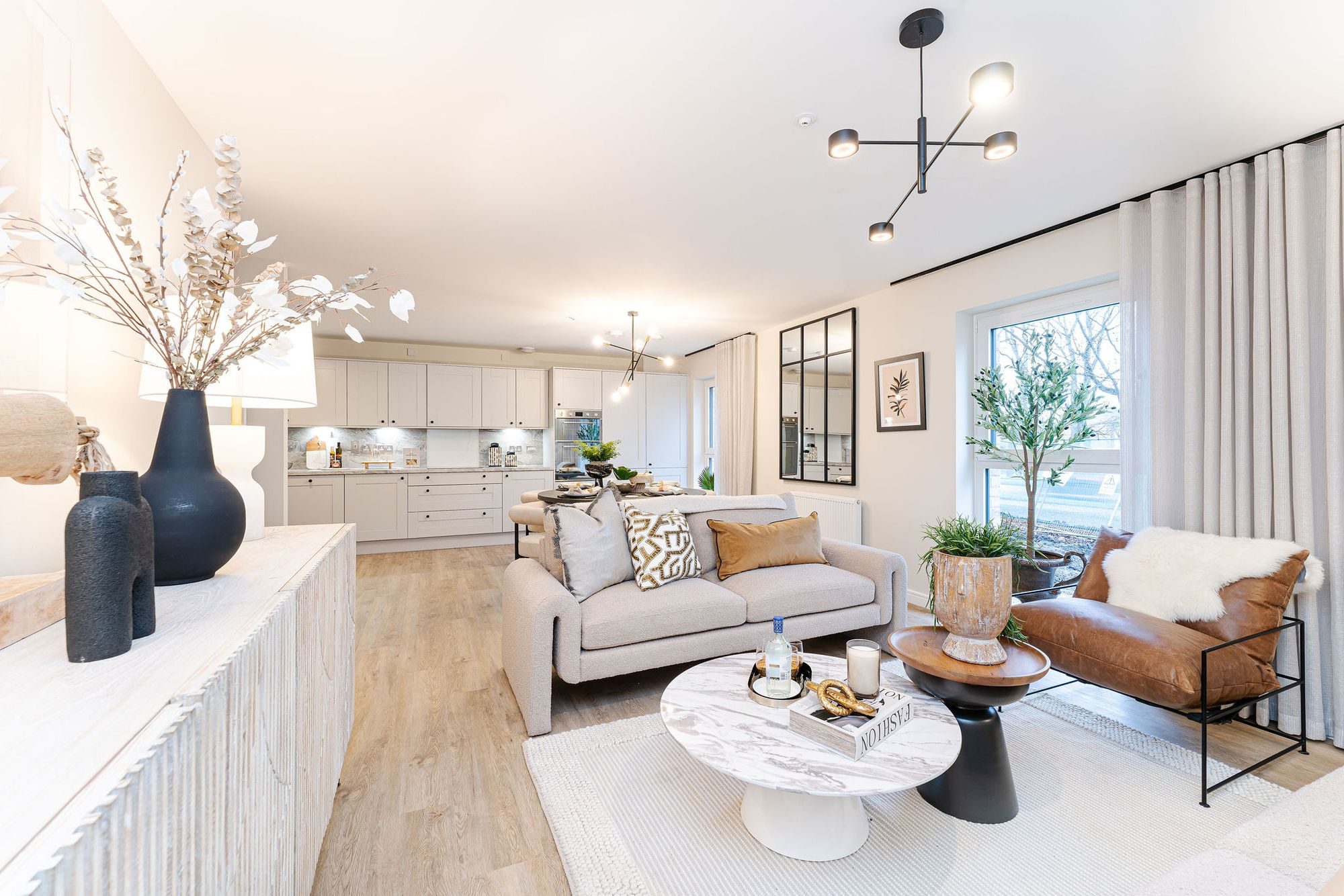
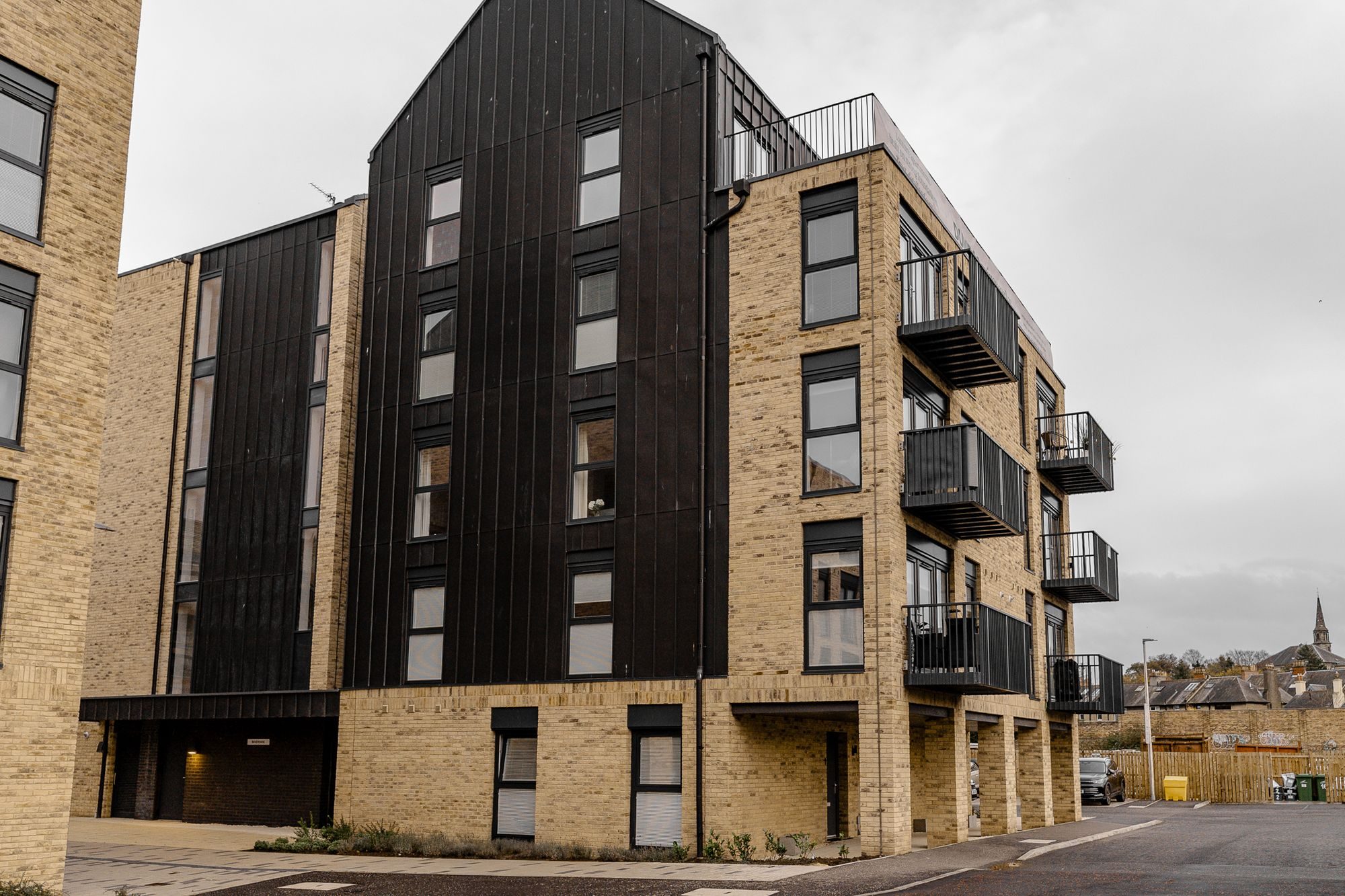
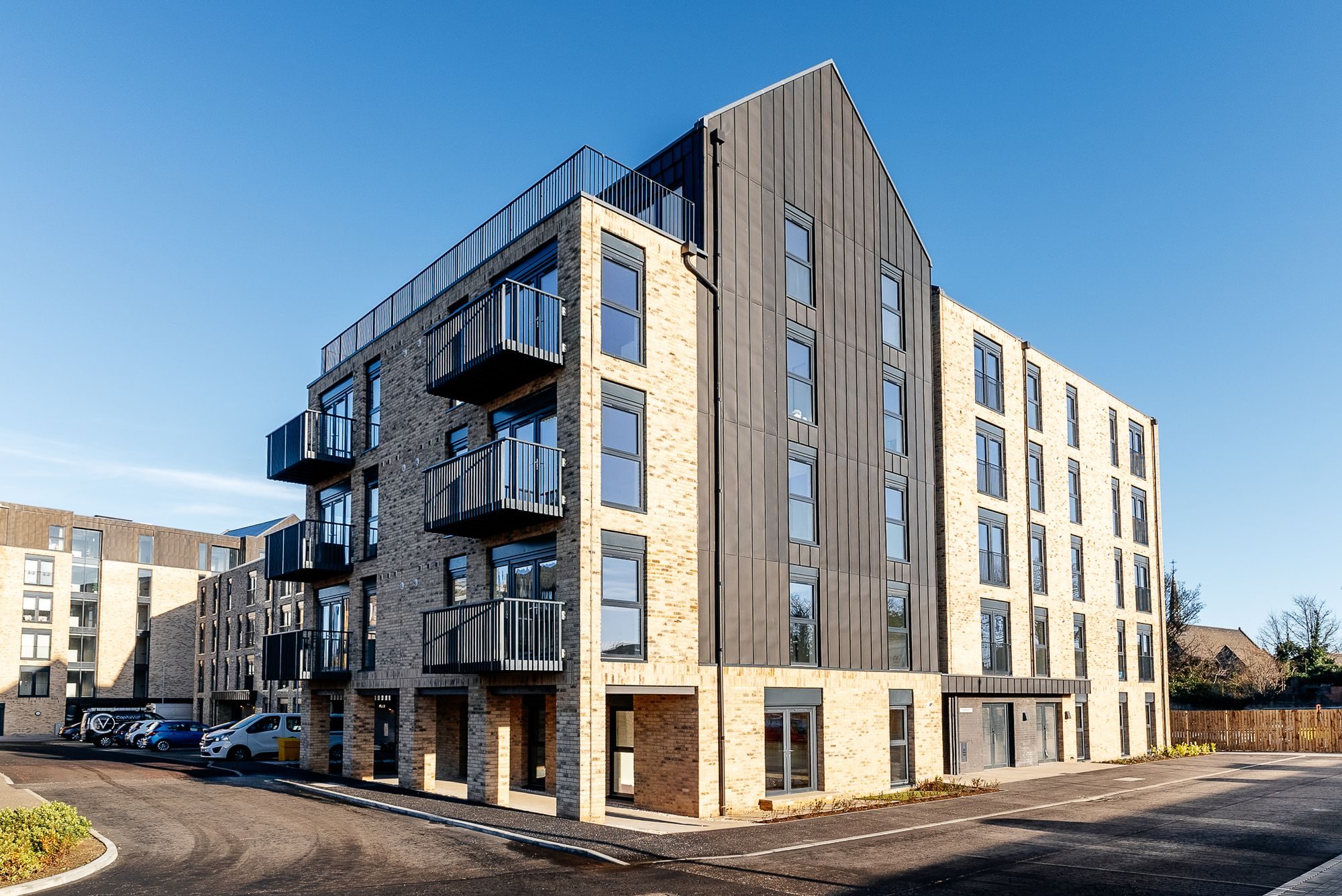
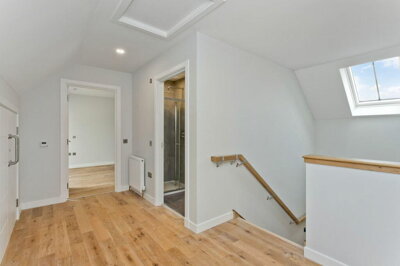
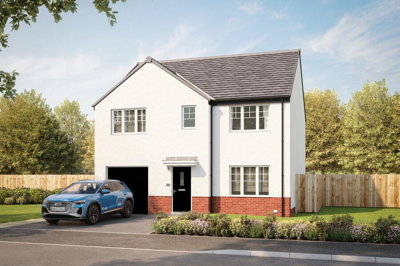
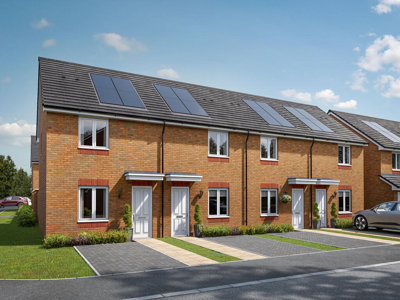
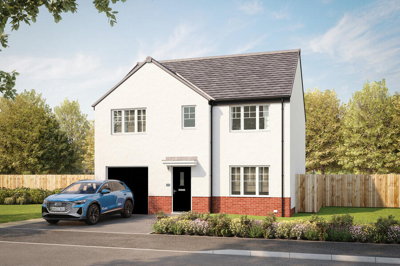
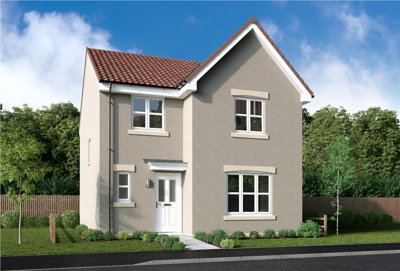
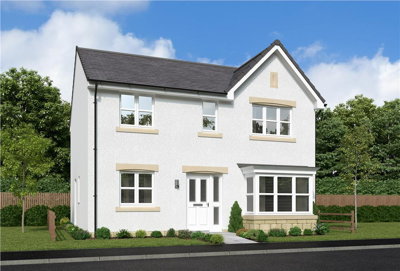
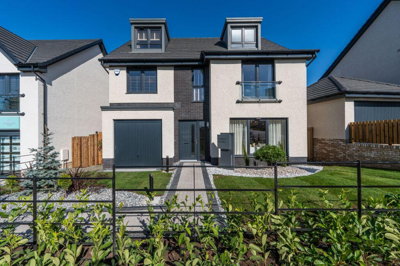
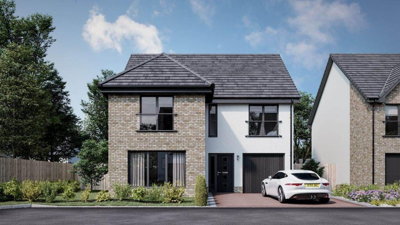
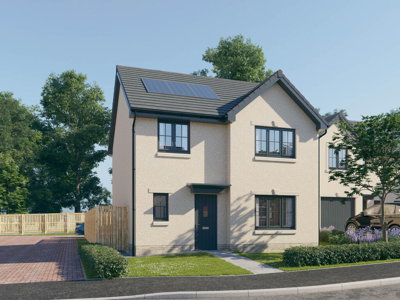
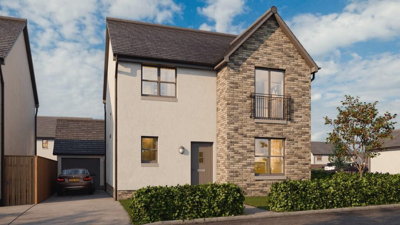
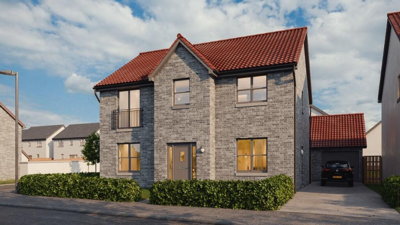
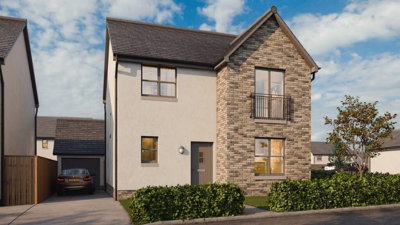
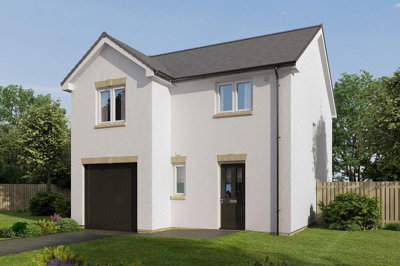
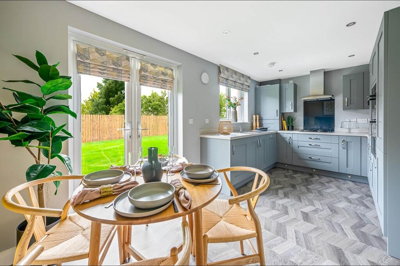
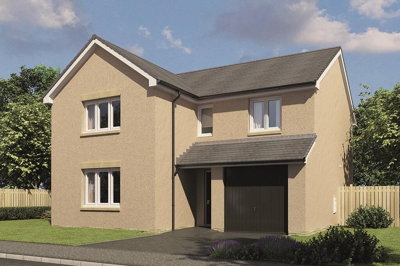
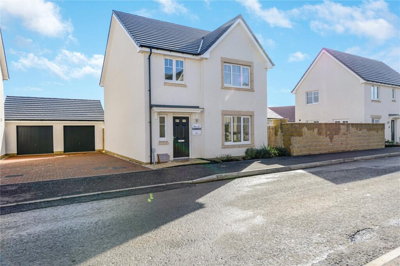
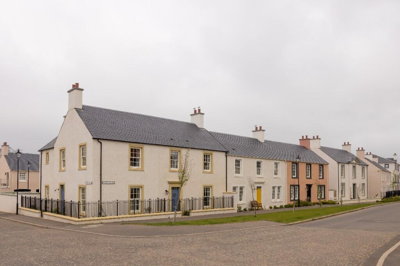
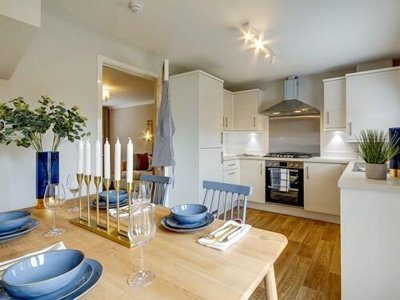
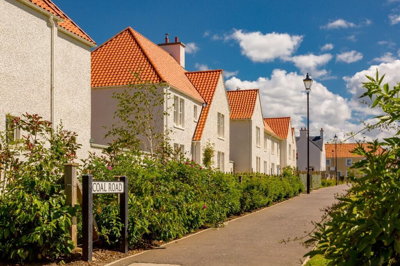
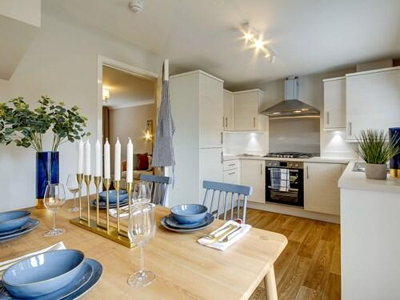
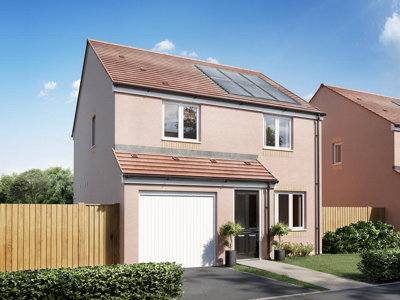
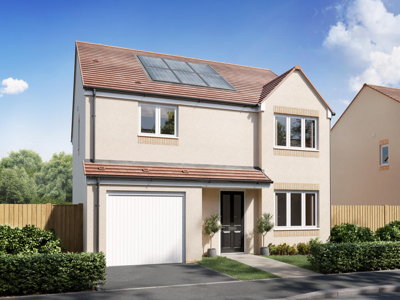
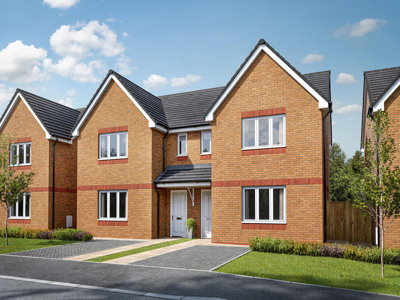
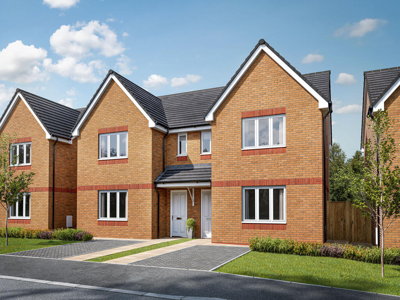
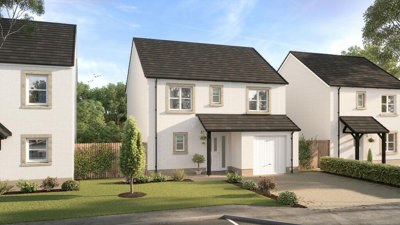
Browse 230 homes new builds in East Lothian from local developer agents.
The East Lothian property market has demonstrated steady growth and strong buyer demand throughout 2024 and into 2025. Detached properties command the highest prices, averaging £535,000 in December 2025, whilst semi-detached homes trade at around £312,000 and terraced properties average £257,000. Flats and maisonettes remain the most affordable option at approximately £160,000, though this segment has seen a slight cooling with values decreasing by 2.9% year-on-year. These varied price points across property types make East Lothian accessible to a wide range of budgets, from first-time buyers looking for a flat to families seeking generous detached accommodation with garden space.
New build activity is particularly vibrant in East Lothian, with several major developments delivering much-needed housing to the area. Taylor Wimpey's Letham Meadows development in Haddington offers two to five-bedroom homes from £235,000, whilst Miller Homes' Carberry Grange in Whitecraig provides family homes in a convenient location near Musselburgh. Dandara's The Pines development in Wallyford features impressive five-bedroom homes from £435,995. Perhaps most significantly, the Blindwells development area is planned to deliver up to 10,000 new homes over the next 30 years, with 25% designated as affordable housing, ensuring the area will continue to grow and attract new residents for decades to come.
Property transaction volumes have shown some moderation in recent periods, with county-wide sales dropping by 4.9% between September and November 2025 compared to the previous year. New properties coming onto the market also decreased by 8.9% in the same period, suggesting continued tight supply. However, Rightmove data indicates prices were 2% up on the previous year, demonstrating sustained value appreciation that rewards early buyers in this growing region. The ESPC data for the autumn period showed the strongest growth, with average prices reaching £310,820 for September to November 2025.

East Lothian's rapidly growing population has attracted significant investment from major housebuilders, creating excellent opportunities for buyers seeking modern homes with warranties. Taylor Wimpey has established a strong presence across multiple sites, including Letham Meadows in Haddington with homes ranging from two to five bedrooms, and Dolphingstone Grange near Dolphingstone offering two and three-bedroom properties. These developments typically come with NHBC or similar warranties, providing buyers with protection against construction defects during the initial years of ownership.
Miller Homes at Carberry Grange in Whitecraig delivers three, four, and five-bedroom family homes in a location that offers convenient access to Musselburgh's amenities whilst maintaining a semi-rural character. For buyers seeking premium specifications, Dandara's The Pines development in Wallyford features five-bedroom homes from £435,995, demonstrating the upper end of the new build market in East Lothian. New properties in these developments benefit from modern insulation standards, energy-efficient heating systems, and contemporary layouts designed for modern family life.

East Lothian offers an exceptional quality of life that combines the best of Scottish rural living with easy access to urban amenities. The county encompasses a rich variety of landscapes, from rolling farmland and ancient woodland to dramatic coastal cliffs and pristine beaches. Towns like Haddington, North Berwick, and Dunbar each have their own distinct character, with thriving high streets featuring independent shops, cafes, and restaurants. The area is home to approximately 49,000 households, with projections suggesting this will grow to 57,000 by 2032, reflecting its growing appeal as a place to live and raise a family.
The local economy benefits from diverse employment opportunities, with major employers including East Lothian Council with 4,500 staff, pharmaceutical research company Charles River Laboratories with around 1,000 employees, and EDF Energy at Torness Power Station with 730 staff. Queen Margaret University in Musselburgh provides higher education roles, whilst the ZOT Engineering group employs approximately 220 people. This economic diversity helps sustain the local housing market even during broader economic fluctuations, with positive employment growth of 7.74% across the region and 838 new companies established in the last two years alone.
Agriculture remains a cornerstone of the East Lothian economy alongside tourism, advanced manufacturing, and technology sectors. The area's "Scotland's Golf Coast" reputation attracts visitors to world-class courses at Muirfield, Gullane, and North Berwick, whilst historic sites such as North Berwick Law and Traprain Law provide additional tourism appeal. The Edinburgh and South-East Scotland City Region Deal is driving further investment in infrastructure and economic development across the region, cementing East Lothian's position as a key growth corridor that offers both employment opportunities and an outstanding quality of life for residents.
East Lothian offers a comprehensive range of educational establishments, making it particularly attractive to families with children of all ages. The area maintains a network of primary schools across its towns and villages, with several schools achieving excellent Ofsted-equivalent ratings under Education Scotland's inspection framework. Secondary education is well-served through schools such as Dunbar Grammar School, North Berwick High School, and Musselburgh Grammar School, each serving their respective communities with strong academic and extracurricular programmes. Parents should research specific catchment areas as these determine which schools children can access, and properties in desirable catchment zones often command a premium.
For further and higher education, Queen Margaret University located in Musselburgh provides undergraduate and postgraduate degrees across various disciplines, whilst its proximity means students can commute daily rather than relocate entirely. The university employs 309 academic staff and 254 professional services staff, contributing significantly to the local economy and community. Many East Lothian residents also access the extensive university offerings in Edinburgh, with direct train services making the 30-minute journey convenient for students. The area's focus on education is reflected in its continued investment in school infrastructure, supporting the needs of a growing population and maintaining East Lothian's reputation as an excellent place for families.
East Lothian benefits from excellent transport connections that make commuting to Edinburgh straightforward and convenient. The East Coast Main Line runs through the county with stations at Dunbar, North Berwick, and Musselburgh, offering regular services to Edinburgh Waverley with journey times typically between 25 and 40 minutes depending on your departure point. This reliable rail link has been a significant factor in attracting buyers who work in the capital but prefer the lifestyle benefits of living in East Lothian. Musselburgh station provides particularly frequent services, making it popular with daily commuters who need flexibility in their working patterns.
Road connections are equally strong, with the A1 trunk road running the length of East Lothian and connecting directly to Edinburgh's orbital motorway network. The journey from Haddington to central Edinburgh takes approximately 35 minutes by car under normal traffic conditions, whilst coastal towns like North Berwick are equally well-connected. Bus services operated by East Lothian Council and private providers connect smaller communities to main towns and rail stations, ensuring those without cars are not isolated. For air travel, Edinburgh Airport is easily accessible via the motorway network, offering domestic and international flights.
Cyclists benefit from an expanding network of traffic-free paths, particularly along the coast, whilst the county's hilly terrain provides challenging routes for more experienced riders. East Lothian Council has invested in improving cycling infrastructure in recent years, making active travel a viable option for more residents. For those commuting to Edinburgh, the combination of reliable rail services and good road links means that working in the capital whilst living in East Lothian remains an attractive proposition that continues to drive demand in the local property market.
Contact local mortgage brokers or use Homemove's comparison service to find the best mortgage deal. Getting a mortgage agreement in principle before viewing properties strengthens your position when making offers and demonstrates to sellers that you are a serious buyer with verified financial capacity. Mortgage brokers familiar with the East Lothian market can advise on products suitable for properties ranging from traditional stone cottages to modern new builds.
Spend time exploring different East Lothian towns and neighbourhoods to find the right fit for your lifestyle. Consider factors such as commute times to Edinburgh, school catchment areas, local amenities, and property types available in each area. Understanding the market data, including average prices for different property types, helps you set realistic expectations and identify areas that offer the best value for your budget.
Use Homemove to browse listings from local estate agents and arrange viewings at properties that match your criteria. Take notes during viewings, ask about the age of the property, any recent renovations, and relevant information about the neighbourhood. Consider viewing properties in different conditions to understand what your budget can realistically achieve in different locations across East Lothian.
Once you have found your ideal home, work with your estate agent to submit a competitive offer. In East Lothian's market, offers at or near the asking price are common for well-presented properties in desirable locations. Your solicitor can conduct preliminary title checks whilst negotiations proceed, ensuring the process moves swiftly if your offer is accepted. Properties in conservation areas or with unique features may attract competing interest.
Arrange a RICS Level 2 Homebuyer Report to assess the property's condition and identify any defects that may need addressing. East Lothian's housing stock includes many traditional stone-built properties that may be decades or even centuries old, making a thorough survey particularly valuable. Simultaneously, your solicitor will conduct legal searches and handle the conveyancing process on your behalf.
Once surveys are satisfactory and legal searches are complete, you will exchange contracts and agree a completion date with the seller. On completion day, your solicitor will transfer the remaining funds and you will receive the keys to your new East Lothian home. Register your ownership with the Land Register of Scotland and update your address details with relevant organisations.
East Lothian's rich history means the region has extensive conservation areas and listed buildings that require special consideration when purchasing property. The area boasts 30 designated conservation areas and approximately 2,700 listed buildings and structures, with 124 classified as Category A. In fact, around 18% of all properties in East Lothian fall within these historic environment designations. If you are buying a property within a conservation area, you should be aware that planning permission may be required for seemingly minor works such as replacing windows, painting exterior walls, or constructing outbuildings. Listed building consent is needed for any alterations to listed structures, and breaches can result in criminal prosecution, making thorough research essential before purchase.
The county's historical mining activity, concentrated in the western areas with the last deep mine closing in 1964, means some properties may be affected by potential subsidence issues related to former mining operations. A thorough RICS Level 2 survey will identify any signs of structural movement or subsidence, and your solicitor should conduct mining searches for properties in affected areas. Properties in towns such as Musselburgh, Prestonpans, and Tranent warrant particular attention given the mining legacy in these communities.
Coastal properties along East Lothian's 40-mile coastline offer stunning views but may carry additional considerations regarding maintenance costs and insurance premiums. Buyers should check the Scottish Environment Protection Agency flood risk maps for their specific location, as coastal flooding and surface water flooding can affect certain properties. Properties near rivers such as the Tyne through Haddington may also face elevated flood risk during periods of heavy rainfall. Given that a significant proportion of East Lothian's housing stock was built between 1919 and 1980, issues such as damp, outdated electrical systems, and roof condition are worth examining carefully during any property inspection.
Properties built before 1980 may exhibit defects common to their era, including single-glazed windows, solid wall construction without cavity insulation, and older electrical wiring that may not meet current standards. Our inspectors frequently identify these issues during surveys, and understanding the potential repair costs helps buyers negotiate appropriately or budget for necessary improvements after purchase.
The average house price in East Lothian was £280,000 according to Land Registry data from December 2025. Property prices vary significantly by type, with detached homes averaging £535,000, semi-detached properties at £312,000, terraced houses at £257,000, and flats at £160,000. The market has shown resilience with prices increasing by 1.0% year-on-year, and ESPC reported a particularly strong 10.2% rise between September and November 2025. These figures demonstrate East Lothian's sustained appeal to buyers seeking value compared to Edinburgh whilst maintaining excellent connectivity to the capital. Rightmove data indicates prices were 2% up on the previous year, suggesting continued upward momentum.
East Lothian offers strong educational provision across all levels, with primary schools serving local communities and secondary schools such as Dunbar Grammar School, North Berwick High School, and Musselburgh Grammar School providing quality education. Queen Margaret University in Musselburgh offers higher education opportunities locally with 309 academic staff and 254 professional services staff. Families should research specific school catchment areas as these determine accessibility, and properties within desirable catchments often attract premium valuations. Education Scotland's inspection reports provide performance data for all schools in the region, and visiting schools directly can provide valuable insight into their culture and programmes.
East Lothian enjoys excellent public transport connections, particularly via the East Coast Main Line with stations at Dunbar, North Berwick, and Musselburgh offering regular services to Edinburgh Waverley in 25-40 minutes. Bus services connect smaller communities to these rail hubs and provide inter-town travel throughout the county. East Lothian Council operates supported bus services to ensure accessibility for rural communities. This comprehensive network makes car-free living feasible for many residents whilst reducing the environmental impact of commuting. Musselburgh station offers the most frequent services, making it particularly popular with daily commuters to Edinburgh.
East Lothian presents compelling investment opportunities given its growing population, which reached 115,180 in June 2024 with continued growth projected. The planned Blindwells development of up to 10,000 homes over 30 years will drive further demand and infrastructure investment across the region. Strong employment from major organisations including East Lothian Council, Charles River Laboratories, and Queen Margaret University supports sustained housing demand. The area's golf coast tourism, agricultural heritage, and proximity to Edinburgh create a diversified economic base that supports property values over the long term. Employee growth of 7.74% and 838 new companies established in the last two years demonstrate a dynamic local economy.
As a Scottish council area, property purchases in East Lothian are subject to Land and Buildings Transaction Tax rather than UK Stamp Duty. LBTT rates for residential purchases are 0% on the first £145,000, 2% on the portion from £145,001 to £250,000, 5% from £250,001 to £325,000, 10% from £325,001 to £750,000, and 12% on amounts exceeding £750,000. For example, a property priced at the area average of £280,000 would incur LBTT of £2,350. First-time buyers in Scotland do not receive the same relief as their English counterparts, though the higher starting threshold provides some benefit compared to older SDLT rules. Your solicitor will calculate the exact amount due based on your purchase price and circumstances.
East Lothian has 30 designated conservation areas and approximately 2,700 listed buildings and structures, meaning buyers should carefully investigate whether their intended purchase falls within these designations. Conservation area restrictions can limit what you can do with a property, potentially requiring planning permission for window replacements, exterior painting, extensions, or even significant landscaping. These restrictions protect the character and appearance of historic areas but may limit renovation options or increase maintenance costs. Your solicitor should confirm the conservation area status during conveyancing, and the local planning authority can provide guidance on specific requirements. Approximately 18% of properties in East Lothian are affected by these historic environment designations.
Flood risk varies across East Lothian depending on location, with coastal areas along the Firth of Forth having inherent coastal flood risk and properties near rivers such as the Tyne facing potential riverine flooding. The Scottish Environment Protection Agency provides detailed flood risk maps that prospective buyers should consult for their specific property location. Our surveyors will note any signs of previous flooding or water damage during inspections, and buildings insurance costs may be higher in areas with elevated flood risk. Properties in higher-risk areas should be carefully evaluated, and buyers may wish to discuss flood resilience measures with their solicitor before proceeding.
Given that much of East Lothian's housing stock dates from the interwar and post-war periods, our surveyors frequently identify issues such as single-glazed windows, solid wall construction lacking cavity insulation, and outdated electrical systems in properties built before 1980. Traditional stone-built properties may show signs of weathering or require repointing, whilst properties in former mining areas warrant careful inspection for subsidence. Properties along the coast may exhibit salt weathering or corrosion of metal fixtures. A thorough RICS Level 2 survey identifies these issues and allows buyers to make informed decisions or renegotiate before completing their purchase.
Understanding the full costs of buying property in East Lothian helps you budget accurately and avoid surprises during the purchase process. Beyond the property price and LBTT, you should budget for solicitor conveyancing fees which typically start from around £499 for standard transactions, though more complex purchases involving listed buildings or conservation areas may cost more. A RICS Level 2 Homebuyer Report costs from £395 depending on property size and value, whilst an Energy Performance Certificate is a legal requirement costing from £85. Survey costs are particularly important in East Lothian given the age of much of the housing stock, with properties built before 1980 potentially revealing defects that need attention.
Mortgage arrangement fees typically range from £0 to £2,000 depending on the lender and product chosen, whilst valuation fees vary based on property value. Buildings insurance must be in place from completion day, and you should also budget for land registration fees with the Land Register of Scotland. Council tax in East Lothian varies by property band, with bands A through H reflecting property values, and buyers should note that some newer properties may be in higher bands reflecting their modern construction and value. Moving costs, including removal services and reconnection of utilities, complete the typical budget. Planning for these costs alongside your deposit and mortgage ensures a smooth path to completing your East Lothian home purchase.
For a typical £280,000 property in East Lothian, you can expect to pay approximately £2,350 in LBTT, £499-800 for conveyancing, £395-600 for a RICS Level 2 survey, £85 for an EPC, and potentially £500-1,500 in mortgage arrangement and valuation fees. Buildings insurance typically costs £150-300 per year, whilst council tax depends on your property's band, ranging from approximately £1,000 to £2,500 annually for most residential properties. Adding these costs to your deposit and mortgage ensures you have a complete picture of the financial commitment involved in purchasing your new home.
From 3.89% APR
Compare mortgage deals and find the best rate for your East Lothian home purchase
From £499
Expert solicitors to handle your property purchase in East Lothian
From £395
Thorough condition survey by qualified inspectors
From £85
Energy performance certificate for your property
Properties New Builds In London

Properties New Builds In Plymouth

Properties New Builds In Liverpool

Properties New Builds In Glasgow

Properties New Builds In Sheffield

Properties New Builds In Edinburgh

Properties New Builds In Coventry

Properties New Builds In Bradford

Properties New Builds In Manchester

Properties New Builds In Birmingham

Properties New Builds In Bristol

Properties New Builds In Oxford

Properties New Builds In Leicester

Properties New Builds In Newcastle

Properties New Builds In Leeds

Properties New Builds In Southampton

Properties New Builds In Cardiff

Properties New Builds In Nottingham

Properties New Builds In Norwich

Properties New Builds In Brighton

Properties New Builds In Derby

Properties New Builds In Portsmouth

Properties New Builds In Northampton

Properties New Builds In Milton Keynes

Properties New Builds In Bournemouth

Properties New Builds In Bolton

Properties New Builds In Swansea

Properties New Builds In Swindon

Properties New Builds In Peterborough

Properties New Builds In Wolverhampton

Enter your details to see if this property is within your budget.
Loans, cards, car finance
Estimated property budget
Borrowing + deposit
You could borrow between
Typical borrowing
Monthly repayment
Est. at 4.5%
Loan-to-value
This is an estimate only. Your actual budget may vary depending on interest rates, credit history, and personal circumstances. For an accurate affordability assessment, speak to one of our free mortgage advisors.
This calculator provides estimates for illustrative purposes only and does not constitute financial advice. Your home may be repossessed if you do not keep up repayments on your mortgage. Estimates based on 4.5% interest rate, repayment mortgage. Actual rates depend on your circumstances.
Homemove is a trading name of HM Haus Group Ltd (Company No. 13873779, registered in England & Wales). Homemove Mortgages Ltd (Company No. 15947693) is an Appointed Representative of TMG Direct Limited, trading as TMG Mortgage Network, which is authorised and regulated by the Financial Conduct Authority (FRN 786245). Homemove Mortgages Ltd is entered on the FCA Register as an Appointed Representative (FRN 1022429). You can check registrations at NewRegister or by calling 0800 111 6768.

We use cookies to show you personalised content and improve your experience of our website. Find out more in our Privacy policy and Cookie policy.