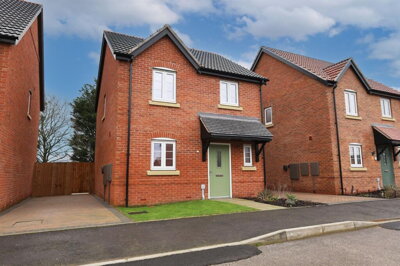
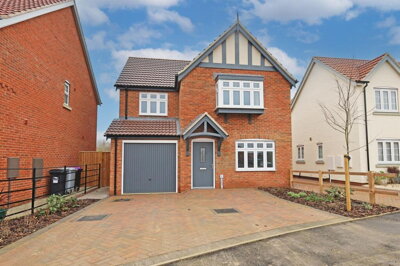
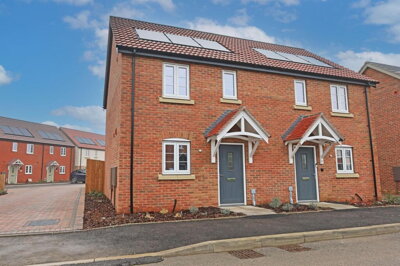
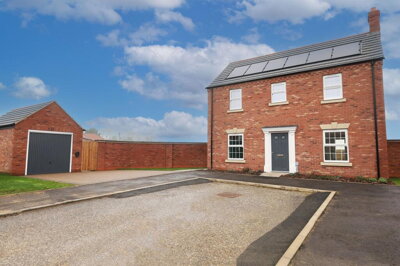
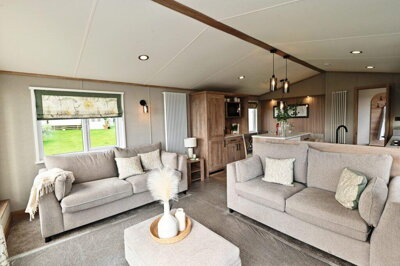
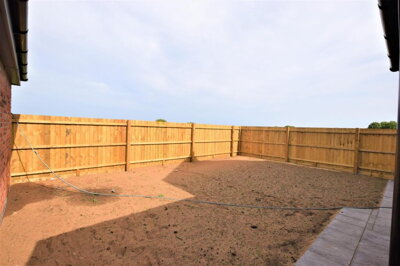
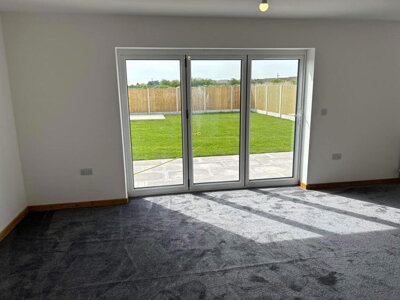
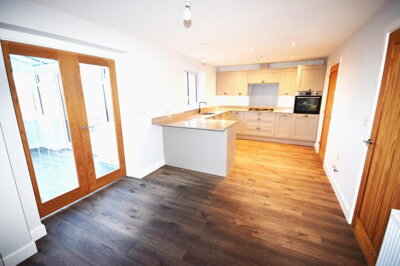
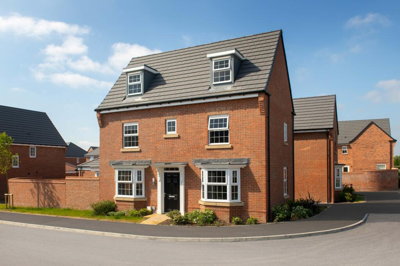
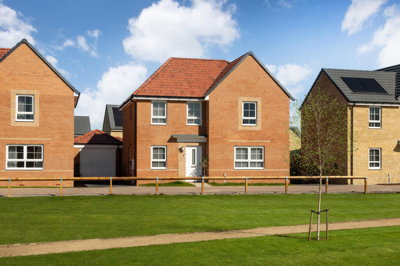
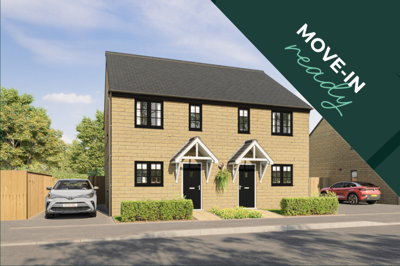
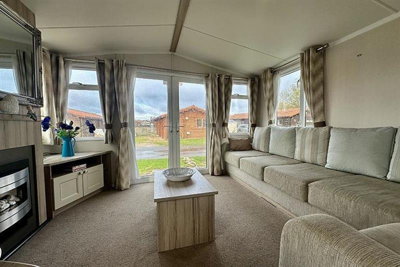
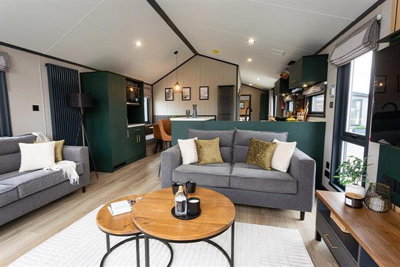
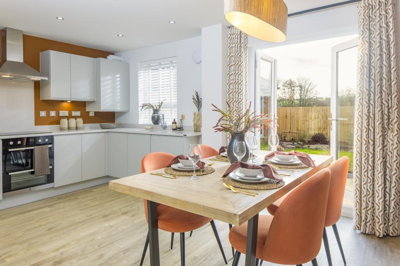
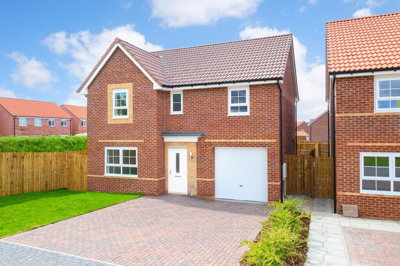
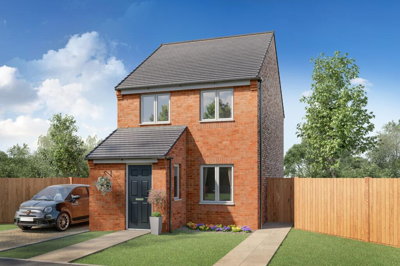
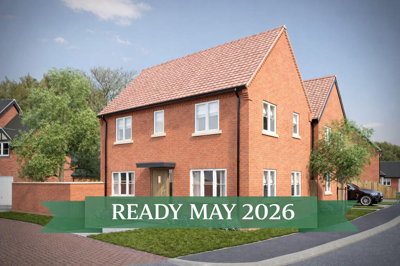
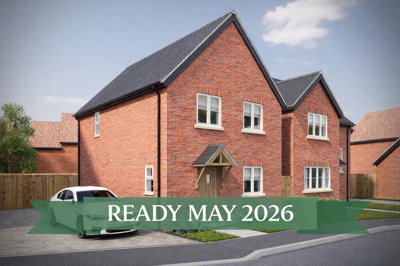
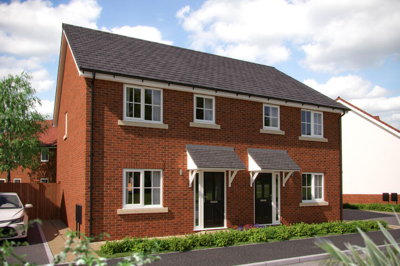
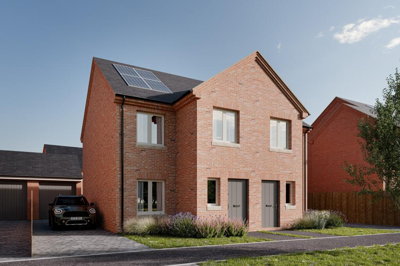
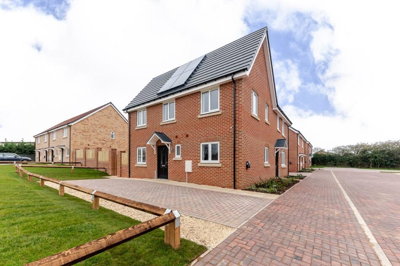
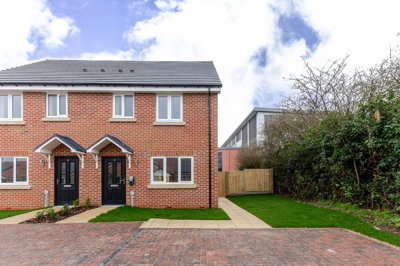
Browse 273 homes new builds in East Lindsey from local developer agents.
The East Lindsey property market demonstrates remarkable diversity across its housing stock. Detached properties dominate the landscape, accounting for 46.2% of all homes according to the 2021 Census, with semi-detached houses comprising 26.2% and terraced properties at 16.4%. Flats and maisonettes make up the remaining 10.6%, offering more affordable entry points into this attractive district. Recent data shows 2,423 property sales completed in the twelve months to February 2026, with detached homes representing the largest share at 1,069 sales, followed by semi-detached at 746 and terraced properties at 440.
Price data reveals a market that has seen modest correction over the past year, with overall prices declining 3.89% from February 2025 to February 2026. Detached properties now average £272,374, semi-detached homes sit at £175,064, terraced properties average £142,654, and flats offer the most accessible entry point at £93,667. This price softening creates opportunities for buyers who may have previously found the market challenging. Every property type has seen modest correction, with detached properties dropping 4.01%, semi-detached 3.61%, terraced 3.73%, and flats 4.24% over the twelve-month period.
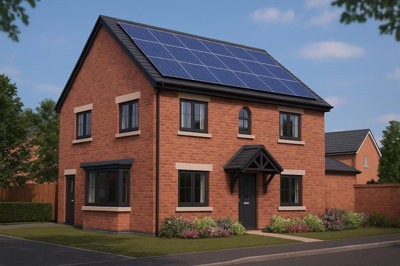
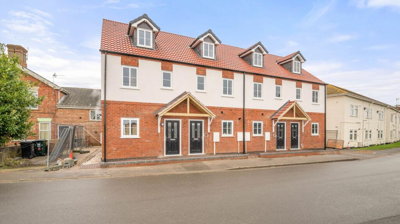
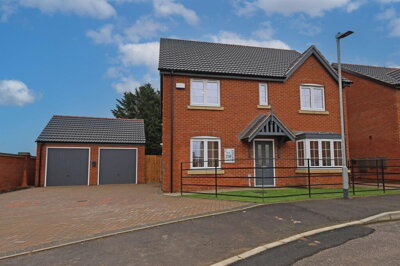
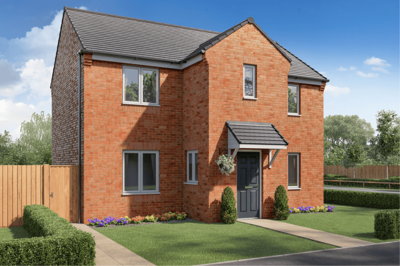
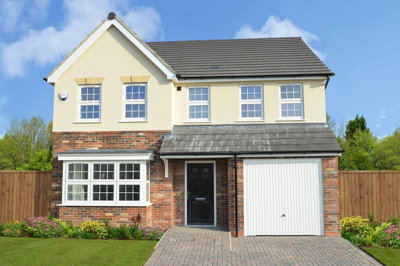
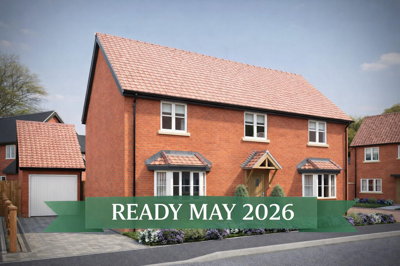
New build developments continue to bring fresh stock to the area, with The Chase in Legbourne offering 3, 4, and 5 bedroom homes from £289,950 through Cyden Homes, and The Wolds development providing similar configurations from £229,995 via Allison Homes. The Meadows development on Spilsby Road at Halton Holegate offers 2, 3, and 4 bedroom homes from £219,950 through Chestnut Homes, while The Swale in Ingoldmells provides 2, 3, and 4 bedroom options from £199,950 via Ashwood Homes. These new-build opportunities appeal to buyers seeking modern construction standards, energy efficiency, and developer warranties.

East Lindsey district is home to a population of 144,300 residents across 66,200 households, creating communities that balance village intimacy with access to market town amenities. The area attracts a particular type of buyer: those seeking escape from urban pressures, families drawn to spacious homes within excellent school catchments, and retirees enchanted by the combination of coastal living and Lincolnshire's distinctive landscapes. The district's economy thrives on a mix of tourism along the coast, significant agricultural activity in the rural heartland, manufacturing and food processing operations, and substantial public sector employment in healthcare and education. Retirement migration significantly influences the housing market, with demand consistently high for bungalows and accessible single-storey properties.
The character of East Lindsey varies dramatically within short distances. The western reaches rise into the Lincolnshire Wolds, an Area of Outstanding Natural Beauty characterised by rolling chalk hills, ancient woodlands, and picturesque villages built from local stone and cream brick. Moving eastward, the terrain flattens into productive farmland before reaching the dramatic coastline stretching from Skegness to Mablethorpe and Sutton-on-Sea. This geography creates distinct property markets: Wolds villages offer period cottages and farmhouses with stunning rural views, market towns like Louth provide Georgian architecture and thriving high streets, while coastal towns deliver holiday-let potential and seafront living. The diversity means buyers truly can find their ideal location within a single district.
Architecture reflects this geography throughout the district. Older properties in the Wolds may feature limestone construction with cream brick accents, while coastal towns and villages showcase traditional brick with render finishes, often painted in seaside colours. The market towns of Louth, Horncastle, and Spilsby each possess distinctive characters, from Louth's Georgian architecture and independent shopping to Horncastle's antique dealers and equestrian heritage. Spilsby maintains a quieter, more working-market-town feel, while smaller settlements like Alford and Burgh le Marsh offer village life within easy reach of larger centres. Conservation areas in Louth, Alford, Spilsby, Horncastle, and Burgh le Marsh protect distinctive architectural heritage but impose planning restrictions on alterations and extensions.

Families considering a move to East Lindsey will find a comprehensive education network spanning primary through secondary levels. The district maintains numerous primary schools serving villages and smaller communities, with larger primaries in the market towns providing capacity for surrounding rural areas. Horncastle Primary School, for example, serves families across eastern parts of the district, while Louth hosts several primary options including St Michael's Primary School and Louth County Primary School. Secondary education centres on the market towns, with schools offering GCSE programmes and sixth form provisions for continued study close to home. The presence of good schools significantly influences property values in their catchment areas, making proximity to education a practical consideration alongside the search for space and character.
For families prioritising academic selection, grammar school access exists through Lincolnshire's selective system, with schools in nearby Grantham and Louth serving students who pass the eleven-plus examination. Louth Grammar School maintains a strong reputation and draws students from across the eastern part of the district, while Grantham's grammar schools serve families in the western reaches. Parents should verify current admission catchment boundaries before purchasing property, as these can affect eligibility. Further education opportunities include colleges in Grantham and Lincoln, providing vocational and A-level pathways for students beyond GCSE. The Caunton College in Grantham and Lincoln College both offer diverse programmes relevant to local employment markets.
The district's primary schools generally achieve good Ofsted ratings, though prospective buyers should verify current performance data for specific establishments as these can change over time. Properties in village locations may involve school transport arrangements, with county buses serving rural settlements within defined distances. Town-based homes typically offer walkable access to educational facilities, making properties in Louth, Horncastle, and Spilsby particularly attractive to families with school-age children. Secondary school catchments tend to align with market town locations, meaning families choosing village properties should factor travel times and arrangements into their decision-making process.
Transport connectivity in East Lindsey reflects its predominantly rural character, with road travel forming the backbone of local movement. The A16 trunk road runs through the heart of the district, providing direct access to Grimsby to the north and Lincoln to the west, connecting residents to the A1 motorway network beyond. The coastal towns of Skegness and Mablethorpe connect to the inland road network via the A158, while the market towns of Louth, Horncastle, and Spilsby link via well-maintained county roads. Car ownership rates in the district exceed national averages, reflecting the reality that most daily needs require personal transport. Journey times by car to Lincoln take approximately one hour from most parts of the district, with Grimsby reachable in around 45 minutes from northern settlements.
Rail services operate from key locations, with East Midlands Railway serving Skegness with connections to Nottingham, Leicester, and London St Pancras via Peterborough. The journey from Skegness to London St Pancras takes approximately three hours, making occasional commuting feasible though not practical for daily travel. Mablethorpe once had a railway connection, now closed, meaning coastal residents access rail services via the nearest stations in these network towns. For those relying on public transport, the nearest station to Mablethorpe is typically assume via connecting bus or taxi services to towns on the East Midlands Railway network. Bus services connect market towns and villages, though frequency may be limited on rural routes, making car travel essential for most residents.
For commuting to major employment centres, Grimsby provides access to employment in Humber Freeport developments and manufacturing sectors. The Humber Freeport zone encompasses port facilities and associated logistics operations, creating jobs in manufacturing, distribution, and professional services. Lincoln offers significant public sector and professional employment, reachable by car within approximately one hour from most parts of the district. Healthcare employment concentrates in Grimsby and Boston hospitals, while education positions exist across the district's schools and colleges. Remote working has become increasingly viable in East Lindsey, with fast broadband now available in many market towns and villages, enabling residents to work from home while enjoying the district's quality of life.
Explore the distinct characters of East Lindsey's towns and villages, from Louth's Georgian elegance to Skegness's coastal vibrancy. Consider commute requirements, school catchments, and proximity to amenities that matter most for your household. The Lincolnshire Wolds offer outstanding natural beauty and village charm, while coastal towns provide holiday-let potential and seaside living. Market towns like Horncastle and Spilsby deliver practical amenities with stronger transport links.
Contact lenders or brokers to secure an agreement in principle before viewing properties. Current SDLT thresholds allow first-time buyers to pay zero duty on properties up to £425,000, while home-movers pay nothing on the first £250,000. For the typical East Lindsey property averaging £214,082, most buyers would pay no SDLT at all. Local brokers understand the East Lindsey market and can advise on products suitable for properties ranging from period cottages to modern new-builds.
Partner with local estate agents who understand East Lindsey's market intimately. View multiple properties to compare condition, character, and value across different property types and locations. With 70.1% of the housing stock built before 1980, expect to encounter traditional construction features including solid brick walls, timber floors, and original windows that require careful assessment.
With the majority of East Lindsey homes built before 1980, professional surveys prove particularly valuable. A Level 2 Survey costs approximately £450-£600 for a typical 3-bedroom semi-detached and can reveal issues with damp, roofing, timber defects, or subsidence risk common in the area's older properties. Detached properties and those with complex construction require higher fees ranging from £550-£750+.
Choose a solicitor experienced in Lincolnshire property transactions to handle legal work, searches, and contract exchange. Your solicitor will conduct local authority searches, drainage and water searches, and environmental searches given East Lindsey's coastal flood risk areas. Costs typically start from £499 for standard conveyancing, though coastal and conservation properties may involve additional work.
Once searches return satisfactorily and finance is confirmed, your solicitor will coordinate the exchange and completion process. On completion day, you receive your keys and can begin your new chapter in East Lindsey. Ensure buildings insurance is in place from completion, as older properties may require specialist insurers familiar with period construction.
Prospective buyers should understand several area-specific factors when evaluating properties in East Lindsey. Flood risk deserves careful attention, particularly for coastal properties in Skegness, Mablethorpe, and Sutton-on-Sea, where tidal surges and storm events pose genuine risks. The Environment Agency identifies significant coastal flood risk zones along the entire East Lindsey coastline, with properties in these areas potentially facing increased insurance costs and flood resilience requirements. River flood risk affects areas near the Steeping, Lymn, and fenland drainage channels, including Wainfleet All Saints. Surface water flooding can occur across low-lying areas following heavy rainfall, especially where drainage systems are overwhelmed. Requesting Environment Agency flood risk data and reviewing local drainage history helps inform purchase decisions and insurance implications.
The varied geology across East Lindsey creates specific property considerations. Western areas towards the Wolds sit on chalk and limestone, while coastal and central regions feature glacial tills and significant clay deposits. Clay soils present moderate to high shrink-swell risk, particularly where mature trees draw moisture from the ground. Properties in affected areas may show signs of movement or subsidence, including cracking to walls, sticking doors and windows, or uneven floors. Our RICS Level 2 Survey pricing for East Lindsey ranges from £450-£600 for a standard 3-bedroom semi-detached, rising to £550-£750+ for larger detached properties. Surveyors will specifically assess trees and vegetation near buildings for potential root action affecting foundations.
The age profile of East Lindsey's housing stock creates specific defect patterns that surveys frequently identify. Damp affects many properties built before modern damp-proof courses were standard, including rising damp in solid floor constructions and penetrating damp where pointing or render has deteriorated. Roofing issues are common in the 35.1% of properties built between 1945 and 1980, where original concrete tiles may be reaching the end of their serviceable life. Timber defects including wet rot, dry rot, and woodworm occur in properties with poor ventilation or historical damp penetration. Electrical systems in the 70.1% of homes built before 1980 often require updating to meet modern safety standards, with original fuse boards and wiring frequently needing replacement.
Conservation areas in Louth, Alford, Spilsby, Horncastle, and Burgh le Marsh protect distinctive architectural heritage but impose planning restrictions on alterations and extensions. Listed buildings, which concentrate heavily in these historic towns and rural areas, require Listed Building Consent for many works and may need specialist surveys beyond standard assessments. Properties in conservation areas face restrictions on external changes including window replacements, extensions, and even some internal alterations. Listed Building status, covering Grade I, Grade II*, and Grade II properties, demands specialist knowledge of historic building conservation. For older properties in these categories, a RICS Level 3 Building Survey is often recommended over a standard Level 2 assessment due to the complex construction and specific regulations governing alterations and repairs.
The average house price in East Lindsey stands at £214,082 according to the most recent data. Detached properties average £272,374, semi-detached homes £175,064, terraced properties £142,654, and flats £93,667. The market has seen modest correction over the past year, with overall prices declining 3.89%, creating potential opportunities for buyers. The district recorded 2,423 property sales in the twelve months to February 2026, with detached properties accounting for 1,069 of those transactions, showing continued demand for family homes despite the price adjustment.
Council tax bands in East Lindsey vary by property value and type. The district is managed by East Lindsey District Council, with bands ranging from A through to H. Properties in the district typically fall across the range, with flats and smaller terraced houses often in bands A-C, while larger detached properties in desirable locations may sit in bands F-H. A typical 3-bedroom semi-detached property in Horncastle or Louth would likely fall in band C or D, while larger detached homes in sought-after Wolds villages could reach bands E or F. You can check the specific band for any property via the Valuation Office Agency website using the property address.
East Lindsey hosts numerous primary and secondary schools serving communities across the district. Primary schools in market towns like Louth, Horncastle, and Spilsby serve wide catchment areas, with Horncastle Primary School and St Michael's Primary School in Louth among the well-regarded options. Secondary education concentrates in these towns, with HorncastleTown's Queen Elizabeth Grammar School providing secondary education for eastern parts of the district, while Louth Grammar School serves academically selected students from across the eastern region. Parents should verify current admission catchment boundaries and check Ofsted ratings for specific schools before purchasing property, as these change over time.
Public transport options in East Lindsey reflect its rural character. The bittern railway line connects Skegness to Nottingham and London, with journey times to the capital of approximately three hours. Bus services link market towns and villages, though frequencies may be limited outside peak hours. Most residents rely on car travel for daily needs, with the A16 providing main north-south connectivity and the A158 serving coastal routes. Grimsby offers additional employment connectivity via road. For those working remotely, broadband provision in market towns and many villages has improved significantly, making East Lindsey increasingly viable for home-based workers.
East Lindsey offers several investment considerations for buyers. The district attracts retirement migrants seeking quality of life, creating consistent demand for bungalows and accessible single-storey properties in towns like Louth and coastal locations. Tourism supports the coastal economy, influencing holiday let potential in Skegness and Mablethorpe, where short-term rental yields can be attractive during peak seasons. Rural properties near market towns hold appeal for those working remotely or seeking weekend retreats. However, buyers should consider flood risk in coastal areas given the Environment Agency's coastal flood risk designations, potential conservation restrictions in historic towns like Louth and Horncastle, and the moderate price growth trajectory compared to metropolitan markets. No significant deep coal mining history affects the district, unlike other parts of Lincolnshire.
Stamp duty land tax rates for 2024-25 apply zero rate to the first £250,000 of purchase price for all buyers. Rates then rise to 5% on the next £675,000, 10% up to £1.5 million, and 12% above that. First-time buyers receive enhanced relief, paying zero duty on the first £425,000, with 5% on the portion between £425,000 and £625,000. For a typical East Lindsey property averaging £214,082, most buyers would pay no SDLT at all under current thresholds. A first-time buyer purchasing a new-build property at The Wolds development in Louth from £229,995 would similarly pay zero duty. These favourable thresholds make East Lindsey particularly attractive for those stepping onto the property ladder or relocating from more expensive regions.
With 70.1% of East Lindsey housing stock built before 1980, our inspectors frequently identify several recurring issues. Damp problems affect many period properties, including rising damp in solid floor constructions and penetrating damp where render or pointing has deteriorated. The clay soils prevalent in coastal and low-lying areas create subsidence and heave risk, particularly where mature trees draw moisture from foundations. Timber defects including wet rot, dry rot, and woodworm occur in properties with historical damp issues or inadequate ventilation. Roofing problems are common in older properties, with original slates or tiles often requiring replacement, and lead flashing defects leading to water penetration. Electrical systems in pre-1980 properties frequently require updating, as original wiring rarely meets current safety standards. Our Level 2 Surveys specifically assess these defect categories and provide detailed recommendations for remediation.
From 3.89%
Find competitive mortgage deals for your East Lindsey purchase
From £499
Local solicitors experienced in Lincolnshire property transactions
From £450
Professional survey for homes in East Lindsey
From £80
Energy performance certificate for your new home
Understanding the full cost of purchasing property in East Lindsey helps you budget accurately for your move. Stamp duty land tax represents a significant consideration, though current thresholds work favourably for buyers in this market. For a property priced at the district average of £214,082, standard buyers would pay no SDLT on the first £250,000, meaning most transactions incur zero duty. First-time buyers purchasing at this price point also benefit from full relief. These favourable thresholds make East Lindsey particularly attractive for those stepping onto the property ladder or relocating from more expensive regions where even average properties attract substantial SDLT bills.
Beyond stamp duty, buyers should budget for survey costs, solicitor fees, and moving expenses. RICS Level 2 Surveys in East Lindsey typically range from £450-£600 for a 3-bedroom semi-detached property, rising to £550-£750+ for larger detached homes with more complex inspection requirements. The age and construction type of East Lindsey properties mean surveys often identify issues requiring further investigation, so budgeting for potential specialist reports or follow-up inspections is prudent. Conveyancing costs generally start from £499 for standard transactions, though leasehold properties, new-build purchases with developer addenda, or those in conservation areas may involve additional work and higher fees.
Land registry searches, local authority searches, and environmental searches add further modest costs to your solicitor's bill. The environmental search is particularly important in East Lindsey given the coastal flood risk areas, providing information on historical land use, contamination potential, and flood risk that affects insurance premiums. Bank transfer fees and mortgage arrangement fees add further modest costs. Buildings insurance must be in place from completion day, and older properties may require specialist insurers familiar with period construction and thatch or timber-framed elements. Removal firms should be booked well in advance for smoother moving days, particularly during school holidays when demand peaks. For buyers purchasing properties in coastal locations, flood resilience measures such as flood doors or raised electrical sockets may add further costs that should be factored into renovation budgets.
Properties New Builds In London

Properties New Builds In Plymouth

Properties New Builds In Liverpool

Properties New Builds In Glasgow

Properties New Builds In Sheffield

Properties New Builds In Edinburgh

Properties New Builds In Coventry

Properties New Builds In Bradford

Properties New Builds In Manchester

Properties New Builds In Birmingham

Properties New Builds In Bristol

Properties New Builds In Oxford

Properties New Builds In Leicester

Properties New Builds In Newcastle

Properties New Builds In Leeds

Properties New Builds In Southampton

Properties New Builds In Cardiff

Properties New Builds In Nottingham

Properties New Builds In Norwich

Properties New Builds In Brighton

Properties New Builds In Derby

Properties New Builds In Portsmouth

Properties New Builds In Northampton

Properties New Builds In Milton Keynes

Properties New Builds In Bournemouth

Properties New Builds In Bolton

Properties New Builds In Swansea

Properties New Builds In Swindon

Properties New Builds In Peterborough

Properties New Builds In Wolverhampton

Enter your details to see if this property is within your budget.
Loans, cards, car finance
Estimated property budget
Borrowing + deposit
You could borrow between
Typical borrowing
Monthly repayment
Est. at 4.5%
Loan-to-value
This is an estimate only. Your actual budget may vary depending on interest rates, credit history, and personal circumstances. For an accurate affordability assessment, speak to one of our free mortgage advisors.
This calculator provides estimates for illustrative purposes only and does not constitute financial advice. Your home may be repossessed if you do not keep up repayments on your mortgage. Estimates based on 4.5% interest rate, repayment mortgage. Actual rates depend on your circumstances.
Homemove is a trading name of HM Haus Group Ltd (Company No. 13873779, registered in England & Wales). Homemove Mortgages Ltd (Company No. 15947693) is an Appointed Representative of TMG Direct Limited, trading as TMG Mortgage Network, which is authorised and regulated by the Financial Conduct Authority (FRN 786245). Homemove Mortgages Ltd is entered on the FCA Register as an Appointed Representative (FRN 1022429). You can check registrations at NewRegister or by calling 0800 111 6768.

We use cookies to show you personalised content and improve your experience of our website. Find out more in our Privacy policy and Cookie policy.