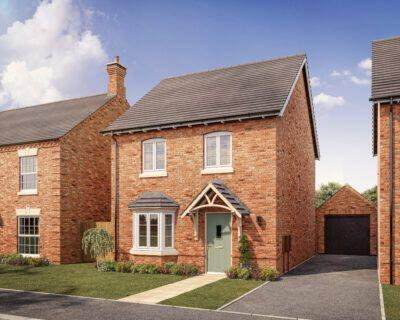
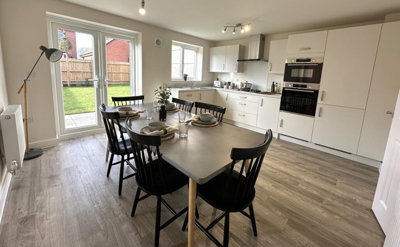
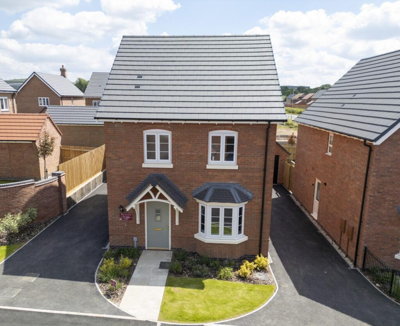
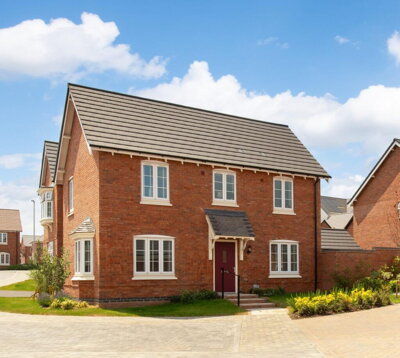
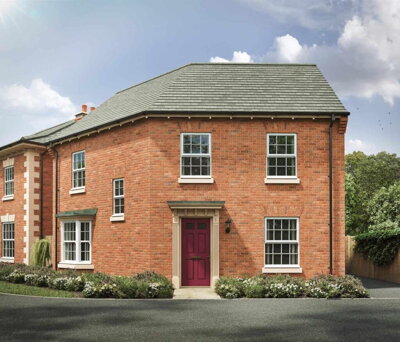
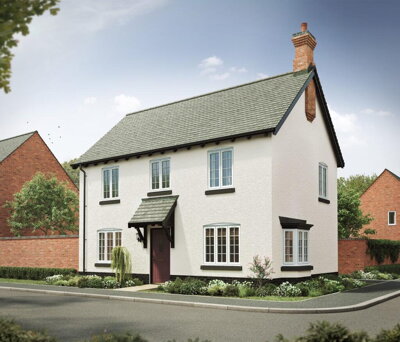
Browse 6 homes new builds in East Farndon from local developer agents.
Three bedroom properties represent a significant portion of the East Farndon housing market, offering space for families with multiple reception rooms and gardens in many cases. Browse detached, semi-detached, and terraced options ranging across new residential developments.
The East Farndon property market has demonstrated steady growth over the past decade, with house prices in the LE16 9SH postcode area increasing by 33.5% over ten years. The average sold price currently stands at £258,000, positioning the village as an affordable option within the region. Recent transactions provide useful benchmarks for buyers: a 6-bedroom detached house on Main Street sold for £930,000 in April 2024, while more modest family homes like a 3-bedroom detached property on The Lealand achieved £390,000 in July 2024. These figures illustrate the breadth of the market, from entry-level family homes to premium period properties.
Semi-detached properties have proved popular with families, with a 3-bedroom home on Harborough Road selling for £367,500 in December 2023. Terraced properties in the village have also attracted strong interest, with end-terrace houses on Main Street commanding between £330,000 and £336,000 in recent sales. The Marston Lane area has seen a 34.7% increase in values over the past decade, indicating sustained demand for properties in this part of the village. Our platform aggregates listings from major portals including Rightmove and Zoopla to give you a comprehensive view of available properties in this competitive market.
The housing stock reflects the village's evolution over the centuries. Council housing developments from the 1920s, 1930s, and 1950s sit alongside converted farmyards and historic period properties. This mix creates a diverse property landscape where buyers can find everything from modest mid-century semis to grand country houses. The village has no active new-build developments within its boundaries, as the Parish Council has successfully resisted major housing proposals. This constraint on supply, combined with strong demand from buyers seeking rural character, supports continued property value growth.

East Farndon is a small but historically rich village situated in West Northamptonshire, approximately two miles from Market Harborough and close to the River Welland, which historically formed the boundary between Northamptonshire and Leicestershire. The village developed as a linear settlement along its main roads, with properties clustered around the historic core near St John the Baptist's Church, a Grade I listed building dating from the 13th and 14th centuries. The parish population stands at 319 residents across 131 households, creating an intimate community atmosphere that appeals to those seeking a quieter pace of life away from busier urban centres.
The village's heritage is evident throughout its built environment, with six listed buildings including East Farndon Hall on Back Lane, a late 18th-century country house that was recently restored between 2019 and 2020. A Scheduled Monument within the parish preserves the earthwork and buried remains of part of the medieval settlement, including areas of ridge and furrow that document the former open field system. This protected heritage means that any significant development near these areas requires careful assessment and consultation with Historic England, helping to maintain the village's historic character for future generations.
Daily amenities are accessible in nearby Market Harborough, where residents find supermarkets, independent shops, restaurants, and healthcare facilities. The village itself maintains a strong community spirit through local events and organisations, while the surrounding countryside offers extensive walking and cycling opportunities across the Leicestershire and Northamptonshire border region. A notable glacial erratic known as the Judith Stone sits in a field on the western side of the parish, providing a tangible connection to the area's geological history and serving as evidence of glacial activity during the Ice Age.
The village's position on the Northamptonshire-Leicestershire border gives residents access to facilities and opportunities in both counties. The surrounding countryside offers excellent walking and cycling routes, with footpaths crossing farmland throughout the parish. National Cycle Route 63 passes through the region, connecting Market Harborough to surrounding villages and towns. Community life revolves around local events, the village hall, and St John the Baptist's Church, which remains parish life.

Families considering a move to East Farndon will find educational options available in the nearby town of Market Harborough, approximately two miles away. Market Harborough offers a selection of primary schools serving the local community, with several rated Good or Outstanding by Ofsted according to the latest inspection data. Parents should note that school catchment areas can influence property values and availability, so researching specific admissions criteria before purchasing is advisable when children are of school age. The town's primary schools serve catchment zones that may include parts of East Farndon, so confirming your property's allocation before committing to a purchase is essential.
Secondary education in the area is well served by schools in Market Harborough and the surrounding towns, with several institutions offering a range of academic and vocational qualifications. Secondary schools in Market Harborough provide education for students aged 11-16, with sixth form provision available at nearby secondary schools and colleges for post-16 study. For families requiring early years childcare, the wider Market Harborough area offers nurseries and preschool facilities, with some operating from village hall settings that serve the local community. Early years settings provide childcare for children from birth to school age, offering flexible arrangements for working parents.
The proximity of East Farndon to Market Harborough means residents have reasonable access to educational facilities without the need to travel significant distances. However, it is worth noting that East Farndon itself does not have a primary school within the village boundaries, so transport arrangements or school run logistics should be factored into any property decision involving school-age children. Parents are encouraged to visit potential schools and understand the admissions process, including any faith-based criteria that may apply to certain establishments. School transport options and bus routes between East Farndon and Market Harborough schools should be investigated before finalising your purchase decision.
East Farndon benefits from its proximity to Market Harborough, which provides the nearest railway station with regular services to London St Pancras International. Journey times to the capital typically range from around one hour, making the village suitable for commuters who need to travel to London regularly while enjoying the benefits of rural living. The station also offers connections to Birmingham, Leicester, and other regional centres, providing flexibility for employment and leisure travel. Parking facilities at Market Harborough station accommodate commuters, though peak-time availability can be limited during busy periods.
By road, the village is accessible via the A6 which runs through nearby Market Harborough, connecting to the wider Northamptonshire and Leicestershire road network. The A14 trunk road is within reasonable driving distance, providing links to the M1 motorway for journeys further afield to Birmingham, Northampton, and beyond. Bus services operate between East Farndon and Market Harborough, offering public transport options for those who prefer not to drive. Services connect residents to the town centre, railway station, and other amenities, though frequencies may be reduced during evenings and weekends.
For cycling enthusiasts, the surrounding countryside offers scenic routes through the Welland Valley and into the Leicestershire countryside. National Cycle Route 63 passes through the region, connecting Market Harborough to surrounding villages and towns via traffic-free paths where possible. Walking opportunities are excellent, with footpaths crossing farmland and countryside throughout the parish. The village's position on the Northamptonshire-Leicestershire border means residents can easily explore both counties, accessing a wider range of amenities, employment opportunities, and leisure activities within a reasonable distance. The Welland Valley provides particularly attractive walking country, with public rights of way connecting East Farndon to neighbouring villages and the surrounding countryside.
East Farndon is predominantly a brick-built village, with construction methods reflecting the local building traditions of West Northamptonshire. Historically, medieval houses in the village would have been constructed with cob walls and thatched roofs, typical of vernacular buildings in this part of England. However, most of these earlier structures have not survived, having been demolished by the mid-20th century. Larger houses from earlier periods were subsequently re-roofed in tiles or slate as building standards evolved, replacing the original thatch that once characterised the village.
The village saw significant new housing development during the council housing programmes of the 1920s, 1930s, and 1950s. These properties were built using standard construction methods of their respective eras, typically brick cavity walls with solid ground floors and pitched roofs covered with plain tiles or slates. These interwar and post-war properties represent a substantial proportion of the village's housing stock and form the backbone of the more affordable end of the local market. Understanding the construction period of a property helps identify potential issues such as aging roof coverings, original electrical wiring, or single-glazed windows that may require upgrading.
Farmyard conversions have added to the housing stock over more recent decades, transforming agricultural buildings into residential properties while retaining original features such as brick walls and timber structures. These conversions often offer generous ceiling heights and character features that appeal to buyers seeking period properties with modern comforts. The geological conditions of the area, evidenced by the glacial erratic known as the Judith Stone on the western side of the parish, suggest a history of glacial activity that has shaped local soil conditions. These ground conditions can affect foundation design and maintenance requirements, particularly for older properties built on clay or variable ground.
Given the age of much of East Farndon's housing stock, several common defect patterns emerge that buyers should be aware of when considering a property purchase. Properties built before the mid-20th century frequently require updated electrical systems, as original wiring may not meet current standards or cope with modern energy demands. A thorough inspection before purchase will identify whether re-wiring is needed, which represents a significant cost that should be factored into your budget. Similarly, heating systems in older properties may be inefficient or in need of replacement, particularly where original boilers have exceeded their expected lifespan.
Damp and moisture penetration represents another common concern in period properties throughout Northamptonshire. Traditional construction methods, including solid brick walls without cavity insulation, can be susceptible to rising damp or condensation issues, particularly in properties with limited ventilation. Our inspectors pay particular attention to basement areas, ground floor rooms, and any areas where water may be able to penetrate the building fabric. Identifying damp issues early allows buyers to negotiate appropriate remediation or price adjustments before completing a purchase.
Roof conditions warrant careful assessment in East Farndon's older properties. Original roof coverings may have been replaced at various times, with varying quality of workmanship. Properties originally thatched and subsequently re-roofed in tiles or slate may show signs of deterioration or require re-covering within the medium term. Our surveyors inspect roof coverings from ground level and through any accessible hatch, identifying slipped tiles, deteriorating mortar, or signs of water ingress that might not be apparent during a standard viewing. For listed properties, roof replacement may require planning consent and sympathetic materials choices.
Spend time exploring East Farndon and understanding the local property market. Our platform shows average sold prices of £258,000 and recent sales on streets including Main Street, The Lealand, and Harborough Road. Visit at different times of day and speak to local residents to gauge community feeling. Consider how the village's heritage status and proximity to Market Harborough might affect your daily life and future property values.
Before viewing properties, obtain a mortgage agreement in principle from a lender. This strengthens your position when making offers and demonstrates you are a serious buyer to estate agents and sellers. Our mortgage comparison tool helps you find competitive rates from leading UK lenders, allowing you to understand your borrowing capacity before you begin property viewings in earnest.
Arrange viewings on properties matching your criteria. East Farndon offers various property types from terraced cottages to detached family homes, with prices ranging from around £252,000 for older semis to over £930,000 for premium detached country houses. Note any differences between properties in different parts of the village, including proximity to the Scheduled Monument areas and listed building clusters that may carry planning implications.
Once your offer is accepted, arrange a RICS Level 2 Survey to assess the property's condition. Given East Farndon's historic housing stock including properties from the 18th and 19th centuries, a thorough survey is essential to identify any structural issues, damp, or timber defects before completion. For older or listed properties, a comprehensive RICS Level 3 Building Survey may be more appropriate.
Appoint a solicitor to handle the legal aspects of your purchase. They will conduct searches with West Northamptonshire Council, check for planning restrictions, and manage the transfer of ownership. Our conveyancing service connects you with experienced property solicitors who understand the local area and can advise on any heritage considerations affecting your property.
Once all searches are satisfactory and finances are confirmed, you will exchange contracts and pay your deposit. Completion follows, when you receive the keys to your new East Farndon home. Our platform guides you through each step of this process, helping to ensure a smooth transaction on what is likely to be one of the most significant purchases you will ever make.
East Farndon's status as a historic village with a Scheduled Monument and multiple listed buildings means buyers should be particularly attentive to planning considerations. Properties near the medieval settlement earthworks may be subject to heritage restrictions or archaeological conditions attached to planning permissions. If you are considering a property with significant original features, understanding the maintenance obligations associated with listed building status is important before committing to a purchase. The six listed buildings in the parish range from the Grade I listed St John the Baptist's Church to Grade II listed country houses and farmhouses.
The village's geology and construction history warrant investigation before buying. East Farndon is predominantly brick-built, with older properties potentially featuring traditional construction methods that differ from modern standards. Properties built before the mid-20th century may require updated electrical systems, roofing repairs, or improvements to insulation and energy efficiency. The presence of the glacial erratic known as the Judith Stone suggests past glacial activity that may have affected local ground conditions, so professional advice is recommended when purchasing older properties.
Flood risk should be assessed using official Environment Agency maps, particularly for properties located near watercourses or low-lying land. The River Welland historically formed the border north of the village, and understanding surface water drainage patterns is advisable for any rural property. Ground conditions and soil types can affect foundation design and maintenance requirements, so professional advice is recommended when purchasing older properties on clay or variable ground. Our survey services help identify these potential concerns before you commit to your purchase.
The average sold house price in East Farndon is currently £258,000 based on recent transaction data. This figure reflects sales across various property types including detached, semi-detached, and terraced homes. The LE16 9SH postcode area has seen prices increase by 33.5% over the past decade, indicating sustained demand. Individual property prices vary significantly: recent sales include a 6-bedroom detached house on Main Street for £930,000, a 3-bedroom detached on The Lealand for £390,000, a 3-bedroom semi on Harborough Road for £367,500, and terraced properties on Main Street ranging from £330,000 to £336,000.
Properties in East Farndon fall under West Northamptonshire Council jurisdiction. Council tax bands range from A to H based on property value, with most residential properties in the village falling within bands B to D. Exact bands depend on the specific property valuation carried out by the Valuation Office Agency. You can check current council tax bands and charges via the West Northamptonshire Council website or your solicitor during the conveyancing process, as band information is typically confirmed through official local authority searches.
East Farndon does not have a primary school within the village itself, so most families rely on schools in nearby Market Harborough, approximately two miles away. Market Harborough offers several primary schools with various Ofsted ratings, and parents should research specific catchment areas and admissions criteria that determine which school children can attend based on their home address. Secondary education is available at schools in Market Harborough and surrounding towns, with sixth form options for older students seeking advanced qualifications. Visiting schools and understanding admissions arrangements, including any faith-based criteria, is strongly recommended before purchasing in the area.
East Farndon is served by bus routes connecting to Market Harborough, where the nearest railway station provides regular services to London St Pancras with journey times around one hour. The station also offers connections to Birmingham, Leicester, and other regional destinations for work and leisure travel. Bus services operate between East Farndon and Market Harborough, though service frequencies may be reduced outside peak hours and on weekends. For road travel, the A6 provides access to surrounding towns and the wider road network including the A14 and M1 motorway.
The East Farndon property market has demonstrated consistent growth, with prices increasing by 33.5% over ten years in the local postcode area. The village's heritage status, limited new development (the parish council successfully objected to proposals for 2,000+ houses), and proximity to Market Harborough suggest continued demand from buyers seeking rural character without sacrificing connectivity. Properties near listed buildings or in heritage-sensitive areas may hold particular appeal, though such properties require careful consideration of maintenance obligations and planning restrictions. The restricted supply of new housing in the village, as confirmed by West Northamptonshire Council marking development areas as not suitable, supports the outlook for existing property values.
Stamp duty land tax rates for 2024-25 are 0% on the first £250,000 of property value, 5% on £250,001 to £925,000, 10% on £925,001 to £1.5 million, and 12% above £1.5 million. First-time buyers benefit from relief on the first £425,000 with 0% rate and 5% charged between £425,001 and £625,000. Given the village's average price of £258,000, most properties fall within the lower tax bands, meaning a typical purchase would incur around £400 in stamp duty for standard buyers. First-time buyers purchasing at average price levels may pay no stamp duty at all if the property falls within the relief threshold.
East Farndon's housing stock includes a variety of property types spanning different eras and price points. Detached houses range from modest 3-bedroom family homes to large 6-bedroom country houses, with recent sales from around £252,000 for smaller semis to over £930,000 for premium detached properties. Terraced houses, particularly along Main Street, offer period features and typically sell between £330,000 and £336,000. Semi-detached properties provide family accommodation from approximately £252,000 to £367,500 for three-bedroom homes. The village has no recorded flat sales, and no new-build developments are available within the village boundaries.
East Farndon has significant heritage considerations including a Scheduled Monument preserving medieval earthworks and six listed buildings. Any development proposals near these protected areas require careful assessment and likely consultation with Historic England. The East Farndon Parish Council has actively resisted major housing development proposals, and land between the village and Market Harborough has been marked as not suitable for the West Northamptonshire Local Plan. These factors suggest planning policy strongly supports the village's historic character, which buyers should factor into any renovation or extension plans. Properties with listed building status carry additional maintenance obligations and may require consent for alterations.
From £376
A detailed inspection of the property condition, ideal for most homes in East Farndon's diverse housing stock.
From £600
A comprehensive structural survey recommended for older, larger, or listed properties in the village.
From £499
Professional legal services for your property purchase in East Farndon.
From 3.5%
Expert mortgage advice to help you finance your East Farndon home.
Understanding the full cost of purchasing property in East Farndon extends beyond the asking price. Stamp duty land tax (SDLT) is a significant consideration, though at the village's average price of £258,000, most buyers will find their liability manageable. Standard rates apply 0% to the first £250,000, then 5% on the portion between £250,001 and £925,000. This means a typical £258,000 property would incur £400 in stamp duty for regular buyers, with first-time buyers paying nothing if the purchase price is within the £425,000 relief threshold.
Beyond stamp duty, buyers should budget for solicitor conveyancing fees, which typically start from around £499 for standard transactions but may increase for properties with complex title arrangements or heritage considerations. Local searches with West Northamptonshire Council are essential and usually cost between £200 and £300, providing information on planning history, environmental factors, and local authority matters affecting the property. A RICS Level 2 Survey costs between £376 and £930 depending on property value, with higher fees applying to more expensive homes such as the premium detached properties that have sold for over £900,000.
Moving costs, furniture purchases, and potential renovation expenses complete the picture. East Farndon's older properties may require updating of electrical systems, heating infrastructure, or insulation to meet modern standards. Energy Performance Certificates (EPCs) are mandatory and provide ratings from A to G, with lower-rated properties potentially requiring improvement work before sale. Our mortgage and conveyancing services help you understand and plan for all these costs, ensuring a smooth path to completion on your new East Farndon home. Budgeting carefully for these additional costs prevents financial surprises during what is already a significant transaction.
Properties New Builds In London

Properties New Builds In Plymouth

Properties New Builds In Liverpool

Properties New Builds In Glasgow

Properties New Builds In Sheffield

Properties New Builds In Edinburgh

Properties New Builds In Coventry

Properties New Builds In Bradford

Properties New Builds In Manchester

Properties New Builds In Birmingham

Properties New Builds In Bristol

Properties New Builds In Oxford

Properties New Builds In Leicester

Properties New Builds In Newcastle

Properties New Builds In Leeds

Properties New Builds In Southampton

Properties New Builds In Cardiff

Properties New Builds In Nottingham

Properties New Builds In Norwich

Properties New Builds In Brighton

Properties New Builds In Derby

Properties New Builds In Portsmouth

Properties New Builds In Northampton

Properties New Builds In Milton Keynes

Properties New Builds In Bournemouth

Properties New Builds In Bolton

Properties New Builds In Swansea

Properties New Builds In Swindon

Properties New Builds In Peterborough

Properties New Builds In Wolverhampton

Enter your details to see if this property is within your budget.
Loans, cards, car finance
Estimated property budget
Borrowing + deposit
You could borrow between
Typical borrowing
Monthly repayment
Est. at 4.5%
Loan-to-value
This is an estimate only. Your actual budget may vary depending on interest rates, credit history, and personal circumstances. For an accurate affordability assessment, speak to one of our free mortgage advisors.
This calculator provides estimates for illustrative purposes only and does not constitute financial advice. Your home may be repossessed if you do not keep up repayments on your mortgage. Estimates based on 4.5% interest rate, repayment mortgage. Actual rates depend on your circumstances.
Homemove is a trading name of HM Haus Group Ltd (Company No. 13873779, registered in England & Wales). Homemove Mortgages Ltd (Company No. 15947693) is an Appointed Representative of TMG Direct Limited, trading as TMG Mortgage Network, which is authorised and regulated by the Financial Conduct Authority (FRN 786245). Homemove Mortgages Ltd is entered on the FCA Register as an Appointed Representative (FRN 1022429). You can check registrations at NewRegister or by calling 0800 111 6768.

We use cookies to show you personalised content and improve your experience of our website. Find out more in our Privacy policy and Cookie policy.