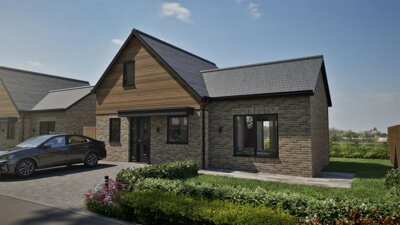
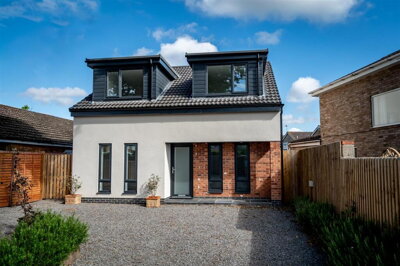
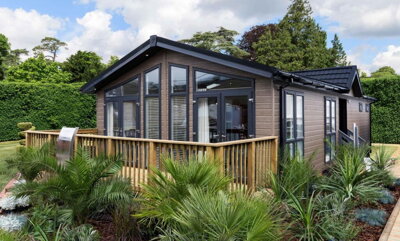
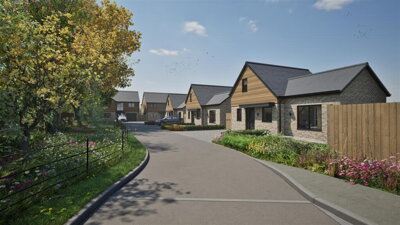
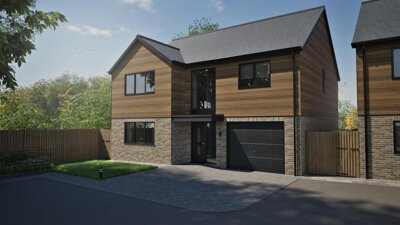
Browse 5 homes new builds in Earswick, York from local developer agents.
£800k
5
0
206
Source: home.co.uk
Source: home.co.uk
Detached
3 listings
Avg £1.20M
House
1 listings
Avg £730,000
Semi-Detached
1 listings
Avg £500,000
Source: home.co.uk
Source: home.co.uk
Earswick's property market reflects its status as a desirable village location within easy reach of York city centre. Detached properties command the highest prices here, with the average sitting at £437,500, up 1.7% over the past year. These family homes typically feature generous gardens and off-street parking, appealing to buyers prioritising space and privacy. The village's predominantly residential character means detached houses represent a significant portion of the housing stock, with many built during post-war expansion periods through to modern developments. The predominance of detached and semi-detached properties gives Earswick its distinctive family-oriented character compared to more urban areas of York.
Semi-detached homes in Earswick average £280,000, showing steady appreciation of 0.9% annually, while terraced properties average around £230,000 with more modest growth of 0.4%. Flats are relatively scarce in the village, with less than 5% of the housing stock being apartments, and these typically start from £165,000. This scarcity of apartment options means demand for any flats that do come to market can be strong, particularly from first-time buyers seeking an affordable entry point to the local market. The limited flat supply also creates rental demand, making any apartments that do become available attractive to both owner-occupiers and landlords alike.
The nearby Derwenthorpe development, delivered by the Joseph Rowntree Housing Trust in the YO32 9AF postcode area, has added contemporary homes to the local market in recent phases. This award-winning sustainable development offers two, three, and four-bedroom options across detached, semi-detached, and terraced formats that have attracted buyers seeking modern construction, energy efficiency, and thoughtful design. Properties in Derwenthorpe typically range from approximately £250,000 to £450,000 depending on size and specification, representing a significant part of the new-build options available to buyers considering the Earswick area.
The village's proximity to major transport routes including the A64 and A19 makes it particularly attractive to commuters working in York or travelling further afield. This connectivity supports property values and ensures continued interest from buyers seeking the village lifestyle without sacrificing employment opportunities. Our listings include properties across all price points, from entry-level terraced homes to premium detached houses, ensuring you can find options that match your budget and aspirations in Earswick.

Earswick embodies the appeal of village life while remaining connected to the amenities and employment opportunities of York. The village sits on the edge of the Howardian Hills Area of Outstanding Natural Beauty, providing residents with stunning countryside walks and scenic drives right on their doorstep. The surrounding landscape features the characteristic red brick properties typical of Yorkshire, with newer developments incorporating render and timber cladding to create an appealing mix of traditional and contemporary architecture. Many homes enjoy views across farmland and open fields, reinforcing the semi-rural character that draws buyers to the area. The surrounding farmland is productive, supported by the free-draining soils created by underlying glacial till deposits over Sherwood Sandstone bedrock.
The village community centre serves as a focal point for local activities and events, while nearby Strensall offers additional village amenities including shops and pubs. The historic City of York itself is just a short journey away, providing world-class cultural attractions including the iconic York Minster, the National Railway Museum, and the city walls. Residents enjoy access to excellent restaurants, theatres, and shopping facilities without sacrificing the peace and quiet of village living. The combination of rural charm and urban convenience makes Earswick particularly appealing to families and professionals alike who want the best of both worlds.
Local geology plays a role in the village's character, with underlying glacial till deposits over Sherwood Sandstone creating the free-draining soils that support productive farmland. However, buyers should note that clay-rich soils can present moderate to high shrink-swell risk, which may affect foundations on some properties. Properties near the River Foss and its tributaries face elevated flood risk, particularly in lower-lying areas, so conducting thorough due diligence on specific locations is advisable. Despite these considerations, the village remains a highly desirable place to live, with its strong community spirit and proximity to one of Britain's most historic cities. The village does not have a conservation area designation, though the Grade II listed Earswick Hall and other historic farmhouses add architectural interest to the local landscape.

Education is a significant consideration for families moving to Earswick, and the village benefits from proximity to several well-regarded schools. Earswick itself has a primary school serving the immediate community, with additional primary schools available in nearby villages and the outer suburbs of York. Parents should research catchment areas carefully, as school admissions in North Yorkshire operate on geographic criteria that can affect which schools children are eligible to attend. The village's position within the York local education authority means access to both state and independent schooling options across all age ranges.
For secondary education, students typically travel to schools in the York area, with several secondary schools and academies serving the wider region. York has a strong reputation for education, with the city being home to the University of York and York St John University, as well as highly performing sixth form colleges. Grammar schools in York, including York High School and Selby High School (depending on catchment), attract students from across the region and consistently achieve strong academic results. Families relocating to Earswick should priority school placement research alongside property searches to ensure alignment between their housing choices and educational access for their children.
The presence of the University of York campus to the east of the city creates additional educational and employment opportunities that benefit the wider community. Student accommodation demand in nearby areas creates rental opportunities for buy-to-let investors considering property in Earswick. Early years childcare facilities are available within the village and surrounding areas, supporting families with young children. Planning your school requirements alongside your property search ensures you focus on neighbourhoods with appropriate educational provision for your family's needs. Many families moving to Earswick specifically cite the quality of schools in the wider York area as a key factor in their decision to relocate to the village.
Earswick benefits from excellent transport connections that make commuting practical for residents working in York or travelling further afield. The village sits conveniently near the A64, which provides direct access to York city centre and connections to Leeds and the broader motorway network. The A19 runs to the east of the village, offering a direct route north to Selby and south towards Doncaster. These major roads make Earswick particularly attractive to car-owning commuters who need reliable access to employment centres beyond York, with typical journey times to York city centre taking around 15-20 minutes depending on traffic conditions.
Public transport options include bus services connecting Earswick to York city centre, with regular services allowing residents to travel without a car. York railway station provides excellent national rail connections, with direct services to London, Edinburgh, Leeds, Manchester, and many other destinations. Journey times from York to London King's Cross take approximately two hours, making day trips to the capital entirely feasible for business or leisure. For air travel, Leeds Bradford Airport and Robin Hood Airport Doncaster Sheffield provide international connections within reasonable driving distance of around 45 minutes to an hour.
Cycling infrastructure in the York area has improved significantly in recent years, with dedicated cycle routes connecting surrounding villages to the city centre. Many residents choose to commute by bicycle, particularly during summer months, enjoying the relatively flat terrain surrounding Earswick. The village has adequate parking provision for residents, with most properties offering off-street parking. The combination of road, rail, and cycling options ensures residents have flexibility in how they choose to travel, whether for daily commuting or leisure purposes. This multimodal connectivity reinforces Earswick's appeal to a wide range of buyers, from young professionals to established families.
Contact lenders or use comparison tools to obtain a mortgage agreement in principle before starting your property search. This strengthens your position when making offers and demonstrates your financial readiness to sellers. Given Earswick's average property price of £340,668, most buyers will require a mortgage, and having agreement in principle can significantly accelerate the buying process.
Explore current listings in Earswick, understand price trends across different property types, and familiarise yourself with different neighbourhoods within the village. Our platform shows all available properties alongside recent sale prices and market data, allowing you to make informed decisions about where to focus your search based on your budget and requirements.
Visit properties that match your criteria, taking time to assess the neighbourhood, nearby amenities, and the property's condition. Consider factors like flood risk areas, proximity to transport links, and school catchment zones when evaluating different properties. We recommend attending multiple viewings to compare options before making an offer on any property in Earswick.
Once your offer is accepted, arrange a Level 2 survey to assess the property's condition. For Earswick's housing stock, surveys typically cost £450-650 for semi-detached homes and £550-800+ for larger detached properties. Given the local geology with clay soils presenting moderate to high shrink-swell risk, a thorough survey is particularly important to identify any foundation or subsidence issues before completion.
Choose a conveyancing specialist to handle the legal aspects of your purchase, including searches, contracts, and registration with the Land Registry. Local conveyancers familiar with York and North Yorkshire properties can efficiently manage the transaction while addressing any area-specific concerns that may arise during the conveyancing process.
Finalise your mortgage, complete all legal work, and arrange your move. Your solicitor will coordinate the transfer of funds and keys, completing your purchase of your new Earswick home. Building insurance must be in place from exchange of contracts, and we recommend arranging removal services well in advance given the popularity of the area.
Property buyers in Earswick should pay particular attention to the geological conditions affecting foundations in this area. The glacial till clay soils present a moderate to high shrink-swell risk, meaning properties with inadequate foundations or those near large trees may show signs of movement over time. A thorough RICS Level 2 survey will identify any subsidence or heave issues, with particular attention to properties built before 1980 that may have shallower foundations. This is especially relevant for older properties in the village centre that may have original footings not designed to modern standards.
Building materials in Earswick predominantly feature red brick construction typical of Yorkshire, with roofs tiled using concrete or clay tiles. Older properties may have solid brick walls or cavity wall construction depending on their age, and timber framed roofs are common across different property types. Pre-1945 properties often feature slate roofing and may have older electrical and plumbing systems requiring updating. Properties built during the post-war period through to 1980 represent a significant portion of the housing stock, and these properties may show signs of wear to original components including windows, doors, and building services that a survey will identify.
Properties in flood risk zones near the River Foss should be scrutinised carefully for evidence of damp, water damage, or flood resilience measures. Surface water flooding also affects some parts of the village, especially near drainage systems in lower-lying areas. While Earswick does not have a conservation area designation, the village contains listed buildings including the Grade II listed Earswick Hall. Any buyer considering a listed property should understand that alterations and renovations require listed building consent, and specialist surveys beyond a standard Level 2 may be necessary. Most properties in Earswick are freehold, though buyers of any terraced or semi-detached homes should confirm tenure status and check for any management company arrangements that might involve service charges.
A significant proportion of properties in Earswick are now over 50 years old, particularly those built between 1945 and 1980. RICS Level 2 surveys are especially valuable for these properties to identify potential defects associated with age, including damp issues, roof deterioration, outdated electrics, and timber defects. Common issues we find in local properties include deteriorating lead flashing and gutters, inadequate insulation in lofts and walls, and electrical systems that do not meet current safety standards. Commissioning a thorough survey before purchase can save thousands in unexpected repair costs and provides about your investment in the Earswick property market.
The overall average house price in Earswick stands at £340,668 as of early 2026, according to recent market data. Detached properties average £437,500, semi-detached homes around £280,000, terraced properties at £230,000, and flats approximately £165,000. Property prices have shown steady growth over the past twelve months, with detached houses leading increases at 1.7% and the overall market rising by 1.1%, reflecting sustained demand for property in this desirable village location within easy reach of York.
Earswick has a primary school serving the immediate community, with families also able to access schools in nearby villages and outer York suburbs. The local education authority is North Yorkshire, and catchment area boundaries determine school placements. Secondary school options in the York area include several highly-rated academies and grammar schools. The University of York and York St John University also serve higher education needs in the wider region, making the area attractive to families at all stages of their children's education.
Earswick has bus services connecting to York city centre, providing regular public transport options for residents. York railway station offers excellent national rail connections including direct services to London, Leeds, Manchester, and Edinburgh, with journey times to London taking approximately two hours. The village's position near the A64 and A19 provides convenient road access to York and beyond for car owners, while many residents also cycle to work in York given the relatively flat terrain and improving cycle infrastructure connecting surrounding villages to the city centre.
Earswick's proximity to York, strong transport links, and appealing village character make it attractive for both owner-occupiers and investors. The village benefits from steady price growth of around 1.1% annually, and the limited supply of flats means rental demand for smaller properties can be strong. The presence of the University of York creates potential tenant demand in surrounding areas. Property investors should consider flood risk factors for specific locations and ensure appropriate insurance for properties in designated flood zones near the River Foss.
Parts of Earswick face medium to high flood risk from the River Foss and its tributaries, particularly in lower-lying areas near the watercourse. Surface water flooding also affects some parts of the village, especially near drainage systems and areas with poor permeability. There is no coastal flood risk as Earswick is inland. Buyers should check the Environment Agency flood maps for specific properties and consider flood resilience measures when purchasing in affected areas. Properties with flooding history should be subject to thorough damp surveys, and we recommend requesting evidence of any flood damage or remediation work carried out on properties in designated flood zones.
Properties in Earswick fall under City of York Council for council tax purposes. The council operates bands A through H based on property values, with most residential properties in the village likely falling within bands B to D given typical property values ranging from terraced homes around £230,000 to detached properties averaging £437,500. Prospective buyers should check specific properties for their council tax band, as this affects ongoing annual costs for owning a home in the area. Band D properties currently pay around £1,900 per year to City of York Council.
Stamp Duty Land Tax rates for standard residential purchases are 0% on the first £250,000, 5% on £250,001 to £925,000, 10% on £925,001 to £1.5 million, and 12% above £1.5 million. First-time buyers qualify for relief on the first £425,000, with 5% charged between £425,001 and £625,000. Given Earswick's average price of £340,668, most buyers would pay no stamp duty, though higher-value detached properties priced around £437,500 would incur SDLT of approximately £4,533 on the portion above £250,000.
Given Earswick's geology with clay-rich glacial till soils, subsidence and heave issues can affect properties with inadequate foundations, particularly those near large trees or with poor drainage around the property. Damp problems are common in older properties, especially rising damp or penetrating damp due to failed damp-proof courses or inadequate maintenance. Roof condition issues including deteriorating tiles, lead flashing, and blocked gutters frequently appear in properties over 30-40 years old. Electrical systems in properties built before the 1980s often require updating to meet current safety standards. A thorough RICS Level 2 survey will identify these issues and more, providing you with a detailed assessment of property condition before you commit to purchase.
From £450
Professional survey ideal for modern properties and standard construction homes in Earswick
From £600
Comprehensive building survey recommended for older or unusual properties
From £80
Energy performance certificate required for all property sales
From £499
Legal services for your property purchase
From 3.85%
Competitive mortgage rates for Earswick buyers
Understanding the additional costs of buying property in Earswick helps you budget accurately for your move. Stamp Duty Land Tax (SDLT) is calculated on a tiered basis, with properties up to £250,000 attracting no SDLT for standard buyers. Given that Earswick's average property price sits at £340,668, most purchases would incur SDLT only on the portion above £250,000, resulting in a SDLT bill of approximately £4,533. First-time buyers benefit from relief on the first £425,000, meaning many first-time buyers purchasing at average prices would pay no SDLT whatsoever.
Survey costs represent an important budget item when purchasing in Earswick, particularly given the local geological and construction factors that can affect property condition. A RICS Level 2 Survey for a typical three-bedroom semi-detached property in Earswick typically costs between £450 and £650, while larger four-bedroom detached homes may require surveys costing £550 to £800 or more. These costs are modest compared to the property price and can identify issues that save significant money or alert you to problems before completion. We recommend all buyers commission a survey, particularly for properties over 50 years old where age-related defects are more likely to be present.
Conveyancing costs in the York area typically start from around £499 for straightforward purchases, with costs varying based on property value and transaction complexity. Additional costs include Land Registry fees, search fees covering local authority, drainage, and environmental searches, and potentially mortgage arrangement fees. For properties in flood risk areas near the River Foss, additional flood risk assessments or surveys may be advisable, adding to overall costs but providing important information about the property. Building insurance must be in place from the point of exchange, and you should factor in removal costs and any immediate improvements or furnishing purchases for your new home. Planning these costs in advance ensures a smooth transaction when you find your perfect Earswick property.
Properties New Builds In London

Properties New Builds In Plymouth

Properties New Builds In Liverpool

Properties New Builds In Glasgow

Properties New Builds In Sheffield

Properties New Builds In Edinburgh

Properties New Builds In Coventry

Properties New Builds In Bradford

Properties New Builds In Manchester

Properties New Builds In Birmingham

Properties New Builds In Bristol

Properties New Builds In Oxford

Properties New Builds In Leicester

Properties New Builds In Newcastle

Properties New Builds In Leeds

Properties New Builds In Southampton

Properties New Builds In Cardiff

Properties New Builds In Nottingham

Properties New Builds In Norwich

Properties New Builds In Brighton

Properties New Builds In Derby

Properties New Builds In Portsmouth

Properties New Builds In Northampton

Properties New Builds In Milton Keynes

Properties New Builds In Bournemouth

Properties New Builds In Bolton

Properties New Builds In Swansea

Properties New Builds In Swindon

Properties New Builds In Peterborough

Properties New Builds In Wolverhampton

Enter your details to see if this property is within your budget.
Loans, cards, car finance
Estimated property budget
Borrowing + deposit
You could borrow between
Typical borrowing
Monthly repayment
Est. at 4.5%
Loan-to-value
This is an estimate only. Your actual budget may vary depending on interest rates, credit history, and personal circumstances. For an accurate affordability assessment, speak to one of our free mortgage advisors.
This calculator provides estimates for illustrative purposes only and does not constitute financial advice. Your home may be repossessed if you do not keep up repayments on your mortgage. Estimates based on 4.5% interest rate, repayment mortgage. Actual rates depend on your circumstances.
Homemove is a trading name of HM Haus Group Ltd (Company No. 13873779, registered in England & Wales). Homemove Mortgages Ltd (Company No. 15947693) is an Appointed Representative of TMG Direct Limited, trading as TMG Mortgage Network, which is authorised and regulated by the Financial Conduct Authority (FRN 786245). Homemove Mortgages Ltd is entered on the FCA Register as an Appointed Representative (FRN 1022429). You can check registrations at NewRegister or by calling 0800 111 6768.

We use cookies to show you personalised content and improve your experience of our website. Find out more in our Privacy policy and Cookie policy.