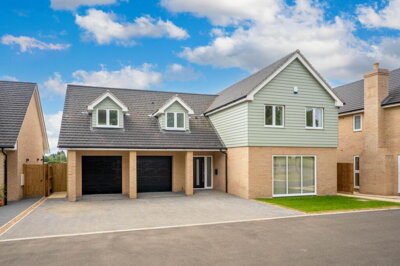
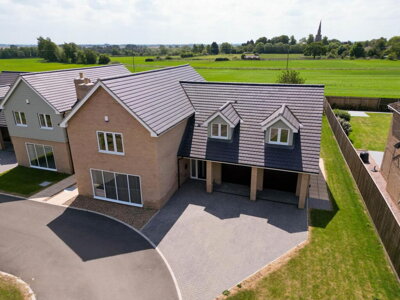
Browse 2 homes new builds in Earith, Huntingdonshire from local developer agents.
The larger property sector typically features multiple bathrooms, substantial reception space, and private gardens or off-street parking. Four bedroom houses in Earith span detached, semi-detached, and occasionally terraced configurations, with styles ranging from period properties to modern executive homes.
£388k
4
0
147
Source: home.co.uk
Showing 4 results for 4 Bedroom Houses new builds in Earith, Huntingdonshire. The median asking price is £387,500.
Source: home.co.uk
Detached
2 listings
Avg £512,500
Semi-Detached
2 listings
Avg £370,000
Source: home.co.uk
Source: home.co.uk
The Denston property market reflects the character of this small rural village, offering buyers a limited but select range of homes that rarely come to market. Our data shows property prices in Denston have remained stable over the past twelve months, with a modest increase of 1.2% as of February 2026. This indicates a resilient local market driven by demand from buyers seeking village locations with strong heritage credentials. The village's housing stock is predominantly characterised by larger detached and semi-detached properties, with fewer terraced homes and virtually no flats, making it particularly attractive to families and those seeking space.
Properties in Denston span several architectural periods, from historic timber-framed cottages to traditional Suffolk brick farmhouses and period village houses. Many homes date from before 1919, as evidenced by the village's extensive collection of listed buildings and Conservation Area status. New build activity in the immediate Denston area remains limited, with any recent development typically consisting of small-scale infill projects or conversions of existing buildings rather than new housing estates. This scarcity of new supply means buyers often compete for character properties that come to market, particularly those with gardens, parking, and village centre locations.
The village's location relative to surrounding towns significantly influences buyer interest. Bury St Edmunds, approximately 20 minutes away by car, provides access to larger retail centres, employment opportunities, and healthcare facilities. Cambridge remains reachable within around an hour for those working in professional sectors, while Sudbury offers another option for commuters with rail services available from the town. Understanding these practical transport connections helps buyers assess whether Denston offers the right balance of rural tranquility and accessibility for their daily needs.

Denston embodies the quintessential English village experience, offering residents a close-knit community atmosphere set against the backdrop of beautiful Suffolk countryside. The village takes its name from the River Glem, which flows gently through the parish, contributing to the area's rural charm and providing pleasant walking routes along its banks. The presence of the river does bring a generally low but notable consideration for homebuyers, with some risk of fluvial flooding during periods of intense rainfall, something worth discussing with your surveyor when purchasing a property near the watercourse.
The village centre clusters around The Street, where visitors will find a collection of historic cottages, farmhouses, and the magnificent Denston Hall, a Grade I listed manor house that stands as the village's heritage. St Nicholas' Church, also Grade I listed, adds to the architectural richness of the area with its medieval origins and well-preserved features. The predominant building materials reflect traditional Suffolk construction, with pale red and yellow Suffolk brick, timber framing, and rendered finishes creating the warm, characteristic appearance of the village. The local geology presents some considerations for buyers, with boulder clay soils underlying the area, suggesting a moderate to high shrink-swell risk that may affect properties with shallow foundations, particularly during periods of drought or heavy rainfall.
Day-to-day life in Denston is characterised by rural tranquility, though residents benefit from proximity to larger settlements for amenities and services. The village forms part of the West Suffolk district, with local connections to nearby towns for shopping, healthcare, and leisure facilities. Community life revolves around the village's historic environment, with residents enjoying walking, cycling, and exploring the surrounding countryside. The agricultural heritage of the area remains evident in the surrounding farmland, with many properties enjoying views across productive fields and hedgerow-lined lanes.
Families considering a move to Denston will find educational options available in the surrounding area, with primary schools located in nearby villages and market towns. The village's small population means that Denston itself does not have its own primary school, with children typically travelling to schools in nearby settlements such as Hartest, Long Melford, or Clare. These village primary schools offer classes for Reception through to Year 6, providing a community-focused education with strong ties to the local area. Parents should research individual school Ofsted ratings and consider catchment areas when planning their move, as school places can be competitive in popular rural locations.
Secondary education for Denston residents is generally accessed through schools in larger nearby towns, with options including schools in Sudbury, Bury St Edmunds, and the Newmarket area. Secondary schools in these towns offer a wider range of GCSE and A-Level subjects, specialist facilities, and extracurricular activities that smaller primary schools may not provide. For families prioritising education, proximity to these secondary schools and their respective admissions criteria should factor significantly into property search decisions. Sixth form provision is available at secondary schools and colleges in surrounding towns, with Bury St Edmunds offering particular choice for older students pursuing further education.
Several primary schools in the surrounding villages have achieved good or outstanding Ofsted ratings, making them attractive options for Denston families. Hartest Church of England Primary School, located approximately 5 miles from Denston, serves several surrounding villages and maintains strong community links. Parents should register interest with preferred schools early in the property search process, as rural school catchments can be competitive during peak moving seasons. School transport arrangements should also be considered, as daily travel distances may affect family logistics.
Transport connections from Denston reflect its rural village character, with residents typically relying on private vehicles for daily commuting and accessing services. The village sits within easy reach of several A-roads providing connections to larger towns and cities, making Bury St Edmunds, Cambridge, and Colchester accessible for work and leisure. The A14 trunk road runs to the north of the village, offering routes to Ipswich, Felixstowe, and the wider motorway network, while the A143 provides connections to Diss and the Norfolk border. For commuters working in professional sectors, these road links enable reasonable journey times to employment centres despite the village's rural location.
Public transport options serving Denston are limited, as is typical for small Suffolk villages, with bus services providing connections to nearby towns on set schedules rather than high-frequency routes. The nearest railway stations are located in larger towns, with Sudbury and Bury St Edmunds offering rail connections for those travelling further afield. From Bury St Edmunds, journey times to Cambridge take approximately one hour, while London Liverpool Street can be reached via Cambridge or Ely in around two hours. For buyers considering Denston as a commuter location, understanding the balance between village lifestyle and practical transport requirements is essential. Many residents embrace the rural setting while accepting that car ownership is necessary for daily life.
Bury St Edmunds station provides the nearest regular rail services, with connections to Cambridge, Ely, and London Liverpool Street. The station offers parking facilities for those commuting by train, though demand can be high during peak hours. For residents working in Cambridge, the A14 route provides approximately one hour journey time, though this can extend during peak periods. Understanding these practical commute considerations helps buyers assess whether Denston suits their employment and lifestyle requirements.
Start by exploring current listings in Denston and understanding local price points. With an average price of £415,000 and limited stock, knowing whether you are looking for a terraced cottage around £275,000 or a detached village house around £575,000 will help focus your search. Register with Homemove to receive alerts when new properties matching your criteria become available.
Before viewing properties, obtain a mortgage agreement in principle from a lender. This demonstrates your buying capability to sellers and agents, strengthening your position in a market where desirable village properties can attract multiple interested buyers. Our mortgage comparison tool helps you find competitive rates from multiple lenders.
Once you have identified properties of interest, arrange viewings through estate agents active in the Denston area. Take time to assess each property's condition, garden, parking, and proximity to neighbours. Properties in the Conservation Area may have planning restrictions worth discussing with the agent.
Before proceeding with your purchase, arrange a RICS Level 2 Survey to assess the property's condition. Given Denston's abundance of older, listed buildings and properties with traditional construction, this survey is particularly valuable for identifying issues such as damp, timber defects, or structural movement. Local survey costs range from £450 to £800 depending on property size.
Once your offer is accepted, instruct a solicitor to handle the legal aspects of your purchase. They will conduct searches, check title deeds, and manage the exchange of contracts. Our conveyancing comparison service connects you with experienced solicitors familiar with rural Suffolk properties.
Your solicitor will coordinate the final stages, including arranging stamp duty payments and registering ownership with the Land Registry. On completion day, you will receive the keys to your new Denston home, ready to begin enjoying village life in this charming Suffolk community.
Purchasing a property in Denston requires careful attention to the specific characteristics of this historic village location. A significant proportion of the housing stock predates 1919, meaning many properties feature traditional construction methods that require specialist understanding during the buying process. When viewing properties, pay close attention to the condition of timber-framed elements, lime mortar pointing, and the age and condition of roofing materials. Properties in the village centre and along The Street are likely to fall within the Conservation Area, which brings additional planning considerations including restrictions on alterations, extensions, and exterior changes that may affect your renovation plans.
The presence of listed buildings throughout Denston means that some properties carry Grade II, Grade I, or higher listing status, each bringing different levels of restriction on alterations and works. If you are considering a listed property, budget for potential Listed Building Consent requirements and the possibility of more complex survey needs such as a RICS Level 3 Building Survey. The underlying clay geology of the area also warrants attention during survey work, with shrink-swell risk potentially affecting properties with older foundations or those situated near large trees. Ask your surveyor to assess foundation depth and look for signs of movement or subsidence, particularly in properties with mature trees nearby.
Older properties in Denston commonly exhibit defects related to traditional construction techniques. Timber-framed buildings may show signs of woodworm or fungal decay in structural members, while solid wall construction can suffer from penetrating or rising damp where original damp-proof courses are absent or damaged. Roof conditions warrant particular attention, with slipped tiles, decaying leadwork, and perished felt commonly found in properties of this age. Electrical systems in pre-1980s properties frequently require upgrading to meet current safety standards. Flood risk, while generally low for Denston, should still be considered, particularly for properties located near the River Glem. Your solicitor should conduct appropriate drainage and flood risk searches as part of the conveyancing process.
For properties converted from agricultural buildings or barns, investigate the planning history and any conditions attached to previous consents. Service charges and maintenance arrangements for shared facilities should be clearly established for any property held on a leasehold or with communal elements. Most properties in Denston are likely freehold, but verifying ownership status is an essential part of the buying process. Checking the boundaries and any rights of way affecting the property forms part of standard conveyancing, but these checks are particularly important in rural locations where traditional rights and access arrangements may exist.
As of February 2026, the average property price in Denston is £415,000. Detached properties typically sell for around £575,000, semi-detached homes for approximately £350,000, and terraced properties for around £275,000. Property prices have shown modest growth of 1.2% over the past twelve months, indicating a stable market in this sought-after Suffolk village. With only 4 property sales recorded in the past year, availability is limited and buyers should be prepared to act quickly when suitable properties become available.
Properties in Denston fall under West Suffolk Council's jurisdiction. Council tax bands in the area typically range from Band A for smaller properties through to Band F or higher for larger detached homes and period properties. Exact bands depend on the property's valuation, and buyers can verify the specific band through the Valuation Office Agency. As a guide, most period village houses in Denston are likely to fall within Bands C to E given their character and location. Prospective buyers can check current council tax charges on the West Suffolk Council website, where charges are updated annually.
Denston does not have its own school, with primary-age children typically attending schools in nearby villages such as Hartest, Long Melford, or Clare. Hartest Church of England Primary School serves several surrounding villages and maintains strong community ties, while Long Melford offers additional primary options with good facilities. These primary schools provide education from Reception through Year 6. Secondary education is accessed through schools in larger towns including Sudbury and Bury St Edmunds, which offer GCSE and A-Level programmes. Parents should research individual school Ofsted ratings and understand admission catchment areas when selecting a property, as school places in popular rural catchments can be competitive.
Public transport connections from Denston are limited, reflecting its small village character. Local bus services provide connections to nearby towns on scheduled routes rather than high-frequency services, with the nearest stops typically located in the village centre. The nearest railway stations are located in Bury St Edmunds and Sudbury, offering rail services to Cambridge, London Liverpool Street, and other destinations. Bury St Edmunds station provides the most frequent services, with journey times to Cambridge taking around one hour and London Liverpool Street accessible in approximately two hours via Cambridge or Ely. For most residents, car ownership is essential for daily commuting and accessing services, with Bury St Edmunds approximately 30 minutes away by car and Cambridge reachable in around an hour via the A14.
Denston offers several attractive features for property investment, including its Conservation Area status, concentration of listed buildings, and proximity to desirable larger towns. Property prices have remained stable with modest growth, suggesting a resilient market. The village's small population and limited new development mean supply is constrained, which can support values for existing properties. The character and heritage of the village, combined with its accessibility to larger employment centres, makes it appealing to buyers seeking quality rural property. However, the limited rental market due to the village's size and lack of commercial amenities may affect rental demand, and the small market means liquidity should be considered when assessing investment potential.
Stamp duty rates from April 2025 start at 0% for properties up to £250,000, rising to 5% on the portion between £250,001 and £925,000, 10% between £925,001 and £1.5 million, and 12% above £1.5 million. First-time buyers benefit from relief on the first £425,000, with 5% applied between £425,001 and £625,000. For a typical Denston property at the average price of £415,000, a standard buyer would pay £8,250 in stamp duty, while a first-time buyer would pay £0 under current relief thresholds. Always verify rates with HMRC or your solicitor as thresholds can change.
Given Denston's abundance of older properties built before 1919, common defects include rising and penetrating damp in properties without modern damp-proof courses, timber rot and woodworm in structural and joinery elements, and roof issues such as slipped tiles and failing leadwork. Properties built before the 1980s may have electrical systems that do not meet current safety standards and frequently require partial or full rewire. The clay geology underlying the area presents a moderate to high shrink-swell risk, potentially causing subsidence or foundation movement in properties with inadequate foundations or nearby large trees. A thorough RICS Level 2 Survey is strongly recommended for any property purchase in Denston, particularly for timber-framed buildings or those near the River Glem where additional flood risk considerations apply.
From 3.89%
Compare mortgage rates from leading lenders
From £499
Expert solicitors for your property purchase
From £450
Professional survey for your Denston property
From £80
Energy performance certificate for your property
Understanding the full costs of buying a property in Denston is essential for budgeting effectively. Beyond the purchase price, buyers should account for stamp duty, solicitor fees, survey costs, and moving expenses. For a property at the Denston average price of £415,000, standard stamp duty amounts to £8,250. First-time buyers benefit significantly from current relief, potentially paying no stamp duty on properties up to £425,000. Above this threshold, the first-time buyer rate applies 5% on the portion between £425,001 and £625,000, making Denston an accessible option for those taking their first step onto the property ladder.
Solicitor conveyancing fees for properties in Denston typically range from £500 to £1,500 depending on complexity and whether the property is freehold or leasehold. Searches conducted by your solicitor, including local authority, drainage, and environmental searches, typically cost £250 to £400. A RICS Level 2 Survey for a property in Denston costs between £450 and £800 depending on size and condition, with larger or older properties at the higher end of this range. If you require a mortgage, arrangement fees of £1,000 to £2,000 may apply depending on your lender, though many brokers can arrange deals without fees. Building insurance, removal costs, and potential renovation expenses should also be factored into your overall budget when purchasing in this historic Suffolk village.
Properties New Builds In London

Properties New Builds In Plymouth

Properties New Builds In Liverpool

Properties New Builds In Glasgow

Properties New Builds In Sheffield

Properties New Builds In Edinburgh

Properties New Builds In Coventry

Properties New Builds In Bradford

Properties New Builds In Manchester

Properties New Builds In Birmingham

Properties New Builds In Bristol

Properties New Builds In Oxford

Properties New Builds In Leicester

Properties New Builds In Newcastle

Properties New Builds In Leeds

Properties New Builds In Southampton

Properties New Builds In Cardiff

Properties New Builds In Nottingham

Properties New Builds In Norwich

Properties New Builds In Brighton

Properties New Builds In Derby

Properties New Builds In Portsmouth

Properties New Builds In Northampton

Properties New Builds In Milton Keynes

Properties New Builds In Bournemouth

Properties New Builds In Bolton

Properties New Builds In Swansea

Properties New Builds In Swindon

Properties New Builds In Peterborough

Properties New Builds In Wolverhampton

Enter your details to see if this property is within your budget.
Loans, cards, car finance
Estimated property budget
Borrowing + deposit
You could borrow between
Typical borrowing
Monthly repayment
Est. at 4.5%
Loan-to-value
This is an estimate only. Your actual budget may vary depending on interest rates, credit history, and personal circumstances. For an accurate affordability assessment, speak to one of our free mortgage advisors.
This calculator provides estimates for illustrative purposes only and does not constitute financial advice. Your home may be repossessed if you do not keep up repayments on your mortgage. Estimates based on 4.5% interest rate, repayment mortgage. Actual rates depend on your circumstances.
Homemove is a trading name of HM Haus Group Ltd (Company No. 13873779, registered in England & Wales). Homemove Mortgages Ltd (Company No. 15947693) is an Appointed Representative of TMG Direct Limited, trading as TMG Mortgage Network, which is authorised and regulated by the Financial Conduct Authority (FRN 786245). Homemove Mortgages Ltd is entered on the FCA Register as an Appointed Representative (FRN 1022429). You can check registrations at NewRegister or by calling 0800 111 6768.

We use cookies to show you personalised content and improve your experience of our website. Find out more in our Privacy policy and Cookie policy.