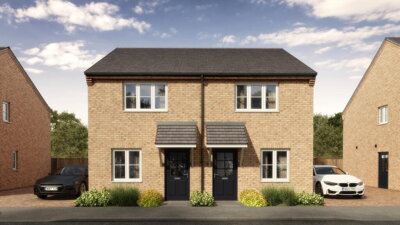
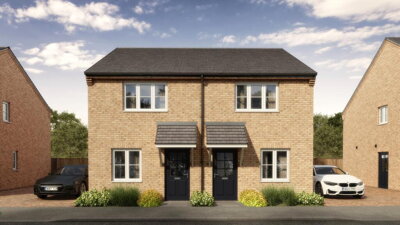
Browse 2 homes new builds in Earith, Huntingdonshire from local developer agents.
The 2 bed house market features detached, semi-detached, and terraced properties with two separate bedrooms plus living spaces. Properties in Earith range across contemporary developments, with pricing varying across different neighbourhoods.
£210k
1
0
30
Source: home.co.uk
Showing 1 results for 2 Bedroom Houses new builds in Earith, Huntingdonshire. The median asking price is £210,000.
Source: home.co.uk
Semi-Detached
1 listings
Avg £210,000
Source: home.co.uk
Source: home.co.uk
The Denston property market reflects its status as a sought-after rural Suffolk village, though transaction volumes remain modest with just 4 sales recorded in the twelve months to February 2026. Property prices in the area have demonstrated steady growth over this period, posting a 12-month increase of 1.2% that indicates sustained demand despite limited available stock. The village attracts buyers who value its unspoiled character and convenient access to larger towns, meaning properties that do come to market tend to generate genuine interest from multiple parties.
Detached properties dominate the upper end of the Denston market, with prices averaging £575,000 for homes offering generous gardens and period features such as original fireplaces, exposed beams, and traditional staircases. Semi-detached homes provide more accessible entry points at around £350,000, while terraced properties can be found from approximately £275,000. Flats remain exceptionally rare in the village given the predominantly historic housing stock, which consists largely of converted barns, traditional cottages, and substantial period dwellings constructed in traditional Suffolk brick and timber framing.
New build activity within the Denston postcode area has been limited, with no active developments identified in recent searches. Properties that come to market often represent older housing stock, and buyers should anticipate that a significant proportion of available homes will be pre-1919 constructions featuring traditional materials such as lime mortar, wattle and daub infill, and clay tile roofs. This historic character contributes significantly to the village's Conservation Area designation and the presence of numerous listed buildings including Denston Hall, which is Grade I listed alongside St Nicholas' Church.
The village also includes several working farms with historic buildings, some of which have been converted to residential use under planning permissions granted over recent decades. These converted agricultural buildings often represent unique opportunities for buyers seeking spacious homes with rural settings, though they may require specialist maintenance knowledge given their traditional construction methods. Our inspectors frequently assess these converted properties and can identify potential issues before you commit to a purchase.

Life in Denston revolves around the rhythms of a traditional English village, where the close-knit community maintains strong connections through local events and shared appreciation for the surrounding countryside. The village centre clusters around The Street, where period cottages and historic farmsteads create an enviable setting that has earned Denston its Conservation Area status. Residents benefit from an active village life while enjoying the privacy that comes with living in a community of just 134 people spread across this attractive corner of West Suffolk.
The local geology of Denston consists primarily of glacial till overlying chalk bedrock, with the characteristic pale Suffolk brick and rendered finishes visible throughout the village. Properties in the area often feature traditional timber framing, a construction method perfectly suited to the local materials and the moderate climate of this part of East Anglia. The presence of boulder clay soils creates the lush agricultural landscape surrounding the village, though buyers should note this geology also indicates moderate to high shrink-swell risk that can affect properties with shallow foundations during periods of dry weather or heavy rainfall.
Amenities in the immediate village are limited to essentials, with residents typically travelling to nearby towns for larger shopping requirements, medical services, and leisure facilities. The nearby market towns of Bury St Edmunds, Sudbury, and Haverhill provide comprehensive retail and dining options within a 20-minute drive, while Newmarket offers excellent racing facilities and specialist shopping. The River Glem flows near the village, contributing to the rural charm while requiring modest awareness of potential fluvial flooding during periods of extreme weather.

Families considering a move to Denston will find a selection of primary and secondary education options available within reasonable driving distance. Primary education is served by village schools in surrounding communities, with several Ofsted-rated Good or Outstanding schools located in nearby towns such as Clare, Long Melford, and Sudbury. These smaller rural primary schools typically offer strong community connections and excellent pupil-to-teacher ratios that many parents find attractive for early-years education.
Secondary education options expand significantly with access to the grammar school system operating in nearby Suffolk towns. King Edward VI School in Bury St Edmunds and Stour Valley Community College in Clare provide secondary education with strong academic records, while Sudbury offers non-selective secondary options. Parents should research specific catchment areas and admission arrangements, as school placements are determined by home address and competition for places in popular schools can be significant.
For families requiring sixth form or further education provision, the nearby towns provide comprehensive options. Bury St Edmunds hosts the West Suffolk College with a wide range of vocational and academic courses, while Newmarket's curriculum includes specialist sports college provision. Private schooling options exist at preparatory and senior level in the broader region, with several notable independent schools accessible within a 30-minute drive for families pursuing this educational pathway.
Commuting from Denston requires car ownership given the village's rural location, though major employment centres remain accessible within reasonable journey times. The A143 runs through nearby towns providing connections to Bury St Edmunds, while the A14 trunk road offers links to Cambridge, Ipswich, and the wider motorway network. Most residents rely on a combination of car travel and periodic use of rail services from regional stations for longer commutes or leisure journeys.
Rail connections from nearby stations including Bury St Edmunds, Sudbury, and Dullingham provide access to the wider rail network with connections to London Liverpool Street, Norwich, and Cambridge. Journey times to London typically range from 90 minutes to two hours depending on the specific service and interchange requirements, making regular commuting feasible for those working in the capital on a hybrid basis. Advance planning of rail connections is advisable given the rural nature of local services.
Local bus services operate between Denston and surrounding villages, though frequency is limited compared to urban routes. Cycling infrastructure in the area is suitable for recreational purposes and shorter local journeys, though the narrow country lanes require appropriate caution during busy periods. Parking in the village is generally straightforward given the low traffic volumes, though visitors and deliveries may find the historic lane layouts occasionally challenging for larger vehicles.
Source: Rightmove, February 2026
Start by exploring current listings in Denston to understand available properties, price ranges, and what your budget achieves in this village market. With just 4 sales in the past year, patience and early preparation are advantageous. Register with local estate agents who operate in the village and surrounding area to receive alerts when properties come to market, as desirable homes can sell quickly in this tight-knit community.
Contact lenders or use Homemove's mortgage comparison service to obtain an agreement in principle before making offers. This strengthens your position with sellers and demonstrates serious intent in a competitive village market where properties sell quickly. Having your financing arranged also helps you act decisively when you find the right property in this sought-after location.
View multiple properties to compare the varying construction types, from timber-framed cottages to converted barns. Pay attention to the condition of older properties, noting features that may require maintenance or specialist care. Take photographs and notes during viewings to help you compare properties after the viewing and make an informed decision.
Commission a Level 2 Survey to assess the property condition thoroughly. Given Denston's clay geology and historic housing stock, surveys typically cost £450-800 depending on property size and will identify issues such as damp, timber defects, and any signs of subsidence related to foundation movement. For listed properties or those of non-standard construction, a RICS Level 3 Survey may be more appropriate to provide comprehensive assessment.
Choose a solicitor experienced in rural property transactions to handle your purchase. They will manage local searches, investigate title matters relating to listed building consents, and ensure smooth transfer of ownership. Our recommended conveyancers have experience with Denston properties and understand the local authority requirements from West Suffolk Council.
Once all searches are satisfactory and financing is confirmed, your solicitor will arrange the exchange of contracts and set a completion date. On completion day, the property becomes yours and you can collect the keys from the selling agent.
Properties in Denston require careful assessment given the prevalence of historic construction methods and the village's Conservation Area status. The traditional Suffolk brick and timber-framed properties that characterise the village require different maintenance approaches compared to modern constructions, and buyers should understand that listed buildings especially may require Listed Building Consent for alterations. A thorough RICS Level 2 Survey will prove invaluable for identifying issues specific to older properties, including damp related to missing or inadequate damp-proof courses, timber defects, and the condition of traditional lime mortar pointing.
The clay geology underlying Denston creates a shrink-swell risk that buyers should investigate, particularly for properties with older foundations or those situated near large trees. Signs of subsidence or movement may be visible in cracking to walls or door frames that stick during humid weather. Surface water drainage should also be assessed, as rural properties sometimes experience localised flooding during heavy rainfall when drainage systems are overwhelmed or poorly maintained.
Flood risk in Denston is generally low but not negligible, with the nearby River Glem representing the primary fluvial flood source. Properties near the river or in lower-lying areas of the village may be more susceptible during periods of prolonged rainfall. Buyers should request flood risk reports and review the property's history regarding any previous flooding incidents. Buildings insurance costs may reflect these risk factors, so obtaining quotes before purchase completion is advisable.
The average property price in Denston, Suffolk, stands at £415,000 as of February 2026. Detached properties average £575,000, semi-detached homes around £350,000, and terraced properties from £275,000. Prices have increased by 1.2% over the past twelve months, reflecting steady demand for rural Suffolk property despite limited available stock. With only 4 sales recorded in the past year, buyers should be prepared for competitive conditions when desirable properties become available.
Properties in Denston fall under West Suffolk Council and are assigned council tax bands from A through H depending on the property's valuation. Historic properties and smaller cottages may fall into lower bands, while substantial period homes and converted farmhouses could be in higher bands. Current rates can be confirmed through the West Suffolk Council website using the property's specific address, and buyers should factor annual council tax costs into their overall budget alongside mortgage payments and maintenance expenses.
Denston itself has limited schooling options given its small population, with primary-aged children typically attending schools in nearby villages such as Clare or using school transport to establishments in Long Melford and Sudbury. Several primary schools in the surrounding area hold Good or Outstanding Ofsted ratings. Secondary education options include grammar schools in Bury St Edmunds and comprehensive schools in Sudbury, with catchment areas determining local placements. Parents should research specific school admissions criteria and consider travel arrangements when evaluating properties in the village.
Public transport connections from Denston are limited, reflecting the village's rural character. Local bus services provide connections to nearby towns but operate with reduced frequency compared to urban routes. The nearest rail stations are located in Bury St Edmunds, Sudbury, and Dullingham, offering services to London Liverpool Street, Cambridge, and Norwich. Most residents rely on car ownership for daily commuting and errands, with Bury St Edmunds accessible within approximately 20 minutes by car and Cambridge within 45 minutes.
Denston offers potential for property investment given its attractive rural setting, Conservation Area status, and proximity to growing employment centres in Suffolk and Cambridgeshire. The village's limited housing stock and consistent demand from buyers seeking village lifestyles support long-term values, though the small market size means transaction volumes remain low. Properties requiring renovation, particularly those with planning potential or suitable for sympathetic conversion, may offer opportunities for value addition. However, investors should consider the implications of the rural location for rental demand and the specialist requirements of maintaining historic properties.
Stamp duty land tax applies to your Denston purchase based on the property price and your buyer status. For standard purchases, you pay 0% on the first £250,000, 5% on the portion from £250,001 to £925,000, and 10% on amounts between £925,001 and £1.5 million. First-time buyers benefit from relief on the first £425,000, paying 5% on the next £200,000 only. Given Denston's average price of £415,000, a first-time buyer purchasing at this level would pay no stamp duty under current thresholds.
From £450
Expert assessment of traditional Suffolk properties
From £600
Detailed structural survey for older or listed properties
From £499
Local property solicitors for Denston transactions
From 4.5%
Competitive rates for rural property purchases
Properties New Builds In London

Properties New Builds In Plymouth

Properties New Builds In Liverpool

Properties New Builds In Glasgow

Properties New Builds In Sheffield

Properties New Builds In Edinburgh

Properties New Builds In Coventry

Properties New Builds In Bradford

Properties New Builds In Manchester

Properties New Builds In Birmingham

Properties New Builds In Bristol

Properties New Builds In Oxford

Properties New Builds In Leicester

Properties New Builds In Newcastle

Properties New Builds In Leeds

Properties New Builds In Southampton

Properties New Builds In Cardiff

Properties New Builds In Nottingham

Properties New Builds In Norwich

Properties New Builds In Brighton

Properties New Builds In Derby

Properties New Builds In Portsmouth

Properties New Builds In Northampton

Properties New Builds In Milton Keynes

Properties New Builds In Bournemouth

Properties New Builds In Bolton

Properties New Builds In Swansea

Properties New Builds In Swindon

Properties New Builds In Peterborough

Properties New Builds In Wolverhampton

Enter your details to see if this property is within your budget.
Loans, cards, car finance
Estimated property budget
Borrowing + deposit
You could borrow between
Typical borrowing
Monthly repayment
Est. at 4.5%
Loan-to-value
This is an estimate only. Your actual budget may vary depending on interest rates, credit history, and personal circumstances. For an accurate affordability assessment, speak to one of our free mortgage advisors.
This calculator provides estimates for illustrative purposes only and does not constitute financial advice. Your home may be repossessed if you do not keep up repayments on your mortgage. Estimates based on 4.5% interest rate, repayment mortgage. Actual rates depend on your circumstances.
Homemove is a trading name of HM Haus Group Ltd (Company No. 13873779, registered in England & Wales). Homemove Mortgages Ltd (Company No. 15947693) is an Appointed Representative of TMG Direct Limited, trading as TMG Mortgage Network, which is authorised and regulated by the Financial Conduct Authority (FRN 786245). Homemove Mortgages Ltd is entered on the FCA Register as an Appointed Representative (FRN 1022429). You can check registrations at NewRegister or by calling 0800 111 6768.

We use cookies to show you personalised content and improve your experience of our website. Find out more in our Privacy policy and Cookie policy.