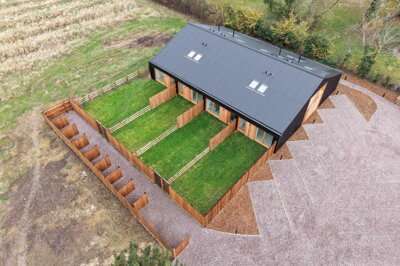
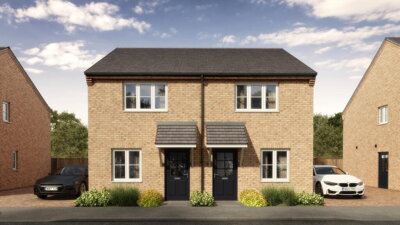
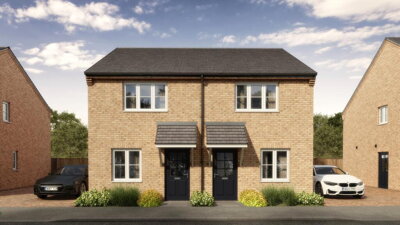
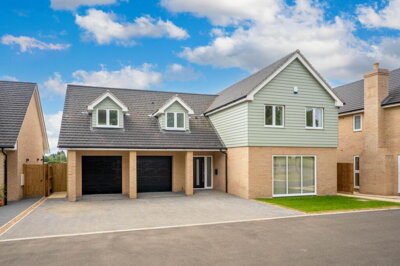
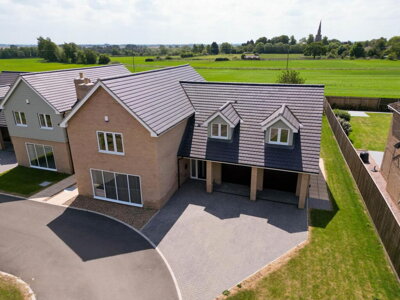
Browse 5 homes new builds in Earith, Huntingdonshire from local developer agents.
£335k
18
0
121
Source: home.co.uk
Source: home.co.uk
Detached
4 listings
Avg £425,000
Semi-Detached
4 listings
Avg £312,500
Bungalow
2 listings
Avg £272,500
Terraced
2 listings
Avg £530,000
Apartment
1 listings
Avg £245,000
Detached Bungalow
1 listings
Avg £345,000
Detached house
1 listings
Avg £375,000
End of Terrace
1 listings
Avg £475,000
Flat
1 listings
Avg £200,000
Semi-Detached Bungalow
1 listings
Avg £240,000
Source: home.co.uk
Source: home.co.uk
The property market in Denston reflects the character of the village itself - small in volume but offering quality homes with genuine character. Detached properties command the highest prices, averaging around £575,000, representing the larger family homes and period residences that line the village's lanes. These homes often feature the traditional Suffolk brick construction that defines the area's architectural heritage, with generous gardens and outbuildings that appeal to buyers seeking space and privacy in a rural setting. The village's Conservation Area status helps preserve the distinctive appearance that makes these properties so desirable to buyers who appreciate historic architecture.
Semi-detached properties in Denston average approximately £350,000, offering an accessible entry point to village life without sacrificing the character that makes the area so appealing. These homes often include traditional features such as original fireplaces, exposed beams, and cottage gardens that reflect the village's heritage. Terraced properties, averaging around £275,000, provide excellent value for first-time buyers or those seeking a smaller footprint while still benefiting from the village's amenities and community spirit. No new build developments have been identified specifically within the Denston postcode area, meaning that properties available represent the authentic historic housing stock that gives the village its distinctive appearance.
The modest 1.2% price increase over twelve months indicates a balanced market rather than rapid appreciation, which may present opportunities for buyers who take a longer-term view. With limited stock coming to market due to the village's small size, properties that do become available tend to attract genuine interest from buyers appreciating the quality of life that Denston offers. Our platform provides access to all current listings, enabling you to monitor the market and act quickly when the right property appears. Given the village's historic housing stock and Conservation Area status, working with local estate agents who understand the nuances of rural Suffolk property values can prove invaluable when navigating this tight market.

Denston sits within the West Suffolk district, positioned conveniently between the market towns of Bury St Edmunds, Sudbury, and Newmarket. The village itself maintains a traditional appearance with properties predominantly constructed using traditional Suffolk brick - that distinctive pale red or yellow brick that characterises buildings throughout the region - along with timber framing and rendered finishes. The village centre, focused around The Street, features a concentration of listed buildings including numerous Grade II listed cottages and farmhouses that create an unspoilt historic streetscape well worth preserving. This architectural heritage means that buyers should expect properties with traditional construction methods and potential maintenance requirements that differ from modern buildings.
The local economy in Denston and surrounding West Suffolk is primarily agricultural, with farming operations shaping both the landscape and the character of the area. Many residents choose to live in the village while commuting to nearby towns for employment, with Bury St Edmunds offering a particularly wide range of employment opportunities in retail, healthcare, and professional services. The community spirit in Denston is strong, with residents coming together for village events and supporting local initiatives that maintain the quality of life that makes the area so desirable. Village life is centred around the traditional pub and the historic church, with community activities organised through local channels that new residents are welcomed to join.
The presence of the River Glem, which flows near the village, adds to the rural charm while serving as a reminder of the importance of appropriate property surveys before purchase. The village's inland position means there is no coastal flood risk, though properties near watercourses should be assessed for potential fluvial flooding during periods of intense rainfall. Surface water drainage can be a consideration in some areas, as with many rural villages where drainage infrastructure may be aging or limited in capacity. West Suffolk Council maintains information on flood risk areas that can be accessed during the conveyancing process through appropriate drainage and environmental searches.
Families considering a move to Denston will find primary education available at nearby village schools in the surrounding West Suffolk area. The village's small population means that local primary schooling is typically accessed in neighbouring communities, with several good options within a short drive. Parents should research specific catchment areas and admissions policies for primary schools, as these can vary and may influence which schools children attend based on residential address. Primary schools in the surrounding villages serve the Denston community, with transport arrangements sometimes available for those living further from the nearest school.
Secondary education options in the area include schools in Bury St Edmunds, approximately 10 miles away, where options include both grammar schools for academically selective students and comprehensive schools serving wider catchment areas. The selection process for grammar schools involves the eleven-plus examination, and parents should consider this when evaluating secondary school options for their children. Further and higher education facilities are readily accessible in Bury St Edmunds and Cambridge for older students pursuing advanced qualifications, with regular bus and train services connecting these destinations from nearby towns.
Early years childcare in rural West Suffolk may require some planning, with options including childminders and village-based preschool groups that serve multiple small communities in the surrounding area. Given the importance of school proximity to property values and family decisions, we recommend investigating specific school performance data, Ofsted ratings, and admissions criteria when considering properties in the Denston area. Our platform allows you to research schools alongside property listings, helping you make informed decisions about your family's education needs. Planning for school transport arrangements is advisable, as the rural location means journeys to schools may be longer than in urban areas.
Transport connectivity from Denston relies primarily on road networks, with the village positioned within easy reach of the A14 trunk road that provides access to Cambridge, Ipswich, and the wider national motorway network. The A14 connects to the M11 near Cambridge for routes heading north to London, while also providing links to the port of Felixstowe for those with business interests in international trade. Local bus services operate in the area, though frequencies may be limited given the rural nature of Denston, making car ownership practically essential for most residents. The journey time by car to Bury St Edmunds is approximately 20 minutes, while Cambridge can be reached in around 45 minutes depending on traffic conditions.
Rail services are accessible from nearby towns, with Bury St Edmunds station offering regular services to Cambridge, Ipswich, and London Liverpool Street. The journey from Bury St Edmunds to Cambridge takes approximately 45 minutes by train, while London can be reached in around one hour forty minutes. This rail connectivity makes Denston a viable base for commuters working in Cambridge or London, provided they are willing to factor in the short drive to the station and the onward journey by rail. Audley End station, offering services to Cambridge and London, is also accessible for Denston residents, providing an alternative route option for commuters.
Cycling infrastructure varies across the local road network, with quieter country lanes suitable for experienced cyclists while some busier roads may require additional caution. For those working locally in Bury St Edmunds or the surrounding villages, cycling can be a pleasant option during drier months, though the area's rolling Suffolk countryside does create some challenging gradients. Parking in the village itself is generally straightforward given the low traffic volumes, with most properties offering off-street parking as part of their amenity provision. The village's compact size means that most local destinations can be reached on foot, adding to the peaceful atmosphere that characterises daily life in Denston.
Start by exploring current listings in Denston on Homemove, reviewing prices, property types, and the character of different neighbourhoods within the village. Given the limited stock available - just 4 properties have sold in the past year - regular monitoring of new listings is advisable. Take time to understand the difference between property types in the village, from traditional Suffolk brick cottages to larger detached farmhouses, and consider which character features matter most to you.
Obtain a mortgage agreement in principle before viewing properties. This demonstrates your seriousness to sellers and estate agents, and helps you understand your budget constraints before you fall in love with a particular property. Speak to our mortgage partners who understand the rural Suffolk market and can advise on products suitable for older, historic properties that may have non-standard construction requiring specialist lender consideration.
Visit properties that match your criteria, taking time to explore the village and surrounding area. Consider visiting at different times of day and talking to residents to understand what daily life in Denston is really like. With properties in the village featuring traditional construction methods including timber framing and lime mortar pointing, take time to understand how these differ from modern building standards and what maintenance they may require.
Before proceeding with your purchase, arrange for a RICS Level 2 Survey to assess the property condition. Given Denston's predominantly older housing stock featuring traditional Suffolk brick and timber framing, this survey is particularly valuable for identifying issues with damp, timber defects, or structural concerns related to the local clay geology. Our surveyors understand the common defects found in West Suffolk properties and can provide detailed assessments of traditional construction methods.
Choose a solicitor with experience in rural Suffolk property transactions to handle the legal aspects of your purchase. They will conduct searches including drainage and environmental checks with West Suffolk Council, handle contracts, and ensure a smooth transaction through to completion. Our conveyancing partners have experience with listed buildings and Conservation Area properties, which frequently occur in Denston.
Property buyers in Denston should pay particular attention to the age and construction of properties, given the village's historic housing stock. Many homes are pre-1919 constructions featuring traditional timber framing with wattle and daub or brick infill, lime mortar pointing, and original Suffolk brickwork. These properties offer tremendous character but require understanding of traditional building methods and ongoing maintenance. Look for signs of damp, particularly in older properties that may lack modern damp-proof courses, and check the condition of rainwater goods and roof coverings which can show their age in historic properties.
The clay geology underlying Denston - characterised by glacial till (boulder clay) over chalk bedrock - creates a moderate to high shrink-swell risk, particularly for properties with shallow foundations or those with large trees nearby. This risk can lead to subsidence or heave movement, so inspect walls for cracking and discuss foundation depths with the seller or surveyor. Properties near the River Glem should be researched for flood history, though risk levels are generally low for this small watercourse. The chalk bedrock in the area also means that radon gas should be considered, particularly in properties with basements or cellars.
The Conservation Area designation means that properties in Denston may be subject to specific planning controls requiring planning permission or Listed Building Consent for certain alterations. Buyers considering properties with plans for extension or modification should consult with West Suffolk Council before committing to purchase. Many properties in the village are listed, with Denston Hall and St Nicholas' Church being Grade I listed, meaning that any neighbouring properties may also carry listing or be subject to Article 4 directions affecting permitted development rights. Electrical systems in older properties may date from before current safety standards and should be assessed as part of any purchase decision.
The average property price in Denston, Suffolk, was £415,000 as of February 2026. Detached properties average around £575,000, semi-detached properties around £350,000, and terraced properties approximately £275,000. Property prices have shown a modest 1.2% increase over the twelve months to February 2026, indicating stable market conditions in this small rural village. Given the limited number of sales - just 4 properties in the past year - individual properties may price above or below these averages depending on their condition, size, and specific location within the village. The village's Conservation Area status and the character of its historic housing stock can also influence individual property valuations.
Properties in Denston fall under West Suffolk Council's council tax system. Bands will vary according to property values, with most traditional cottages and farmhouses likely falling into bands B through D, while larger detached properties may be in bands E or F. You can check specific bands on the Valuation Office Agency website using the property address, or your solicitor will confirm the applicable band during the conveyancing process. West Suffolk Council sets the annual council tax charges based on these bandings, and current rates can be verified through the council's website or by contacting their revenues team directly.
Primary education in the Denston area is served by village schools in surrounding communities, with parents needing to research specific catchment areas and admissions criteria for their child's year of entry. Secondary schools are available in Bury St Edmunds, approximately 10 miles away, where options include both grammar schools for academically selective students and comprehensive schools serving wider catchment areas. We recommend checking current Ofsted ratings and Department for Education performance data for specific schools, as well as understanding admissions policies and transport arrangements before committing to a property purchase. School transport provision from Denston to nearby secondary schools may be available through West Suffolk Council.
Denston is a rural village where public transport options are limited compared to urban areas. Bus services operate in the area but with reduced frequencies typical of rural Suffolk, so checking current timetables for the 453 and surrounding routes is advisable. The nearest railway stations are in Bury St Edmunds and Audley End (for access to Cambridge), providing connections to Cambridge, Ipswich, and London Liverpool Street. Most residents rely on car ownership for daily transport, though the village's position near the A14 provides reasonable access to surrounding towns for those who drive, with Cambridge approximately 45 minutes away by car.
Denston offers a different proposition from urban property investments, with appeal lying in the village's character, community, and potential for long-term capital appreciation rather than rental yields. The small population of 134 residents and limited housing stock means opportunities are rare, which can support values over time. The village's Conservation Area status and listed buildings help preserve the character that makes the area desirable, while the lack of new build development in the postcode area maintains the authenticity of the existing housing stock. For buyers seeking a peaceful rural lifestyle with good access to Cambridge and London via nearby rail links, Denston can represent sound long-term investment in a unique Suffolk village.
Stamp Duty Land Tax rates from 2024-25 are 0% on the first £250,000 of residential property value, 5% on £250,001 to £925,000, 10% on £925,001 to £1.5 million, and 12% above £1.5 million. For first-time buyers, relief applies to the first £425,000 (0% rate), with 5% on £425,001 to £625,000. Most properties in Denston, averaging £415,000, would attract SDLT of £8,250 for standard buyers or nil SDLT for eligible first-time buyers. Your solicitor will calculate the exact amount based on your circumstances and the property price, and will submit the SDLT return to HMRC as part of the conveyancing process.
Given the age and traditional construction of most properties in Denston, a RICS Level 2 Survey is strongly recommended before completing your purchase. The village's historic housing stock - much of it pre-1919 with traditional timber framing, lime mortar, and Suffolk brick - can harbour issues that are not immediately apparent during a standard viewing, including hidden damp, timber rot, or subsidence related to the local clay geology. Our surveyors who work in the West Suffolk area are experienced in assessing traditional construction methods and can identify defects specific to historic properties. The cost of a survey - typically £450 to £800 depending on property size - represents a wise investment against potentially costly repairs after purchase.
From 4.5%
Specialist mortgage advice for Denston properties including older constructions
From £499
Conveyancing solicitors with West Suffolk property experience
From £450
Essential for Denston's historic housing stock
From £80
Energy performance certificate for Denston properties
Purchasing a property in Denston involves several costs beyond the purchase price itself, with Stamp Duty Land Tax being one of the most significant for most buyers. At current rates, a property priced at the Denston average of £415,000 would attract SDLT of £8,250 for standard buyers purchasing with their primary residence. First-time buyers who qualify may pay nothing in stamp duty, as the first £425,000 is exempt for eligible purchasers. Your solicitor will submit the SDLT return and arrange payment as part of the conveyancing process, with payment required within 14 days of property completion.
RICS Level 2 Survey costs in Denston typically range from £450 to £800 depending on property size, age, and type. Given that many properties in Denston are older constructions with traditional building methods, this survey is particularly valuable for identifying issues such as damp, timber defects, roofing problems, and potential subsidence concerns related to the local clay geology. Properties with listed status may benefit from a more detailed RICS Level 3 Survey to fully assess traditional construction methods and repair implications. The investment in a proper survey can save thousands in unexpected repair costs and provides valuable negotiating leverage if issues are identified during the inspection.
Solicitors' fees for conveyancing in West Suffolk typically start from around £499 for straightforward transactions, rising for leasehold properties, chains, or complex titles including those involving listed buildings or Conservation Area restrictions. Additional costs include search fees payable to West Suffolk Council and other authorities, typically around £300 to £500, plus Land Registry fees for registration. Removal costs, mortgage arrangement fees, and surveys add further expenses, so budgeting approximately 3-5% of the purchase price for these additional costs is prudent when calculating the total investment required for your Denston property. Our recommended conveyancing partners have experience with traditional Suffolk properties and can advise on specific issues affecting historic village homes.
Properties New Builds In London

Properties New Builds In Plymouth

Properties New Builds In Liverpool

Properties New Builds In Glasgow

Properties New Builds In Sheffield

Properties New Builds In Edinburgh

Properties New Builds In Coventry

Properties New Builds In Bradford

Properties New Builds In Manchester

Properties New Builds In Birmingham

Properties New Builds In Bristol

Properties New Builds In Oxford

Properties New Builds In Leicester

Properties New Builds In Newcastle

Properties New Builds In Leeds

Properties New Builds In Southampton

Properties New Builds In Cardiff

Properties New Builds In Nottingham

Properties New Builds In Norwich

Properties New Builds In Brighton

Properties New Builds In Derby

Properties New Builds In Portsmouth

Properties New Builds In Northampton

Properties New Builds In Milton Keynes

Properties New Builds In Bournemouth

Properties New Builds In Bolton

Properties New Builds In Swansea

Properties New Builds In Swindon

Properties New Builds In Peterborough

Properties New Builds In Wolverhampton

Enter your details to see if this property is within your budget.
Loans, cards, car finance
Estimated property budget
Borrowing + deposit
You could borrow between
Typical borrowing
Monthly repayment
Est. at 4.5%
Loan-to-value
This is an estimate only. Your actual budget may vary depending on interest rates, credit history, and personal circumstances. For an accurate affordability assessment, speak to one of our free mortgage advisors.
This calculator provides estimates for illustrative purposes only and does not constitute financial advice. Your home may be repossessed if you do not keep up repayments on your mortgage. Estimates based on 4.5% interest rate, repayment mortgage. Actual rates depend on your circumstances.
Homemove is a trading name of HM Haus Group Ltd (Company No. 13873779, registered in England & Wales). Homemove Mortgages Ltd (Company No. 15947693) is an Appointed Representative of TMG Direct Limited, trading as TMG Mortgage Network, which is authorised and regulated by the Financial Conduct Authority (FRN 786245). Homemove Mortgages Ltd is entered on the FCA Register as an Appointed Representative (FRN 1022429). You can check registrations at NewRegister or by calling 0800 111 6768.

We use cookies to show you personalised content and improve your experience of our website. Find out more in our Privacy policy and Cookie policy.