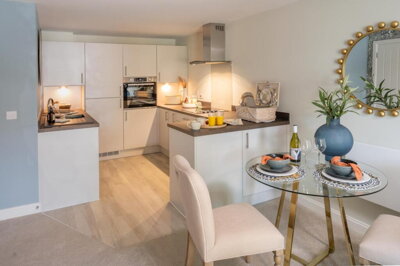
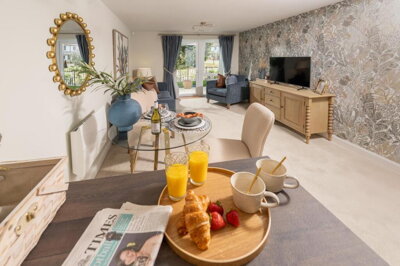
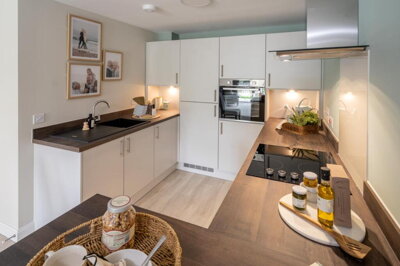
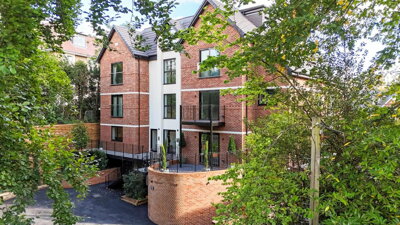
Browse 4 homes new builds in Dunton Green from local developer agents.
The Dunton Green property market offers detached, semi-detached, and terraced houses spanning various price ranges and neighbourhoods. Each listing includes detailed property information, photographs, and direct contact with the marketing agent.
The Rye property market reflects the town's enduring appeal as a residential destination, with prices showing relative stability despite national fluctuations. Rightmove records an average sold price of £418,017 over the past year, with Zoopla confirming a similar figure of £412,566. Property prices in Rye have dipped 13% from the previous year and sit 7% below the 2023 peak of £449,227, presenting potential opportunities for buyers who are prepared to act on current market conditions. The market draws a mix of buyers including commuters, retirees, and those seeking weekend retreats, all attracted by Rye's unique combination of coastal living and historic charm.
Property types in Rye are predominantly terraced houses, which average £447,454 according to recent sales data. Detached properties command the highest prices at around £508,375, offering generous space and often more secluded garden settings. Semi-detached homes provide a more affordable entry point at approximately £379,676, while flats and apartments start from £286,667, making them attractive to first-time buyers and those looking for a manageable lock-and-leave property. The town's housing stock is predominantly houses and bungalows at 78.2%, with flats making up 21.7% of the market, meaning terraced and detached properties dominate the available supply.
New build activity in Rye remains limited, with most properties on the market being period homes that showcase the town's rich architectural heritage. Tudor and Georgian buildings are common throughout the town centre, with landmarks such as The Mermaid Inn and Lamb House exemplifying the quality of construction that characterises this historic location. Buyers seeking modern accommodation may need to consider properties on the outskirts of the town or within recent conversions of historic buildings. The conservation area designation covering much of central Rye ensures that new development respects the existing character, preserving property values for homeowners investing in this desirable location.

Life in Rye revolves around its thriving High Street, where independent shops, galleries, and cosy cafes create a village atmosphere despite the town's cultural sophistication. The town supports a remarkable array of artisan bakeries, antique shops, and specialist food stores, with the famous cobbled Market Street providing a stunning backdrop for weekly markets and seasonal fairs. Residents enjoy a strong sense of community, with events throughout the year including the Rye Bonfire Night, which sees torchlit processions through the historic streets, and the annual Rye International Jazz Festival that draws visitors from across the country. The town's three historic pubs, including the timber-framed The Mermaid Inn dating back to 1156, offer traditional hospitality that remains central to local life.
The natural landscape surrounding Rye offers exceptional opportunities for outdoor recreation and wildlife appreciation. The town sits where the sandstone heights of the Weald reach the coast, with the historic Citadel occupying original rocky heights that provide panoramic views across the River Rother estuary and Romney Marsh. The surrounding High Weald area is designated an Area of Outstanding Natural Beauty, offering walking trails through ancient woodland and across dramatic cliff-top landscapes. Birdwatchers are drawn to the nearby Rye Harbour Nature Reserve, which provides habitat for over 4,000 species and forms part of a Site of Special Scientific Interest. The proximity to Camber Sands, Sussex's only sand dune beach, adds a further dimension to coastal living in this area.
Demographically, Rye attracts a diverse mix of residents including families, professionals, and retirees who appreciate the town's blend of amenities and tranquil setting. The 2021 Census recorded a population growth of 6% compared to 2011, indicating sustained interest in making this historic town a permanent home. The local economy relies heavily on tourism, creative industries, and small businesses, with many residents working remotely or commuting to larger towns and cities. The presence of excellent primary schools, healthcare facilities, and essential services means that Rye functions well as a self-contained community while maintaining excellent transport connections to regional centres.
Education provision in Rye serves families with children of all ages, with primary education centred on the highly regarded Rye Primary School located within the town itself. This community school provides education for Reception through to Year 6, offering a supportive learning environment within walking distance of most residential areas. Parents frequently cite the school's strong relationships with parents and its focus on outdoor learning as significant advantages, with the nearby coastline and countryside providing natural extension spaces for the curriculum. The school has consistently achieved good Ofsted ratings, reflecting dedicated teaching staff and a broad curriculum that includes music, arts, and environmental studies.
Secondary education options for Rye residents include the nearby Battle Abbey School and Claverham Community College in nearby Battle, both of which serve students from the surrounding villages and towns. Transport arrangements are well-established, with school buses operating from Rye to several secondary schools in the wider area including Rye College, which offers comprehensive secondary education with a strong emphasis on academic achievement and personal development. Sixth form students may choose to remain in the local area or travel to larger sixth form colleges in Hastings or Ashford for a broader range of A-level subjects and extracurricular activities.
For younger children, several nursery and preschool options operate within Rye and the surrounding villages, providing early years education from age two upwards. The Rye Organic Nursery offers forest school approaches to early childhood education, incorporating outdoor activities and environmental awareness into the curriculum. Parents planning a move to Rye should note that catchment areas for primary schools can influence property selection, particularly in the busier summer months when school places become oversubscribed. Early contact with the local education authority is recommended to confirm current catchment boundaries and admissions criteria for all year groups.
Rye railway station provides regular services connecting the town to the regional rail network, with journey times to London Charing Cross typically taking around one hour and forty minutes via the East Coastway line. The station sits on the Marshlink line, offering direct trains to Brighton via Eastbourne and Hastings, making Rye accessible to major coastal cities and their employment opportunities. Commuters appreciate the convenience of direct services that avoid the need for complex changes, with the journey to London Bridge taking approximately one hour and thirty minutes during peak hours. The station offers limited parking, so residents are encouraged to use the frequent bus services or cycle where possible.
Bus services provide essential connections for residents without cars, with regular routes operating between Rye and nearby towns including Hastings, Tenterden, and the cinque port town of Hythe. The Stagecoach service 71 connects Rye with Hastings multiple times daily, providing access to larger supermarkets, hospitals, and the regional shopping centre. Bus stops are conveniently located throughout the town, including stops near the High Street and Market Street that serve most residential areas within easy walking distance. For residents who need to travel further, National Express coaches operate from nearby towns including Ashford International, which also provides high-speed rail connections to London St Pancras in under 40 minutes.
Road access from Rye is via the A259 coastal road, which connects the town to Brighton to the west and Folkestone to the east, passing through picturesque villages along the coast. The M20 motorway at Ashford provides access to the national motorway network for those travelling further afield, with the journey to the M25 taking approximately one hour depending on traffic conditions. Cycling is popular among residents, with dedicated cycle paths connecting Rye to nearby villages and the scenic landscape providing challenging routes for enthusiastic cyclists. Parking in the town centre can be challenging during peak tourist season, so residents often use the public car parks on the outskirts for longer stays while reserving closer parking for quick visits.
Explore current listings in Rye to understand what is available at your budget. Consider the different property types, from terraced houses near the High Street to detached homes on the outskirts. Review recent sold prices on sites like Rightmove and Zoopla to gauge current market values, paying attention to how prices have shifted from the 2023 peak of £449,227.
Contact a mortgage broker to obtain an Agreement in Principle before viewing properties. This document shows estate agents and sellers that you are a serious buyer with financing already arranged. Average prices in Rye at £418,017 mean most buyers will need a substantial mortgage, so comparing rates from multiple lenders is essential.
Visit Rye to view properties that match your requirements. Take time to explore different neighbourhoods, from the historic Citadel to the waterfront areas and surrounding villages. Consider factors like commute times, school catchments, and proximity to local amenities during your visits.
Once your offer is accepted, arrange a Level 2 Survey to assess the property condition. Rye's many historic buildings often have issues like damp, timber defects, or outdated electrics that require professional identification. This survey typically costs between £400 and £800 for standard properties, though older properties may incur additional fees of 20-40%.
Appoint a solicitor to handle the legal aspects of your purchase. They will conduct searches, review the contract, and liaise with the Land Registry. Given Rye's conservation area status, searches will check for planning restrictions and listed building regulations that may affect your plans.
Your solicitor will arrange the final steps, including transferring funds and registering ownership with the Land Registry. On completion day, you will receive the keys to your new home in Rye and can begin enjoying life in this historic coastal town.
Rye's status as a historic town with extensive conservation areas means buyers must understand the implications for property ownership and any planned modifications. Properties in the town centre may be listed buildings, which means the exterior and potentially interior features are protected by law. Any alterations, extensions, or even external painting may require Listed Building Consent from Rother District Council, adding complexity to renovation projects. Before purchasing, obtain details from the local planning authority about any existing permissions and restrictions that apply to the property you are considering. Working with solicitors experienced in historic properties will help navigate these requirements smoothly.
The local geology presents specific considerations for property buyers in Rye that should not be overlooked. The underlying Hastings Beds consist of porous, relatively soft sedimentary rock that is susceptible to water permeability and erosion. Historical records document rock falls and landslips affecting areas above Military Road, the Citadel boundaries, and Cadborough Cliff since medieval times, with extreme rainfall and frost conditions increasing the risk of land instability. A thorough building survey should specifically address these concerns, particularly for properties located on elevated ground or near the cliff edges. Buildings in these areas may have shallow foundations that require careful monitoring and maintenance.
Flood risk awareness is essential when purchasing property in this coastal town, with tidal and freshwater wetlands creating areas of potential flooding near the waterfront and along local brooks. Properties near the River Rother estuary or in low-lying areas require careful consideration, and buyers should consult the Environment Agency flood maps to understand the specific risk to any property under consideration. Surface water flooding can also occur during extreme weather events, so adequate drainage and property elevation should be assessed during surveys. Properties with basements or ground floor accommodation in flood-risk areas may require specialist insurance or flood resilience measures that add to ongoing costs.
The age and construction of properties in Rye mean that many homes will have traditional features that require understanding and maintenance rather than replacement. Solid-walled construction, original timber-framed windows, and period fireplaces are common in this historic town, offering character but requiring specialist knowledge to maintain correctly. Lead pipes, galvanized steel plumbing, and outdated electrical systems are frequently encountered in older properties and should be factored into purchase decisions and renovation budgets. A RICS Level 3 Survey may be more appropriate for particularly old or complex properties, providing a more detailed assessment of structural condition and potential defects. Service charges and ground rent on leasehold properties, which are more common for flats and apartments, should be clearly understood before committing to a purchase.
The average house price in Rye stands at £418,017 according to Rightmove data from the past year, with Zoopla reporting a similar figure of £412,566. Detached properties average around £508,375, while terraced houses typically sell for approximately £447,454. Semi-detached homes offer more affordable options at roughly £379,676, and flats and apartments start from around £286,667. Prices have dipped 13% from the previous year and sit 7% below the 2023 peak of £449,227, potentially creating buying opportunities in this historic coastal town.
Properties in Rye fall within Rother District Council's jurisdiction, with most residential properties attracting bands between A and F depending on the property value and type. Historic and period properties in Rye, including many Tudor and Georgian buildings, are often placed in higher bands due to their assessed value. Prospective buyers should check the specific council tax band for any property they are considering, as this affects ongoing annual costs. Band D is a common classification for many terraced properties in the town centre.
Rye Primary School serves Reception through Year 6 and maintains good Ofsted ratings for its community-focused approach and outdoor learning opportunities. Secondary schools in the surrounding area include Battle Abbey School and Claverham Community College, both accessible via established school transport arrangements. For younger children, several nurseries and preschools operate in Rye, including options offering organic and forest school approaches to early years education. Parents should confirm current catchment areas with East Sussex County Council before purchasing, as school admissions can be competitive.
Rye railway station provides regular services to London Charing Cross in around one hour forty minutes via the East Coastway line, with direct connections to Brighton, Eastbourne, and Hastings. The Marshlink line serves the station, connecting Rye to the regional rail network without requiring complex changes. Bus services operate throughout the day, with routes connecting Rye to nearby towns including Hastings, Tenterden, and Ashford International, which offers high-speed rail services to London St Pancras in under 40 minutes.
Rye offers several factors that make it attractive to property investors, including strong rental demand from commuters, tourists, and seasonal visitors to this popular coastal destination. The town's limited new build development and conservation area restrictions help maintain property values by preventing oversupply. Historic properties in Rye can command premium prices, particularly those with original features, estuary views, or central locations near the High Street. However, investors should consider the costs of maintaining period properties, including potential listed building requirements and older construction that may need more frequent repairs.
Standard stamp duty rates for residential purchases in England start at 0% on the first £250,000 of property value. The rate increases to 5% on the portion between £250,001 and £925,000, then 10% up to £1.5 million, and 12% on any amount above that. First-time buyers benefit from relief on purchases up to £625,000, paying 0% on the first £425,000 and 5% between £425,001 and £625,000. For a typical Rye property at £418,017, a first-time buyer would pay no stamp duty, while a home mover would pay £8,400 on the portion above £250,000.
Given Rye's prevalence of historic buildings constructed before modern building standards, buyers frequently encounter damp issues in solid-walled properties where original construction lacks cavity insulation or effective damp-proof courses. Timber defects including wet rot, dry rot, and woodworm commonly affect roof structures and ground-floor joists, particularly where ventilation has been restricted by modern alterations. Electrical systems in period properties often require complete rewiring to meet current regulations, with fuse boards and wiring frequently dating from the 1960s or earlier. Properties built on the porous Hastings Beds geology may show signs of movement or subsidence, especially after periods of extreme weather, and foundations on these sites are often shallower than modern requirements demand.
From 4.5%
Compare mortgage rates from leading lenders for your Rye property purchase
From £499
Expert solicitors to handle your property purchase in Rye
From £350
Comprehensive condition survey for your new Rye home
From £60
Energy performance certificate for your Rye property
Purchasing a property in Rye involves several costs beyond the purchase price that buyers should factor into their budget from the outset. Stamp Duty Land Tax is calculated on a tiered system, with standard rates of 0% on the first £250,000, 5% between £250,001 and £925,000, 10% up to £1.5 million, and 12% on amounts exceeding that threshold. For the average Rye property priced at £418,017, a buyer who is not a first-time purchaser would pay approximately £8,400 in stamp duty, calculated on the portion above £250,000. First-time buyers purchasing properties up to £625,000 benefit from increased thresholds, paying nothing on the first £425,000 and just 5% on the amount between £425,001 and £625,000, meaning most first-time buyers in Rye would pay no stamp duty at all.
Survey costs are an essential consideration, particularly given Rye's older housing stock that frequently includes properties over 100 years old. A RICS Level 2 Survey typically costs between £400 and £800 for a standard residential property in this area, with the price varying based on property value, size, and age. Pre-1900 properties in Rye may incur additional survey fees of 20-40% due to the increased complexity of assessing traditional construction methods, potential listed status, and age-related defects. Given that Rye's average property price of £418,017 falls into a bracket where survey costs will likely be towards the higher end of the typical range, buyers should budget approximately £550-600 for a comprehensive survey. A RICS Level 3 Building Survey may be more appropriate for particularly complex historic properties and costs more but provides significantly greater detail.
Conveyancing fees for property purchases in Rye typically range from £499 to £1,500 depending on the complexity of the transaction and whether the property is leasehold or freehold. Search fees conducted by your solicitor will include local authority searches with Rother District Council, drainage and water searches, and environmental searches that assess flood risk and land contamination. Given Rye's coastal position and documented land instability in certain areas, additional specialist searches may be recommended to assess cliff stability and coastal erosion risks. Mortgage arrangement fees vary by lender but typically range from £0 to £2,000, often added to the mortgage loan rather than paid upfront. Buildings insurance should be arranged from the point of exchange, with annual premiums for properties in Rye typically ranging from £200 to £800 depending on property value, construction type, and flood risk assessment.

Properties New Builds In London

Properties New Builds In Plymouth

Properties New Builds In Liverpool

Properties New Builds In Glasgow

Properties New Builds In Sheffield

Properties New Builds In Edinburgh

Properties New Builds In Coventry

Properties New Builds In Bradford

Properties New Builds In Manchester

Properties New Builds In Birmingham

Properties New Builds In Bristol

Properties New Builds In Oxford

Properties New Builds In Leicester

Properties New Builds In Newcastle

Properties New Builds In Leeds

Properties New Builds In Southampton

Properties New Builds In Cardiff

Properties New Builds In Nottingham

Properties New Builds In Norwich

Properties New Builds In Brighton

Properties New Builds In Derby

Properties New Builds In Portsmouth

Properties New Builds In Northampton

Properties New Builds In Milton Keynes

Properties New Builds In Bournemouth

Properties New Builds In Bolton

Properties New Builds In Swansea

Properties New Builds In Swindon

Properties New Builds In Peterborough

Properties New Builds In Wolverhampton

Enter your details to see if this property is within your budget.
Loans, cards, car finance
Estimated property budget
Borrowing + deposit
You could borrow between
Typical borrowing
Monthly repayment
Est. at 4.5%
Loan-to-value
This is an estimate only. Your actual budget may vary depending on interest rates, credit history, and personal circumstances. For an accurate affordability assessment, speak to one of our free mortgage advisors.
This calculator provides estimates for illustrative purposes only and does not constitute financial advice. Your home may be repossessed if you do not keep up repayments on your mortgage. Estimates based on 4.5% interest rate, repayment mortgage. Actual rates depend on your circumstances.
Homemove is a trading name of HM Haus Group Ltd (Company No. 13873779, registered in England & Wales). Homemove Mortgages Ltd (Company No. 15947693) is an Appointed Representative of TMG Direct Limited, trading as TMG Mortgage Network, which is authorised and regulated by the Financial Conduct Authority (FRN 786245). Homemove Mortgages Ltd is entered on the FCA Register as an Appointed Representative (FRN 1022429). You can check registrations at NewRegister or by calling 0800 111 6768.

We use cookies to show you personalised content and improve your experience of our website. Find out more in our Privacy policy and Cookie policy.