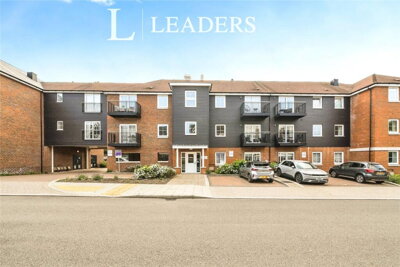
Browse 1 home new builds in Dunton Green from local developer agents.
One bed apartments provide a separate bedroom alongside distinct living space, bathroom, and kitchen areas. Properties in Dunton Green are available in various building types including new apartment complexes and contemporary developments.
The Rye property market has experienced notable adjustments over the past year, with overall sold prices falling 13% compared to the previous year and sitting 7% below the 2023 peak of £449,227. This cooling period offers prospective buyers a potentially more accessible entry point to this historically popular location. Zoopla records an average sold price of £412,566 over the last twelve months, closely aligned with Rightmove's figure of £418,017. These figures suggest a market stabilising after a period of significant growth, creating opportunities for both first-time buyers and those looking to upgrade within the area.
Property types in Rye vary considerably in price and character. Detached properties command the highest averages at around £508,375 to £533,857, reflecting the additional space and often superior positioning these homes enjoy. Semi-detached houses offer more affordable options at approximately £358,975 to £379,676, making them popular choices for families seeking to establish roots in the town. Terraced properties, which suit the historic architecture prevalent throughout Rye, average £445,172 to £447,454, demonstrating the premium buyers place on period features and central locations. Flat prices average £286,667, providing accessible options for those prioritising location over space or entering the market with smaller budgets.
The local economy benefits significantly from tourism, with visitors drawn to Rye's heritage sites including The Mermaid Inn and Lamb House, as well as annual events such as the Rye Arts Festival and Rye Jazz Festival. This tourism base supports local businesses and helps maintain property values in desirable locations. The town's proximity to Hastings, Eastbourne, and Ashford International station also makes Rye attractive to commuters working in these larger centres, adding another dimension to the local housing market dynamics.

Rye, Rother district, East Sussex, encompasses a parish of 4,500 residents according to the 2021 Census, representing a 6% population increase from 2011. This growth reflects growing recognition of Rye's unique appeal as a place to live, work, and enjoy retirement. The parish contains approximately 2,100 households, with 78.2% residing in houses or bungalows and 21.7% in flats, maisonettes, or apartments. The housing stock reflects the town's evolution from a medieval fishing port and military stronghold to a thriving contemporary community that retains its historic character. Living in Rye means joining a close-knit community that values its heritage while embracing modern amenities and lifestyle expectations.
The town centre revolves around its cobbled streets and historic buildings, including landmarks such as The Mermaid Inn and Lamb House, which stand as testaments to Rye's rich architectural heritage. The predominant construction materials include traditional brick and timber-framing, characteristic of the Tudor and Georgian periods that shaped much of the townscape. Local geology plays a significant role in Rye's character, sitting where sandstone high land of the Weald reaches the coast. The Citadel area occupies original rocky heights, while the surrounding High Weald territory consists of faulted sedimentary rock known as Hastings Beds. This geological setting creates the distinctive landscape that has drawn people to the area for centuries, though it also brings considerations regarding land stability and erosion that prospective residents should understand.
Daily life in Rye offers a range of amenities within walking distance of most properties. Independent retailers along the High Street and Lion Street provide everyday necessities alongside specialist shops selling antiques, art, and local crafts. Restaurants and cafes cater to various tastes, while traditional pubs offer waterside locations in the Strand area during summer months. The town benefits from a GP surgery, pharmacy, and primary school, reducing the need for residents to travel to larger centres for essential services. Community activities including the weekly market, annual festivals, and various clubs and societies create opportunities for social connection throughout the year.

Education provision in Rye serves families considering relocation to this historic town. The area offers a range of educational establishments from primary through secondary levels, with several schools in the surrounding Rother district serving Rye families. Primary education within easy reach includes schools in nearby villages and the town itself, providing early years education for younger children. Parents should research individual school performance, Ofsted ratings, and catchment area boundaries when planning a move, as these factors significantly influence educational outcomes and property values in specific neighbourhoods. Schools in rural East Sussex often feature strong community links and smaller class sizes, advantages that appeal to families seeking a more personal educational experience for their children.
The local primary school serves children from reception through to Year 6, with many families praising the school's community atmosphere and dedicated teaching staff. Several nearby village primaries offer alternative options for families willing to travel short distances, with some operating smaller class sizes that can benefit children who thrive in more intimate learning environments. Early years provision in the area includes both nursery settings attached to primary schools and independent childcare providers, ensuring flexibility for working parents arranging childcare arrangements around school hours.
Secondary education options include schools in nearby towns such as Hastings and Tenterden, with transport arrangements available for students living in Rye. Several grammar schools operate within the wider district, and selective education remains available to students who pass the Kent or East Sussex selection tests. For sixth form and further education, students typically travel to nearby towns offering broader curriculum choices and specialist facilities. The Rye area benefits from several independent schools serving families preferring private education, with options ranging from preparatory schools to secondary institutions. Prospective buyers with school-age children should arrange school visits and consultation with local education authorities to confirm placement availability and catchment arrangements before completing a property purchase.
Transport connections from Rye link this historic town to wider East Sussex and beyond, though the town itself lacks a direct railway station following the closure of the Marshlink line's intermediate stops. The nearest operational stations are at Rye (serving the Heritage Centre area) and nearby Appledore, connecting to services toward Hastings, Eastbourne, and the mainline at Ashford International. From Ashford, high-speed services reach London St Pancras in approximately 37 minutes, making Rye viable for commuters willing to factor travel time into their routines. Bus services operated by Stagecoach and local providers connect Rye to surrounding villages and towns, providing essential links for those without private vehicles.
Daily commuters from Rye typically drive to Ashford International station, parking in the station car park before boarding high-speed trains to London. The journey from central Rye to Ashford takes approximately 25 minutes by car, though traffic on the A259 and through nearby villages can extend this during peak hours. Those working locally in Hastings or Eastbourne may find the bus services adequate, with regular routes connecting Rye to these larger towns within 30-45 minutes. For residents working from home or retired, the limited public transport within Rye itself is less relevant, with most local amenities accessible on foot from properties in the town centre.
Road access from Rye operates via the A259 coastal road, connecting east toward Folkestone and west toward Brighton via Hastings and Eastbourne. The A268 provides north-south connections through the Rother district toward the Kent countryside. Parking within Rye town centre can be challenging during peak tourist seasons, a consideration for those planning to commute by car. Cyclists benefit from the generally flat terrain around the Romney Marsh, though the surrounding hills of the High Weald present more demanding routes for recreational cycling. For international travel, the Channel ports at Dover and Folkestone are accessible within approximately one hour, as are the Channel Tunnel terminal at Folkestone and Eurostar services from Ashford International. Gatwick Airport is reachable within approximately 90 minutes by car, connecting Rye to European destinations and beyond.
Explore current listings and recent sold prices in Rye to understand what your budget achieves in this historic coastal town. Average prices range from £286,667 for flats to over £500,000 for detached properties, so clarifying your priorities helps narrow the search effectively. Review property type breakdowns to identify which areas of Rye offer the best value for your requirements.
Contact lenders or use Homemove's mortgage comparison service to obtain an Agreement in Principle before viewing properties. This strengthens your position when making offers and demonstrates serious intent to sellers in Rye's competitive market. With average prices around £418,000, most buyers will require mortgage financing, and having paperwork ready accelerates the purchase process.
Visit multiple properties across different areas of Rye and surrounding villages to compare neighbourhoods, commute times, and local amenities. Consider factors such as flood risk areas near the waterfront and land stability considerations in certain districts. Viewing properties at different times of day helps assess noise levels, parking availability, and the atmosphere during peak tourist seasons.
Given Rye's abundance of historic properties, a comprehensive survey is essential. Older timber-framed and Georgian buildings may have defects including damp, outdated electrics, or structural issues related to the local geology. Book through Homemove's survey service, with typical costs ranging from £400-£800 for standard properties and potentially higher for pre-1900 buildings requiring additional scrutiny.
Appoint a conveyancing solicitor experienced with historic and listed properties. They will handle local searches, check flooding and land instability risks, and ensure all planning restrictions affecting your purchase are understood before completion. Properties in conservation areas require particular attention to permitted development limits.
Once surveys, searches, and negotiations conclude satisfactorily, your solicitor will coordinate the final steps. On completion day, you receive the keys to your new Rye home. Budget an additional £1,000-£2,000 for legal fees, searches, and registration costs alongside your mortgage and deposit.
Properties in Rye require careful inspection due to the town's historic nature and local geological conditions. The prevalence of Tudor and Georgian buildings means many homes feature traditional construction methods including solid walls, timber framing, and potentially original features that require specialist knowledge to assess properly. Damp presents a common concern in older properties built before modern damp-proof courses became standard, particularly in solid-walled Victorian and Edwardian homes. Prospective buyers should look for signs of damp including peeling wallpaper, musty odours, and tide marks on lower walls. A thorough RICS Level 2 Survey will identify these issues and provide cost estimates for necessary remedial work.
Land stability represents a significant consideration when purchasing property in Rye. The local geology includes porous sedimentary rock susceptible to water permeability and erosion, and historical records document rock falls and landslips in areas above Military Road, around the Citadel boundaries, and near Cadborough Cliff. Properties on or near the south-facing rock edges of the Hastings Beds require particular scrutiny, with older houses often built on shallower foundations than modern construction standards would require. Clay in the underlying geology can cause shrink-swell movement during dry periods, potentially affecting properties with shallow foundations. A building survey can assess these risks and advise on any past movement or remedial works.
Flood risk also affects parts of Rye due to its coastal position and tidal wetlands near the waterfront and brooks, so checking Environment Agency flood maps and local records is essential before purchasing. Properties in the Strand area and lower parts of town near the Rother Estuary face higher flood risk, while elevated properties in the Citadel benefit from their position on the rocky heights. Insurance costs may be higher for properties in flood risk zones, and lenders may require flood risk assessments before approving mortgages.
Conservation area restrictions and listed building status affect many Rye properties, limiting permitted development and requiring approval for alterations from Rother District Council. Properties such as the Grade II listed period townhouses found throughout the town may require specialist maintenance approaches and materials to preserve their historic character. Buyers should understand these obligations before purchase, as they can affect future renovation plans, energy efficiency improvements, and insurance arrangements. Service charges and leasehold terms on flats also warrant careful review, as historic buildings sometimes carry higher maintenance contributions due to the age and construction of shared elements.
The average house price in Rye currently sits at £418,017 according to Rightmove data, with Zoopla recording a similar figure of £412,566 for properties sold in the last twelve months. Detached properties average approximately £508,375, semi-detached homes around £379,676, terraced properties at £447,454, and flats from £286,667. The market has seen a 13% correction over the past year following a peak of £449,227 in 2023, creating more balanced conditions for buyers entering the market. This price adjustment has brought properties within reach of buyers who may have been priced out during the peak period.
Properties in Rye fall under Rother District Council administration. Council tax bands in the area range from Band A for lower-value properties through to Band H for the most expensive homes, with most period properties and family homes typically falling in Bands C to E. Exact bands depend on property valuation, and prospective buyers can check specific properties on the Valuation Office Agency website using the property address. Current annual charges for Band D properties in Rother District are approximately £2,000-£2,100, with bands above or below this varying proportionally.
Primary schools serving Rye include establishments in the town itself and surrounding villages, with several achieving good or outstanding Ofsted ratings. Families should verify current school performance data on the government Ofsted website, as ratings can change over time. Secondary options include schools in nearby towns such as Hastings and Tenterden, accessible via school transport services. The wider Rother district offers grammar school options for students passing the selective entrance tests. Parents are advised to confirm catchment boundaries, as these can affect which schools your child can access based on your property location.
Public transport from Rye primarily operates via bus services connecting to Hastings, Eastbourne, and surrounding villages. The nearest railway connections are available at Ashford International, providing high-speed services to London St Pancras in approximately 37 minutes. Bus routes serving Rye include the 100/101 services to Hastings and the 312 to Tenterden, though frequencies reduce during evenings and weekends. The Channel ports and tunnel are accessible within one hour for international travel. Daily commuters should factor journey times and connection reliability into their property search criteria, particularly if working hybrid schedules requiring frequent London travel.
Rye's property market benefits from consistent demand driven by the town's unique character, coastal location, and tourism economy. The 6% population growth recorded between 2011 and 2021 demonstrates increasing appeal among buyers seeking a different pace of life. However, property values have shown vulnerability to broader market corrections, with recent 13% price reductions following the 2023 peak. Properties in conservation areas and listed buildings may hold value due to their rarity, though maintenance costs and planning restrictions affect profitability calculations. Holiday let potential exists given Rye's tourist appeal, with weekend and summer rates able to exceed those available through standard tenancies.
Standard Stamp Duty Land Tax rates apply to purchases in Rye as with the rest of England. No SDLT is payable on properties up to £250,000, with 5% charged on the portion between £250,001 and £925,000. First-time buyers benefit from relief on the first £425,000 of properties up to £625,000, meaning no SDLT on the first £425,000 and 5% on amounts between £425,001 and £625,000. For a first-time buyer purchasing at the Rye average price of £418,017, no SDLT would be due under the first-time buyer relief threshold. Higher rates apply to additional properties and those priced above £925,000. Buyers should calculate their specific liability based on purchase price and buyer status using HMRC's online calculator.
Main risks include damp in solid-walled historic properties, structural movement related to local geology and land instability on certain slopes, outdated electrical and plumbing systems, and flood risk in areas near the waterfront. Properties above Military Road and near the Citadel boundaries have documented history of rock falls and land slips, particularly after heavy rainfall. Conservation area and listed building status can restrict future modifications and increase maintenance costs. A comprehensive RICS Level 2 or Level 3 Survey is strongly recommended for any historic property purchase in Rye to identify these issues before completion, with pre-1900 properties potentially requiring the more detailed Level 3 Building Survey.
Get competitive mortgage rates for your Rye purchase
From 4.5%
Expert legal services for your property purchase
From £499
Professional survey for your Rye property
From £350
Energy performance certificate for your property
From £60
Understanding the full costs of buying property in Rye helps buyers budget accurately and avoid surprises during the transaction. Stamp Duty Land Tax represents the most significant government cost, with standard rates applying no differently to Rye than elsewhere in England. For a typical first-time buyer purchasing a property at the Rye average price of £418,017, SDLT would be £0 under first-time buyer relief, as the purchase price falls entirely within the £425,000 threshold. This represents meaningful savings compared to previous thresholds and makes buying in Rye more accessible for first-time purchasers.
Moving home involves additional costs beyond purchase price and stamp duty. Survey costs for properties in Rye should account for the age and construction of local housing stock. A RICS Level 2 Survey typically costs between £400 and £800 depending on property size and value, rising to £800-£1,500 for larger homes or those requiring the more comprehensive Level 3 Building Survey. Pre-1900 properties in Rye may incur additional survey costs due to their complexity and potential for hidden defects, with surveyors often applying a premium of 20-40% for historic properties requiring specialist assessment. Legal fees for conveyancing usually range from £500 to £1,500 plus disbursements, with complex transactions involving listed buildings or leasehold properties potentially costing more. Search fees, land registry fees, and mortgage arrangement fees add further costs to the transaction budget.
Ongoing costs for Rye homeowners include council tax, with most family homes in the Rother district falling in Bands C to E, typically ranging from £1,500 to £2,200 annually. Buildings insurance costs may be higher than average for period properties due to their age and potential for subsidence-related claims, with premiums potentially exceeding those for modern properties by 20-30%. Service charges for leasehold flats vary considerably depending on the property's maintenance arrangements, with historic buildings sometimes carrying higher charges due to traditional construction maintenance requirements. Energy costs in older properties without modern insulation may exceed those in newer homes, a factor to consider given current energy prices when evaluating running costs of a Rye property. Properties with solid walls cannot benefit from standard cavity wall insulation, though other improvements such as double glazing and efficient heating systems can help reduce ongoing costs.
Properties New Builds In London

Properties New Builds In Plymouth

Properties New Builds In Liverpool

Properties New Builds In Glasgow

Properties New Builds In Sheffield

Properties New Builds In Edinburgh

Properties New Builds In Coventry

Properties New Builds In Bradford

Properties New Builds In Manchester

Properties New Builds In Birmingham

Properties New Builds In Bristol

Properties New Builds In Oxford

Properties New Builds In Leicester

Properties New Builds In Newcastle

Properties New Builds In Leeds

Properties New Builds In Southampton

Properties New Builds In Cardiff

Properties New Builds In Nottingham

Properties New Builds In Norwich

Properties New Builds In Brighton

Properties New Builds In Derby

Properties New Builds In Portsmouth

Properties New Builds In Northampton

Properties New Builds In Milton Keynes

Properties New Builds In Bournemouth

Properties New Builds In Bolton

Properties New Builds In Swansea

Properties New Builds In Swindon

Properties New Builds In Peterborough

Properties New Builds In Wolverhampton

Enter your details to see if this property is within your budget.
Loans, cards, car finance
Estimated property budget
Borrowing + deposit
You could borrow between
Typical borrowing
Monthly repayment
Est. at 4.5%
Loan-to-value
This is an estimate only. Your actual budget may vary depending on interest rates, credit history, and personal circumstances. For an accurate affordability assessment, speak to one of our free mortgage advisors.
This calculator provides estimates for illustrative purposes only and does not constitute financial advice. Your home may be repossessed if you do not keep up repayments on your mortgage. Estimates based on 4.5% interest rate, repayment mortgage. Actual rates depend on your circumstances.
Homemove is a trading name of HM Haus Group Ltd (Company No. 13873779, registered in England & Wales). Homemove Mortgages Ltd (Company No. 15947693) is an Appointed Representative of TMG Direct Limited, trading as TMG Mortgage Network, which is authorised and regulated by the Financial Conduct Authority (FRN 786245). Homemove Mortgages Ltd is entered on the FCA Register as an Appointed Representative (FRN 1022429). You can check registrations at NewRegister or by calling 0800 111 6768.

We use cookies to show you personalised content and improve your experience of our website. Find out more in our Privacy policy and Cookie policy.