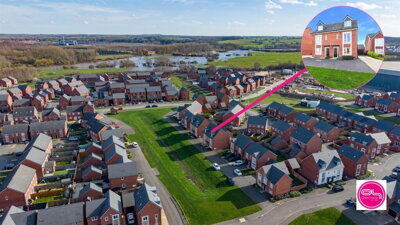
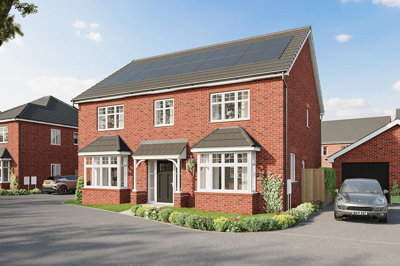
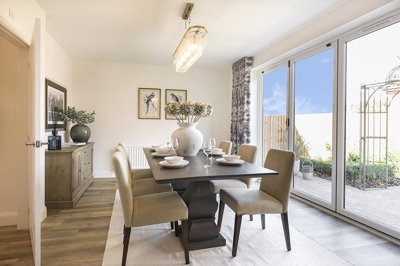
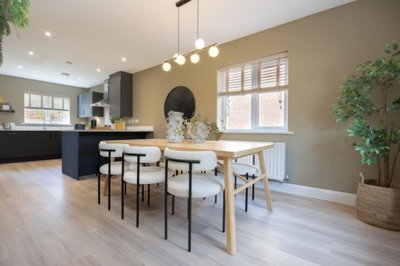
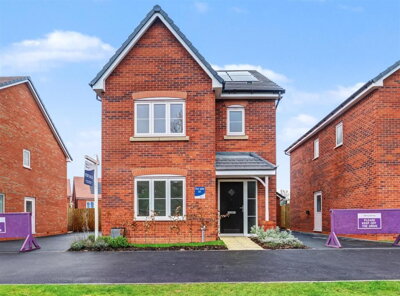
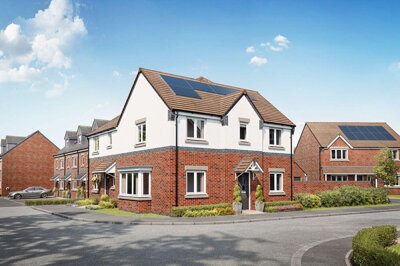
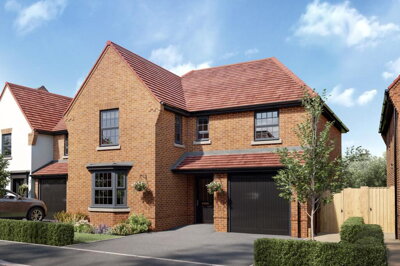
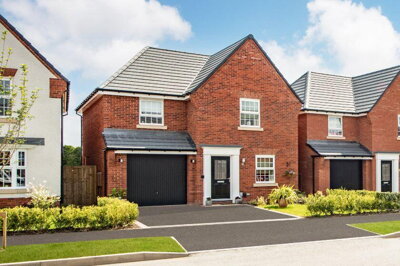
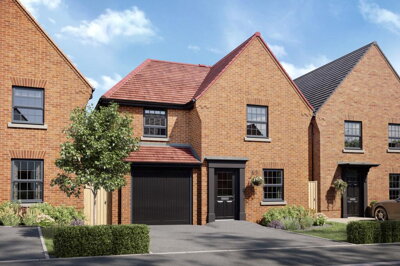
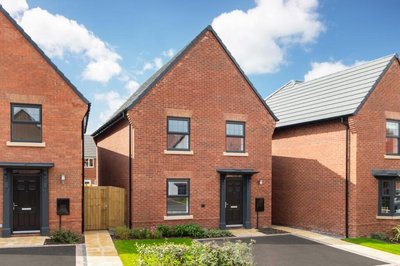
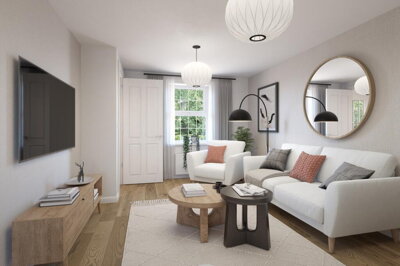
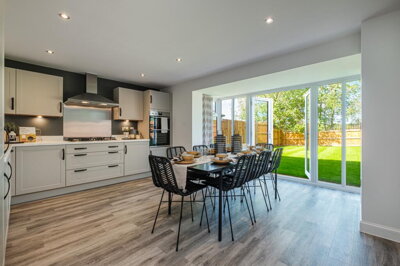
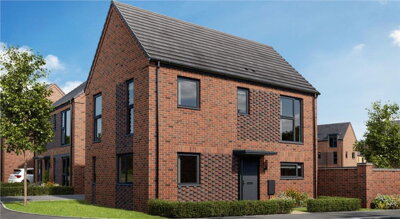
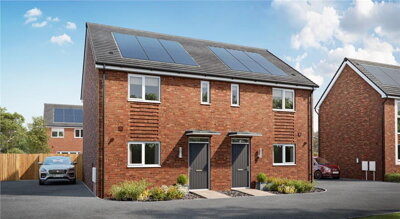
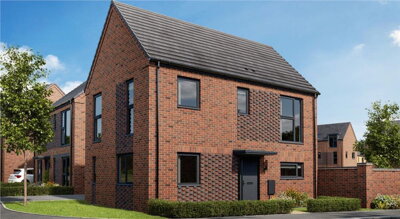
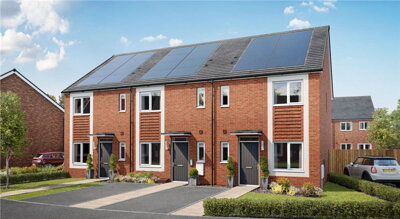
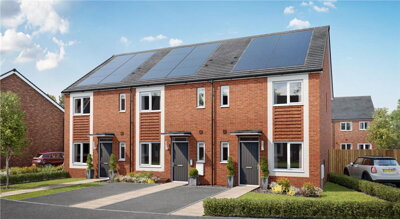
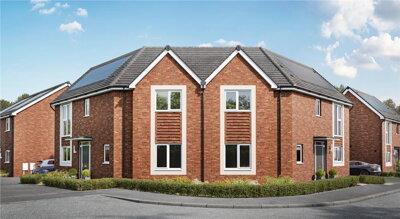
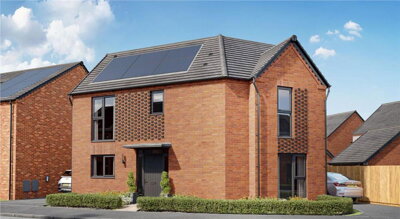
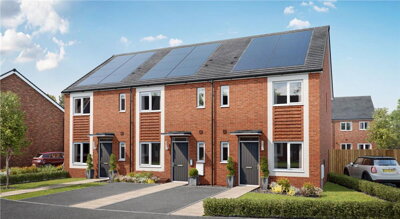
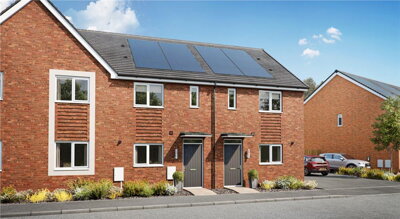
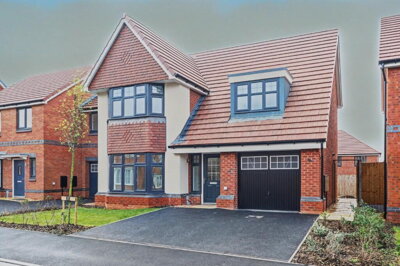
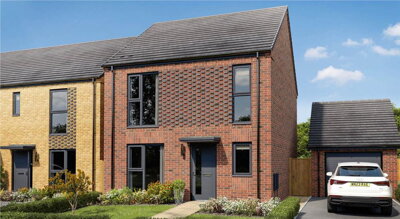
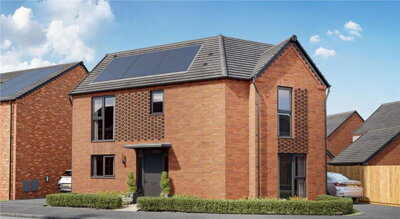
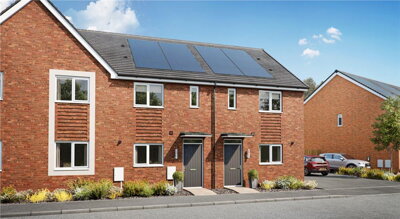
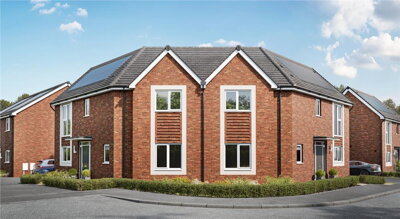
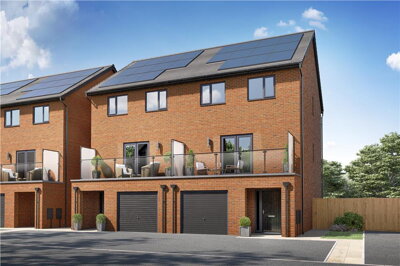
Browse 60 homes new builds in Drakelow, South Derbyshire from local developer agents.
The Drakelow property market offers detached, semi-detached, and terraced houses spanning various price ranges and neighbourhoods. Each listing includes detailed property information, photographs, and direct contact with the marketing agent.
£340k
39
0
44
Source: home.co.uk
Showing 39 results for Houses new builds in Drakelow, South Derbyshire. The median asking price is £339,995.
Source: home.co.uk
Detached
31 listings
Avg £346,643
Semi-Detached
8 listings
Avg £208,873
Source: home.co.uk
Source: home.co.uk
£347,000
Average Sold Price
£310,000
Detached Properties
£347,000
Semi-Detached Properties
£300,000
Terraced Properties
Down 13-29%
Price Change (12 months)
The Dilham property market reflects the quiet confidence of a village that has long attracted those seeking an authentic Norfolk experience without the premium prices found in more tourist-heavy Broads locations. Recent sales data shows detached properties averaging £310,000, while semi-detached homes command around £347,000 and terraced properties fetch approximately £300,000. These figures represent a market that has experienced some correction recently, with Rightmove reporting a 13% price decrease over the past year and OnTheMarket indicating falls of up to 29.6%, suggesting opportunities for buyers who act decisively in the current climate.
Property types available in Dilham span the full range from historic period cottages to more recent constructions developed as the village expanded through the mid-to-late twentieth century. The housing stock includes traditional farmhouses, Victorian and Edwardian terraced cottages, inter-war semi-detached homes, and later developments built with the cavity wall construction methods common across Norfolk from the 1930s onwards. Some properties near the Broads incorporate traditional timber weatherboarding, a characteristic feature of Norfolk buildings that reflects the region's vernacular building traditions and provides a distinctive aesthetic that buyers find attractive.
Flats remain scarce in the village, making Dilham primarily a market for houses, which aligns with its predominantly residential character and family-oriented community. The village's housing stock skews older, with a significant proportion of properties dating from the pre-1919 period when solid wall construction using local materials such as red brick and render was standard practice. We find that buyers in Dilham often include those relocating from larger towns seeking more space for their budget, as well as downsizers attracted by the village's peaceful environment and proximity to the Norfolk coastline.
Our local market knowledge indicates that properties near the River Ant command particular interest from buyers seeking waterside living, though this proximity also brings considerations around flood risk that should form part of any purchase decision. The village has seen limited new build activity in recent years, with most available stock comprising existing properties that carry the character and potential maintenance considerations typical of older Norfolk homes.
When considering Dilham property for sale, prospective buyers should note that the village falls within the NR28 postcode area and benefits from its position within the Ant Valley while remaining accessible to larger settlements. We actively monitor listings across Dilham to help buyers identify suitable properties that match their criteria, whether they prioritise period features, river views, or the generous plot sizes often found with traditional Norfolk cottages and farmhouses.
Dilham unfolds along the banks of the River Ant, offering residents a genuinely tranquil village existence where the rhythm of life follows the seasonal patterns of the Norfolk Broads. The village forms part of the Ant Valley, a landscape characterised by rolling countryside, waterways, and the patchwork of arable fields that define North Norfolk's agricultural heartland. The presence of St Nicholas' Church at the village centre provides a historic focal point, while the surrounding area offers extensive opportunities for walking, boating, and observing Norfolk's diverse wildlife.
Community life in Dilham revolves around traditional village amenities and the strong sense of local identity that persists despite the village's modest size. The rural economy centres on agriculture and the tourism that flows from proximity to the Broads, with many residents maintaining connections to nearby towns including North Walsham, Stalham, and the broader Norfolk coastline. The village demographic tends toward families and older couples, drawn by the quality of life that village living in North Norfolk provides, including access to open spaces, clean air, and a pace of life that contrasts sharply with urban alternatives.
The Norfolk Broads provide a significant backdrop to life in Dilham, with the river system offering opportunities for sailing, fishing, and exploring the unique wetland environment that makes this region so distinctive. Many Dilham residents take advantage of the waterways for recreation, with boat hire facilities available in nearby villages and the broader Broads network accessible via the River Ant. This connection to water defines much of the local character and contributes to the premium that waterside properties in the area can command.
For daily necessities and services, residents typically travel to North Walsham or Stalham, both of which offer supermarkets, medical facilities, and a range of shops. The North Norfolk coastline with its picturesque beaches and seaside villages lies within easy driving distance, providing additional recreational options and drawing visitors to the region throughout the year. We find that buyers relocating to Dilham often cite this combination of village tranquility and access to both waterways and coastline as key factors in their decision.
The village's position within Broadland district means residents benefit from local authority services while enjoying the character of a rural community. Local events and social activities tend to centre on the church and village hall, fostering the community cohesion that distinguishes village life in North Norfolk from more anonymous urban environments. Prospective buyers are encouraged to visit Dilham at different times to experience this community character firsthand before committing to a purchase.

Families considering a move to Dilham will find educational provision primarily concentrated in the surrounding market towns, with the village itself offering at least one primary school to serve younger children. The broader North Norfolk area maintains several primary schools across its villages, with many operating as small, community-focused institutions that serve their immediate localities before pupils progress to secondary education in nearby towns. Parents should research specific catchment areas and admission arrangements, as these can significantly influence school allocation in rural Norfolk where schools may serve multiple villages.
Primary school provision in the NR28 postcode area includes schools in nearby villages that serve as catchment schools for Dilham families. These smaller primary schools often benefit from close community ties and individual attention for pupils, though class sizes and subject specialist teaching may differ from larger town schools. We recommend that family buyers identify which primary school their prospective property falls within the catchment area for before making an offer, as this information can affect both daily logistics and long-term educational planning.
Secondary education options for Dilham residents include schools in towns such as North Walsham, where students can access a broader curriculum and specialist facilities. The area also offers access to grammar schools for academically able students, with entrance determined by the eleven-plus examination taken during primary school years. For families prioritising educational provision, visiting potential schools and understanding the travel arrangements necessary from Dilham represents an essential step in the property search process, particularly given the rural nature of the village and the distances involved in reaching some secondary schools.
Beyond state education, the wider North Norfolk area provides options for independent schooling at various levels, though these typically involve longer journeys and higher fees. Parents considering independent education should research availability and admission requirements, as well as factoring transport arrangements into their decision-making. We find that many families relocating to Dilham from urban areas are pleasantly surprised by the quality of local educational provision, though the rural context does mean that travel to schools is often necessary.
For buyers without school-age children, the educational landscape may be less critical to their decision, though awareness of local school provision remains useful for understanding the community and potential future resale considerations. Properties in good school catchment areas often maintain their value better over time, making this a factor worth considering even for buyers who do not currently have children.

Transport connections from Dilham reflect its status as a small village, with residents relying primarily on private vehicles for daily commuting and larger-scale travel. The A149 coast road passes through nearby towns, providing access to the North Norfolk coastline and connections toward Norwich to the south. For residents working in Norwich, the journey by car typically takes around 40 minutes, making the city accessible for those who need to commute but prefer the quietude of village life. Local bus services operate in the area, though frequencies are limited compared to urban routes.
The road network around Dilham comprises a mix of single-carriageway rural lanes and connecting roads to nearby towns. Those travelling to North Walsham or Stalham for daily necessities will find journey times typically under 20 minutes by car, though public transport options are more limited on these routes. Cyclists can use some rural lanes, though the Norfolk roads require care given their single-carriageway nature and agricultural traffic including tractors and farm machinery.
Rail connections require travel to nearby towns, with Norwich offering the nearest major railway station on the East Anglian main line with services to London Liverpool Street in around two hours. This connection makes Dilham viable for professionals who need to commute to the capital periodically, though daily commuting by train would involve the additional journey to Norwich first. Cambridge is also accessible via Norwich and the Cambridgeshire route, providing employment options in the technology and academic sectors.
Norwich Airport provides domestic and limited international flights for those needing air travel, with regular services to destinations including Amsterdam offering global connectivity. For most residents, the practical transport solution involves private vehicle ownership combined with occasional use of rail services for longer journeys. We advise buyers to factor these transport realities into their decision, particularly if considering Dilham as a primary residence while working elsewhere.
The village's relative remoteness from major transport hubs means that visitors to Dilham typically arrive by car, and this self-sufficiency in transport is part of the lifestyle appeal that draws buyers to the village. Those accustomed to urban public transport networks will need to adjust their expectations, though the quality of life benefits often compensate for the additional driving required for daily activities.
Property buyers in Dilham should pay particular attention to flood risk given the village's position alongside the River Ant and its inclusion within the Norfolk Broads system. While not all properties face significant flooding risk, those in lower-lying areas near the river require careful assessment. Review Environment Agency flood maps, check the property's flood history, and consider the potential impact of climate change on future flood risk in this part of Broadland district. Properties with direct river frontage may offer attractive views and mooring opportunities but carry elevated flood risk that needs honest evaluation.
The geology of Norfolk, with its underlying clay deposits, means that subsidence and heave should feature in any property assessment in Dilham. We regularly encounter issues related to shrink-swell clay movement in this part of Norfolk, particularly affecting properties built with traditional foundations on clay subsoils. Look for signs of movement such as cracking to walls, doors and windows that stick, or uneven floor levels. A thorough RICS Level 2 Survey will identify these issues and assess whether foundations are adequate for the local ground conditions.
Older properties with solid wall construction may require more maintenance than modern cavity-wall equivalents, so factor potential renovation costs into your decision. Many Dilham homes date from before 1919 when solid brick walls were standard, and these properties often feature thick walls that provide excellent thermal mass but may lack the insulation standards of more recent construction. Timber-framed elements in these older properties can also be susceptible to woodworm and wet rot if maintenance has been neglected.
Buyers should also investigate whether any properties fall within a conservation area or are listed buildings, as these designations carry planning restrictions that affect what alterations owners can undertake. St Nicholas' Church is likely a listed building, and other historic properties throughout the village may have protected status. Listed building consent is required for significant changes to protected properties, and conservation area restrictions may limit external modifications. While these designations protect the village's character and can preserve property values, they do add complexity to any future renovation plans that buyers should understand before committing.
Electrical and plumbing systems in older Dilham properties often require updating to meet current standards, particularly those installed before the 1990s. We recommend that buyers budget for potential rewire costs and plumbing upgrades when assessing period properties, as these can represent significant additional expenditure. A thorough survey will identify the condition of these services and flag any safety concerns that require attention before or shortly after purchase.
Explore online listings and understand the Dilham property market before beginning your search. The average price of £347,000 gives you a benchmark, while recent price reductions ranging from 13% to 29% suggest opportunities exist for buyers who move decisively. Visit the village to get a feel for the neighbourhood and understand the proximity to flood risk areas along the River Ant. We recommend spending time in the village at different times of day and week to assess community character and traffic patterns.
Contact lenders or brokers to obtain an agreement in principle before making any offers on Dilham property. In rural Norfolk, having your finances confirmed strengthens your position, particularly for properties that may attract multiple interested parties from buyers seeking village life in North Norfolk. Factor in the stamp duty costs based on your purchase price and first-time buyer status, and consider the additional costs of surveys, solicitor fees, and removal expenses that form part of every property purchase.
Schedule viewings through estate agents active in the North Norfolk area, noting that local knowledge can make a significant difference when navigating the village property market. When you find a property you love, submit a formal offer with your agreed price and any conditions. We will guide you through the negotiation process specific to local market conditions, including any chains or particular circumstances that may affect the transaction.
Once your offer is accepted, instruct a conveyancing solicitor to handle the legal work involved in Norfolk property transactions. Your solicitor will conduct searches with North Norfolk District Council, investigate title deeds, and manage the complex paperwork that comes with purchasing property. Given the age of much of Dilham's housing stock, searches may flag issues requiring further investigation, including potential flood risk designations and conservation area boundaries.
Arrange a RICS Level 2 Survey to assess the property condition before you commit fully to the purchase. Given Dilham's older housing stock and the clay geology of Norfolk, a thorough survey is essential to identify any issues with damp, roof condition, or potential subsidence from shrink-swell clay movement. We work with local surveyors who understand the specific construction methods and common defects found in North Norfolk properties, providing detailed reports that help you make an informed decision.
Finalise your mortgage, pay any applicable stamp duty, and complete your purchase with the guidance of your solicitor. We coordinate with all parties to set a completion date and transfer funds smoothly. On completion day, you will receive your keys and become the proud owner of a home in this charming North Norfolk village, joining a community that has long valued the character and tranquility that village life in Dilham provides.
The average sold house price in Dilham over the last 12 months is approximately £347,000 according to Zoopla and Rightmove data, with OnTheMarket reporting a slightly lower figure of around £329,000. Detached properties average £310,000, semi-detached homes command £347,000, and terraced properties fetch approximately £300,000. The market has experienced some price correction recently, with Rightmove indicating a 13% decrease and OnTheMarket reporting falls of 29.6% over the past 12 months, which may present opportunities for buyers entering the Dilham property market at this time.
Properties in Dilham fall under North Norfolk District Council administration, with council tax bands ranging from A to H depending on the property's assessed value. Most village homes likely fall in bands A through D given the rural nature of the village and property values around the £347,000 average. Prospective buyers should check the specific council tax band for any property they are considering, as this affects ongoing annual costs that should be factored into the household budget. North Norfolk District Council sets the rates, and current band values can be verified through the local authority website or your solicitor during the conveyancing process.
Dilham itself has primary school provision for younger children, with the village serving as part of the catchment area for schools in the surrounding North Norfolk area. Families should research specific Ofsted-rated schools in nearby towns including North Walsham, where secondary education options include both comprehensive and grammar schools that serve the broader NR28 postcode area. School admission policies use catchment areas determined by distance from the school, so buyers with children should confirm which schools their prospective property falls within before committing to a purchase. Visiting schools and understanding travel arrangements from Dilham forms an essential part of the property decision for family buyers.
Public transport options from Dilham are limited, reflecting the village's small size and rural location in the Ant Valley. Bus services operate in the area but with frequencies far lower than those found in urban centres, making private vehicle ownership essentially essential for most residents. The nearest railway station is in Norwich, offering East Anglian main line services to London Liverpool Street in approximately two hours. For commuting to Norwich or other larger towns, a car provides the most practical connection, with typical journey times to Norwich city centre of around 40 minutes via the A149 and connecting roads.
Dilham offers a compelling investment case for those prioritising lifestyle over high rental yields, with the village's position within the Norfolk Broads system and traditional Norfolk character suggesting resilient demand from buyers seeking village life in North Norfolk. Properties near the River Ant may command premiums due to their waterside appeal, though investors should note the village's small size means rental demand may be more limited than in larger towns. The age of much of the housing stock means that maintenance costs and potential renovation requirements should factor into any investment calculation, as should the flood risk considerations that affect certain properties in the village.
Stamp duty rates in 2024-25 are 0% on the first £250,000 of a property price, rising to 5% on the portion between £250,001 and £925,000, then 10% up to £1.5 million, and 12% above that threshold. First-time buyers benefit from relief on the first £425,000, with 5% applying between £425,001 and £625,000. Given Dilham's average price of £347,000, a typical buyer without first-time buyer status would pay approximately £4,850 in stamp duty, while a first-time buyer would pay nothing on a property at or below the £425,000 threshold.
The primary risks when buying property in Dilham relate to flood risk from the River Ant, potential subsidence from clay geology, and the maintenance requirements of older properties. Properties near the river require careful assessment of flood risk, with Environment Agency maps providing initial guidance on which areas face elevated risk during periods of heavy rainfall. The clay geology of Norfolk can cause foundation movement during extended wet or dry periods, particularly affecting properties built with traditional shallow foundations. A thorough RICS Level 2 Survey before purchase will identify these issues and help you budget for any necessary remediation work.
Dilham contains several properties with historic designations that affect what owners can do with the buildings and their surroundings. St Nicholas' Church at the village centre is likely a listed building, and other period properties throughout the village may have protected status under the listing regulations. Parts of the village may fall within a conservation area established to preserve the special architectural and historic character of the locality. These designations restrict permitted development rights and require Listed Building Consent for significant alterations, adding complexity to any renovation plans that buyers should understand before committing to a purchase in Dilham.
Understanding the full costs of purchasing property in Dilham requires careful consideration of stamp duty and associated fees beyond the headline purchase price. The current stamp duty land tax thresholds for 2024-25 mean that for a typical Dilham property at the village average of £347,000, a buyer without first-time buyer status would pay approximately £4,850 in stamp duty. This calculation takes the first £250,000 at zero percent, with the remaining £97,000 charged at the 5% rate applicable to that price band.
First-time buyers enjoy more favourable stamp duty treatment, with relief applying to the first £425,000 of a property purchase. This means a first-time buyer purchasing at the Dilham average of £347,000 would pay no stamp duty whatsoever, representing a significant saving that can be redirected toward other moving costs or improvements to the property. However, the relief tapers for purchases between £425,001 and £625,000, where 5% applies to the amount above £425,000, and first-time buyer relief does not apply above £625,000.
Beyond stamp duty, buyers should budget for solicitor conveyancing fees typically ranging from £500 to £1,500 depending on complexity, a RICS Level 2 Survey from approximately £400 to £900 depending on property size and value, mortgage arrangement fees that may apply depending on the lender, and removal costs that vary according to distance and volume of belongings. Buildings insurance must be in place from completion day, and buyers should also consider the ongoing costs of council tax, utility bills, and potential service charges if purchasing a property within a managed development.
Given the age of much of Dilham's housing stock, additional costs may arise from survey findings that require remediation before or shortly after purchase. Older properties may need rewiring, plumbing upgrades, or structural work to address issues identified in the survey process. We recommend budgeting a contingency of at least 5-10% of the purchase price for unforeseen works, particularly when buying period properties where hidden defects are more common. Careful budgeting for these costs ensures a smooth purchase process when acquiring your new home in this charming North Norfolk village.
Properties New Builds In London

Properties New Builds In Plymouth

Properties New Builds In Liverpool

Properties New Builds In Glasgow

Properties New Builds In Sheffield

Properties New Builds In Edinburgh

Properties New Builds In Coventry

Properties New Builds In Bradford

Properties New Builds In Manchester

Properties New Builds In Birmingham

Properties New Builds In Bristol

Properties New Builds In Oxford

Properties New Builds In Leicester

Properties New Builds In Newcastle

Properties New Builds In Leeds

Properties New Builds In Southampton

Properties New Builds In Cardiff

Properties New Builds In Nottingham

Properties New Builds In Norwich

Properties New Builds In Brighton

Properties New Builds In Derby

Properties New Builds In Portsmouth

Properties New Builds In Northampton

Properties New Builds In Milton Keynes

Properties New Builds In Bournemouth

Properties New Builds In Bolton

Properties New Builds In Swansea

Properties New Builds In Swindon

Properties New Builds In Peterborough

Properties New Builds In Wolverhampton

Enter your details to see if this property is within your budget.
Loans, cards, car finance
Estimated property budget
Borrowing + deposit
You could borrow between
Typical borrowing
Monthly repayment
Est. at 4.5%
Loan-to-value
This is an estimate only. Your actual budget may vary depending on interest rates, credit history, and personal circumstances. For an accurate affordability assessment, speak to one of our free mortgage advisors.
This calculator provides estimates for illustrative purposes only and does not constitute financial advice. Your home may be repossessed if you do not keep up repayments on your mortgage. Estimates based on 4.5% interest rate, repayment mortgage. Actual rates depend on your circumstances.
Homemove is a trading name of HM Haus Group Ltd (Company No. 13873779, registered in England & Wales). Homemove Mortgages Ltd (Company No. 15947693) is an Appointed Representative of TMG Direct Limited, trading as TMG Mortgage Network, which is authorised and regulated by the Financial Conduct Authority (FRN 786245). Homemove Mortgages Ltd is entered on the FCA Register as an Appointed Representative (FRN 1022429). You can check registrations at NewRegister or by calling 0800 111 6768.

We use cookies to show you personalised content and improve your experience of our website. Find out more in our Privacy policy and Cookie policy.