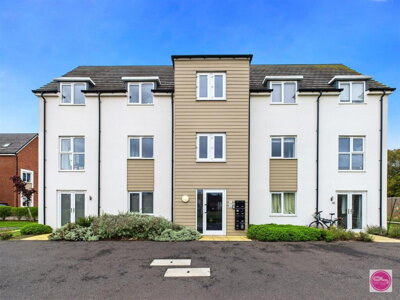
Browse 1 home new builds in Drakelow, South Derbyshire from local developer agents.
One bed apartments provide a separate bedroom alongside distinct living space, bathroom, and kitchen areas. Properties in Drakelow are available in various building types including new apartment complexes and contemporary developments.
£0k
0
0
0
Source: home.co.uk
Showing 0 results for 1 Bedroom Flats new builds in Drakelow, South Derbyshire.
The Dilham property market reflects the character of this small North Norfolk village, with recent sales data indicating an average sold price of approximately £347,000 over the past twelve months. Our platform aggregates listings from multiple estate agents operating in the area, giving buyers comprehensive access to available properties ranging from traditional village cottages to more substantial family homes. The market has experienced some adjustment in recent months, with various property portals reporting price decreases ranging from 13% to 29.6% depending on the data source, suggesting opportunities for buyers entering this sought-after Norfolk location. PropertyResearch.uk indicates a 17.3% fall in values over the past twelve months, highlighting the importance of comparing multiple data sources when evaluating property values in this village market.
Property types available in Dilham include detached homes commanding around £310,000, semi-detached properties at approximately £347,000, and terraced houses offering more accessible entry points from £300,000. The village maintains limited flat availability, with sales activity concentrated primarily in houses suitable for families and those seeking larger living spaces. Given the predominantly terraced, semi-detached, and detached housing stock, buyers can expect construction typical of rural Norfolk, including solid wall properties built before modern cavity wall insulation became standard and period homes dating from the Victorian and Edwardian eras when many village centres were established.
No active new-build developments were identified within the village itself, meaning buyers purchasing existing properties will acquire homes with established character and the traditional Norfolk construction methods that have served the area for generations. A notable development of four barn conversions in Dilham, previously operated as successful holiday lets, demonstrates the demand for character properties in the village. These conversions, sold by Waterside Estate Agents, achieved premium values reflecting the appeal of converted agricultural buildings in the Norfolk Broads area, where planning restrictions limit new development and protect the character of existing villages.
Dilham sits within the Norfolk Broads, England's largest protected wetland and a designated national park, offering residents exceptional access to waterways, nature reserves, and outdoor recreation. The village centre focuses around St Nicholas Church, a historic landmark that has anchored the community for centuries and reflects the deep-rooted heritage of this part of North Norfolk. The church, likely dating from medieval periods, represents the architectural traditions of Norfolk village construction, featuring flint and brick work typical of the region's ecclesiastical buildings. The local economy draws from agriculture, tourism associated with the Broads, and services supporting the scattered rural population across the surrounding countryside.
The Broads Authority manages the waterway network, and Dilham's position on the River Ant provides direct navigable access to broader sections of the wetland system. Waterside properties and properties with mooring potential command premium values in the village, with buyers paying significant premiums for river views and water access. Many residents appreciate the village's position within easy reach of larger market towns including North Walsham and Stalham, which provide additional amenities and employment opportunities. Stalham, approximately three miles southeast, offers local shops, pubs, and services, while North Walsham six miles west provides more comprehensive retail and educational facilities.
The North Norfolk coast lies within comfortable driving distance, offering sandy beaches, coastal villages, and popular destinations such as Cromer and Sheringham for day trips and weekend excursions. The coast road, accessible via the A149, connects these seaside towns and provides scenic routes through the rolling countryside that characterises this part of East Anglia. Norwich, the regional capital, provides comprehensive shopping, cultural venues, and employment options within approximately 30 miles, making it feasible for commuters who require access to a broader urban economy. The village atmosphere in Dilham fosters a strong sense of community, with local events, traditional pub culture, and neighbourhood connections that distinguish rural Norfolk village life from more urban settings.

Families considering relocation to Dilham will find primary education options available at nearby village schools serving the surrounding rural communities of North Norfolk. The closest primary schools are located in neighbouring villages and small towns, with many offering small class sizes and strong community ties that reflect the village school tradition. Schools in the surrounding area include primary institutions in Stalham and the surrounding villages, typically providing education for children aged 5 to 11 within modest travelling distances from Dilham. Parents should verify current catchment boundaries and admissions criteria with Norfolk County Council, as school placement can influence property selection in this rural area.
North Walsham, approximately six miles away, hosts several primary schools alongside the well-regarded Sir John Leman High School, which serves secondary education needs for families across the broader catchment area. Sir John Leman has established a reputation for academic achievement and extracurricular activities, drawing students from a wide geographical area across North Norfolk. For families seeking grammar school provision, the nearby towns of Norfolk offer selective education options, with Norwich featuring several highly regarded grammar schools including CNS School and Jane Austen College, accessible to Dilham residents who are prepared to travel for selective education.
Sixth form and further education opportunities are available at colleges in North Walsham, Great Yarmouth, and Norwich, providing progression routes for older students within the region. East Norfolk Sixth Form College in Gorleston and the University of East Anglia in Norwich expand options for higher education within reasonable commuting distance. The relatively small scale of local education provision means that school communities tend to be close-knit, with teachers and parents maintaining direct relationships that many families find preferable to larger urban school environments. Average class sizes in rural primary schools often fall below national averages, providing individual attention that parents frequently cite as a key advantage of village education.
Transport connections from Dilham reflect its position as a rural Norfolk village, with road travel serving as the primary means of reaching surrounding towns and cities. The A149 coast road passes through nearby Stalham, providing connections to Great Yarmouth to the south and Cromer to the northwest, while the A1151 links Dilham with Wroxham and Norwich to the south. The village's position near the River Ant means that some routes involve crossing waterways, and residents should be aware that minor rural roads may present navigation challenges during adverse weather conditions, particularly during winter months when rural lanes can become muddy and difficult to navigate.
Public transport options include bus services connecting Dilham with nearby towns including Stalham and North Walsham, where passengers can access train services to Norwich and the wider rail network. Bus services in rural Norfolk operate at reduced frequencies compared to urban areas, with some routes running only on specific days of the week, making private vehicle ownership practically essential for most residents. Norwich railway station offers direct services to London Liverpool Street, with journey times of approximately two hours, making the capital accessible for regular commuters who can combine home working with occasional office attendance.
The nearest railway stations are located in North Walsham and Cromer, providing flexibility for residents who prefer rail travel for longer journeys or day trips to neighbouring regions. North Walsham station provides regular services to Norwich, where connections to Cambridge and London can be obtained, while Cromer offers services along the Bittern Line to Norwich, passing through scenic North Norfolk countryside. For those travelling to Cambridge or London Stansted, the journey typically requires changing at Norwich, adding time but maintaining rail access as a viable option for occasional travel.
Review current listings on Homemove, examine recent sold prices in the village, and understand the factors influencing property values in this North Norfolk location. Consider how proximity to the River Ant affects specific properties and whether flood risk considerations influence your shortlist. Zoopla and Rightmove both provide sold price data and listing information, while PropertyResearch.uk offers aggregated market statistics specific to the DILHAM locality.
Contact lenders or mortgage brokers to obtain an agreement in principle before arranging viewings. Having your financing secured strengthens your position when making offers on properties in competitive rural markets like Dilham, where local buyers often have established relationships with estate agents. Mortgage brokers familiar with Norfolk property values can provide guidance on lending criteria specific to properties in the Broads area.
Visit properties that match your requirements, paying particular attention to the construction type, age of the property, and any signs of damp or structural issues common in older Norfolk homes. Consider scheduling visits at different times of day to assess the property and surrounding area thoroughly. Pay attention to the condition of brickwork, rendering, and roofing, as these elements frequently require maintenance in properties of traditional Norfolk construction.
Commission a homebuyer report from a qualified surveyor, particularly important for properties over 50 years old which comprise a significant proportion of Dilham's housing stock. The survey will identify defects including damp, roof condition, and any signs of subsidence related to local clay geology. Given Norfolk's shrink-swell clay risk, foundations and structural movement require careful professional assessment.
Appoint a conveyancing solicitor with experience in Norfolk property transactions to handle the legal aspects of your purchase, including local searches, title verification, and coordination with the seller's representatives through to completion. Norfolk conveyancing solicitors are familiar with local issues including flood risk registrations, conservation area requirements, and Broads Authority planning considerations.
Finalise your purchase by completing all contractual requirements, paying stamp duty, and arranging your move into your new Dilham home. Allow adequate time for packing and logistics, particularly if relocating from a distance to this rural Norfolk location. Consider arranging broadband installation in advance, as rural connectivity can require longer lead times with service providers.
Properties in Dilham require careful inspection due to the village's age and the characteristics of the local geology that can affect buildings over time. The presence of clay deposits in the Norfolk geology creates potential shrink-swell risk, meaning foundations and structural elements may be affected by periods of extreme wet or dry weather. Norfolk's geology predominantly features Quaternary deposits including glacial tills, sands, and gravels overlying Cretaceous chalk, with clay content varying across different areas of the county. Prospective buyers should look for signs of subsidence or structural movement, including cracks in walls, doors that stick, or uneven floors, and should raise any concerns with a qualified surveyor during the RICS Level 2 inspection process.
Flood risk represents a genuine consideration for properties near the River Ant, and buyers should investigate the specific flood zone classification of any property they are considering. The Environment Agency provides detailed flood mapping that indicates areas at risk from river flooding and surface water accumulation, particularly relevant given the low-lying nature of the Norfolk Broads landscape surrounding Dilham. Properties in designated flood zones may face higher insurance premiums and could require additional flood resilience measures, factors that should be incorporated into your overall property evaluation and budget planning. The River Ant, as part of the Broads system, experiences tidal influences in its lower reaches, adding complexity to flood risk assessment for riverside properties.
Dilham's likely designation as a conservation area, combined with the presence of listed buildings, means that planning controls may affect properties requiring alterations or extensions. Listed Building Consent is required for modifications to designated historic properties, and conservation area restrictions may apply to external changes including fencing, outbuildings, and tree work. The village's historic character, centred around St Nicholas Church and traditional Norfolk agricultural buildings, suggests planning controls aim to preserve this architectural heritage. Buyers should verify the specific status of any property with North Norfolk District Council before proceeding with purchase, ensuring that their intended use and any planned works fall within permitted development rights.
Construction materials in Dilham properties typically include red brick, render, and timber weatherboarding, with roofing in clay tiles or slate. These traditional materials require ongoing maintenance and buyers should assess the condition of brickwork pointing, render finishes, and roof covering during viewings. Older properties may feature solid wall construction without cavity insulation, presenting different thermal performance characteristics compared to modern properties. A RICS Level 2 Survey provides detailed assessment of these construction elements, identifying maintenance requirements and potential improvement opportunities for period properties in the village.
Recent data indicates an average sold house price of approximately £347,000 in Dilham over the past twelve months, with OnTheMarket reporting a median price around £329,000 as of early 2026. Property types command different prices, with detached homes averaging £310,000, semi-detached properties at £347,000, and terraced houses around £300,000. The market has experienced notable price adjustment recently, with various sources reporting decreases ranging from 13% to 29.6%, creating potential opportunities for buyers entering the Dilham property market. Zoopla and Rightmove provide current listing data, while PropertyResearch.uk offers aggregated sales information for the DILHAM locality.
Properties in Dilham fall under North Norfolk District Council's jurisdiction for council tax purposes, with the village receiving services funded through this local authority charge. Specific band allocations depend on the property's 1991 valuation, and buyers should verify the current council tax band for any property they are considering through the Valuation Office Agency website or their solicitor's local searches during conveyancing. North Norfolk generally offers competitive council tax rates compared to larger urban areas, contributing to the affordability of living in this rural village location where Band A and B properties are common among smaller period cottages.
Primary education near Dilham is provided through village schools in the surrounding North Norfolk communities, with families often travelling to nearby towns for secondary education provision. North Walsham hosts several primary schools including North Walsham Primary School and Happy Days Nursery and Primary School, alongside the well-regarded Sir John Leman High School serving the broader catchment area for secondary education. Families seeking grammar school provision can access selective schools in Norwich, with Norwich High School for Girls and CNS School offering established programmes for academically selective students who can manage the commute from Dilham.
Public transport options from Dilham include bus services connecting the village with Stalham and North Walsham, where rail connections to Norwich and the wider network are available. The X21 and X22 bus services operated by First in Norfolk provide connections between North Norfolk towns, though service frequencies reduce significantly at weekends and during evening hours. Norwich railway station provides direct services to London Liverpool Street in approximately two hours, making metropolitan commuting feasible for those who split their working week between home and office, though the nearest stations at North Walsham and Cromer require onward travel by bus or taxi.
Dilham offers appeal for property investment through its position within the Norfolk Broads National Park, a designation that limits new development and supports property values in established villages. The Broads Authority planning policies restrict development in the area, creating scarcity value for existing properties and supporting long-term capital appreciation for village homes. The tourism economy associated with the Broads creates potential for holiday let income, with historic barn conversions in the area previously achieving strong rental returns during peak summer seasons from April through October.
Standard stamp duty rates for 2024-25 apply to purchases in Dilham, with rates of 0% on the first £250,000, 5% on the portion from £250,001 to £925,000, and 10% on the next bracket up to £1.5 million. First-time buyers purchasing properties up to £625,000 benefit from relief on the first £425,000, paying 5% on the amount between £425,001 and £625,000. At Dilham's average price points of £300,000 to £350,000, a first-time buyer would pay no stamp duty on the first £425,000, meaning most standard purchases attract zero stamp duty liability under current first-time buyer relief provisions.
Given the age of many properties in Dilham, common defects include damp issues affecting solid wall construction, roof deterioration with slipped or broken tiles on clay tile and slate roofs, and potential subsidence related to shrink-swell clay in the local geology. Timber defects including woodworm and wet or dry rot can affect structural timbers and joinery, particularly in properties with inadequate ventilation or damp proofing. A RICS Level 2 Survey specifically assesses these defect categories, providing professional identification and severity assessment for informed purchasing decisions on period Norfolk properties.
Properties near the River Ant face elevated flood risk from river flooding during periods of heavy rainfall and high tides affecting the Broads system. The low-lying nature of the surrounding landscape means surface water flooding can also occur during exceptional weather events, with water accumulating in lower-lying areas of the village. The Environment Agency flood mapping service provides property-specific assessments, and buyers should review this data alongside building insurance costs when evaluating riverside properties in Dilham. Properties at lower flood risk elevation within the village centre may offer more favourable insurance terms while maintaining access to the waterways.
Understanding the full costs of purchasing property in Dilham requires budgeting beyond the advertised purchase price to include stamp duty, legal fees, survey costs, and moving expenses. Stamp duty land tax applies to all purchases above £250,000 at standard rates, with the threshold raised to £425,000 for first-time buyers claiming relief, potentially saving thousands of pounds for qualifying purchasers. At Dilham's median price of £329,000, a first-time buyer would pay no stamp duty on the first £425,000, with any amount above this threshold attracting the 5% rate.
Additional purchasing costs typically include conveyancing fees from £499 upwards depending on the complexity of the transaction, a RICS Level 2 survey at approximately £350 to £600 depending on property size and type, and an energy performance certificate from around £80. Survey costs for larger detached properties in Dilham typically range higher than standard terraced homes due to increased inspection complexity and floor area. Removal costs vary significantly based on distance and volume of belongings, and buyers relocating from further afield should obtain quotes from several companies with experience in Norfolk rural moves.
Local search fees from Norfolk County Council and North Norfolk District Council typically total around £250 to £300, covering drainage and water searches, local authority planning records, and environmental data specific to the NR28 postcode area. Land Registry fees for title registration and purchase registration total approximately £200 to £455 depending on transaction value. Mortgage arrangement fees, if applicable, vary significantly between lenders and products, ranging from flat fees of a few hundred pounds to percentage-based charges of 0.5% to 1% of the loan amount. Total ancillary costs typically range from £3,000 to £5,000 for a standard Dilham property purchase, though buyers purchasing at the upper end of the local market should budget for higher legal and survey fees reflecting increased transaction complexity.

Properties New Builds In London

Properties New Builds In Plymouth

Properties New Builds In Liverpool

Properties New Builds In Glasgow

Properties New Builds In Sheffield

Properties New Builds In Edinburgh

Properties New Builds In Coventry

Properties New Builds In Bradford

Properties New Builds In Manchester

Properties New Builds In Birmingham

Properties New Builds In Bristol

Properties New Builds In Oxford

Properties New Builds In Leicester

Properties New Builds In Newcastle

Properties New Builds In Leeds

Properties New Builds In Southampton

Properties New Builds In Cardiff

Properties New Builds In Nottingham

Properties New Builds In Norwich

Properties New Builds In Brighton

Properties New Builds In Derby

Properties New Builds In Portsmouth

Properties New Builds In Northampton

Properties New Builds In Milton Keynes

Properties New Builds In Bournemouth

Properties New Builds In Bolton

Properties New Builds In Swansea

Properties New Builds In Swindon

Properties New Builds In Peterborough

Properties New Builds In Wolverhampton

Enter your details to see if this property is within your budget.
Loans, cards, car finance
Estimated property budget
Borrowing + deposit
You could borrow between
Typical borrowing
Monthly repayment
Est. at 4.5%
Loan-to-value
This is an estimate only. Your actual budget may vary depending on interest rates, credit history, and personal circumstances. For an accurate affordability assessment, speak to one of our free mortgage advisors.
This calculator provides estimates for illustrative purposes only and does not constitute financial advice. Your home may be repossessed if you do not keep up repayments on your mortgage. Estimates based on 4.5% interest rate, repayment mortgage. Actual rates depend on your circumstances.
Homemove is a trading name of HM Haus Group Ltd (Company No. 13873779, registered in England & Wales). Homemove Mortgages Ltd (Company No. 15947693) is an Appointed Representative of TMG Direct Limited, trading as TMG Mortgage Network, which is authorised and regulated by the Financial Conduct Authority (FRN 786245). Homemove Mortgages Ltd is entered on the FCA Register as an Appointed Representative (FRN 1022429). You can check registrations at NewRegister or by calling 0800 111 6768.

We use cookies to show you personalised content and improve your experience of our website. Find out more in our Privacy policy and Cookie policy.