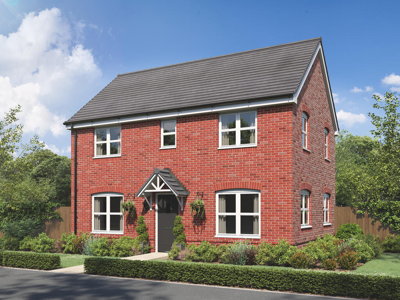
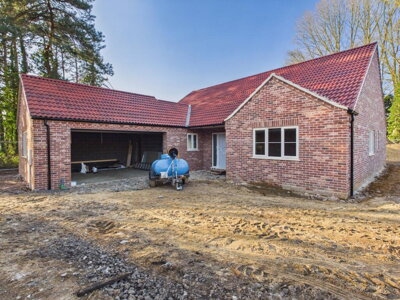
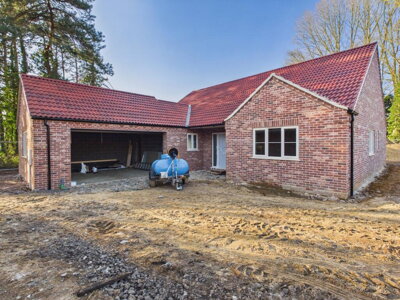
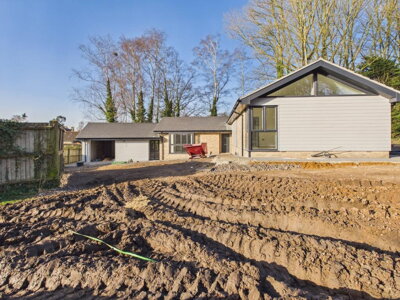
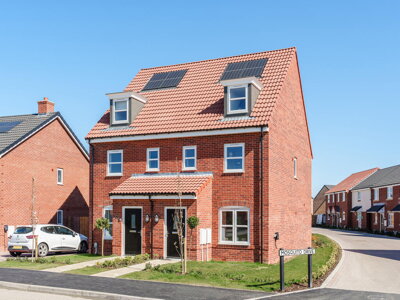
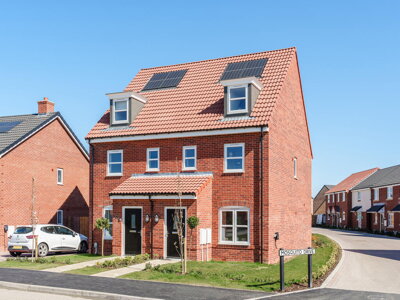
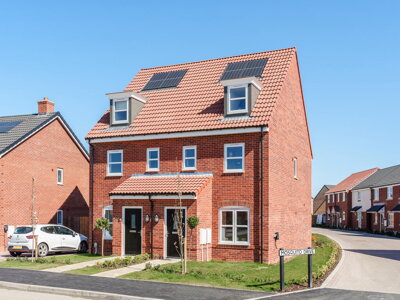
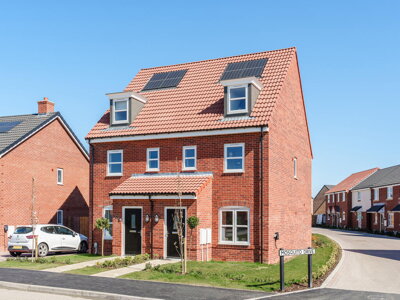
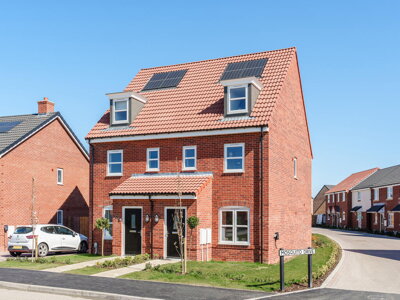
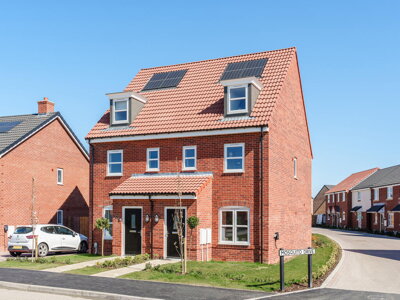
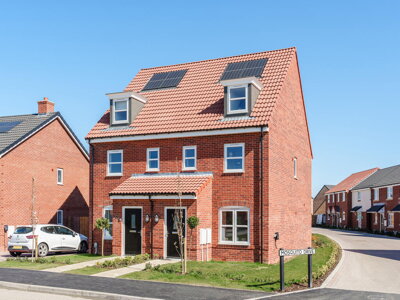
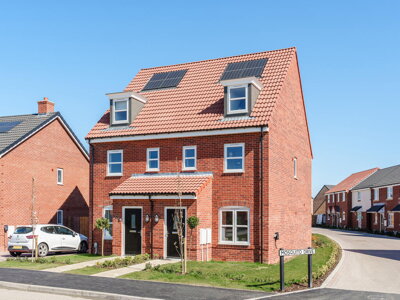
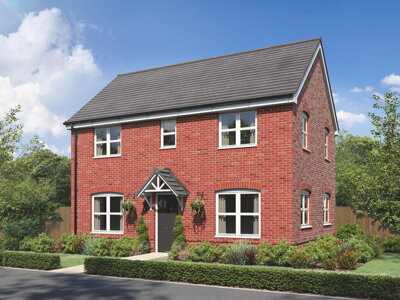
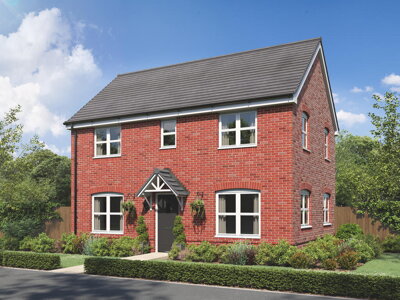
Browse 14 homes new builds in Downham West from local developer agents.
Three bedroom properties represent a significant portion of the Downham West housing market, offering space for families with multiple reception rooms and gardens in many cases. Browse detached, semi-detached, and terraced options ranging across new residential developments.
The Downham West property market reflects the broader Downham Market area, which saw property prices increase by 4% over the past year. This steady growth demonstrates the enduring appeal of this part of West Norfolk for buyers seeking value compared to more expensive regions further east. The average property price of £287,864 positions the area attractively for families and professionals looking to access the Norfolk countryside without compromising on connectivity. Detached properties command an average of £360,125, while semi-detached homes average £251,662, offering different entry points depending on space requirements and budget.
Property types available in the local market include traditional terraced cottages averaging £224,303 and flats averaging around £115,000. The housing stock spans period properties built with the distinctive local carrstone to modern family homes. New build opportunities exist nearby, with the Broad Oaks development in Downham Market offering one to four-bedroom homes ranging from £169,995 to £429,995. This mix of new and traditional housing stock gives buyers genuine choice when searching for their ideal property in this desirable corner of Norfolk.
The PE38 postcode region saw 161 residential property sales over the past year, though this represents a slight decrease of 9 transactions compared to the previous period. Asking prices have shown modest adjustment of around -2.7% in recent months, potentially creating opportunities for buyers who are ready to move. The five-year price trend shows growth of 12.49%, indicating solid underlying demand for property in this part of Fenland Norfolk.

Downham West embodies the essence of traditional English rural life, with a population of approximately 305 residents spread across a peaceful parish landscape. The area is characterised by its Fenland geography, with low-lying agricultural land stretching towards the horizon and the gentle presence of the River Great Ouse running through the parish. This landscape has shaped both the local economy and community character for generations, with farming and local services remaining central to everyday life. The hamlet of Salter's Lode, within the parish, centres around a lock on Well Creek, part of the historic Middle Level navigation system, reflecting the area's relationship with water and its heritage.
The nearby town of Downham Market provides residents of Downham West with essential amenities while maintaining a friendly, market-town atmosphere. Known locally as the 'Gingerbread Town' due to its distinctive carrstone buildings, Downham Market hosts a bustling market every Friday and Saturday, continuing traditions that date back centuries when the town was famous for its butter market and horse fair. The architectural character is particularly notable, with buildings constructed from the warm, rusty-gold carrstone creating an unmistakably local aesthetic. St Edmund's Church, with Anglo-Saxon foundations rebuilt in the 13th century, and the Victorian clock tower provide cultural landmarks within easy reach of Downham West.
The Fenland landscape surrounding Downham West offers extensive opportunities for outdoor activities, with walking and cycling routes across the flat terrain that attracts visitors throughout the year. The River Great Ouse provides fishing opportunities, while the network of drains and waterways that characterise the Fens offers unique habitats for wildlife enthusiasts. Community events in the surrounding villages maintain strong traditions, with the Downham Market area retaining a genuine sense of local identity that distinguishes it from more anonymised urban environments.

Properties in the Downham West area showcase distinctive construction methods that reflect centuries of local building tradition. The hallmark of the region is carrstone, a sedimentary sandstone conglomerate ranging from pale ginger to deep rust in colour, which has been used since medieval times and gives Downham Market its famous 'Gingerbread Town' appearance. This locally-sourced material features in many period properties and requires specific maintenance approaches, as the relatively soft stone can weather over time and may need professional attention to preserve its character.
Traditional properties in the area typically feature solid brick or brick-and-flint construction, with walls built using lime mortar rather than modern cement. This traditional building method allowed walls to breathe, preventing moisture buildup in an era before damp-proof courses became standard. Roofs across the area are predominantly covered with clay pantiles or slate, with more pegtile coverings found closer to King's Lynn. Georgian and Victorian properties, common in the nearby market town, often feature sash windows with single glazing and may have original features including ornate fireplaces and decorative plasterwork.
Newer properties in the surrounding area, including those on recent developments, typically use modern cavity-wall construction with brick or brick-and-render exteriors. Properties built in the Victorian and Edwardian periods often feature suspended timber floors rather than solid concrete, which can be susceptible to rot if ventilation is compromised. Understanding these construction methods is valuable when assessing properties, as different eras bring different maintenance considerations and potential defect patterns.
Families considering a move to Downham West will find a selection of educational options within reasonable distance. The area falls within the King's Lynn and West Norfolk local authority, which oversees a network of primary and secondary schools serving the surrounding villages and towns. Primary schools in the nearby Downham Market area provide education for younger children, while secondary education is available at schools in the wider locality. Parents should research specific catchment areas and admissions criteria when considering properties, as school placements can vary based on proximity and availability.
For families seeking grammar school provision, the area benefits from proximity to selective schools in Norfolk. Sixth form and further education options are accessible in King's Lynn and surrounding towns, providing pathways for older students. Given the traditional character of properties in the area, including cottages and period homes, buyers should factor in potential future educational needs when selecting a property size and layout. Our platform allows you to search for homes near specific schools, helping families find properties in catchment areas that meet their children's educational requirements.
Schools in the King's Lynn and West Norfolk area have shown varying performance in recent Ofsted inspections, and parents are encouraged to review individual school reports before committing to a property purchase. School transport arrangements for properties in the more rural parts of the parish may involve bus services, and families should clarify these arrangements when considering properties further from the main settlement areas. The proximity to Downham Market railway station also makes the area viable for secondary students attending schools in Cambridge or Peterborough with direct rail access.
Transport connectivity from Downham West proves surprisingly strong for a rural parish, with Downham Market railway station located just 2.5 miles away. The station provides regular rail services connecting residents to Cambridge, Peterborough, and Norwich, making it practical for commuters working in these major employment centres. Journey times to Cambridge typically take around 45 minutes, opening opportunities for professionals seeking a countryside base while maintaining city work connections. The A1122 road runs through the area, providing direct road links to King's Lynn and the surrounding Fenland towns.
Local bus services connect Downham West to Downham Market and surrounding villages, offering essential public transport options for those without vehicles. The road network provides access to the A10 and A47 for wider regional travel, connecting to Norwich and Norfolk's coastal areas. For air travel, Norwich Airport and London Stansted are accessible within reasonable driving distance for domestic and international flights. Cyclists benefit from the relatively flat Fenland terrain, though awareness of agricultural vehicle traffic on rural lanes is advisable during popular farming periods.
The railway station at Downham Market has seen investment in recent years, improving facilities for commuters and visitors alike. Parking provision at the station makes it practical for those driving from more dispersed properties, while the direct rail links to Cambridge make the area attractive to workers in the technology and research sectors who might find Cambridge property prices prohibitive. Norwich, accessible via train or road, provides additional employment opportunities in healthcare, insurance, and creative industries.
Spend time understanding the Downham West area by visiting at different times of day, exploring local amenities, and reviewing recent sales data. The average property price of £287,864 in the surrounding PE38 postcode provides a useful benchmark for budgeting your purchase. Consider registering with local estate agents who will notify you of new properties matching your criteria as they come to market.
Before viewing properties, obtain a mortgage agreement in principle from a lender. This strengthens your position when making offers and demonstrates to sellers that you are a serious, financially prepared buyer with funding in place. With average property prices around £287,864, most buyers in the area will require a mortgage, and having agreement in principle can significantly accelerate the buying process.
Contact estate agents listing properties in Downham West and schedule viewings of homes that match your requirements. Take notes during viewings and ask about property age, construction materials, and any recent renovations or maintenance work completed. Pay particular attention to properties built with carrstone or other traditional materials that may require specialist maintenance knowledge.
Once your offer is accepted, arrange a RICS Level 2 Survey to assess the property condition thoroughly. This is particularly important for older properties common in the area, which may have defects such as dampness, roof deterioration, or outdated electrics requiring attention. With many properties dating from Victorian or earlier periods, professional survey support helps identify issues before you commit to purchase.
Choose a solicitor experienced in Norfolk property transactions to handle the legal aspects of your purchase. They will conduct searches, review contracts, and manage the transfer of ownership through to completion. For properties near watercourses such as the River Great Ouse or Well Creek, drainage and flood risk searches are particularly important.
Once all searches are satisfactory and finances are confirmed, your solicitor will exchange contracts and set a completion date. On completion day, the remaining balance is transferred and you receive the keys to your new Downham West home. Budget for additional costs including stamp duty, survey fees, and legal costs, which typically total between £3,000 and £5,000 depending on property price.
Properties in and around Downham West require careful inspection due to the area's geological characteristics and traditional building methods. The Fenland landscape and presence of peat soils mean buyers should pay particular attention to potential ground movement or subsidence indicators such as crack patterns in walls or doors that stick. Properties built with traditional lime mortar and solid walls, common in older Norfolk cottages, require different maintenance approaches than modern cavity-wall construction. A thorough RICS Level 2 Survey will identify these issues and provide guidance on necessary repairs.
The distinctive local carrstone construction found in many properties requires specific maintenance knowledge, as the sedimentary sandstone can weather over time and may need professional attention. Flood risk is a consideration for properties near watercourses including the River Great Ouse and Well Creek, particularly in the Salter's Lode area. Historical properties may contain outdated electrical systems, plumbing, or insulation that does not meet modern standards. Properties on or near the former RAF Downham Market site should undergo detailed contaminated land searches as part of the conveyancing process.
Common defects in older Fenland properties include penetrating damp through aging brickwork, particularly where lime mortar has been replaced with less breathable cement, and roof defects such as slipped tiles or deteriorating ridge mortar. Timber-framed elements, common in period properties, may be susceptible to woodworm or wet rot where ventilation has been compromised. Given the prevalence of suspended timber floors in Victorian and earlier properties, checking floor joists and support beams for signs of deterioration is advisable. Electrical systems in older properties frequently require updating to meet current safety standards, and buyers should budget accordingly for any remedial work identified during survey.
Property prices in the Downham West area are reflected in the PE38 postcode district data, where the average house price stands at £287,864 over the past year. Detached properties average £360,125, semi-detached homes £251,662, and terraced properties £224,303. Prices have increased by approximately 4% over the last year and by 12.49% over the past five years, indicating steady long-term growth in this part of Norfolk. Individual property values within Downham West itself may vary based on specific location, size, condition, and whether the property is new build or period construction.
Properties in Downham West fall under King's Lynn and West Norfolk Borough Council's jurisdiction for council tax purposes. Bands range from A to H based on property valuation, with most traditional cottages and smaller homes typically falling in bands A to C. Prospective buyers should check the specific council tax band for any property they are considering, as this forms part of the ongoing costs of homeownership alongside mortgage payments and utility bills.
The Downham West area is served by primary schools in the nearby Downham Market area and secondary schools within reasonable travel distance. Families should research individual school performance data and Ofsted ratings, which are published annually, along with specific catchment area boundaries that apply to each property address. Grammar school options are available in Norfolk for academically selective students, and further education colleges in King's Lynn provide post-16 study opportunities. The proximity to Downham Market railway station also makes schools in Cambridge accessible for families willing to commute.
Downham West benefits from proximity to Downham Market railway station, located 2.5 miles away, offering regular services to Cambridge, Peterborough, and Norwich with journey times of around 45 minutes to Cambridge. Local bus services connect the parish to surrounding villages and towns, providing essential access for residents without private vehicles. The A1122 road provides direct access to King's Lynn and connects to the wider road network via the A10 and A47 for travel across Norfolk and beyond.
The Downham West and Downham Market area has shown consistent property price growth of 4% annually and 12.49% over five years, demonstrating underlying demand for homes in this part of Norfolk. The area attracts buyers seeking rural lifestyles with practical transport connections, and new development at Broad Oaks brings additional housing stock and potential buyer interest. Rental demand may exist from commuters working in Cambridge or Norwich who prefer the more affordable Norfolk property market over Cambridgeshire prices. As with any property investment, buyers should conduct thorough research and consider factors including rental yields, void periods, and future market conditions.
Stamp Duty Land Tax rates from April 2024 apply as follows: 0% on the first £250,000 of property value, 5% on the portion from £250,001 to £925,000, 10% on £925,001 to £1.5 million, and 12% on any amount above £1.5 million. First-time buyers benefit from increased thresholds, paying 0% up to £425,000 and 5% between £425,001 and £625,000, though this relief does not apply above £625,000. Given that the average property price in the area is £287,864, many properties will attract either no stamp duty or only the 5% rate on the portion above £250,000 for standard buyers.
Downham West is a low-lying Fenland parish situated along the River Great Ouse, which increases the potential for river flooding in certain areas. Properties near Well Creek and the Salter's Lode area should receive particular scrutiny, as these watercourses form part of the historic Middle Level navigation system and may be subject to periodic flooding. A conveyancing solicitor should conduct appropriate drainage and flood risk searches for any property in the area, and buyers should review the Environment Agency flood maps before committing to purchase.
Carrstone is the distinctive rusty-gold sandstone conglomerate that characterises buildings in the Downham Market area, giving the town its 'Gingerbread Town' nickname. This locally-sourced material has been used since medieval times and forms part of many period properties both in the town and surrounding parishes including Downham West. While aesthetically striking, carrstone is a relatively soft stone that can weather over time and may develop surface erosion or biological growth if not properly maintained. Properties featuring significant carrstone construction should be inspected by a surveyor familiar with traditional materials, and buyers should budget for any specialist repair work that may be required.
From £350
A detailed inspection of the property condition, ideal for conventional properties in reasonable condition
From £85
Energy Performance Certificate required for all property sales
From 4.5%
Compare mortgage deals from leading lenders
From £499
Expert property solicitors for your legal transfer
Understanding the full cost of buying a property in Downham West extends beyond the purchase price to include stamp duty, legal fees, survey costs, and moving expenses. For a typical property priced at the area average of £287,864, standard buyers pay no stamp duty on the first £250,000 and 5% on the remaining £37,864, totaling £1,893.20 in Stamp Duty Land Tax. First-time buyers purchasing properties up to £425,000 would pay no stamp duty on qualifying purchases, making this an attractive position for those entering the property market in this price range.
Additional costs to budget for include mortgage arrangement fees typically ranging from £500 to £2,000, a RICS Level 2 Survey costing approximately £400 to £600 depending on property size and complexity, and conveyancing fees from £500 to £1,500 for legal work including local searches. Searches specific to the Downham West area should include drainage and water authority checks and potentially contaminated land searches, particularly for properties near the former RAF base. Removal costs vary based on distance and volume of belongings, while buildings insurance must be in place from the point of completion.
For properties requiring a RICS Level 2 Survey, costs vary depending on property value and construction type. Survey fees typically range from £400 to £600 for standard properties in the area, though non-standard construction, properties over £500,000, or those built before 1900 may incur higher charges. Given that many properties in the Downham West area feature traditional construction methods and period features, investing in a thorough survey before completion can save significant expense by identifying issues that require attention.
Properties New Builds In London

Properties New Builds In Plymouth

Properties New Builds In Liverpool

Properties New Builds In Glasgow

Properties New Builds In Sheffield

Properties New Builds In Edinburgh

Properties New Builds In Coventry

Properties New Builds In Bradford

Properties New Builds In Manchester

Properties New Builds In Birmingham

Properties New Builds In Bristol

Properties New Builds In Oxford

Properties New Builds In Leicester

Properties New Builds In Newcastle

Properties New Builds In Leeds

Properties New Builds In Southampton

Properties New Builds In Cardiff

Properties New Builds In Nottingham

Properties New Builds In Norwich

Properties New Builds In Brighton

Properties New Builds In Derby

Properties New Builds In Portsmouth

Properties New Builds In Northampton

Properties New Builds In Milton Keynes

Properties New Builds In Bournemouth

Properties New Builds In Bolton

Properties New Builds In Swansea

Properties New Builds In Swindon

Properties New Builds In Peterborough

Properties New Builds In Wolverhampton

Enter your details to see if this property is within your budget.
Loans, cards, car finance
Estimated property budget
Borrowing + deposit
You could borrow between
Typical borrowing
Monthly repayment
Est. at 4.5%
Loan-to-value
This is an estimate only. Your actual budget may vary depending on interest rates, credit history, and personal circumstances. For an accurate affordability assessment, speak to one of our free mortgage advisors.
This calculator provides estimates for illustrative purposes only and does not constitute financial advice. Your home may be repossessed if you do not keep up repayments on your mortgage. Estimates based on 4.5% interest rate, repayment mortgage. Actual rates depend on your circumstances.
Homemove is a trading name of HM Haus Group Ltd (Company No. 13873779, registered in England & Wales). Homemove Mortgages Ltd (Company No. 15947693) is an Appointed Representative of TMG Direct Limited, trading as TMG Mortgage Network, which is authorised and regulated by the Financial Conduct Authority (FRN 786245). Homemove Mortgages Ltd is entered on the FCA Register as an Appointed Representative (FRN 1022429). You can check registrations at NewRegister or by calling 0800 111 6768.

We use cookies to show you personalised content and improve your experience of our website. Find out more in our Privacy policy and Cookie policy.