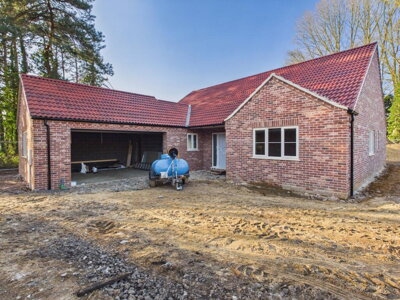
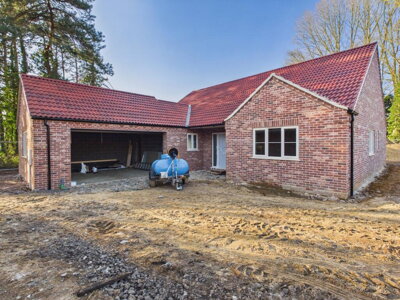
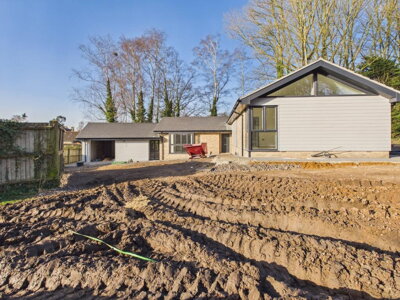
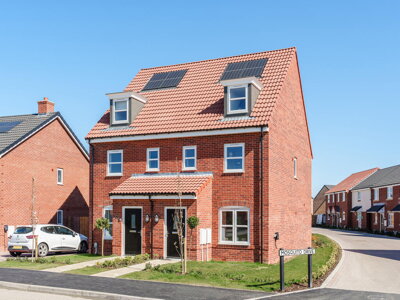
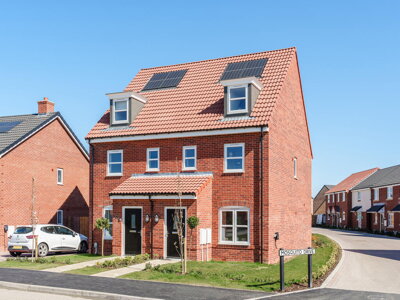
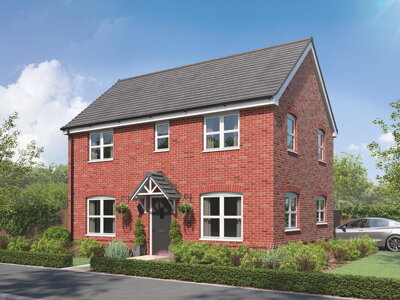
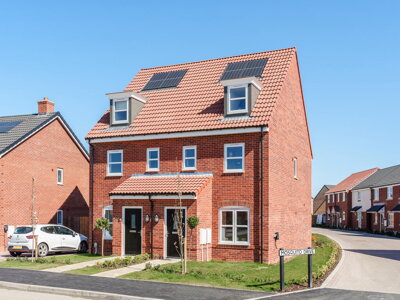
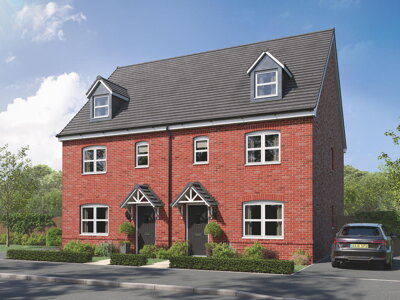
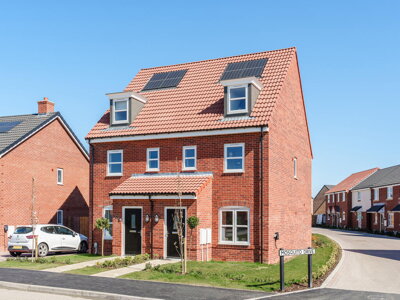
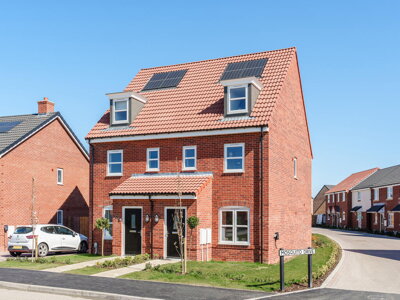
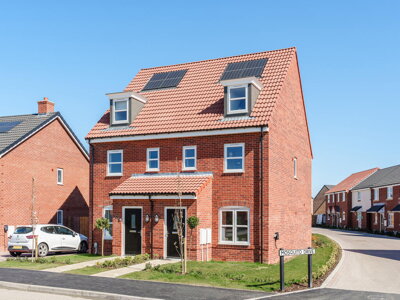
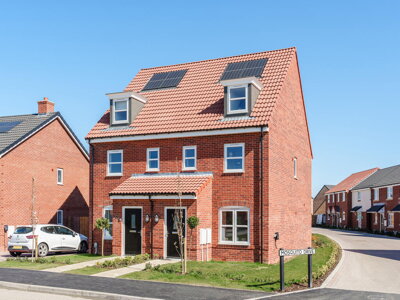
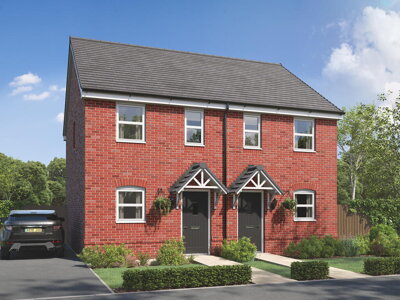
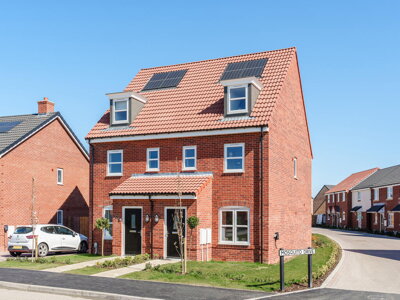
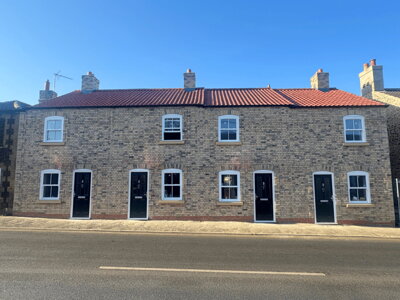
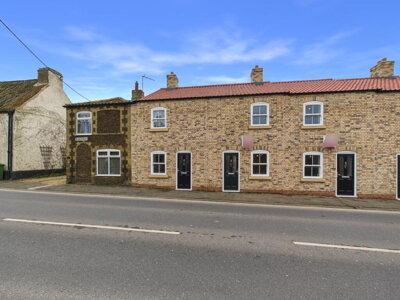
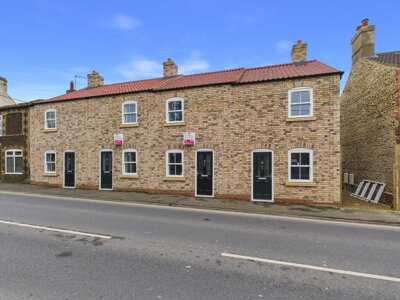
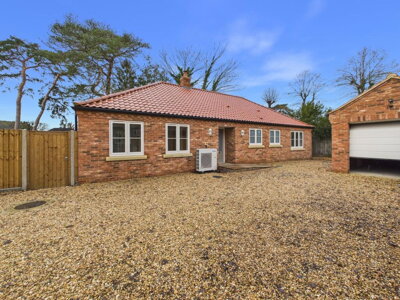
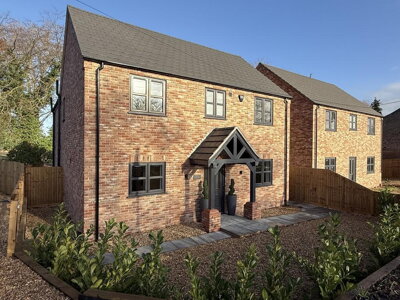
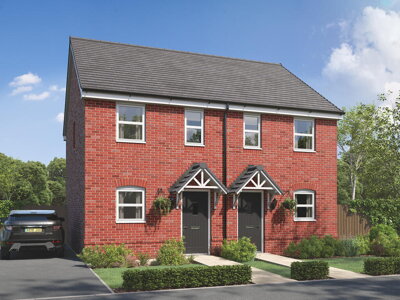
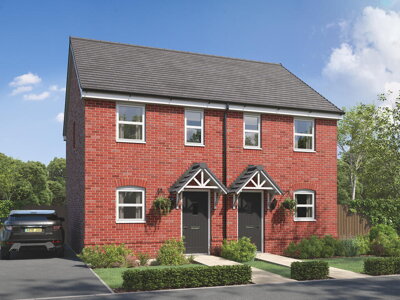
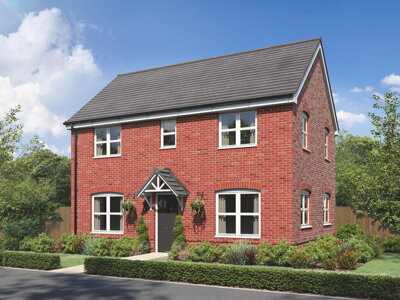
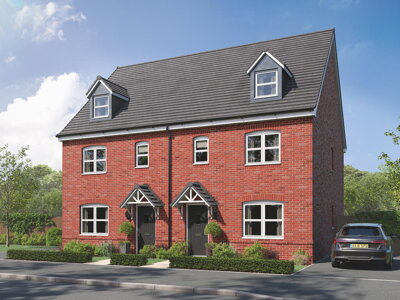
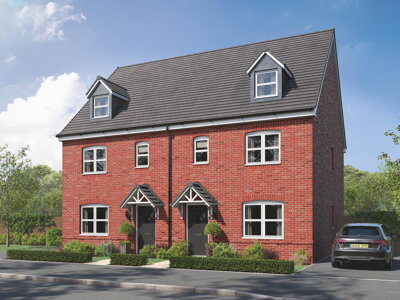
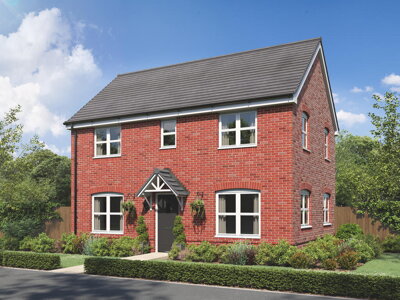
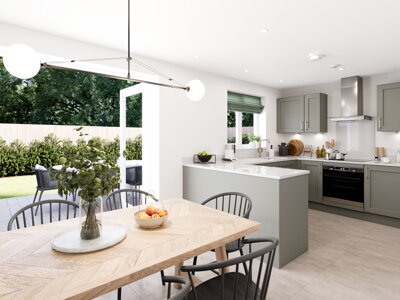
Browse 26 homes new builds in Downham West from local developer agents.
The property market on the Isle of Skye, which includes Sleat, has shown remarkable resilience and steady growth in recent years. Average house prices currently sit at around £262,054 according to Rightmove data, with detached properties averaging £282,194 and semi-detached homes at approximately £192,720. Over the past twelve months, house prices have risen by 3%, though they remain 6% below the 2023 peak of £277,619, creating a balanced market where buyers can find value without facing the intense competition seen in peak periods.
The broader market data from Zoopla shows similar trends, with the overall average at £264,368 over the past twelve months, detached properties at £285,489, and semi-detached homes at £189,433. Terraced properties on Skye average £169,571 according to Zoopla, offering more affordable options for first-time buyers or those seeking a smaller footprint. Flats on the island average between £249,808 (Rightmove) and £282,000 (Zoopla), with the variation reflecting differences in location, condition, and the mix of traditional versus modern apartment styles available on the market.
The Sleat peninsula offers a diverse range of property types to suit different budgets and lifestyles. Traditional blackhouses and stone cottages reflect the area's rich architectural heritage, featuring characteristic drystone walls, timber roof frames, and occasionally thatched roofing using common rush or local reeds. These historic properties require careful consideration during purchase, and we recommend arranging a thorough survey to assess their condition. Modern homes on the peninsula typically use timber frame or double block construction, offering contemporary comfort while harmonising with the natural landscape.

The Kilbeg development represents the most significant new housing opportunity on Skye in over a century, marking the creation of the first new village on the island since the early 1900s. Located in Sleat, this ambitious project brings together Sabhal Mòr Ostaig (the National Centre for Gaelic Language and Culture), The Highland Council, and the Communities Housing Trust as key partners. James MacQueen Building Contractors Ltd is handling the construction work, with Phase 2 delivering 17 new affordable homes including 6 for social rent through The Highland Council, 8 affordable homes for sale, and 3 discounted self-build plots managed by the Communities Housing Trust.
The development design emphasises diversity of tenure and accessibility, with the plans including family homes alongside level-access and wheelchair-accessible properties to serve residents across all life stages. Adjacent to the affordable housing scheme, James MacQueen's Ltd is developing an additional private scheme providing 14 flats, further expanding housing choice in the area. Properties at Kilbeg are offered at affordable prices, making them particularly attractive to local people seeking to remain in or return to Sleat while maintaining connections to the Sabhal Mòr Ostaig community and the peninsula's strong Gaelic cultural traditions.
Beyond Kilbeg, the Sleat Community Trust is actively pursuing additional housing initiatives, including the creation of three house sites at Tormore Forest in Capisdal. These plots on community-owned land are intended for sale to raise capital for broader community projects, with planning in principle being advanced through Highland Council. The Trust is also considering affordable housing development on community land at Armadale as part of wider redevelopment plans, demonstrating ongoing commitment to sustainable growth in the peninsula.

The Sleat peninsula embodies everything that makes the Isle of Skye one of Scotland's most treasured destinations. Known as the "Garden of Skye" due to its relatively milder climate and lush vegetation, Sleat offers a lifestyle that seamlessly blends traditional Scottish highland living with access to modern amenities. The area is home to Sabhal Mor Ostaig, the National Centre for Gaelic Language and Culture, which brings intellectual vitality and cultural richness to the community while serving as a significant local employer. Visitors and residents alike benefit from the college's presence, which supports arts events, concerts, and community gatherings throughout the year.
The demographic profile of Sleat reveals a community that is maturing gracefully while maintaining its distinctive character. With 73.1% of households comprising two people or fewer and single-person households accounting for 33.6% of all homes, the area has developed as an attractive location for retirees and those seeking a peaceful retirement away from busy urban centres. This household composition reflects the national trend of an aging population but is perhaps more pronounced in Sleat, where the spectacular natural environment and strong community bonds create ideal conditions for later life living. The area's public sector employment base provides stable income for many residents, while tourism contributes significantly to the local economy, generating £211 million annually for Skye before the pandemic and supporting thousands of jobs across hospitality and related services.
Crofting remains a defining feature of the Sleat peninsula, with traditional agricultural practices continuing alongside modern life. The economy is anchored by the public sector as Skye's largest employer, followed by distribution, hotels, and restaurants - sectors heavily influenced by the tourism season. Local businesses serving both residents and visitors have established themselves along the A851 corridor, while community initiatives like the Sleat Community Trust work to ensure that economic benefits are retained locally and that housing remains accessible to local people despite growing external interest in the area.
Education provision in Sleat reflects the peninsula's small-scale community character while maintaining excellent standards for a rural area. Primary education is available locally, with schools serving the dispersed communities across the Sleat peninsula. The Highland Council oversees educational provision in the area, maintaining the high standards expected across Scotland's local authority schools. Families moving to Sleat will find that primary schools provide a nurturing environment where children receive individual attention and develop strong foundational skills in a setting that celebrates the region's unique Gaelic heritage and cultural traditions.
Secondary education typically involves travel to Portree or Broadford on Skye, with school transport provided by the local authority. This arrangement is common across rural Scotland and allows secondary students to access a broader range of facilities and subject choices while maintaining their home community connections. The proximity of Sleat to Sabhal Mor Ostaig means that older students and adults have opportunities to engage with higher education programmes and adult learning courses, from Gaelic language classes to professional qualifications. For families considering relocation, the education system offers a balanced approach that combines the benefits of small community schooling with access to broader educational opportunities as children progress through their studies.
The presence of Sabhal Mor Ostaig itself provides unique educational opportunities unavailable elsewhere in Scotland. The college offers courses from introductory Gaelic classes through to degree-level programmes, making it possible for residents to pursue higher education without leaving the peninsula. This makes Sleat particularly attractive to families who value continued learning and wish to immerse themselves in Gaelic culture, while the college's cultural events and public lectures add intellectual richness to community life throughout the year.
Transport connectivity is a crucial consideration for anyone thinking about buying property in Sleat, and understanding the local infrastructure helps set realistic expectations for daily life. The peninsula is accessed via the A851 road, which winds through some of Skye's most scenic landscapes to connect with the A87 that runs the length of the island. The journey from Sleat to Portree, Skye's main town, takes approximately one hour by car, passing through diverse terrain that showcases the island's dramatic geology and breathtaking views. Road conditions are generally good, though some single-track sections require patience and courtesy when meeting oncoming traffic, a standard feature of highland driving that residents quickly come to appreciate.
The Mallaig to London Bridge train route, accessible via the West Highland Line from Mallaig on the mainland, offers one of the most spectacular railway journeys in the world and provides connections to Glasgow and Edinburgh for those needing to travel further afield. The ferry service from Armadale to Mallaig on the mainland operates throughout the year, with the crossing taking around 30 minutes and offering stunning views across the Sound of Sleat. For international travel, Inverness Airport provides connections to major UK hubs and some European destinations, approximately three to four hours' drive from Sleat. Daily life in the peninsula requires a car for most practical purposes, and residents generally find that the beauty of the surroundings more than compensates for the distances involved in occasional longer journeys.
The ferry crossing itself is an integral part of daily life for many Sleat residents, with the Armadale to Mallaig route connecting the peninsula to the mainland rail network and the A830 "Road to the Isles." Many residents time their shopping trips to Mallaig to coincide with ferry crossings, combining the journey with access to mainland services and the dramatic coastal scenery of Knoydart beyond. The timetable runs multiple sailings daily throughout the year, though weather conditions can occasionally disrupt services, particularly during winter storms that affect the Small Isles and Skye routes.
Start by exploring current property listings in Sleat and understanding price trends across the Isle of Skye. With average prices around £262,000 and detached properties averaging £282,000, set realistic expectations for your budget and consider whether traditional properties or new builds suit your needs. The Zoopla data shows terraced properties at around £169,571 and flats averaging £249,000-£282,000, giving you a complete picture of what is available across different property types and price points.
Once you have identified properties of interest, arrange viewings through Homemove or directly with estate agents. Traditional properties on Skye often have unique characteristics due to their age and construction methods, so viewing multiple properties helps you understand what is available within your budget range. Pay particular attention to properties built before 1919, which may have solid walls, traditional timber frames, or original features like thatched roofing or drystone boundary walls.
Contact lenders or use Homemove's mortgage comparison service to secure an agreement in principle before making a formal offer. Given the unique nature of some Skye properties, including those with peat foundations or traditional construction, specialist lenders may be appropriate. Scottish mortgage arrangements follow their own procedures, and your broker can advise on lenders familiar with rural and non-standard construction properties in Highland.
We strongly recommend arranging a RICS Level 2 Survey for any property in Sleat, particularly for traditional stone properties, blackhouses, or older construction. This detailed assessment will identify any structural issues, damp problems, or maintenance requirements specific to highland properties. The peat-based soils prevalent on the peninsula mean that ground conditions and drainage require careful assessment, and a thorough survey will address these regional considerations.
Use Homemove's conveyancing service to find a solicitor experienced in Scottish property transactions. They will handle title checks, local authority searches, and the completion process specific to Scotland. Scottish conveyancing differs significantly from the rest of the UK, with a separate legal system and the use of Land and Buildings Transaction Tax rather than Stamp Duty.
Once all checks are satisfactory and your solicitor confirms readiness, arrange to sign contracts and transfer funds. Scottish property transactions follow a distinct process, and your solicitor will guide you through to keys collection and final registration. Unlike England and Wales, Scotland operates under a system of automatic entry for buyers, so your solicitor will ensure all documentation is properly registered with the Keeper of the Registers of Scotland.
Purchasing property on the Sleat peninsula requires attention to several considerations specific to highland Scotland. The local geology presents particular challenges, as the peninsula features peat-based soils of variable depth that can affect property foundations and drainage. Properties built on peat require careful assessment of ground conditions, and any signs of subsidence or movement should be investigated thoroughly before purchase. The traditional construction methods used in many Skye properties, including drystone walls and solid wall construction, also require specialist knowledge during survey and renovation work. We strongly recommend commissioning a RICS Level 2 Survey that specifically addresses these highland construction characteristics.
The rural nature of Sleat means that some properties may have private water supplies or septic tank drainage systems rather than mains connections, and buyers should verify the condition and maintenance responsibilities of these systems. Second home ownership rates in the area, which stood at 14% in 2013, can affect community dynamics and the availability of local services, particularly during off-peak seasons. Planning restrictions in some areas may affect renovation possibilities or new build permissions, so checking with The Highland Council planning department is advisable before committing to any purchase that involves significant alterations. Properties near the coast may face exposure to harsh weather conditions, and maintenance of roofs, gutters, and external finishes should be assessed during any property survey.
The age of properties on Skye warrants particular attention during the survey process. Given that the Kilbeg development represents the first new village in over 100 years, a significant proportion of the housing stock is likely pre-1919 construction, which brings specific considerations around building materials, maintenance history, and potential listed building status. Traditional Scottish buildings used natural materials including stone, earth, lime mortar, timber, and straw, each with their own maintenance requirements and potential issues. A thorough survey will assess the condition of these materials and identify any work needed to bring properties up to modern standards while preserving their character.
While specific data for Sleat alone is limited, the broader Isle of Skye market provides reliable guidance. Average house prices on Skye stand at approximately £262,054 according to Rightmove, with Zoopla showing a similar figure of £264,368 over the past twelve months. Detached properties average £282,194-£285,489 depending on source, semi-detached homes around £192,720, terraced properties at approximately £169,571, and flats ranging from £249,808 to £282,000. Prices have increased by 3% over the past twelve months but remain 6% below the 2023 peak, creating favourable conditions for buyers looking to enter this desirable highland market.
Properties in Sleat fall under The Highland Council jurisdiction, which sets council tax rates for the entire Highland region. Council tax bands in Scotland are determined by the Scottish Assessors and reflect property valuation, with bands ranging from A (lowest value) through to H (highest value). Highland council tax rates are generally among the lower rates in Scotland, making the area attractive for budget-conscious buyers. You can check the specific band for any property through the Scottish Assessors website or by contacting The Highland Council directly, and your solicitor will also confirm the band during the conveyancing process.
Sleat offers primary education through local schools serving the peninsula communities, with secondary education available at schools in Portree or Broadford where students can access a wider range of subjects and facilities. The area benefits from Sabhal Mor Ostaig's presence, which provides adult education and Gaelic language programmes alongside its higher education offerings. Scottish education standards are consistently high, and parents moving to the area generally find that local schools provide excellent nurturing environments for children alongside strong community values.
Sleat is connected to the broader transport network via the A851 road and the Armadale to Mallaig ferry crossing, which takes approximately 30 minutes and operates multiple sailings daily throughout the year. The West Highland Line railway provides access from Mallaig to Glasgow and Edinburgh, offering some of Scotland's most spectacular train journeys through mountain and coastal scenery. However, daily life in Sleat requires car ownership for most practical purposes, and residents should expect travel times of one hour or more to reach Portree, Skye's main town, and three to four hours to Inverness Airport.
The Sleat property market has demonstrated steady growth with a 12% population increase between 2001 and 2011, indicating sustained demand for housing in the area. The Kilbeg development, representing the first new village on Skye in over 100 years, signals recognition of housing need in the area and includes both affordable and private housing options. Tourism contributes significantly to the local economy, generating £211 million for Skye pre-pandemic and supporting 2,850 jobs, while Sabhal Mor Ostaig provides stable employment. However, the 14% second home ownership rate and the seasonal nature of tourism should be considered when evaluating investment potential, as these factors can affect rental income consistency and long-term capital growth.
In Scotland, buyers pay Land and Buildings Transaction Tax rather than Stamp Duty, with rates that apply from the first pound of purchase price. As of 2024-25, LBTT is charged at 0% on the first £145,000, 2% on the portion from £145,000 to £250,000, 5% up to £325,000, and higher rates above that threshold. For a typical property in Sleat at the average price of £262,000, the LBTT would be approximately £2,550. First-time buyers in Scotland may qualify for relief on properties up to £175,000, and your solicitor will calculate the exact amount due based on the purchase price and your circumstances.
Secure your finance before searching for property in Sleat
From 4.5%
Scottish-qualified solicitors handling your purchase
From £499
Essential for traditional properties on Skye
From £350
Energy performance certificate for your new home
From £60
Understanding the costs involved in purchasing property in Sleat is essential for budgeting effectively. In Scotland, buyers pay Land and Buildings Transaction Tax rather than Stamp Duty, with rates that apply from the first pound of purchase price. For a typical property in the Sleat area around the £262,000 average price, the LBTT calculation would include nothing on the first £145,000, then 2% on the next £105,000, and 5% on the remaining £12,000, resulting in a total tax bill of approximately £2,550. First-time buyers purchasing properties up to £175,000 benefit from relief that reduces their tax liability significantly, making the transition to homeownership more affordable for those entering the property market.
Beyond tax, buyers should budget for solicitor fees, which typically start from £499 for conveyancing services in Scotland. A RICS Level 2 Survey costs from around £350 and is money well spent given the age and construction type of many properties in Sleat. Mortgage arrangement fees vary by lender but can range from nothing to 2% of the loan amount. Factor in search fees, Land Registry registration costs, and moving expenses to arrive at a complete budget. The Highland Council area generally offers reasonable running costs, though properties with private water or septic systems may incur additional maintenance expenses that should be considered when calculating the true cost of homeownership in this beautiful peninsula.
Additional costs to budget for include Land Register registration fees, local authority searches, and potential survey costs for listed building inspections if the property has protected status. Properties at Kilbeg and other new build developments may have different cost structures, with shared ownership or affordable housing schemes potentially involving housing association fees and restrictions on resale. Your solicitor will provide a comprehensive breakdown of all costs during the conveyancing process, ensuring there are no surprises as you approach completion.
Properties New Builds In London

Properties New Builds In Plymouth

Properties New Builds In Liverpool

Properties New Builds In Glasgow

Properties New Builds In Sheffield

Properties New Builds In Edinburgh

Properties New Builds In Coventry

Properties New Builds In Bradford

Properties New Builds In Manchester

Properties New Builds In Birmingham

Properties New Builds In Bristol

Properties New Builds In Oxford

Properties New Builds In Leicester

Properties New Builds In Newcastle

Properties New Builds In Leeds

Properties New Builds In Southampton

Properties New Builds In Cardiff

Properties New Builds In Nottingham

Properties New Builds In Norwich

Properties New Builds In Brighton

Properties New Builds In Derby

Properties New Builds In Portsmouth

Properties New Builds In Northampton

Properties New Builds In Milton Keynes

Properties New Builds In Bournemouth

Properties New Builds In Bolton

Properties New Builds In Swansea

Properties New Builds In Swindon

Properties New Builds In Peterborough

Properties New Builds In Wolverhampton

Enter your details to see if this property is within your budget.
Loans, cards, car finance
Estimated property budget
Borrowing + deposit
You could borrow between
Typical borrowing
Monthly repayment
Est. at 4.5%
Loan-to-value
This is an estimate only. Your actual budget may vary depending on interest rates, credit history, and personal circumstances. For an accurate affordability assessment, speak to one of our free mortgage advisors.
This calculator provides estimates for illustrative purposes only and does not constitute financial advice. Your home may be repossessed if you do not keep up repayments on your mortgage. Estimates based on 4.5% interest rate, repayment mortgage. Actual rates depend on your circumstances.
Homemove is a trading name of HM Haus Group Ltd (Company No. 13873779, registered in England & Wales). Homemove Mortgages Ltd (Company No. 15947693) is an Appointed Representative of TMG Direct Limited, trading as TMG Mortgage Network, which is authorised and regulated by the Financial Conduct Authority (FRN 786245). Homemove Mortgages Ltd is entered on the FCA Register as an Appointed Representative (FRN 1022429). You can check registrations at NewRegister or by calling 0800 111 6768.

We use cookies to show you personalised content and improve your experience of our website. Find out more in our Privacy policy and Cookie policy.