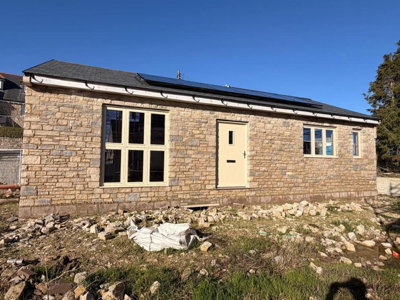
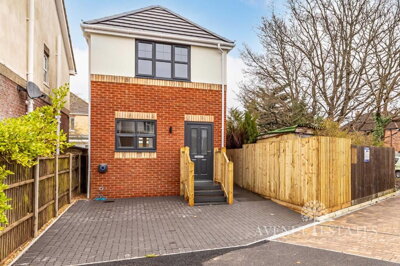
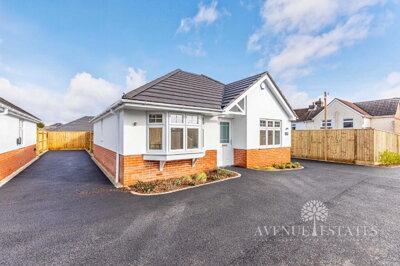
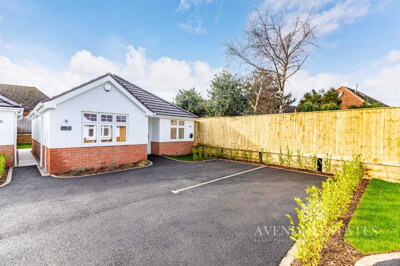
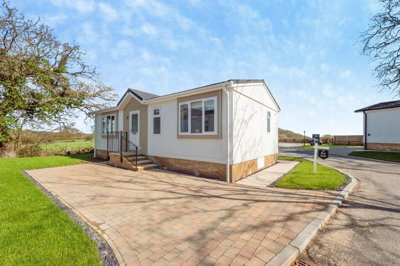
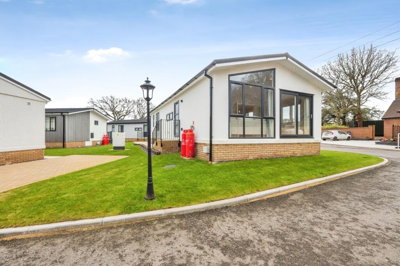
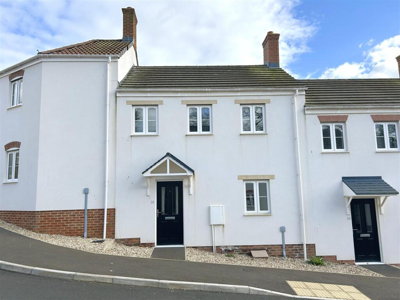
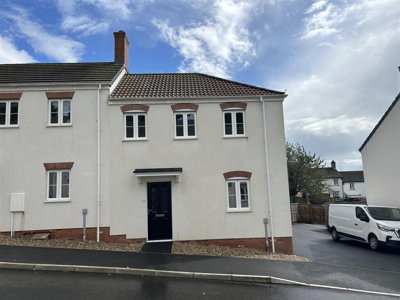
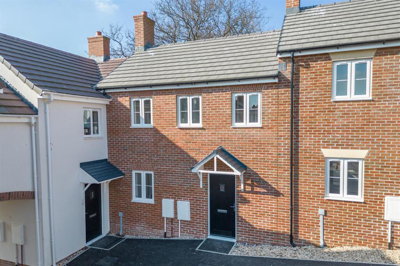
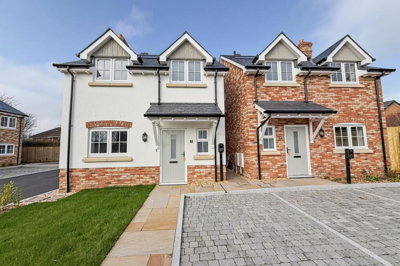
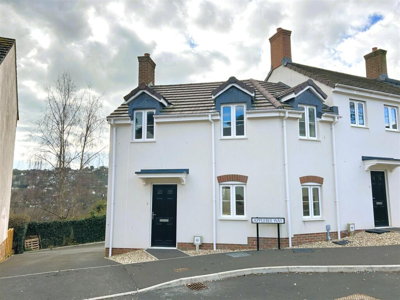
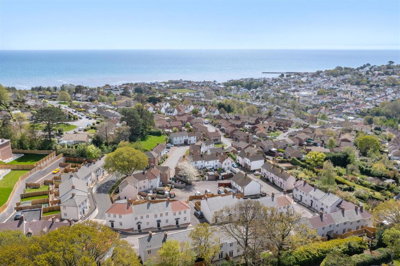
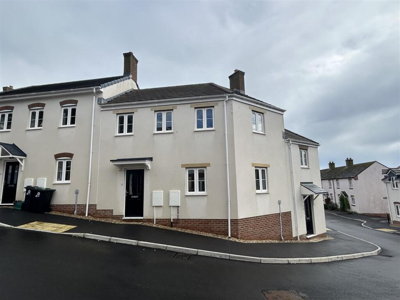
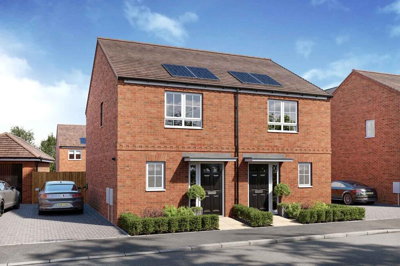
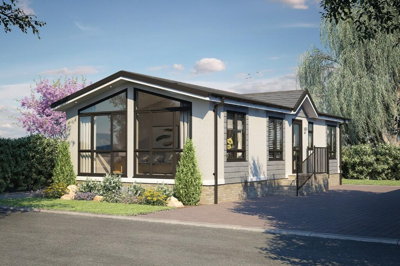
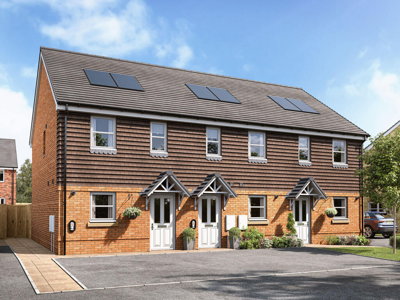
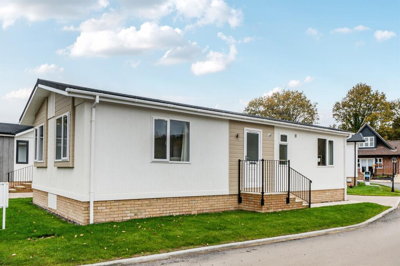
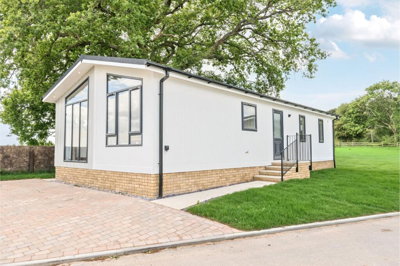
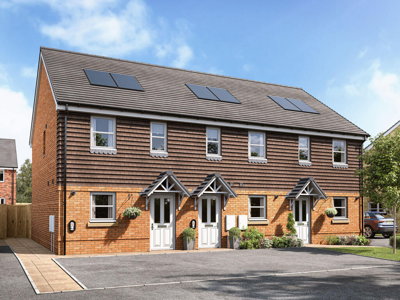
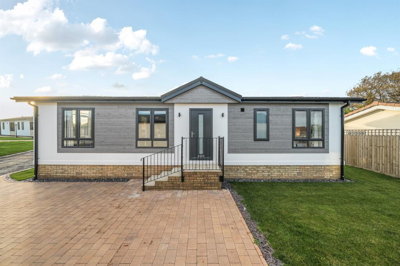
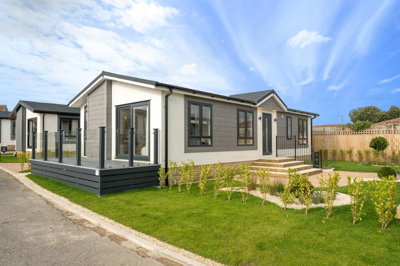
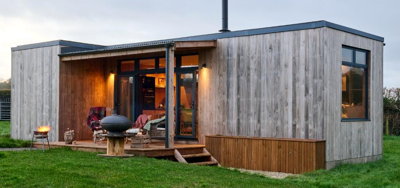
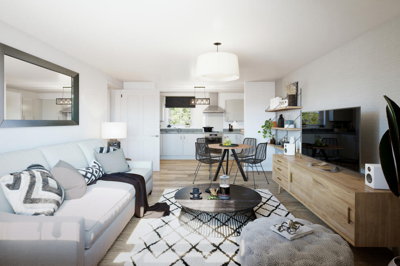
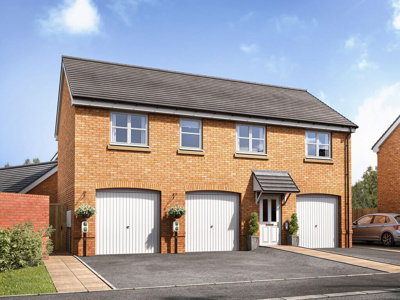
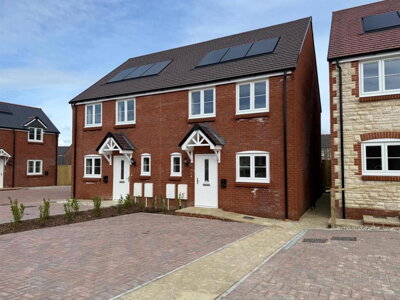
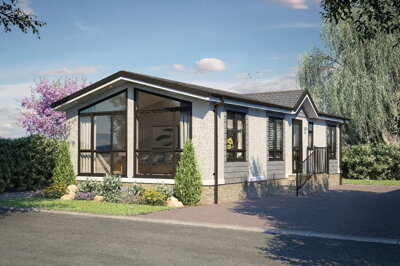
Browse 156 homes new builds in Dorset, England from local developer agents.
The 2 bed house market features detached, semi-detached, and terraced properties with two separate bedrooms plus living spaces. Properties in Dorset range across contemporary developments, with pricing varying across different neighbourhoods.
£280k
410
33
101
Source: home.co.uk
Showing 410 results for 2 Bedroom Houses new builds in Dorset, England. 33 new listings added this week. The median asking price is £280,000.
Source: home.co.uk
Terraced
219 listings
Avg £276,389
Semi-Detached
137 listings
Avg £302,693
Detached
54 listings
Avg £368,129
Source: home.co.uk
Source: home.co.uk
The Dorset housing market presents distinct opportunities across property types. Detached properties command an average of £540,000, reflecting strong demand from families seeking space and privacy. Semi-detached homes average around £347,000, offering excellent value for buyers needing more room than a terraced property provides. Terraced houses in Dorset typically sell for approximately £299,000, making them accessible options for first-time buyers and growing families alike.
Flats in Dorset average £229,000, though prices vary significantly between coastal hotspots and inland villages. The market saw 10,300 property sales in the past twelve months, though transaction volumes dropped by 13.3% compared to the previous year, reflecting broader national trends in buyer activity. New build properties represented just 1.8% of sales, with most new homes selling in the £300,000 to £500,000 range, particularly around the DT11 9 postcode sector which recorded the highest new build activity.
The county's property stock breakdown shows 38% detached homes, 24% flats, 20% terraced houses, and 18% semi-detached properties. This distribution reflects Dorset's blend of suburban development, coastal apartment living, and rural housing. Semi-detached properties showed the strongest price performance over the past year, rising 2.3% according to ONS data, while flats declined 2.4% over the same period. These trends reflect shifting buyer priorities and the continued demand for family-sized accommodation in desirable areas.
For buyers seeking newly constructed homes, the new build market in Dorset remains limited but active. The 187 new build sales recorded between January and December 2025 represent a small fraction of total transactions, meaning most buyers will be purchasing existing properties. When considering period properties, be aware that many Dorset homes built before 1919 feature traditional construction methods including solid brick or stone walls, lime mortar pointing, and original timber framed windows. These materials require different maintenance approaches compared to modern cavity wall construction.

Dorset captures the imagination with its extraordinary natural beauty and distinctive character. The county is home to approximately 772,000 residents across a landscape ranging from the iconic chalk cliffs of the Jurassic Coast to the gentle heathlands of the interior. The population swells significantly during summer months as tourists flock to world-famous destinations including Durdle Door, Lulworth Cove, and the sandy beaches around Bournemouth and Weymouth. This seasonal rhythm shapes local life, with tourism supporting a vibrant hospitality sector and creating employment opportunities throughout the year.
The local economy serves diverse needs, with key sectors including advanced engineering and manufacturing around Poole and Bournemouth, agricultural enterprises across the rural interior, and significant military presence at Bovington Camp (home of the Royal Tank Regiment) and Blandford Camp. Healthcare and education represent major employers countywide, while retirement migration brings sustained demand for bungalows, ground-floor accommodation, and properties with manageable gardens. The property stock reflects this variety, with 38% of homes being detached properties, 24% flats, 20% terraced houses, and 18% semi-detached homes.
Many settlements feature conservation areas protecting the distinctive character of historic towns like Dorchester, Sherborne, Wimborne Minster, and Shaftesbury, where traditional Purbeck stone, Portland stone, and flint construction creates an unmistakable local aesthetic. The county's geology directly influences building styles, with chalk formations visible in the dramatic cliffs at Beachy Head and elsewhere along the coast, while inland areas showcase the characteristic golden limestone that defines many Dorset villages. Understanding these local materials helps buyers appreciate why certain properties require specialist maintenance knowledge, particularly when assessing older buildings for purchase.
The quality of life in Dorset attracts visitors from across the UK and beyond, drawn by extensive walking routes including the South West Coast Path, Areas of Outstanding Natural Beauty covering significant portions of the county, and cultural attractions including the Tank Museum at Bovington, the sculpture park at Sculpture by the Lakes near Dorchester, and numerous farmers markets showcasing local produce. The county's excellent pub and restaurant scene reflects both its agricultural heritage and coastal location, with fresh seafood, locally reared meat, and award-winning local cider and beer widely available throughout the area.
Dorset offers families a strong selection of educational options across all levels. At secondary level, The Gryphon School in Blandford Forum consistently achieves strong academic results and serves as a comprehensive academy with excellent facilities including a dedicated arts centre and sports complex. Gillingham School provides comprehensive education for the north of the county, serving the large Gillingham community and surrounding villages with good transport links. Poole High School and St Aldhelm's Academy serve the Poole and south coast areas respectively, offering diverse curriculum options and extracurricular activities.
Budmouth Academy in Weymouth has built a solid reputation for academic achievement and community involvement, attracting students from across south Dorset. The Purbeck School serves the popular Purbeck peninsula, where demand for school places reflects the area's attractiveness to families. Several towns also have access to grammar schools, with Poole Grammar School and Carter Community School offering selective education options for academically able students. In the Wimborne area, Queen Elizabeth's School provides excellent secondary education, while Corfe Hills School serves the eastern Dorset communities.
Primary education in Dorset features numerous outstanding schools, with many villages maintaining their own primary schools serving local communities. Schools in towns like Shaftesbury, Sherborne, and Verwood consistently achieve good Ofsted ratings, though parents should verify current ratings and understand that these can change over time. The county maintains a good spread of Ofsted-rated good and outstanding primary schools, though parents should verify current Ofsted ratings and catchment area boundaries when choosing a property. School catchment areas can significantly affect property values and desirability, so we recommend confirming which schools serve a property before committing to purchase.
For higher education, Dorset residents access further education colleges including Bournemouth and Poole College and Weymouth College, while the nearby Universities of Bournemouth and Southampton attract older students seeking degree-level qualifications. Bournemouth University has developed strong reputations in areas including media, computing, and tourism studies, while the proximity to Southampton (approximately 30 minutes by train) provides easy access to the University of Southampton for Dorset residents. Families relocating to Dorset will find the educational landscape supports academic achievement across all age groups, making the county particularly appealing to parents prioritising their children's schooling.
Dorset's transport connections have improved significantly in recent years, making the county increasingly accessible for commuters. The mainline railway serves key towns including Bournemouth, Poole, Dorchester, and Weymouth, with South Western Railway services providing regular connections to London Waterloo. Journey times from Bournemouth to London take approximately two hours, while Dorchester connects to the capital in around two and a half hours. This makes Dorset viable for weekly commuting while enjoying an enviable quality of life that would be impossible in the capital at comparable property prices.
Road infrastructure centres on the A35 which runs east-west through the county, connecting Southampton to Exeter via Bournemouth, Poole, Dorchester, and Bridport. The A31 provides north-south access to the New Forest and links with the M27 motorway towards Portsmouth and Southampton, completing the major route network that connects Dorset to the wider region. The recently upgraded sections of these roads have reduced congestion at peak times, though summer traffic to coastal destinations can still cause significant delays on weekends and holidays.
Local bus services operated by morebus and other providers connect towns and villages throughout the county, though car ownership remains important for accessing many rural communities. Communities in areas like the Marshwood Vale, the Dorset Downs, and north Dorset villages often rely heavily on private transport due to limited public options. Cyclists benefit from both the Dorset coast path and inland routes including the Castleman Trailway, while ferry services from Poole connect to the Channel Islands, opening opportunities for island getaways and continental travel. Parking availability varies between towns, with coastal hotspots experiencing significant pressure during summer months, particularly in popular destinations like Swanage, Lyme Regis, and Durdle Door.
For commuters working in Bournemouth or Poole, many choose to live in surrounding areas including Ferndown, Wimborne, and Broadstone, which offer more affordable property prices while maintaining reasonable commute times. The average commute in Dorset tends to be shorter than in major cities, with many residents able to reach their workplace within 30 minutes. The introduction of improved digital connectivity across the county has also enabled more flexible working arrangements, allowing some residents to reduce their commuting frequency while maintaining employment in major urban centres.
Before viewing properties, obtain a mortgage agreement in principle from a lender. This demonstrates your financial credibility to estate agents and sellers while helping you understand your true budget. In Dorset where median prices hover around £381,000, securing appropriate mortgage terms is essential before committing to viewings. We recommend speaking with at least two lenders or a mortgage broker to compare rates, as different providers offer varying deals for properties in different price ranges and of different types. For properties approaching £500,000, you will typically need larger deposits to secure competitive rates, so understanding your borrowing capacity early prevents disappointment later.
Spend time exploring different areas of Dorset to find the community that suits your lifestyle. Whether you prioritise coastal proximity in Poole, market town charm in Blandford Forum, or rural seclusion in the Dorset Downs, each area offers distinct advantages. Consider your daily commute needs, school catchment requirements, and access to amenities when narrowing your search. The difference between living in a coastal hotspot like Sandbanks and an inland village like Hazelbury Bryan is substantial in terms of property prices, lifestyle, and day-to-day convenience, so take time to experience different areas before committing.
Once you have identified suitable properties, arrange viewings through Homemove or directly with estate agents. View properties at different times of day to assess noise levels, traffic, and neighbourhood character. In popular coastal areas like Bournemouth, Poole, and Swanage, be prepared for competition and view new listings promptly to avoid missing opportunities. We recommend viewing at least three properties in your target area before making an offer, as this gives you a realistic picture of current market conditions and helps you identify genuine value.
Before completing your purchase, instruct a qualified RICS surveyor to conduct a Level 2 Survey. Given Dorset's varied property stock, including many historic buildings with traditional construction, a professional survey is essential to identify potential issues such as damp, roof defects, timber decay, or subsidence risk from clay soils. We work with local surveyors who understand Dorset's specific construction types, from Portland stone terraces in Portland to thatched cottages in the Blackmore Vale. The survey cost typically ranges from £400 to £1,000 depending on property value, and this investment can save you thousands by revealing defects before you commit.
Appoint a solicitor experienced in Dorset property transactions to handle the legal work. They will conduct searches with Dorset Council, investigate title details, and manage the transfer of ownership. Local knowledge is valuable given the county's conservation areas, flood risk zones, and varied property types. Your solicitor should specifically check for any planning restrictions, environmental hazards, and rights of way that might affect your enjoyment of the property. Conveyancing typically takes 8-12 weeks in straightforward cases but can take considerably longer if issues arise with searches or a leasehold property requires additional investigation.
Once all searches are satisfactory and finances are confirmed, you will exchange contracts and pay your deposit, typically 10% of the purchase price. Completion typically follows within days or weeks, depending on your chain position and the coordination of multiple parties. On completion day, you will receive your keys and can begin your new life in Dorset. We recommend arranging building insurance to commence from the exchange date, as this is when you become legally responsible for the property.
Property buyers in Dorset should be aware of several area-specific considerations that can significantly impact their purchase. Flood risk affects properties near major rivers including the Stour, Frome, Piddle, and Brit, as well as coastal areas in Poole, Christchurch, and Weymouth. Always check the Environment Agency flood risk maps and consider the property's history of flooding before committing. Properties in flood-prone areas may face higher insurance premiums and potential difficulty obtaining mortgages, so understanding your exposure is crucial. Towns particularly affected by flood risk include Blandford Forum, Dorchester, Wareham, and Wimborne Minster, where the river valleys create floodplains that have historically experienced periodic flooding during sustained wet periods.
The county's diverse geology brings specific challenges, with clay soils in low-lying areas presenting shrink-swell risks that can cause subsidence, particularly where mature trees are present. We regularly see evidence of this in our survey reports for properties in areas like the Stour valley and around Poole, where clay heave has affected properties with original shallow foundations. Many Dorset properties are built using traditional materials including Portland stone, Purbeck stone, flint, and lime mortar, which require different maintenance approaches to modern brick construction. If considering an older property, assess whether it has been sympathetically modernised while retaining its original character. Properties with thatched roofs require specialist insurance and maintenance knowledge, and you should budget for regular professional inspections and cleaning to maintain coverage.
Conservation areas are prevalent throughout Dorset, with strict planning controls affecting permitted development rights and exterior alterations. If you plan to extend or modify a period property, verify the conservation area status and any Article 4 directions that may apply, as these can remove permitted development rights that would otherwise apply. Properties in conservation areas often have restrictions on exterior paint colours, window replacements, and garden boundaries. The thousands of listed buildings across the county carry additional obligations, requiring listed building consent for many alterations that would otherwise not require planning permission.
Leasehold properties, common in coastal apartment developments across Bournemouth, Poole, and Weymouth, require careful scrutiny of service charges, ground rent terms, and remaining lease length. With flats averaging £199,000 to £229,000 depending on source, understanding these costs prevents unwelcome surprises after purchase. We recommend requesting the last three years of service charge invoices and understanding what maintenance is included. Cladding issues following the Grenfell tragedy have affected some apartment buildings nationally, and you should ask specifically whether any remediation work has been completed or is planned. Ground rent clauses should be checked carefully, as historic leases sometimes include escalating clauses that have become burdensome.
The average house price in Dorset stands at approximately £381,000 according to recent ONS data, with asking prices on Rightmove averaging £387,533 over the past year. Detached properties command around £540,000, while semi-detached homes average £347,000 and terraced houses sell for approximately £299,000. Flats represent the most affordable option at around £229,000. The market has shown modest decline of 2% year-on-year, making this a relatively stable time to purchase compared to the 2022 peak of £409,000. However, property prices vary substantially by location, with seafront properties in areas like Sandbanks and Canford Cliffs commanding significant premiums over similar properties just a few streets inland.
Properties in Dorset fall under Dorset Council jurisdiction for most areas, with council tax bands ranging from A to H depending on property value and type. Band A properties in the county typically pay around £1,400 annually, while Band H properties can pay over £3,500. Exact amounts vary annually, so prospective buyers should verify current rates with Dorset Council before budgeting. Coastal properties with sea views and rural homes with land may fall into higher bands reflecting their market value, while smaller flats and terraced properties commonly fall into Bands A to C.
Dorset offers strong educational options at all levels, with notable secondary schools including The Gryphon School in Blandford Forum, Gillingham School, and Budmouth Academy in Weymouth. Primary education is well-served with numerous good and outstanding schools throughout the county. Families should verify current Ofsted ratings and school catchment boundaries, as these can change and significantly affect which schools your children can attend from a given address. The grammar school system in Poole and surrounding areas means that primary school choices can determine secondary education options, making catchment area verification essential when buying a family home.
Dorset is well-connected by rail, with mainline services from Bournemouth, Poole, Dorchester, and Weymouth providing regular connections to London Waterloo in approximately two to two and a half hours. The A35 and A31 provide major road arteries, connecting the county to Southampton and beyond via the M27. Local bus services operate throughout the county, though car ownership remains advantageous for accessing rural communities and villages. The mainline railway stations at Bournemouth, Poole, and Dorchester offer regular services, with Bournemouth providing the fastest connections to the capital.
Dorset offers several compelling investment characteristics, including strong rental demand driven by tourism, military personnel at Bovington and Blandford Camp, and professionals working in Bournemouth and Poole. The county's popularity as a retirement destination supports demand for ground-floor accommodation and bungalows. However, investors should note the median price to earnings ratio of 9.8, which suggests elevated prices relative to local incomes. Holiday let potential is strong in coastal areas, particularly around Swanage, Lyme Regis, and the Purbeck peninsula, though regulations and planning requirements for holiday lets should be carefully researched as these have become stricter in recent years.
Stamp duty rates from April 2025 start at 0% for properties up to £250,000, rising to 5% on the portion between £250,001 and £925,000, 10% up to £1.5 million, and 12% above that. First-time buyers benefit from relief on the first £425,000, paying 5% between £425,001 and £625,000. For a typical Dorset property at £381,000, a standard buyer would pay approximately £6,550 in stamp duty, while first-time buyers would pay nothing if the property qualifies for full relief. Second home buyers should budget for an additional 3% surcharge on all portions of the purchase price.
Understanding the full cost of buying property in Dorset extends beyond the purchase price. Stamp duty land tax represents the most significant additional cost, calculated on a tiered basis from April 2025. For a typical Dorset home at £381,000, a non-first-time buyer would pay £6,550 in stamp duty. First-time buyers purchasing properties up to £425,000 pay no stamp duty, saving £6,550 on qualifying purchases. Between £425,001 and £625,000, the rate applies at 5% on the amount above £425,000.
Beyond stamp duty, budget for solicitor fees averaging £800 to £1,500 for conveyancing work including local searches, title registration, and transaction management. Your solicitor will conduct essential searches including the local authority search (revealing planning history and any outstanding notices), environmental search (checking for contamination and flood risk), and water and drainage search. For properties in Dorset, we recommend requesting additional drainage searches given the varied ground conditions and septic tank arrangements common in rural areas. Survey costs for a RICS Level 2 Survey typically range from £350 to £600 depending on property value, while a full Level 3 Structural Survey may cost £600 to £1,000 or more for complex properties.
Mortgage arrangement fees vary by lender, commonly 0.5% to 1.5% of the loan amount, though many deals offer fee-free options with slightly higher interest rates. A mortgage valuation fee, typically £300 to £500, is usually required by the lender and provides a basic assessment of the property for lending purposes. Removal costs depend on distance and volume but typically range from £500 to £2,500, while land registry fees are modest at approximately £150. Building insurance should commence from the date of contract exchange, with annual premiums varying substantially based on property value, type, and flood risk.
For a £381,000 property in Dorset, expect to budget around £11,000 to £19,000 above your deposit for these additional costs. This estimate assumes a standard purchase with no major issues identified in searches or surveys. If your survey reveals defects requiring negotiation with the seller, budget for potential price reductions or repair contributions. We recommend setting aside an additional contingency of 2-3% of the purchase price to cover unexpected costs that commonly arise during property purchases in Dorset, particularly for older properties where defects may not be visible during viewings.
Properties New Builds In London

Properties New Builds In Plymouth

Properties New Builds In Liverpool

Properties New Builds In Glasgow

Properties New Builds In Sheffield

Properties New Builds In Edinburgh

Properties New Builds In Coventry

Properties New Builds In Bradford

Properties New Builds In Manchester

Properties New Builds In Birmingham

Properties New Builds In Bristol

Properties New Builds In Oxford

Properties New Builds In Leicester

Properties New Builds In Newcastle

Properties New Builds In Leeds

Properties New Builds In Southampton

Properties New Builds In Cardiff

Properties New Builds In Nottingham

Properties New Builds In Norwich

Properties New Builds In Brighton

Properties New Builds In Derby

Properties New Builds In Portsmouth

Properties New Builds In Northampton

Properties New Builds In Milton Keynes

Properties New Builds In Bournemouth

Properties New Builds In Bolton

Properties New Builds In Swansea

Properties New Builds In Swindon

Properties New Builds In Peterborough

Properties New Builds In Wolverhampton

Enter your details to see if this property is within your budget.
Loans, cards, car finance
Estimated property budget
Borrowing + deposit
You could borrow between
Typical borrowing
Monthly repayment
Est. at 4.5%
Loan-to-value
This is an estimate only. Your actual budget may vary depending on interest rates, credit history, and personal circumstances. For an accurate affordability assessment, speak to one of our free mortgage advisors.
This calculator provides estimates for illustrative purposes only and does not constitute financial advice. Your home may be repossessed if you do not keep up repayments on your mortgage. Estimates based on 4.5% interest rate, repayment mortgage. Actual rates depend on your circumstances.
Homemove is a trading name of HM Haus Group Ltd (Company No. 13873779, registered in England & Wales). Homemove Mortgages Ltd (Company No. 15947693) is an Appointed Representative of TMG Direct Limited, trading as TMG Mortgage Network, which is authorised and regulated by the Financial Conduct Authority (FRN 786245). Homemove Mortgages Ltd is entered on the FCA Register as an Appointed Representative (FRN 1022429). You can check registrations at NewRegister or by calling 0800 111 6768.

We use cookies to show you personalised content and improve your experience of our website. Find out more in our Privacy policy and Cookie policy.