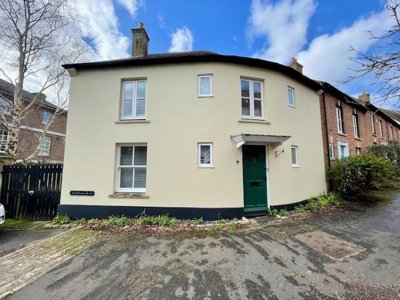
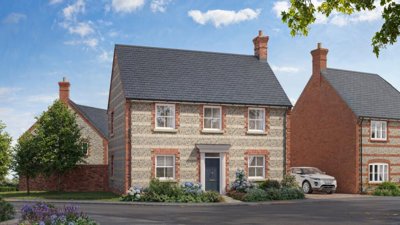
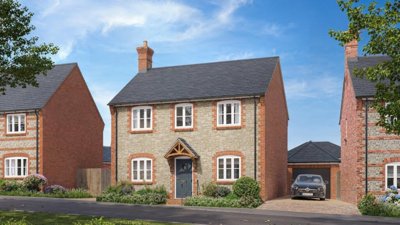
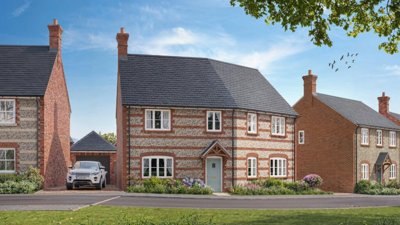
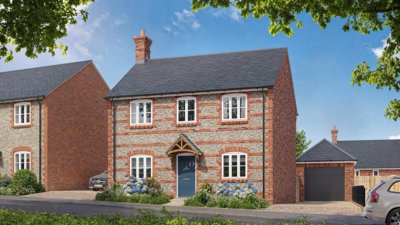
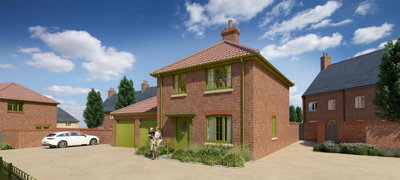
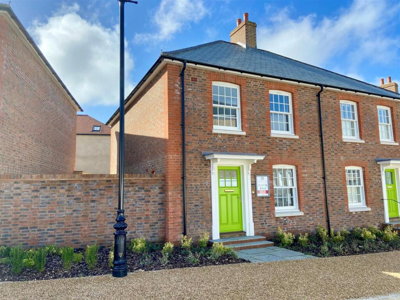
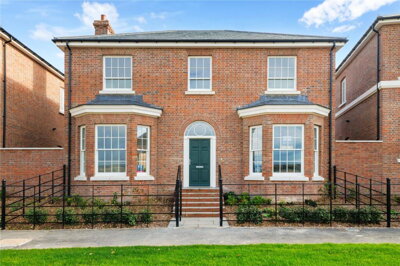
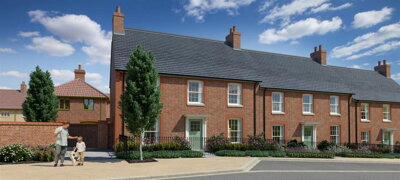
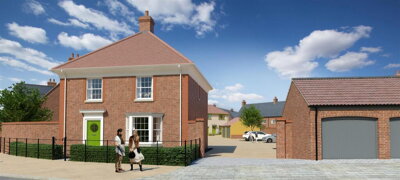
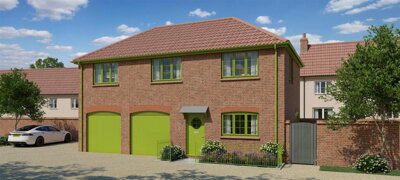
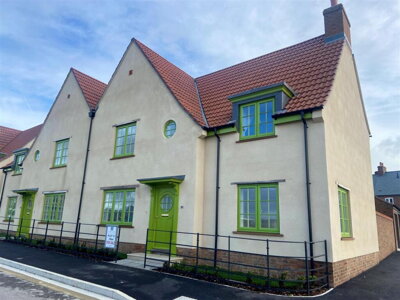
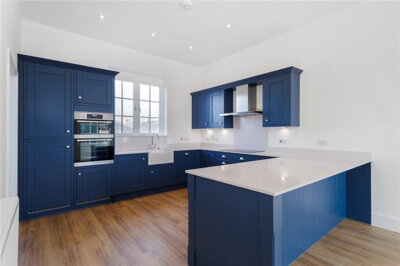
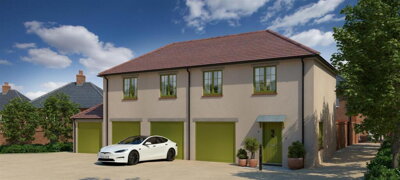
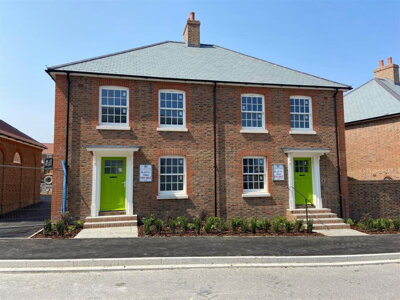
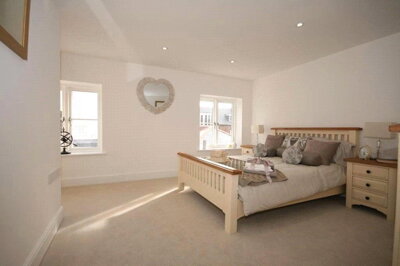
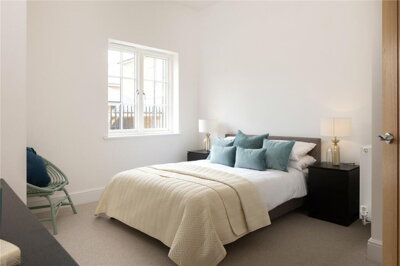
Browse 25 homes new builds in Dorchester, Dorset from local developer agents.
£297k
264
20
114
Source: home.co.uk
Source: home.co.uk
Apartment
88 listings
Avg £256,891
Terraced
33 listings
Avg £385,076
Detached
29 listings
Avg £649,483
Flat
24 listings
Avg £232,698
Semi-Detached
22 listings
Avg £555,680
Retirement Property
21 listings
Avg £191,617
End of Terrace
16 listings
Avg £445,563
Detached Bungalow
5 listings
Avg £427,000
Maisonette
5 listings
Avg £199,000
Coach House
4 listings
Avg £326,250
Source: home.co.uk
Source: home.co.uk
The Dorchester property market has shown remarkable resilience despite broader national uncertainties. Our data shows average property prices of £355,000 to £380,000 across major property portals, with the overall average sitting comfortably around £355,000 according to recent HM Land Registry figures for the Dorchester postcode area. Property values have experienced modest fluctuations, with Rightmove reporting prices 2% down on the previous year and 4% below the 2023 peak, while Property Solvers indicates a modest increase of 0.46% over the last twelve months. This stabilisation reflects Dorchester's enduring appeal as a desirable place to live rather than a speculative investment destination.
Property types in Dorchester cater to diverse buyer requirements. Detached houses average £537,000 on Rightmove data, commanding a premium for space and privacy. Semi-detached properties range from £246,000 for older stock to over £400,000 for quality new builds at developments like Bincombe Park. Terraced homes, which Rightmove identifies as the most commonly sold type in the past year, average around £353,000 for newer properties and approximately £215,000 for period terraced houses from the historical sales data. Flats provide the most accessible entry point, averaging between £168,000 and £225,000 depending on condition and location.
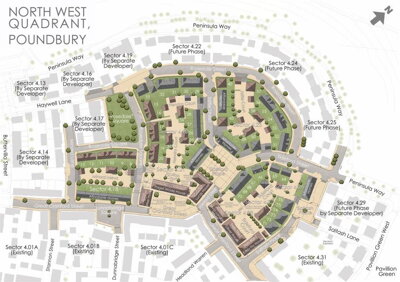
New build activity remains healthy in the Dorchester area, with several developments offering modern homes to buyers. Bincombe Park by Lovell Homes provides 2 to 4 bedroom properties priced from £355,000 for a 3-bedroom semi-detached up to £508,000 for a 4-bedroom detached home, described as being near both coast and countryside. Poundbury, the Duchy of Cornwall's innovative urban extension, continues to deliver new homes designed in traditional architectural styles with sustainable features. Recent new build sales data shows 94 newly built properties sold in the Dorchester postcode area over the past year, with an average price of £413,000, indicating strong demand for contemporary construction in this historic setting.
The DT1 2 postcode area covering central Dorchester has seen house prices grow 0.1% in the last year on a nominal basis, according to Property Solvers analysis. This micro-level data suggests that certain neighbourhoods within the broader Dorchester market are performing slightly better than others, potentially driven by factors such as proximity to rail stations, school catchment areas, and the ongoing development of Poundbury. Buyers researching specific streets or neighbourhoods should examine recent sold prices for comparable properties to understand local market conditions more precisely.

Dorchester, the county town of Dorset, pulses with a unique blend of ancient history and contemporary living. The town derives its name from the Roman settlement of Durovernum Cancellitum, and visitors today can explore the remains of a Roman townhouse, walk along the ancient earthworks, and visit the acclaimed Dorset County Museum to understand the area's fascinating past. Thomas Hardy, who based his fictional "Casterbridge" on Dorchester, spent much of his life here, and his footsteps can be traced through the town via the Hardy Trail. The Twice Upon a Time sculpture near Top o' Town car park commemorates this literary connection, making Dorchester a cultural destination for visitors and residents alike.
The character of Dorchester reflects centuries of architectural evolution. Traditional buildings showcase the distinctive local materials, including warm Hamstone from the surrounding villages and pale Portland limestone. The historic town centre features Georgian facades alongside medieval timber-framed structures, creating an engaging streetscape that rewards exploration. Several conservation areas protect the most significant areas, including portions of the town centre and older residential neighbourhoods. Properties in these areas, including charming Grade II listed cottages, offer exceptional character but require sensitivity when undertaking renovations or maintenance.
Daily life in Dorchester offers practical convenience with genuine community spirit. The weekly market, held each Wednesday, has traded since 1280 and remains a focal point for local producers and artisans. The town centre hosts high street names alongside beloved independent retailers, while the Brewery Square development has introduced contemporary dining options and leisure facilities. Green spaces are plentiful, with the open spaces at Bincombe, Poundbury, and the surrounding countryside providing immediate access to outdoor recreation. The River Frome flows through the town, with walking paths along its banks offering peaceful escapes from urban bustle.
The local economy benefits from Dorchester's position as the county town, with significant public sector employment in local government and administrative functions. The retail and service sectors provide additional employment, while the tourism industry draws visitors to heritage sites, the surrounding countryside, and the nearby Jurassic Coast. These economic fundamentals support the residential property market by maintaining stable employment opportunities that attract buyers seeking to establish themselves in Dorset without relying solely on coastal tourism employment that can be seasonal in nature.
Education provision in Dorchester serves families at every stage of their children's development. Primary education is well represented with several Ofsted-rated good and outstanding schools within the town and surrounding villages. St Mary's Catholic First School provides faith-based education for younger children, while The Antelope Federation encompasses schools including St Nicholas' CE VC First School in Crossways. Parents should research individual school performance data and consider catchment areas when choosing a property, as school places can be competitive in popular areas. The town also offers several primary options in villages like Broadwey, Overcombe, and Preston, providing flexibility for families seeking village or town living.
Secondary education in Dorchester includes both grammar and comprehensive options serving students from across West Dorset. Dorchester Grammar School, founded in 1579, maintains selective admissions and consistently achieves strong academic results, making it a draw for families throughout the region. The Gryphon School in neighbouring Bristol Road serves students who do not meet grammar school criteria but seek comprehensive secondary education, with specialist status in maths and computing. For families considering private education, St Mary's School provides independent secondary education for girls, while co-educational options exist at institutions in surrounding towns.
Post-16 education and training opportunities support young people beyond GCSE. The Dorchester Technical Centre and local college partnerships provide vocational pathways, while the comprehensive sixth form provision at grammar and comprehensive schools allows students to continue their education locally. Higher education access is facilitated through regular bus services connecting to universities in Bournemouth, Poole, and Exeter, with students commuting daily or relocating during term time. Families moving to Dorchester should verify current school admissions policies and consider how catchment boundaries might affect their options, as catchment areas can influence property values and demand in specific neighbourhoods.
The competition for school places in Dorchester reflects the broader appeal of the town to families. Properties within walking distance of Dorchester Grammar School or the better-performing primary schools often command a premium in the local market. First-time buyers and growing families should factor school catchment boundaries into their property search, as being on the wrong side of a boundary can affect not only daily logistics but also long-term investment value. Many estate agents in Dorchester can provide guidance on which streets fall within popular school catchments.

Dorchester benefits from excellent rail connections that position the town within comfortable reach of major employment centres. Dorchester South railway station provides direct services to London Waterloo, with journey times of approximately 2 hours 40 minutes. Dorchester North offers additional flexibility, with services connecting through to Bristol, Bath, and the wider rail network. Both stations are located within walking distance of the town centre, making train travel a practical daily option for commuters working in the capital or other regional hubs. The relatively quick journey time to London, combined with significantly lower property prices compared with commuter belt areas, makes Dorchester attractive to buyers seeking better value while maintaining career options in the city.
Road connectivity serves drivers well, with the A35 providing the main east-west route through Dorchester. This strategic road connects the town to the major population centres of Bournemouth and Poole to the east, and to Exeter and the South West peninsula to the west. The A37 runs north-south, linking Dorchester to Yeovil and the M5 motorway corridor beyond. Bristol lies approximately 75 miles north via these routes, making it accessible for occasional business travel or weekend visits. Local bus services operated by First Dorset and other providers connect Dorchester with surrounding villages, coastal towns including Weymouth and Portland, and tourist destinations throughout Dorset.
For those who cycle, Dorchester has invested in infrastructure including the Dorset Cycle Hub, which provides routes connecting the town with surrounding countryside and coastal paths. The traffic-free path to Weymouth is particularly popular, enabling safe cycling to the seaside in around 45 minutes. However, those considering daily commuting by bicycle to train stations should verify secure parking provision at their nearest station. Parking in Dorchester town centre is generally adequate, with several public car parks available, though availability during peak times or events can be limited. The balance of transport options makes Dorchester practical for those who need to commute occasionally while enjoying a lifestyle less dependent on car travel than many rural Dorset locations.
The commute to Bournemouth and Poole, where significant employment opportunities exist in sectors including finance, technology, and healthcare, typically takes around 30 to 45 minutes by car via the A35. This makes Dorchester viable for those working in the Poole/Bournemouth conurbation while preferring the character and community feel of a smaller town. The presence of regular train services also means that some buyers may choose to live in Dorchester and commute to London occasionally or weekly, taking advantage of the significant property price differential between Dorset and the capital.

Explore online listings to understand property values across different neighbourhoods, from Poundbury new builds to period properties in the town centre. Note that prices vary significantly between detached houses averaging over £500,000 and terraced homes offering better value around £215,000 to £350,000. Pay particular attention to specific postcodes, as DT1 2 covering central Dorchester has shown slightly different price trends to surrounding areas. Understanding the distinction between modern developments like Bincombe Park and period properties in conservation areas will help you narrow your search effectively.
Contact lenders or use Homemove's mortgage comparison service to secure an agreement in principle before making offers. This demonstrates your financial credibility to sellers and speeds up the buying process once you find your ideal Dorchester home. Given that average property prices in Dorchester hover around £355,000, a mortgage of approximately £300,000 to £320,000 would be typical for buyers with a 10% deposit. Speak to lenders familiar with the Dorset market who understand the value propositions of different property types, from modern apartments to period cottages.
Visit properties across multiple price ranges and locations within Dorchester, from the conservation areas around South Street to the modern amenities of Poundbury. Consider factors including flood risk near the River Frome, proximity to schools, and access to rail stations. When viewing period properties, pay attention to the condition of original features, the presence of modern damp-proof courses, and the adequacy of electrical and plumbing systems that may date from previous decades. Take photographs and notes to compare properties after viewings.
For properties over 50 years old, particularly those with period features or in conservation areas, a Level 2 survey helps identify issues like damp, structural movement, or outdated electrics common in Dorchester's older housing stock. Given the prevalence of solid wall construction in pre-1919 properties throughout Dorchester, a thorough inspection can reveal hidden defects that might not be apparent during a standard viewing. Properties with Portland stone or Hamstone elevations may show signs of weathering or structural movement that require specialist assessment.
Choose a conveyancing specialist familiar with Dorset properties to handle your legal work. They will conduct searches, check planning permissions for any extensions or alterations, and manage the complex process of purchasing in a historic town with listed buildings. Local solicitors understand the specific implications of conservation area designations and listed building status, ensuring that any conditions attached to your purchase are clearly explained. They will also conduct environmental searches that may reveal flood risk information relevant to properties near the River Frome.
Once surveys are satisfactory and legal searches return acceptable results, you can exchange contracts and set a completion date. Ensure you have buildings insurance in place from exchange, particularly for properties near flood risk areas along the River Frome. On completion day, collect your keys from the estate agent and take meter readings. Allow time to change utilities into your name and notify the council of your move. Consider the timings of school terms if moving with children, as mid-term moves can disrupt education.
Dorchester's rich architectural heritage brings specific considerations for buyers. Properties built before 1919, which represent a significant proportion of the local housing stock, often feature traditional construction methods that differ substantially from modern standards. Solid walls instead of cavity insulation, older electrical wiring, and period plumbing systems are common in Victorian and Edwardian terraced houses found throughout the town centre. A thorough survey can identify whether these features require updating or present potential hazards. Listed buildings, which are numerous in Dorchester's conservation areas, require Listed Building Consent for many alterations and carry additional maintenance responsibilities that should factor into your purchasing decision.
The local geology presents environmental considerations that buyers should understand. Dorchester sits on the River Frome, and properties in low-lying areas near the river may face flood risk during periods of heavy rainfall. The Dorset Echo regularly reports flooding incidents affecting town centre roads and main routes when water levels rise. While not all areas are equally affected, buyers should check the Environment Agency flood risk maps and consider whether properties have appropriate flood resilience measures installed. Properties in valleys or near watercourses deserve particular scrutiny regarding drainage and historical flooding incidents.
Building materials throughout Dorchester reflect the local geology and traditions. Portland stone and Hamstone feature prominently in older properties, creating the characteristic warm tones that define much of the town's architecture. These materials are generally durable but may require specialist maintenance. Render finishes, common on more recent properties, can hide underlying issues if poorly applied. Surveyors will check for signs of structural movement, which may indicate foundation issues related to the local clay deposits in some areas. Newer developments in Poundbury use traditional design principles with modern construction methods, offering different characteristics that may suit buyers seeking lower maintenance properties.
Properties in conservation areas carry additional responsibilities that buyers should understand before committing to a purchase. While permitted development rights are more limited in these areas, meaning exterior alterations often require planning permission, this restriction can also protect the character and value of your investment. The presence of a conservation area designation may influence mortgage valuations and insurance premiums, so it is worth discussing these implications with your lender and insurer early in the buying process. Properties along streets like South Street, with their concentration of historic buildings, represent both character and commitment.

The average property price in Dorchester ranges from £355,000 to £380,000 depending on the data source. According to recent figures from property portals, the median price is approximately £316,000, while Rightmove reports an average of £357,308 for the past year. Detached properties command the highest prices averaging over £530,000, while terraced homes offer more accessible entry points around £215,000 to £350,000 depending on condition and location. Plumplot data for the DT1 and DT2 postcode areas shows 3,100 sales over the past year, though this figure represents a 10.5% decline in transaction volumes compared to the previous year.
Dorchester falls under Dorset Council, formerly North Dorset District Council and West Dorset District Council combined following local government reorganisation. Council tax bands range from A through to H based on property value, with most standard 3-bedroom houses in Dorchester falling into bands C to E. Exact bands depend on the specific property, and buyers can verify current banding through the Valuation Office Agency website or their solicitor during conveyancing. Properties in Poundbury, being newer constructions, typically fall into mid-range bands reflecting their contemporary build quality and standard specification.
Dorchester Grammar School is the standout secondary option, with its selective admissions and strong academic results attracting families throughout the region. Founded in 1579, the school maintains its reputation for academic excellence and remains oversubscribed in most years. For primary education, several schools including St Mary's Catholic First School and schools within The Antelope Federation are rated good or outstanding by Ofsted. The Gryphon School provides comprehensive secondary education, and parents should research individual school performance data and consider catchment areas when choosing a property, as school admission policies can significantly affect daily family life.
Dorchester has two railway stations offering direct services to London Waterloo in around 2 hours 40 minutes from Dorchester South. The town also connects to Bristol and the wider rail network via Dorchester North. Local bus services operated by First Dorset link Dorchester with surrounding villages, Weymouth, and coastal destinations. For commuters working in Bournemouth, Poole, or London, the transport connections make Dorchester practical despite its rural location. The journey to London Waterloo compares favourably with many more expensive commuter towns, making Dorchester attractive to those seeking better value housing while maintaining London access.
Dorchester offers stable property values compared with more volatile markets, though capital growth may be more modest than some urban areas. The town's appeal as a retirement destination, the presence of second homeowners drawn to Dorset's coast and countryside, and reasonable commuter connections support demand. Properties in Poundbury benefit from the sustainable design principles of the Duchy of Cornwall development. However, buyers seeking rapid appreciation should consider that Dorchester is primarily a residential rather than speculative investment market. Zoopla's analysis suggests that markets like Dorchester with higher second home ownership and longer-distance commuting have seen some cooling following the return to office-based work and increases in council tax for second homes.
Standard Stamp Duty Land Tax rates apply to Dorchester as in the rest of England. From April 2025, no SDLT is payable on the first £250,000 of residential property value, with 5% charged between £250,001 and £925,000, 10% between £925,001 and £1.5 million, and 12% above £1.5 million. First-time buyers relief raises the nil-rate threshold to £425,000, with 5% between £425,001 and £625,000. Given Dorchester's average price around £355,000, a first-time buyer purchasing an average property would pay no stamp duty. A buyer purchasing at the average price without first-time buyer status would pay approximately £5,250 in SDLT.
Dorchester's older properties, particularly those in conservation areas or with listed status, require careful inspection. Common issues include damp related to inadequate damp-proof courses, roof condition on period properties, outdated electrical systems that may not meet current standards, and potential structural movement related to local ground conditions. Properties near the River Frome should be checked for flood risk history, as the Dorset Echo regularly reports flooding incidents in the area. A RICS Level 2 or Level 3 survey is recommended before purchase, with Level 3 being particularly advisable for listed buildings or properties showing signs of structural concern. Asbestos may be present in properties built before 2000, so surveys should include assessment of this risk.
From 4.5% APRC
Compare mortgage deals from leading lenders
From £499
Expert property solicitors for your Dorchester purchase
From £350
Comprehensive inspection for properties in Dorchester
From £75
Energy performance certificate for your new home
Understanding the full cost of purchasing property in Dorchester helps buyers budget accurately and avoid surprises. Beyond the property price, immediate costs include Stamp Duty Land Tax, solicitor fees, and survey charges. Standard SDLT rates from April 2025 apply to all properties in Dorchester, with no duty payable on the first £250,000 of purchase price. For a typical Dorchester property averaging around £355,000, this means SDLT of approximately £5,250 under standard rates, rising to nil for first-time buyers who qualify for relief on the portion up to £425,000. These thresholds apply to the entire purchase price, so accurately calculating your liability depends on your buyer status and whether you have previously owned property.
Legal costs for purchasing in Dorchester typically range from £500 to £1,500 depending on complexity. Standard conveyancing for a freehold property involves searches, contracts, and registration, while leasehold purchases or properties in conservation areas with listed buildings may require additional work. Survey costs depend on property type and the level of inspection required. A RICS Level 2 survey for a standard terraced house costs from £350, while larger properties or those requiring more detailed inspection may need a Level 3 Building Survey from £600. For properties over 100 years old or with significant alterations, the additional cost of a thorough survey provides valuable protection against unexpected defects that could cost thousands to remedy.
Moving costs including removals, storage, and any immediate improvements should also feature in your budget. Dorchester's relatively central Dorset location means removals from London or other major cities will likely cost more than local moves. Utility connection charges, council tax payments from completion, and buildings insurance from the point of exchange all add to initial outgoings. First-time buyers purchasing with a mortgage will need deposit funds typically between 5% and 15% of purchase price, plus budget for mortgage arrangement fees if choosing a deal with these charges. Careful budgeting across all these elements ensures a smooth path to completion on your new Dorchester home.
When calculating your total budget, remember to factor in mortgage arrangement fees which typically range from £0 to £2,000 depending on the deal chosen. Some buyers prefer paying a higher interest rate in exchange for no arrangement fee, while others opt for the upfront fee to secure a lower rate. Local search fees in the Dorchester area are generally standard for Dorset, and your conveyancer will provide a detailed breakdown of all legal costs before proceeding. Getting quotes from multiple solicitors can help ensure competitive pricing for what is often a significant expense in the buying process.

Properties New Builds In London

Properties New Builds In Plymouth

Properties New Builds In Liverpool

Properties New Builds In Glasgow

Properties New Builds In Sheffield

Properties New Builds In Edinburgh

Properties New Builds In Coventry

Properties New Builds In Bradford

Properties New Builds In Manchester

Properties New Builds In Birmingham

Properties New Builds In Bristol

Properties New Builds In Oxford

Properties New Builds In Leicester

Properties New Builds In Newcastle

Properties New Builds In Leeds

Properties New Builds In Southampton

Properties New Builds In Cardiff

Properties New Builds In Nottingham

Properties New Builds In Norwich

Properties New Builds In Brighton

Properties New Builds In Derby

Properties New Builds In Portsmouth

Properties New Builds In Northampton

Properties New Builds In Milton Keynes

Properties New Builds In Bournemouth

Properties New Builds In Bolton

Properties New Builds In Swansea

Properties New Builds In Swindon

Properties New Builds In Peterborough

Properties New Builds In Wolverhampton

Enter your details to see if this property is within your budget.
Loans, cards, car finance
Estimated property budget
Borrowing + deposit
You could borrow between
Typical borrowing
Monthly repayment
Est. at 4.5%
Loan-to-value
This is an estimate only. Your actual budget may vary depending on interest rates, credit history, and personal circumstances. For an accurate affordability assessment, speak to one of our free mortgage advisors.
This calculator provides estimates for illustrative purposes only and does not constitute financial advice. Your home may be repossessed if you do not keep up repayments on your mortgage. Estimates based on 4.5% interest rate, repayment mortgage. Actual rates depend on your circumstances.
Homemove is a trading name of HM Haus Group Ltd (Company No. 13873779, registered in England & Wales). Homemove Mortgages Ltd (Company No. 15947693) is an Appointed Representative of TMG Direct Limited, trading as TMG Mortgage Network, which is authorised and regulated by the Financial Conduct Authority (FRN 786245). Homemove Mortgages Ltd is entered on the FCA Register as an Appointed Representative (FRN 1022429). You can check registrations at NewRegister or by calling 0800 111 6768.

We use cookies to show you personalised content and improve your experience of our website. Find out more in our Privacy policy and Cookie policy.