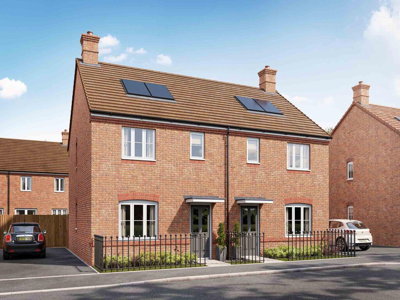
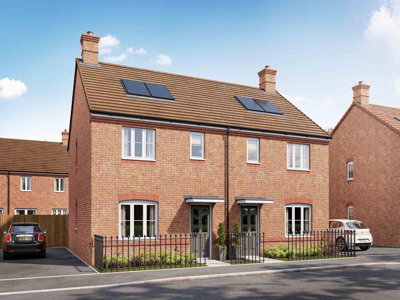
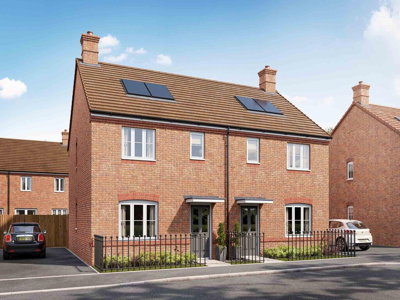
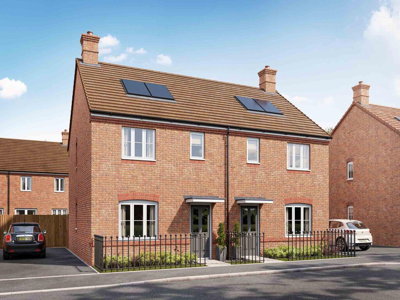
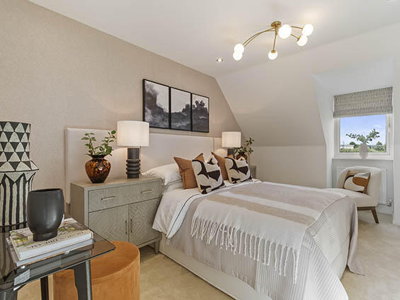
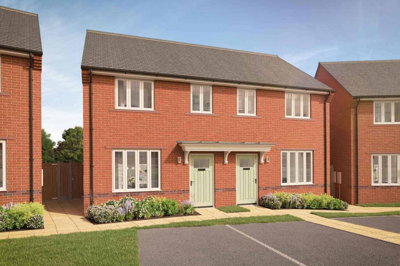
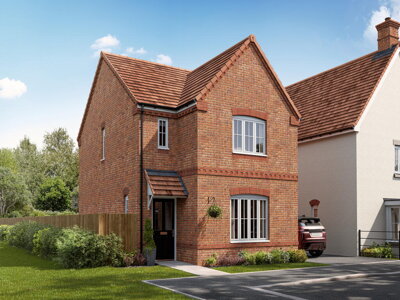
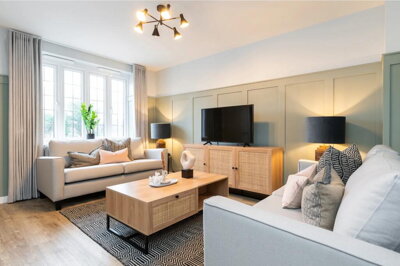
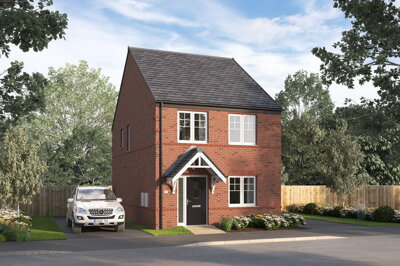
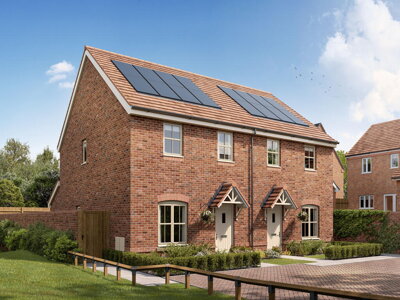
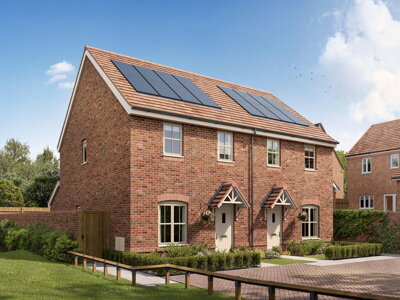
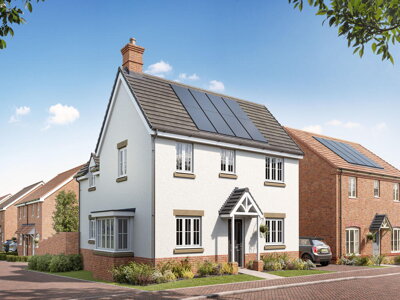
Browse 19 homes new builds in Desborough, North Northamptonshire from local developer agents.
Three bedroom properties represent a significant portion of the Desborough housing market, offering space for families with multiple reception rooms and gardens in many cases. Browse detached, semi-detached, and terraced options ranging across new residential developments.
£267k
46
7
86
Source: home.co.uk
Showing 46 results for 3 Bedroom Houses new builds in Desborough, North Northamptonshire. 7 new listings added this week. The median asking price is £267,475.
Source: home.co.uk
Detached
20 listings
Avg £311,645
Semi-Detached
19 listings
Avg £236,568
Terraced
7 listings
Avg £210,000
Source: home.co.uk
Source: home.co.uk
The Desborough property market has demonstrated steady and consistent growth, with overall house prices increasing by 2.15% over the past twelve months. This stable upward trajectory reflects the town's enduring appeal as a residential destination, particularly for those seeking value relative to nearby larger towns. The current average property price stands at £265,584, positioning Desborough as an accessible option within the Northamptonshire housing market while still offering properties that have shown resilient capital appreciation over time.
Property types in Desborough cater to a wide range of buyer preferences and budgets. Detached properties command an average price of £376,962, offering generous space and gardens that appeal to families and those seeking more privacy. Semi-detached homes, which represent the largest proportion of the housing stock at 35.4% according to ONS Census data, average £247,563 and provide an excellent balance of space and affordability. Terraced properties averaging £194,157 remain popular with first-time buyers and investors, while flats offer the most accessible entry point at around £115,000, though availability in this category is more limited.
Three significant new build developments are currently active in Desborough, providing fresh options for buyers seeking modern living. The Pavilions and The Croft, both developed by Davidsons Homes, offer 2, 3, 4, and 5 bedroom homes ranging from £269,995 to £539,995 on Harborough Road (NN14 2QX) and Gold Street (NN14 2PF) respectively. Persimmon Homes' Desborough Gate development on Braybrooke Road (NN14 2LL) presents more affordable options starting from £229,995 for their 2 to 5 bedroom range. These developments represent a combined 100 property sales over the past twelve months, indicating healthy market activity and ongoing investment in the town's housing infrastructure.
When examining price trends by property type over the past year, semi-detached homes showed the strongest growth at 2.89%, followed by terraced properties at 2.21% and detached properties at 1.63%. Flats experienced a slight decrease of 1.71%, which reflects broader national trends in the apartment market. These variations suggest that buyers seeking maximum capital appreciation might focus on semi-detached properties, while those prioritising space and family accommodation should consider detached homes despite their slower price growth.

Desborough is a town that has successfully balanced its rich historical heritage with the practical needs of modern living. The town's historic core centres around the Conservation Area, which encompasses parts of High Street, Gold Street, and Church Street, preserving the character of traditional Northamptonshire market town architecture. The Grade I listed All Saints Church stands as a prominent landmark, while numerous Grade II listed buildings along the main thoroughfares provide architectural interest and a tangible connection to the town's shoemaking and clothing manufacturing past.
The demographic profile of Desborough reflects a balanced community of approximately 10,174 residents across 4,228 households according to the 2021 Census. The housing stock composition demonstrates this diversity, with detached properties at 26.1%, semi-detached homes at 35.4%, terraced houses at 29.8%, and flats at 8.7%. This mix ensures that buyers can find properties suited to various life stages, from compact starter homes to spacious family dwellings. The population size supports a good range of local amenities while maintaining the welcoming, tight-knit atmosphere that characterises many Northamptonshire towns.
Local amenities in Desborough include a selection of shops, cafes, and essential services that serve day-to-day needs without requiring travel to larger centres. The town centre features independent retailers alongside familiar convenience stores, while several pubs and eateries provide social venues for residents. For recreation, residents benefit from proximity to the surrounding Northamptonshire countryside, with good walking routes and village connections that showcase the area's agricultural landscape and ironstone villages. The town's economy has evolved from its historical manufacturing roots into a more diversified base encompassing retail, education, healthcare, and light industrial sectors.
The property age distribution in Desborough reflects its historical development patterns, with approximately 20-25% of housing stock pre-dating 1919, including Victorian and Edwardian properties concentrated in the Conservation Area around the historic core. Inter-war properties from the 1919-1945 period account for roughly 15-20% of homes, while post-war development from 1945-1980 represents the largest segment at 30-35%. Newer properties built since 1980, including the current new build developments, make up the remaining 20-25% of the housing stock.
Education provision in Desborough serves families with children at various stages of their academic journey. The town is served by primary schools including Havelock Infant School and Havelock Junior School, which together provide education from Reception through to Year 6. These schools serve the immediate local community, with catchment areas determined by North Northamptonshire Council. Parents considering a move to Desborough should verify current Ofsted ratings and admission policies directly with the schools or the local authority, as school performance data and catchment boundaries can change between academic years and may influence property values in specific streets or neighbourhoods.
Secondary education options in Desborough and the surrounding area include schools in nearby Kettering and Market Harborough, both accessible via school bus services and the regular bus connections running through the town. For families prioritising grammar school education, the nearby towns offer selective entrance options, including Kettering Grammar School and Henry Fedde Public School, though competition for places can be significant. Parents should be aware that grammar school admission requires passing the 11-plus examination and that travel arrangements will need to be factored into family logistics. Sixth form provision is typically available at secondary schools in the wider area, with further education colleges accessible in Kettering for those seeking vocational qualifications or A-level alternatives.
Early years childcare and preschool facilities are available within Desborough, providing essential support for working parents and giving young children a foundation in socialisation and basic learning skills before they begin primary school. Several childminders operate in the town, and preschool sessions are typically held at the local primary school sites or community venues. The presence of these facilities within the town reduces the need for parents to travel elsewhere for childcare, contributing to Desborough's suitability for families at all stages. When budgeting for a move to the area, parents should factor in school admission preferences and potential travel requirements if seeking places at particular establishments.
Desborough benefits from strategic road connections that make car travel straightforward for residents. The A6 runs through the town, providing direct routes north to Kettering and south towards Market Harborough. The nearby A14 trunk road offers connections to the M1 motorway at Northampton to the south, giving Desborough residents access to major national road networks. This accessibility has made the town increasingly attractive to commuters who work in larger centres but prefer the lifestyle benefits of smaller town living. Journey times to Northampton typically take around 30-40 minutes by car, while Leicester is reachable in approximately 45 minutes.
Public transport options from Desborough include bus services connecting the town to surrounding villages and market towns. The Stagecoach Connect network operates routes linking Desborough with Kettering, Corby, and Market Harborough, providing essential connectivity for those without private vehicles. The rail network is accessible via nearby stations in Kettering, where East Midlands Railway services provide connections to London St Pancras International in approximately one hour, making the capital a viable option for regular commuters. Leicester and Nottingham are also reachable by train from Kettering station, expanding employment and leisure possibilities for residents without the requirement to drive.
For cycling enthusiasts, the Northamptonshire countryside offers scenic routes and the gradual expansion of cycle infrastructure makes active travel more feasible for local journeys. The town is connected to the National Cycle Network via routes that link to surrounding villages and the wider county network. Parking provision within Desborough town centre accommodates those driving to run errands or access local services. The combination of road, rail, and bus connections positions Desborough as a practical base for professionals who need to travel regularly while enjoying residential surroundings that offer more space and value than comparable commuting locations closer to major cities.
Before viewing properties, obtain a mortgage agreement in principle from a lender to understand your borrowing capacity. Desborough homes range from £115,000 for flats to over £530,000 for new build detached houses at developments like The Pavilions or The Croft, so knowing your budget helps focus your search on realistic options. Factor in additional costs including solicitor fees, survey costs, and stamp duty when calculating your total moving budget. We recommend getting quotes from at least three lenders to compare rates and terms, as mortgage products vary significantly between providers.
Use Homemove to browse all available properties in Desborough from multiple estate agents. Our platform aggregates listings across major local agents, giving you a complete picture of the market. Once you have identified properties that meet your requirements, contact the listing agents to arrange viewing appointments. Consider viewing several properties before making an offer to ensure you understand the local market and can assess value accurately. Take notes during viewings and photograph properties to help compare options later.
Before completing your purchase, arrange a RICS Level 2 Survey to assess the property condition. Given that approximately 60-70% of Desborough's housing stock is over 50 years old, a professional survey is particularly valuable for identifying common issues such as damp, roof deterioration, or potential subsidence in areas with clay soils. Survey costs in Desborough typically range from £400 to £700 depending on property size, with older properties often requiring more detailed inspection. We work with qualified RICS surveyors who know Desborough's housing stock intimately.
When you find your ideal property, submit an offer through the estate agent along with proof of your mortgage in principle and chain status. Be prepared to negotiate on price based on survey findings or comparable properties. Your solicitor can advise on the reasonableness of the asking price given current market conditions in Desborough. Given the town's 2.15% annual price growth, sellers generally have realistic expectations, but there is room for negotiation, particularly on properties that have been on the market for several weeks.
Appoint a conveyancing solicitor to handle the legal transfer of ownership. They will conduct searches on the property, review contracts, and liaise with the seller's solicitor throughout the process. Searches should include drainage and water authority checks, local authority queries, and any environmental searches relevant to the Desborough area. Given the local geology, your solicitor may recommend a specific ground stability search to check for historical quarrying or mining activity in the vicinity of the property.
Once all enquiries are resolved and financing is confirmed, you will exchange contracts and pay your deposit. Completion typically follows within days or weeks, after which you will receive the keys to your new Desborough home. Register your ownership with the Land Registry and update your address with relevant utilities and services. We recommend arranging buildings insurance from the point of exchange, as you become legally responsible for the property at this stage.
Properties in Desborough reflect the architectural traditions of Northamptonshire, with many homes constructed from local ironstone or red brick, often with slate or clay tile roofs. Older properties dating from the Victorian and Edwardian periods, which comprise approximately 20-25% of the housing stock, typically feature solid wall construction without cavity insulation. These traditional buildings possess considerable character but may require more maintenance than modern equivalents. Buyers should assess the condition of original features, timber windows, and period details that contribute to the property's charm. Pay particular attention to the state of repair of stonework, as ironstone is relatively soft and can be susceptible to weathering and erosion over time.
The local geology presents specific considerations for property buyers in Desborough. The area sits on Jurassic period geology including Lias Group mudstones and limestones, with clay-rich superficial deposits in some locations creating a moderate to high shrink-swell risk. Properties built on these clay soils, particularly those with large nearby trees or shallow foundations, may show signs of subsidence or heave. During viewings, look for cracking in walls (especially diagonal cracks around door and window frames), doors and windows that stick or do not close properly, and rippling wallpaper that may indicate structural movement. A thorough survey should specifically check for cracking, movement, or signs of previous structural work that might indicate foundation issues.
Flood risk awareness is important when considering properties in certain parts of Desborough. While the town itself sits away from the main River Ise channel, low-lying areas may experience surface water flooding during periods of heavy rainfall. The River Ise flows to the east of the town, and some areas near its tributaries or floodplains may have a low to medium risk of fluvial flooding. Prospective buyers should enquire about any history of flooding and review Environment Agency flood risk data for the specific location. Properties in conservation areas, which include the historic core around High Street, Gold Street, and Church Street, may have planning restrictions affecting alterations or extensions that buyers should clarify before purchase.
Common defects found in Desborough properties reflect the age and construction of the local housing stock. In older properties, watch for signs of damp including musty smells, peeling wallpaper, and tide marks on walls. Roof condition is crucial, particularly for properties with original slate or clay tile coverings that may be approaching the end of their lifespan. Electrical systems in pre-1980s properties often require upgrading to meet current standards, and we recommend checking whether the consumer unit has been replaced recently. Plumbing in older homes may include galvanised pipes or, in very old properties, lead supply pipes that require immediate replacement for health and safety reasons.
The current average house price in Desborough is £265,584 according to recent market data from Zoopla. Detached properties average £376,962, semi-detached homes £247,563, terraced properties £194,157, and flats around £115,000. Prices have increased by 2.15% over the past twelve months, with semi-detached properties showing the strongest growth at 2.89%. This stable and growing market continues to attract buyers seeking value in North Northamptonshire compared to nearby larger towns.
Properties in Desborough fall under North Northamptonshire Council administration, which sets the council tax rates for the area. Council tax bands range from A to H and are assigned based on property valuation, not size or condition. Most terraced properties and smaller semis in Desborough typically fall into bands A to C, while larger detached homes may be in bands E to G. You can check the specific band for any property through the Valuation Office Agency website or your solicitor during conveyancing, and your solicitor will also confirm the exact amount payable annually.
Desborough is served by Havelock Infant School and Havelock Junior School for primary education, which serve the local community with catchment areas determined by North Northamptonshire Council. Secondary school options in nearby Kettering and Market Harborough are accessible via school bus services, with several options including grammar schools for academically selective families. For grammar school access, Kettering Grammar School and other selective schools in the area accept pupils who pass the 11-plus examination, though competition for places can be significant. Parents should verify current Ofsted ratings and admission criteria directly with the schools, as performance data is updated regularly and catchment boundaries may change.
Desborough is served by bus routes including Stagecoach Connect services connecting to Kettering, Corby, and Market Harborough. Kettering railway station, approximately 5 miles away, provides East Midlands Railway services to London St Pancras in around one hour, making commuting to the capital practical for professionals. The A6 road runs through the town, providing direct access by car to Kettering to the north and Market Harborough to the south, where connections to the A14 and M1 motorway network are available. Journey times by car to Northampton typically take 30-40 minutes, while Leicester is approximately 45 minutes away.
Desborough presents a solid investment case for several reasons. Property prices have shown consistent growth of 2.15% over the past year, with approximately 100 sales completing in the last twelve months, indicating healthy market activity. The town's proximity to Kettering, good transport links via the A6 and nearby A14, and ongoing new build development at sites like Desborough Gate, The Pavilions, and The Croft suggest continued demand. Rental demand is supported by commuters and families seeking more affordable accommodation than nearby larger towns, making both capital appreciation and rental yield achievable outcomes for investors.
For standard purchases, stamp duty land tax applies at 0% on the first £250,000, 5% on the portion from £250,001 to £925,000, 10% on the portion from £925,001 to £1,500,000, and 12% above £1,500,000. First-time buyers benefit from relief on the first £425,000, with 5% applied between £425,001 and £625,000. Given that Desborough's average property price of £265,584 is below the standard nil-rate threshold, many purchases may incur minimal or no stamp duty. Always verify your position with a solicitor or tax adviser based on your specific circumstances, as first-time buyer status and other reliefs require careful verification.
Older properties in Desborough, particularly those built before 1945 with solid wall construction, require careful inspection for damp, which is common due to the absence of cavity insulation and potentially outdated damp-proof courses. Check the condition of roofs, as slate and clay tiles on Victorian and Edwardian properties may be original or near original and approaching the end of their lifespan. Given the clay soils present in parts of Desborough, look for signs of subsidence including cracking, sticking doors, and rippling wallpaper. Electrical systems in properties built before the 1980s often need upgrading, and you should verify the condition of plumbing and whether lead pipes are present.
While Desborough itself sits away from the main River Ise channel, low-lying areas of the town may experience surface water flooding during periods of heavy rainfall. Some areas near tributaries or in locations with poor drainage can have a low to medium risk of fluvial flooding. We recommend checking the Environment Agency flood risk data for any specific property you are considering, and ask the seller directly about any history of flooding. Properties in higher-risk areas may face higher insurance premiums, which should be factored into your budget.
Understanding the total costs of purchasing property in Desborough helps you budget accurately and avoid surprises during the transaction. The stamp duty land tax (SDLT) rates for 2024-25 are set at 0% for the first £250,000 of property value, rising to 5% on amounts between £250,001 and £925,000, then 10% on the portion from £925,001 to £1,500,000, and 12% on anything above £1,500,000. Given that Desborough's average property price of £265,584 sits below the standard nil-rate threshold, many buyers in this town may qualify for SDLT-free purchases on standard residential properties, representing a significant saving.
First-time buyers enjoy enhanced SDLT relief that raises the nil-rate threshold to £425,000, with 5% applied to the portion between £425,001 and £625,000. This relief is valuable for purchasers buying their first property, potentially saving thousands of pounds compared to standard SDLT rates. However, first-time buyer relief is not available on properties valued above £625,000, and you must not have owned property anywhere in the world previously. Your solicitor can confirm your eligibility and calculate the exact SDLT liability for your specific purchase, as rules around first-time buyer status can be complex.
Beyond stamp duty, budget for additional buying costs including mortgage arrangement fees, survey costs, and conveyancing charges. RICS Level 2 Surveys in Desborough typically range from £400 to £700 depending on property size and value, with a typical 3-bedroom semi-detached house costing around £450-£600. Conveyancing fees including search fees generally start from around £500 to £1,500, with more complex transactions or freehold properties with complications costing more. Land Registry registration fees, bankruptcy searches, and teleport charges add modest amounts to the total. For a typical £265,000 property in Desborough, you should budget approximately £3,000 to £5,000 in addition to your deposit and mortgage to cover these necessary costs of acquiring your new home.
When calculating your total budget, do not forget to include moving costs, potential furniture purchases, and any immediate repairs or renovations you plan to undertake after purchase. Properties purchased at auction require immediate full payment and typically have shorter completion timeframes, so ensure you have financing in place before bidding. We recommend setting aside a contingency fund of around 5-10% of your purchase price to cover unexpected costs that may arise during the buying process or immediately after moving in.

Properties New Builds In London

Properties New Builds In Plymouth

Properties New Builds In Liverpool

Properties New Builds In Glasgow

Properties New Builds In Sheffield

Properties New Builds In Edinburgh

Properties New Builds In Coventry

Properties New Builds In Bradford

Properties New Builds In Manchester

Properties New Builds In Birmingham

Properties New Builds In Bristol

Properties New Builds In Oxford

Properties New Builds In Leicester

Properties New Builds In Newcastle

Properties New Builds In Leeds

Properties New Builds In Southampton

Properties New Builds In Cardiff

Properties New Builds In Nottingham

Properties New Builds In Norwich

Properties New Builds In Brighton

Properties New Builds In Derby

Properties New Builds In Portsmouth

Properties New Builds In Northampton

Properties New Builds In Milton Keynes

Properties New Builds In Bournemouth

Properties New Builds In Bolton

Properties New Builds In Swansea

Properties New Builds In Swindon

Properties New Builds In Peterborough

Properties New Builds In Wolverhampton

Enter your details to see if this property is within your budget.
Loans, cards, car finance
Estimated property budget
Borrowing + deposit
You could borrow between
Typical borrowing
Monthly repayment
Est. at 4.5%
Loan-to-value
This is an estimate only. Your actual budget may vary depending on interest rates, credit history, and personal circumstances. For an accurate affordability assessment, speak to one of our free mortgage advisors.
This calculator provides estimates for illustrative purposes only and does not constitute financial advice. Your home may be repossessed if you do not keep up repayments on your mortgage. Estimates based on 4.5% interest rate, repayment mortgage. Actual rates depend on your circumstances.
Homemove is a trading name of HM Haus Group Ltd (Company No. 13873779, registered in England & Wales). Homemove Mortgages Ltd (Company No. 15947693) is an Appointed Representative of TMG Direct Limited, trading as TMG Mortgage Network, which is authorised and regulated by the Financial Conduct Authority (FRN 786245). Homemove Mortgages Ltd is entered on the FCA Register as an Appointed Representative (FRN 1022429). You can check registrations at NewRegister or by calling 0800 111 6768.

We use cookies to show you personalised content and improve your experience of our website. Find out more in our Privacy policy and Cookie policy.