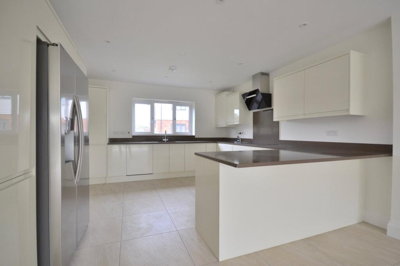
Browse 1 home new builds in Dersingham, King's Lynn and West Norfolk from local developer agents.
£300k
59
2
144
Source: home.co.uk
Source: home.co.uk
Detached
22 listings
Avg £437,045
Detached Bungalow
14 listings
Avg £358,211
Semi-Detached
10 listings
Avg £257,500
Chalet
3 listings
Avg £503,333
Semi-Detached Bungalow
3 listings
Avg £248,333
Bungalow
2 listings
Avg £342,500
Cottage
2 listings
Avg £260,000
Terraced
2 listings
Avg £164,995
End of Terrace
1 listings
Avg £230,000
Source: home.co.uk
Source: home.co.uk
The property market in Crick reflects the broader West Northamptonshire housing trends, which have seen steady growth in recent years. Average house prices in the unitary authority area reached £475,000 for detached properties, £287,000 for semi-detached homes, and £236,000 for terraced properties as of late 2025. Rental prices have also shown strength, with average monthly private rents increasing by 4.8% from January 2025 to January 2026, demonstrating continued demand for housing in the region. The local market benefits from its position between major employment centres, making it attractive to commuters seeking more affordable property options than those found in London or the surrounding larger towns.
Crick's housing stock is predominantly characterised by period properties built from local ironstone and brick, with construction dating back centuries. The village's Neighbourhood Development Plan has acknowledged the substantial number of housing developments that have increased the village size over recent years, with new sizeable developments under construction adding to the existing mix. However, specific details on active new-build developments within Crick itself remain limited, with most listings appearing in nearby areas. Buyers interested in new-build homes may wish to expand their search to neighbouring villages while noting that properties within the Conservation Area are subject to planning restrictions designed to preserve the village's historic character. The prevalence of historic listed buildings - nearly 50 in total - indicates that many properties available in Crick will be character homes requiring careful consideration during the purchase process.
Looking at property types across the wider West Northamptonshire area, terraced properties command around £236,000 while semi-detached homes average £287,000. Detached properties in the area reach approximately £475,000, reflecting the premium buyers pay for space and privacy in this sought-after part of Northamptonshire. Flats and maisonettes remain the most affordable option at around £142,000, though these are less common in the village itself where period houses dominate the market. The rental market has also strengthened, with detached property rents rising 4.2% year-on-year and terraced properties seeing increases of 5.1%, suggesting robust demand from both buyers and tenants in the local area.

Life in Crick offers a quintessential English village experience, with the centre of the village designated as a Conservation Area by West Northamptonshire Council. The village has grown steadily since the turn of the century, with population figures rising from 1,460 in 2001 to 1,886 by 2011, reflecting its appeal to families and professionals seeking a quieter lifestyle without sacrificing connectivity. The village benefits from a strong sense of community, with traditional pubs, local shops, and community facilities serving residents. The historic fabric of the village remains evident in the architecture, where local brown ironstone - extracted from quarries around the village for centuries - forms the foundation of many properties.
The geography of Crick has shaped both its history and character. Situated on the edge of the Middle Lias escarpment, which marks the limit of the Northamptonshire plateau, the parish enjoys an abundance of natural resources including sand, clay, and water. The Northampton Sand Formation ironstone is extensive throughout Northamptonshire and has been used in construction for hundreds of years. Building materials evolved over centuries from early timber, wattle, and daub huts to stone structures by the 17th century, and later to locally sourced brick following the construction of the canal network. The village's proximity to waterways also brought imported slate for roofing, replacing traditional thatch. Today, these varied building materials create an architecturally diverse streetscape that tells the story of Crick's development through the centuries.
The construction history of Crick reveals fascinating insights into how the village was built. By 1500, timber scarcity had prompted a shift toward stone construction, with at least 50% of houses being partially or completely stone-built by 1700. Local brown ironstone was extracted from quarries around the village and used extensively during the 1600s and 1700s, creating the distinctive warm, earthy appearance that defines much of the village today. Northamptonshire also produces honey-coloured sandstone and whiter limestone, which appear in various buildings throughout the area. From the late 1700s onwards, brick became prevalent for house building, often locally sourced from brick pits, while the canal network facilitated the import of slate for roofing materials. This transition from traditional thatch to imported slate marked a significant change in the village's architectural landscape.

Families considering a move to Crick will find a selection of educational options available within the village and the surrounding area. Primary education is typically provided through local village schools, with several primary schools serving communities within easy reach of Crick. The village's family-friendly character makes it popular with parents seeking good state education options in a semi-rural setting. Secondary education is available at schools in nearby towns, with school transport links connecting Crick to secondary schools across West Northamptonshire. Parents should research current catchment areas and admissions criteria, as these can change and may affect which schools children can access from the village.
For families prioritising academic excellence, several well-regarded secondary schools and grammar schools operate in the wider Northamptonshire area. Schools in Northampton and surrounding towns offer a range of educational pathways including A-levels and vocational qualifications. The presence of the University of Northampton in the nearby county town provides higher education options within easy commuting distance, though many students from Crick choose to study at universities further afield. Parents are advised to check current Ofsted ratings and performance data when researching schools, as these can vary. The village's growing population indicates that local educational facilities continue to develop to meet demand from new residents moving to the area.
West Northamptonshire as a unitary authority area encompasses 3,838 listed buildings and structures, reflecting the region's rich heritage and older property stock. This historical character extends to educational provision, with many schools occupying historic buildings that add to the area's distinctive atmosphere. Parents buying property in Crick should consider the long-term educational trajectory of their children and factor in potential school transport requirements, particularly for secondary education where options in the immediate village may be limited. The nearby market towns of Northampton and Market Harborough offer additional educational choices for families willing to travel, with several schools maintaining strong academic records that attract pupils from across the region.
Crick enjoys a strategic position for commuters, with good road connections linking the village to major towns and cities throughout the Midlands. The A14 trunk road passes nearby, providing access to Northampton, Cambridge, and the wider motorway network including the M1 motorway. This connectivity makes Crick particularly attractive to professionals working in logistics, manufacturing, and service industries across the region. The village sits comfortably between Northampton to the south and Market Harborough to the north, with Leicester also accessible via the A5199. Regular bus services connect Crick to surrounding towns, though private vehicle ownership remains common among residents for maximum flexibility.
Rail connections from nearby stations offer access to the national rail network, with journey times to London achievable within approximately one to two hours depending on the station and service. Northampton railway station provides connections to London Euston via the West Coast Main Line, while stations in the wider area offer routes to Birmingham, Leicester, and other major cities. For those working in London or other distant locations, the village's road connections make it feasible to drive to a nearby station with parking facilities. Cyclists benefit from country lanes and rural routes that characterise the area, though the hilly terrain around the escarpment may require consideration for less experienced riders. Overall, Crick offers a balance of rural tranquility and practical connectivity for modern commuting needs.
The village's position on the edge of the Northamptonshire plateau provides convenient access to the A14, which serves as a major arterial route connecting Felixstowe in Suffolk to the M1 motorway near Northampton. This strategic location means that residents can reach Cambridge to the east and the wider motorway network to the west with relative ease. The proximity to Market Harborough to the north offers an alternative rail station option, while Leicester is accessible via the A5199 for those working in the East Midlands. Many residents find that the village's rural setting provides an enviable quality of life while remaining practical for those who need to commute to larger employment centres for work.
Before viewing properties, research Crick thoroughly to understand the local property market, conservation area restrictions, and what makes the village distinctive. Properties within the Conservation Area may have additional planning considerations, and period properties may require specific surveys due to their age and construction methods.
Speak to mortgage brokers about your financial position before making any offers. An agreement in principle strengthens your offer and demonstrates to sellers that you are a serious buyer with verified finances. This is particularly important in a village market where competition for character properties can be strong.
View multiple properties in Crick to compare the mix of period and modern homes available. Pay attention to property condition, as historic properties may have different maintenance requirements than newer builds. Many homes in Crick are constructed from local ironstone or brick, and the condition of these materials should be assessed carefully.
Commission a RICS Level 2 Survey (Homebuyer Report) for a thorough assessment of the property's condition. Given Crick's wealth of historic and listed properties, a detailed survey is particularly valuable for identifying any structural or maintenance issues. The presence of clay in the local geology means potential ground movement should be considered.
Choose a solicitor experienced in local property transactions to handle the legal aspects of your purchase. They will manage searches, contracts, and registration with Land Registry. Local experience with West Northamptonshire properties can be valuable for navigating any unique considerations.
Once all searches are satisfactory and contracts are signed, you will exchange contracts and pay a deposit. Completion typically follows within weeks, and you will receive the keys to your new Crick home.
Buying a property in Crick requires careful attention to several local factors that distinguish this village from more urban areas. The Conservation Area designation covering the village centre means that properties in this area are subject to specific planning controls intended to preserve their historic character. Anyone planning renovations, extensions, or significant alterations should consult West Northamptonshire Council's planning department before committing to a purchase. The prevalence of listed buildings - nearly 50 Grade II properties plus the Grade I listed church - means that many homes may carry listed building status, which restricts what works can be carried out without consent. Listed building consent is required for most alterations to the exterior and many interior works.
The geology of the Crick area warrants consideration during the purchase process. The presence of clay in the parish suggests potential for ground movement, which can affect properties with trees or vegetation close to foundations. A thorough survey by a qualified RICS surveyor will identify any signs of subsidence, heave, or other structural concerns that may be associated with ground conditions. Given the age of many properties in the village, buyers should also check for evidence of damp, timber defects, and the condition of historic features such as thatched roofs (where present), stone walls, and original windows. The local building materials - ironstone, sandstone, and brick - are generally robust but require ongoing maintenance, and service charges or maintenance fees for any shared ownership properties should be clearly understood before purchase.
Properties in Crick span several centuries of construction methods, from early timber-framed buildings through to Victorian and Edwardian brick-built houses and more recent additions. Understanding the construction era of a property can help anticipate potential issues. Stone properties from the 17th and 18th centuries may have solid walls without modern cavity insulation, while later brick-built homes often feature more standard construction techniques. Roof coverings have evolved from thatch to imported slate, and this transition is often visible in the same street as properties of similar age. Flood risk in the immediate Crick area requires individual assessment, as specific flood zone designations were not found in available data. Buyers should request a flood risk search as part of their conveyancing to confirm the position for any specific property.
Specific average price data for Crick village itself is not published separately, but the wider West Northamptonshire area shows average prices of approximately £475,000 for detached properties, £287,000 for semi-detached homes, £236,000 for terraced properties, and £142,000 for flats and maisonettes as of late 2025. Property in Crick village itself, with its historic character and Conservation Area status, may command premiums compared to the wider area average. The village's mix of period properties and more recent additions means that prices can vary significantly depending on the property type, condition, and specific location within the village.
Properties in Crick fall under West Northamptonshire Council's jurisdiction for council tax purposes. Bandings depend on the property's assessed value and can range from Band A through to Band H. Historic and period properties may have unusual bandings due to their age and construction, and many Grade II listed properties in Crick have been assessed using historical valuations that may not reflect current market values. Buyers should check the specific banding for any property they are considering, as council tax forms part of the ongoing cost of ownership and can vary significantly between properties of similar market value.
Crick is served by local primary schools in the village and surrounding villages, with several good options within a short drive. Secondary education is available at schools in Northampton and nearby towns, several of which have strong Ofsted ratings. The best school for your child will depend on catchment areas, admissions criteria, and whether you prefer state or independent education. Parents should research current performance data and consider school transport arrangements when buying in the village, as secondary school options may require travel to nearby towns.
Crick is connected to surrounding towns via bus services, though private vehicle ownership is common for residents who need full flexibility. The village is conveniently located near the A14 trunk road, providing straightforward access to Northampton, Leicester, and the wider motorway network including the M1. Rail connections are available from Northampton station, with services to London Euston taking approximately one hour on the West Coast Main Line. The village's position makes it practical for commuting while enjoying rural village living, though those working in London daily may find the journey length requires consideration.
Crick offers several attractive features for property investors. The village has seen population growth from 1,460 in 2001 to 1,886 by 2011, indicating sustained demand for housing. Rental prices in West Northamptonshire have increased by 4.8% year-on-year as of early 2026, demonstrating healthy rental demand. The village's character, Conservation Area status, and limited new development may support property values long-term. However, buyers should consider that the historic nature of many properties requires ongoing maintenance investment, and listed buildings in particular may face restrictions on alterations that could affect rental potential or future saleability.
Stamp Duty Land Tax (SDLT) rates for standard purchases are 0% on the first £250,000, 5% on £250,001 to £925,000, 10% on £925,001 to £1.5 million, and 12% above £1.5 million. First-time buyers benefit from relief on properties up to £625,000, paying 0% on the first £425,000 and 5% on £425,001 to £625,000. Given that most Crick properties fall within the lower SDLT brackets, buyers can expect straightforward stamp duty calculations. A terraced property at £236,000 would incur no stamp duty for a standard buyer, while a detached home at £475,000 would attract SDLT only on the amount above £250,000, resulting in a charge of £11,250.
Crick contains approximately 46 Grade II listed buildings plus the Grade I listed St Margaret of Antioch Parish Church. Listed building status provides legal protection for the property's historic character, and most alterations require consent from West Northamptonshire Council. This can affect renovation plans and mortgageability, as some lenders have restrictions on lending for properties with significant listed status. A thorough survey is essential before purchasing any listed property, and buyers should budget for potentialListed Building Consent fees when planning any works. The West Northamptonshire area as a whole has 3,838 listed buildings and structures, reflecting the region's commitment to preserving its architectural heritage.
Crick stands apart from other Northamptonshire villages due to its position on the Middle Lias escarpment at the limit of the Northamptonshire plateau, its extensive Conservation Area covering the village centre, and the concentration of historic properties built from locally quarried brown ironstone. The village's population growth of nearly 30% between 2001 and 2011 demonstrates its sustained appeal, while the presence of approximately 47 listed buildings reflects the architectural significance of the area. The village's name itself derives from its historical significance, and the local geology has shaped both the built environment and the character of daily life in the parish for centuries.
The property buying process in Crick typically follows the standard England and Wales timeline, though village property markets can sometimes move faster or slower than urban areas depending on demand. From offer acceptance to completion, the process usually takes between 8 and 12 weeks for a straightforward transaction, though this can extend to 16 weeks or more for leasehold properties, listed buildings requiring additional approvals, or transactions where the chain involves multiple parties. Buyers should ensure their mortgage offer is in place before searching for properties, as this strengthens offers in what can be a competitive village market where character homes attract multiple interested parties.
Most high street lenders will consider mortgages for listed buildings, though terms and availability can vary more than for standard properties. Grade II listed properties are generally mortgageable with most lenders, though you may find fewer deals available and potentially higher interest rates. Grade I listed properties can present greater challenges, as some lenders have policies against lending on properties with the highest level of listed status. It is advisable to speak to a mortgage broker who has experience with historic properties before making an offer on any listed home in Crick, as lender appetite for these properties can change over time.
From 4.5%
Expert mortgage advice for Crick buyers
From £499
Solicitors experienced in West Northamptonshire
From £350
Thorough condition report for Crick properties
From £60
Energy performance certificate
When purchasing a property in Crick, budget planning should account for Stamp Duty Land Tax alongside other associated costs. For properties purchased at the average West Northamptonshire prices, most buyers will fall within the 0% to 5% SDLT brackets. A terraced property at £236,000 would incur no stamp duty for a standard buyer, while a detached home at £475,000 would attract SDLT only on the amount above £250,000, resulting in a charge of £11,250. First-time buyers purchasing properties up to £425,000 pay zero SDLT, providing significant savings for those entering the property market with limited budgets.
Beyond stamp duty, buyers should budget for solicitor conveyancing fees, which typically start from £499 for standard transactions but may be higher for leasehold properties or those with complex titles involving historic properties. Survey costs for a RICS Level 2 Homebuyer Report start from approximately £350, though this is a worthwhile investment given Crick's wealth of historic and period properties where defects may not be immediately apparent. An Energy Performance Certificate is legally required before marketing a property, and buyers should factor in moving costs, removal fees, and potential renovation costs if purchasing a property that requires updating. Mortgage arrangement fees, broker fees, and valuation fees may also apply depending on the lender and product chosen. Always obtain a comprehensive quote before committing to any service.
Properties New Builds In London

Properties New Builds In Plymouth

Properties New Builds In Liverpool

Properties New Builds In Glasgow

Properties New Builds In Sheffield

Properties New Builds In Edinburgh

Properties New Builds In Coventry

Properties New Builds In Bradford

Properties New Builds In Manchester

Properties New Builds In Birmingham

Properties New Builds In Bristol

Properties New Builds In Oxford

Properties New Builds In Leicester

Properties New Builds In Newcastle

Properties New Builds In Leeds

Properties New Builds In Southampton

Properties New Builds In Cardiff

Properties New Builds In Nottingham

Properties New Builds In Norwich

Properties New Builds In Brighton

Properties New Builds In Derby

Properties New Builds In Portsmouth

Properties New Builds In Northampton

Properties New Builds In Milton Keynes

Properties New Builds In Bournemouth

Properties New Builds In Bolton

Properties New Builds In Swansea

Properties New Builds In Swindon

Properties New Builds In Peterborough

Properties New Builds In Wolverhampton

Enter your details to see if this property is within your budget.
Loans, cards, car finance
Estimated property budget
Borrowing + deposit
You could borrow between
Typical borrowing
Monthly repayment
Est. at 4.5%
Loan-to-value
This is an estimate only. Your actual budget may vary depending on interest rates, credit history, and personal circumstances. For an accurate affordability assessment, speak to one of our free mortgage advisors.
This calculator provides estimates for illustrative purposes only and does not constitute financial advice. Your home may be repossessed if you do not keep up repayments on your mortgage. Estimates based on 4.5% interest rate, repayment mortgage. Actual rates depend on your circumstances.
Homemove is a trading name of HM Haus Group Ltd (Company No. 13873779, registered in England & Wales). Homemove Mortgages Ltd (Company No. 15947693) is an Appointed Representative of TMG Direct Limited, trading as TMG Mortgage Network, which is authorised and regulated by the Financial Conduct Authority (FRN 786245). Homemove Mortgages Ltd is entered on the FCA Register as an Appointed Representative (FRN 1022429). You can check registrations at NewRegister or by calling 0800 111 6768.

We use cookies to show you personalised content and improve your experience of our website. Find out more in our Privacy policy and Cookie policy.