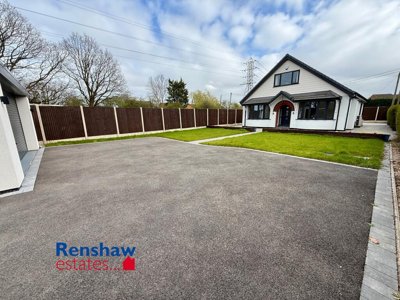
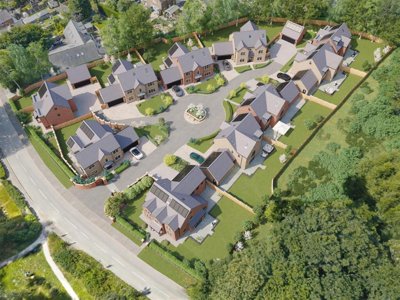
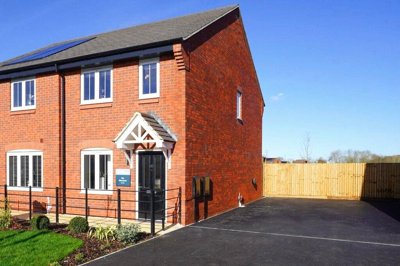
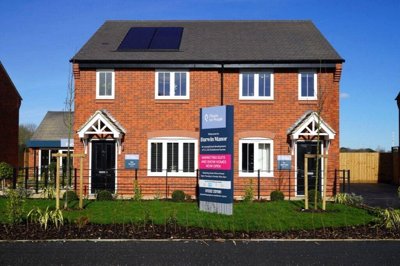
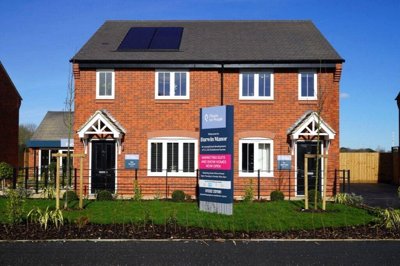
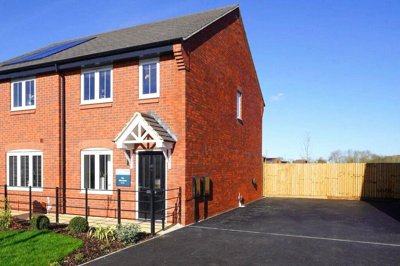
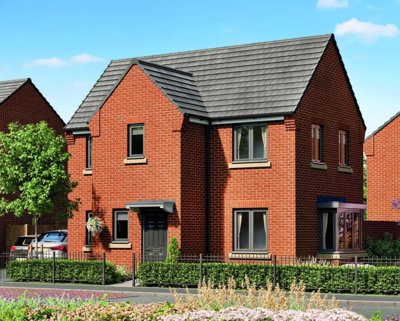
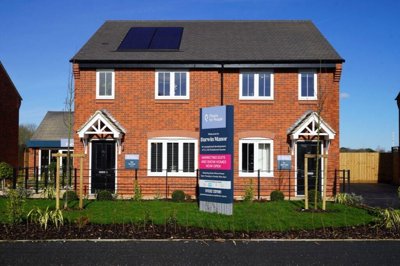
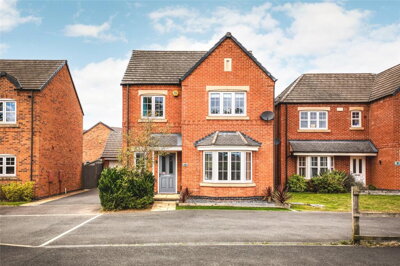
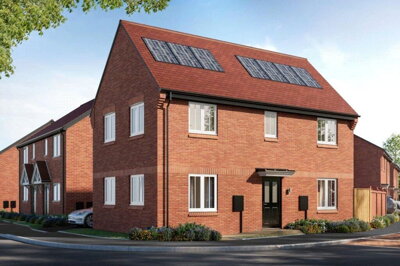
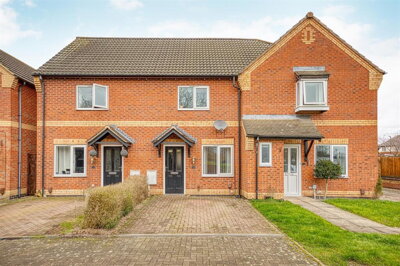
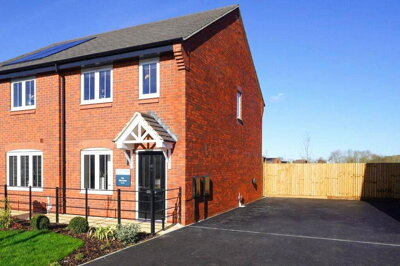
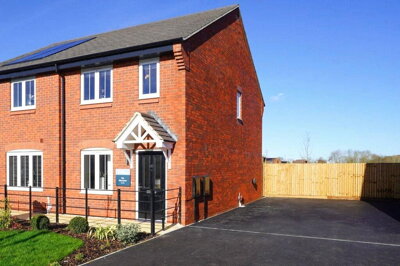
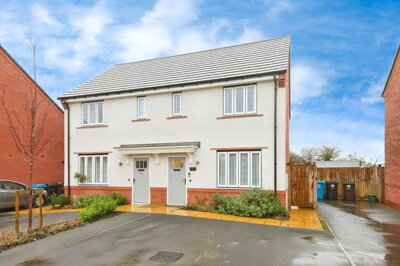
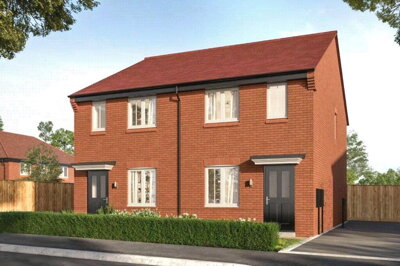
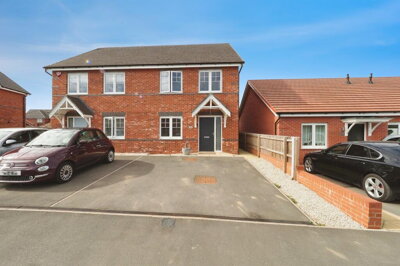
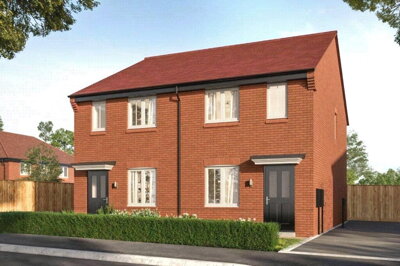
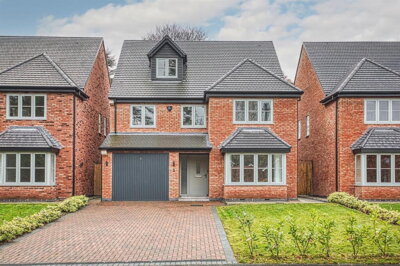
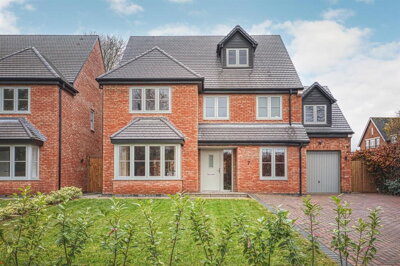
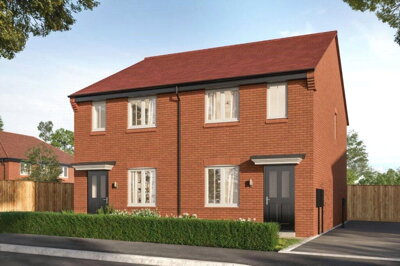
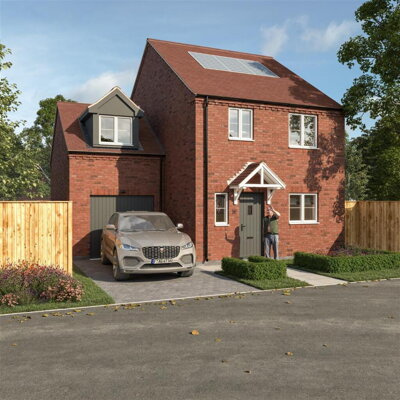
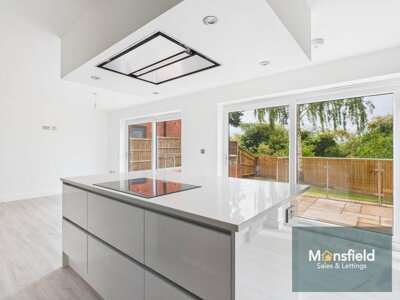
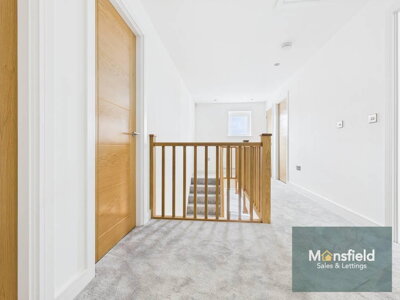
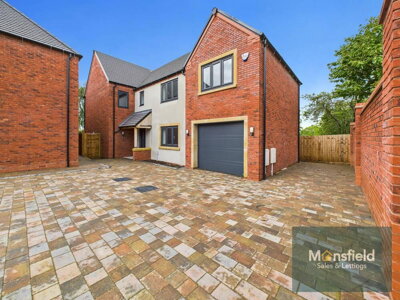
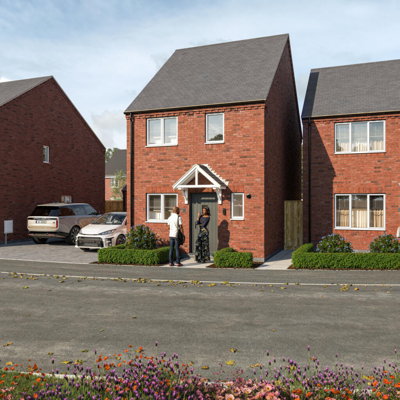
Browse 31 homes new builds in Derby, East Midlands from local developer agents.
The Derby property market offers detached, semi-detached, and terraced houses spanning various price ranges and neighbourhoods. Each listing includes detailed property information, photographs, and direct contact with the marketing agent.
£250k
810
70
97
Source: home.co.uk
Showing 810 results for Houses new builds in Derby, East Midlands. 70 new listings added this week. The median asking price is £250,000.
Source: home.co.uk
Semi-Detached
340 listings
Avg £245,208
Detached
269 listings
Avg £433,457
Terraced
201 listings
Avg £183,460
Source: home.co.uk
Source: home.co.uk
Derby's property market has shown remarkable resilience and steady growth over recent years, with the city attracting both first-time buyers and families seeking more space for their money. The current average property price in Derby stands at approximately £198,000, significantly below the national average yet offering strong potential for capital growth as the city continues its regeneration. Our listings show detached family homes in areas like Chaddesden and Littleover ranging from £280,000 to £450,000, while Victorian terraces in the city centre and New Normanton provide excellent entry points from £120,000 to £180,000. The market has benefited from the shift towards remote and hybrid working, with buyers prioritising larger homes and garden space over city centre proximity.
The rental market in Derby runs parallel to sales, with two-bedroom apartments in the Cathedral Quarter and Pride Park area commanding between £700 and £1,100 per month. Students and young professionals renting near the University of Derby typically seek one-bedroom apartments in the Kedleston Road area, where monthly rents range from £550 to £850 depending on specification and proximity to campus facilities. The Pride Park area, adjacent to Derby County's stadium, has become increasingly popular with young professionals, with modern apartments in this location achieving strong rental yields of around 6% annually. House prices in Derby have increased by approximately 8% over the past two years, outpacing some neighbouring areas as buyers recognise the city's combination of affordability and connectivity.
New build properties in Derby typically range from £180,000 for a one-bedroom apartment to £350,000 for a three-bedroom house, offering modern energy efficiency and warranties that can offset higher purchase prices over time. The city's new build market has expanded significantly with developments including Aspect on Pentagon Island, the Becketwell regeneration project, and the ongoing conversion of historic industrial buildings into residential apartments. These properties often feature air source heat pumps, electric vehicle charging points, and high-specification insulation that meets current and anticipated future energy efficiency standards, making them attractive to environmentally conscious buyers and those seeking lower ongoing utility costs.

Derby occupies a unique position in the East Midlands, sitting on the River Derwent where the city blends seamlessly with the stunning countryside of Derbyshire. The city has invested heavily in its cultural offering, with the Derby Museum and Art Gallery, the QUAD arts centre, and the renowned Derby Theatre providing entertainment throughout the year. Darley Park and the Derwent Valley Mills World Heritage Site are on the doorstep, offering residents immediate access to green spaces and outdoor activities including kayaking, cycling, and scenic walks along the river. The Markeaton Park area, with its craft village and boating lake, represents a particular favourite among families and dog walkers throughout the seasons.
The demographic makeup of Derby reflects its diverse economy, with a population of approximately 260,000 people including a significant student community connected to the University of Derby. The city centre has undergone substantial transformation in recent years, with the St Mary's Quarter development bringing new restaurants, cafes, and boutique shops to historic streets. The Derby BACKLIFE Centre provides comprehensive sports facilities, while the Pride Park stadium hosts Derby County football matches and major concerts, contributing to a vibrant social scene that attracts young professionals and families alike. The Cornmarket and Iron Gate areas have established themselves as the focal point for independent dining, with restaurants like La Rock and theopal serving critically acclaimed cuisine that draws visitors from across the region.
Derby's suburbs each offer distinct character, from the tree-lined avenues of Littleover and Mickleover to the affordable terraces of Chaddesden and Spondon. Allestree remains popular with families seeking good schools and larger properties, with detached homes on established estates commanding premium prices. Darley Abbey, a historic village that retains its own identity within the city boundary, features beautiful period properties and the stunning Darley Abbey Mills development, offering village character within easy reach of the city centre. The A51 corridor towards Tutbury and Hatton provides a more rural lifestyle option for buyers seeking larger properties with garden space, while remaining within reasonable commuting distance of Derby's employment hubs.

Derby offers a comprehensive range of educational options, making it an attractive choice for families considering a move to the area. The city contains several highly-rated primary schools, including St Mary's Catholic Primary School and Landau Forte Grammar School, both of which consistently achieve above-average results in Key Stage 2 assessments. Mickleover Primary and Borrow Wood Primary have also built strong reputations, with parent reviews citing caring environments and effective teaching. The Ofsted-rated Outstanding St Mary's Catholic Primary serves families across both city and county boundaries, reflecting the strong demand for places at this popular school located near the Cathedral Quarter.
For secondary education, Derby has a mix of comprehensive schools, academies, and the notable Derby Grammar School and St. Mary's Catholic High School, with the latter receiving an Outstanding rating from Ofsted in recent inspections. Landau Forte Academy Trust operates several secondary schools across the city, including Landau Forte Grammar School which achieved Outstanding status in its most recent inspection. The city operates a partially selective system, with students sitting the 11-plus examination to gain entry to grammar schools including Derby Grammar School and Landau Forte schools. Popular comprehensive options include Allestree's Saint Benedict Catholic School and the Ormiston Ilkeston Academy in nearby Ilkeston, both of which serve significant catchment areas.
The University of Derby, located on Kedleston Road, is a major institution offering undergraduate and postgraduate courses across business, education, engineering, and arts disciplines. The university has invested in new facilities including a £12 million STEM centre, attracting students from across the region and contributing to Derby's young, educated workforce. For vocational training, the Derby College Group provides apprenticeships and professional qualifications at its Roundhouse technical college, while the nearby Nottingham Trent University and University of Nottingham are accessible via the A52 for those pursuing specialised degree courses. The Roundhouse itself represents an impressive technical training facility, with state-of-the-art engineering workshops that support the city's manufacturing employers including Rolls-Royce and Toyota.

Derby benefits from exceptional transport connections that make it a practical base for commuters working in London, Birmingham, or across the East Midlands. East Midlands Parkway railway station, located just south of the city in Ratcliffe-on-Soar, provides direct services to London St Pancras in 94 minutes and Birmingham New Street in 52 minutes, with regular trains operated by East Midlands Railway and CrossCountry. The station also offers connections to Sheffield, Leeds, Newcastle, and Bristol, positioning Derby within easy reach of major northern cities. Advance tickets to London can be secured for as little as £25, making regular commuting a viable option for those working in the capital while living in more affordable Derby.
Within the city, Derby's bus network operated by Trent Barton and other providers connects all major residential areas to the city centre, with services to Mickleover, Oakwood, Spondon, and Borrowash running at frequent intervals. The popular Red Arrow service provides a direct link between the railway station, city centre, and University of Derby campus, while the Rainbow 1 route serves the Allestree, Mackworth, and Littleover corridors. For those cycling, Derby has invested in expanded cycle lanes along key routes, with the Derwent Valley cycle route providing a scenic and traffic-free path towards Matlock and the Peak District beyond.
The A50 and A52 provide direct road links to the M1 motorway at junctions 24 and 25, while the A38 connects Derby to Birmingham and the M42 corridor. For air travel, East Midlands Airport is just 15 miles away, offering domestic and European flights, plus a growing range of international destinations served by budget carriers including Ryanair and Jet2. The airport handles over four million passengers annually and serves as a base for several major airlines, making holiday travel straightforward for Derby residents without the need to travel to larger regional hubs.

Before you start viewing properties in Derby, approach a lender to obtain an Agreement in Principle. This document confirms how much you can borrow based on your income, credit history, and deposit size, and is typically valid for 30 to 90 days depending on the lender. Having this ready shows estate agents and sellers that you are a serious buyer with finance already mapped out, which is particularly important in competitive areas like Littleover and Allestree where multiple offers are common.
Spend time exploring different areas of Derby to find the neighbourhood that matches your lifestyle needs. Consider proximity to your workplace, school catchment areas if you have children, and whether you prefer the character of Victorian terraces in the city centre or the space offered by modern developments in Mackworth and Allestree. Each neighbourhood has its own distinct character, with inner-city areas like the Cathedral Quarter offering apartment living and nightlife, while suburbs like Duffield and Kilburn provide village atmospheres with excellent local schools and community facilities.
Use Homemove to browse all available properties in Derby, setting up instant alerts for new listings that match your criteria. Our platform aggregates listings from dozens of local estate agents, giving you a complete picture of what is on the market right now across all price ranges and property types. You can filter by bedroom count, price range, property type, and proximity to specific amenities like schools, parks, and railway stations, helping you narrow down options efficiently.
Once you have identified properties of interest, arrange viewings through the listed estate agent. Prepare questions about the property's history, any planned developments nearby, lease terms for apartments, and the reason for sale. Take measurements and photos to help compare properties later, and if possible visit at different times of day to assess noise levels, light exposure, and neighbourhood activity. In leasehold properties, always ask about the ground rent review date and any upcoming service charge increases.
When you find the right property, submit your offer through the estate agent along with proof of your mortgage in principle and chain details if applicable. Derby's property market allows room for negotiation, particularly for properties that have been listed for several weeks, so do not be afraid to ask questions about context. Sellers are often more flexible on price for properties that have been on the market through multiple seasons, and in some cases will accept offers slightly below asking price to achieve a quicker sale.
Once your offer is accepted, instruct a conveyancing solicitor to handle the legal work. They will conduct searches with Derby City Council, raise enquiries about the property, and guide you through exchange and completion. The local authority search typically takes two to three weeks and covers drainage, environmental matters, and planning history. On completion day, you will receive your keys and can move into your new Derby home, with our platform continuing to support you through every stage of your home-buying journey.
Derby's housing stock reflects its industrial heritage and subsequent development phases, creating a diverse landscape of property types across different eras and architectural styles. Victorian and Edwardian terraced houses form the backbone of many inner-city neighbourhoods, with properties in areas like Littleover, Friar Gate, and the city centre featuring distinctive bay windows, original fireplaces, and period cornicing. These properties were typically built using solid brick construction with hand-made Lancashire or local Derbyshire bricks, and many retain their original sash windows and panelled doors that contribute to the street scenes that define these established residential areas.
Post-war housing in Derby includes substantial semi-detached properties built during the 1950s and 1960s, particularly in suburbs like Chaddesden, Spondon, and Boulton. These homes were constructed using cavity wall techniques that proved more energy-efficient than Victorian solid wall properties, though they often require updating of insulation and heating systems to meet modern standards. Detached executive homes from the 1970s and 1980s can be found in established areas like Allestree, Mickleover, and Duffield, with larger gardens and more generous room sizes that appeal to families seeking additional space beyond what city centre living can offer.
Modern apartment developments have transformed the Derby skyline in recent decades, with conversions of historic industrial buildings adding character to the city centre residential offer. The Derwent Street and St Alkmund's Square districts feature converted mills and warehouses that retain original features including exposed brickwork, iron columns, and high ceilings while incorporating modern heating, insulation, and security systems. New build apartments across the city typically feature open-plan living spaces, en-suite bathrooms, and private balcony or terrace areas, with penthouse apartments on upper floors commanding premium prices for their city views and exclusive access arrangements.
Derby's housing stock includes a significant proportion of Victorian and Edwardian properties, particularly in areas like Littleover, Friar Gate, and the city centre. When viewing these period homes, pay close attention to the condition of original features such as sash windows, fireplaces, and structural walls. Older properties may require investment in rewiring or new boilers, so factor potential renovation costs into your budget before committing to a purchase. Properties with original single-glazed windows will have higher heating costs, and many owners budget £3,000 to £8,000 for comprehensive window replacement programmes that improve both aesthetics and thermal performance.
Several areas of Derby fall within Conservation Orders, including parts of the Derwent Street and St Alkmund's Square districts, which impose restrictions on external alterations and permitted development rights. If you are buying a leasehold apartment, check the remaining lease term carefully, as properties with leases under 80 years may face difficulties obtaining mortgages or commanding full market value on resale. Service charges and ground rent arrangements should also be reviewed, with modern city centre apartments typically charging between £1,200 and £2,500 annually for communal maintenance, buildings insurance, and reserve fund contributions.
Properties in areas prone to flooding, particularly those near the River Derwent in low-lying areas like Darley Abbey and the city centre riverside, warrant additional investigation before purchase. Check the Environment Agency flood risk maps for the specific property address, and ask the seller about any historical flooding incidents. Most standard mortgage lenders require flood risk assessments for properties in flood zones, and specialist insurance may be required. A thorough property survey from a RICS-qualified inspector can identify structural concerns, damp issues, and other defects that may not be apparent during a standard viewing, potentially saving thousands in unexpected repair costs.

The average property price in Derby currently sits around £198,000 according to recent market data, though this varies significantly by area and property type. Terraced houses in neighbourhoods like New Normanton and Shelton Lock typically sell for £130,000 to £170,000, while four-bedroom detached homes in Allestree and Duffield can exceed £500,000. Derby remains notably cheaper than comparable East Midlands cities, with properties typically priced 15-20% below comparable homes in Nottingham and Leicester. The median price for flats in Derby city centre currently stands at approximately £140,000, making apartment ownership accessible to first-time buyers and investors alike.
Properties in Derby fall under Derby City Council's council tax banding system, with bands ranging from A for the lowest-valued properties up to H for the most expensive homes. Most standard three-bedroom terraced and semi-detached houses in Derby fall into Band B or C, paying approximately £1,600 to £1,900 per year in council tax. Band A properties, typically one-bedroom apartments and small terraces, pay around £1,200 annually, while larger family homes in areas like Littleover and Mickleover often sit in Bands D and E. Properties can be reassessed if significant alterations or extensions have been carried out, potentially affecting the banding and annual council tax liability.
Derby offers several highly-regarded schools, with Landau Forte Grammar School rated Outstanding by Ofsted for secondary education, alongside St Mary's Catholic High School also achieving Outstanding status. At primary level, St Mary's Catholic Primary, Borrow Wood Primary, and St. James' Church of England Primary consistently perform well in Ofsted inspections and local authority assessments. For grammar school options, Derby has a selective system, with students sitting the 11-plus examination to gain entry to schools like Derby Grammar School and the Landau Forte Academy Trust schools. It is worth noting that grammar school places are highly competitive, with some schools receiving more than four applications for every available spot in recent years.
Derby offers excellent public transport connectivity, with Derby railway station providing direct services to London St Pancras, Birmingham, Sheffield, Leeds, and Manchester at regular intervals throughout the day. East Midlands Parkway station, accessible via bus or a short drive, serves even faster trains to London in just 94 minutes, with the fastest services completing the journey in 88 minutes. Within the city, the Trent Barton bus network covers all major residential areas, with the Rainbow 1, Sixes, and Red Arrow services offering frequent connections to the city centre, University of Derby, and surrounding suburbs. The X52 and Indigo services provide additional links to villages across Derbyshire, including connections to the popular market town of Ashbourne.
Derby presents a compelling case for property investment, combining relatively affordable purchase prices with strong rental demand driven by the city's major employers. Rental yields in Derby typically range from 5% to 7% annually for standard residential properties, higher than many comparable cities and significantly above London averages. The ongoing regeneration projects, including the Nightingale Quarter development bringing over 1,000 new homes to the former hospital site, and the Becketwell scheme transforming the city centre suggest continued demand for housing. The East Midlands Freeport status and plans for improved rail connectivity position Derby for further economic growth over the coming decade, potentially supporting both rental values and capital appreciation for property investors.
Stamp Duty Land Tax applies to all residential property purchases in England, with standard rates starting at 0% on the first £250,000 of the purchase price. For a property priced at £198,000, the average Derby price, you would pay no SDLT at all under standard rates. First-time buyers in Derby qualify for relief on the first £425,000, meaning they would pay no stamp duty on properties up to this threshold, which encompasses the majority of properties available in the Derby market. For properties above £925,000, rates increase to 10% up to £1.5 million and 12% on any amount above that, affecting only the premium end of the market in sought-after locations like Littleover and Duffield.
From £350
A detailed inspection of the property's condition before you commit to purchase
From £500
A comprehensive survey with detailed advice on defects and repairs
From £80
Energy Performance Certificate for your Derby property
From 4.5%
Find competitive mortgage rates for Derby properties
From £499
Expert legal services for your property purchase
Beyond the purchase price of your Derby home, budgeting for additional costs is essential to avoid surprises during the transaction. Stamp Duty Land Tax applies to all purchases above £250,000 at the standard rate of 5% on the portion between £250,001 and £925,000, but first-time buyers in Derby benefit from relief on purchases up to £425,000, meaning many buyers in the city will pay no stamp duty at all. For a typical Derby property priced at £180,000, a first-time buyer would pay zero SDLT, making Derby particularly attractive for those entering the property market for the first time. This first-time buyer relief represents significant savings compared to purchasing in more expensive cities where properties regularly exceed the threshold.
Legal costs for conveyancing typically range from £500 to £1,500 depending on the complexity of the transaction and whether the property is freehold or leasehold. Searches with Derby City Council, including drainage and water searches, environmental searches, and local authority inquiries, generally cost between £250 and £400 and are usually conducted by your solicitor on your behalf. If you require a mortgage, arrangement fees typically range from £500 to £2,000 depending on the lender and product chosen, though many buyers choose to add these to their mortgage rather than pay upfront. A RICS Level 2 survey costs from £350 and provides a thorough assessment of the property's condition before you commit to purchase, identifying any significant defects that might affect your decision or provide negotiating leverage on price.

Properties New Builds In London

Properties New Builds In Plymouth

Properties New Builds In Liverpool

Properties New Builds In Glasgow

Properties New Builds In Sheffield

Properties New Builds In Edinburgh

Properties New Builds In Coventry

Properties New Builds In Bradford

Properties New Builds In Manchester

Properties New Builds In Birmingham

Properties New Builds In Bristol

Properties New Builds In Oxford

Properties New Builds In Leicester

Properties New Builds In Newcastle

Properties New Builds In Leeds

Properties New Builds In Southampton

Properties New Builds In Cardiff

Properties New Builds In Nottingham

Properties New Builds In Norwich

Properties New Builds In Brighton

Properties New Builds In Derby

Properties New Builds In Portsmouth

Properties New Builds In Northampton

Properties New Builds In Milton Keynes

Properties New Builds In Bournemouth

Properties New Builds In Bolton

Properties New Builds In Swansea

Properties New Builds In Swindon

Properties New Builds In Peterborough

Properties New Builds In Wolverhampton

Enter your details to see if this property is within your budget.
Loans, cards, car finance
Estimated property budget
Borrowing + deposit
You could borrow between
Typical borrowing
Monthly repayment
Est. at 4.5%
Loan-to-value
This is an estimate only. Your actual budget may vary depending on interest rates, credit history, and personal circumstances. For an accurate affordability assessment, speak to one of our free mortgage advisors.
This calculator provides estimates for illustrative purposes only and does not constitute financial advice. Your home may be repossessed if you do not keep up repayments on your mortgage. Estimates based on 4.5% interest rate, repayment mortgage. Actual rates depend on your circumstances.
Homemove is a trading name of HM Haus Group Ltd (Company No. 13873779, registered in England & Wales). Homemove Mortgages Ltd (Company No. 15947693) is an Appointed Representative of TMG Direct Limited, trading as TMG Mortgage Network, which is authorised and regulated by the Financial Conduct Authority (FRN 786245). Homemove Mortgages Ltd is entered on the FCA Register as an Appointed Representative (FRN 1022429). You can check registrations at NewRegister or by calling 0800 111 6768.

We use cookies to show you personalised content and improve your experience of our website. Find out more in our Privacy policy and Cookie policy.