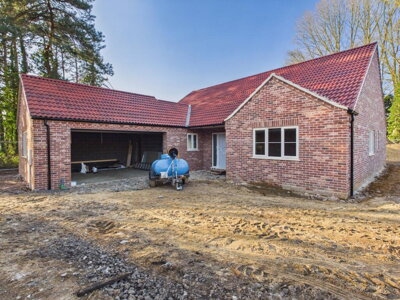
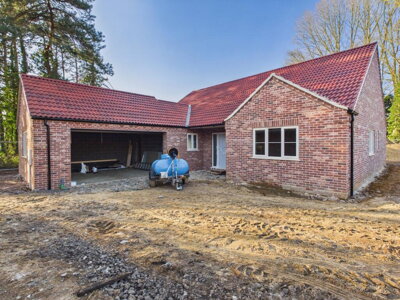
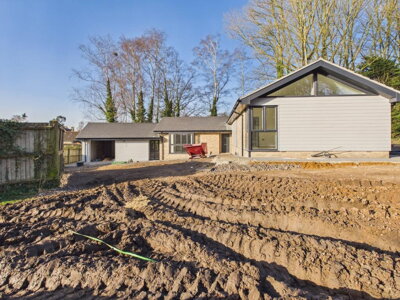
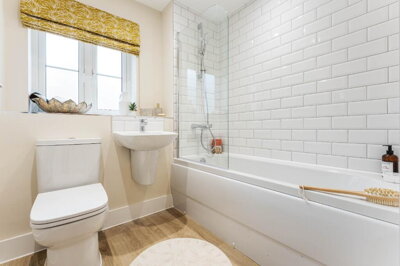
Browse 4 homes new builds in Denver, King's Lynn and West Norfolk from local developer agents.
Three bedroom properties represent a significant portion of the Denver housing market, offering space for families with multiple reception rooms and gardens in many cases. Browse detached, semi-detached, and terraced options ranging across new residential developments.
£0k
0
0
0
Source: home.co.uk
Showing 0 results for 3 Bedroom Houses new builds in Denver, King's Lynn and West Norfolk.
The Denver property market offers a balanced mix of established homes and new-build opportunities, with prices reflecting the village's desirable location on the edge of the Norfolk Fens. Detached properties command the highest prices, averaging £400,000 and showing the strongest appreciation at 3% over the past year, driven by demand from families seeking generous gardens and spacious accommodation. Semi-detached homes, averaging £275,000, represent excellent value for buyers looking to enter this sought-after market, with terraced properties starting from £220,000 and flats from £150,000 providing options for first-time buyers and those with smaller budgets.
Two notable new-build developments are currently bringing fresh stock to the Denver market. Denver Place by Norfolk Homes on Sluice Road offers 3 and 4 bedroom detached and semi-detached homes priced from £320,000 to £480,000, combining modern construction with thoughtful design. The Paddocks development by Abel Homes on Ryston Road provides a range of 2, 3, and 4 bedroom detached and semi-detached bungalows and houses from £280,000 to £450,000, appealing to buyers across all life stages including those seeking single-level living options.
The local property market has seen steady growth, with overall prices increasing by 2% over the past twelve months. This growth trajectory reflects the continued appeal of Denver as a commuter-friendly village with strong connections to Cambridge and London. The limited supply of properties in this desirable location, combined with ongoing demand from buyers seeking more space and a better quality of life, suggests that property values are likely to remain robust in the medium term.

Denver offers a quality of life that combines rural tranquility with practical convenience, making it an increasingly popular choice for families and professionals seeking to escape larger urban centres. The village, with a population of approximately 1,200 residents across 500 households, maintains an intimate community atmosphere while benefiting from proximity to the thriving market town of Downham Market. The local economy is supported by agriculture, which remains significant in the surrounding rural area, along with local services, retail, hospitality, and tourism related to the nearby Norfolk Broads and coastline.
The village's character is defined by its historic core, centred around the impressive St Mary's Church and the Conservation Area that protects the architectural heritage of Denver Hall and numerous listed cottages and farmhouses. Housing stock is predominantly detached properties at 45%, reflecting the generous plot sizes typical of Fen-edge villages, with semi-detached homes at 30% and terraced properties at 15% providing accommodation to suit various household sizes and budgets. The remaining 10% comprises flats, often situated within conversions of historic buildings that offer character-filled living spaces with original features.
The age distribution of properties in Denver reveals a fascinating blend of architectural periods that shape the village's character today. Approximately 25% of homes were built before 1919, featuring traditional Norfolk red brick, flint construction, and lime mortar pointing that requires specialist maintenance knowledge. A further 15% date from the inter-war period, 30% from the post-war expansion era, and the remaining 30% from post-1980 developments including the newer builds that continue to enhance the village's housing offer.
For buyers considering a move to Denver, understanding the local community and amenities is essential. The village hosts several local events throughout the year, fostering the strong sense of community that makes village life so appealing. Local pubs, shops, and community facilities provide everyday necessities without the need to travel, while the proximity to Downham Market ensures access to a wider range of services including supermarkets, healthcare facilities, and leisure amenities.

Families considering a move to Denver will find a selection of educational options within easy reach, with primary schooling available in the village and surrounding villages, while secondary education is provided at schools in nearby Downham Market. The local primary school serves the immediate community, providing a solid foundation for younger children, with additional primary options in neighbouring villages expanding choices for families. Secondary schools in Downham Market offer a comprehensive curriculum and are accessible via school transport or the regular bus services connecting Denver with the market town.
The secondary schools in Downham Market include options that cater to different educational approaches, with good GCSE and A-level results that prepare students well for further education and future careers. For families who prefer independent education, Norfolk hosts several well-regarded independent schools within driving distance of Denver, offering both day and boarding options for students of all ages. The presence of these options ensures that families have genuine choice their children's education, regardless of their preferred educational philosophy.
For older students considering higher education or apprenticeships, the excellent rail connections from Downham Market open up opportunities across the region. Colleges in King's Lynn provide practical vocational courses, while the University of Cambridge and its associated colleges are easily accessible for those pursuing academic pathways. The relatively affordable cost of living in Denver compared to Cambridge makes it an attractive base for students who want to minimise accommodation costs while maintaining easy access to one of the world's leading universities.
Denver benefits from excellent transport connections that make commuting to major employment centres feasible while maintaining a peaceful village lifestyle. The nearby town of Downham Market provides mainline rail services with journey times of approximately 45 minutes to Cambridge and around 1 hour 40 minutes to London King's Cross, making the capital accessible for regular commuters or those working in the knowledge economy sectors concentrated in Cambridge. The station also connects residents to Norfolk's larger centres including King's Lynn and Norwich for work and leisure.
Road connectivity is equally strong, with the A10 providing direct access to King's Lynn and Cambridge, while the nearby A47 connects Denver to Norwich and the wider Norfolk road network. The flat Norfolk landscape means that cycling is a pleasant and practical option for shorter journeys, with dedicated routes and quiet country lanes appealing to cycling enthusiasts who want to avoid car travel for local trips. For longer distances, the road network is generally well-maintained and less congested than major urban routes, making driving to work a viable option for those based further afield.
For air travel, Norwich Airport offers domestic and European destinations, while London Stansted provides a broader range of international flights within reasonable driving distance. Many Denver residents find that the combination of excellent rail connections and proximity to multiple airports gives them genuine flexibility when planning holidays or business travel. Local bus services connect Denver with Downham Market and surrounding villages throughout the day, providing essential access for residents without private vehicles and reducing the need for car ownership for those who work locally.
Explore Denver's villages and understand the local property market. With average prices of £324,500 and new builds from £280,000, establish your budget and get a mortgage agreement in principle before viewing properties. Consider attending open days in the village to get a feel for the community and chat with current residents about what makes Denver special.
Browse current listings in Denver and set up alerts for new properties. Consider both established homes and new-build options from Denver Place on Sluice Road and The Paddocks on Ryston Road. When searching, think about your priorities regarding property age, construction type, and proximity to the Conservation Area, as each brings different considerations for buyers.
Visit properties with your agent, paying attention to the local flood risk areas, construction types, and the condition of older properties built pre-1945 which may require more maintenance. Take time to walk the surrounding streets and check proximity to the River Great Ouse for properties in lower-lying areas. Our team can arrange viewings at times that suit your schedule and provide guidance on what to look for in each property type.
With 70% of Denver properties over 50 years old, a RICS Level 2 Survey is essential to identify common issues like damp, subsidence risk from clay geology, and roof condition problems. Our inspectors are experienced with the local housing stock and know exactly what to look for in properties built with Norfolk red brick, flint, and clay tile construction. For Listed Buildings or properties in the Conservation Area, consider a more detailed RICS Level 3 Survey.
Appoint a conveyancing specialist familiar with Norfolk properties to handle legal searches including flood risk assessments, conservation area restrictions, and any planning conditions that may affect the property. Our recommended solicitors have experience with Fen-edge properties and understand the specific issues that can arise in this geology. They will handle drainage searches with Anglian Water and checks with King's Lynn and West Norfolk Borough Council.
Finalise your mortgage, pay stamp duty, and complete your purchase. Budget for additional costs including surveys from £380-£800 depending on property size and age. Our team can provide a complete breakdown of all costs associated with buying in Denver, ensuring there are no surprises on completion day.
Prospective buyers should be aware of several area-specific considerations when purchasing property in Denver, with flood risk being perhaps the most significant environmental factor. Properties adjacent to the River Great Ouse and low-lying land are designated as Flood Zone 2 and 3, which affects mortgageability, insurance premiums, and long-term resale value. Surface water flooding can also occur during heavy rainfall due to the flat topography, so understanding the specific flood history and resilience measures of any property is essential before committing to a purchase.
The underlying clay geology presents shrink-swell risks that can affect foundations, particularly for properties with shallow foundations or those near mature trees. Our inspectors frequently identify movement-related issues in older properties where traditional strip foundations may be susceptible to ground conditions. When viewing properties, look for signs of cracking to walls, doors that stick, or uneven floors, which can indicate foundation movement. A RICS Level 2 Survey will assess these risks and provide recommendations for any necessary remediation.
Older properties constructed from red brick, flint, or combinations of both may show signs of damp penetration or require maintenance of traditional lime mortar pointing rather than modern cement-based mortars. The local water table in the Fens can exacerbate damp issues, particularly in properties without effective damp-proof courses. Our inspectors check for rising damp, penetrating damp, and condensation issues, and will assess the condition of existing damp-proofing measures. Properties with solid walls typically have different insulation and ventilation considerations compared to modern cavity-wall constructions.
For properties within the Conservation Area around St Mary's Church or those that are Listed Buildings, planning restrictions will apply to alterations and extensions, and buyers should budget for specialist surveys that go beyond a standard RICS Level 2 assessment. Listed Buildings such as Denver Hall and surrounding historic cottages require careful consideration before purchase, as maintenance obligations and restrictions on alterations can significantly affect how you use and modify the property. Our team can arrange specialist surveys for historic properties and put you in touch with conservation-aware contractors.
The average house price in Denver is £324,500, with detached properties averaging £400,000, semi-detached homes at £275,000, terraced properties at £220,000, and flats starting from £150,000. Prices have increased by approximately 2% over the past year, with detached properties showing the strongest growth at 3%. New-build homes from developments like Denver Place on Sluice Road and The Paddocks on Ryston Road range from £280,000 to £480,000 depending on size and specification.
Properties in Denver fall under King's Lynn and West Norfolk Borough Council, with most residential properties in the village attracting Council Tax bands A through D depending on the property value and size. The council provides detailed band listings on their website, and band information is included in property details when viewing listings. Typical monthly costs for properties in these bands range from approximately £130 to £190 per month, with the exact amount determined by the property's valuation band.
Denver has a local primary school serving the immediate community, with additional primary options in surrounding villages accessible via school transport or local bus services. Secondary education is provided by schools in nearby Downham Market, which has a range of options including grammar school provision for academically able students. For families seeking independent education, several well-regarded options are available within driving distance in Norfolk, while Cambridge's renowned independent schools are accessible for longer-term planning given the excellent rail connections to London.
Denver benefits from excellent public transport links, with Downham Market railway station providing mainline services to Cambridge in approximately 45 minutes and London King's Cross in around 1 hour 40 minutes. Local bus services connect Denver with Downham Market and surrounding villages throughout the day, providing essential access for residents without private vehicles. The flat Norfolk landscape also makes cycling a viable option for shorter journeys to local amenities, with quiet country lanes and designated routes making cycling a practical choice for daily travel.
Denver offers strong investment potential due to its combination of rural charm, excellent transport links, and relative affordability compared to nearby Cambridge. The village attracts commuters seeking more space for their money, families looking for good schools in a peaceful setting, and retirees drawn to the Norfolk quality of life. New developments like Denver Place and The Paddocks show continued developer confidence in the area, while the limited supply of properties in this desirable village location supports long-term value retention.
Standard stamp duty rates apply in Denver as it is not designated as a relief zone. For properties up to £250,000, no stamp duty is payable. Properties between £250,000 and £925,000 attract 5% on the portion above £250,000, while those between £925,000 and £1.5 million pay 10% above £925,000. For a typical Denver property at £324,500, this would result in stamp duty of approximately £3,725. First-time buyers purchasing properties up to £625,000 pay no stamp duty on the first £425,000 and 5% on the portion between £425,000 and £625,000. Always verify current thresholds with your solicitor as these can change with each budget.
Denver has significant flood risk areas due to its proximity to the River Great Ouse, with properties in Flood Zone 2 and 3 facing higher insurance costs and potential mortgage restrictions. The village has flood defences in place, but buyers should request a flood risk search and review the property's history of flooding before completing a purchase. Properties in higher-risk zones may require additional resilience measures and specialist insurance, which can add significantly to ongoing ownership costs. Surface water flooding is also a concern in low-lying areas during heavy rainfall due to the flat Fen-edge topography.
Given that approximately 70% of Denver properties are over 50 years old, buyers should be aware of several common defect patterns in the local housing stock. Rising damp and penetrating damp are prevalent issues, particularly in older properties with Norfolk red brick or flint construction where damp-proof courses may be inadequate or have failed over time. The clay geology in the area creates shrink-swell risks that can lead to subsidence, especially in properties with shallow foundations near mature trees. Roof condition issues, timber decay including woodworm and wet rot, and outdated electrical and plumbing systems are frequently identified in pre-1980s properties. Our RICS Level 2 Survey will check for all these issues and provide detailed recommendations for any remedial work needed.
If you are considering purchasing a Listed Building within Denver's Conservation Area, such as properties around St Mary's Church or Denver Hall, a standard RICS Level 2 Survey may not be sufficient. Listed Buildings often have unique construction methods, historic materials, and specialist maintenance requirements that go beyond a standard survey scope. We recommend a RICS Level 3 Building Survey for these properties, which provides a much more detailed assessment of condition and includes guidance on conservation requirements, planning restrictions, and the specific maintenance obligations that come with owning a heritage property. Our team can arrange this specialist survey and connect you with conservation experts who understand traditional building techniques.
Purchasing a property in Denver involves several costs beyond the purchase price, with stamp duty being a significant consideration for higher-value properties. For a typical Denver property at the village average of £324,500, a standard buyer would pay stamp duty of approximately £3,725 on the portion above £250,000. First-time buyers purchasing properties up to £625,000 would benefit from relief, reducing their stamp duty liability significantly or eliminating it entirely for properties priced below £425,000. It is essential to confirm your eligibility for any relief with your solicitor before completing, as the rules can be complex and your solicitor will ensure you claim all available exemptions.
Additional buying costs include survey fees, which vary depending on property type and size, with RICS Level 2 Surveys ranging from £380-£550 for a 2-bedroom flat or terraced house, £450-£650 for a 3-bedroom semi-detached property, and £550-£800 for a larger 4-bedroom detached house. These prices reflect the local market and the additional complexity of surveying older properties with traditional construction methods. Properties with unusual features, extensions, or those requiring assessment against conservation requirements may incur higher survey costs due to the additional time required for thorough inspection.
Solicitors fees for conveyancing typically start from around £499 for straightforward transactions, rising for leasehold properties or those with complex title issues. For properties in Denver, your solicitor will need to conduct local searches with King's Lynn and West Norfolk Borough Council, drainage and water searches with Anglian Water, and environmental searches that will reveal any flood risk or contamination issues affecting the property. These searches typically cost between £200-£400 depending on the provider and the complexity of the property's history. Budgeting for these costs alongside your deposit and purchase price ensures a smooth transaction without unexpected financial shortfalls.
Properties New Builds In London

Properties New Builds In Plymouth

Properties New Builds In Liverpool

Properties New Builds In Glasgow

Properties New Builds In Sheffield

Properties New Builds In Edinburgh

Properties New Builds In Coventry

Properties New Builds In Bradford

Properties New Builds In Manchester

Properties New Builds In Birmingham

Properties New Builds In Bristol

Properties New Builds In Oxford

Properties New Builds In Leicester

Properties New Builds In Newcastle

Properties New Builds In Leeds

Properties New Builds In Southampton

Properties New Builds In Cardiff

Properties New Builds In Nottingham

Properties New Builds In Norwich

Properties New Builds In Brighton

Properties New Builds In Derby

Properties New Builds In Portsmouth

Properties New Builds In Northampton

Properties New Builds In Milton Keynes

Properties New Builds In Bournemouth

Properties New Builds In Bolton

Properties New Builds In Swansea

Properties New Builds In Swindon

Properties New Builds In Peterborough

Properties New Builds In Wolverhampton

Enter your details to see if this property is within your budget.
Loans, cards, car finance
Estimated property budget
Borrowing + deposit
You could borrow between
Typical borrowing
Monthly repayment
Est. at 4.5%
Loan-to-value
This is an estimate only. Your actual budget may vary depending on interest rates, credit history, and personal circumstances. For an accurate affordability assessment, speak to one of our free mortgage advisors.
This calculator provides estimates for illustrative purposes only and does not constitute financial advice. Your home may be repossessed if you do not keep up repayments on your mortgage. Estimates based on 4.5% interest rate, repayment mortgage. Actual rates depend on your circumstances.
Homemove is a trading name of HM Haus Group Ltd (Company No. 13873779, registered in England & Wales). Homemove Mortgages Ltd (Company No. 15947693) is an Appointed Representative of TMG Direct Limited, trading as TMG Mortgage Network, which is authorised and regulated by the Financial Conduct Authority (FRN 786245). Homemove Mortgages Ltd is entered on the FCA Register as an Appointed Representative (FRN 1022429). You can check registrations at NewRegister or by calling 0800 111 6768.

We use cookies to show you personalised content and improve your experience of our website. Find out more in our Privacy policy and Cookie policy.