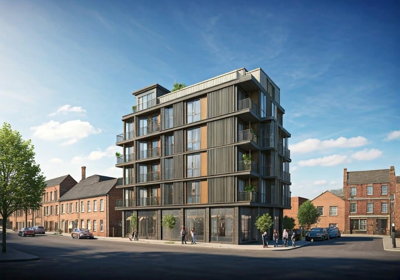
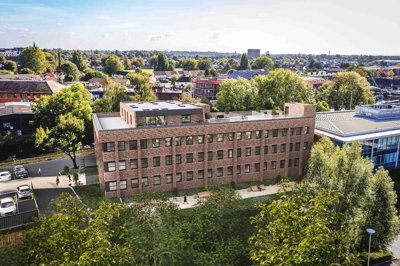
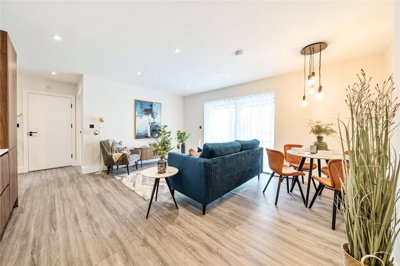
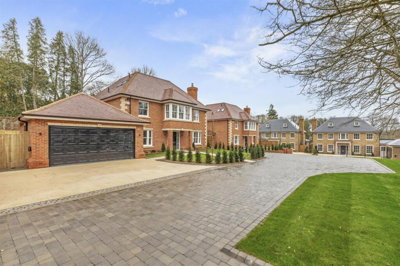
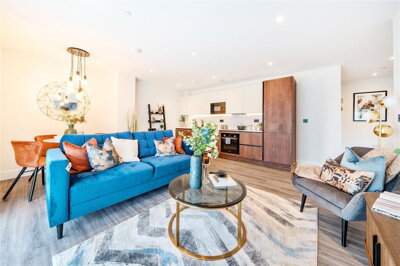
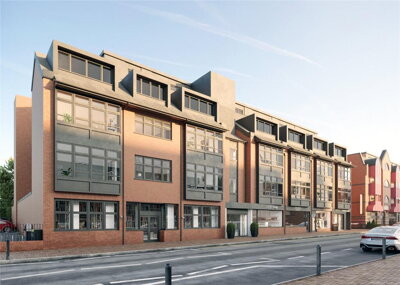
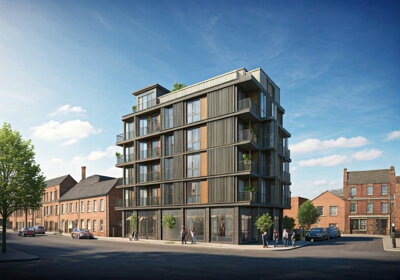
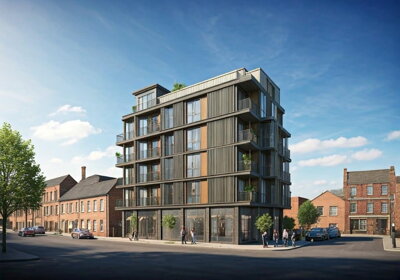
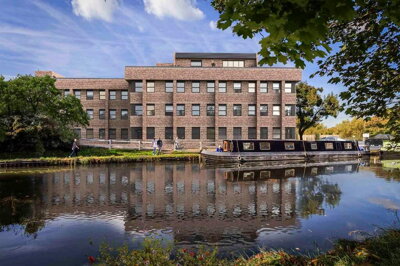
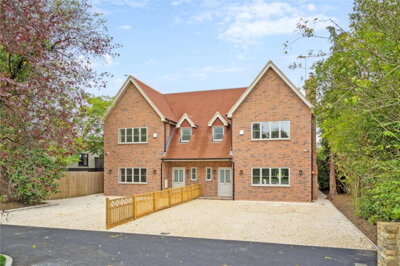
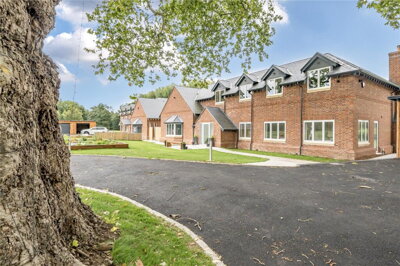
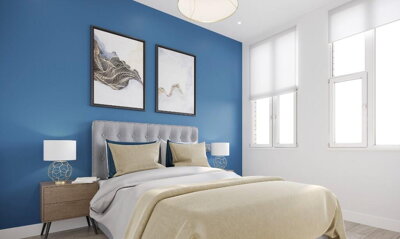
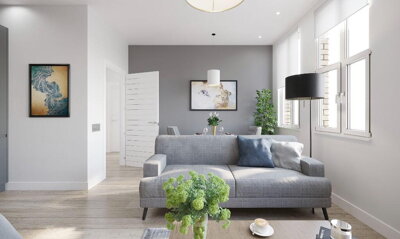
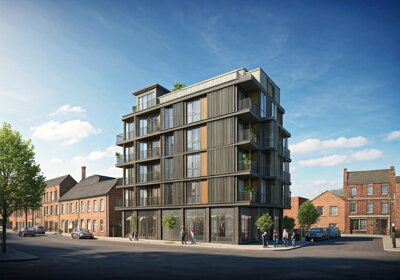
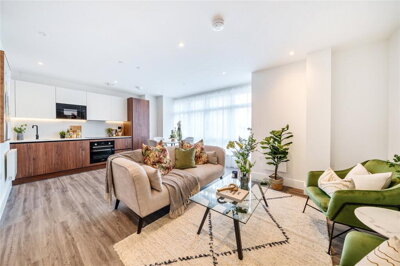
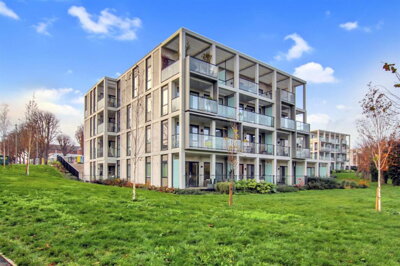
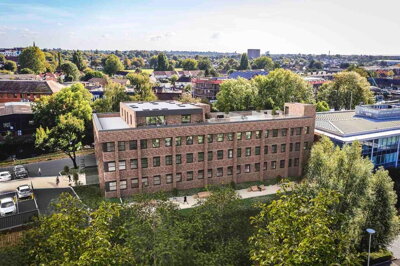
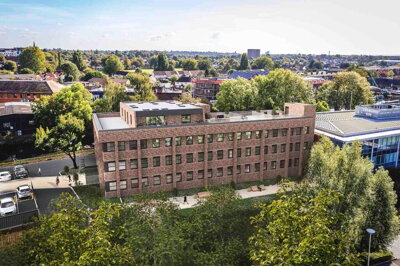
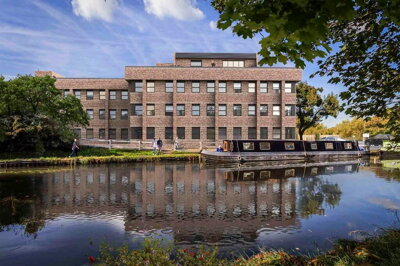
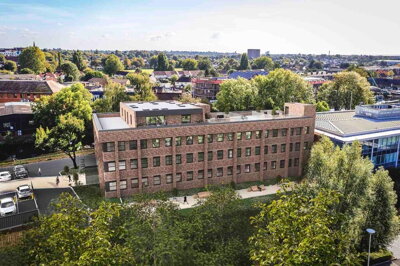
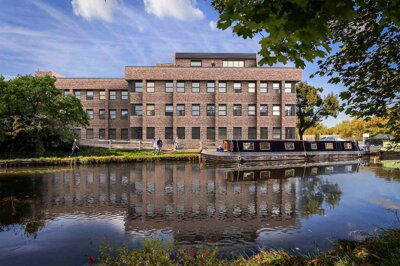
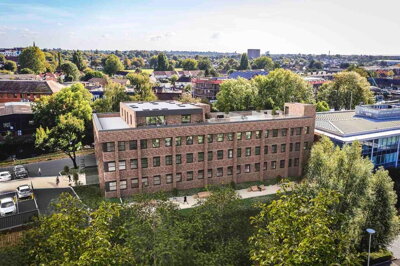
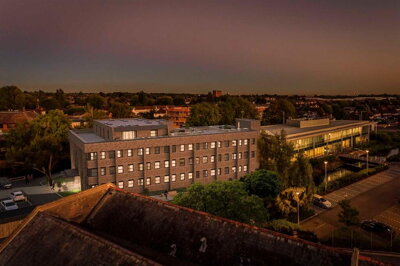
Browse 45 homes new builds in Denham, Denham from local developer agents.
£575k
118
6
148
Source: home.co.uk
Source: home.co.uk
Apartment
37 listings
Avg £328,257
Detached
30 listings
Avg £2.79M
Semi-Detached
11 listings
Avg £811,364
Detached Bungalow
6 listings
Avg £706,667
Bungalow
4 listings
Avg £485,000
Cottage
4 listings
Avg £782,500
Terraced
4 listings
Avg £508,750
Flat
3 listings
Avg £365,000
House
3 listings
Avg £1.37M
Park Home
3 listings
Avg £241,667
Source: home.co.uk
Source: home.co.uk
The property market in Colemore and Priors Dean reflects the exclusivity of this rural Hampshire parish. With an average sold house price of £1,100,000 based on recent transactions in the GU32 postcode area, buyers should expect to invest significantly for the privilege of living in this exceptional location. Properties in the parish typically include historic cottages, Victorian and Edwardian family homes, and occasional conversions of agricultural buildings. The GU34 postcode also serves parts of this parish, providing access to additional market data from the surrounding villages of East Hampshire. Limited stock availability means that properties rarely remain on the market for long, and serious buyers should be prepared to act quickly when suitable homes become available.
New build development in Colemore and Priors Dean is exceptionally rare, as the South Downs National Park designation severely restricts new construction to protect the area's character and natural beauty. The housing stock here consists almost entirely of older properties, many dating from the 18th and 19th centuries, with some buildings even older. This means buyers are likely to encounter period features such as exposed beams, original fireplaces, and traditional construction methods that require careful consideration during the purchase process. The absence of new build stock contributes to the enduring value of existing properties, as the opportunity to acquire a home in this protected landscape remains limited.
We help buyers navigate this exclusive market by providing comprehensive access to listings across multiple estate agents operating in the GU32 and GU34 postcodes. Our platform aggregates properties from various sources, giving you a complete picture of what is currently available. Given the small number of properties that come to market each year, setting up saved searches and registering with local agents can significantly improve your chances of finding the right property before it sells.

Life in Colemore and Priors Dean offers an authentic taste of English rural living at its finest. These small villages sit within the South Downs National Park, surrounded by rolling chalk downland, ancient hedgerows, and working farmland that has shaped the landscape for generations. The parishes are characterised by their peaceful lanes, historic churches, and the gentle pace of life that draws city dwellers seeking an escape from urban pressures. Local amenities in the immediate villages are limited, as is typical for parishes of this size, but the strong sense of community more than compensates, with village events, pub gatherings, and shared appreciation for the natural environment binding residents together.
The surrounding area of East Hampshire provides access to larger villages and market towns where everyday needs can be met. The market town of Petersfield lies nearby, offering independent shops, cafes, restaurants, and weekly markets that have served the local community for centuries. The coastline at the Solent is within easy driving distance, providing opportunities for sailing, coastal walks, and enjoying the maritime heritage of Hampshire. This combination of immediate rural tranquility and access to comprehensive amenities makes Colemore and Priors Dean particularly attractive to buyers seeking a balanced lifestyle that embraces both seclusion and convenience.
Beyond the villages themselves, the South Downs National Park offers an extensive network of public rights of way spanning over 3,000 kilometres of footpaths and bridleways. Residents enjoy direct access to this remarkable landscape, with walks ranging from gentle ambles through farmland to challenging treks across the chalk escarpments. The park is home to diverse wildlife including rare butterflies, breeding birds on the chalk grassland, and deer frequently spotted in the woodland areas. This natural wealth forms an integral part of daily life for residents, who often cite the proximity to unspoilt countryside as the primary motivation for relocating to Colemore and Priors Dean.

Families considering a move to Colemore and Priors Dean will find a selection of primary and secondary schools available within reasonable travelling distance. The villages fall within the East Hampshire local authority area, which maintains a network of primary schools in surrounding villages and towns. Primary education is typically provided in nearby communities such as Liss, Petersfield, or Horndean, with several schools achieving good or outstanding Ofsted ratings. Parents should research individual school performance and catchment area boundaries carefully, as admission policies can significantly affect school placement in this rural area where distances between communities can be considerable.
Secondary education options include both state and independent schools within commuting distance of the villages. Petersfield hosts several secondary schools serving the wider area, while families seeking private education will find notable preparatory and senior schools in the Hampshire region. The proximity to Petersfield also provides access to further education facilities, including colleges offering A-level and vocational courses. Given the rural nature of Colemore and Priors Dean, families should budget for school transport arrangements, whether by car, public bus services, or private transport, as part of their planning for life in these villages.
For families prioritising academic excellence, the independent school sector in Hampshire offers several options within reasonable driving distance. Notable preparatory schools serve the region, with senior schools extending education through to A-levels and beyond. Transport arrangements are typically managed through private coaches or family car-pooling arrangements, as the rural location means public bus services rarely align conveniently with school timetables. Many families find that the educational opportunities available offset the additional travel requirements, particularly given the exceptional quality of life that Colemore and Priors Dean provide.
Transport connections from Colemore and Priors Dean reflect the rural character of the area, with travel arrangements requiring more planning than in urban locations. The nearest railway station is typically Petersfield, which offers regular services to major destinations including London Waterloo, Portsmouth, and Southampton. The station provides convenient access for commuters working in the capital or coastal cities, with journey times to London taking approximately one hour and twenty minutes. Bus services connect the villages to surrounding towns, though frequencies are limited compared to urban routes, making car ownership effectively essential for daily life in this beautiful but remote corner of Hampshire.
Road connectivity from the villages provides access to the A3 corridor, linking the area to Guildford and the M25 motorway network beyond. This route serves residents travelling to London, the South Coast, or the airport at Southampton. For those working in Portsmouth or Southampton, the journey is achievable within 30-45 minutes by car under normal traffic conditions. Cycling is popular among residents for local journeys, with the South Downs offering scenic routes for leisure cycling, though the hilly terrain requires a reasonable level of fitness. London Gatwick Airport is accessible within approximately 90 minutes by car, providing international travel connections for residents of these rural Hampshire villages.
Petersfield station provides direct rail services to London Waterloo with an average journey time of around 80 minutes, making it practical for regular commuters working in the capital. The station has parking facilities for those driving from Colemore and Priors Dean, though spaces can fill quickly during peak periods. We recommend checking train timetables and considering season ticket costs when budgeting for a move to these villages, as transport expenses form a significant part of household costs for commuting residents.
Understanding the typical property types available in Colemore and Priors Dean helps buyers focus their search effectively. The housing stock consists predominantly of period cottages constructed during the 18th and 19th centuries, often featuring rendered walls, clay tile roofs, and original sash windows. Many properties were originally built as agricultural workers' cottages, meaning they may be smaller than modern expectations suggest, though their character and charm more than compensate for any space limitations. These historic buildings typically feature thick walls that provide excellent thermal mass, helping regulate internal temperatures throughout the year.
Substantial Victorian and Edwardian family homes also feature in the local housing stock, offering more generous proportions suitable for growing families. These properties often retain original features including fireplaces, cornicing, and wooden floorboards, while benefitting from more robust construction standards than earlier buildings. Properties of this era frequently have larger gardens and outbuildings, which appeal to buyers seeking space for hobbies, home offices, or simply enjoying the rural setting. Agricultural conversions, including barns and farm buildings converted to residential use, provide another category of property, often featuring high ceilings, exposed timbers, and generous open-plan layouts.
Listed building status applies to many properties throughout Colemore and Priors Dean, imposing specific obligations on owners regarding maintenance and alterations. Properties listed at Grade II are common in the area, while particularly historic buildings may hold Grade II* or Grade I status. These designations reflect the architectural and historical importance of the buildings, but buyers should understand that any external or structural alterations require Listed Building Consent from the South Downs National Park Authority. Insurance costs for listed properties may be higher, and standard mortgage valuations sometimes require specialist assessment. Our platform provides guidance on listed building considerations to help buyers make informed decisions.
Start by exploring property listings in Colemore and Priors Dean on Homemove and register with local estate agents who handle the GU32 and GU34 postcodes. Understanding the market and setting realistic expectations around the average price of £1.1 million will help you focus your search effectively.
Before viewing properties, obtain a mortgage agreement in principle from a lender. This demonstrates your financial readiness to sellers and gives you a clear budget to work within for your property search in this premium market. Given the property values in Colemore and Priors Dean, most buyers will require substantial mortgages, and arrangement times can extend during busy periods.
View multiple properties across Colemore and Priors Dean to compare the housing stock available. Given the limited number of properties on the market at any time, view as many suitable homes as possible to identify the best fit for your requirements. Properties in these villages rarely remain available for long, so acting promptly when you find the right home is essential.
Once your offer is accepted, arrange a RICS Level 2 Survey on the property. Given the age of properties in this area, a thorough survey is essential to identify any structural issues, outdated electrics, or period property concerns before you commit to the purchase. Many properties will have electrical systems and plumbing that predates modern standards, and a survey helps you understand any remedial work required.
Appoint a solicitor with experience in rural Hampshire property transactions to handle the legal work. They will conduct searches, review contracts, and manage the transfer of ownership for your new home. Searches specific to this area include drainage and water authority enquiries, environmental searches, and potentially specialist reports on listed building status.
Work with your solicitor and mortgage lender to finalise all documentation and funding arrangements. On completion day, the property becomes yours and you can begin your new life in Colemore and Priors Dean. We recommend arranging building insurance before completion, as most mortgage lenders require this documentation before releasing funds.
Purchasing a property in Colemore and Priors Dean requires careful attention to factors specific to rural Hampshire and the South Downs National Park. Properties in this area are likely to be older, often dating from the Georgian, Victorian, or Edwardian periods, which brings considerations around maintenance, renovation history, and potential listed building status. Many homes in these villages will be listed buildings or located within conservation areas, which imposes restrictions on alterations, extensions, and even exterior paint colours. Buyers should investigate the listing status of any property and understand the implications for future plans before committing to a purchase.
The rural location brings practical considerations including septic tank or private drainage systems, oil or LPG heating rather than mains gas, and water supply arrangements that differ from urban properties. Properties with land or outbuildings may require additional maintenance and insurance considerations. Flood risk in this part of Hampshire is generally low, though buyers should still review drainage and the history of any water features on the property. The South Downs geology is predominantly chalk, which generally provides stable foundations but can create specific considerations for tree planting and deep foundations. A thorough survey will identify any issues specific to the construction and setting of your chosen property.
We recommend that all buyers commission a professional survey before completing their purchase in Colemore and Priors Dean. A RICS Level 2 Survey provides detailed assessment of the property condition, highlighting any defects that require attention or negotiation with the seller. For older properties or those with obvious defects, a RICS Level 3 Structural Survey offers more comprehensive analysis. Our platform provides access to RICS-qualified surveyors who understand the specific construction methods and common issues found in South Downs properties.
The average sold house price in Priors Dean, covering the GU32 postcode area, stands at £1,100,000 based on recent transactions. Properties in Colemore fall within the GU34 postcode. These figures reflect the premium nature of property in this South Downs National Park location, where limited supply and high demand from buyers seeking rural Hampshire living sustain strong values. Individual property prices vary significantly based on size, condition, and position within the villages. Detached family homes with land typically command the highest prices, while smaller cottages offer more accessible entry points to this exclusive market, though even these rarely fall below £500,000.
Properties in Colemore and Priors Dean fall under East Hampshire District Council. Council tax bands in this area range from A to H, with most period family homes falling into bands E through G. You can check the specific band for any property through the East Hampshire District Council website or the government valuation office. Given the value of properties in this area, buyers should budget accordingly for annual council tax payments. Band G properties typically pay around £2,500 annually, while higher-valued homes in band H can exceed £3,000 per year.
The villages themselves have limited schooling provision, with primary schools located in surrounding villages including Petersfield, Liss, and Horndean. Several local primary schools have achieved good or outstanding Ofsted ratings. Secondary education options include schools in Petersfield and further afield, with notable independent schools available in the wider Hampshire region. Parents should check individual school performance data and catchment area boundaries, as admission policies can be competitive in this desirable area. The journey times from Colemore and Priors Dean to schools in Petersfield typically range from 15 to 25 minutes by car, while secondary schools in Horndean may require similar travel times.
Public transport options from Colemore and Priors Dean are limited, reflecting the rural nature of these villages. The nearest railway station is Petersfield, providing regular services to London Waterloo, Portsmouth, and Southampton. Bus services connect the villages to surrounding towns, though frequencies are reduced compared to urban areas. Most residents rely on car ownership for daily activities, and prospective buyers should consider this practical requirement when planning a move to this beautiful but remote location. The bus service connecting to Petersfield operates on an approximately two-hourly schedule on weekdays, with very limited weekend services.
Property in Colemore and Priors Dean represents a sound investment due to the combination of limited supply, South Downs National Park protection, and consistent demand from buyers seeking rural Hampshire living. The premium average price of around £1.1 million reflects this strong fundamentals. Properties rarely come to market, which supports values even during broader market fluctuations. The South Downs National Park designation effectively limits new development, preserving the exclusive character of the area and maintaining property values over time. Rental yields in this area tend to be lower than urban locations, as the tenant market is limited, but capital appreciation potential remains positive given the enduring appeal of South Downs villages.
Stamp duty Land Tax on a property priced at the area average of £1,100,000 would be calculated at 5% on the portion between £250,001 and £925,000, then 10% on the balance. This results in total SDLT of approximately £38,750. First-time buyers may qualify for relief on properties up to £625,000, reducing costs significantly. Given the property values in this area, most purchases will attract the higher rate SDLT thresholds, and buyers should factor these costs into their overall budget alongside purchase price and moving expenses. Additional SDLT of 3% applies to second home purchases, which is relevant for buy-to-let investors or those retaining an existing property.
Living within the South Downs National Park brings both benefits and responsibilities. The park designation protects the natural beauty and character of the landscape, meaning planning restrictions are more stringent than in other areas. New development is carefully controlled to preserve the environment, which limits supply and supports property values. Residents enjoy extensive public rights of way, protected landscapes, and a strong culture of environmental stewardship. The National Park Authority works with communities to balance conservation with sustainable living. Property owners should familiarise themselves with planning guidance from the South Downs National Park Authority, particularly regarding permitted development rights which may be more limited than in non-national park areas.
Properties in Colemore and Priors Dean typically require more maintenance than modern homes, and buyers should budget for ongoing upkeep of historic buildings. Common issues include aging roof coverings that may need replacement, timber windows requiring repainting or repair, and plumbing systems that may use older materials such as lead or galvanized steel. Electrical wiring in properties built before the 1960s often requires updating to meet current safety standards. We recommend obtaining a detailed survey before purchase to understand the condition of the property and prioritise any essential repairs. Many buyers find that budgeting 1-2% of the property value annually for maintenance and improvements helps maintain the home in good condition while managing costs effectively.
From 4.5%
Competitive mortgage rates from trusted lenders
From £499
Expert property solicitors for your Colemore and Priors Dean purchase
From £350
Professional survey for your new home
From £60
Energy performance certificate for your property
Buying a property in Colemore and Priors Dean involves several costs beyond the purchase price itself. Stamp duty Land Tax represents the most significant additional expense, with rates of 5% applying to the portion of the purchase price between £250,001 and £925,000, rising to 10% on the balance up to £1.5 million. For a property at the area average of £1,100,000, this means SDLT of approximately £38,750. First-time buyers purchasing properties up to £625,000 may qualify for relief that reduces this cost significantly, though most buyers in this price range will pay the standard rates in full.
Additional buying costs include solicitor fees for conveyancing, typically ranging from £500 to £2,000 depending on complexity. Survey costs for a RICS Level 2 Survey start from around £350, though the age and character of properties in Colemore and Priors Dean may warrant a more thorough Level 3 Structural Survey at additional cost. Mortgage arrangement fees, valuation fees, and search costs complete the picture. Buyers purchasing leasehold properties should also budget for ground rent and service charge review. Homemove provides access to competitive conveyancing quotes and survey bookings to help you budget accurately for your move to these beautiful Hampshire villages.
When budgeting for your purchase, remember to account for removals costs, potential repairs or renovations, and the ongoing costs of rural living. These may include septic tank emptying, oil or LPG deliveries, and potentially higher building insurance premiums than urban properties. Setting aside a contingency fund equivalent to at least 10% of the purchase price is advisable to cover unexpected costs that commonly arise when buying period properties in this area. Our platform provides tools to help you calculate total purchase costs including all associated fees and taxes.
Properties New Builds In London

Properties New Builds In Plymouth

Properties New Builds In Liverpool

Properties New Builds In Glasgow

Properties New Builds In Sheffield

Properties New Builds In Edinburgh

Properties New Builds In Coventry

Properties New Builds In Bradford

Properties New Builds In Manchester

Properties New Builds In Birmingham

Properties New Builds In Bristol

Properties New Builds In Oxford

Properties New Builds In Leicester

Properties New Builds In Newcastle

Properties New Builds In Leeds

Properties New Builds In Southampton

Properties New Builds In Cardiff

Properties New Builds In Nottingham

Properties New Builds In Norwich

Properties New Builds In Brighton

Properties New Builds In Derby

Properties New Builds In Portsmouth

Properties New Builds In Northampton

Properties New Builds In Milton Keynes

Properties New Builds In Bournemouth

Properties New Builds In Bolton

Properties New Builds In Swansea

Properties New Builds In Swindon

Properties New Builds In Peterborough

Properties New Builds In Wolverhampton

Enter your details to see if this property is within your budget.
Loans, cards, car finance
Estimated property budget
Borrowing + deposit
You could borrow between
Typical borrowing
Monthly repayment
Est. at 4.5%
Loan-to-value
This is an estimate only. Your actual budget may vary depending on interest rates, credit history, and personal circumstances. For an accurate affordability assessment, speak to one of our free mortgage advisors.
This calculator provides estimates for illustrative purposes only and does not constitute financial advice. Your home may be repossessed if you do not keep up repayments on your mortgage. Estimates based on 4.5% interest rate, repayment mortgage. Actual rates depend on your circumstances.
Homemove is a trading name of HM Haus Group Ltd (Company No. 13873779, registered in England & Wales). Homemove Mortgages Ltd (Company No. 15947693) is an Appointed Representative of TMG Direct Limited, trading as TMG Mortgage Network, which is authorised and regulated by the Financial Conduct Authority (FRN 786245). Homemove Mortgages Ltd is entered on the FCA Register as an Appointed Representative (FRN 1022429). You can check registrations at NewRegister or by calling 0800 111 6768.

We use cookies to show you personalised content and improve your experience of our website. Find out more in our Privacy policy and Cookie policy.