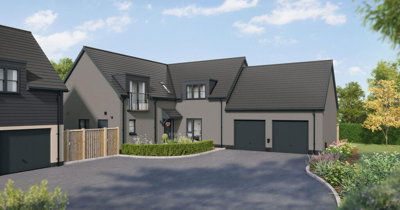
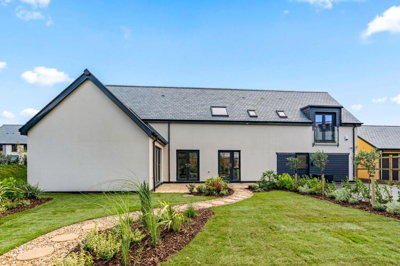
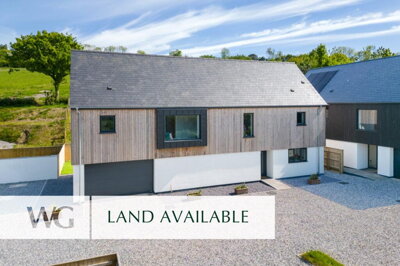
Browse 3 homes new builds in Dartington, South Hams from local developer agents.
The larger property sector typically features multiple bathrooms, substantial reception space, and private gardens or off-street parking. Four bedroom houses in Dartington span detached, semi-detached, and occasionally terraced configurations, with styles ranging from period properties to modern executive homes.
£860k
4
1
20
Source: home.co.uk
Showing 4 results for 4 Bedroom Houses new builds in Dartington, South Hams. 1 new listing added this week. The median asking price is £859,998.
Source: home.co.uk
Detached
3 listings
Avg £923,332
Semi-Detached
1 listings
Avg £675,000
Source: home.co.uk
Source: home.co.uk
The Dartington property market offers exceptional diversity, from charming period cottages to substantial detached family homes and contemporary new-build developments. Detached properties command the highest prices, with Rightmove recording an average of £634,333 and Zoopla citing £553,000, reflecting the strong demand for generous space and privacy that characterises this desirable village setting. Terraced properties average around £448,000, while semi-detached homes offer more accessible entry at approximately £375,000, making them particularly attractive for first-time buyers and growing families looking to establish roots in this well-served community.
The new-build sector remains active in Dartington, most notably at St Mary's by Baker Estates, a development offering 2, 3, 4, and 5-bedroom homes ranging from the Elm at £324,995 through to the Mulberry 5-bedroom starting at £1,100,000. Each property on this development features PV solar panels and EV charging points, appealing to environmentally conscious buyers seeking modern efficiency within a traditional village context. Additionally, the Clay Park affordable housing scheme by Aster Group and Transition Homes Community Land Trust will deliver 39 highly energy-efficient homes for social rent, with allocation through Devon Home Choice and priority given to those with strong local connections to Dartington and adjacent parishes.
Our data shows that 48.4% of households in Dartington own their property outright, indicating a settled community with significant long-term residents. A further 22% own with a mortgage or through shared ownership, while the private rental sector accounts for 15.6% and social housing 14%. This tenure mix suggests a balanced community with opportunities across various buying scenarios, whether you are a first-time purchaser, a growing family seeking more space, or someone looking to relocate from urban areas seeking the exceptional quality of life that Dartington provides.

Dartington is a village steeped in history, with its roots stretching back centuries to the founding of Dartington Hall between 1388 and 1399. Today, the Dartington Hall Estate remains a defining feature of the parish, spanning substantial grounds bounded by the River Dart to the north, north-east, and east. The estate, a Grade I listed building included on the Register of Parks and Gardens of Special Historic Interest at Grade II, encompasses four Scheduled Ancient Monuments and 42 listed structures, creating an extraordinary heritage landscape that attracts visitors from across the country. The famous Cott Inn, dating from 1320, stands as one of England's oldest continuously operating inns, offering residents and visitors alike a tangible connection to the village's remarkable past.
The character of Dartington extends beyond its historic core, with residential development since the 1970s adding suburban housing along cul-de-sacs, particularly around Cott Road, to create a balanced blend of old and new. The village supports a warm, engaged community with excellent local amenities including village shops, pubs, and recreational facilities. St Mary's Church, a Grade I listed building dating from 1450, serves as a spiritual centre for the community and stands as another testament to the village's heritage. The surrounding South Hams landscape offers rolling countryside, accessible walking routes, and proximity to the stunning coastline of South Devon, making Dartington ideal for those who appreciate rural living without isolation.
Economically, Dartington benefits from a strong work-from-home culture, with 43.5% of the parish population working mainly from home, reflecting the growing trend towards flexible working that has transformed rural economies. The Dartington Trust itself serves as a significant local institution, contributing to the village's unique identity as a centre for progressive education and sustainable living initiatives. Despite the rural setting, average household incomes registered with Devon Home Choice stand at £17,250, and with 51.9% of the population economically active and in employment, the community maintains a robust economic foundation built on diverse income sources including remote work, local employment, and tourism related to the estate's attractions.
Education provision in Dartington centres on Dartington Church of England Academy, a primary school serving the village and surrounding areas. The school has seen an increase in enrolled children in recent years, reflecting the growing appeal of Dartington as a family destination, though it remains below capacity, suggesting room for further growth in the school community. As a Church of England school, it maintains strong ties to its Christian foundations while offering a broad curriculum designed to nurture academic achievement and personal development. Parents considering relocation to Dartington will find the school a central part of village life, with active engagement between the school, families, and the wider community.
For secondary education, students typically travel to schools in nearby Totnes, where options include Totnes Community Secondary School and other establishments serving the South Hams area. The market town of Totnes, just a short journey from Dartington, provides comprehensive educational facilities including sixth form provision and further education colleges, ensuring families have access to a full continuum of educational opportunities. Transport arrangements for secondary school students are well-established, with dedicated bus services operating between Dartington and schools in Totnes, making the daily commute manageable for students and parents alike.
The Dartington Hall Estate itself has historically been associated with innovative educational approaches, contributing to the area's reputation as a centre for progressive thinking. While the formal school functions have evolved, the estate's influence on education and community philosophy remains evident in local approaches to learning and development. For families prioritising educational excellence alongside rural living, Dartington offers the best of both worlds: a supportive village environment with access to quality schools and the cultural resources of the nearby town of Totnes, known for its strong educational traditions and vibrant community atmosphere.
Dartington enjoys excellent connectivity despite its rural setting, with the nearby village of Totnes providing direct rail services to major destinations including Exeter, Plymouth, and Bristol. Totnes railway station offers regular services connecting residents to the wider regional and national rail network, making commuting feasible for those working in larger cities while maintaining a village lifestyle. The journey to Exeter takes approximately 45 minutes by train, opening opportunities for professionals seeking city employment without the stress and cost of urban living. London Paddington can be reached via Exeter or Plymouth with a total journey time of around three to three and a half hours.
For road travel, Dartington sits within easy reach of the A381, providing connections to Totnes, Dartmouth, and the broader South Hams road network. The A38 and M5 motorway are accessible via Totnes, offering straightforward routes north to Exeter and beyond. Local bus services operate throughout the area, connecting Dartington with neighbouring villages and towns, while the proximity of Dartington to Totnes means residents benefit from the full range of transport options available in the market town. Parking in the village remains manageable compared to urban areas, a significant advantage for those who travel occasionally by car.
The exceptional proportion of residents working from home, at 43.5% of the parish population, demonstrates how Dartington has adapted to modern working patterns that reduce dependence on daily commuting. For those who do need to travel, the combination of rail links, road connections, and the flexibility offered by remote work creates a sustainable commuting model. Cycling infrastructure in the South Hams has improved in recent years, with scenic routes available for both leisure and practical travel. For international travel, Exeter Airport provides connections to UK and European destinations within approximately an hour's drive, with Bristol Airport also accessible for a wider range of flights.
Start by exploring the Dartington property market through Homemove, reviewing available listings and understanding the local property types, from period cottages to contemporary new builds at St Mary's by Baker Estates. Consider factors such as proximity to the River Dart floodplain, conservation area restrictions, and the implications of purchasing listed buildings. We recommend visiting the area in different seasons to understand how the village changes throughout the year, particularly regarding daylight hours and weather conditions that affect the South Hams landscape.
Contact mortgage providers to obtain an agreement in principle before viewing properties. With the average property price in Dartington at £501,469, securing appropriate financing early will strengthen your position when making offers in what remains a competitive local market. Given the premium nature of many Dartington properties, including the new homes at St Mary's ranging up to £1,200,000, ensure your mortgage broker is familiar with rural Devon property valuations and any unique financing considerations for listed buildings or conservation area properties.
Visit multiple properties in different seasons if possible to understand how Dartington's rural setting changes throughout the year. Pay particular attention to properties near the River Dart and investigate any flood risk concerns that have been raised in relation to local developments. We always recommend attending viewings with a checklist that includes checking for signs of damp in older properties, examining roof conditions on period cottages, and assessing whether any extensions or modifications have the necessary planning consents.
For properties over 50 years old, which make up a significant portion of Dartington's housing stock, a RICS Level 2 Survey is essential. This will identify issues such as damp, subsidence, or structural concerns common in period properties and provide professional guidance on necessary repairs. Our team works with qualified RICS surveyors who understand the specific construction methods used in Devon properties, including traditional cob and stone building techniques that require specialist knowledge to assess accurately. The survey cost typically ranges from £416 to £639 nationally, with properties above £500,000 averaging around £586.
Once your offer is accepted, instruct a conveyancing solicitor to handle the legal aspects of your purchase. Your solicitor will conduct local searches including flood risk and planning history, and manage contracts through to completion. Given Dartington's heritage status and proximity to the River Dart, we recommend ensuring your solicitor pays particular attention to drainage searches, environmental agency records, and any planning conditions that may affect your use or development of the property.
After all searches are satisfactory and contracts are signed, your solicitor will arrange the exchange of contracts and set a completion date. On completion day, the remaining funds are transferred and you receive the keys to your new Dartington home. We recommend arranging building insurance from the point of exchange, particularly for older or listed properties where specialist insurance may be required.
Purchasing property in Dartington requires attention to several area-specific considerations that distinguish this location from more standard residential markets. The extensive heritage of the village means that a significant proportion of properties either fall within conservation considerations or are listed buildings, subject to specific planning controls and restrictions. If you are considering a listed property, be aware that any alterations or extensions will require Listed Building Consent from South Hams District Council, and you should budget accordingly for specialist surveys and potentially higher maintenance costs associated with period construction methods.
Flood risk warrants careful investigation when purchasing in Dartington. While concerns have been raised regarding new housing developments and experts on drainage matters have reportedly found no issues with approved plans, the proximity of the area to the River Dart means properties in certain locations may be susceptible to flooding. A thorough investigation of the flood risk for any specific property, including review of Environment Agency data and local drainage records, should form part of your due diligence. Your surveyor will flag any potential concerns, and you may wish to consider flood resilience measures for properties in higher-risk locations.
The tenure of properties in Dartington also deserves attention. While many homes will be freehold, flats and some newer developments may be leasehold, introducing ground rent and service charge considerations that affect ongoing costs. The Clay Park development and St Mary's by Baker Estates both represent newer stock where specific management arrangements will be documented in the lease. Understanding these arrangements before purchase prevents unexpected costs and ensures you are comfortable with the responsibilities of ownership. Properties in the village may also feature traditional construction methods common to Devon, including cob and stone building techniques in older properties, which require specific maintenance knowledge.
When viewing properties in Dartington, we encourage buyers to look beyond cosmetic presentations and consider the practical implications of ownership. Properties near the Dartington Hall Estate may have access arrangements or rights of way that affect privacy and usability. Older properties along Warren Lane and in the hamlets may have been constructed using traditional methods that differ significantly from modern building standards, requiring different maintenance approaches and potentially specialist contractors for repairs.
The average property price in Dartington over the last year was £501,469, representing a 2% decrease from the previous year and a 7% decrease from the 2023 peak of £540,783. Detached properties average between £553,000 and £634,333, while terraced homes typically sell for around £448,000 and semi-detached properties for approximately £375,000. The slight softening in the market may present opportunities for buyers seeking to enter this desirable South Hams village at more accessible price points than at the 2023 peak.
Properties in Dartington fall under South Hams District Council's jurisdiction. Council tax bands vary by property depending on valuation, with bands typically ranging from A through to H. The village's mix of period properties and newer homes means bands can vary considerably across the parish, with historic properties in the Dartington Hall Estate area potentially falling into higher bands due to their character and setting. Contact South Hams District Council or check the Valuation Office Agency website for specific band information on any property you are considering purchasing.
Dartington Church of England Academy serves as the primary school for the village, offering education for children from early years through to Year 6. The school has experienced growing enrollment numbers and maintains strong community links with the Dartington Hall Estate and surrounding parish. For secondary education, students typically attend schools in nearby Totnes, including Totnes Community Secondary School, with additional options and sixth form provision accessible in the town. Transport arrangements for secondary students are well-established via local bus services running along the A381 corridor.
Dartington benefits from excellent connectivity despite its rural location. The nearby town of Totnes provides direct rail services to Exeter, Plymouth, Bristol, and London Paddington, with Totnes station just minutes from Dartington via the A381. Local bus services connect the village to surrounding towns and villages, including services linking Dartington to the Clay Park development and St Mary's by Baker Estates. For those working from home, which accounts for 43.5% of the working population, Dartington offers reliable broadband and mobile connectivity alongside peaceful surroundings.
Dartington presents a compelling investment case, combining strong heritage appeal with a balanced local economy and growing demand from remote workers seeking rural quality of life. The village population increased from 876 in 2011 to 2,147 in 2021, and the housing market shows consistent activity with 498 sales recorded over the past decade in the Dartington and Staverton area. New developments such as St Mary's by Baker Estates demonstrate continued confidence in the local market, while the ongoing Clay Park affordable housing scheme indicates sustained demand for properties in this area. The proximity to Totnes and the South Devon coastline further enhances long-term investment appeal.
Stamp Duty Land Tax applies to all property purchases in England. For standard purchases, you pay 0% on properties up to £250,000, 5% on the portion from £250,001 to £925,000, 10% from £925,001 to £1,500,000, and 12% above £1,500,000. First-time buyers benefit from relief on the first £425,000, paying 5% on the portion from £425,001 to £625,000. With an average property price of £501,469 in Dartington, most buyers would expect to pay SDLT on the portion above £250,000, which at current rates would be approximately £12,573 for standard buyers.
Dartington contains numerous listed buildings including Dartington Hall (Grade I), St Mary's Church (Grade I), and 42 additional listed structures across the estate. Properties designated as listed buildings are protected under the Planning (Listed Buildings and Conservation Areas) Act 1990, requiring Listed Building Consent for any alterations, extensions, or significant works. We recommend that buyers budget for specialist surveys beyond a standard RICS Level 2, potentially including a RICS Level 3 Building Survey for complex heritage properties. Be prepared for potentially higher maintenance costs and factor in the need for contractors experienced with historic building conservation when planning any works to listed properties in the Dartington area.
Properties in Dartington require careful flood risk assessment due to the village's proximity to the River Dart, which bounds the Dartington Hall Estate to the north, north-east, and east. While concerns have been raised regarding some new housing developments and local drainage experts reportedly found approved plans acceptable, buyers should conduct thorough due diligence on specific properties. We recommend requesting a comprehensive flood risk search from your solicitor, checking Environment Agency data, and ensuring your surveyor addresses drainage and flood resilience in their report. Properties in lower-lying areas near the river may require specialist flood insurance, which can affect ongoing ownership costs.
The Dartington property market offers diverse housing types to suit various buyer requirements. Period cottages and historic properties can be found near the Dartington Hall Estate and along roads such as Warren Lane, many dating from the medieval period with construction using traditional Devon building methods. Suburban developments since the 1970s have added detached and semi-detached homes around Cott Road and other cul-de-sac locations. New-build options at St Mary's by Baker Estates include 2, 3, 4, and 5-bedroom houses and bungalows, with prices ranging from £324,995 for a 2-bedroom Elm home up to £1,200,000 for the 5-bedroom Mulberry. The upcoming Clay Park development will add 39 affordable homes for social rent.
From 3.85%
Expert mortgage advice tailored to Dartington property values
From £499
Specialist conveyancing for Dartington properties including listed buildings
From £350
Essential survey for Dartington's older properties and period homes
From £85
Energy performance certificate for your Dartington property
Understanding the full costs of purchasing property in Dartington is essential for budgeting effectively. Beyond the property price itself, buyers should factor in Stamp Duty Land Tax, solicitor fees, survey costs, and moving expenses. For a typical Dartington property at the current average price of £501,469, a standard buyer without first-time buyer relief would pay SDLT at 5% on the amount above £250,000, equating to approximately £12,573 in stamp duty. First-time buyers benefiting from relief on the first £425,000 would pay 5% on the remaining £76,469, reducing their SDLT liability to approximately £3,823.
Survey costs represent an important investment in protecting your purchase. A RICS Level 2 Survey typically costs between £416 and £639 nationally, though prices increase for properties valued above £500,000, where the average is around £586. Given Dartington's significant stock of period and potentially listed properties, commissioning a thorough survey is particularly important to identify any structural concerns, damp issues, or necessary repairs before you commit to purchase. For listed buildings, additional specialist surveys may be required to assess the property's condition and the implications of its heritage status.
Conveyancing fees for purchasing in Dartington typically start from around £499 for basic legal work, though costs increase for more complex transactions including leasehold properties, new builds, or properties with unusual features. Your solicitor will conduct local searches including drainage and water searches, local authority searches, and environmental searches to identify any issues affecting the property. With Dartington's proximity to the River Dart and the village's heritage status, searches may reveal additional considerations that your solicitor will advise on. Building insurance should be arranged from the point of exchange of contracts, and you should also budget for removals costs and any immediate repairs or furnishing you plan to undertake once you move into your new Dartington home.
Properties New Builds In London

Properties New Builds In Plymouth

Properties New Builds In Liverpool

Properties New Builds In Glasgow

Properties New Builds In Sheffield

Properties New Builds In Edinburgh

Properties New Builds In Coventry

Properties New Builds In Bradford

Properties New Builds In Manchester

Properties New Builds In Birmingham

Properties New Builds In Bristol

Properties New Builds In Oxford

Properties New Builds In Leicester

Properties New Builds In Newcastle

Properties New Builds In Leeds

Properties New Builds In Southampton

Properties New Builds In Cardiff

Properties New Builds In Nottingham

Properties New Builds In Norwich

Properties New Builds In Brighton

Properties New Builds In Derby

Properties New Builds In Portsmouth

Properties New Builds In Northampton

Properties New Builds In Milton Keynes

Properties New Builds In Bournemouth

Properties New Builds In Bolton

Properties New Builds In Swansea

Properties New Builds In Swindon

Properties New Builds In Peterborough

Properties New Builds In Wolverhampton

Enter your details to see if this property is within your budget.
Loans, cards, car finance
Estimated property budget
Borrowing + deposit
You could borrow between
Typical borrowing
Monthly repayment
Est. at 4.5%
Loan-to-value
This is an estimate only. Your actual budget may vary depending on interest rates, credit history, and personal circumstances. For an accurate affordability assessment, speak to one of our free mortgage advisors.
This calculator provides estimates for illustrative purposes only and does not constitute financial advice. Your home may be repossessed if you do not keep up repayments on your mortgage. Estimates based on 4.5% interest rate, repayment mortgage. Actual rates depend on your circumstances.
Homemove is a trading name of HM Haus Group Ltd (Company No. 13873779, registered in England & Wales). Homemove Mortgages Ltd (Company No. 15947693) is an Appointed Representative of TMG Direct Limited, trading as TMG Mortgage Network, which is authorised and regulated by the Financial Conduct Authority (FRN 786245). Homemove Mortgages Ltd is entered on the FCA Register as an Appointed Representative (FRN 1022429). You can check registrations at NewRegister or by calling 0800 111 6768.

We use cookies to show you personalised content and improve your experience of our website. Find out more in our Privacy policy and Cookie policy.