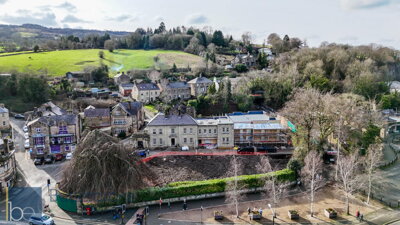
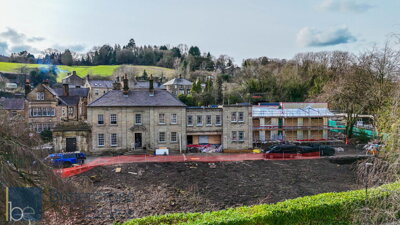
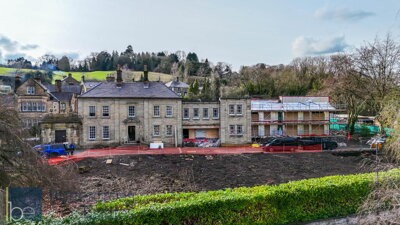
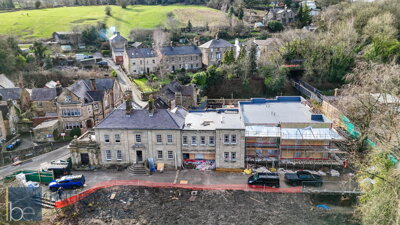
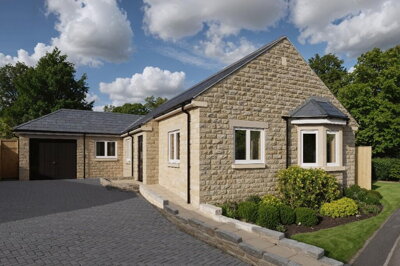
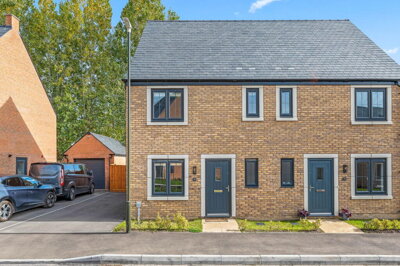
Browse 14 homes new builds in Darley Dale from local developer agents.
The Darley Dale property market has demonstrated remarkable resilience over the past five years, with average house prices increasing by 22.1% since the previous period. Our current data shows the average property price sits at £364,123, reflecting the continued demand for homes in this desirable Peak District location. Over the last twelve months, prices have stabilised with a minor adjustment of just 0.3%, indicating a healthy market that balances buyer interest with fair valuations. ---NEXT---
Property types available in Darley Dale cater to various budgets and lifestyle preferences. Detached properties command the highest average price at £512,863, offering generous space and gardens that appeal to growing families. Semi-detached homes average £276,945, providing excellent value for those seeking a balance between space and affordability. Terraced properties, representing good value at approximately £215,000, often feature the characteristic gritstone construction that defines the local architecture. Flats remain the most affordable option at around £140,000, though availability is limited with only three sales recorded in the past year. ---NEXT---
Looking at price trends by property type over the past twelve months, detached properties have seen a slight decrease of 0.3% while semi-detached homes dropped 0.9%. Terraced properties bucked the trend with modest growth of 0.2%, suggesting continued appetite for more affordable housing options in the village. Flats experienced the largest adjustment at minus 2.9%, though with only three transactions recorded, this figure should be treated with caution due to the limited sample size.

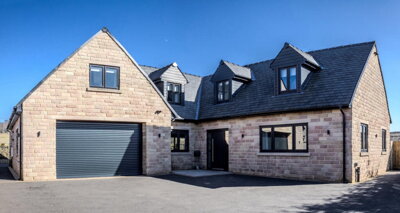
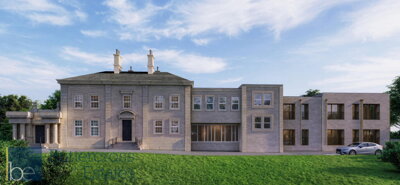
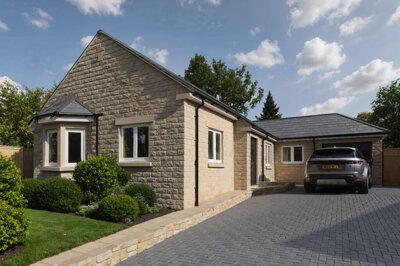
For buyers seeking brand new accommodation, The Coppice development by William Davis Homes offers an exciting opportunity on Chesterfield Road, Darley Dale, DE4 2GG. This select collection of 3, 4, and 5 bedroom homes represents one of the few new-build options currently available in the village. Prices at The Coppice start from £330,946 for a three-bedroom home and range up to £625,000 for the larger five-bedroom detached properties, providing options across different family sizes and budgets. ---NEXT---
New homes at The Coppice benefit from modern construction standards, energy efficiency, and the reassurance of a warranty. Each property is finished with quality fixtures and fittings, while the layouts have been designed to meet contemporary living requirements. The development occupies a convenient position within Darley Dale, providing easy access to local amenities while maintaining a semi-rural atmosphere. Buyers purchasing off-plan or during early construction stages may benefit from competitive pricing incentives, making this an attractive option for those with flexible timelines.
One advantage of purchasing new build property at The Coppice is the opportunity to personalise your home during the construction phase, subject to the developer's terms and conditions. Modern energy-efficient specifications typically include enhanced insulation, double glazing, and efficient heating systems that can result in lower ongoing utility costs compared to older properties. The ten-year NHBC warranty provides additional protection and for new homeowners, covering structural defects and building standards.

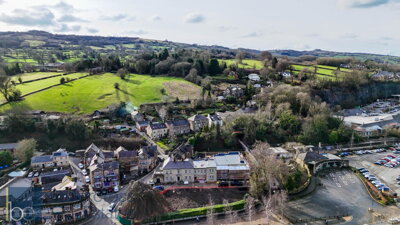
Darley Dale is home to approximately 5,176 residents across 2,305 households according to the 2021 Census, creating a vibrant yet intimate community atmosphere. The village boasts a rich architectural heritage, with numerous listed buildings including the notable St Helen's Church and the historic war memorial. The Darley Dale Conservation Area preserves the character of the historic centre, ensuring that future development respects the traditional gritstone and sandstone construction that gives the village its distinctive appearance.
The local economy benefits from proximity to the Peak District National Park and Matlock, supporting tourism, retail, and hospitality sectors. Many residents also commute to larger employment centres including Derby, Sheffield, and Nottingham, taking advantage of the excellent A6 road connections. The village offers practical everyday amenities including convenience stores, traditional pubs, and local services, while larger shopping facilities are available in nearby Matlock and Chesterfield.
Leisure opportunities abound for residents of Darley Dale, with the stunning Peak District countryside right on the doorstep. The area offers extensive walking and cycling routes, including paths along the River Derwent and access to renowned trails such as the Peaks District's public footpath network. Local attractions include historic houses, charming market towns like Bakewell, and numerous country pubs serving excellent local food. The proximity to the spa town of Matlock provides additional recreational facilities including the Heights of Abraham, a prominent limestone hill with cable car access and cavern tours.

Education provision in Darley Dale serves families with children at all stages of their academic journey. The village is served by several primary schools catering to Reception through to Year 6, with some schools rated Good or Outstanding by Ofsted. Parents should research individual school performance and catchment area boundaries, as admission policies can significantly impact property values and availability in specific streets.
Primary schools serving Darley Dale typically welcome children from the surrounding residential areas, with catchment zones often following natural geographical boundaries. Many families prioritise properties within walking distance of their preferred primary school, particularly for younger children. School performance data, including SATs results and Ofsted inspection outcomes, is publicly available and should form part of any family's property search criteria when considering specific streets or developments.
Secondary education options include schools in the wider Derbyshire Dales area, with some families choosing to utilise the grammar school system in nearby selective areas. For Sixth Form and further education, students typically travel to colleges in Matlock, Chesterfield, or Derby, which offer a comprehensive range of A-level and vocational qualifications. The presence of quality schools within and near Darley Dale contributes significantly to the area's appeal for families, making property in good school catchment areas particularly sought after.

Darley Dale benefits from excellent road connectivity via the A6, which runs through the village and provides direct routes to Matlock to the north and Chesterfield to the east. The A38 and M1 motorway are accessible within approximately 15 miles, connecting residents to the wider national road network. Commuters to Derby can typically reach the city centre in around 40 minutes by car, while Sheffield is approximately 45 minutes away depending on traffic conditions.
Public transport options include bus services connecting Darley Dale to Matlock, Bakewell, and Chesterfield, providing essential connectivity for those without private vehicles. The nearest railway stations are in Chesterfield and Derby, offering East Midlands Railway and CrossCountry services to destinations including Nottingham, Leicester, Birmingham, and London St Pancras. For cyclists and walkers, the Peak District provides an extensive network of public footpaths and dedicated trails, making car-free recreation readily accessible from the village.
For those who commute by train, East Midlands Railway services from Chesterfield provide regular connections to London St Pancras with journey times of approximately two hours. CrossCountry services from Derby offer additional routing options to destinations across the UK. Many Darley Dale residents find that the village's position offers an ideal balance, providing the ability to commute to major employment centres while enjoying a countryside lifestyle in the evenings and weekends.

Properties in Darley Dale present several area-specific considerations that buyers should investigate before committing to a purchase. The village's proximity to the River Derwent means that some properties, particularly those in lower-lying areas near the river banks, may carry a degree of fluvial flood risk. Surface water flooding can also occur during periods of heavy rainfall, especially in areas with less effective drainage. A thorough environmental search and potentially a flood risk assessment should form part of your due diligence process.
The geology of Darley Dale, characterised by Carboniferous sandstones, shales, and Millstone Grit, can result in clay soils that present shrink-swell risk for foundations. Properties constructed on or near historical mining areas may require additional specialist investigations, and buyers should consider requesting a mining search report. Given the prevalence of older properties, conservation areas, and listed buildings in the village, any property purchase should include careful review of planning constraints and consent requirements that may affect future modifications or extensions.
The presence of numerous listed buildings in Darley Dale, including properties within the Conservation Area, introduces specific considerations for prospective buyers. Listed Building Consent is required for alterations that might affect the character or structure of these properties, and owners must use appropriate materials and methods for any repairs. Properties in conservation areas also face restrictions on certain types of development, including limitations on permitted development rights that would otherwise apply to standard residential properties.

The traditional building character of Darley Dale reflects the local geology and availability of materials from the Peak District. Many historic properties feature local gritstone and sandstone, constructed using traditional lime-based mortars and techniques appropriate for the Victorian and earlier periods. These older properties often have solid walls without cavity insulation, which affects both thermal performance and the approach required for any damp treatment or repair work. Understanding these construction methods is essential when assessing properties for purchase in the village.
Roof construction in older Darley Dale properties typically features natural slate or clay tiles on pitched roofs with timber rafter structures. The condition of these roofing materials requires careful inspection, as freeze-thaw cycles common in the Peak District can accelerate deterioration of slate tiles over time. Leadwork to valleys, chimneys, and window cills is another area where our inspectors frequently identify defects in period properties, with corrosion and flashing failure leading to water penetration. The Millstone Grit influence in the local geology means that some properties may feature gritstone tiles rather than imported slate, which can have different longevity characteristics.
Internal features of traditional Darley Dale properties often include timber floor joists, sometimes supported by brick or stone sleeper walls in older houses. These solid floor constructions can suffer from damp penetration and timber decay, particularly where original ventilation has been compromised by modern modifications. Our surveyors pay particular attention to these elements when inspecting period properties in the village, as remedial work can be costly and may involve specialist conservation techniques appropriate for listed buildings. Properties built after the 1960s typically feature more modern cavity wall construction and concrete floor slabs, which present different but equally important inspection considerations.
Explore property listings, understand local prices, and get a feel for different neighbourhoods within Darley Dale. Consider factors like proximity to schools, transport links, and flood risk areas that may affect your decision. Use our platform to compare properties, review price trends, and shortlist homes that match your requirements and budget.
Schedule visits to properties matching your criteria. Take notes, photograph each room, and prepare questions about the property's history, recent renovations, and any planning permissions obtained. When viewing period properties in Darley Dale, pay particular attention to the condition of stonework, roof coverings, and any signs of damp or structural movement.
Before making an offer, secure a mortgage Agreement in Principle from a lender. This demonstrates your financial readiness to sellers and strengthens your negotiating position in a competitive market. Speak to a mortgage broker who can help you find the best rates and advise on loan-to-value ratios appropriate for your chosen property type.
Once your offer is accepted, arrange a RICS Level 2 Survey to assess the property's condition. Given Darley Dale's mix of older properties, this survey can identify defects in stone walls, roofs, timber elements, and foundations that may not be visible during viewings. Our inspectors have extensive experience with traditional Peak District construction methods.
Choose a conveyancing solicitor to handle the legal aspects of your purchase. They will conduct searches, review contracts, and coordinate with the seller's representatives through to completion. For listed buildings or properties in the conservation area, your solicitor should specifically flag any planning conditions or obligations that affect the property.
Finalise your mortgage, pay your deposit, and arrange building insurance. On completion day, your solicitor transfers the remaining funds and you receive the keys to your new Darley Dale home.
Stamp Duty Land Tax applies to all property purchases in England, and understanding these costs is essential for budgeting your Darley Dale purchase. For properties purchased at the current average price of £364,123, standard rate buyers pay nothing on the first £250,000 and 5% on the amount between £250,000 and £364,123, totalling approximately £5,706 in Stamp Duty. First-time buyers benefit from relief on the first £425,000, reducing their Stamp Duty liability significantly for properties priced within that threshold. ---NEXT---
Beyond Stamp Duty, buyers should budget for additional costs including legal fees typically ranging from £500 to £1,500 for conveyancing, mortgage arrangement fees of 0% to 1.5% of the loan amount, and valuation fees of approximately £300 to £500. A RICS Level 2 Survey costs between £400 and £800 depending on property size, while buildings insurance commences from completion day. Local council tax in Derbyshire Dales ranges from Band A to H depending on property value, with most Darley Dale homes falling within Bands B to E. ---NEXT---
For properties priced at the lower end of the Darley Dale market, such as terraced cottages around £215,000, first-time buyers would pay no Stamp Duty at all under current thresholds. Semi-detached family homes averaging £276,945 would incur Stamp Duty of approximately £1,347 for standard rate buyers, while first-time buyers would again benefit from zero liability. These lower entry costs make terraced properties and smaller semis particularly attractive to those entering the Darley Dale market. ---NEXT---
The average property price in Darley Dale currently stands at £364,123, based on sales data from the past twelve months. Detached properties average £512,863, semi-detached homes around £276,945, terraced properties approximately £215,000, and flats around £140,000. Over the past five years, prices have increased by 22.1%, indicating strong long-term demand for property in this Peak District location. ---NEXT---
Properties in Darley Dale fall within Derbyshire Dales council tax bands, which typically range from Band A through to Band H. Most standard family homes in the village fall within Bands B through E, with exact bands determined by property valuation. Prospective buyers should verify the specific band for any property they are considering, as this affects ongoing annual costs.
Darley Dale offers several primary education options for families, with various schools serving the village and surrounding areas. Parents should research individual school Ofsted ratings and consider catchment boundaries when property hunting. For secondary education, students typically attend schools in the wider Derbyshire Dales area. The presence of quality educational options makes Darley Dale particularly popular with families seeking good schooling within a semi-rural setting.
Darley Dale is served by bus routes connecting to Matlock, Bakewell, and Chesterfield, providing essential public transport options for daily commutes and local travel. The nearest railway stations are in Chesterfield and Derby, offering East Midlands Railway and CrossCountry services to major cities including Nottingham, Leicester, Birmingham, and London. The A6 road provides excellent connections to nearby towns and the motorway network for those who prefer driving.
Darley Dale offers several attractive features for property investors, including strong historical price growth of 22.1% over five years and proximity to the Peak District National Park. The village benefits from good transport links to major employment centres, quality schools, and a desirable lifestyle offering that continues to attract buyers. Rental demand is supported by commuting professionals and those seeking quality of life in a semi-rural setting. The limited new build supply also helps maintain property values over time.
For a property at the average Darley Dale price of £364,123, standard rate buyers pay approximately £5,706 in Stamp Duty Land Tax. First-time buyers purchasing properties up to £425,000 pay no Stamp Duty on the first £425,000, making Darley Dale more accessible for first-time buyers than many comparable areas. Properties above £625,000 do not qualify for first-time buyer relief, and buyers purchasing premium detached properties at The Coppice or similar developments should budget for higher Stamp Duty costs accordingly.
Yes, Darley Dale has numerous listed buildings including St Helen's Church and various historic houses within the Conservation Area. Properties that are listed buildings or located within the conservation area require specialist consideration when purchasing. A RICS Level 3 Survey is often recommended for listed properties due to their complex traditional construction, historical significance, and the specialist knowledge required for appropriate repairs. Any planned modifications to listed buildings will require Listed Building Consent from Derbyshire Dales District Council.
Properties New Builds In London

Properties New Builds In Plymouth

Properties New Builds In Liverpool

Properties New Builds In Glasgow

Properties New Builds In Sheffield

Properties New Builds In Edinburgh

Properties New Builds In Coventry

Properties New Builds In Bradford

Properties New Builds In Manchester

Properties New Builds In Birmingham

Properties New Builds In Bristol

Properties New Builds In Oxford

Properties New Builds In Leicester

Properties New Builds In Newcastle

Properties New Builds In Leeds

Properties New Builds In Southampton

Properties New Builds In Cardiff

Properties New Builds In Nottingham

Properties New Builds In Norwich

Properties New Builds In Brighton

Properties New Builds In Derby

Properties New Builds In Portsmouth

Properties New Builds In Northampton

Properties New Builds In Milton Keynes

Properties New Builds In Bournemouth

Properties New Builds In Bolton

Properties New Builds In Swansea

Properties New Builds In Swindon

Properties New Builds In Peterborough

Properties New Builds In Wolverhampton

Enter your details to see if this property is within your budget.
Loans, cards, car finance
Estimated property budget
Borrowing + deposit
You could borrow between
Typical borrowing
Monthly repayment
Est. at 4.5%
Loan-to-value
This is an estimate only. Your actual budget may vary depending on interest rates, credit history, and personal circumstances. For an accurate affordability assessment, speak to one of our free mortgage advisors.
This calculator provides estimates for illustrative purposes only and does not constitute financial advice. Your home may be repossessed if you do not keep up repayments on your mortgage. Estimates based on 4.5% interest rate, repayment mortgage. Actual rates depend on your circumstances.
Homemove is a trading name of HM Haus Group Ltd (Company No. 13873779, registered in England & Wales). Homemove Mortgages Ltd (Company No. 15947693) is an Appointed Representative of TMG Direct Limited, trading as TMG Mortgage Network, which is authorised and regulated by the Financial Conduct Authority (FRN 786245). Homemove Mortgages Ltd is entered on the FCA Register as an Appointed Representative (FRN 1022429). You can check registrations at NewRegister or by calling 0800 111 6768.

We use cookies to show you personalised content and improve your experience of our website. Find out more in our Privacy policy and Cookie policy.