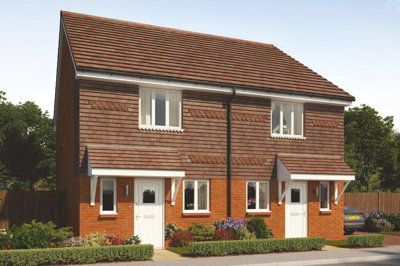
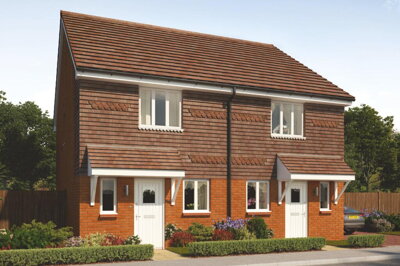
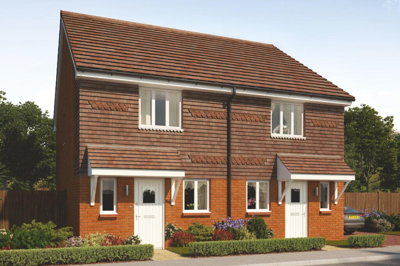
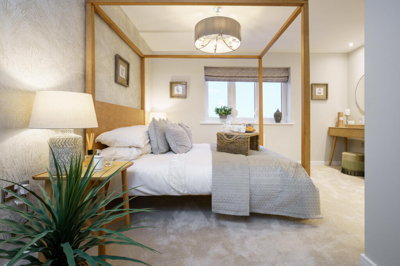
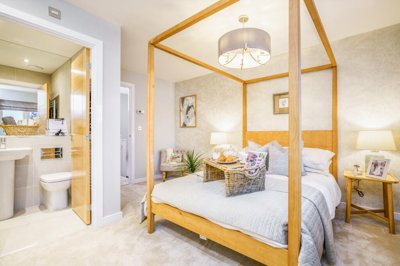
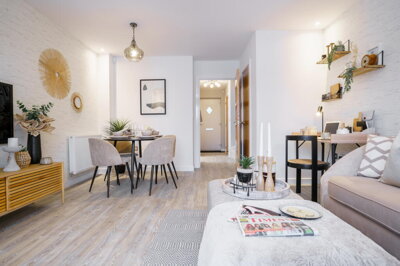
Browse 6 homes new builds in Crowhurst, Rother from local developer agents.
The 2 bed house market features detached, semi-detached, and terraced properties with two separate bedrooms plus living spaces. Properties in Crowhurst range across contemporary developments, with pricing varying across different neighbourhoods.
£0k
0
0
0
Source: home.co.uk
Showing 0 results for 2 Bedroom Houses new builds in Crowhurst, Rother.
The Crowhurst property market has experienced notable correction in recent years, with sold prices falling 24% compared to the previous year and 37% below the 2022 peak of £823,667. This moderation brings opportunities for buyers who may previously have found the village beyond their budget. The market is dominated by detached properties, which account for the majority of transactions and reflect the rural character of the area. Semi-detached homes and larger family houses also feature prominently, with around 38% of the housing stock comprising four-bedroom or larger properties, significantly above the Rother district average of 23%.
Only a quarter of Crowhurst homes have one or two bedrooms, making smaller properties relatively scarce on the market. This supply-demand imbalance means that compact homes in the village can command premium prices relative to their size. The Crowhurst Neighbourhood Development Plan targets a minimum of 20 new homes from planned developments, with the former Crowhurst Brickworks brownfield site already delivering 16 homes. Additional windfall developments may gradually increase supply, though the pace of new construction remains measured to preserve the village's character. For buyers, current market conditions offer a window to secure a foothold in this desirable East Sussex village at more accessible price points than the 2022 peak.
The housing stock in Crowhurst reflects centuries of construction traditions shaped by local resources. Traditional properties feature brickwork using locally fired clay bricks, hung clay tiles on walls, and plain clay roof tiles that give the village its distinctive character. Timber framing techniques, evident in historic farmsteads, demonstrate the Wealden tradition of using woodland resources for construction. Sandstone from local quarries appears in older buildings, particularly in boundary walls and agricultural structures. Understanding these construction methods helps buyers appreciate the character of different properties while identifying potential maintenance considerations.
Owner-occupancy rates in Crowhurst run high at approximately 79%, reflecting the village's appeal as a long-term place to live rather than a transient rental market. This high ownership rate contributes to community stability and well-maintained properties, though it also means rental availability remains limited. First-time buyers may find the market challenging given average prices approaching £520,000, though the recent price correction has improved accessibility for those with substantial deposits.

Life in Crowhurst revolves around community, countryside, and a pace of life that feels worlds away from urban. The 2021 census recorded 890 residents across 340 households, maintaining the village's intimate scale despite modest population growth since 2011 when 891 residents occupied 327 dwellings. The village pub serves as a social hub, while local farms and equestrian businesses contribute to the rural economy and landscape. Fore Wood, managed by the RSPB, provides exceptional walking opportunities with its ancient woodland, sandstone outcrops, and ghyll streams, making the village particularly appealing to nature enthusiasts.
The local economy reflects Crowhurst's semi-rural character, with residents relying on diverse income sources including the nearby care home, a weight-loss retreat, holiday lets, and a campsite. The Holiday Village in the parish attracts visitors and supports local employment. However, most residents commute beyond the parish for work, a pattern reflected in the higher than average car ownership levels. East Sussex generally faces economic challenges including weak productivity and relatively high housing costs relative to earnings, yet Crowhurst's AONB setting and village charm continue to attract buyers seeking a quality rural lifestyle. The sense of community, architectural heritage, and access to natural beauty make Crowhurst particularly attractive to families and those seeking a quieter life.
The village benefits from an active community spirit despite its small population. Local events and the pub provide regular opportunities for residents to connect, while the proximity to Battle and Hastings expands social and leisure options. The area attracts walkers, cyclists, and nature lovers thanks to the extensive public rights of way network and the Wealden landscape. Equestrian facilities in the village support horse owners, with countryside lanes providing excellent riding opportunities through farmland and woodland.
Daily amenities in Crowhurst remain modest, consistent with a village of its size. Most residents travel to nearby Battle for essential shopping, GP services, and banking facilities. Hastings provides access to larger supermarkets, retail parks, and secondary healthcare services. This arrangement requires car ownership for most residents but offers the benefit of rural tranquility within reasonable reach of comprehensive urban services.
Families considering Crowhurst will find educational options within the village and the surrounding Rother district. The village and its immediate environs serve catchment areas for local primary schools, with broader secondary options available in nearby towns. The 38% of properties with four or more bedrooms reflects the family-oriented nature of the housing stock, as larger homes accommodate growing families who value the village lifestyle and local schooling. Parents should research specific school catchments and admission arrangements, as these can significantly influence property values and availability in surrounding streets.
Primary education provision in the area includes schools serving the surrounding villages, with some families travelling to Battle for additional options. The journey to primary school typically involves short drives along country lanes, with school transport arrangements available for qualifying families. Early years childcare facilities may be limited within the village itself, requiring families to explore options in neighbouring communities. The village's small scale means class sizes often remain manageable, fostering close relationships between teachers and pupils.
Secondary education options include schools in Battle, Hastings, and the surrounding area, with some families considering grammar school provision in East Sussex. Sixth form and further education facilities are accessible in larger towns such as Hastings and Eastbourne, providing comprehensive progression pathways for older students. The village's position within Rother District means access to both state and independent educational institutions. Prospective buyers with school-age children should contact East Sussex County Council or specific schools directly to confirm current catchment areas, admission policies, and any relevant travel arrangements, as rural school transport can influence daily routines significantly.
Private education options in East Sussex include a range of independent schools accessible to Crowhurst families. These institutions often have selective admissions processes and fee structures that vary considerably. Some families choose to combine state primary education with private secondary provision, particularly for specialist subjects or particular educational approaches. Transport arrangements to independent schools require careful planning given rural location.
Transport connectivity from Crowhurst balances rural tranquility with practical accessibility. The village sits approximately five miles north-west of Hastings, providing access to the A21 trunk road connecting to Tunbridge Wells and the M25 beyond. This road link enables car commuters to reach broader employment centres, though journey times to major London workplaces typically run to 90 minutes or more. The higher than average car ownership in Crowhurst reflects this reliance on private vehicles, as public transport options remain limited compared to urban areas.
Bus services connect Crowhurst with nearby towns including Battle and Hastings, though frequency may not suit all commuter schedules. Battle railway station provides access to the Marshlink line connecting to Hastings, Eastbourne, and onwards to London Victoria via Brighton. For those working in Hastings or commuting to coastal destinations, Crowhurst offers a viable base with reduced urban living costs. Cyclists benefit from rural lanes and connections to the national cycling network, though the hilly Wealden terrain demands reasonable fitness. Parking at the station in Battle can be competitive during peak hours, so residents should factor this into commuting plans. The lifestyle trade-off between rural charm and transport flexibility remains a key consideration for prospective Crowhurst residents.
Car ownership in Crowhurst significantly exceeds national averages, with most households maintaining two or more vehicles. This pattern reflects both limited public transport and the dispersed nature of employment across East Sussex. Garage provision and off-street parking feature prominently in property searches, with larger family homes typically including generous parking arrangements. The cost of maintaining multiple vehicles represents a significant ongoing household expense that buyers should factor into their budgeting.
For those working from home, Crowhurst offers an attractive environment with fast broadband increasingly available across the village. The peaceful setting and lack of through traffic support productive home working, though commute to occasional office requirements remains necessary. Rural broadband speeds can vary by location, so prospective buyers should verify current speeds at specific properties.
Explore current listings on Homemove to understand available properties, price ranges, and market conditions. The recent 24% price correction from peak values may present buying opportunities, though inventory remains limited with detached properties dominating supply. Consider engaging a local estate agent with village knowledge who understands the character of different neighbourhoods and the specific considerations of AONB living.
Before arranging viewings, obtain a mortgage agreement in principle from a lender. This strengthens your position when making offers and demonstrates serious intent to sellers. Crowhurst's average property values of around £519,667 mean most purchases will require substantial mortgages, so understanding your borrowing capacity early is essential. Specialist brokers familiar with rural properties can advise on products suited to character homes and listed buildings.
View multiple properties in Crowhurst and surrounding villages to compare the housing stock. Pay attention to construction materials such as brick, hung clay tiles, timber framing, and sandstone details that reflect local building traditions. Check property age, overall condition, and signs of damp, cracking, or other issues common in older properties. The village's 16 listed houses require careful assessment regarding maintenance obligations and permitted development restrictions.
Once you have an offer accepted, instruct a RICS Level 2 survey to assess the property condition thoroughly. Given the village's older housing stock and potential shrink-swell risk from local clay soils, a thorough survey identifies any defects before completion. Specialist surveys may be required for listed properties or homes with non-standard construction. Our team can recommend experienced surveyors familiar with Wealden properties.
Appoint a solicitor experienced in East Sussex property transactions to handle legal work, searches, and contract exchange. They will investigate flood risk areas referenced in the Crowhurst Neighbourhood Development Plan, check planning permissions, and ensure all documentation is in order for properties within the High Weald AONB.
Finalise your mortgage, complete legal searches, and arrange your completion date. On completion day, collect your keys and become the proud owner of a home in this historic Wealden village. Our team congratulates you on joining the Crowhurst community.
Several location-specific factors warrant careful investigation before purchasing in Crowhurst. The village sits within the High Weald Area of Outstanding Natural Beauty, which brings planning restrictions designed to protect the landscape character. Any external alterations to properties, particularly those that are listed, require consent from Rother District Council. The 16 listed houses and numerous listed agricultural buildings in the parish may carry additional maintenance obligations or restrictions that buyers should understand fully before committing.
Flood risk deserves particular attention given references in the Crowhurst Neighbourhood Development Plan to flood mitigation measures. Prospective buyers should review Environment Agency flood maps and consider the proximity of any potential purchase to water courses, low-lying ground, or areas identified in the CNDP flooding maps. Properties in affected zones may face higher insurance costs or restrictions on future development. The local geology includes clay deposits associated with potential shrink-swell risk, meaning foundations and drainage require careful assessment, particularly in older properties with traditional construction methods.
The construction of properties in Crowhurst reflects the Wealden building traditions that have shaped the village for centuries. Traditional materials include locally fired clay bricks, hung clay tiles, plain clay roof tiles, and sandstone for walling and detailing. Timber framing appears in older agricultural buildings and some historic houses, with more recent properties typically featuring conventional brick and tile construction. Buyers should understand these different construction approaches and their maintenance implications when evaluating property condition.
Service charges and leasehold arrangements warrant scrutiny for any flat or maisonette properties, though these represent a very small minority of Crowhurst housing stock given that approximately 79% of homes are owner-occupied. The predominance of detached family homes means freehold houses are the norm, simplifying ownership arrangements. Buyers should verify planning permissions for any extensions, conversions, or outbuildings that may affect value or future use. Given that most residents commute by car, the availability of parking and garage space at prospective properties merits consideration alongside overall accessibility to local amenities in Battle and Hastings.
Properties within the AONB may face additional planning considerations beyond standard requirements. Rother District Council applies strict design standards to preserve the landscape character, which can affect permitted development rights. Buyers planning renovations or extensions should consult the planning department early in the process to understand what may be achievable under AONB policies.
Properties in Crowhurst, like others across East Sussex, exhibit characteristic defects related to their age, construction materials, and local environmental conditions. Understanding these common issues helps buyers priorities survey requirements and negotiate appropriate terms. Our inspectors frequently identify concerns related to traditional building methods, age-related wear, and local geological conditions that affect foundation performance.
The local clay geology creates potential for shrink-swell movement that affects building foundations over time. Properties constructed with traditional strip foundations on clay soils may show signs of movement including cracking to walls, sticking doors and windows, or uneven floors. Our surveyors pay particular attention to these signs during inspections, recommending specialist structural surveys where movement indicators are significant. Properties with a history of underpinning or previous foundation work merit careful investigation to understand the underlying ground conditions.
Traditional construction materials require ongoing maintenance to perform effectively. Clay tiles used for hanging and roofing can suffer from frost damage, biological growth, or general deterioration over their service life. Brickwork may exhibit spalling, cracking, or mortar deterioration particularly where exposure to weather is highest. Timber elements, whether in framing, fascias, or window frames, face risks from rot and wood-boring insects. Properties with delayed maintenance histories often accumulate defects that require attention following purchase.
The sandstone and flint commonly found in older boundary walls and agricultural buildings can deteriorate over time, particularly where vegetation has established within structures. Wall collapse or deterioration represents a safety risk and potential liability for property owners. Buyers considering properties with significant stone or flint structures should factor potential restoration costs into their budgeting. Listed building consent requirements for repairs may affect the approach to any necessary work.
The average house price in Crowhurst over the last year was £519,667 according to recent market data. Detached properties averaged £602,000, while terraced homes typically sold for around £355,000. Zoopla records an average sold price of £429,500. Prices have corrected by 24% compared to the previous year and stand 37% below the 2022 peak of £823,667, presenting potential opportunities for buyers entering the market. This price correction has improved affordability for those seeking detached family homes in the village, though competition for the limited available stock remains strong.
Properties in Crowhurst fall under Rother District Council authority with council tax collected by East Sussex County Council. Council tax bands in the district range from A through to H, with specific bands determined by property valuation carried out by the Valuation Office Agency. Most detached family homes in Crowhurst fall into bands D through F due to their size, quality, and AONB location premium. Buyers should check the specific band with Rother District Council or via the Valuation Office Agency website before budgeting for ongoing costs, as annual charges can vary significantly between bands.
Crowhurst serves catchment areas for local primary schools in the surrounding villages and Rother district, with schools in Battle and nearby communities serving the immediate area. The village's position means families typically access primary education locally, with secondary options in Battle, Hastings, and surrounding areas including grammar schools available in East Sussex for those meeting entrance criteria. Parents should contact East Sussex County Council for current catchment information, as school admissions can influence where families choose to live within the parish and surrounding villages.
Public transport options in Crowhurst are limited compared to urban areas, with bus services connecting the village with Battle and Hastings though frequencies may not suit all commuter needs. Battle railway station provides access to the Marshlink line connecting to coastal towns and onwards to London Victoria via Brighton, though services can be affected by the challenging coastal terrain. Most residents rely on private cars, reflected in higher than average car ownership levels, with the A21 providing road connections to Tunbridge Wells and the M25 though journey times to central London typically exceed 90 minutes.
Crowhurst offers several investment considerations including the village's position within the High Weald AONB and limited new supply, with the Neighbourhood Plan targeting just 20 additional homes from major developments. The recent 24% price correction from peak values may present buying opportunities for long-term investors, though rental demand in the village may be moderate given limited local employment and the predominantly owner-occupier character. The rural location and high car dependency could limit rental appeal for some tenants, though holiday lets may perform well given the AONB setting and proximity to attractions including Fore Wood and the Sussex coast.
Stamp Duty Land Tax applies to purchases in Crowhurst as in the rest of England. For standard purchases, no SDLT is due on the first £250,000 of property value, with 5% charged between £250,001 and £925,000. Properties above £925,000 incur 10% up to £1.5 million, and 12% above that threshold. First-time buyers benefit from relief on the first £425,000 paying 0% rate, with 5% between £425,001 and £625,000. At Crowhurst's average price of £519,667, a first-time buyer would pay approximately £4,733 in stamp duty after relief, while a subsequent buyer would pay around £13,483. Your solicitor will calculate the exact amount based on your circumstances and purchase price.
The Crowhurst Neighbourhood Development Plan includes references to flood mitigation measures and identifies flood risk areas within the parish. Prospective buyers should review Environment Agency flood maps and the CNDP flooding maps to understand specific risks affecting any property under consideration. Properties in identified flood zones may face higher insurance premiums or restrictions on development. The local geology and presence of water courses through the parish create varying levels of risk across different areas, making individual property assessment essential before committing to purchase.
Crowhurst contains 16 listed houses along with several listed barns and granaries reflecting the village's agricultural heritage. All listed buildings carry Grade II designation requiring listed building consent for alterations that affect character, with more significant structures potentially attracting higher grades. Properties with listed status may face restrictions on permitted development, maintenance requirements, and obligations to preserve original features. Buyers considering listed properties should factor these considerations into their decision and budget for potentially higher renovation costs using appropriate materials and contractors.
Purchasing property in Crowhurst involves several costs beyond the purchase price itself. Stamp Duty Land Tax represents the most significant additional expense for most buyers. Standard rate thresholds apply, with no SDLT on the first £250,000, 5% between £250,001 and £925,000, 10% up to £1.5 million, and 12% on amounts exceeding £1.5 million. First-time buyers benefit from increased thresholds, paying nothing on the first £425,000 and 5% between £425,001 and £625,000. At Crowhurst's average price of £519,667, a first-time buyer would pay approximately £4,733 in stamp duty after relief, while a subsequent buyer would pay around £13,483.
Legal costs for conveyancing typically range from £500 to £2,000 depending on complexity and whether the property is leasehold. Survey costs for a RICS Level 2 Homebuyer Report start from around £350 for standard properties, with larger or older homes potentially requiring more comprehensive assessments. Given the prevalence of older construction and listed buildings in Crowhurst, buyers may benefit from more detailed surveys that identify traditional building defects and structural concerns.
Searches including local authority, drainage, and environmental checks usually cost between £250 and £500. For Crowhurst properties, searches should include specific enquiries about AONB planning restrictions, flood risk areas referenced in the Neighbourhood Development Plan, and any recorded land contamination from previous uses such as the brickworks. Mortgage arrangement fees, valuation fees, and broker costs add further expenses. Buyers should budget approximately 3-5% of the purchase price for additional costs, meaning a £519,667 property could involve £15,000 to £26,000 in ancillary expenses on top of the deposit and mortgage.
Properties New Builds In London

Properties New Builds In Plymouth

Properties New Builds In Liverpool

Properties New Builds In Glasgow

Properties New Builds In Sheffield

Properties New Builds In Edinburgh

Properties New Builds In Coventry

Properties New Builds In Bradford

Properties New Builds In Manchester

Properties New Builds In Birmingham

Properties New Builds In Bristol

Properties New Builds In Oxford

Properties New Builds In Leicester

Properties New Builds In Newcastle

Properties New Builds In Leeds

Properties New Builds In Southampton

Properties New Builds In Cardiff

Properties New Builds In Nottingham

Properties New Builds In Norwich

Properties New Builds In Brighton

Properties New Builds In Derby

Properties New Builds In Portsmouth

Properties New Builds In Northampton

Properties New Builds In Milton Keynes

Properties New Builds In Bournemouth

Properties New Builds In Bolton

Properties New Builds In Swansea

Properties New Builds In Swindon

Properties New Builds In Peterborough

Properties New Builds In Wolverhampton

Enter your details to see if this property is within your budget.
Loans, cards, car finance
Estimated property budget
Borrowing + deposit
You could borrow between
Typical borrowing
Monthly repayment
Est. at 4.5%
Loan-to-value
This is an estimate only. Your actual budget may vary depending on interest rates, credit history, and personal circumstances. For an accurate affordability assessment, speak to one of our free mortgage advisors.
This calculator provides estimates for illustrative purposes only and does not constitute financial advice. Your home may be repossessed if you do not keep up repayments on your mortgage. Estimates based on 4.5% interest rate, repayment mortgage. Actual rates depend on your circumstances.
Homemove is a trading name of HM Haus Group Ltd (Company No. 13873779, registered in England & Wales). Homemove Mortgages Ltd (Company No. 15947693) is an Appointed Representative of TMG Direct Limited, trading as TMG Mortgage Network, which is authorised and regulated by the Financial Conduct Authority (FRN 786245). Homemove Mortgages Ltd is entered on the FCA Register as an Appointed Representative (FRN 1022429). You can check registrations at NewRegister or by calling 0800 111 6768.

We use cookies to show you personalised content and improve your experience of our website. Find out more in our Privacy policy and Cookie policy.