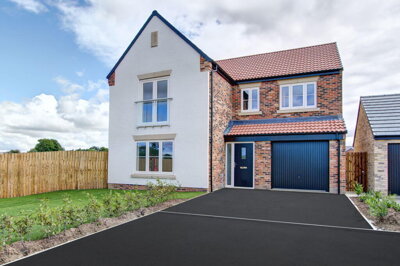
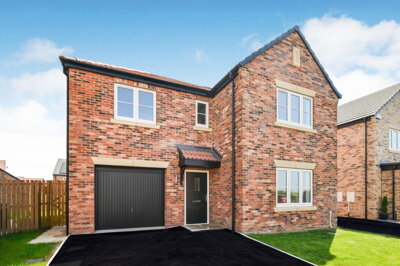
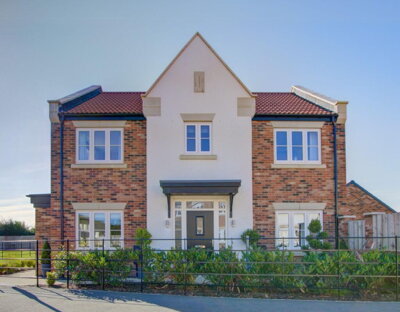
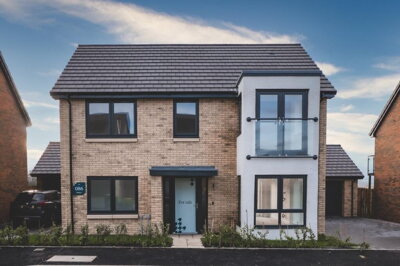
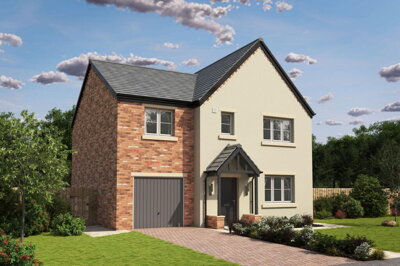
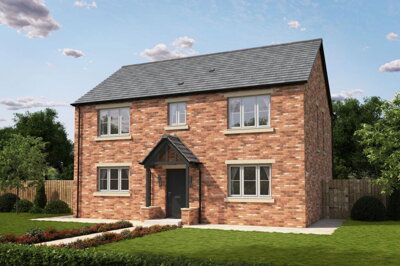
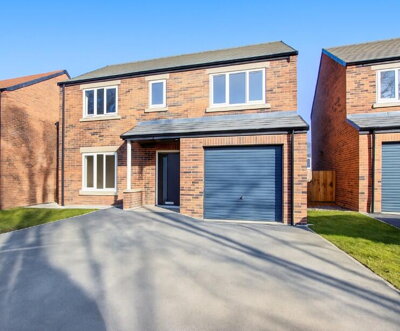
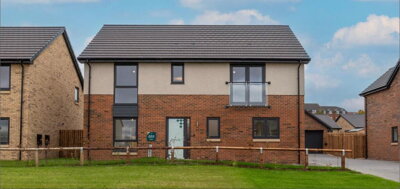
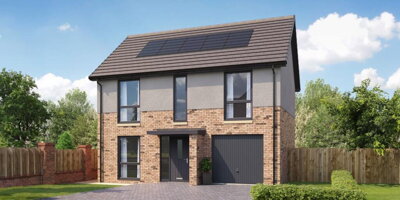
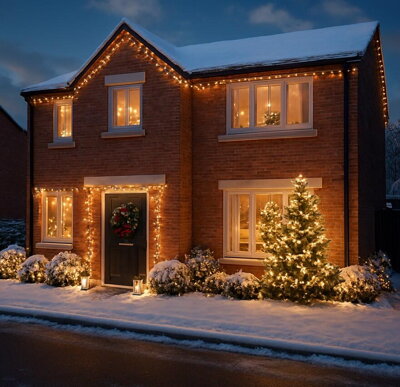
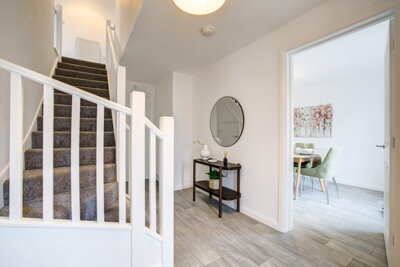
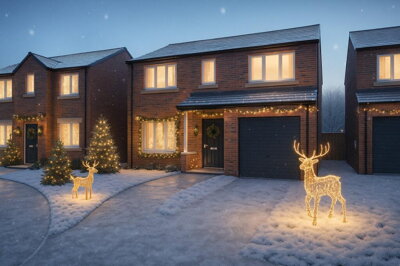
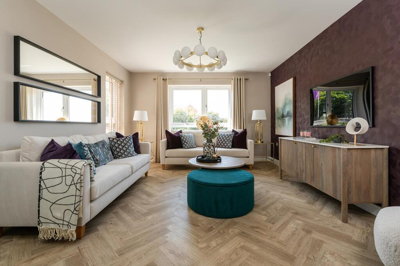
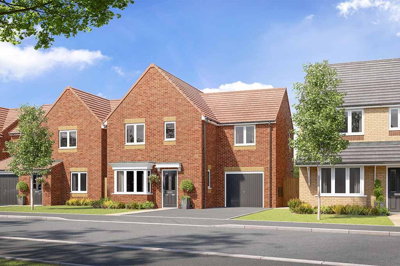
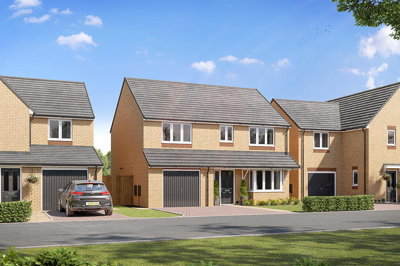
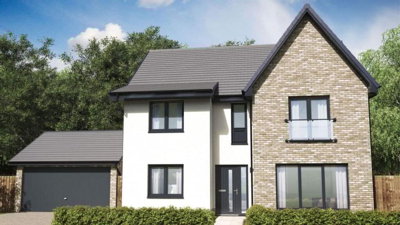
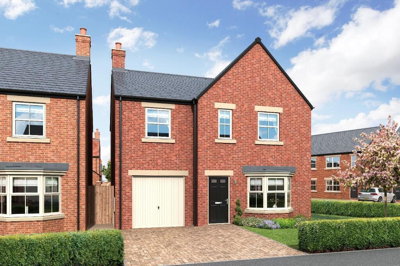
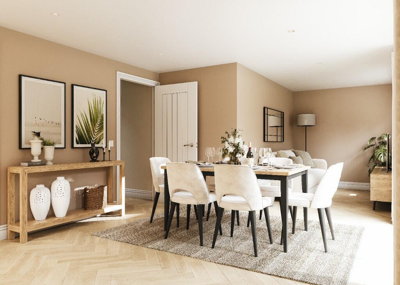
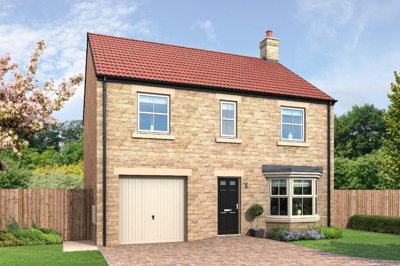
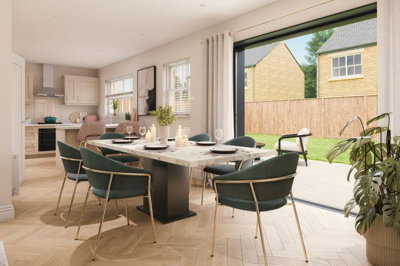
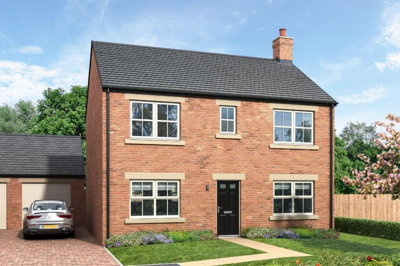
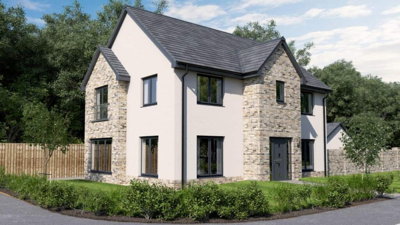
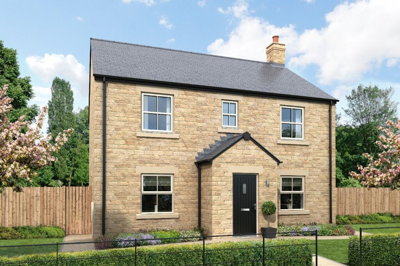
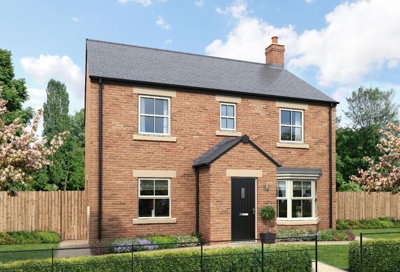
Browse 186 homes new builds in County Durham from local developer agents.
The larger property sector typically features multiple bathrooms, substantial reception space, and private gardens or off-street parking. Four bedroom houses in County Durham span detached, semi-detached, and occasionally terraced configurations, with styles ranging from period properties to modern executive homes.
The County Durham property market presents a compelling picture for prospective buyers in 2025 and 2026, characterised by resilient prices despite reduced transaction volumes. Our data shows approximately 12,600 property sales completed in the twelve months leading up to December 2025, though sales volumes have decreased by 17.2% during this period, reflecting a national trend of reduced transaction numbers amid economic uncertainty and rising mortgage rates. Despite this reduction in volume, prices have remained firm and continued their upward trajectory, with Rightmove recording an average property price of £182,393 over the past year and Zoopla reporting sold prices averaging £163,972 as of February 2026. The discrepancy between these figures reflects different methodologies, with some sources focusing on asking prices while others track completed sales data with varying time lags.
Property type significantly influences pricing throughout County Durham, with Land Registry data from December 2025 showing detached homes commanding an average of £245,000 while semi-detached properties average £144,000. Terraced houses dominate the housing stock at 40.5% of all sales, offering the most accessible entry point at around £118,000 and making them particularly attractive to first-time buyers seeking to enter the property ladder. Semi-detached properties account for 32.3% of sales, representing a popular choice for families seeking additional space, while detached homes at 22.9% of transactions provide the most generous accommodation. Flats and maisonettes remain the most affordable category at approximately £81,000, though they represent only 4.2% of sales, suggesting limited supply in this category. Rightmove's sold price data shows slightly higher averages, with detached properties achieving £296,190 and semi-detached homes reaching £168,029, indicating potential for premium pricing in desirable neighbourhoods and newly built properties.
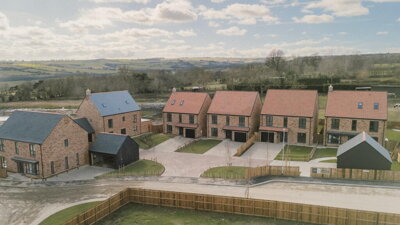
New build activity continues to shape the market, with approximately 556 newly built properties sold in the twelve months to December 2025, representing 4.4% of total sales. The average price for new build properties reached approximately £266,000, with the greatest concentration of sales in the £300,000-£400,000 range at 22.3% of new sales and the £150,000-£200,000 range at 20.7%. Active developments include Heritage Fields in Tanfield developed by Story Homes, offering 3, 4, and 5-bedroom properties, and Templefields in Consett featuring modern energy-efficient homes from Persimmon Homes. Woodberry Park in Staindrop from Homes by Carlton provides 48 family homes with solar panels and EV chargers included, while Miller Homes offers properties at Delves Lane near Consett with prices ranging from £172,500 to £418,000. The postcode sector DL2 2 has recorded the highest concentration of new home sales, with 60 properties sold in 2025, indicating strong development activity in this area.

County Durham offers an exceptional quality of life that combines historical character with modern conveniences, making it an increasingly attractive destination for buyers seeking value without sacrificing lifestyle quality. The county's housing stock reflects its rich industrial heritage, with terraced properties comprising 40.5% of all homes sold, many dating from the Victorian and Edwardian eras when the region was a global centre of coal mining and railway manufacturing. These character properties often feature high ceilings, original fireplaces, and traditional stone or brick construction, and can be found throughout former mining towns and villages, each with their own distinct identity and strong community spirit. Semi-detached homes account for 32.3% of the housing stock, representing the growth of residential areas during the twentieth century as families sought more space away from the industrial centres, often built by regional housing associations and local authorities during the post-war expansion period.
Durham City stands as the cultural and administrative heart of the county, home to the magnificent cathedral and castle that form a UNESCO World Heritage Site and attract visitors from around the world. The city offers a cosmopolitan atmosphere with independent shops, restaurants, and bars alongside cultural attractions including theatres, museums, and regular markets in the historic Market Place. The presence of Durham University creates a youthful energy, with students comprising a significant portion of the city's population and contributing to a vibrant nightlife and cultural scene. Beyond the city, towns like Bishop Auckland have undergone significant regeneration in recent years, including restoration of the historic Bishop's Palace and the opening of contemporary art spaces. Smaller villages throughout the county provide tight-knit communities where local events, pubs, and village shops maintain traditional social connections increasingly rare in larger urban areas.
The county encompasses remarkably varied landscapes, from the dramatic sandstone cliffs and wooded valleys of the Durham Dales to the flat agricultural plains of the east and the urban character of the main towns. Weardale and Teesdale offer outstanding natural beauty with opportunities for walking, cycling, and outdoor recreation, while the coast at Seaham and other eastern settlements provides access to the North Sea and unspoiled beaches. The Durham Dales area within the North Pennines AONB offers some of the most spectacular scenery in England, with rolling moorland, deep valleys, and traditional stone villages that have changed little over centuries. This diverse geography means that county Durham residents can enjoy both urban amenities and rural pursuits within a relatively small geographic area, with most towns providing good access to the countryside.
Education provision across County Durham serves families well, with the county offering a comprehensive range of educational establishments from primary through to further and higher education. Durham City is home to Durham University, one of Britain's oldest and most respected institutions, attracting students from across the globe and contributing significantly to the local economy and cultural life throughout the year. The university's collegiate system and excellent research reputation make it a draw for academic families considering relocation, while the presence of students creates a vibrant atmosphere in the city, particularly in areas close to the main colleges in Elvet, the Bailey, and Gilesgate. Beyond higher education, the university maintains strong connections with local schools and colleges, providing educational outreach programmes and opportunities for continuing professional development.
For school-age children, County Durham maintains a network of primary and secondary schools serving communities across the county, with varying performance levels that parents should research thoroughly when considering specific locations. Several towns within County Durham feature highly regarded secondary schools, with some operating selective grammar school systems that entrance testing can access for academically able students. Parents should pay particular attention to catchment areas when property hunting, as school quality and availability can significantly impact both family life and property values in popular areas. Many families prioritise proximity to good schools, creating competitive local markets in areas served by high-performing establishments, and properties in these catchments often command premiums compared to similar homes in neighbouring areas with lower-performing schools.
Primary education across the county includes both community schools and faith schools, with options available for those seeking religious education as part of their children's schooling, including schools associated with the Church of England and Catholic traditions. Further education colleges in towns like Durham, Consett, and Bishop Auckland provide vocational routes and sixth form study, while apprenticeship opportunities with major regional employers offer alternatives to traditional academic pathways. The county's proximity to Newcastle and Teesside also provides access to additional educational institutions and specialist schools for families requiring particular provision. When evaluating areas for family relocation, we recommend visiting local schools directly, reviewing current Ofsted reports, and speaking to existing parents to gain insight into the educational experience beyond official statistics and inspection grades.
County Durham benefits from excellent transport connections that make commuting to major employment centres straightforward and convenient for residents. Durham railway station sits on the East Coast Main Line, providing regular services to major destinations including London King's Cross with journey times of approximately three hours, Newcastle Central Station within 20 minutes, and connections to Sunderland, York, Edinburgh, Leeds, and beyond. The station has undergone significant improvements in recent years, with enhanced facilities and increased service frequency making rail commuting an increasingly attractive option for professionals working in neighbouring cities. Regular train services throughout the day and into the evening support flexible working arrangements and enable easy access to cultural events, shopping, and social activities in major cities without the costs and stress of daily city centre living.
Road connectivity is equally strong, with the A1(M) motorway passing through the county and providing dual carriageway access to Newcastle in the north and Teesside in the south, with connections to the wider motorway network for travel to Leeds, Sheffield, and London. The A66 and A68 trunk roads offer routes across the county for those preferring to drive, while the strategic road network connects County Durham to major employment centres throughout the North East and beyond. Bus services operated by various providers connect towns and villages throughout the county, though service frequencies vary considerably between urban and rural areas, with more frequent services serving larger towns like Durham, Consett, and Bishop Auckland. For air travel, Newcastle International Airport is easily reachable from most parts of the county, offering domestic and international flights to European destinations and connections to worldwide locations through major hub airports.
Cycling infrastructure has improved in recent years, with traffic-free routes connecting some communities and dedicated cycle lanes being introduced in larger towns and along key commuter routes. Sustrans National Cycle Network routes pass through parts of the county, offering opportunities for recreational cycling and sustainable commuting for shorter journeys. For those working from home or running businesses, the county's improving digital connectivity through superfast broadband rollout supports modern working practices even in more rural areas. The combination of transport options means that county Durham residents can choose to live in more affordable areas while maintaining access to employment opportunities in major cities, or opt for city or town centre living with excellent public transport connections to surrounding areas.
Before viewing any properties, obtain a mortgage agreement in principle from a lender to confirm your budget and demonstrate to estate agents that you are a serious buyer when making offers. County Durham's attractive price points mean you may be able to borrow more than you expect, with the average property at £143,000 placing most purchases well below national average prices. However, careful budgeting should account for stamp duty, solicitor fees, survey costs, and moving expenses, with most county Durham purchases attracting minimal or no stamp duty given the modest property values. First-time buyers benefit from an even more generous zero-rate threshold of £425,000 under current relief provisions, meaning the vast majority of properties in the county qualify entirely for first-time buyer relief.
Spend time exploring different towns and villages within County Durham to find the area that best suits your lifestyle needs and budget, considering commute times, school catchment areas, local amenities, and community atmosphere. Each area offers distinct character, from the historic streets of Durham City to the rural charm of Weardale villages or the regeneration success stories in former mining towns like Bishop Auckland and Consett. Use our platform to view current listings, research comparable sold prices through Land Registry data, and understand the characteristics of different neighbourhoods before committing to viewings. Consider visiting areas at different times of day and week to get a genuine feel for the local community, noise levels, and overall atmosphere before making any commitment.
Contact estate agents listed on Homemove to arrange viewings of properties that match your criteria, taking notes during each viewing and asking questions about the property's history, any renovation work undertaken, neighbours, and the local area. Don't rush the process - buying a home is a significant decision that deserves careful consideration, and viewing multiple properties helps develop your understanding of what represents good value in the current market. When viewing properties, attend at different times of day to assess noise levels, lighting, and neighbourhood activity, and don't hesitate to ask about anything that concerns you during the viewing or subsequently via the agent. Properties in conservation areas warrant particular attention to their condition and any planning restrictions that might affect your plans for the property.
Once you find your ideal property, submit an offer through the estate agent, ideally accompanied by proof of mortgage agreement in principle and details of your chain position if applicable. Upon acceptance, instruct a conveyancing solicitor immediately to handle the legal work, as delays can cause complications with motivated sellers. Your solicitor will conduct searches including local authority checks, environmental searches for potential contamination or flood risk, and water and drainage searches, with typical costs between £250 and £400. In county Durham, specific searches for historical mining activity may be advisable given the region's industrial heritage, and your solicitor can advise on whether targeted mining searches are necessary for your particular property.
Arrange a RICS Level 2 Homebuyer Report or Level 3 Building Survey before proceeding to exchange contracts, as this protects you from hidden defects and provides negotiation leverage if significant issues are discovered. Given county Durham's mix of older Victorian and Edwardian properties, new builds, and twentieth-century housing, a thorough survey tailored to the property type is essential. Survey costs start from approximately £350 for a basic condition report, rising to £600 or more for a comprehensive RICS Level 3 Building Survey suitable for older or non-standard properties. Properties in conservation areas or listed buildings may require additional specialist surveys given the additional regulations and obligations that come with owning heritage properties.
Your solicitor will handle contract exchange once all searches are satisfactory and finances are confirmed, with a deposit typically becoming payable at this stage, usually between 5% and 10% of the purchase price. On completion day, the remaining funds are transferred and you receive the keys to your new county Durham home, with removals companies booked in advance to ensure a smooth transition. Buildings insurance must be in place from the moment you exchange contracts, and we recommend arranging this well before completion day to avoid any last-minute complications. After moving in, take time to change utility providers if desired, register with local doctors and dentists, and familiarise yourself with local services and amenities in your new neighbourhood.
County Durham contains 93 conservation areas where special architectural and historic interest is protected, requiring planning permission for alterations that would normally be permitted development in other locations. If you are considering a property within one of these designated areas, be aware that Article 4 Directions apply to certain conservation areas including Cockton Hill, Durham City, Cornforth, Lanchester, Sedgefield, Shotley Bridge, West Auckland, and Wolsingham. These directions remove typical permitted development rights, meaning you may need planning permission to replace windows, doors, roofs, or boundary walls that would normally not require consent elsewhere. Specialist surveys for listed buildings require particular expertise given the additional regulations and obligations that come with owning heritage properties graded as Grade I, Grade II, or Grade II star, and we can arrange appropriate specialist inspection services if required.
The county's industrial heritage means many properties were built during periods of intensive mining activity, and prospective buyers should investigate whether any former mining activity might affect their property. While specific mining subsidence data for individual properties requires targeted enquiries, properties in certain areas may have foundations affected by historical extraction, and targeted mining searches are advisable for properties in former mining areas. We recommend discussing this with your solicitor when reviewing the search results, as some lenders may require additional reassurance before proceeding on properties in affected areas. New build properties from developers such as Story Homes, Persimmon Homes, Bellway Homes, Miller Homes, and Homes by Carlton offer modern construction with warranties, though prices typically exceed older properties reflecting the additional quality and energy efficiency of new builds. Active developments include Heritage Fields in Tanfield, Templefields in Consett, Woodberry Park in Staindrop, Oakwood at Wynyard Park, Delves Lane near Consett, and the upcoming Deerness Rise development near Durham which will include 158 new homes in various styles.
When purchasing flats in County Durham, pay careful attention to lease terms including remaining lease length, ground rent obligations, and service charge amounts, as these costs can vary significantly between developments and affect both your monthly outgoings and the property's future saleability. Freehold houses are prevalent in the county, particularly in terraced and semi-detached properties, offering the advantage of ownership without ongoing leasehold costs that apply to many modern apartments. The 4.2% of sales represented by flats and maisonettes suggests limited supply in this category, which may affect both availability and pricing for buyers specifically seeking apartment living. Always review the documentation carefully and understand what maintenance and insurance responsibilities you will assume as a leaseholder before committing to a purchase.
The average house price in County Durham was £143,000 in December 2025 according to Land Registry data, representing a 7.7% increase from December 2024 that significantly outpaced the North East regional average of 4.6%. Other sources report slightly different averages reflecting different methodologies and time periods: Rightmove shows £182,393 over the past year, while Zoopla indicates £163,972 for sold properties as of February 2026, and Plumplot reported £165,000 with a 3% increase over twelve months. Property prices vary significantly by type, with detached homes averaging £245,000, semi-detached properties around £144,000, terraced houses at approximately £118,000, and flats starting from £81,000. The market has shown consistent growth despite reduced transaction volumes, with approximately 12,600 sales in the twelve months to December 2025 representing a 17.2% decrease in volume but continued price appreciation.
Council tax bands in County Durham vary depending on the property's valuation, ranging from Band A for the lowest valued properties to Band H for the most expensive homes. Most terraced properties and smaller semi-detached houses fall into Bands A through C, while larger family homes and detached properties typically occupy Bands D through F in areas with higher property values. County Durham Council sets the tax rates annually, with Band D properties paying the standard rate upon which other bands are calculated as proportions, and you can check the specific band for any property through the Valuation Office Agency website before purchasing. Beyond council tax, buyers should budget for monthly mortgage payments, service charges if purchasing a leasehold property, buildings insurance, and ongoing maintenance costs that can vary significantly depending on property age and condition.
County Durham offers excellent educational options at all levels, with Durham University providing world-class higher education in the city centre and attracting students and academic families from around the world. Primary and secondary schools are distributed throughout the county with varying Ofsted ratings, and parents should research specific schools and their catchment areas when house hunting, as admission policies often depend on proximity to the school. Towns including Durham, Chester-le-Street, and Consett have particular concentrations of well-regarded schools, with some areas operating selective grammar school systems for academically able students. When evaluating areas for family relocation, we recommend visiting local schools directly, reviewing current Ofsted reports, and speaking to existing parents to gain insight into the educational experience beyond official statistics and inspection grades.
County Durham has excellent transport connections despite its predominantly rural character, with Durham railway station on the East Coast Main Line providing regular services to London in approximately three hours, Newcastle within 20 minutes, and Edinburgh, York, and other major destinations throughout the day. The A1(M) motorway bisects the county, offering road connections to Newcastle in the north and Teesside in the south with dual carriageway access to major employment centres. Bus services operated by various companies connect towns and villages throughout the area, though frequencies are higher in urban centres and some rural routes may operate with limited daily services. Newcastle International Airport provides domestic and international flights and is easily accessible from most parts of the county, making overseas travel straightforward for residents.
County Durham offers compelling investment potential given its combination of accessible property prices and strong price growth, with the 7.7% annual increase in average property values significantly outpacing the regional average of 4.6% over the same period. Rental yields can be attractive in towns with strong tenant demand from commuters, students, and service workers, particularly in Durham City near the university, Chester-le-Street for Newcastle commuters, and Consett for those working in Teesside. New build developments like Deerness Rise near Durham and Templefields in Consett may offer capital growth opportunities as these communities mature and local amenities develop. However, investors should consider factors including void periods between tenants, tenant quality, property management requirements, and local economic trends when evaluating specific properties or areas for investment purposes.
Stamp Duty Land Tax rates for standard purchases in England from February 2025 apply no tax on the first £250,000 of property value, with 5% charged on the portion between £250,001 and £925,000, 10% on the portion between £925,001 and £1.5 million, and 12% on any amount exceeding £1.5 million. First-time buyers relief raises the zero-rate threshold to £425,000, with 5% applying between £425,001 and £625,000, though no relief is available on properties valued above £625,000. Given County Durham's average property price of £143,000, most purchases attract minimal or no stamp duty, with many first-time buyers paying nothing at all, making the county particularly attractive for those entering the property market. You should calculate your specific liability based on the purchase price, your buyer status, and whether any additional dwellings supplement duty applies to your circumstances.
From 3.85%
Compare mortgage deals from leading lenders. Expert advice on financing your County Durham home.
From £499
Expert conveyancing solicitors for your County Durham property purchase. Fixed-fee legal work with no hidden costs.
From £350
Professional RICS Level 2 Homebuyer Report for your County Durham property. Identify defects before purchase.
From £60
Energy Performance Certificate for your County Durham property. Required for all sales.
One of County Durham's significant advantages is the relatively low stamp duty liability facing most purchasers in the current market, with the average property priced at approximately £143,000 placing most transactions well below the standard zero-rate threshold of £250,000. This means many buyers purchasing at or near the median price will pay no stamp duty whatsoever, representing a considerable saving compared to purchasing property in London, the South East, or other high-value regions where stamp duty can reach tens of thousands of pounds. First-time buyers benefit from an even more generous zero-rate threshold of £425,000 under current relief provisions, meaning the vast majority of County Durham properties would qualify entirely for first-time buyer relief and attract no stamp duty whatsoever. Even buyers purchasing the average detached property at £245,000 would only pay stamp duty on the portion exceeding £250,000, which would be zero under current thresholds, making the county exceptionally attractive for buyers at all price points.
Beyond stamp duty, purchasers should budget for several additional costs associated with buying property, with conveyancing fees typically ranging from £499 for basic legal work through to £1,500 or more for complex transactions involving new builds, leaseholds, or unusual circumstances. Your solicitor will conduct essential searches including local authority checks, environmental searches for potential contamination or flood risk, and water and drainage searches, with costs typically between £250 and £400, and additional targeted searches may be advisable for properties in former mining areas. Mortgage arrangement fees vary considerably between lenders, ranging from zero to around £2,000, though many competitive deal rates waive these charges, and you should compare the total cost of mortgages including fees when evaluating options. Survey costs start from approximately £350 for a basic condition report, rising to £600 or more for a comprehensive RICS Level 3 Building Survey suitable for older or non-standard properties, with specialist surveys for listed buildings commanding additional fees reflecting their complexity.
Moving costs should also be factored into your budget, including removal firms, potential temporary storage if your move involves a chain, connection charges for utilities at your new property, and any redecorating or renovation materials required to make the property feel like home. Buildings insurance must be in place from the moment you exchange contracts, and we recommend arranging this well before completion day to ensure continuous coverage, while life insurance or critical illness cover is advisable when taking on a significant mortgage. Homemove partners with trusted providers for all these services, allowing you to compare options and make informed decisions about the professionals handling your property purchase, with transparent pricing and no hidden charges. By planning your budget comprehensively before beginning your property search, you can focus on finding the right home without financial surprises derailing your transaction at any stage of the process.
Properties New Builds In London

Properties New Builds In Plymouth

Properties New Builds In Liverpool

Properties New Builds In Glasgow

Properties New Builds In Sheffield

Properties New Builds In Edinburgh

Properties New Builds In Coventry

Properties New Builds In Bradford

Properties New Builds In Manchester

Properties New Builds In Birmingham

Properties New Builds In Bristol

Properties New Builds In Oxford

Properties New Builds In Leicester

Properties New Builds In Newcastle

Properties New Builds In Leeds

Properties New Builds In Southampton

Properties New Builds In Cardiff

Properties New Builds In Nottingham

Properties New Builds In Norwich

Properties New Builds In Brighton

Properties New Builds In Derby

Properties New Builds In Portsmouth

Properties New Builds In Northampton

Properties New Builds In Milton Keynes

Properties New Builds In Bournemouth

Properties New Builds In Bolton

Properties New Builds In Swansea

Properties New Builds In Swindon

Properties New Builds In Peterborough

Properties New Builds In Wolverhampton

Enter your details to see if this property is within your budget.
Loans, cards, car finance
Estimated property budget
Borrowing + deposit
You could borrow between
Typical borrowing
Monthly repayment
Est. at 4.5%
Loan-to-value
This is an estimate only. Your actual budget may vary depending on interest rates, credit history, and personal circumstances. For an accurate affordability assessment, speak to one of our free mortgage advisors.
This calculator provides estimates for illustrative purposes only and does not constitute financial advice. Your home may be repossessed if you do not keep up repayments on your mortgage. Estimates based on 4.5% interest rate, repayment mortgage. Actual rates depend on your circumstances.
Homemove is a trading name of HM Haus Group Ltd (Company No. 13873779, registered in England & Wales). Homemove Mortgages Ltd (Company No. 15947693) is an Appointed Representative of TMG Direct Limited, trading as TMG Mortgage Network, which is authorised and regulated by the Financial Conduct Authority (FRN 786245). Homemove Mortgages Ltd is entered on the FCA Register as an Appointed Representative (FRN 1022429). You can check registrations at NewRegister or by calling 0800 111 6768.

We use cookies to show you personalised content and improve your experience of our website. Find out more in our Privacy policy and Cookie policy.