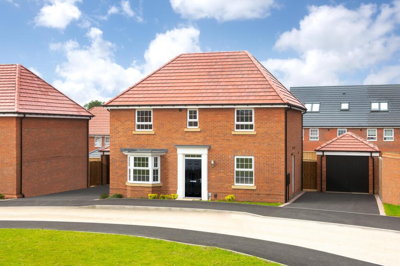
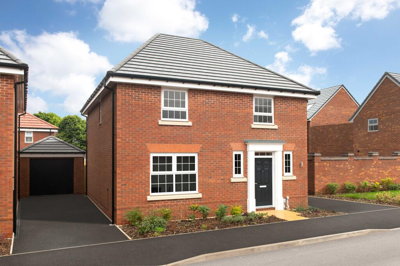
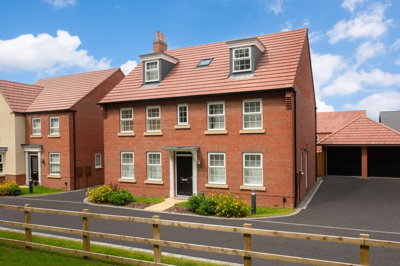
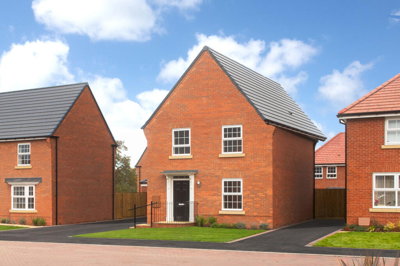
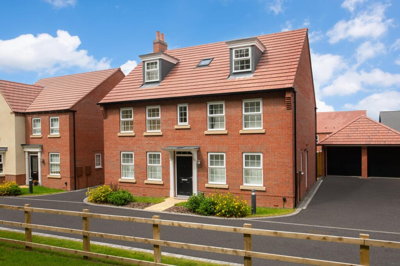
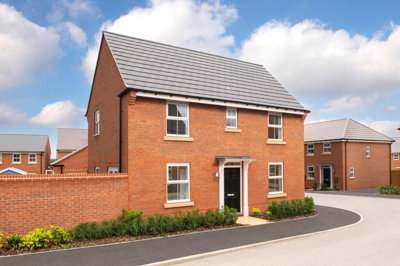
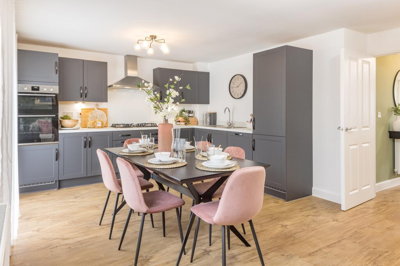
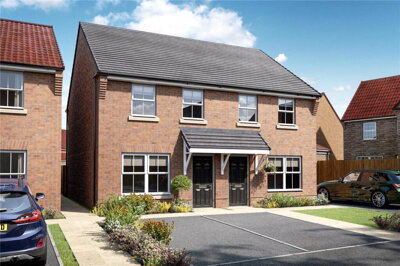
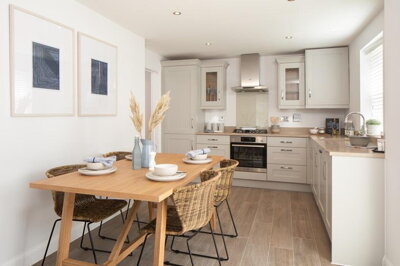
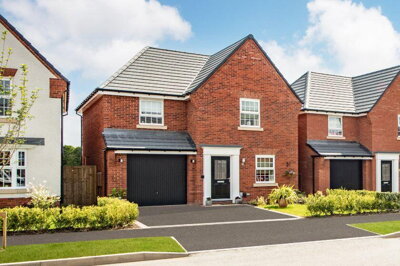
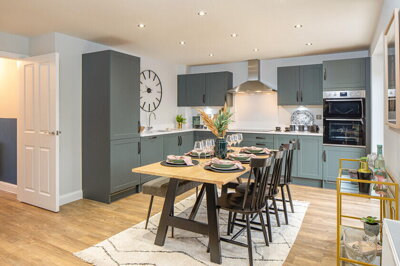
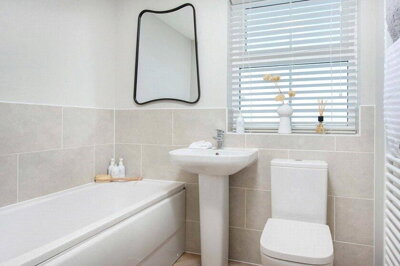
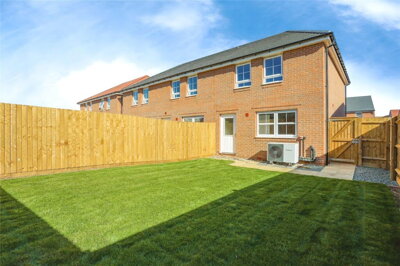
Browse 21 homes new builds in Corby Glen from local developer agents.
The Corby Glen property market offers detached, semi-detached, and terraced houses spanning various price ranges and neighbourhoods. Each listing includes detailed property information, photographs, and direct contact with the marketing agent.
The Corby Glen property market presents an attractive proposition for buyers seeking village living without the premium prices found in larger towns. Detached properties command an average price of £380,165, offering generous space and gardens that appeal to families and those seeking more room to breathe. Semi-detached homes average around £232,500, providing an accessible entry point to village life, while terraced properties at approximately £238,000 offer charming character options often found within the Conservation Area itself.
Recent transaction data for the NG33 postcode area shows active market movement, with 11 detached homes, 3 semi-detached properties, and 4 terraced homes sold in the past year. Zoopla reports an average sold price of £273,324, while OnTheMarket indicates £320,000 as of February 2026. Prices have remained relatively stable, rising approximately 7% from the 2023 peak of £325,234, suggesting a resilient market despite broader economic conditions.
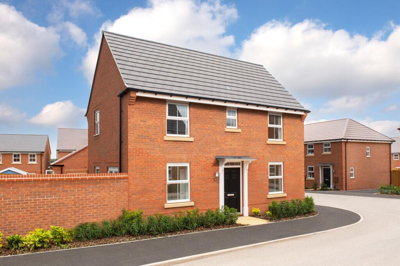
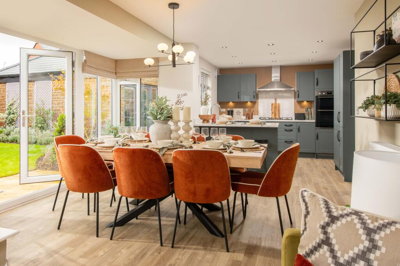
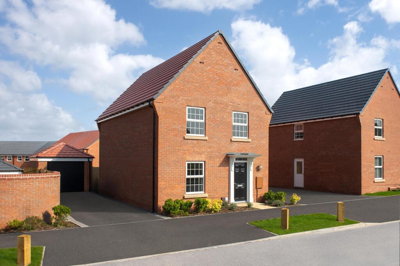
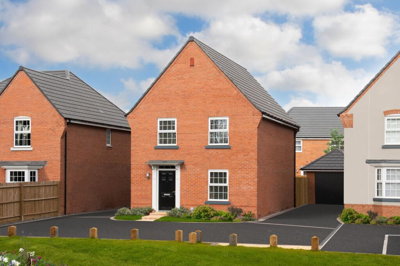
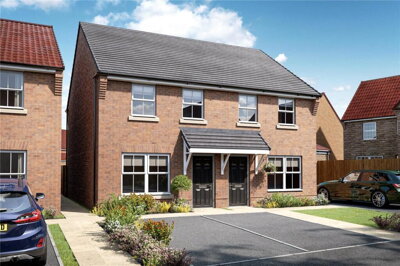
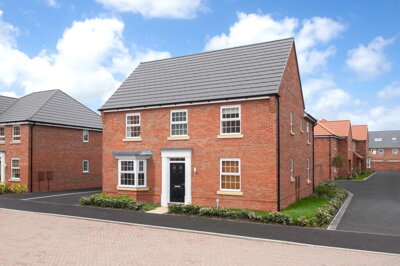
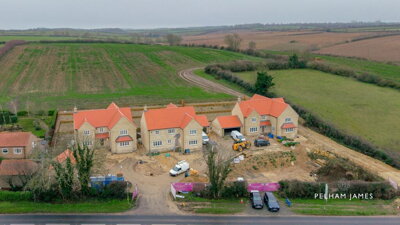
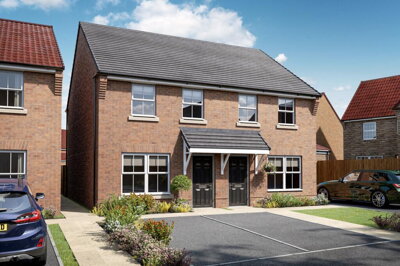
Several new build developments are bringing fresh options to the local market. David Wilson Homes at Pastures Place on Bourne Road offers 2, 3, and 4-bedroom homes ranging from £252,500 to £449,995, while Allison Homes at The Orchards provides 3 and 4-bedroom properties including Shared Ownership options via Heylo. For those seeking premium accommodation, Hereward Homes at Glen View on Station Road offers exceptional 5-bedroom detached homes priced at £895,000 and £920,000. Looking ahead, significant planned development includes 66 new dwellings approved on Bourne Road and proposals for up to 150 additional homes south of The Green, ensuring continued growth and investment in the village.

Understanding local construction methods is essential when evaluating properties in Corby Glen, as the village's building heritage reflects its Jurassic limestone geology and centuries of traditional craftsmanship. The village centre predominantly features buildings constructed from locally sourced stone, specifically the characteristic Jurassic limestone that underlies much of this part of Lincolnshire. Pantile roofs dominate the skyline, creating the distinctive appearance that defines the Conservation Area and contributes to the village's timeless character. These traditional materials, while visually appealing, require specific maintenance approaches that differ from modern construction methods.
Traditional building techniques in the village include the use of lime mortar rather than modern cement, which allows historic walls to breathe and manage moisture naturally. Older properties often feature timber beams, exposed stonework, and internal features that reflect the craftsmanship of previous centuries. A notable example is the late 16th-century rectory with its coursed squared limestone rubble, ashlar quoins and dressings, and original Collyweston slate roof. The village also contains a distinctive red brick terrace known as New Row, built in 1888, demonstrating that Victorian builders also contributed to the local architectural using different materials.
The surrounding geology presents generally favourable ground conditions for property owners, with the shrink-swell clay hazard rated as very low throughout the area. This means significant foundation problems due to clay movement are uncommon, providing reassurance for buyers considering older properties. However, the village sits within a Limestone Mineral Safeguarding Area, which reflects the geological heritage that has shaped both the landscape and traditional building materials. Properties requiring renovation or repair should ideally use matching traditional materials and appropriate techniques to maintain both structural integrity and the Conservation Area's visual character.
Corby Glen offers a quintessential English village lifestyle where neighbours know each other and community spirit thrives. The village traces its roots back to the Domesday Book, with a rich heritage reflected in its architecture. The nucleated settlement centres on the Market Place, dominated by St John the Evangelist Church and the historic Market Cross, both significant landmarks visible from the village centre. The presence of a Catholic chapel and a Methodist chapel alongside the Church of England demonstrates the strong religious heritage that has shaped village life for centuries. The Willoughby Library and Art Gallery, housed in a 17th-century listed building formerly home to Read's Grammar School, continues the educational legacy that has defined the community.
The village supports a vibrant local economy with employment ranging from traditional farming and agricultural services to craftspeople, builders, and home-based workers. The presence of a woodyard, garage, and fine food outlets provides local employment opportunities, while excellent broadband connectivity supports the growing trend of remote working. The community benefits from two welcoming public houses, The Fighting Cocks and The Woodhouse Arms, both offering social hubs for villagers. With approximately 80% of householders being owner-occupiers, the village maintains a stable, settled character where long-term residents contribute to the strong sense of belonging that defines Corby Glen.
The surrounding landscape of gently undulating agricultural land provides beautiful walking routes and countryside views. The River West Glen runs through the village, creating a pleasant waterway corridor while also serving as a reminder that certain low-lying properties near the river may be susceptible to flooding during significant weather events. The village sits within a Limestone Mineral Safeguarding Area, reflecting the geological heritage that has shaped both the landscape and the traditional building materials of the area. This combination of natural beauty, historic architecture, and essential amenities makes Corby Glen an appealing place to call home for those seeking a balance between rural tranquility and practical convenience.
Education provision in Corby Glen includes two schools serving the local community, making the village attractive to families with children of various ages. The village primary schools provide education for younger children from reception through to Year 6, with secondary education available at nearby schools in the surrounding market towns. Parents in Corby Glen appreciate the convenience of having primary education within the village, reducing school runs and allowing children to participate more fully in village life and extracurricular activities. School catchment areas are determined by geographic proximity, so property location directly influences which school children can attend.
The village population shows a relatively older demographic compared to the wider South Kesteven District, which influences the local education landscape. However, the presence of two schools demonstrates continued investment in family provision and ensures that young families considering a move to Corby Glen can plan for their children's education needs. Further education and sixth form provision is available in nearby Grantham, which offers comprehensive secondary schools and sixth form colleges accessible via the A1 or local bus services. For families prioritising education in their property search, Corby Glen provides a solid foundation with primary schooling available locally and secondary options within easy reach.
Families relocating to the area should verify specific school catchments, admission policies, and any waiting list situations before finalising their property purchase. Schools in rural Lincolnshire often have defined catchment zones that may exclude properties on the periphery of the village, making proximity to the village centre a practical consideration for families with school-age children. The availability of school transport to secondary schools in surrounding market towns is generally well-established, though schedules and routes should be confirmed with Lincolnshire County Council ahead of any move.

Corby Glen sits at the intersection of Bourne Road, Swinstead Road, and Station Road, providing the village with connections to the surrounding road network. The village is approximately 4 miles from the A151 and 10 miles from the A1, providing convenient access for those commuting by car to larger employment centres. The market town of Grantham, approximately 12 miles away, offers comprehensive rail connections including East Coast Main Line services to London King's Cross, with journey times of around 65-75 minutes to the capital.
Local bus services connect Corby Glen with surrounding villages and market towns, providing essential public transport options for those without private vehicles. The village's position in rural Lincolnshire means that a car is generally considered essential for full participation in daily life, though the community remains well-connected through local transport links. For cyclists, the quiet country lanes offer pleasant routes for recreational cycling, though those commuting longer distances may prefer the option of driving to nearby railway stations. Parking within the village is generally straightforward given the low traffic volumes, a significant advantage for residents accustomed to urban parking challenges.
Residents commuting to larger employment centres benefit from the proximity to the A1, which provides direct access north to Newark and south to Peterborough and beyond. The A151 connects the village with Bourne and the surrounding market towns, supporting access to local services and employment. For air travel, East Midlands Airport is approximately 60 miles away, accessible via the A1 and M1 motorway network.
Environmental factors play an important role in property assessment throughout Corby Glen, and buyers should understand the specific risks associated with the village's geography. The River West Glen runs through the village, creating a designated Flood Warning Area that covers Corby Glen and the nearby village of Creeton. Low-lying properties, particularly those on Station Road, are identified as being at risk during flood events, with annual flood risk exceeding 1% in the affected areas. Our inspectors always check proximity to watercourses and flag any potential flood vulnerability when surveying properties in this village.
Properties near the river require careful consideration during the purchasing process, including obtaining appropriate building insurance and checking the property's flood history. We recommend requesting local authority searches that include flood risk data and reviewing any available records of previous flooding at the property. For most buyers, the scenic appeal of properties near the river outweighs the manageable risk, provided adequate precautions are taken. Properties in higher parts of the village, away from the river corridor, face significantly lower flood risk and may be preferable for buyers particularly concerned about this issue.
Ground conditions throughout most of Corby Glen are generally stable, with the shrink-swell clay hazard classified as very low due to the predominantly low plasticity soils. Unlike other parts of Lincolnshire where clay movement can cause foundation problems, properties in Corby Glen benefit from more stable underlying geology. This factor is reassuring for buyers considering period properties, as structural movement related to clay shrinkage is uncommon in this area. However, all properties, particularly older stone buildings, should still be professionally surveyed to identify any specific structural concerns.
Before viewing properties, obtain a mortgage agreement in principle from a lender. This demonstrates your buying capacity to sellers and estate agents, giving you a competitive edge when making offers on homes in this desirable village. Having finance in place signals to sellers that you are a serious buyer ready to proceed quickly.
Explore our listings to understand property types, price ranges, and availability in Corby Glen. Consider proximity to the River West Glen for flood risk, the Conservation Area for planning restrictions, and school catchments if relevant to your family. Understanding the distinctions between stone-built period properties and modern new builds will help you narrow your search effectively.
Contact local estate agents to arrange viewings of properties that match your requirements. Pay particular attention to the condition of older stone-built properties, roof conditions, and any signs of damp or structural movement common in historic buildings. We always recommend attending viewings with a notebook to record observations and compare properties systematically.
For older properties or those with non-standard construction, a RICS Level 2 Home Survey is essential. Given Corby Glen's prevalence of historic stone buildings, professional surveys help identify issues such as damp, outdated electrics, and roof condition before purchase. Survey costs for properties in this area typically range from £395 to £1,250 depending on size and value, with older stone properties often requiring the more comprehensive assessment.
Once your offer is accepted, instruct a conveyancing solicitor to handle the legal aspects of your purchase. They will conduct local authority searches including South Kesteven District Council records, check planning permissions, and manage the transfer of ownership through to completion. For Conservation Area and Listed Building purchases, additional checks regarding heritage restrictions will be required.
Your solicitor will coordinate the exchange of contracts and finalise completion. On completion day, the property ownership transfers to you and you receive the keys to your new Corby Glen home. Budget for additional costs including Stamp Duty, conveyancing fees, survey costs, and removal expenses when planning your move.
Properties in Corby Glen require careful consideration due to the village's historic character and geological setting. The predominant stone construction with pantile roofs, while charming, can present specific challenges that buyers should understand before committing to a purchase. Older properties may show signs of damp resulting from inadequate ventilation or aging weatherproofing, issues that are common in traditional stone buildings where building regulations historically differed from modern standards. A thorough RICS Level 2 Survey is strongly recommended for any stone-built property to assess the condition of walls, pointing, and the integrity of the building envelope.
The River West Glen creates a designated Flood Warning Area through the village, with low-lying properties on Station Road identified as particularly vulnerable during flood events. Buyers should check the Flood Risk from Rivers and Sea, raise concerns about flooding history with current owners, and factor appropriate insurance costs into their budget. Properties within the Conservation Area face planning restrictions designed to preserve the village's historic character, which may limit permitted development rights and affect future alterations or extensions. Numerous Listed Buildings throughout the village, including Grade I and Grade II structures, carry additional legal responsibilities requiring Listed Building Consent for alterations.
Building materials in the area reflect the Jurassic limestone geology, and repairs to historic properties should ideally use matching materials and traditional techniques. The village's growing new build developments offer alternatives for buyers preferring modern construction with contemporary insulation and energy efficiency standards. However, many buyers specifically seek the character of period properties, accepting the trade-off of potentially higher maintenance costs and the need for ongoing care. Understanding these local factors ensures buyers can make informed decisions and avoid unexpected issues after completing their purchase.
Rightmove reports an average house price of £347,355 in Corby Glen, with OnTheMarket indicating an average sold price of £320,000 as of February 2026. Detached properties average around £380,165, semi-detached homes approximately £232,500, and terraced properties near £238,000. The village offers excellent value compared to larger towns, with prices having risen approximately 7% from the 2023 peak of £325,234 according to historical data. Recent transaction volumes show 18 total sales in the NG33 postcode area over the past year, including 11 detached properties, 3 semi-detached homes, and 4 terraced houses.
Properties in Corby Glen fall under South Kesteven District Council, with most homes in Band B, C, or D depending on their size and value. Band B properties typically pay around £1,500-£1,700 annually, while larger detached homes may be in Band D or higher. Exact bands are confirmed during the conveyancing process through local authority searches. Budgeting for annual council tax costs should form part of your overall affordability assessment when purchasing in this village.
Corby Glen has two primary schools serving the local community, providing education for children up to around age 11. Secondary education is available in nearby market towns including Grantham, accessible via the A1 or bus services. Grantham offers several secondary schools and sixth form colleges, with good Ofsted ratings across the area. Families should verify specific catchment areas and admission policies when considering properties, as school places can be competitive in popular villages.
Local bus services connect Corby Glen with surrounding villages and market towns including Grantham and Bourne. The village is approximately 12 miles from Grantham railway station, which provides East Coast Main Line services to London King's Cross with journey times around 65-75 minutes to the capital. For daily commuting, a car is generally considered essential given the rural location and limited evening and weekend public transport options. The proximity to the A1, approximately 10 miles away, provides good road connectivity for those driving to work.
Corby Glen offers several factors attractive to property investors. The village has significant planned development including 587 new homes allocated in the South Kesteven Local Plan, which should support demand for housing in the area. With approximately 80% owner-occupiers, the community is stable and settled. Rental demand may grow as new development attracts buyers to the area, though the rural location and local employment profile influence rental values. Properties within the Conservation Area or near the village centre tend to retain value well due to limited supply. The approved development of 66 homes on Bourne Road and proposals for 150 additional homes south of The Green indicate continued growth in the village.
Stamp Duty Land Tax rates for 2024-25 are 0% on the first £250,000 of property value, 5% on £250,001 to £925,000, 10% on £925,001 to £1.5 million, and 12% on any amount above £1.5 million. First-time buyers pay 0% on the first £425,000, with 5% on £425,001 to £625,000. For a typical Corby Glen property at the village average of £347,355, standard buyers pay around £4,868 in SDLT, while first-time buyers pay nothing on the first £425,000. Our conveyancing partners can provide a personalised stamp duty calculation for your specific purchase.
The River West Glen runs through Corby Glen, creating a designated Flood Warning Area covering the village and nearby Creeton. Low-lying properties on Station Road are identified as particularly vulnerable during flood events, with annual flood risk exceeding 1% in the affected areas. Buyers should obtain a flood risk assessment, check the property's flood history, and ensure adequate building insurance is obtainable before completing a purchase. Properties in higher areas of the village away from the river corridor face significantly lower flood risk and may be preferable for buyers particularly concerned about this environmental factor.
Corby Glen offers a diverse range of properties from historic stone-built cottages in the Conservation Area to modern family homes in recent developments. Detached properties dominate, reflecting the rural character and larger plot sizes available. The village features Victorian terraces like New Row (built 1888), retirement bungalows at St Johns Drive, and new builds from developers including David Wilson Homes and Allison Homes. Property sizes range from compact 2-bedroom cottages to spacious 5-bedroom detached family homes. The variety of housing stock means buyers can choose between period character and modern convenience depending on their priorities and budget.
From 4.5%
Compare mortgage rates and find the best deal for your Corby Glen home purchase
From £499
Expert legal services for your property purchase in Corby Glen
From £395
Professional property survey for homes in Corby Glen
From £85
Energy performance certificate for your new home
When purchasing a property in Corby Glen, budgeting for additional costs beyond the purchase price is essential for a smooth transaction. Stamp Duty Land Tax forms the largest additional cost, with rates currently set at 0% for the first £250,000, rising to 5% on the portion between £250,001 and £925,000. For the average Corby Glen property priced at £347,355, a standard buyer would pay approximately £4,868 in SDLT. First-time buyers benefit from relief on the first £425,000, meaning most would pay no SDLT on properties at or below the village average.
Conveyancing costs typically range from £500 to £1,500 depending on the property value and complexity of the transaction. For leasehold properties or those with unusual planning conditions, costs may be higher. Local search fees, typically £250-£350, cover South Kesteven District Council and Lincolnshire County Council records. A RICS Level 2 Home Survey costs between £395 and £1,250, with older stone properties in Corby Glen often benefiting from the more comprehensive assessment due to potential issues with damp, roofing, and traditional construction methods. Mortgage arrangement fees vary by lender but commonly range from £500 to £1,500. Buildings insurance should be budgeted from exchange of contracts, with properties near the River West Glen requiring careful insurance considerations. Factor in removal costs and potential redecoration or renovation budgets to complete your financial planning for your Corby Glen purchase.
Properties New Builds In London

Properties New Builds In Plymouth

Properties New Builds In Liverpool

Properties New Builds In Glasgow

Properties New Builds In Sheffield

Properties New Builds In Edinburgh

Properties New Builds In Coventry

Properties New Builds In Bradford

Properties New Builds In Manchester

Properties New Builds In Birmingham

Properties New Builds In Bristol

Properties New Builds In Oxford

Properties New Builds In Leicester

Properties New Builds In Newcastle

Properties New Builds In Leeds

Properties New Builds In Southampton

Properties New Builds In Cardiff

Properties New Builds In Nottingham

Properties New Builds In Norwich

Properties New Builds In Brighton

Properties New Builds In Derby

Properties New Builds In Portsmouth

Properties New Builds In Northampton

Properties New Builds In Milton Keynes

Properties New Builds In Bournemouth

Properties New Builds In Bolton

Properties New Builds In Swansea

Properties New Builds In Swindon

Properties New Builds In Peterborough

Properties New Builds In Wolverhampton

Enter your details to see if this property is within your budget.
Loans, cards, car finance
Estimated property budget
Borrowing + deposit
You could borrow between
Typical borrowing
Monthly repayment
Est. at 4.5%
Loan-to-value
This is an estimate only. Your actual budget may vary depending on interest rates, credit history, and personal circumstances. For an accurate affordability assessment, speak to one of our free mortgage advisors.
This calculator provides estimates for illustrative purposes only and does not constitute financial advice. Your home may be repossessed if you do not keep up repayments on your mortgage. Estimates based on 4.5% interest rate, repayment mortgage. Actual rates depend on your circumstances.
Homemove is a trading name of HM Haus Group Ltd (Company No. 13873779, registered in England & Wales). Homemove Mortgages Ltd (Company No. 15947693) is an Appointed Representative of TMG Direct Limited, trading as TMG Mortgage Network, which is authorised and regulated by the Financial Conduct Authority (FRN 786245). Homemove Mortgages Ltd is entered on the FCA Register as an Appointed Representative (FRN 1022429). You can check registrations at NewRegister or by calling 0800 111 6768.

We use cookies to show you personalised content and improve your experience of our website. Find out more in our Privacy policy and Cookie policy.