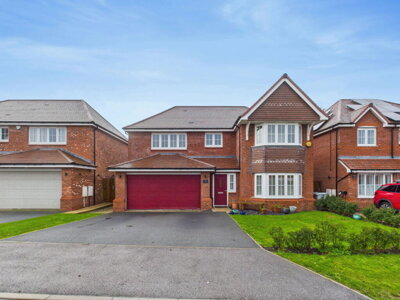
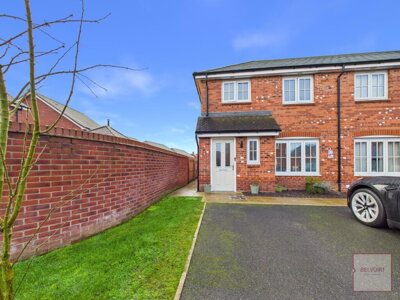
Browse 2 homes new builds in Coole Pilate from local developer agents.
The property market in Twin Rivers reflects the characteristics of its rural setting, offering buyers a selection of traditional homes that stand apart from the uniform new-build developments found in larger towns. Within the broader DN14 postcode district, the average house price stands at £234,581, with prices remaining stable over the past year and showing a 4% increase compared to the 2023 peak of £224,928. The East Riding of Yorkshire as a whole has experienced a 4.8% rise in average property values over the twelve months to December 2025, with semi-detached properties leading growth at 5.6%. These figures suggest a resilient market that continues to attract buyers seeking value beyond the major urban centres. Our platform aggregates listings from estate agents across the DN14 area, giving you a comprehensive view of what is currently available.
Property types available in Twin Rivers and the surrounding area span the full spectrum of buyer requirements. Detached homes command the highest prices, averaging £353,441 across the DN14 postcode, reflecting the premium placed on space and privacy in this semi-rural setting. Semi-detached properties average £200,209, offering excellent value for families seeking generous accommodation without the higher costs associated with detached living. Terraced homes in the area average £145,992, making them an attractive entry point for first-time buyers or investors. For those seeking flats, properties in the DN14 0NP sub-area start from approximately £110,000. Recent sales activity in Twin Rivers parish itself has been limited, with only 4 recorded sales in 2024 and 2025, all detached properties achieving between £448,333 and £460,000, demonstrating continued demand for quality family homes in this sought-after location.
The housing stock in Twin Rivers reflects its rural character and historical origins, with properties ranging from medieval buildings in Adlingfleet to more modern constructions. The village of Adlingfleet is particularly noted for its gorgeous old buildings dating from medieval times, some of which may be listed buildings or located within conservation areas. These historic properties contribute to the area's architectural heritage and provide character that newer developments simply cannot replicate. When considering older properties in Twin Rivers, buyers should factor in the maintenance requirements that often accompany period homes, including potential issues with damp, outdated electrics, and traditional construction methods that differ from modern standards.
Sales volume in the East Riding of Yorkshire has experienced a notable decline, with approximately 7,900 property sales recorded - a drop of 15.3% compared to the previous period. This reduction in transaction volumes means that buyers in Twin Rivers may face limited choices at any given time, making early registration on property alert services advisable for those with specific requirements. We recommend that buyers broaden their search to include the wider DN14 area if suitable properties within Twin Rivers itself are not immediately available.

Life in Twin Rivers offers residents a rare combination of rural tranquility and practical convenience that is increasingly sought after fast-paced world. The civil parish, which had a population of 367 according to the 2011 UK census, represents a close-knit community where neighbours know one another and local events bring people together throughout the year. The three settlements of Adlingfleet, Whitgift, and Ousefleet each possess their own distinct character, with Adlingfleet particularly noted for its gorgeous old buildings dating from medieval times. These historic properties contribute to the area's architectural heritage and provide character that newer developments simply cannot replicate.
The landscape surrounding Twin Rivers is defined by its flat, wet marshland terrain and proximity to the River Ouse, which flows along the parish's northern boundary. This low-lying geography creates a distinctive environment where waterways dominate the scenery and wildlife thrives in the surrounding wetlands. The area sits at the confluence of the River Ouse and River Trent, where these two significant Yorkshire rivers combine to form the beginning of the Humber estuary. This natural feature not only shapes the local geography but also influences the types of properties available, with many homes offering views across open water or towards the distant Lincolnshire hills. The area's proximity to the Humber estuary means that residents experience the benefits of living near a major tidal waterway, including rich wildlife habitats and opportunities for watersports.
The Twin Rivers Parish Council actively supports community development, including initiatives such as wind farm funding schemes that provide investment back into local projects and services. The parish council website actively publishes flood warnings and alerts for the area, reflecting the community's awareness of the environmental considerations that come with living in a low-lying riverside location. Community facilities in the villages are modest but functional, with regular events bringing residents together throughout the year. The nearby market town of Goole, approximately 8 miles away, provides access to larger supermarkets, healthcare facilities, and other amenities that may not be available within the small villages themselves.
For those who appreciate outdoor pursuits, Twin Rivers offers an enviable lifestyle with walking routes along the river banks and through the surrounding marshland landscape. Cycling is popular in the flat terrain, and the proximity to waterways makes kayaking, fishing, and birdwatching accessible activities for residents. The area forms part of the broader East Riding of Yorkshire, an area known for its diverse wildlife including wetland birds and marine species that inhabit the Humber estuary. We help buyers understand the lifestyle implications of purchasing in this distinctive location, ensuring that the peaceful rural setting aligns with their expectations for day-to-day living.
Families considering a move to Twin Rivers will find educational facilities available within reasonable travelling distance, though the rural nature of the parish means that school choice requires careful consideration. Primary education is typically provided through village schools in the surrounding area, with the nearest options serving the communities of Goole and nearby villages. These schools generally cater to children from reception through to Year 6, providing a solid foundation in core subjects within a smaller, more personal classroom environment than often found in larger towns. Parents should research specific school performance data and Ofsted ratings to identify the best match for their children's needs, as catchment areas in rural East Yorkshire can span considerable distances.
Secondary education options for Twin Rivers residents include schools in Goole and the surrounding market towns, with students typically travelling by school bus or car to reach their institutions. Goole Academy offers secondary education and sixth form provision, serving students from across the wider area including those living in the outlying villages. For families prioritising academic excellence, grammar schools in towns such as Hull may be accessible for students who pass the entrance examinations. Hull Grammar School and other selective schools in the area can attract students willing to commute, though this arrangement requires careful planning and transport arrangements.
Parents moving to Twin Rivers with older children should factor school transport arrangements and journey times into their property search, particularly if choosing a home further from the main settlement centres within the parish. The East Riding of Yorkshire Council maintains school admission policies that consider catchment areas, so verifying which schools serve specific addresses within Twin Rivers is essential before committing to a purchase. School bus services operate for eligible pupils living beyond walking distance from their assigned school, though the frequency and route coverage may differ from urban areas. For families with younger children, we recommend researching the availability of nursery and preschool facilities in nearby villages, as these may operate on limited hours or days per week.
For higher education, Twin Rivers residents have access to universities in Hull, Leeds, Sheffield, and York, all reachable by train from Goole station. The University of Hull, Sheffield Hallam University, and the University of Leeds offer a range of undergraduate and postgraduate programmes, with commuting from Goole or surrounding areas a practical option for students who prefer to live at home during their studies. We advise parents to consider the long-term educational needs of their family when choosing a property in Twin Rivers, as the rural setting may mean adapting to different patterns of school transport and extracurricular activities compared to urban living.
Transport connectivity from Twin Rivers balances the realities of rural living with practical access to major employment centres across the north of England. The nearest railway station is located in Goole, offering regular services connecting residents to destinations including Hull, Leeds, Sheffield, and Doncaster. The East Coast Main Line provides swift access to London from these regional hubs, with journey times to the capital typically ranging from around two to two and a half hours from the nearest major stations. For commuters working in Hull, the journey by train from Goole takes approximately 45 minutes, making day-to-day commuting feasible for those who prefer not to drive longer distances daily.
Road connections from Twin Rivers operate primarily via the A614 and M62 corridor, which provide routes towards Hull, Leeds, and the wider motorway network. The M62, connecting Liverpool and Hull, is accessible within a reasonable drive and serves as the main arterial route for those travelling further afield for work. The A614 runs through the area connecting Goole with surrounding villages, providing access to the broader road network. Local bus services operate between the villages within Twin Rivers and the market town of Goole, though frequency is limited compared to urban services. Residents without their own vehicle should factor these transport patterns into their daily routines.
Goole itself has developed as an inland port town with industrial and logistics operations, contributing to local employment opportunities that reduce the need for some residents to commute long distances. The town has attracted businesses in distribution, manufacturing, and logistics sectors, benefiting from its strategic position between major northern cities. For those working in these sectors, living in Twin Rivers offers a peaceful residential base with manageable commuting options. Daily commuters should note that Goole railway station has car parking facilities, making multi-modal commuting combining car and train a practical option for those travelling further afield.
For leisure travel and airport access, Manchester Airport and Leeds Bradford Airport are both reachable within approximately two hours by car, opening up domestic and international travel options for residents of this relatively remote parish. Doncaster Sheffield Airport, while currently not operating commercial flights, may resume operations in future. We help commuters assess the practical implications of living in Twin Rivers, including the importance of checking train timetables and ensuring that property locations are suitable for regular travel patterns. The rural nature of the area means that those relying solely on public transport may need to adapt their working patterns or consider car ownership as essential.
Explore listings on Homemove to understand available properties, current prices, and what value your budget commands in this specific postcode area. Consider registering for property alerts so you can act quickly when new homes matching your criteria become available. Given the limited sales activity in the parish itself, broaden your search to include the wider DN14 area if you cannot find suitable properties within Twin Rivers directly. Our platform brings together listings from local estate agents, making it straightforward to compare options across the market.
Before arranging viewings, approach a mortgage broker or lender to obtain an agreement in principle. This document confirms how much you can borrow and demonstrates to sellers that you are a serious, finance-ready buyer. With semi-detached properties averaging around £200,000 in the DN14 area, most buyers will require residential mortgage finance rather than cash purchases. Mortgage brokers familiar with the East Riding of Yorkshire can advise on products suitable for rural properties, including those that may be non-standard construction or listed buildings.
Schedule viewings of properties that interest you, taking the opportunity to assess the condition of the home, its surroundings, and the neighbourhood character. In Twin Rivers, pay particular attention to the property's flood risk profile given the area's low-lying location along the River Ouse. Ask the seller or estate agent about any previous flooding incidents and what flood prevention measures are in place. We recommend viewing properties at different times of day and in various weather conditions to fully assess the location and any potential issues.
Once your offer is accepted, instruct a RICS Level 2 Survey (Homebuyer Report) to assess the property's condition and identify any defects. This is especially important for older properties in Twin Rivers, where buildings dating from medieval times through to various periods may present age-related issues such as damp, structural movement, or outdated services. Budget approximately £350-600 depending on property size and value. For period properties or those of unusual construction, a RICS Level 3 Building Survey may be advisable.
Appoint a solicitor to handle the legal aspects of your purchase, including searches, contracts, and the Land Registry transfer. They will investigate the property's title, conduct local authority searches to check for planning issues or flood risk designations, and manage the financial transfer of funds upon completion. Search costs in this area may include environmental searches given the proximity to waterways and marshland. Solicitors familiar with East Riding of Yorkshire properties can advise on specific local issues that may affect the purchase.
Your solicitor will coordinate with the seller's legal team to exchange contracts, at which point the sale becomes legally binding. A typical completion date is agreed and recorded in the contract. On the day of completion, the remaining funds are transferred and you receive the keys to your new Twin Rivers home. Our team can recommend conveyancing solicitors experienced in rural property transactions if you need assistance finding a local provider.
Purchasing a property in Twin Rivers requires careful attention to factors that are particularly relevant to this specific geographic location. Flood risk stands as the most significant environmental consideration, given the parish's position along the south bank of the River Ouse and its proximity to the confluence of the Ouse and Trent. The flat, wet marshland landscape increases the likelihood of both river flooding and surface water flooding during periods of heavy rainfall or tidal surges. Prospective buyers should review Environment Agency flood maps, enquire about the property's flood history, and consider what flood resilience measures such as flood doors, raised electrics, or property-level flood barriers have been installed. Properties with a history of flooding may be cheaper to purchase but could face higher insurance premiums or prove difficult to insure.
The age and construction of properties in Twin Rivers merit particular scrutiny during the buying process. Adlingfleet's medieval buildings and the general rural character of the area suggest a housing stock that includes properties of considerable vintage. These older homes often feature traditional construction methods and materials that differ significantly from modern standards, potentially including lime mortar, solid walls rather than cavity insulation, and timber frames that require specific maintenance approaches. Common defects in older rural properties include rising damp, penetrating damp through solid walls, roof deterioration, and outdated electrical systems that may not meet current safety standards. We recommend that buyers factor the cost of potential repairs and upgrades into their overall budget when considering period properties.
If you are considering a listed building or a property within a conservation area, be aware that permitted development rights may be limited, restricting your ability to make alterations or extensions without formal approval from the local planning authority. East Riding of Yorkshire Council can advise on specific restrictions that may apply to individual properties. A thorough RICS Level 2 Survey will identify any structural concerns, while a RICS Level 3 Building Survey may be advisable for period properties of unusual construction or significant historical interest. Surveyors familiar with East Riding of Yorkshire properties will understand the specific challenges associated with traditional construction in this region, including the effects of the local climate on building materials.
When viewing properties in Twin Rivers, pay attention to the condition of boundaries, drainage, and any outbuildings or agricultural buildings included in the sale. The marshland landscape can affect ground conditions, and we recommend checking for any signs of subsidence or ground movement, particularly in properties with larger gardens or those adjacent to waterways. Properties on clay soils may be susceptible to shrink-swell movement, though this risk varies across the area. Our platform provides access to detailed property information to help you assess these factors before committing to a purchase.

The DN14 postcode area, which encompasses Twin Rivers, shows an average property price of £234,581 based on the twelve months to early 2026. Detached properties average £353,441, semi-detached homes £200,209, and terraced properties £145,992. Recent sales within Twin Rivers parish itself have been limited, with detached properties achieving between £448,333 and £460,000. The broader East Riding of Yorkshire has seen average prices increase by 4.8% over the year to December 2025, reaching £221,000, suggesting continued upward pressure on values across the region. The limited sales volume within the parish itself means that prices can vary considerably depending on the specific property and its characteristics.
Properties in Twin Rivers fall under East Riding of Yorkshire Council administration. Council tax bands in the area range from Band A for lower-value properties through to Band H for the most expensive homes, with most detached family homes in the parish likely falling into Bands D to F. Exact banding depends on the property's assessed value as of April 1991. The average property price in the DN14 area of £234,581 would typically place most homes in Bands C to E. Prospective buyers can check specific banding on the Valuation Office Agency website using the property address.
Primary schools in the Twin Rivers area are typically located in nearby villages and in Goole, serving the local catchment populations. Goole Academy provides secondary education and sixth form provision for the wider area, with students from across the DN14 postcode and surrounding parishes. Parents should check current Ofsted ratings and consider transport arrangements, as rural school catchment areas can be extensive and may require school bus transport or private vehicle drop-offs. Grammar schools in Hull may be accessible for academically selective students willing to travel, with Hull Grammar School and similar institutions offering places based on examination performance.
Twin Rivers has limited public transport options, with Goole railway station representing the nearest mainline rail connection approximately 8 miles away. Trains from Goole run to Hull (45 minutes), Leeds, Sheffield, and Doncaster, with onward connections to London on the East Coast Main Line taking around two to two and a half hours. Bus services operate between the villages within the parish and Goole, though frequencies are reduced compared to urban areas, with some routes operating only on specific days of the week. Daily commuters should factor the need for a car or careful scheduling into their plans, particularly if working irregular hours or requiring flexibility in their travel patterns.
Twin Rivers offers potential for buyers seeking long-term value in a semi-rural location with strong community ties. Property prices in the DN14 area have shown stability with a 4% increase over recent years, and the East Riding of Yorkshire continues to see positive price growth of around 4.8% annually. The area appeals most to buyers prioritising lifestyle and community over rapid capital growth, as the limited sales volume within the parish itself suggests that quick resale may not always be straightforward. Rental demand in the area is likely modest given the small population and rural location, so investment returns should be considered over a longer time horizon.
Stamp Duty Land Tax rates for residential purchases (from October 2024) apply 0% on the first £250,000 of property value, 5% on £250,001 to £925,000, 10% on £925,001 to £1.5 million, and 12% on anything above £1.5 million. First-time buyers benefit from relief on the first £425,000 (0% rate) with the 5% rate applying between £425,001 and £625,000. Given that most Twin Rivers properties fall below £425,000, many buyers, particularly first-time purchasers, will pay minimal or no stamp duty. A property purchased at the DN14 average price of £234,581 would incur zero SDLT for any buyer category.
Twin Rivers has significant flood risk due to its location along the River Ouse and proximity to the confluence of the Ouse and Trent, where these rivers form the Humber estuary. Properties in low-lying areas may be susceptible to both river flooding and surface water flooding during adverse weather conditions or tidal surges. The Twin Rivers Parish Council website actively publishes flood warnings and alerts for the area, and we recommend prospective buyers check the Environment Agency flood risk maps for any specific property. Request copies of any flood resilience measures that have been installed, check insurance availability and costs before completing a purchase, and review the property's flood history with the seller. Properties with a history of flooding may still be insurable but often at significantly higher premiums than equivalent properties in lower-risk locations.
From 4.5% APR
Finance your Twin Rivers property purchase with competitive mortgage rates
From £499
Expert solicitors handling your property purchase legal work
From £350
Professional survey identifying defects in your Twin Rivers property
From £60
Energy performance certificate for your Twin Rivers home
Understanding the full costs of purchasing property in Twin Rivers helps you budget accurately and avoid surprises during the transaction process. The Stamp Duty Land Tax (SDLT) you will pay depends on the purchase price and your buyer status. For standard residential purchases completed from October 2024 onwards, the rates are 0% on the first £250,000, 5% on the portion from £250,001 to £925,000, 10% on the next tier up to £1.5 million, and 12% on any amount exceeding £1.5 million. Given that the average property price in the DN14 area is £234,581, many buyers purchasing at or below average price points will pay no stamp duty at all on the residential portion.
First-time buyers purchasing property in Twin Rivers benefit from increased relief, paying 0% SDLT on the first £425,000 of their purchase price and 5% on the amount between £425,001 and £625,000. This means that first-time buyers purchasing properties up to £425,000 will pay no stamp duty whatsoever. However, properties priced above £625,000 do not qualify for first-time buyer relief on any portion of the purchase price. The higher relief threshold for first-time buyers can make a significant difference to the upfront costs of purchasing in this area, particularly for those targeting terraced or semi-detached properties that typically fall below this threshold.
Beyond SDLT, budget for solicitor fees typically ranging from £500 to £1,500 for conveyancing, plus local authority search fees of approximately £250 to £400. Search costs in this area may include environmental searches given the proximity to waterways and marshland, and additional drainage searches may be advisable for properties in low-lying areas. Survey costs for a RICS Level 2 Homebuyer Report start from around £350, rising depending on property size and value, with larger or more complex properties potentially requiring a RICS Level 3 Building Survey at higher cost. If the property you are purchasing is a flat or leasehold, factor in service charges and ground rent, which vary considerably between properties.
Buildings insurance typically costs between £200 and £500 annually for a standard family home in this area, though properties in higher flood risk zones may face higher premiums or require specialist insurers. We recommend obtaining insurance quotes before completing your purchase to avoid any unexpected costs. Removal costs for moving to Twin Rivers will depend on the distance of your relocation and the volume of belongings, with local removal firms operating in the Goole and East Riding area offering competitive rates for rural relocations. Our platform can connect you with recommended service providers to help you understand the full financial commitment of purchasing in Twin Rivers.
Properties New Builds In London

Properties New Builds In Plymouth

Properties New Builds In Liverpool

Properties New Builds In Glasgow

Properties New Builds In Sheffield

Properties New Builds In Edinburgh

Properties New Builds In Coventry

Properties New Builds In Bradford

Properties New Builds In Manchester

Properties New Builds In Birmingham

Properties New Builds In Bristol

Properties New Builds In Oxford

Properties New Builds In Leicester

Properties New Builds In Newcastle

Properties New Builds In Leeds

Properties New Builds In Southampton

Properties New Builds In Cardiff

Properties New Builds In Nottingham

Properties New Builds In Norwich

Properties New Builds In Brighton

Properties New Builds In Derby

Properties New Builds In Portsmouth

Properties New Builds In Northampton

Properties New Builds In Milton Keynes

Properties New Builds In Bournemouth

Properties New Builds In Bolton

Properties New Builds In Swansea

Properties New Builds In Swindon

Properties New Builds In Peterborough

Properties New Builds In Wolverhampton

Enter your details to see if this property is within your budget.
Loans, cards, car finance
Estimated property budget
Borrowing + deposit
You could borrow between
Typical borrowing
Monthly repayment
Est. at 4.5%
Loan-to-value
This is an estimate only. Your actual budget may vary depending on interest rates, credit history, and personal circumstances. For an accurate affordability assessment, speak to one of our free mortgage advisors.
This calculator provides estimates for illustrative purposes only and does not constitute financial advice. Your home may be repossessed if you do not keep up repayments on your mortgage. Estimates based on 4.5% interest rate, repayment mortgage. Actual rates depend on your circumstances.
Homemove is a trading name of HM Haus Group Ltd (Company No. 13873779, registered in England & Wales). Homemove Mortgages Ltd (Company No. 15947693) is an Appointed Representative of TMG Direct Limited, trading as TMG Mortgage Network, which is authorised and regulated by the Financial Conduct Authority (FRN 786245). Homemove Mortgages Ltd is entered on the FCA Register as an Appointed Representative (FRN 1022429). You can check registrations at NewRegister or by calling 0800 111 6768.

We use cookies to show you personalised content and improve your experience of our website. Find out more in our Privacy policy and Cookie policy.