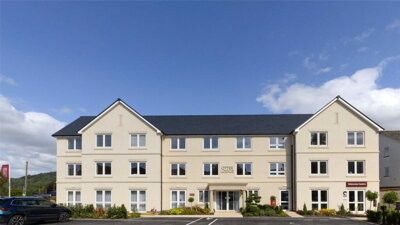
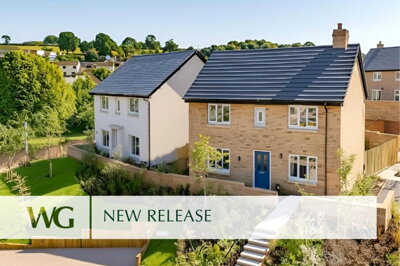
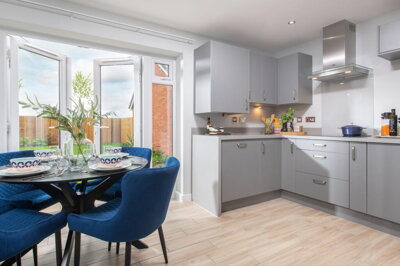
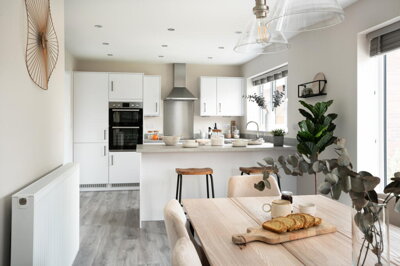
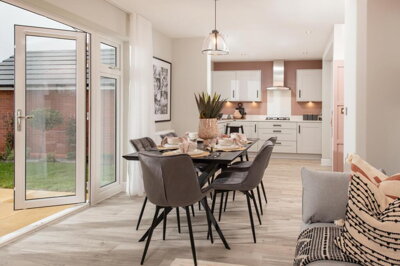
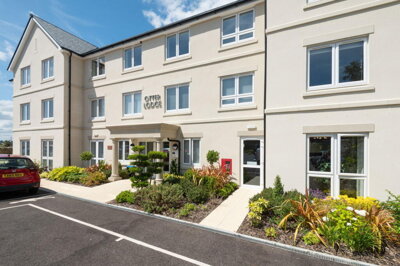
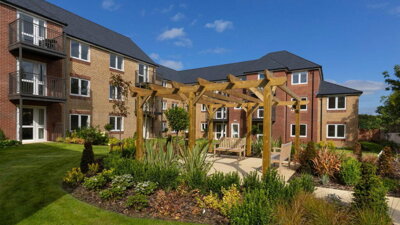
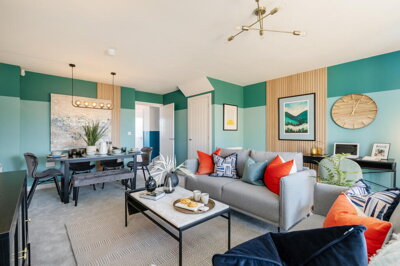
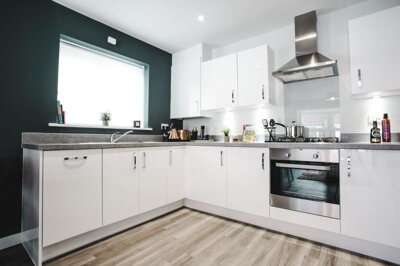
Browse 9 homes new builds in Combe Raleigh from local developer agents.
The Outer Hebrides property market operates quite differently from mainland Scotland, shaped significantly by its island location and the challenges of limited ferry access. Our data shows the overall average house price in Na h-Eileanan Siar reached £139,000 as of December 2025, representing a slight decline of 1.8% from the previous year when the average stood at £142,000. This contrasts with broader Scottish trends, where house prices rose by 4.9% over the same period, indicating that the island market follows its own dynamics influenced by accessibility, employment opportunities, and the local economy.
Property types across the islands reflect the traditional building styles of Scotland's west coast. Detached properties command the highest average prices at £174,000, offering the space and independence that island living often demands. Semi-detached homes average £117,000, while terraced properties provide more affordable options at approximately £89,000. Flats and maisonettes, though less common in this predominantly house-oriented housing stock, start from around £70,000 and can represent excellent value for first-time buyers or those seeking a manageable property for holiday let purposes. First-time buyers in the area are purchasing at an average of £115,000, demonstrating the accessible entry point to the local market.
The coastal position of the Outer Hebrides exposes properties to Atlantic weather systems that can accelerate wear on building materials compared to more sheltered mainland locations. Your survey should account for the specific challenges that salt-laden winds and driving rain create for traditional construction methods. Properties with south and west facing elevations often show more weathering than those sheltered by orientation, and this should inform your assessment of maintenance requirements and long-term ownership costs.

Life in the Outer Hebrides offers an extraordinary quality of life that continues to attract new residents seeking escape from urban pressures. The islands are renowned for their pristine beaches, with vast stretches of white sand that rank among the most beautiful in Europe. The landscape is dominated by peatlands, rolling moorland, and dramatic coastal cliffs, creating an environment where outdoor pursuits shape daily life. Walking, fishing, sailing, and wildlife watching are integral to local culture, with the islands being home to significant populations of seabirds, otters, and seals.
The community spirit in Na h-Eileanan Siar is notably strong, with a high proportion of households living in houses rather than flats compared to urban Scottish areas. Gaelic culture remains vibrant here, with approximately 60% of the population speaking the language. Local amenities are centred in towns like Stornoway on Lewis, which serves as the main settlement and commercial hub, offering supermarkets, healthcare facilities, schools, and professional services. The traditional architecture reflects the island's heritage, with many older properties featuring the thick stone walls, sandstone, and lime mortar construction methods typical of historic Scottish buildings.
Employment opportunities tend to centre on public services, fishing, tourism, crofting, and renewable energy projects. The local economy has shown resilience despite the challenges of island remoteness, with remote working opportunities expanding the potential workforce. Prospective residents should consider the availability of their profession in the islands when planning a permanent move, though many residents have successfully established themselves through a combination of remote work and local enterprise.
Education provision in the Outer Hebrides serves students from primary through secondary level, with schools distributed across the various islands to serve local communities. The council operates a network of primary schools catering to younger children, with secondary education concentrated in larger settlements. Families moving to the Eilean Glasaich area will find that school sizes are typically smaller than mainland equivalents, allowing for more individual attention and strong community connections between pupils and staff.
Further and higher education opportunities are primarily accessed through Lewis College in Stornoway, which provides a range of vocational and academic courses. For university education, students typically travel to the mainland, with good ferry and air links connecting the islands to Inverness, Glasgow, and Edinburgh. The relatively small school populations mean that catchment areas are less competitive than in urban Scottish areas, though parents should still confirm specific school placements and any relevant zoning arrangements with Na h-Eileanan Siar Council before finalising a property purchase.
Extra-curricular activities in the islands often revolve around outdoor pursuits and Gaelic traditions. Children growing up in the Outer Hebrides have opportunities to participate in traditional music, Gaelic language activities, sailing, and land-based sports that reflect the islands' culture and environment. Parents considering relocation should factor in the broader educational benefits of island living alongside academic provision.
Getting to and from the Outer Hebrides requires crossing the Minch, the stretch of sea separating the islands from mainland Scotland. CalMac ferries operate essential routes connecting the islands to Ullapool on the west coast, with the crossing taking approximately 2 hours 40 minutes. Internal ferry services link the various islands within the Hebridean archipelago, though journey times and frequencies vary considerably depending on the specific route. Planning around ferry schedules is simply a fact of life for island residents and should be factored into any property purchase decision.
For faster travel, Loganair operates flights from Stornoway Airport to Inverness, Edinburgh, Glasgow, and Benbecula, providing crucial connections to the mainland for business and personal travel. The Western Isles are connected by a network of single-track roads, and while scenic, these require careful driving with passing places. Stornoway, as the main town, offers the most comprehensive local bus services, while other areas rely more heavily on private vehicles. Cyclists will find the roads generally quieter than mainland Scotland, though wind exposure can be significant on exposed coastal sections.
Property buyers should consider the practical implications of island logistics when evaluating locations. Properties near ferry terminals offer easier mainland access but may experience higher traffic volumes, while more remote properties provide tranquility at the cost of additional travel time. The timing of property viewings should ideally include consideration of ferry schedules, and prospective buyers may wish to experience the crossing in various weather conditions to fully understand the practical realities of island commuting.
Spend time understanding the local market dynamics, including property prices, availability, and the logistics of island living. Our platform provides current listings and price data for the Outer Hebrides, helping you understand what your budget can achieve in this unique location. Consider joining local community forums and social media groups to gain insights from current residents about the practical realities of island life.
Contact a mortgage broker to obtain an agreement in principle before beginning property viewings. Given the unique nature of island properties and their construction, some lenders have specific requirements, so seek advice from brokers familiar with Scottish island properties. The average price for mortgage buyers in Na h-Eileanan Siar is £132,000, which can help inform your borrowing expectations.
Visit properties that match your criteria, ideally at different times of year to experience the varying weather and accessibility conditions. Consider the practical aspects of island life, including ferry connections, local amenities, and the specific characteristics of each island community. Viewing multiple properties across different islands can provide valuable comparative insight into the local housing stock.
Commission a thorough survey from a qualified RICS surveyor before proceeding with your purchase. Older Hebridean properties often feature traditional construction methods that require expert assessment, including evaluation of stonework condition, dampness, and timber integrity. Survey costs typically range from £400 to £900 depending on property size, with island remoteness potentially affecting pricing.
Appoint a solicitor experienced in Scottish property transactions to handle the legal aspects of your purchase. Your solicitor will conduct searches, handle title deeds, and manage the transfer of ownership through the Registers of Scotland. Conveyancing fees typically start from around £499 for standard transactions.
Finalise your purchase through the exchange of contracts, with completion typically taking place on an agreed date. Arrange your move carefully, considering ferry schedules for vehicles and belongings, and ensure utility companies are notified of your change of address. Factor in the additional logistics of moving to an island location, including potential ferry bookings for vehicles during peak periods.
Properties in the Outer Hebrides present unique considerations that buyers should carefully evaluate before proceeding. The coastal location means that flood risk is a genuine consideration, with the islands being exposed to Atlantic storms and the potential for coastal flooding affecting causeways between islands. Your survey should specifically address any history of flooding, the condition of drainage systems, and the property's position relative to coastal erosion risks. Properties near beaches may offer stunning views but require assessment of their long-term resilience to weather and sea conditions.
The age and construction of traditional Hebridean properties demand particular attention during the survey process. Many older homes feature thick stone walls and traditional lime mortar construction that requires different maintenance approaches compared to modern properties. Common issues to watch for include rising damp where damp proof courses may be absent or failed, timber decay from hidden leaks or poor ventilation, and deterioration of stonework and mortar joints due to the harsh coastal climate. Electrical and plumbing systems in older properties may require updating to meet modern standards, which should be factored into your renovation budget.
The islands have a coastal flood forecasting system in place due to exposure to Atlantic storms and the complex coastline with many inlets and small islands. Travel around the islands can be restricted by flooding of causeways due to high water levels or wave action, making this an important consideration for any property purchase. Properties on elevated ground away from low-lying coastal areas may offer more resilience, though all island properties should be assessed for their specific flood risk profile.

The overall average house price in Na h-Eileanan Siar was approximately £139,000 as of December 2025. Detached properties average £174,000, semi-detached homes around £117,000, and terraced properties from £89,000. Flats and maisonettes typically start from approximately £70,000. Prices have shown a slight decline of 1.8% over the past year, contrasting with a 4.9% rise across Scotland generally. First-time buyers are purchasing at an average of £115,000, reflecting the accessible entry point to the island market.
Council tax bands in Scotland are assigned by the Scottish Assessors and vary by property value. Homes in the Outer Hebrides generally fall across all bands depending on their value, with band A properties being most common for smaller homes and flats. You can check specific bands through the Na h-Eileanan Siar Council website or the Scottish Assessors Portal. Local council tax funds essential services including roads, education, and waste collection across the islands, with rates comparable to other Scottish rural areas.
Education provision across the islands includes primary schools in most communities and secondary schools in larger settlements like Stornoway. The schools maintain good standards and benefit from smaller class sizes that allow more individual attention. For secondary education, Nicolson Institute in Stornoway serves students from across Lewis and Harris, while other islands have their own secondary facilities. Parents should verify current catchments and any planned changes with Na h-Eileanan Siar Council education department before purchasing a property.
The islands are primarily accessed by CalMac ferries from Ullapool on the mainland, with crossing times of approximately 2 hours 40 minutes. Stornoway Airport offers flights to Inverness, Edinburgh, Glasgow, and Benbecula, with Loganair operating these routes. Internal ferry services connect the various islands, though schedules are less frequent than mainland public transport. Within the islands, local bus services operate but private vehicles remain essential for many residents given the dispersed nature of communities.
The Outer Hebrides property market offers different dynamics compared to urban areas. While capital growth may be more modest than in cities, the islands attract buyers seeking lifestyle changes, holiday homes, and rental opportunities through platforms like Airbnb. First-time buyer activity is evident with an average purchase price of £115,000. Properties with sea views, proximity to beaches, or potential for holiday let conversion may offer stronger rental yields. However, island-specific factors like accessibility and seasonal tourism patterns should influence investment decisions.
Land and Buildings Transaction Tax (LBTT) is Scotland's equivalent to Stamp Duty Land Tax. For residential purchases, there is no LBTT on properties up to £250,000. Properties between £250,001 and £925,000 attract 5%, with rates rising to 10% for £925,001 to £1.5 million and 12% above that. First-time buyers in Scotland receive relief on properties up to £625,000, with 0% payable on the first £425,000 and 5% between £425,001 and £625,000. For a property at the regional average price of £139,000, a buyer would pay no LBTT as this falls entirely within the zero-rate band. Your solicitor will calculate the exact amount based on the purchase price and your circumstances.
Given the age and traditional construction of many properties in the Outer Hebrides, a RICS Level 2 Survey is strongly recommended for most purchases. This comprehensive inspection covers all accessible areas, identifies defects, and provides advice on maintenance and repairs. For older stone properties or those with non-standard construction, a RICS Level 3 Survey may be more appropriate. Survey costs typically range from £400 to £900 depending on property size and complexity, with island remoteness potentially affecting pricing. Common issues in traditional Hebridean properties include damp proof course failures, timber decay from poor ventilation, stonework deterioration from salt-laden winds, and outdated electrical and plumbing systems.
Traditional stone properties in the Hebrides require careful assessment of several specific risks. Many older homes lack a damp proof course or have one that has failed, leading to rising damp that can affect walls and timbers. The salt-laden Atlantic winds accelerate weathering of sandstone and lime mortar, requiring regular maintenance using appropriate breathable materials rather than modern cement-based products. Timber decay from hidden roof leaks, rising damp, or poor ventilation can compromise structural integrity, while outdated plumbing systems using lead or galvanised steel may need complete replacement. Electrical systems in older properties frequently require updating to meet current safety standards.
Understanding the full costs of purchasing property in Scotland is essential for budgeting your move to the Outer Hebrides. The purchase price of your property is subject to Land and Buildings Transaction Tax (LBTT), calculated using Scottish thresholds rather than those operating in England and Wales. For a property at the regional average price of £139,000, a buyer would pay no LBTT as this falls entirely within the zero-rate band. However, buyers purchasing higher-value properties should understand the graduated rate structure that applies to Scottish residential transactions.
Beyond the purchase price, additional costs include solicitor fees for conveyancing, which typically start from around £499 for standard transactions but may be higher for leasehold properties or those with complex titles. A RICS Level 2 Survey costs between £400 and £900 depending on the property, with island remoteness potentially affecting pricing. LBTT must be paid within 30 days of settlement, and your solicitor will handle this submission. Factor in removal costs, which may include ferry transport for vehicles and belongings, along with potential costs for updating electrical systems or addressing maintenance issues identified in your survey.
For those considering renovation of traditional properties, additional costs may include specialist building work using breathable lime products, damp proof course installation, timber treatment, and roof repairs. Properties listed or in conservation areas may require listed building consent for certain works, adding both time and cost to renovation projects. Prospective buyers should obtain detailed survey reports before committing to purchase, particularly for older properties where maintenance backlogs may be substantial.
From £438.90
A comprehensive inspection covering all accessible areas, identifying defects and providing maintenance advice. Strongly recommended for traditional Hebridean properties.
From £600
Our most thorough survey, ideal for older properties, non-standard construction, or complex buildings requiring detailed assessment.
From £85
Energy Performance Certificate required for all property sales, assessing energy efficiency and running costs.
From £499
Expert Scottish solicitors handling all legal aspects of your island property purchase from offer to completion.
From 4.5%
Specialised mortgage advice for Scottish island properties with competitive rates from leading lenders.
Properties New Builds In London

Properties New Builds In Plymouth

Properties New Builds In Liverpool

Properties New Builds In Glasgow

Properties New Builds In Sheffield

Properties New Builds In Edinburgh

Properties New Builds In Coventry

Properties New Builds In Bradford

Properties New Builds In Manchester

Properties New Builds In Birmingham

Properties New Builds In Bristol

Properties New Builds In Oxford

Properties New Builds In Leicester

Properties New Builds In Newcastle

Properties New Builds In Leeds

Properties New Builds In Southampton

Properties New Builds In Cardiff

Properties New Builds In Nottingham

Properties New Builds In Norwich

Properties New Builds In Brighton

Properties New Builds In Derby

Properties New Builds In Portsmouth

Properties New Builds In Northampton

Properties New Builds In Milton Keynes

Properties New Builds In Bournemouth

Properties New Builds In Bolton

Properties New Builds In Swansea

Properties New Builds In Swindon

Properties New Builds In Peterborough

Properties New Builds In Wolverhampton

Enter your details to see if this property is within your budget.
Loans, cards, car finance
Estimated property budget
Borrowing + deposit
You could borrow between
Typical borrowing
Monthly repayment
Est. at 4.5%
Loan-to-value
This is an estimate only. Your actual budget may vary depending on interest rates, credit history, and personal circumstances. For an accurate affordability assessment, speak to one of our free mortgage advisors.
This calculator provides estimates for illustrative purposes only and does not constitute financial advice. Your home may be repossessed if you do not keep up repayments on your mortgage. Estimates based on 4.5% interest rate, repayment mortgage. Actual rates depend on your circumstances.
Homemove is a trading name of HM Haus Group Ltd (Company No. 13873779, registered in England & Wales). Homemove Mortgages Ltd (Company No. 15947693) is an Appointed Representative of TMG Direct Limited, trading as TMG Mortgage Network, which is authorised and regulated by the Financial Conduct Authority (FRN 786245). Homemove Mortgages Ltd is entered on the FCA Register as an Appointed Representative (FRN 1022429). You can check registrations at NewRegister or by calling 0800 111 6768.

We use cookies to show you personalised content and improve your experience of our website. Find out more in our Privacy policy and Cookie policy.