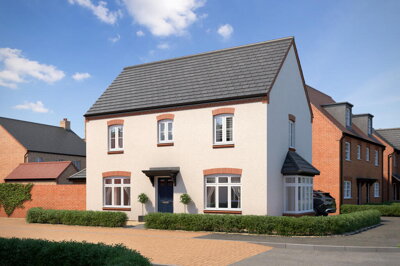
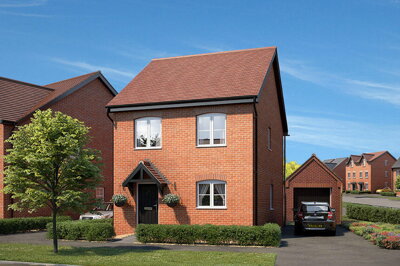
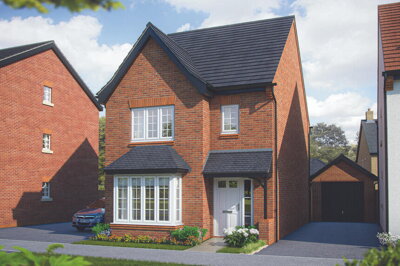
Browse 3 homes new builds in Collingtree, West Northamptonshire from local developer agents.
Three bedroom properties represent a significant portion of the Collingtree housing market, offering space for families with multiple reception rooms and gardens in many cases. Browse detached, semi-detached, and terraced options ranging across new residential developments.
£350k
7
0
37
Source: home.co.uk
Showing 7 results for 3 Bedroom Houses new builds in Collingtree, West Northamptonshire. The median asking price is £350,000.
Source: home.co.uk
Detached
3 listings
Avg £393,328
Semi-Detached
3 listings
Avg £340,000
Terraced
1 listings
Avg £325,000
Source: home.co.uk
Source: home.co.uk
£329,000
Average House Price
+10.6%
MK9 3 Annual Growth
6,600
Annual Sales Volume
£168,000
Flats From
£559,000
Detached Homes To
The Central Milton Keynes property market demonstrates the resilience and desirability of this planned urban centre. Our current listings reflect a diverse range of property types, from contemporary apartments in the city centre to traditional terraced homes in established residential neighbourhoods. The average house price in Milton Keynes reached £329,000 as of December 2025, with the wider postcode area averaging £379,000. Property types command different prices, with detached homes averaging £559,000, semi-detached properties at £332,000, terraced houses at £273,000, and flats and maisonettes at £168,000, providing options for every budget and lifestyle preference.
Recent market trends show steady growth in Central Milton Keynes, with the MK9 3 postcode sector outperforming broader averages. Semi-detached properties led price increases with a 3.2% rise, demonstrating strong demand for family-sized homes in accessible locations. The market has seen approximately 1,300 fewer transactions compared to the previous year, a 14.7% reduction reflecting national trends, but prices have remained firm with overall growth of 1.8% across Milton Keynes. Asking prices have softened slightly by an average of 2.2% over the past six months, potentially creating opportunities for buyers who act decisively in the current market conditions.
Plumplot data for the Milton Keynes postcode area indicates average sold prices of £549,000 for detached properties, £356,000 for semi-detached homes, £297,000 for terraced houses, and £187,000 for flats. These figures underscore the premium placed on space and family accommodation in this expanding city. First-time buyers face a competitive market, with many seeking properties in popular developments close to excellent schools and the extensive Redway network of traffic-free cycling paths spanning over 25 miles throughout the city.
Investment activity in Central Milton Keynes remains robust, driven by the city's strategic location and strong rental yields. The average monthly private rent of £1,325 per month reflects sustained demand from tenants seeking quality accommodation in this well-connected location. With the University of Bedfordshire Milton Keynes campus attracting students and the continued expansion of major employers, the rental market shows no signs of weakening, making property purchase an attractive proposition for buy-to-let investors.
Central Milton Keynes offers a distinctive lifestyle shaped by its innovative urban planning and modern infrastructure. The city centre features the iconic Theatre and Art Gallery, Campbell Park with its stunning sculpture installations, and the picturesque Great Linford Manor Park with its network of lakes and pathways. The Grid Road system, a hallmark of Milton Keynes design, provides efficient connections throughout the city while preserving green spaces between developments. Local residents enjoy the unique blend of urban amenities and natural environments that few other cities can match.
The economic vitality of Central Milton Keynes attracts residents from across the region, with major employers including the Santander financial centre, Argos headquarters, and numerous logistics operations serving the M1 corridor. The shopping experience rivals major metropolitan centres, with Centre:MK drawing visitors from across Buckinghamshire and beyond. Average private rents of £1,325 per month reflect the strong demand for central living, while the diverse population creates a welcoming community atmosphere. Cultural diversity, excellent leisure facilities, and a thriving food and beverage scene make Central Milton Keynes an exciting place to call home.
Residents of Central Milton Keynes benefit from an exceptional range of leisure facilities within easy reach. The Xscape complex offers indoor skiing, cinema, and bowling, while theMK1 stadium hosts football matches and concerts. The city boastsover 6,000 acres of parkland and green spaces, including the Linear Park that runs through the centre, providing extensive opportunities for outdoor recreation. Campbell Park, designed as a counterpoint to the civic buildings, features contemporary sculptures and hosts annual events including the Milton Keynes International Festival.

Families considering a move to Central Milton Keynes will find a comprehensive range of educational options from primary through secondary level. The city has invested significantly in school provision, with numerous primary schools serving local neighbourhoods and secondary schools equipped with modern facilities. Parents should research specific catchment areas when considering properties, as school places are allocated based on proximity. The city's growth has brought continued investment in educational infrastructure, ensuring facilities keep pace with the expanding population.
Beyond statutory education, Central Milton Keynes offers excellent further and higher education opportunities. The city is home to the University of Bedfordshire Milton Keynes campus, providing undergraduate and postgraduate programmes in a modern campus environment. The campus, located in the city centre, offers degrees in business, computing, health, and social care, attracting students from across the UK and internationally. For families seeking further education closer to home, the University also provides part-time and distance learning options.
Milton Keynes College offers vocational courses and apprenticeships across a wide range of subjects, from business and technology to healthcare and construction. The college works closely with local employers to ensure programmes meet current industry needs, providing students with relevant skills for the local job market. For families seeking faith-based education or independent schooling, several options exist within reasonable commuting distance, making Central Milton Keynes suitable for households at all stages of family life. The city's diverse educational landscape ensures children from nursery age through to postgraduate study can access quality provision without leaving the area.
Central Milton Keynes boasts exceptional transport connectivity that makes it attractive to commuters and businesses alike. The Milton Keynes railway station offers direct services to London Euston in approximately 35 minutes, with services also running to Birmingham, Oxford, and Northampton. This excellent rail connectivity has made the city a popular choice for commuters who wish to access the capital without paying London property prices. The station is centrally located within walking distance of the main shopping district and residential areas.
Road connectivity is equally impressive, with the M1 motorway providing direct access to London and the north, while the A5 bypass connects the city to Leicester and the Midlands. The Grid Road system efficiently manages traffic within the city, reducing congestion compared to older urban areas. These dual carriageway routes connect all major areas while maintaining separated communities between the grid road corridors. The V6 Marlborough Street and H3 Childs Way provide key links across the city centre.
Public bus services operated by Milton Keynes Transit connect residential areas to the city centre, shopping destinations, and employment hubs. Routes run throughout the city and into surrounding villages, with the central bus station providing interchange facilities. For cyclists, the Redway network provides over 25 miles of traffic-free paths, encouraging sustainable travel throughout the city. These shared-use paths connect homes to employment areas, schools, shopping centres, and parks, making cycling a practical option for daily commuting as well as leisure.
Understanding the construction methods used in Central Milton Keynes helps buyers appreciate the properties they may purchase. As a New Town designated in 1967, the city was built using modern construction techniques that were considered innovative at the time. Most residential properties utilise cavity wall construction, with brick or rendered external walls and blockwork inner leaves separated by a cavity. This construction method provided good thermal performance for the era and remains sound, though insulation improvements may be beneficial in older properties.
Apartment blocks in Central Milton Keynes typically feature framed construction using concrete and steel, with brick cladding or modern insulated render systems. The earlier commercial and residential buildings from the 1970s and 1980s often include flat roof sections, which require regular maintenance and eventual replacement. Many of these flat roofs were originally constructed with felt systems that have a limited lifespan of 15-25 years, meaning properties from the early phases of development may have undergone roof replacement or require it in the near future.
The emphasis on rapid construction during the New Town era meant widespread use of standardised components and prefabricated elements. Bathroom pods, kitchen units, and even some structural elements were manufactured off-site and assembled on location. While this approach delivered high-quality homes efficiently, it can sometimes make repairs more complex if specific proprietary systems require matching. Our inspectors are familiar with the construction methods used in Central Milton Keynes and can identify potential issues during a thorough survey of any property.
Begin your property search by exploring listings in Central Milton Keynes and understanding the price ranges for different property types. With prices ranging from £168,000 for flats to £559,000 for detached homes, identifying your target segment helps narrow your search effectively. Use our comparison tool to understand what different property types cost and consider whether you need the additional space of a semi-detached home or whether a modern apartment better suits your lifestyle needs.
Before arranging viewings, obtain a mortgage agreement in principle from a lender. This strengthens your position when making offers and demonstrates to sellers that you have financing secured. Compare rates from multiple lenders to find the most suitable deal for your circumstances. With average property prices around £329,000 in Milton Keynes, most buyers will need a mortgage of £260,000-£300,000, so understanding your borrowing capacity early helps set realistic expectations.
Visit properties that match your requirements, paying attention to the condition of the building, the neighbourhood, and local amenities. In Central Milton Keynes, consider factors such as proximity to the station, local schools, and green spaces when evaluating each property. The Grid Road system makes driving convenient, but walking distances can feel longer than in traditional cities, so check actual travel times to your workplace and regular destinations.
Once your offer is accepted, arrange a RICS Level 2 Survey to assess the property condition thoroughly. Given that many Central Milton Keynes homes were built from the 1960s onwards, this survey will identify any defects common to post-war construction methods and materials. Flat roofs, thermal bridging, and original electrical systems are frequent areas of concern in properties from this era.
Your solicitor will handle the legal aspects of the purchase, including searches, contracts, and land registry matters. They will liaise with your mortgage lender and coordinate with the seller's legal team to progress your purchase through to completion. Local solicitors familiar with Milton Keynes properties can efficiently handle searches related to local planning, drainage, and any New Town-related covenants or obligations.
Once all legal searches are satisfactory and your mortgage is finalised, both parties will sign contracts and typically pay a deposit to exchange. Completion typically follows within weeks, when the remaining funds are transferred and you receive the keys to your new home. In Central Milton Keynes, most completions proceed smoothly once contracts are exchanged, with the modern infrastructure of the city making the moving process straightforward.
Purchasing property in Central Milton Keynes requires attention to factors specific to this New Town environment. Properties built during the early phases of development, from the late 1960s through the 1970s, may exhibit defects associated with that era's construction practices. Flat roofs, common on some residential and commercial buildings from this period, require careful inspection as they often show signs of wear and may have been partially renewed. Thermal bridging and condensation issues can affect properties built before modern insulation standards, so pay particular attention to window frames, wall junctions, and ventilation systems.
The underlying geology of the Milton Keynes area includes clay deposits, which can cause shrink-swell movement affecting foundations, particularly near large trees. While the city was not built on former mining areas, ground conditions should be considered, especially for properties with gardens containing mature vegetation. The Oakridge, Beanhill, and Netherfield areas feature substantial trees that were retained during development and may affect nearby foundations. A thorough survey will assess whether any signs of past movement have been remedied and whether any trees pose ongoing risk.
Flood risk in Central Milton Keynes is generally well-managed through the city's network of balancing lakes and watercourses, though local drainage patterns should be verified. The River Great Ouse and its tributaries flow through the area, with balancing lakes designed to control surface water during heavy rainfall. Properties near these water features or in low-lying areas may face slightly elevated flood risk and should be investigated thoroughly before purchase.
Conservation areas are limited within the central area due to its modern construction, but any period features or architectural character should be respected during renovation works. Properties with original features from the 1960s and 1970s may be of interest to those seeking authentic Mid-Century design, though maintenance of original windows, doors, and fixtures requires specialist knowledge. Most properties in Central Milton Keynes fall outside conservation restrictions, giving owners considerable freedom for alterations and improvements.

Understanding the full costs of purchasing property in Central Milton Keynes helps you budget accurately for your move. Beyond the property price, buyers should account for stamp duty land tax, legal fees, survey costs, and moving expenses. Current SDLT rates in England apply zero percent on the first £250,000 of residential purchases, five percent on the portion between £250,001 and £925,000, ten percent between £925,001 and £1.5 million, and twelve percent above £1.5 million. Given that the average property price in Milton Keynes is around £329,000, most buyers fall within the five percent band on the portion above £250,000.
First-time buyers benefit from increased thresholds, paying no SDLT on the first £425,000 and five percent on amounts between £425,001 and £625,000. This relief is available to purchasers who have never owned property anywhere in the world. For properties above £625,000, first-time buyer relief phases out. With the average property price at £329,000, many first-time buyers purchasing in Central Milton Keynes will pay no stamp duty at all, making the city an attractive option for those entering the property market.
Additional purchase costs include mortgage arrangement fees typically ranging from £500 to £2,000 depending on the lender, survey fees from £350 for a Level 2 Survey, conveyancing fees from £499, and land registry fees for title registration. Factor in mortgage valuation fees, buildings insurance from day one of ownership, and removals costs when planning your budget for Central Milton Keynes property purchase. Our partners offer competitive rates for surveys and conveyancing, helping you manage the costs of buying in this thriving city.
The average house price in Milton Keynes reached £329,000 as of December 2025, with the wider postcode area averaging £379,000. The Central Milton Keynes MK9 3 postcode sector saw impressive price growth of 10.6% in the past year, significantly outperforming many surrounding areas. Property prices vary significantly by type, with detached homes averaging £559,000, semi-detached at £332,000, terraced at £273,000, and flats at £168,000. The asking price average was £410,979 as of February 2026, suggesting continued upward pressure on values in desirable central locations.
Council tax bands in Central Milton Keynes are set by Milton Keynes Council and follow the national banding system from Band A through Band H. Most flats and smaller terraced properties fall into Bands A through D, while larger detached homes may be in Bands E through G. Prospective buyers should check the specific band with Milton Keynes Council as this affects ongoing annual costs. The council provides online search facilities where you can verify the banding for any property using its address.
Central Milton Keynes has numerous primary and secondary schools serving different catchment areas, including several rated Good or Outstanding by Ofsted. Parents should research specific schools and their Ofsted ratings, as well as considering catchment boundaries when purchasing property, as these can change and places are allocated by proximity. The city also offers further education at Milton Keynes College and the University of Bedfordshire campus, providing educational pathways from early years through to degree level. The University of Bedfordshire Milton Keynes campus is located in the city centre and offers undergraduate and postgraduate programmes in business, computing, and health subjects.
Central Milton Keynes offers excellent public transport connections that make car ownership optional rather than essential. Milton Keynes railway station provides direct services to London Euston in approximately 35 minutes, with additional routes to Birmingham, Oxford, and Northampton. Local bus services operated by Milton Keynes Transit connect the city centre to residential areas, while the extensive Redway network of over 25 miles of traffic-free paths supports cycling throughout the city. The Grid Road system also facilitates efficient bus routes between different areas of this dispersed city.
Central Milton Keynes presents strong investment credentials based on consistent price growth, excellent transport links, and a thriving local economy. The MK9 3 postcode has shown 10.6% annual price growth, significantly above the broader 1.8% average for Milton Keynes. With major employers including Santander, Argos, and numerous logistics companies, the local job market remains robust. The average monthly private rent of £1,325 reflects strong tenant demand, making buy-to-let investments attractive for those seeking rental income alongside capital growth.
Stamp duty rates (SDLT) in England currently apply 0% on the first £250,000 of residential property purchases, 5% on £250,001 to £925,000, 10% on £925,001 to £1.5 million, and 12% above £1.5 million. First-time buyers relief raises the nil-rate threshold to £425,000, with 5% applied between £425,001 and £625,000. Given that the average property price in Milton Keynes is around £329,000, most buyers purchasing at average price will pay approximately £3,950 in stamp duty on the portion above £250,000.
Given that much of Central Milton Keynes was built from the 1960s onwards, common issues include flat roof deterioration particularly on 1970s buildings, thermal bridging leading to condensation in properties without modern insulation, and original electrical systems that may need upgrading to meet current standards. Properties with large gardens on clay soil may show foundation movement, especially those near retained mature trees. A thorough RICS Level 2 Survey will identify these issues and any others before you commit to purchase, potentially saving thousands in unexpected repair costs.
New build activity in Central Milton Keynes continues with several developments underway across the wider Milton Keynes area. While specific developments within the MK9 central postcode are limited due to the built-up nature of the city centre, surrounding areas offer opportunities for those seeking brand-new properties with modern construction standards and warranties. New builds typically command a premium over equivalent older properties, with the benefit of reduced maintenance requirements and energy efficiency improvements over properties built before current Building Regulations were introduced.
From £350
A detailed inspection of property condition ideal for standard homes. Identifies defects common to Central Milton Keynes construction.
From £500
Comprehensive building survey for older or non-standard properties. Provides detailed assessment of structural condition.
From £60
Energy performance certificate required for all property sales. Shows energy efficiency rating.
From £499
Solicitors handling legal aspects of your purchase including local searches and contracts.
From 4.5%
Expert mortgage advice and competitive rates for Central Milton Keynes property purchases.
Properties New Builds In London

Properties New Builds In Plymouth

Properties New Builds In Liverpool

Properties New Builds In Glasgow

Properties New Builds In Sheffield

Properties New Builds In Edinburgh

Properties New Builds In Coventry

Properties New Builds In Bradford

Properties New Builds In Manchester

Properties New Builds In Birmingham

Properties New Builds In Bristol

Properties New Builds In Oxford

Properties New Builds In Leicester

Properties New Builds In Newcastle

Properties New Builds In Leeds

Properties New Builds In Southampton

Properties New Builds In Cardiff

Properties New Builds In Nottingham

Properties New Builds In Norwich

Properties New Builds In Brighton

Properties New Builds In Derby

Properties New Builds In Portsmouth

Properties New Builds In Northampton

Properties New Builds In Milton Keynes

Properties New Builds In Bournemouth

Properties New Builds In Bolton

Properties New Builds In Swansea

Properties New Builds In Swindon

Properties New Builds In Peterborough

Properties New Builds In Wolverhampton

Enter your details to see if this property is within your budget.
Loans, cards, car finance
Estimated property budget
Borrowing + deposit
You could borrow between
Typical borrowing
Monthly repayment
Est. at 4.5%
Loan-to-value
This is an estimate only. Your actual budget may vary depending on interest rates, credit history, and personal circumstances. For an accurate affordability assessment, speak to one of our free mortgage advisors.
This calculator provides estimates for illustrative purposes only and does not constitute financial advice. Your home may be repossessed if you do not keep up repayments on your mortgage. Estimates based on 4.5% interest rate, repayment mortgage. Actual rates depend on your circumstances.
Homemove is a trading name of HM Haus Group Ltd (Company No. 13873779, registered in England & Wales). Homemove Mortgages Ltd (Company No. 15947693) is an Appointed Representative of TMG Direct Limited, trading as TMG Mortgage Network, which is authorised and regulated by the Financial Conduct Authority (FRN 786245). Homemove Mortgages Ltd is entered on the FCA Register as an Appointed Representative (FRN 1022429). You can check registrations at NewRegister or by calling 0800 111 6768.

We use cookies to show you personalised content and improve your experience of our website. Find out more in our Privacy policy and Cookie policy.